Premium raw materials and chemicals directly from our manufacturing facility
Understanding pure chemical equivalents, polymerization pathways, and supply stability
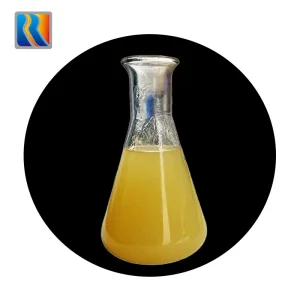
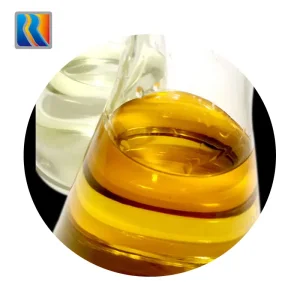
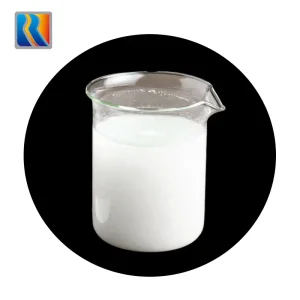
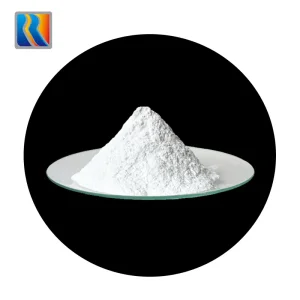
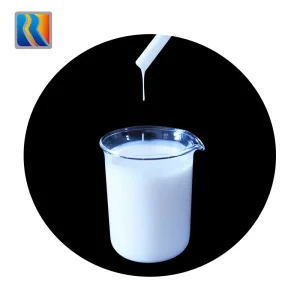
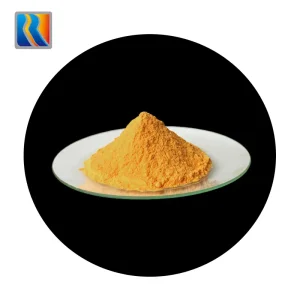
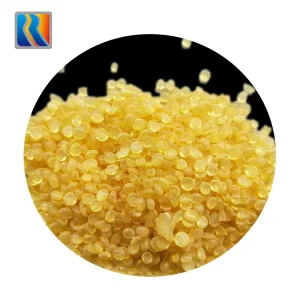
In the global chemical synthesis sector, 100 formaldehyde (historically represented as pure anhydrous monomeric gaseous formaldehyde) is highly unstable, flammable, and prone to rapid polymerization. To counter this, global commercial and industrial applications utilize high-purity solid equivalents, specifically Paraformaldehyde (96% to 98%+ active formaldehyde content), or stabilized aqueous concentrations (up to 37%-55% formalin). These forms serve as the fundamental build blocks for the global thermosetting plastics, polymers, dispersants, and coating additives industries.
For industrial procurement departments looking to secure a reliable, high-yield, and cost-effective formaldehyde supply chain, partnering directly with integrated chemical complexes is critical. High-purity formaldehyde derivatives form the backbone of the synthesis of Urea-Formaldehyde (UF) Resins, Melamine Moulding Compounds (MMC), Phenolic Resins, and key rheological aids. Ensuring supply line resilience requires evaluating both raw material access, technological synthesis capability, and strict environmental compliance protocols.
"Industrial efficiency in the formaldehyde value chain is no longer measured solely by cost per metric ton. Modern B2B procurement strategies prioritize chemical purity, minimal residual methanol levels, and digital manufacturing controls that ensure uniform polymer performance across batches."
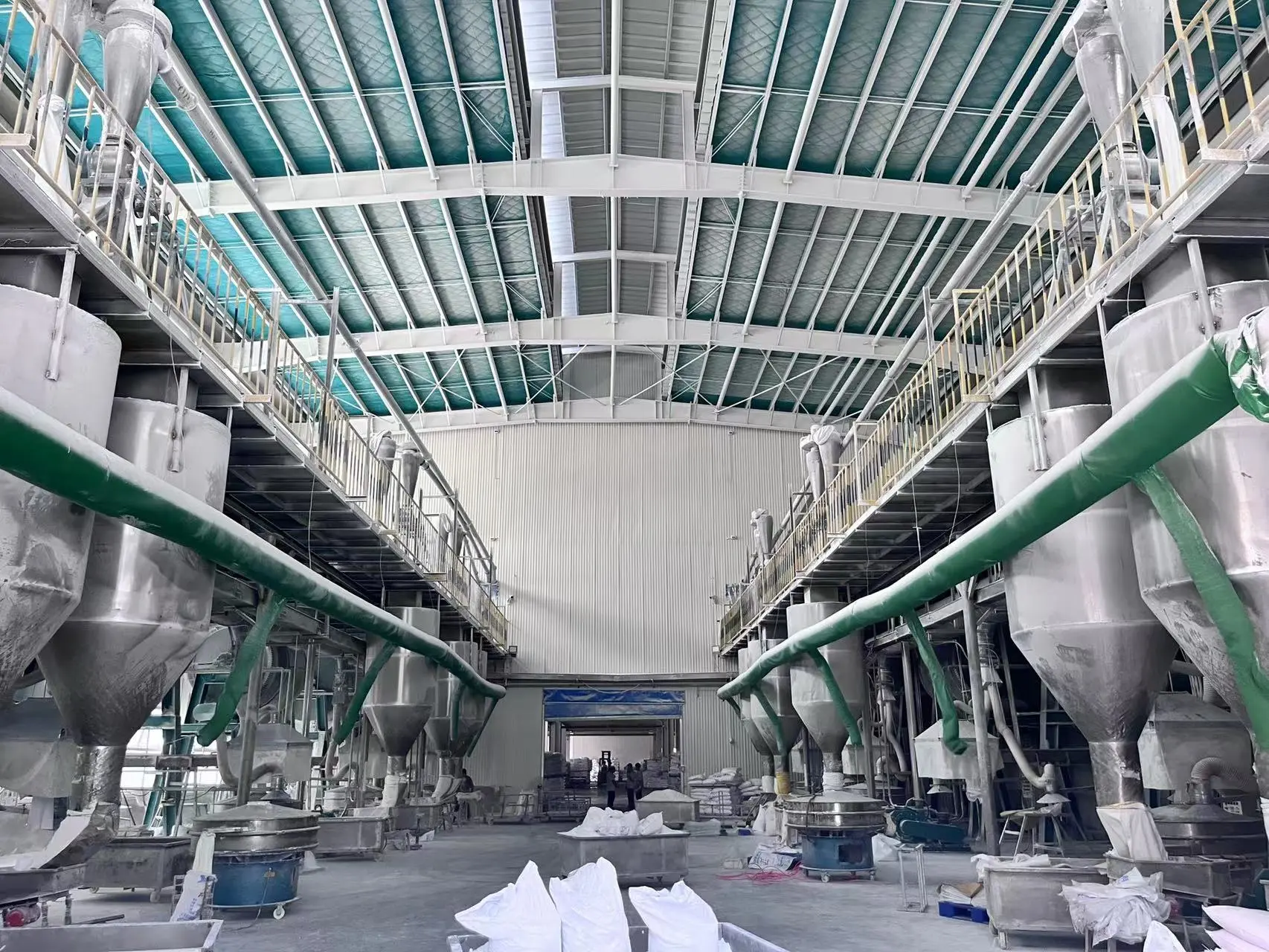
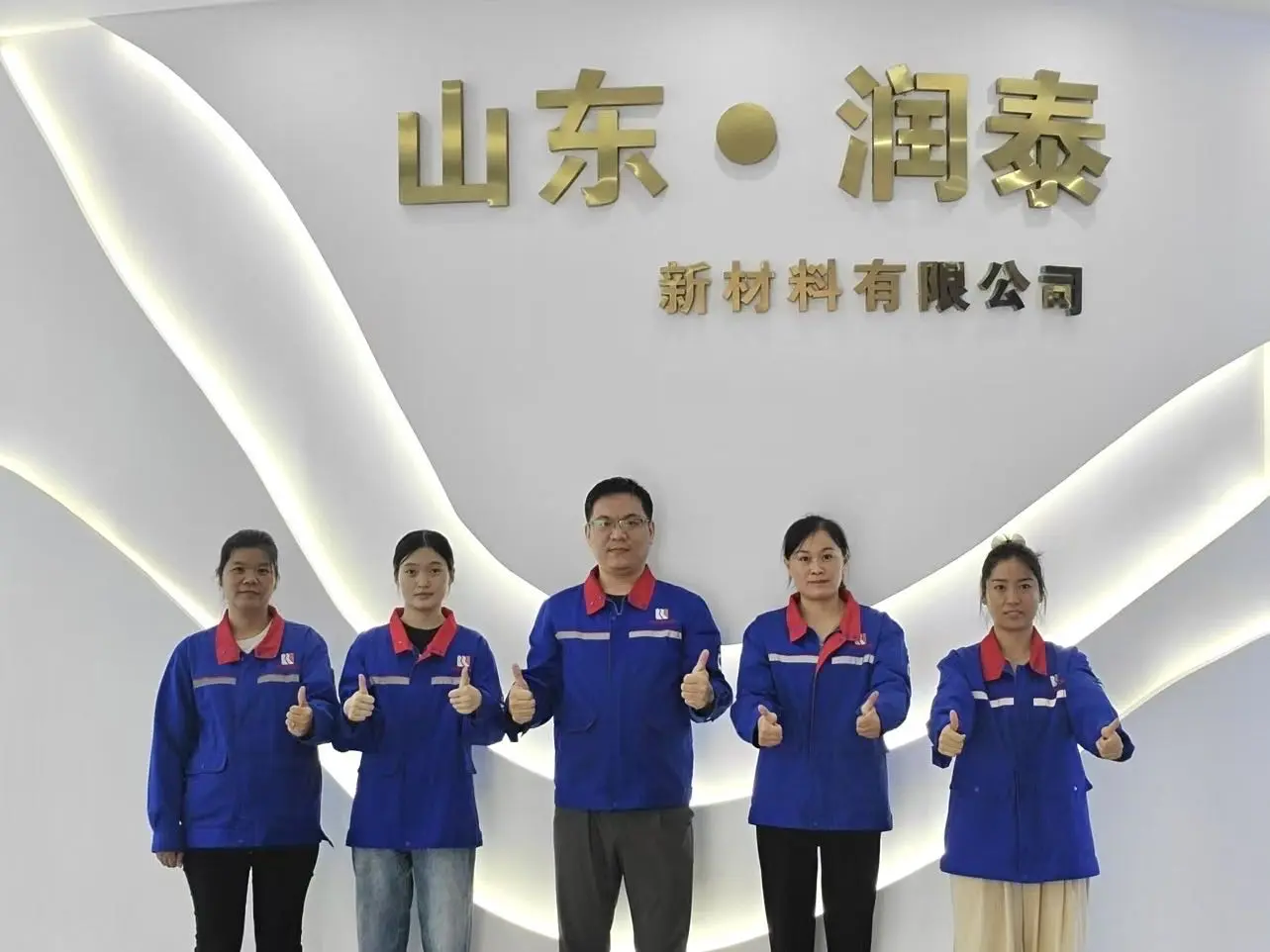
Founded in March 2020, Shandong Runtai New Materials Co., Ltd. is a comprehensive chemical manufacturing group that specializes in the production of fine chemical products and advanced thermosetting polymers. Located in Zaozhuang City, Shandong Province, the corporation operates across five distinct domestic branches with a massive facility spanning 270,000 square meters and a total investment capital of 2.06 billion yuan.
By integrating feedstock synthesis with final polymer processing, Runtai has built a long and highly resilient industrial chain. This integration allows us to supply cost-optimized chemical components globally, reaching major markets in the United States, Thailand, Kenya, Egypt, and beyond.
Harnessing DCS automated process control and academic collaborations
At Runtai, we deploy the industry's most advanced Distributed Control System (DCS) to monitor, analyze, and regulate chemical reaction parameters across the entirety of our manufacturing lines. This integration guarantees consistent batch yields, reduces raw material consumption indexes, and maintains our rigorous safety record.
To keep our technology at the forefront of the industry, we have partnered with the Changzhou Research Institute of Beijing University of Chemical Technology. Supported by an elite R&D team consisting of industry PhDs and polymer scientists, we hold multiple national patents and continue to drive development in thermosetting polymers and aqueous chemical additives.
Key supply drivers shaping the modern formaldehyde and polymer market
Global buyers are shifting to localized warehouses and direct bulk factory agreements to mitigate raw material price fluctuations in methanol and urea feedstock.
Compliance with CARB Phase 2, EPA TSCA Title VI, and E1/E0 standards is now critical for wood composite and resin manufacturers targeting North American and European markets.
Thermosetting polymer replacements in consumer tableware, electronics, and automotive parts are driving double-digit demand growth for high-purity molding compounds.
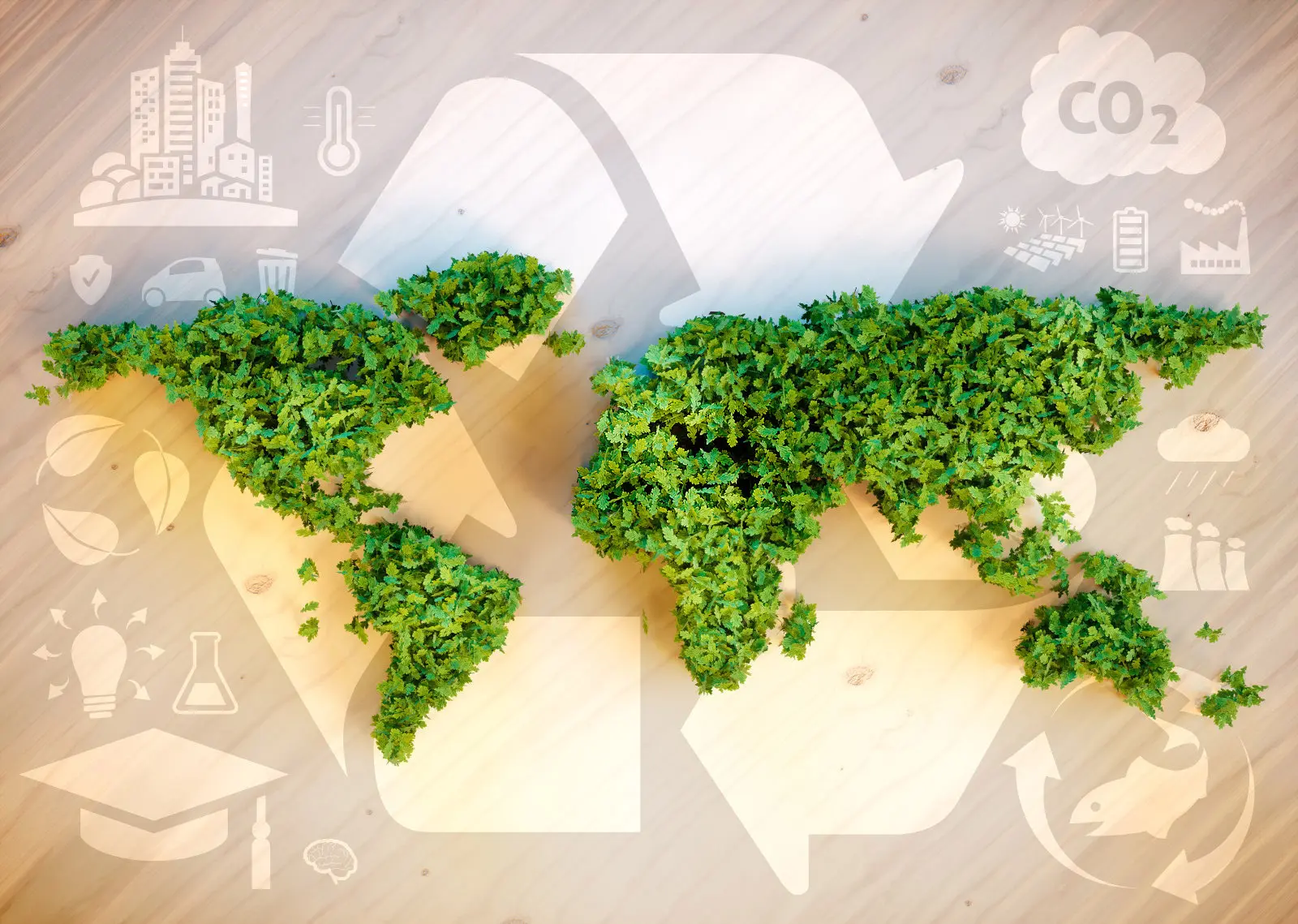
As a socially responsible enterprise, Runtai New Materials prioritizes green manufacturing, resource recycling, and environmental stewardship. Formaldehyde production requires precision controls to limit atmospheric exposure and minimize waste streams. Our facility employs advanced thermal oxidizers and catalytic converters to neutralize industrial emissions, keeping them well below national regulatory limits.
Our core mission—"Quality First, Customer First"—guides us to formulate products that support sustainable construction. For example, our low-free-formaldehyde urea adhesives are optimized to help downstream builders meet green building certifications worldwide.
Our long-term R&D timeline for sustainable developments in resin chemistry
Upgrading our standard Urea-Formaldehyde formulations to achieve emission levels comparable to natural wood. This phase is designed to meet the growing demand for E0 and F**** indoor air quality standards.
Partnering with bio-refineries to integrate bio-methanol into our formaldehyde production lines, helping customers reduce their carbon footprint for downstream materials.
Integrating machine learning algorithms into our Distributed Control Systems (DCS) to automatically adjust production parameters in real time. This will optimize energy use and maintain product consistency across variations in raw feed stocks.
Get professional insights from Runtai's technical and regulatory affairs teams
Explore our full range of chemical products, dispersants, and rheology modifiers
 Runtai