Direct-from-factory solutions offering optimum polymer structures, raw material integration, and high purity grades for international manufacturing demands.
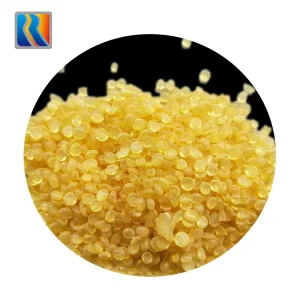
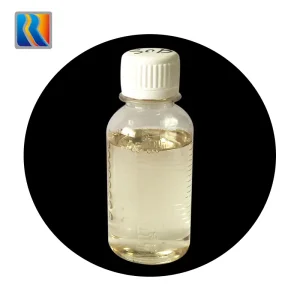
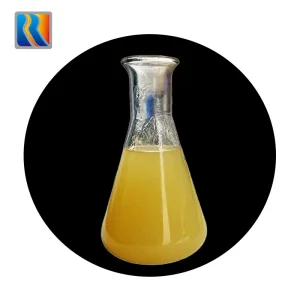
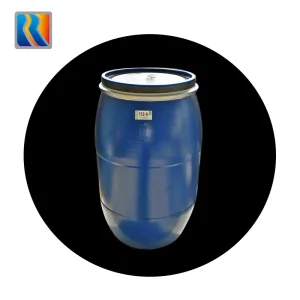
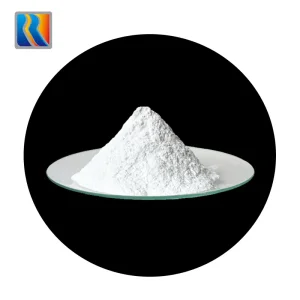
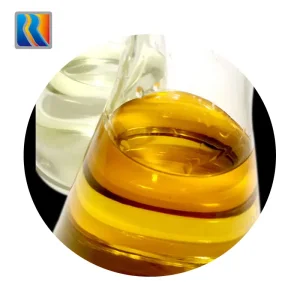
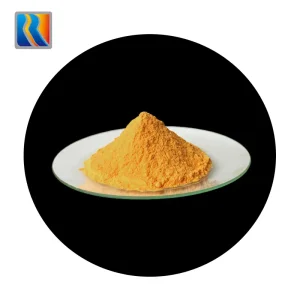
An in-depth analysis of supply dynamics, technological innovations, and vertical integration efficiencies in modern fine chemical manufacturing.
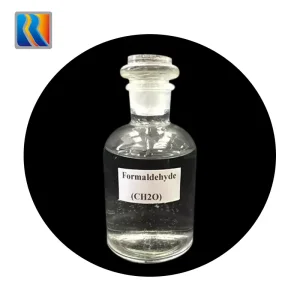
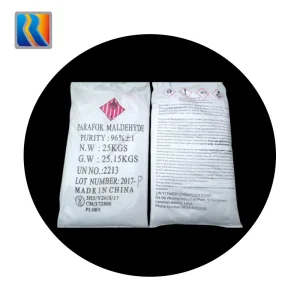
Formaldehyde is widely recognized as one of the most critical structural building blocks in organic synthesis and industrial chemistry. Globally, the demand for formaldehyde and its derivatives—collectively spanning melamine moulding compounds, paraformaldehyde, phenolic resins, and urea-formaldehyde solutions—remains key to infrastructure development, automotive engineering, packaging, and electronics.
According to market dynamics, the globally integrated demand for formaldehydes relies heavily on manufacturing centers that can secure upstream raw material supplies while stabilizing the highly volatile pricing of methanol. As international environmental regulations tighten, the industrial focus has rapidly shifted toward high-grade polymeric materials featuring reduced emissions of volatile organic compounds (VOCs) and low free-formaldehyde content. Runtai New Materials has successfully engineered processes that meet these rigorous constraints, positioning itself as a reliable partner in the global supply chain.
"By controlling the absolute purity of the incoming methanol stream and utilizing advanced silver-catalyzed conversion systems, modern chemical processing plants can achieve unparalleled efficiency while significantly reducing secondary carbon footprints."
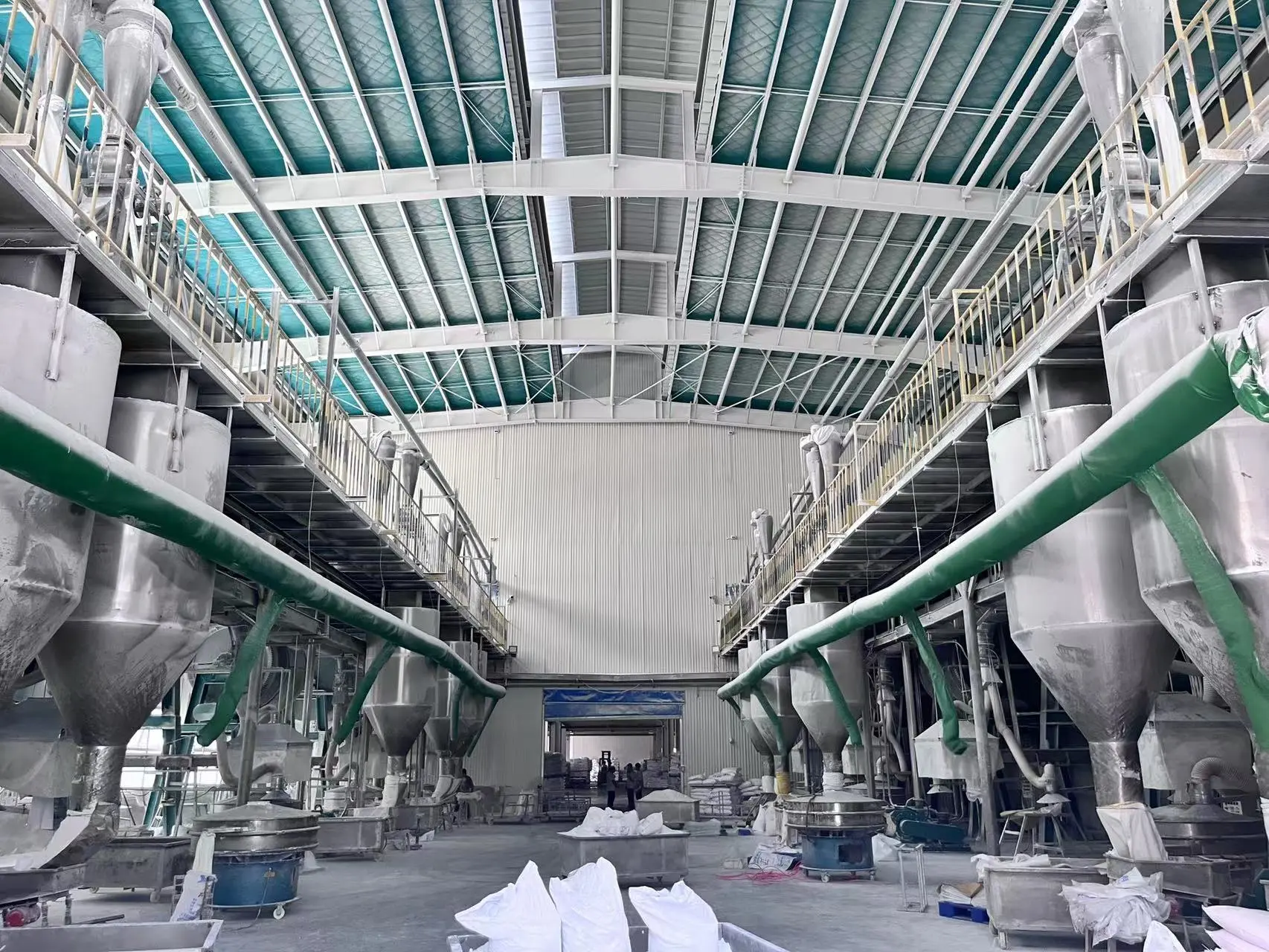
Established in March 2020, Shandong Runtai New Materials Co., Ltd. has developed into a leading powerhouse in the Chinese fine chemicals industry. Our core operations span Zaozhuang City, Shandong Province, with strategic regional branches situated in five critical industrial cities across China. Spanning a massive footprint of 270,000 square meters, our facility represents a total capital layout of 2.06 billion yuan.
Through aggressive capital deployment and automation upgrades, Runtai New Materials has reached high production capacities across multiple product classes:
With an 80% market share in key domestic sectors, Runtai's operational scale allows for significant economies of scale. We have successfully exported our products to the United States, Thailand, Kenya, Egypt, and other countries.
How direct factory integration and advanced academic partnerships translate to cost savings and certified chemical purity.
Operating an unbroken production chain from the initial oxidation of methanol to formaldehyde, and onward to downstream resins and moulding powders, eliminates intermediate transport costs and protects raw material margins.
By implementing a state-of-the-art Distributed Control System (DCS), the factory regulates reaction temperatures, pressure thresholds, and feed rates to achieve stable molecular weight distributions across batches.
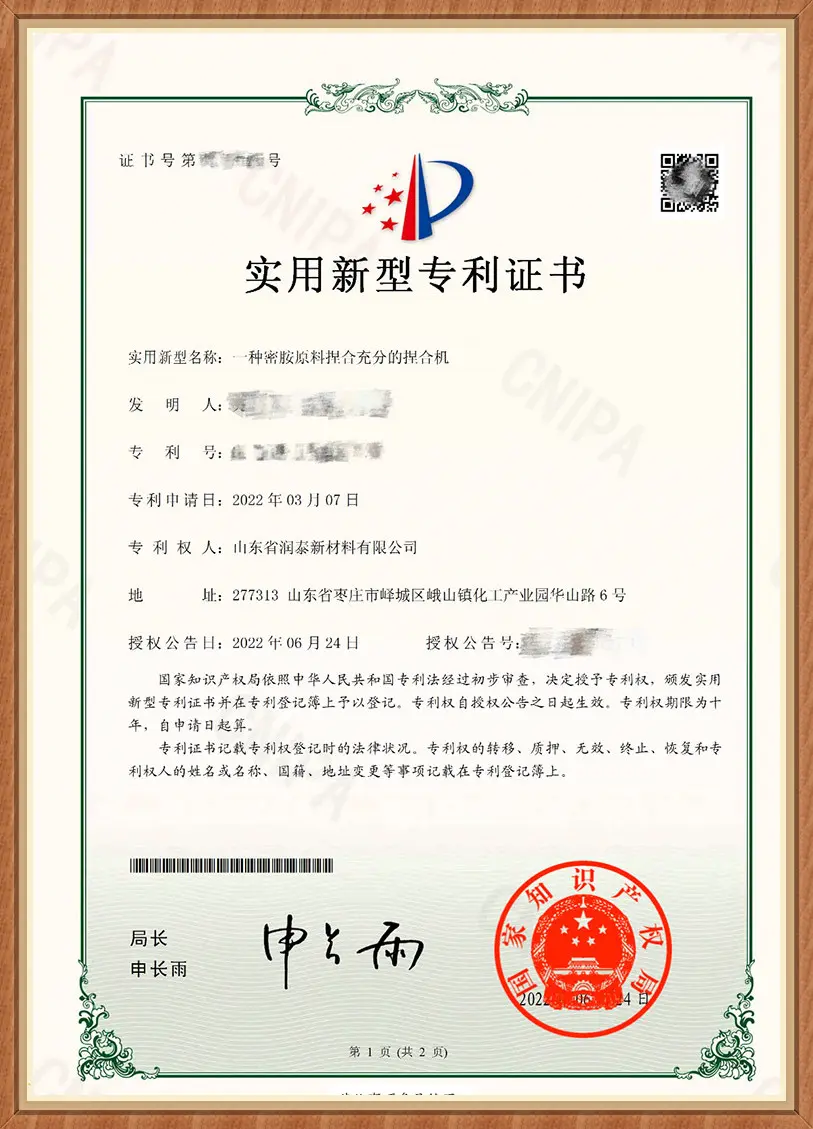
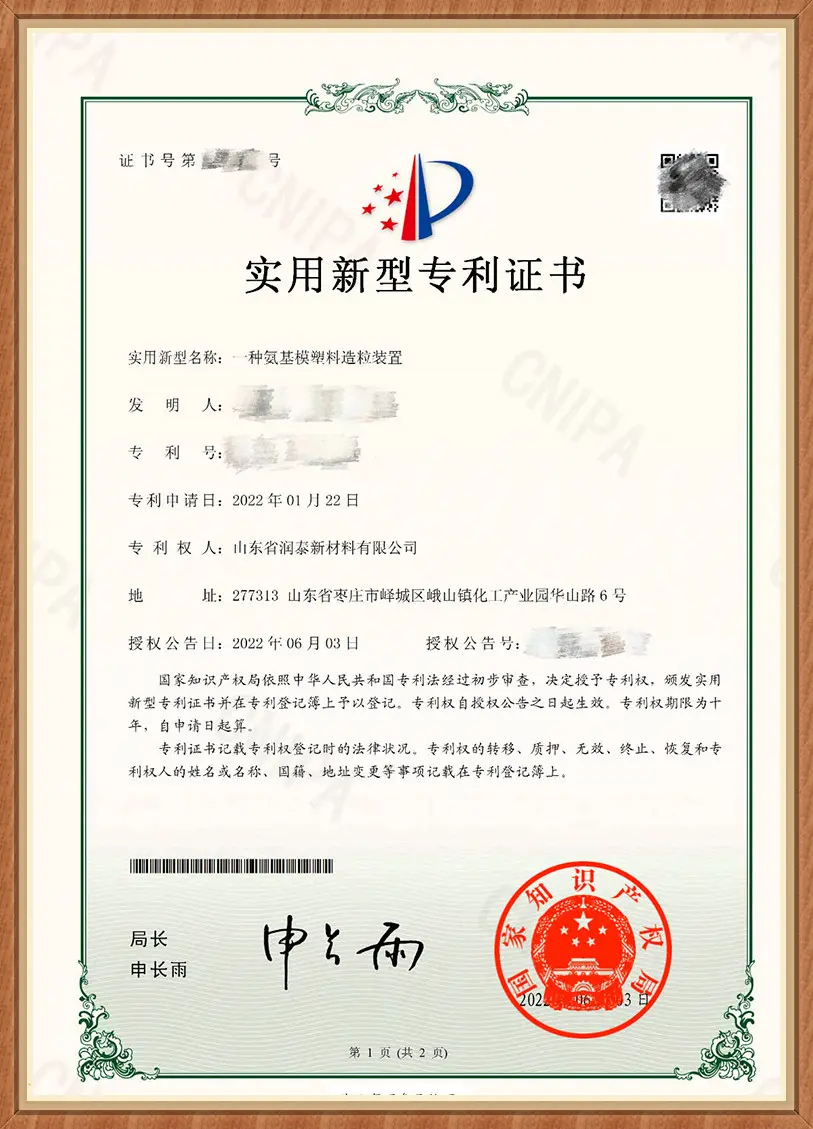
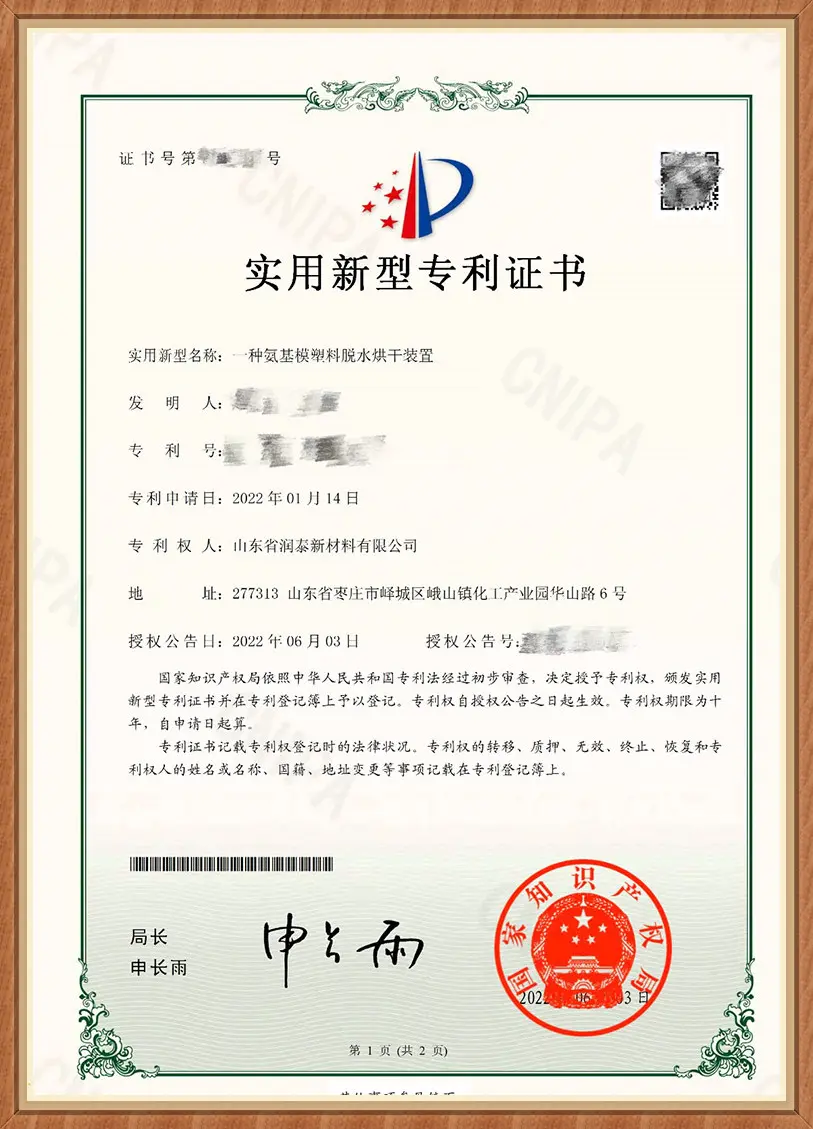
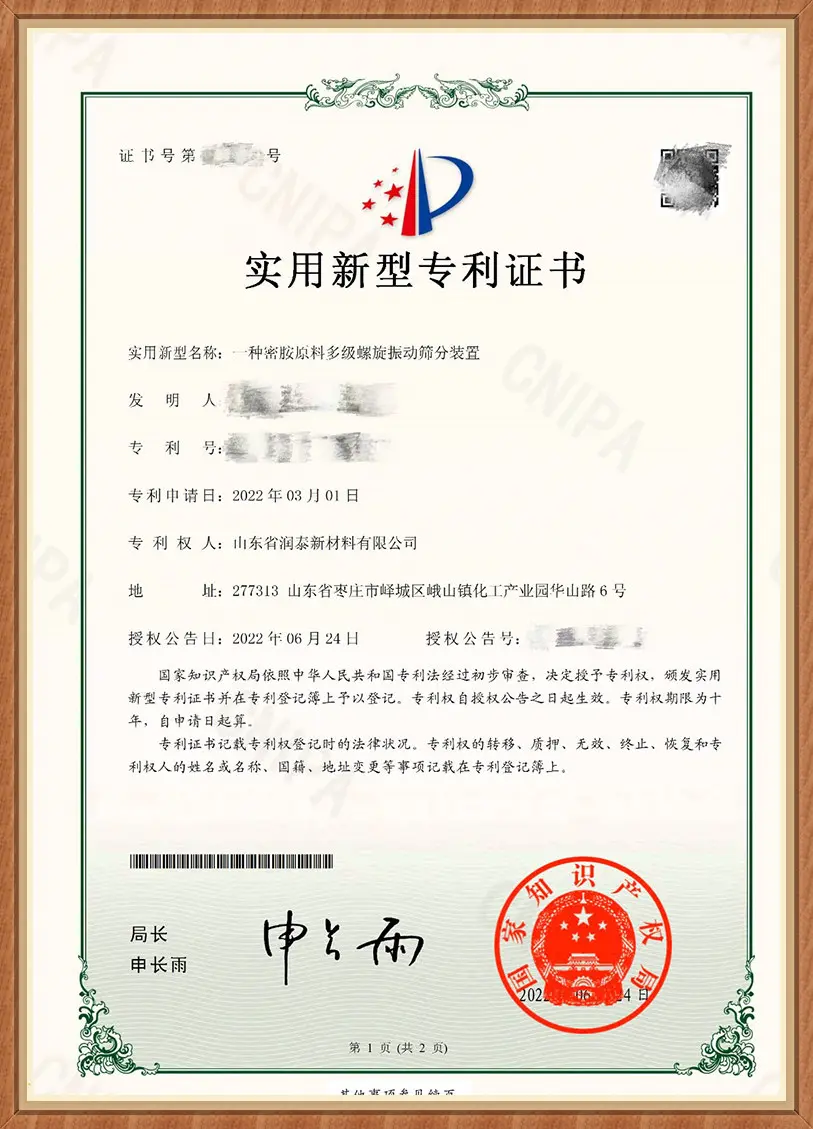
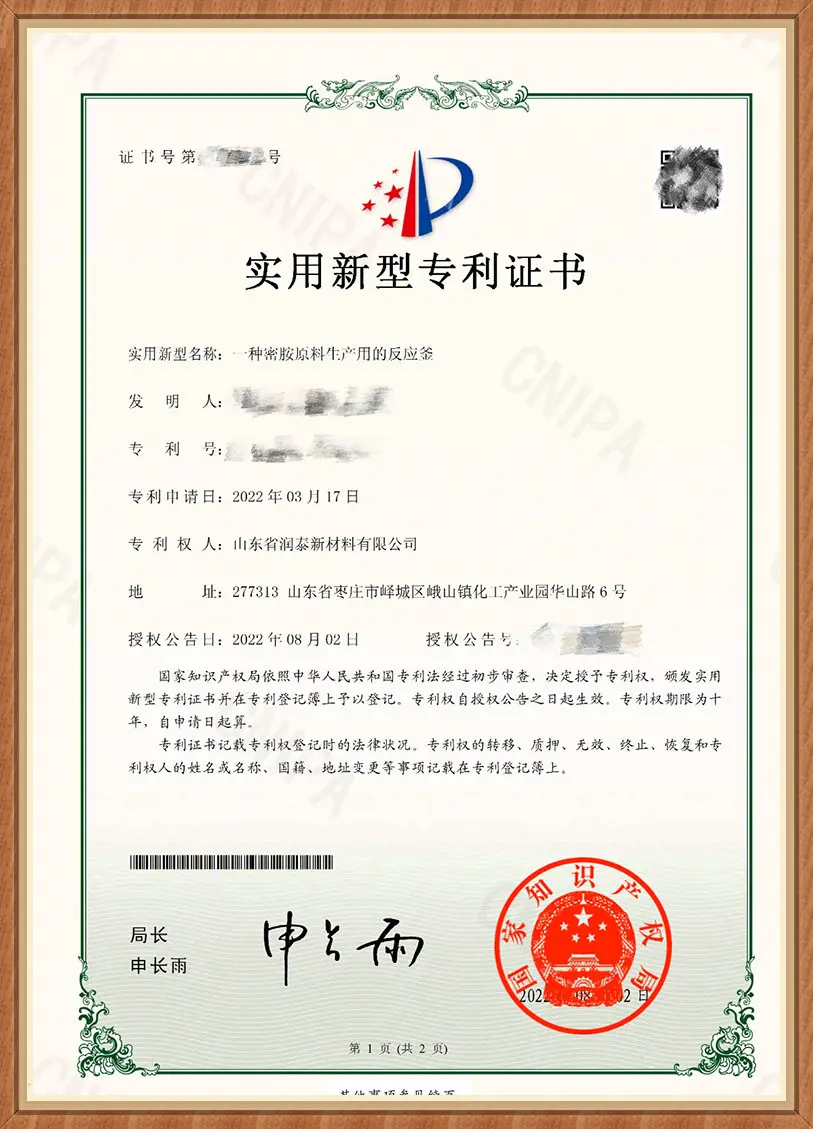
Our collaboration with the Changzhou Research Institute of Beijing University of Chemical Technology provides a continuous pipeline of patents and innovative formulations, led by a dedicated doctoral research team.
In the global chemical supply market, cost-competitiveness is often misunderstood. Runtai New Materials delivers cost efficiency by optimizing the chemical production process rather than lowering raw material quality.
Our manufacturing plants optimize energy consumption by utilizing the exothermic heat of formaldehyde oxidation reactions to generate steam, which is then recycled to heat distillation columns. By integrating heat exchangers and optimizing raw material routes, we minimize waste and lower production costs. These operational efficiencies translate directly into highly competitive pricing for global B2B buyers.
From infrastructure development to high-tech manufacturing, our formaldehyde derivatives are engineered for specific end-use environments.
Our urea-formaldehyde resins provide high bonding strength and low emission profiles for particleboard, MDF, and plywood fabrication, helping builders meet CARB Phase 2 and F-star standards.
Melamine moulding compounds (MMC) are utilized to produce electrical components with excellent dielectric strength, heat stability, and surface scratch resistance, ideal for modern circuit breakers and electrical switches.
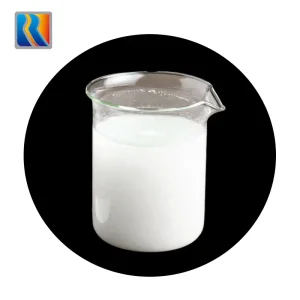
By incorporating ammonium salt dispersants and mineral oil defoamers into water-based formulations, manufacturers can optimize pigment suspension, reduce micro-foaming, and enhance architectural coating finishes.
Ensuring environmental compliance and rigorous quality control at every phase of chemical synthesis.
Shandong Runtai New Materials Co., Ltd. operates with a strong commitment to quality and environmental stewardship. By developing and manufacturing eco-friendly chemical products, we comply with international standards such as ISO 9001 and ISO 14001, minimizing industrial environmental impact.
Our facility features advanced waste-gas combustion and water-recycling systems. Wastewater from formaldehyde condensation is treated and reused within the closed-loop cooling towers, preventing discharge into external water networks.
Clear, direct insights on chemical specifications, storage guidelines, and international procurement logistics.
Explore our complete product catalog for specialized industrial applications, including high-performance additives and defoamers.
 Runtai