Premium grade additives, resins, and polymers engineered for industrial excellence
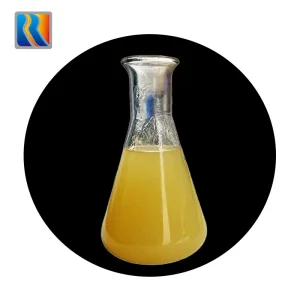
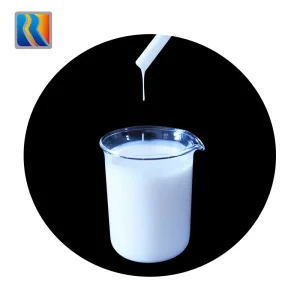
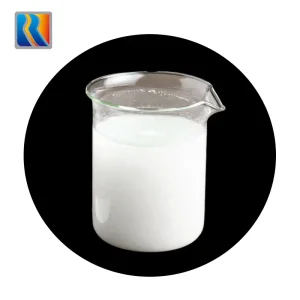
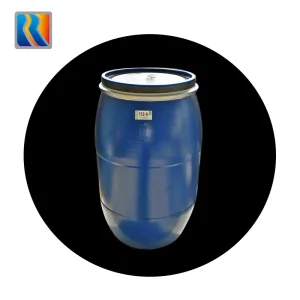
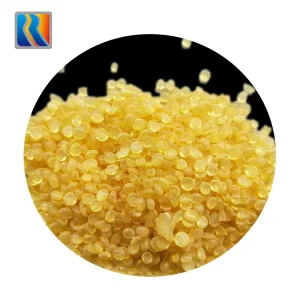
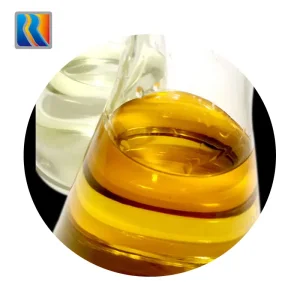
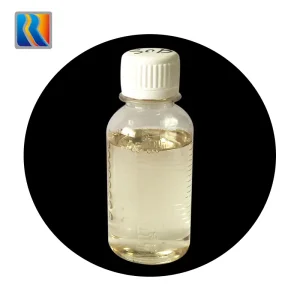
An Expert Analysis of Melamine Glazing Powders in High-End Thermoset Manufacturing
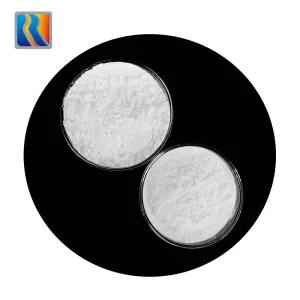
In the high-precision world of thermosetting plastics and tableware manufacturing, the surface finish is not merely aesthetic—it is the primary line of defense. White powder glazes, scientifically categorized as Melamine Glazing Powders (LG grades), serve as the vital coating that imparts ceramic-like brilliance, chemical resistance, and physical durability to melamine molding compounds. As global supply chains mature, procurement officers are transitioning away from localized distributors toward primary chemical synthesizers who can guarantee raw material integrity, low-formaldehyde emissions, and consistent viscosity behavior.
Melamine glazing powder is synthesized via the polycondensation of melamine and formaldehyde under strictly monitored basic pH conditions. This creates a prepolymer that is subsequently dried, milled, and formulated with specific flow modifiers. When applied to the pre-molded melamine body during the secondary pressing phase, the white glaze powder melts and cross-links, forming a highly dense 3D thermoset network. This cured layer boasts unmatched chemical inertness, resisting degradation from highly acidic foodstuffs, detergents, and abrasive washing systems.
The demand for melamine glazing powders is highly correlated with the growth of the hospitality (HORECA) sector, municipal school meal initiatives, and high-volume aviation tableware. In regions like North America and the European Union, strict health directives dictate the maximum allowable levels of formaldehyde migration. Consequently, the commercial landscape has shifted toward high-purity, premium-glazing powders that pass stringent LFGB and FDA migration tests. Concurrently, developing economies in Southeast Asia and Africa are undergoing rapid urbanization, accelerating the domestic consumption of durable, break-resistant melamine tableware.
A Comprehensive Pioneer in Fine Chemical Polymers
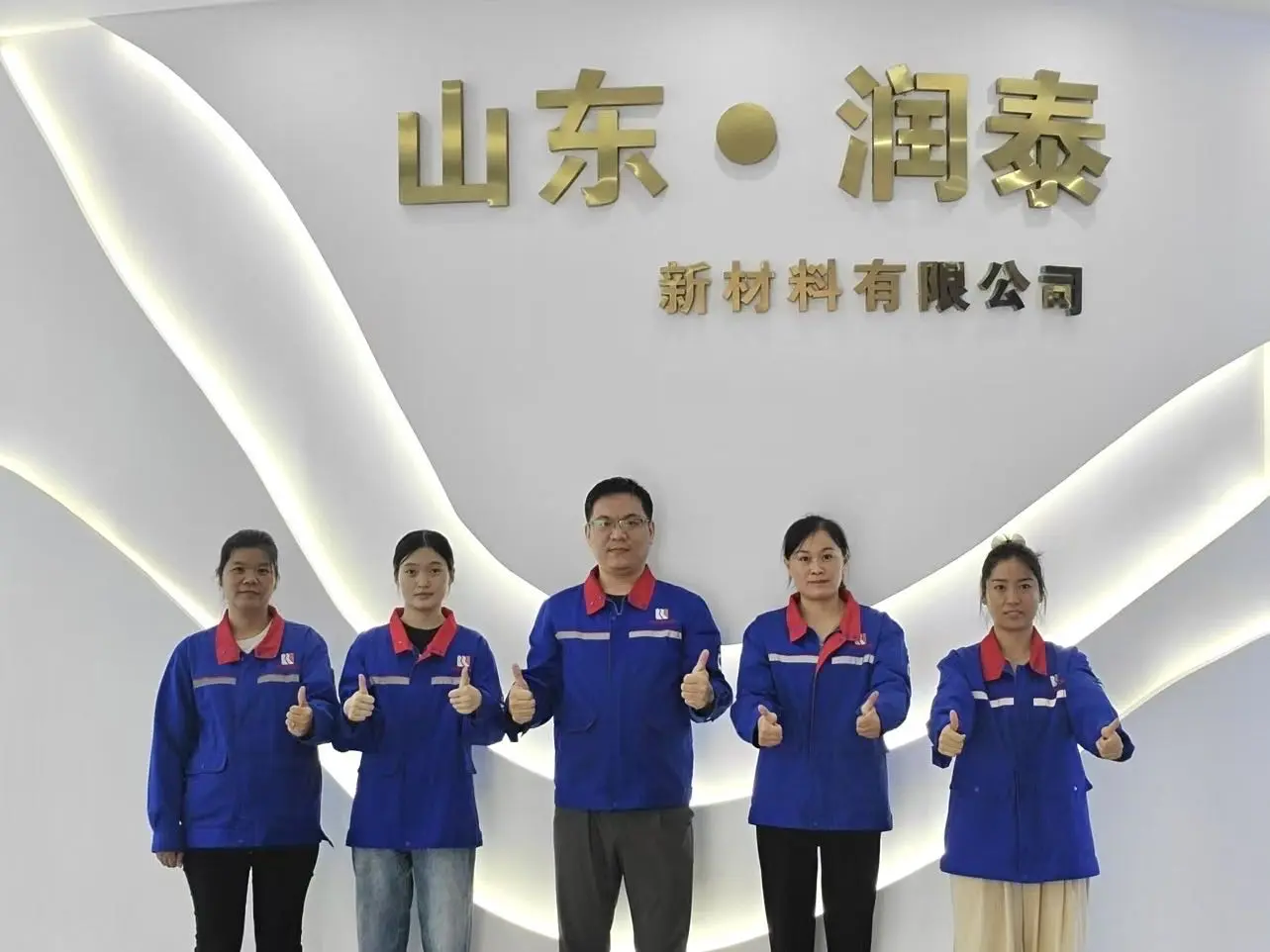
Founded in March 2020, Shandong Runtai New Materials Co., Ltd. is a comprehensive group firm that specializes in fine chemical products. Our primary products include formaldehyde, polyformaldehyde, urea formaldehyde resin, melamine powder, and melamine glazing powder.
The corporation has branches in five different cities throughout China, with its headquarters strategically located in Zaozhuang City, Shandong Province. Spanning an expansive area of 270,000 square meters with a total investment of 2.06 billion yuan, we operate with maximum resource efficiency and state-of-the-art automation.
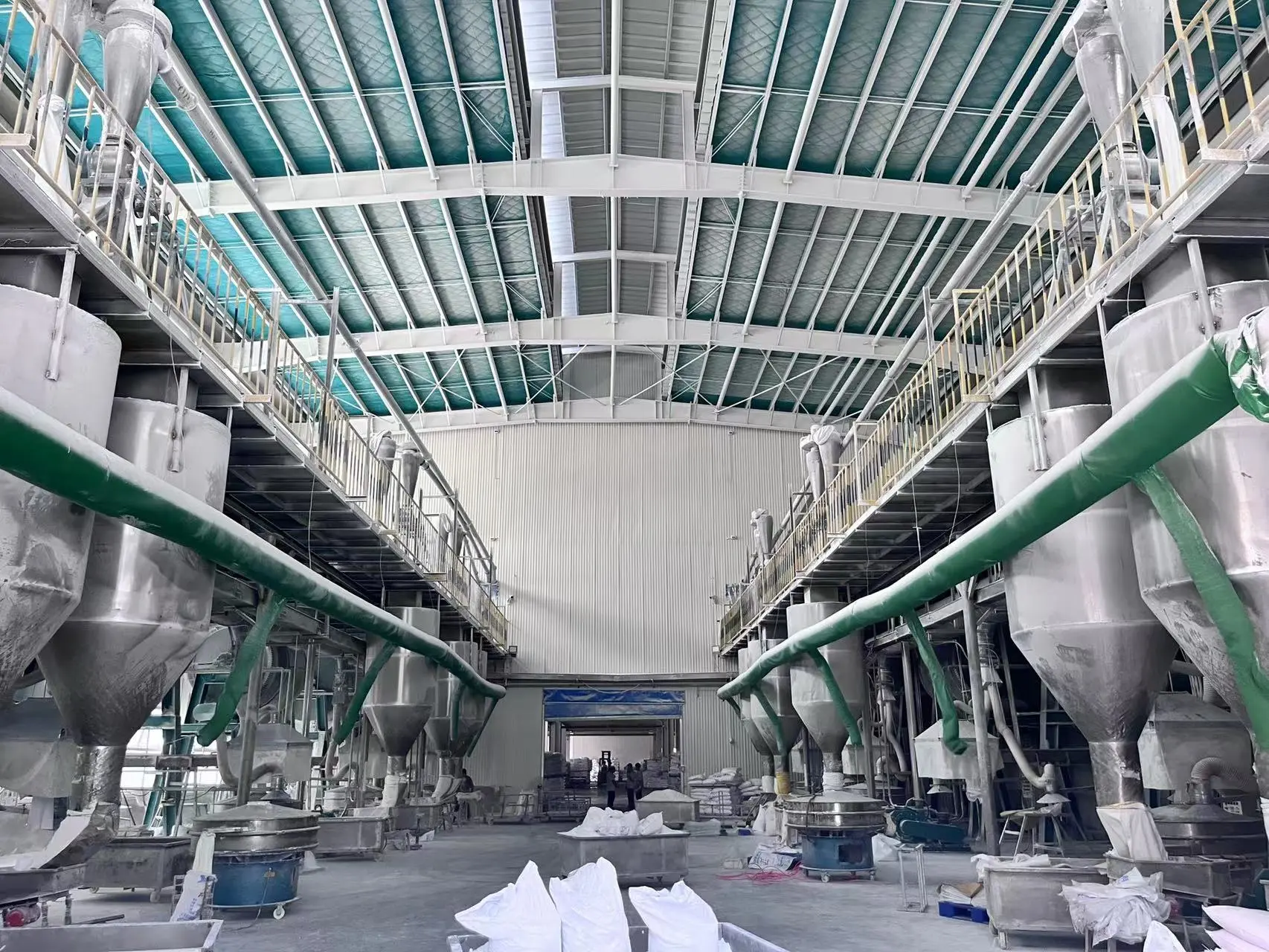
How China's leading chemical technology translates to cost, quality, and supply stability
We select the most advanced Distributed Control System (DCS) available globally. This enables real-time tuning of critical chemical parameters across the entire production line, maximizing cross-linking consistency and ensuring strict equipment safety parameters while minimizing raw material wastage.
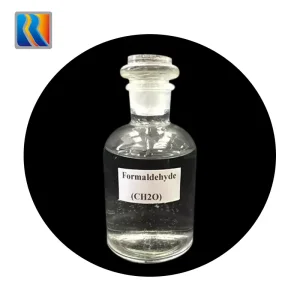
By producing our own formaldehyde (380,000 tons/yr) and melamine (60,000 tons/yr), we possess an unbroken industrial loop. This provides an absolute shield against raw material market volatility and guarantees trace-level consistency of our final Melamine Glazing Powders.
In partnership with the Changzhou Research Institute of Beijing University of Chemical Technology, our doctoral research team focuses on developing low-VOC and specialized slow-curing/fast-curing resin matrices designed for custom molding parameters.
Different markets mandate unique curing kinetics and raw material compositions. At Runtai, we adapt our output to suit specific region-focused manufacturing requirements:
B2B procurement professionals sourcing white powder glazes must prioritize systematic verification metrics to avoid production downtime:
Rigorous chemical analysis and environmental preservation policies
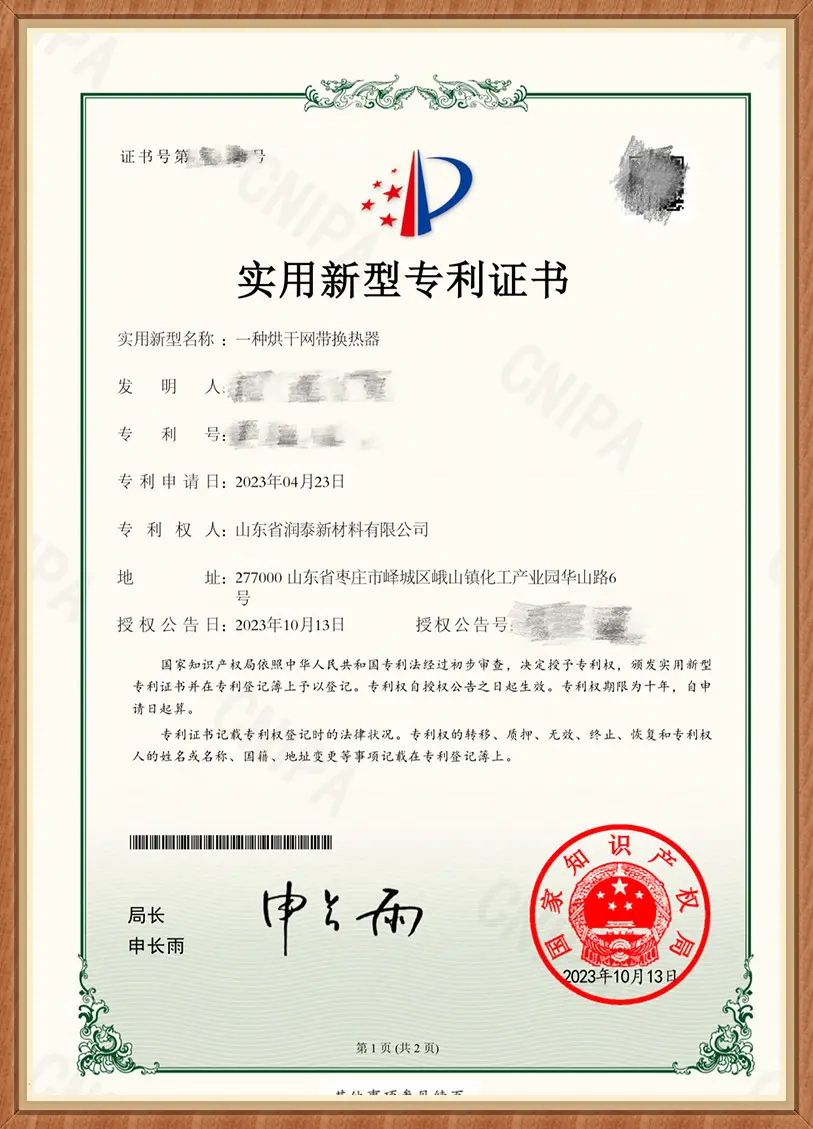
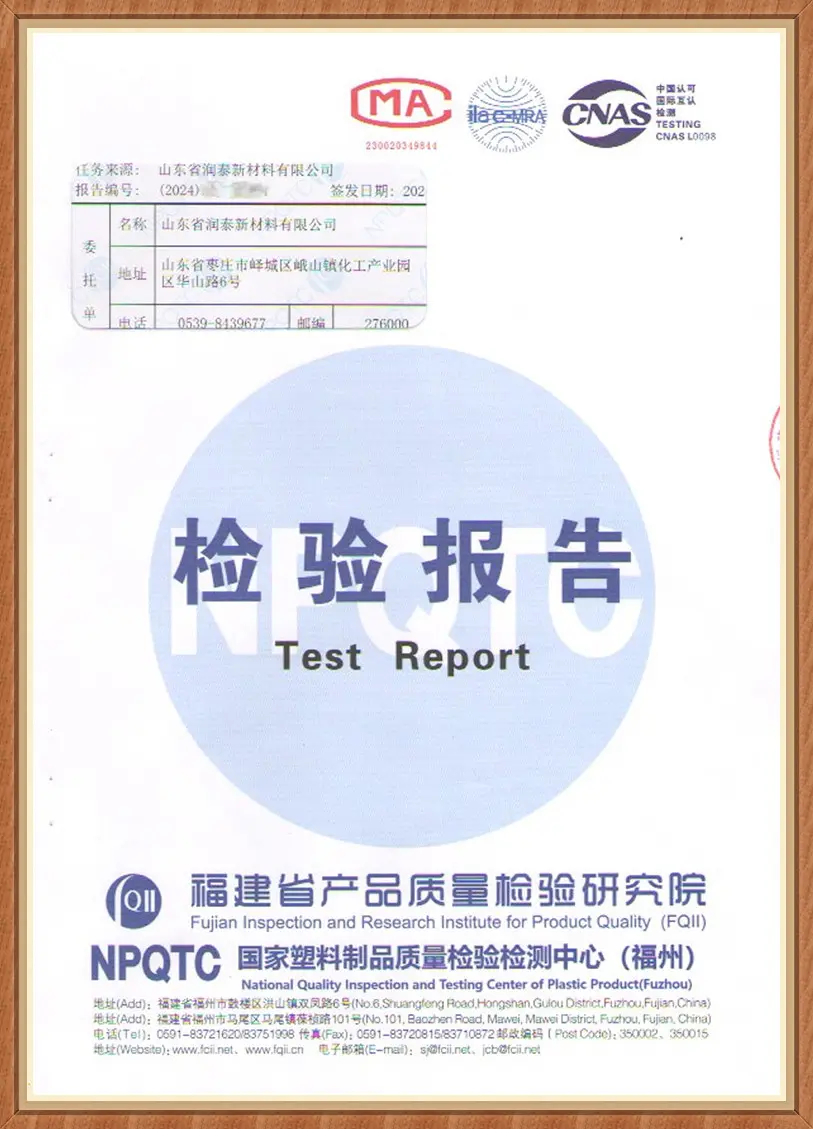
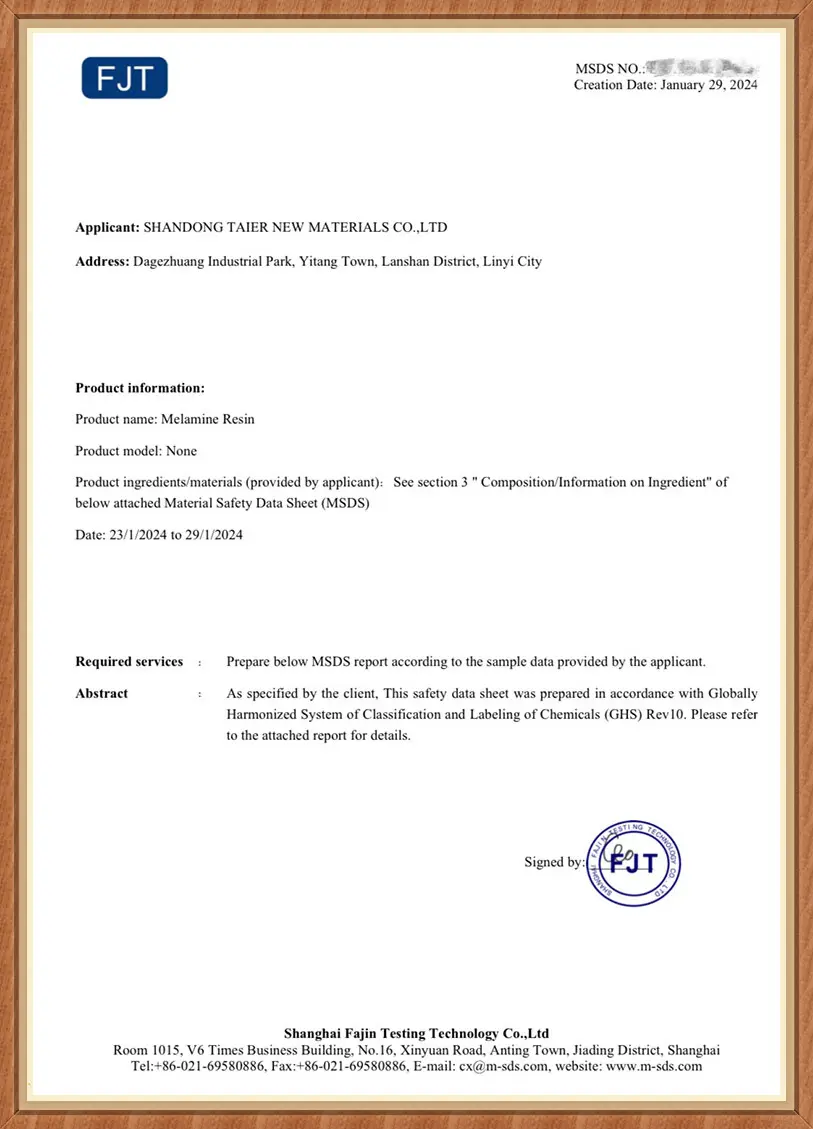
As an ethical chemical manufacturer, Shandong Runtai New Materials Co., Ltd. prioritizes sustainable development and environmental preservation. Our commitment lies in developing and producing eco-friendly, energy-efficient chemical intermediates that minimize negative environmental impacts while fully complying with international food-grade and chemical safety regulations.
Guided by our core principle of "quality first, customer first", we integrate strict QA/QC workflows at every stage of synthesis, ensuring each batch exported to the United States, Thailand, Kenya, Egypt, and beyond matches the exact performance parameters specified in technical datasheets.

Expert answers addressing the practical challenges of global B2B buyers
LG110 is primary grade melamine glazing powder, commonly used to glaze simple tableware that doesn't undergo intensive chemical or physical stress. LG220 is formulated with specialized flow characteristics specifically for adding a high-shine protective layer to decal paper layouts. LG250 represents the highest performance class, offering superior chemical resistance and scratch prevention, making it the industry standard for high-end hotel tableware.
Contamination is prevented through closed pneumatic conveying lines, positive-pressure clean rooms for milling, and automated laser sorting systems that flag particulate contamination. Our raw material purity is guaranteed by our upstream formaldehyde integration, keeping trace impurities below 0.01%.
For best performance, the molding temperature should remain between 165°C and 185°C, with a molding pressure of 15-25 MPa. The curing time varies between 20 to 50 seconds depending on the thickness of the piece and the design parameters of the mold.
Our facilities utilize advanced scrubbers to capture organic vapor emissions, and recycle process water through a closed-loop filtration system. The DCS control platform dynamically adjusts heat ratios, reducing carbon emissions and ensuring compliance with national environmental directives.
Yes, our R&D department can customize the polymerization catalysts and flow modifiers to match the press speed of your production line. We offer standard curing, fast curing (for automated production systems), and slow curing (for complex, multi-cavity tooling).
Explore our complete catalog of industrial resins, formaldehydes, and thickeners
 Runtai