Formulating high-efficiency industrial lubricants, thickeners, and adhesives requires precise chemical synthesis. Explore our core range of polymer bases and defoaming agents engineered to meet global quality standards.
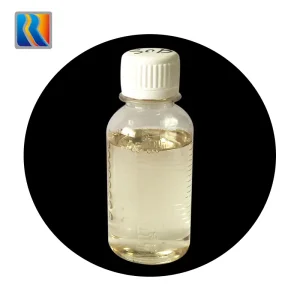
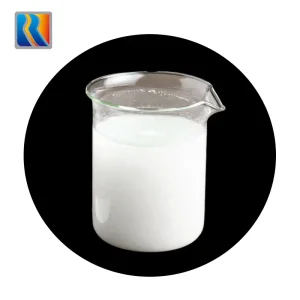
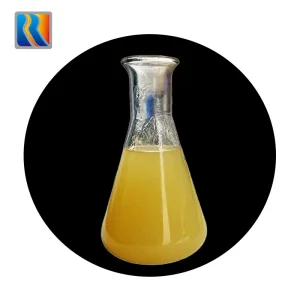
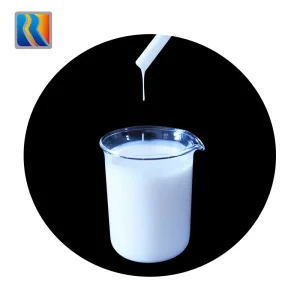
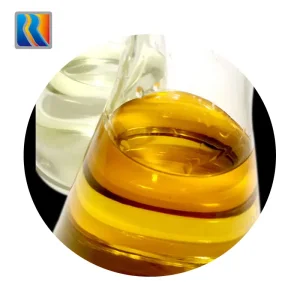
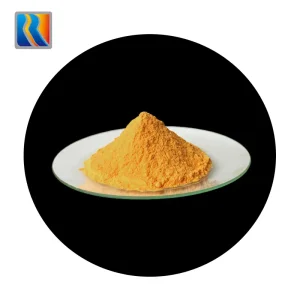
The global chemical industry is undergoing a critical transition. Environmental regulations, including VOC reduction targets and worker safety protocols (HSE), are driving manufacturing away from traditional solvent-borne systems. This structural change is evident in both the industrial adhesive sector (where urea-formaldehyde and melamine resins are evolving for lower formaldehyde emissions) and the water-based coatings and lubricants sector, where high-performance additives are required.
Shandong Runtai New Materials Co., Ltd. is positioned at the center of this transformation. As a major raw material supplier and chemical developer, our manufacturing processes support applications ranging from wood composites to polymer processing. Understanding the physical chemistry of interface stabilization, rheological control, and chemical binding is essential for formulating stable water-based coatings, adhesives, and industrial fluids.
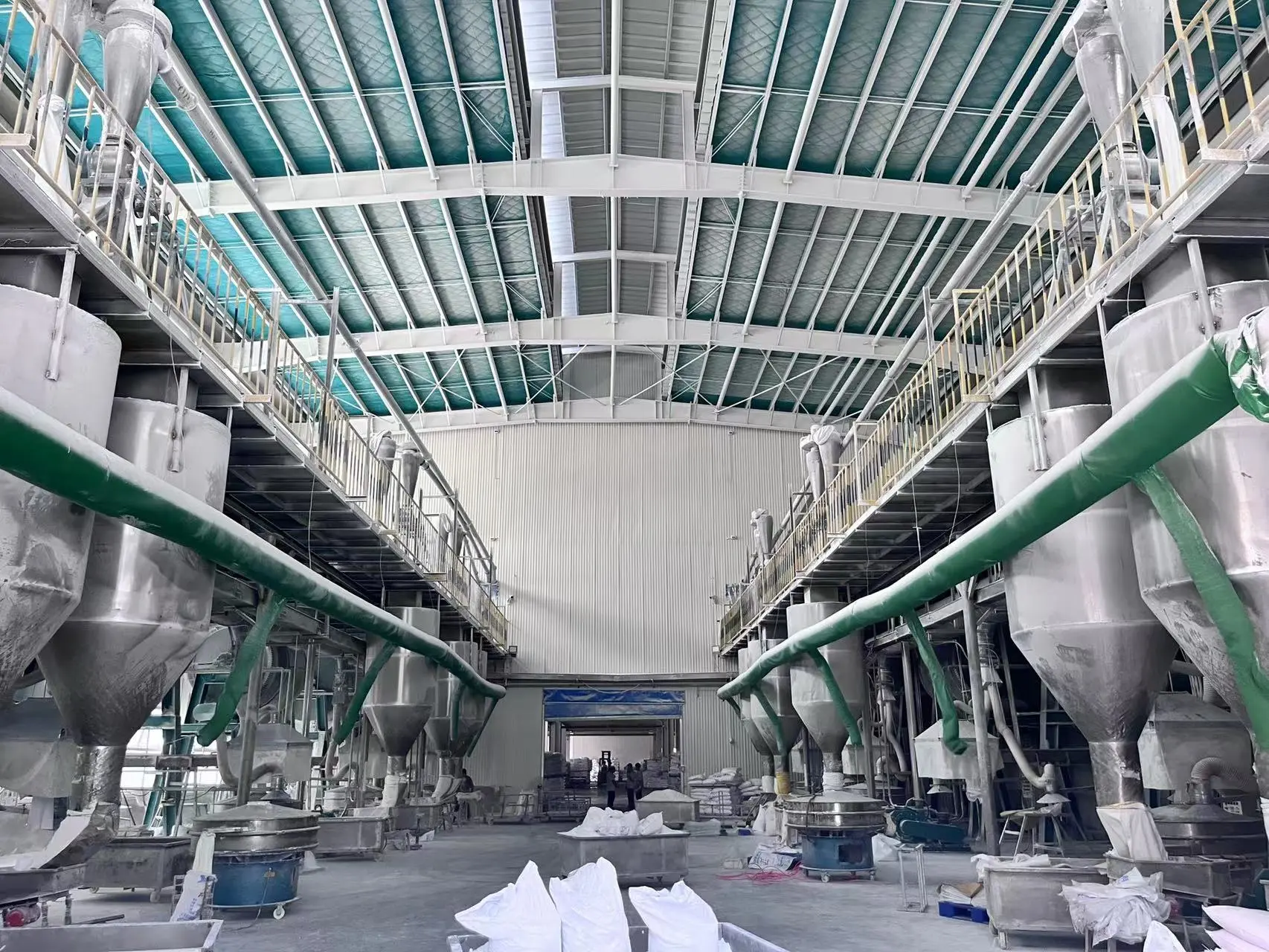
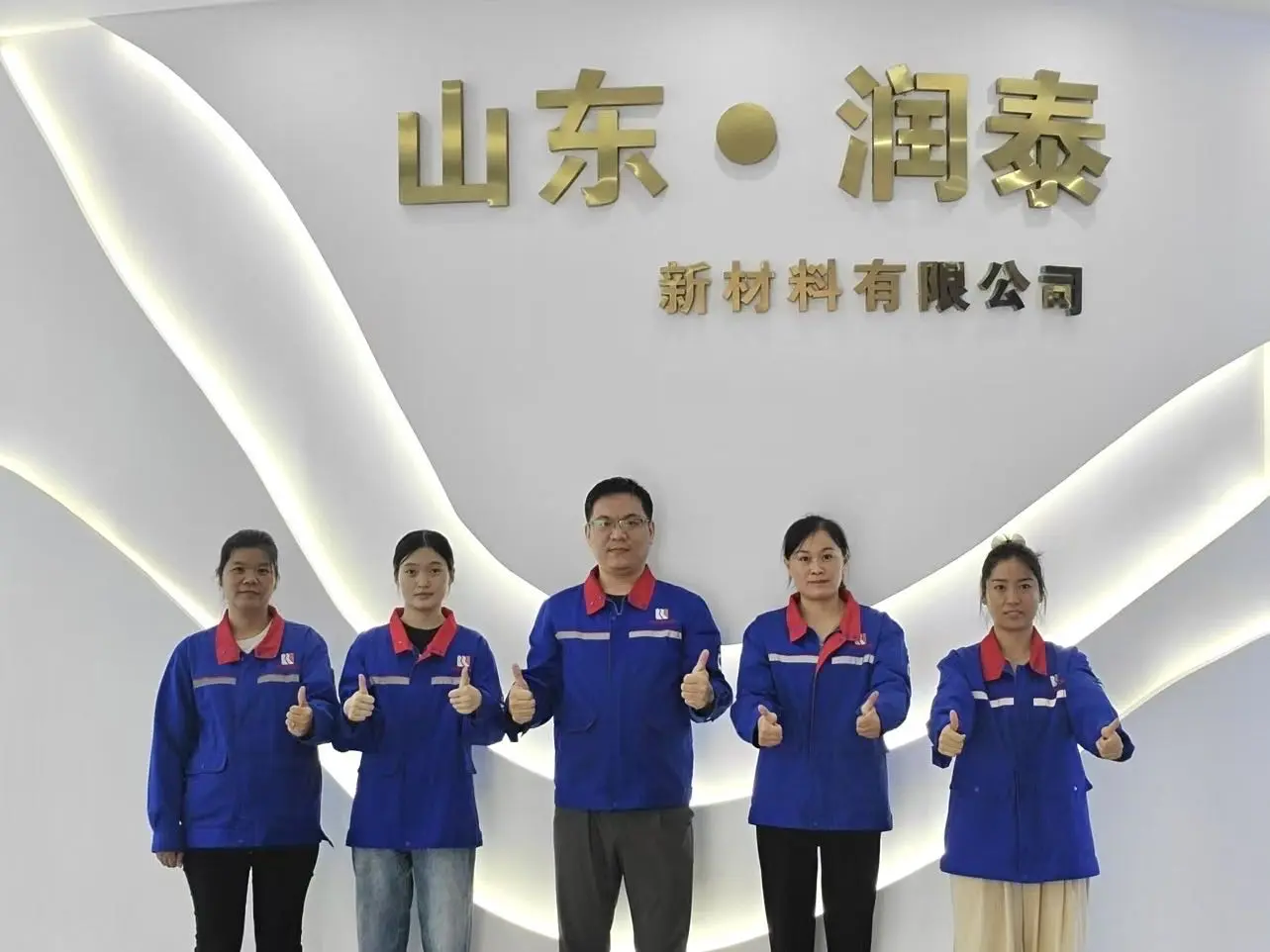
Founded in March 2020, Shandong Runtai New Materials Co., Ltd. is a chemical group specializing in fine chemicals and polymer resins. Headquartered in Zaozhuang City, Shandong Province, the corporation spans 270,000 square meters with an investment of 2.06 billion yuan. The facility is designed for large-scale, automated production of formaldehyde, polyformaldehyde, urea formaldehyde resin, melamine, and specialty additives.
Our plants utilize automated Distributed Control Systems (DCS) to manage process parameters in real time. This ensures consistent polymerization and molecular weight distribution across our production lines, minimizing batch-to-batch variation.
By integrating production along a unified chain—starting from formaldehyde raw materials to finished melamine, glazing powders, and water-based additives—we reduce exposure to upstream supply chain disruptions. This structure supports reliable supply for global partners in North America, Southeast Asia, and Africa.
Industrial water-based systems, such as coatings, wood binders, and polymer dispersions, require stabilization to perform under mechanical stress. The formulation strategy depends on three key areas:
Our ammonium salt dispersants adsorb onto pigment and inorganic filler surfaces. By building electrostatic repulsion and steric barriers, they prevent agglomeration and maintain stable viscosity in highly filled mineral systems.
Acrylic acid-based swelling thickeners utilize alkali-swellable technologies. When neutralized, the polymer chains expand, creating a network that increases low-shear viscosity for anti-settling while thinning under high shear for ease of application.
Water-based formulations are prone to micro-foam generation during high-speed blending or application. Our mineral oil-based defoamers destabilize foam lamellae, accelerating air release without causing surface defects or cratering.
Shandong Runtai New Materials maintains long-term research partnerships with institutions including the Changzhou Research Institute of Beijing University of Chemical Technology. Our R&D team works to optimize adhesive chemistry, focusing on lower free-formaldehyde release in urea-formaldehyde resins while maintaining cure speed and dry bond strength in wood panel processing.
Shandong Runtai operates under strict environmental regulations. Our production facilities integrate emission control systems, including tail-gas thermal recovery units and wastewater treatment plants. These systems reclaim thermal energy from formaldehyde synthesis, reducing energy consumption and greenhouse gas emissions.
Our products conform to international quality and environmental management standards. We provide chemical solutions configured to help manufacturers meet strict emissions guidelines, such as CARB Phase 2 and EPA TSCA Title VI for composite wood products.

Our engineering roadmap details the development steps for high-performance additives and polymer resins, supporting the transition to lower-emission industrial chemistry.
Upgrading processing nodes with advanced mass-flow meters and reactor control algorithms to reduce molecular weight variance in water-based additives and resins.
Developing modified urea-formaldehyde and melamine resin formulations that achieve E0 and F**** emissions compliance while maintaining cure kinetics.
Researching bio-based raw materials to replace petroleum-derived monomers in our acrylic thickeners and dispersants, improving the environmental profile of the final formulation.
Explore our supplementary range of dispersants, raw materials, and mineral oil defoamers developed for paint, adhesive, and compound molding applications.
 Runtai