Explore our core industrial grade resin products, crosslinkers, and specialized water-based coating additives engineered for global markets.
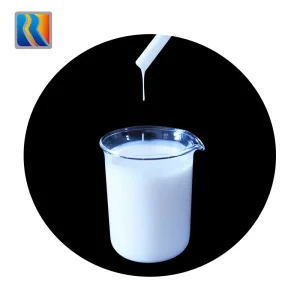
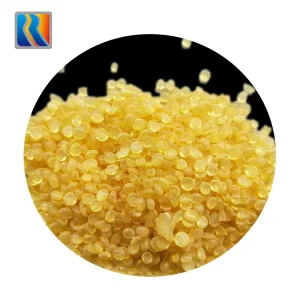
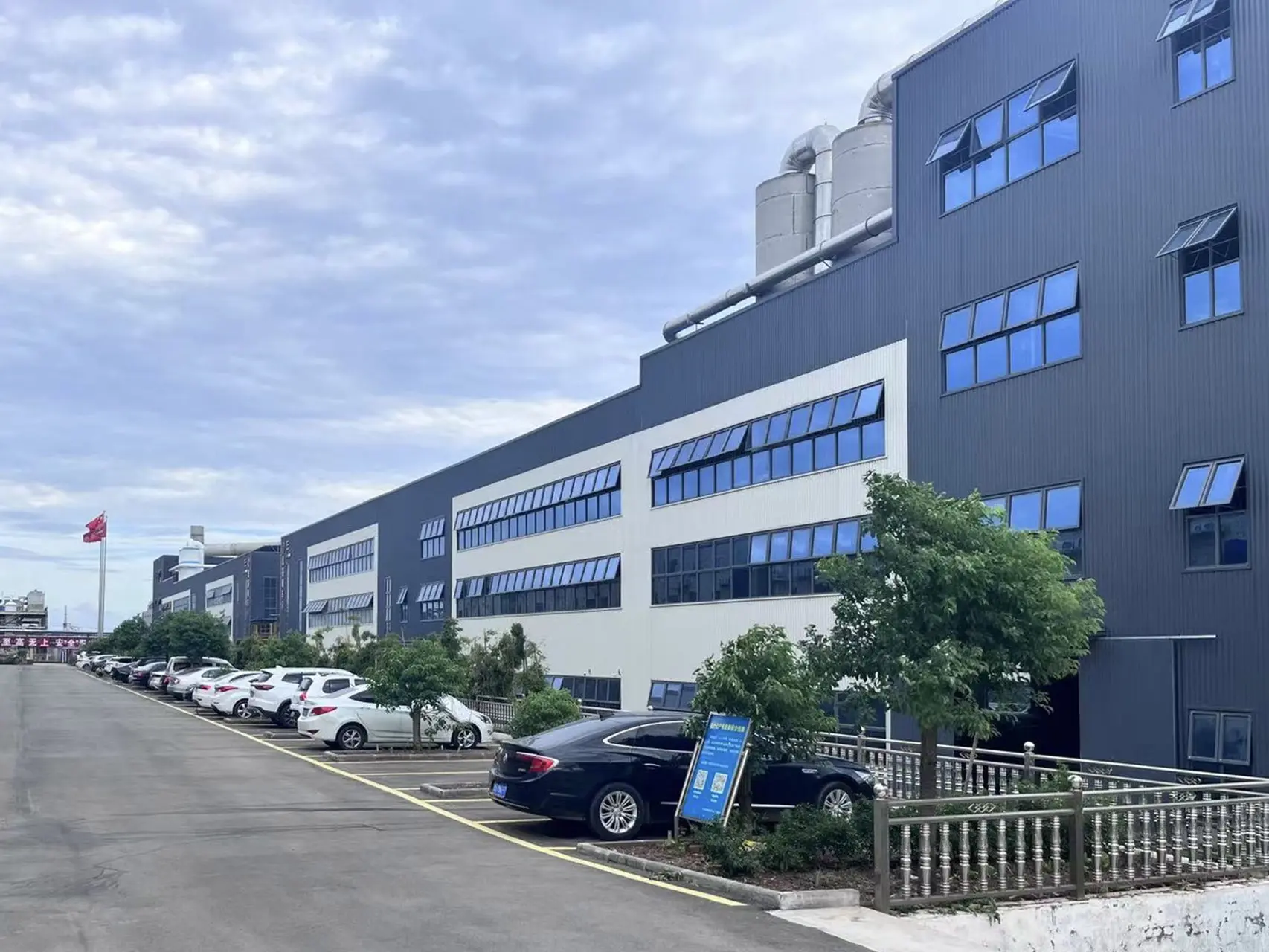
Shandong Runtai New Materials Co., Ltd. (founded in March 2020) stands at the forefront of China's fine chemical sector. With a robust initial capital injection and a total investment of 2.06 billion yuan, our modern industrial complex covers a sprawling footprint of 270,000 square meters in Zaozhuang City, Shandong Province. Over the years, we have scaled our production capacity and technology platforms to establish five major regional operations centers throughout China.
We specialized in the research, synthesis, and distribution of formaldehyde, paraformaldehyde, urea formaldehyde (UF) resins, melamine moulding compound (MMC), and melamine glazing powder. Our integrated supply chain relies on top-tier raw materials, allowing us to supply large-scale global markets with unmatched product consistency.
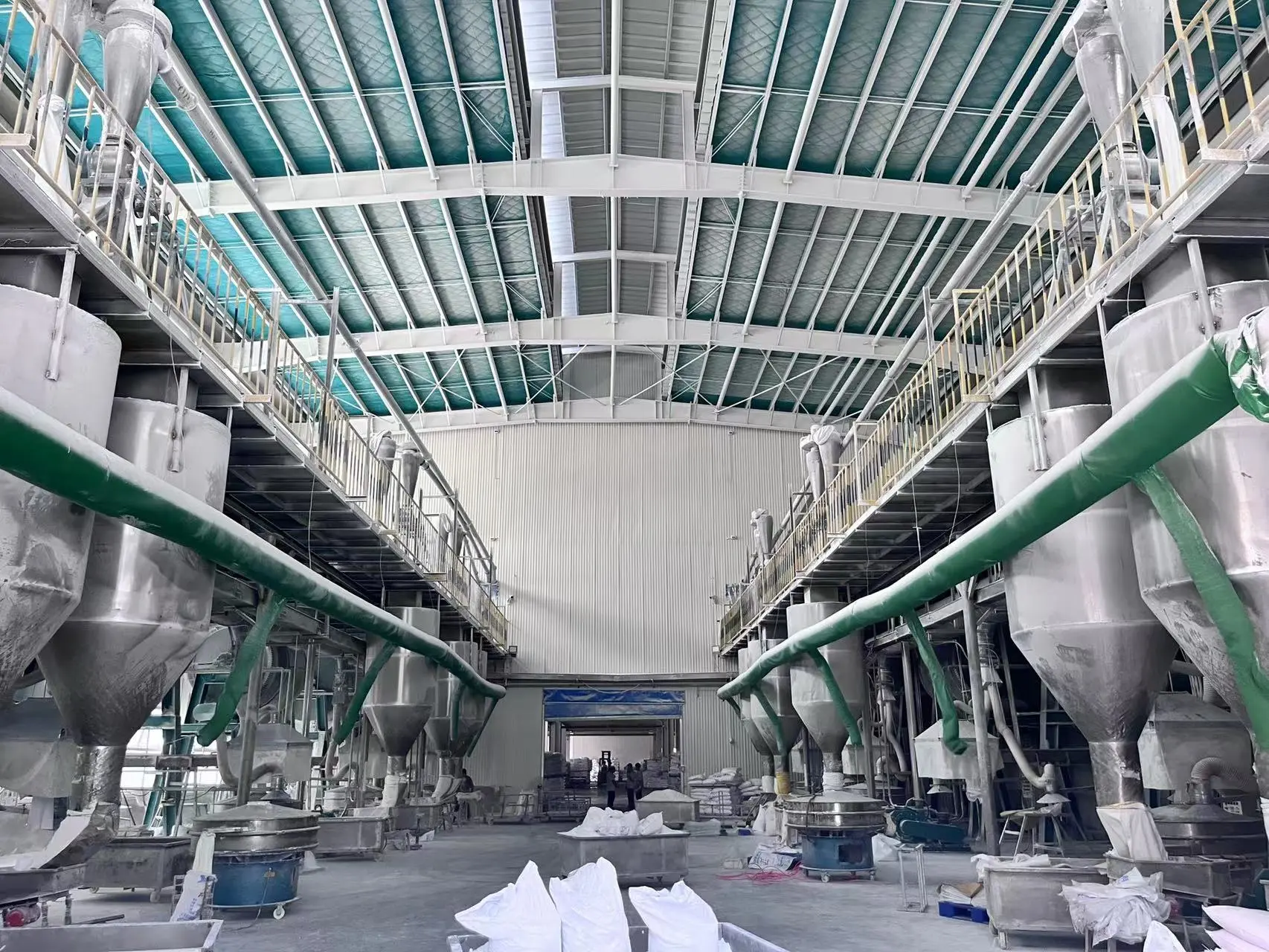
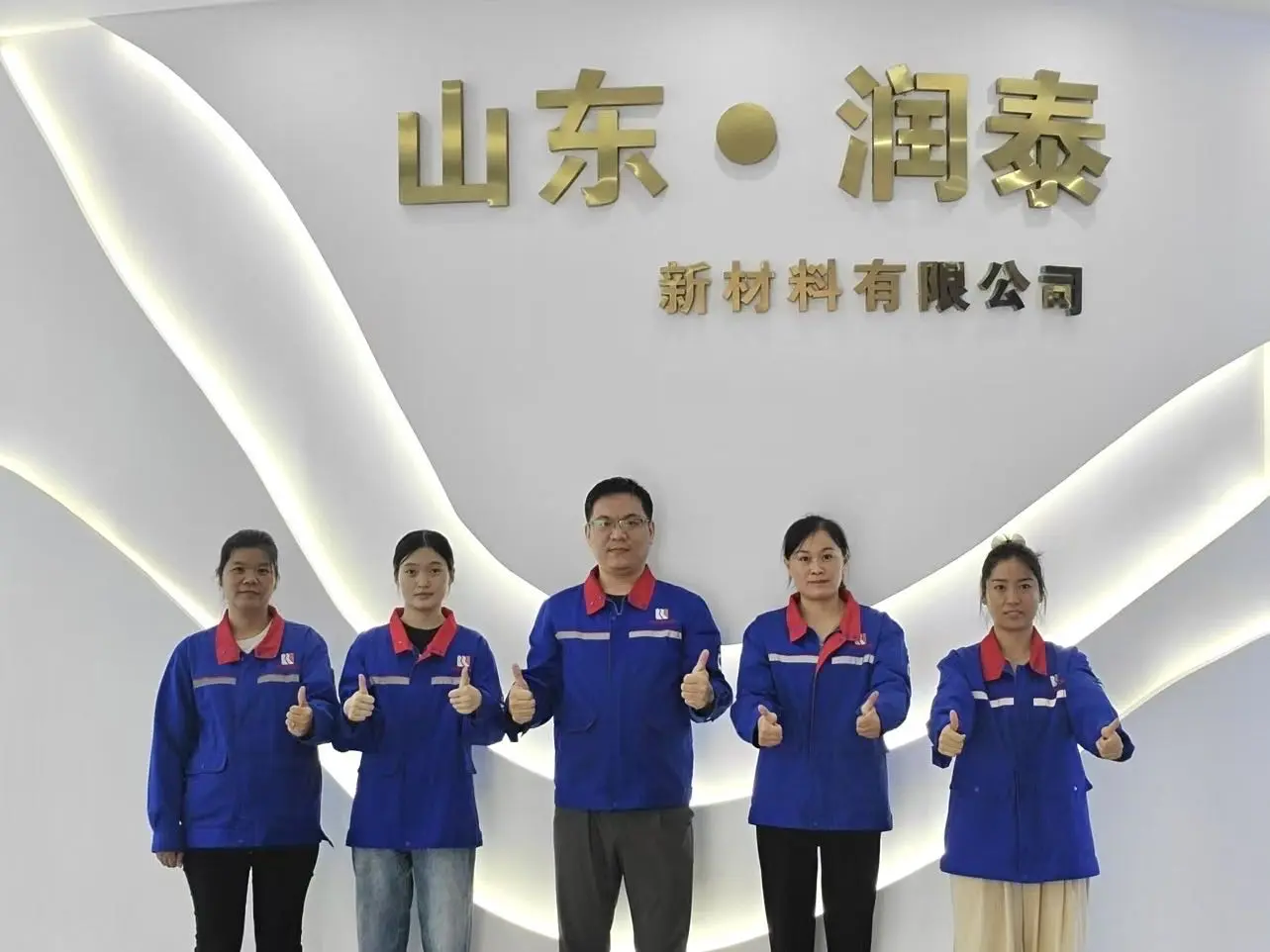
By investing heavily in automated synthesis pipelines, Shandong Runtai has emerged as a premier manufacturer. Our plant capacity profiles represent some of the highest metrics in the Asian chemical region:
We capture an estimated 80% market share in China for our specialized chemical products, and we are aggressively scaling overseas. Our global distribution channels routinely serve major wood-composite, building products, and molding companies in the United States, Thailand, Kenya, Egypt, and beyond.
Formaldehyde Capacity / Year
Urea Formaldehyde Resin / Year
Melamine Output / Year
Domestic Market Share
An in-depth chemical sector review detailing trade channels, raw material dependencies, and market dynamics.
Urea Formaldehyde (UF) resins constitute a critical class of amino resins—representing approximately 40% of the global thermosetting polymer distribution by volume. Their commercial dominance stems from a unique balance of cost efficiency, outstanding tensile strength, rapid cure cycles under elevated temperatures, and high resistance to organic solvents and electrical tracking. As a primary binder for wood composite materials (such as medium-density fiberboard [MDF], particleboard, and plywood), UF resins shape the global construction, furniture, and cabinetry sectors.
The structural profitability of a Urea Formaldehyde factory hinges on vertical integration and natural gas economics. As natural gas is converted into ammonia (a key precursor to urea) and methanol (the base catalyst for formaldehyde synthesis), proximity to supply lines determines cost leadership. Shandong Runtai's location in Zaozhuang City leverages direct regional chemical pipelines, insulating raw material procurement from wild macroeconomic fluctuations and guaranteeing stable supply contracts for international buyers.
Globally, regional chemical requirements vary based on environmental mandates. While developing markets focus on tensile properties and cure speeds for wood board output, mature markets like the US and the EU demand strictly audited, ultra-low formaldehyde emission formulations. Modern manufacturing requires plants to offer custom F:U (Formaldehyde to Urea) molar ratios, modifying polymers to optimize free formaldehyde content down to compliance levels without sacrificing bonding strength.
At Shandong Runtai, eco-preservation is built directly into our operational guidelines. We understand that formaldehyde emissions pose human safety and regulatory challenges worldwide. Through partnership with the Changzhou Research Institute of Beijing University of Chemical Technology, our doctoral research team has formulated next-generation, low-emission thermosetting binders.
Our eco-focused product lines strictly adhere to international quality benchmarks:
Through state-of-the-art process controls, we lower the residual free formaldehyde concentration during the polycondensation step. By introducing specific formaldehyde scavengers, we ensure that the resulting boards maintain structural stability under high moisture levels while showing minimal VOC emissions.

How Runtai integrates advanced DCS automation and university research to drive polymer innovations from 2025 onwards.
Utilizing Distributed Control Systems (DCS) to monitor reaction kinetics in real-time. By maintaining exact temperature and pH curves during the addition and condensation reactions, we achieve uniform molecular weight distribution.
We are scaling production of melamine-urea-formaldehyde (MUF) hybrid resins. The addition of melamine molecules enhances the water resistance and mechanical durability of the cured resin system, allowing for exterior structural applications.
Partnering with domestic institutes to substitute petrochemical urea with bio-derived nitrogen sources, lowering our net carbon footprint while maintaining identical performance metrics in modern laminating facilities.
Aligning polymer chemical structures with specific regional processing and climate variables.
Scenario: MDF and particleboard factories in high-humidity climates (e.g., Thailand) face rapid board swelling and degradation.
Solution: We supply modified MUF resins featuring custom-engineered hydrophobic polymer links. These additives block moisture ingress, preserving bond shear strength in extreme tropical climates.
Scenario: Premium furniture manufacturing centers in Europe require strict conformity to indoor air standards.
Solution: Our factory provides specialized low-ratio F:U resins containing urea-glyoxal-melamine modifiers, reaching E0 and F**** compliance targets without slowing pressing line productivity.
Scenario: Fast-paced automated compression lines for electrical components and tableware demand rapid cure rates.
Solution: Formulations of Urea Moulding Compound (UMC) and Melamine Moulding Compound (MMC) optimized for viscosity and thermal sensitivity, enabling short cycle times and zero-defect output.
Scenario: Packaging suppliers seeking structural integrity across high-speed lamination runs.
Solution: Specialty water-based film adhesives that resist peeling and mechanical shear, preventing delamination in food-safe flexible packaging environments.
Why leading global chemical distributors trust our manufacturing facilities and engineering capabilities.
By producing our own raw formaldehyde and melamine monomer, we control the entire synthesis sequence. This protects our clients from pricing volatility and guarantees high chemical purity.
We deploy modern Distributed Control Systems (DCS) that monitor parameters across the reaction line. This prevents batch-to-batch inconsistencies, ensuring your manufacturing lines operate smoothly.
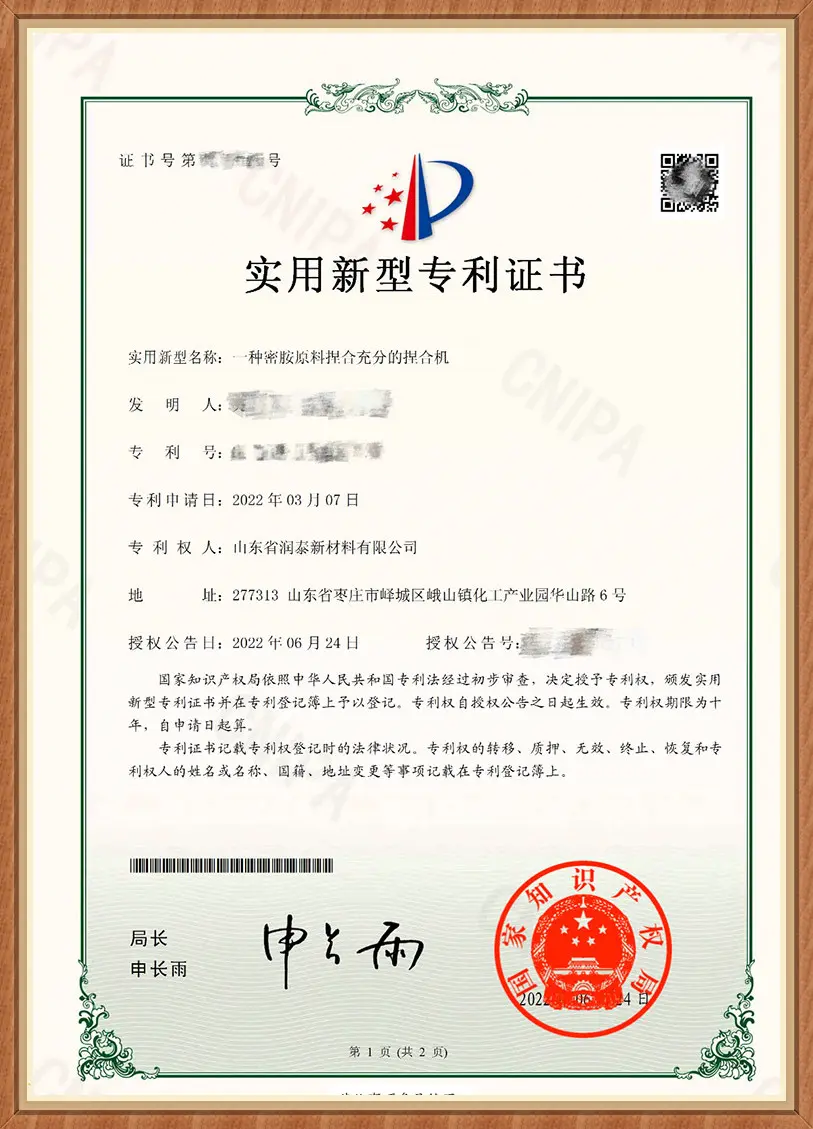
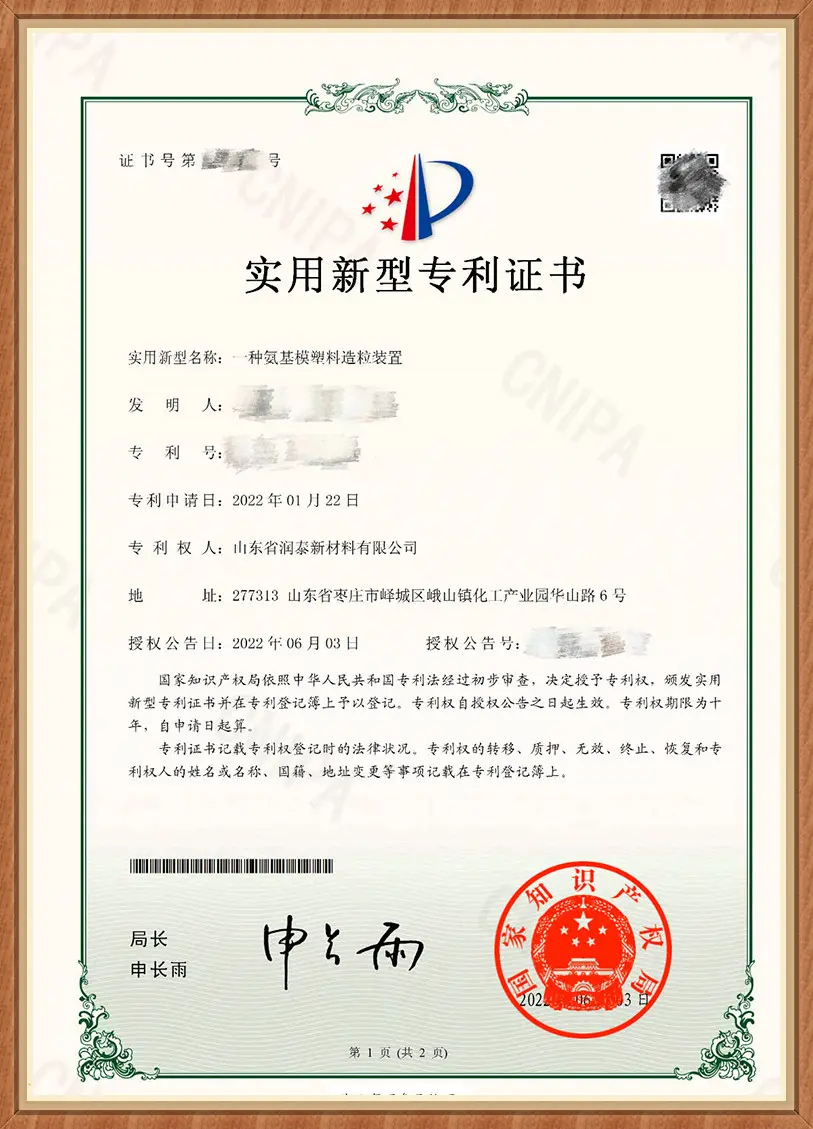
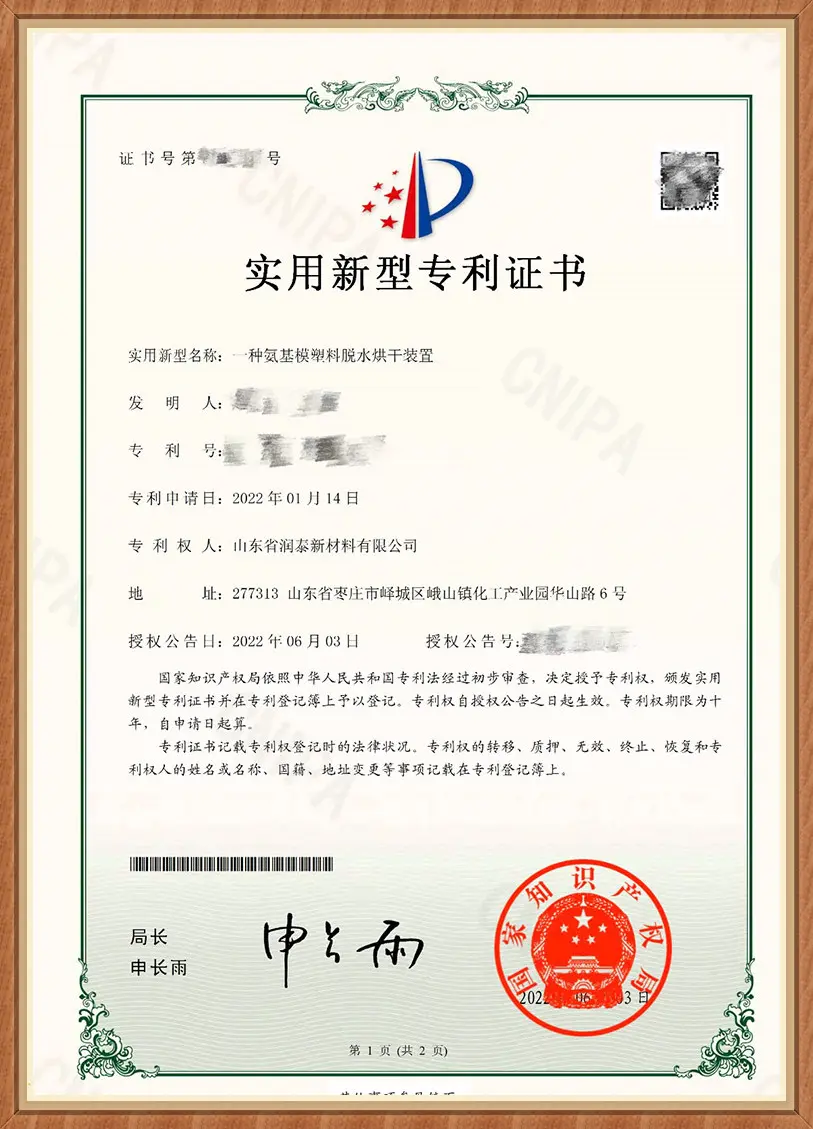
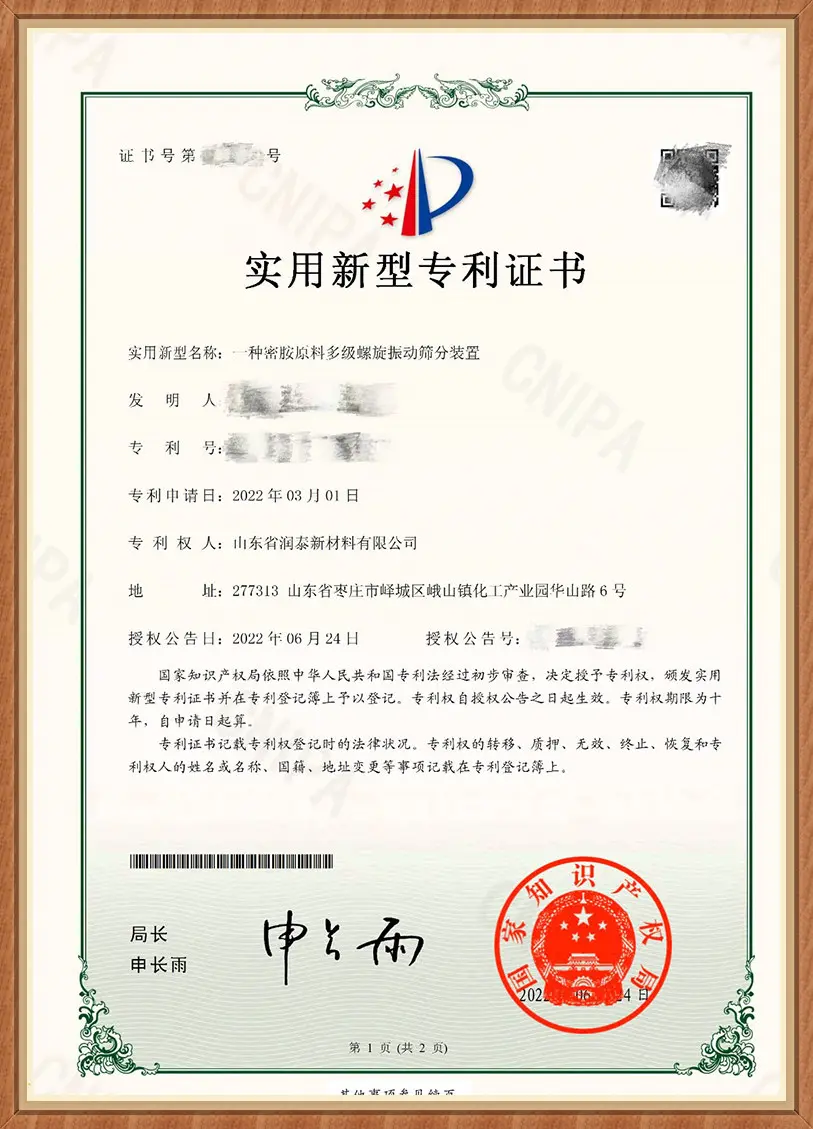
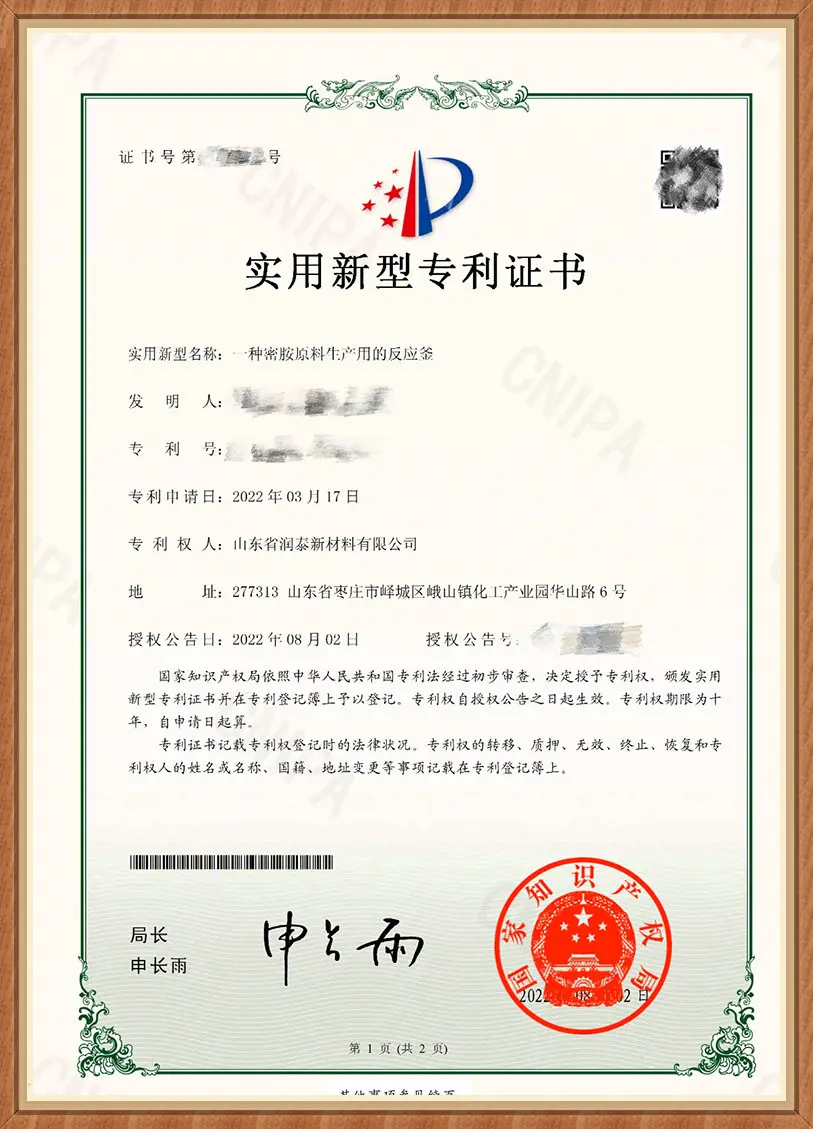
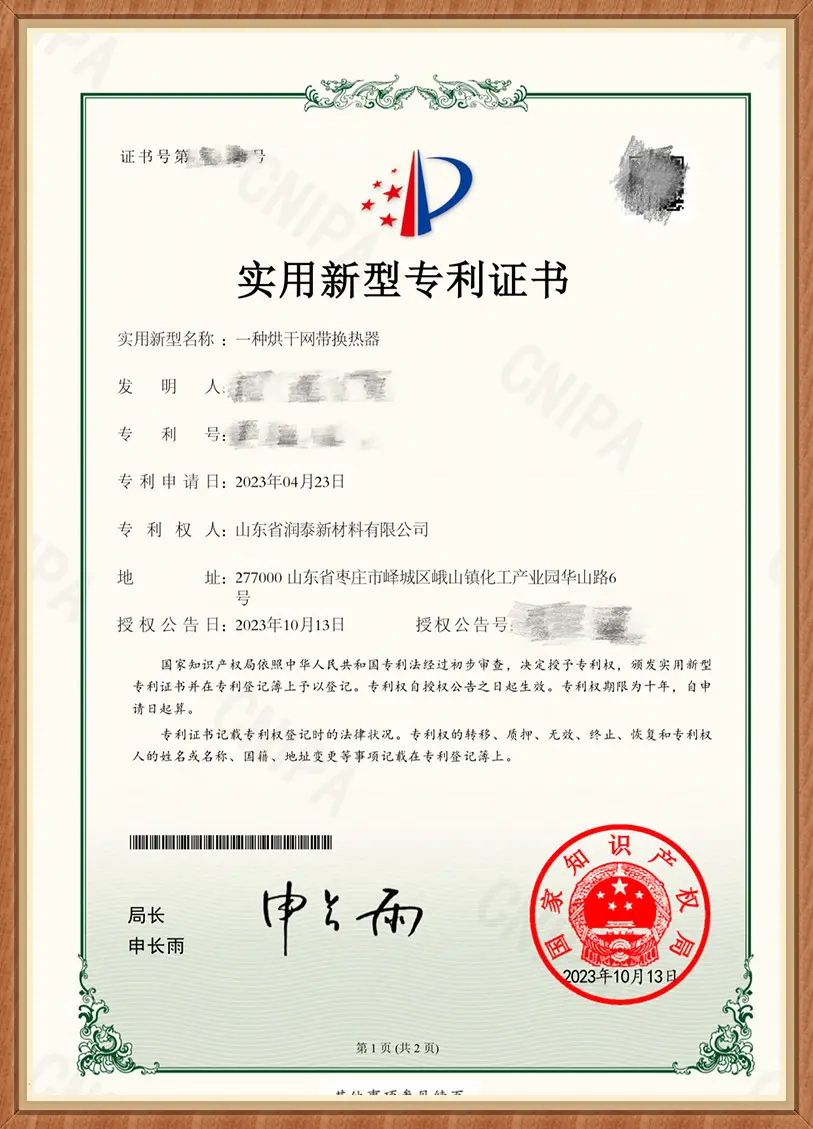
Working alongside BUCT Changzhou Research Institute, our PhD-led R&D division has developed multiple patented technologies, establishing Runtai as a leading innovation hub for thermosetting resins.
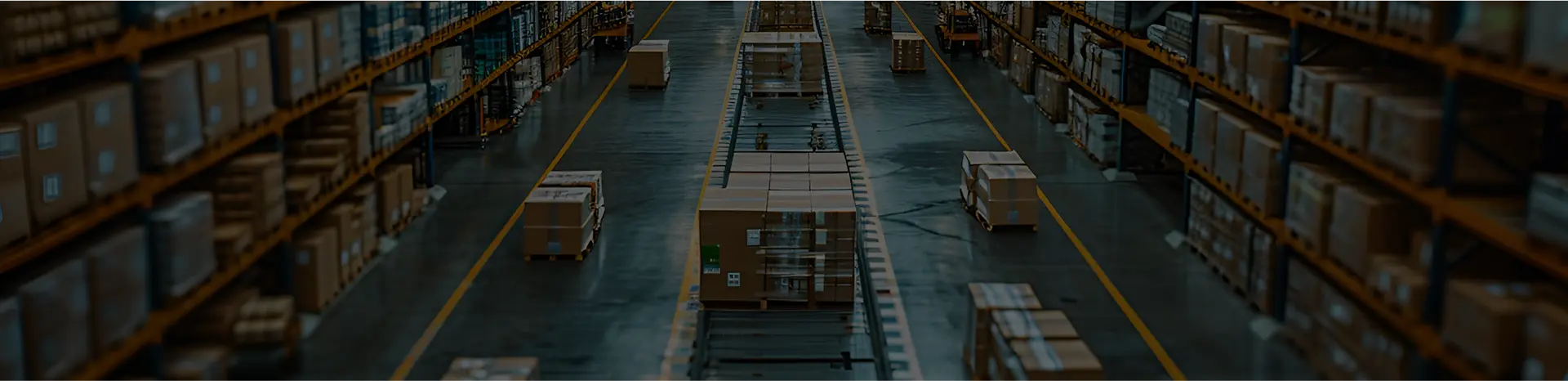
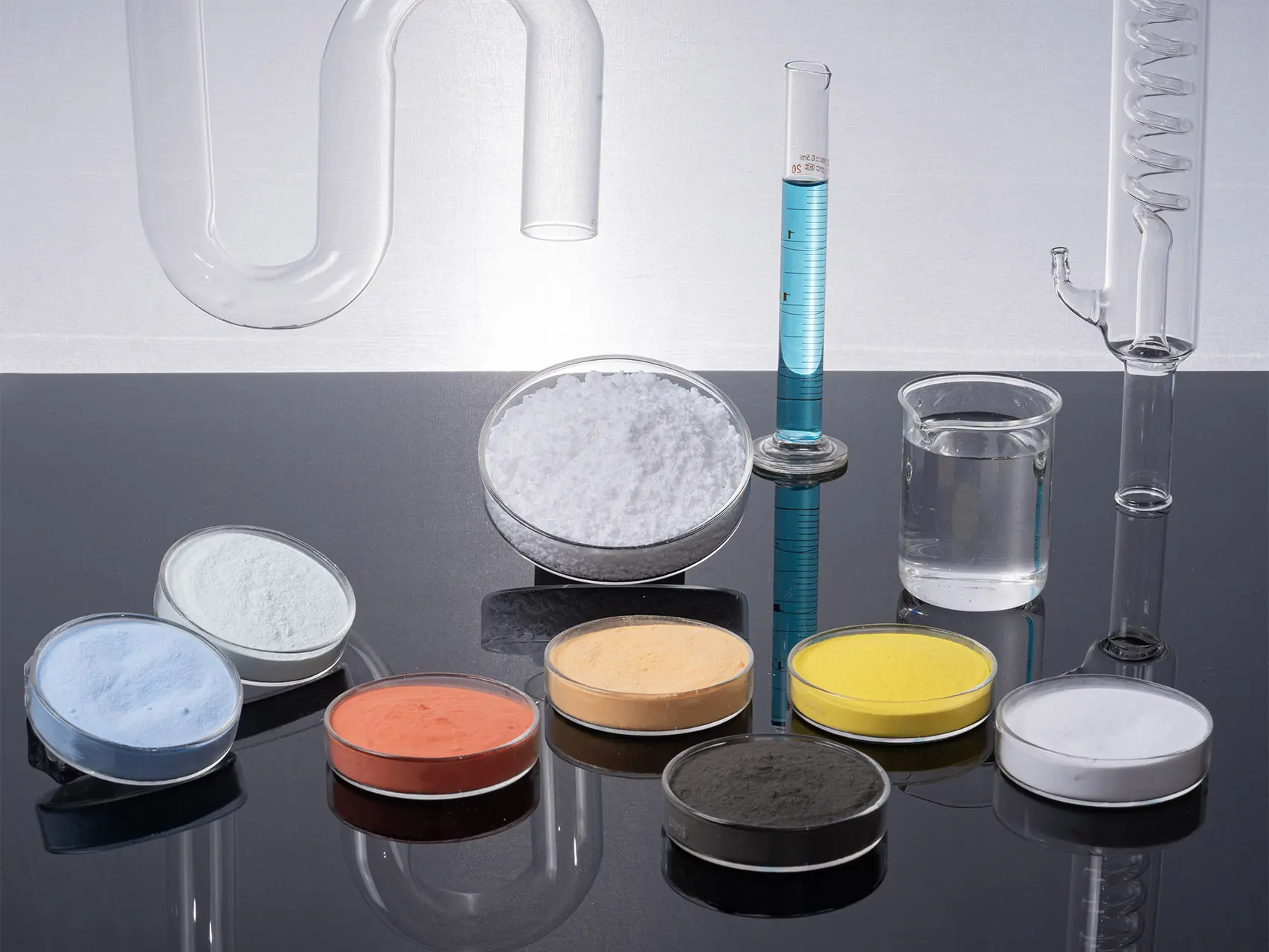
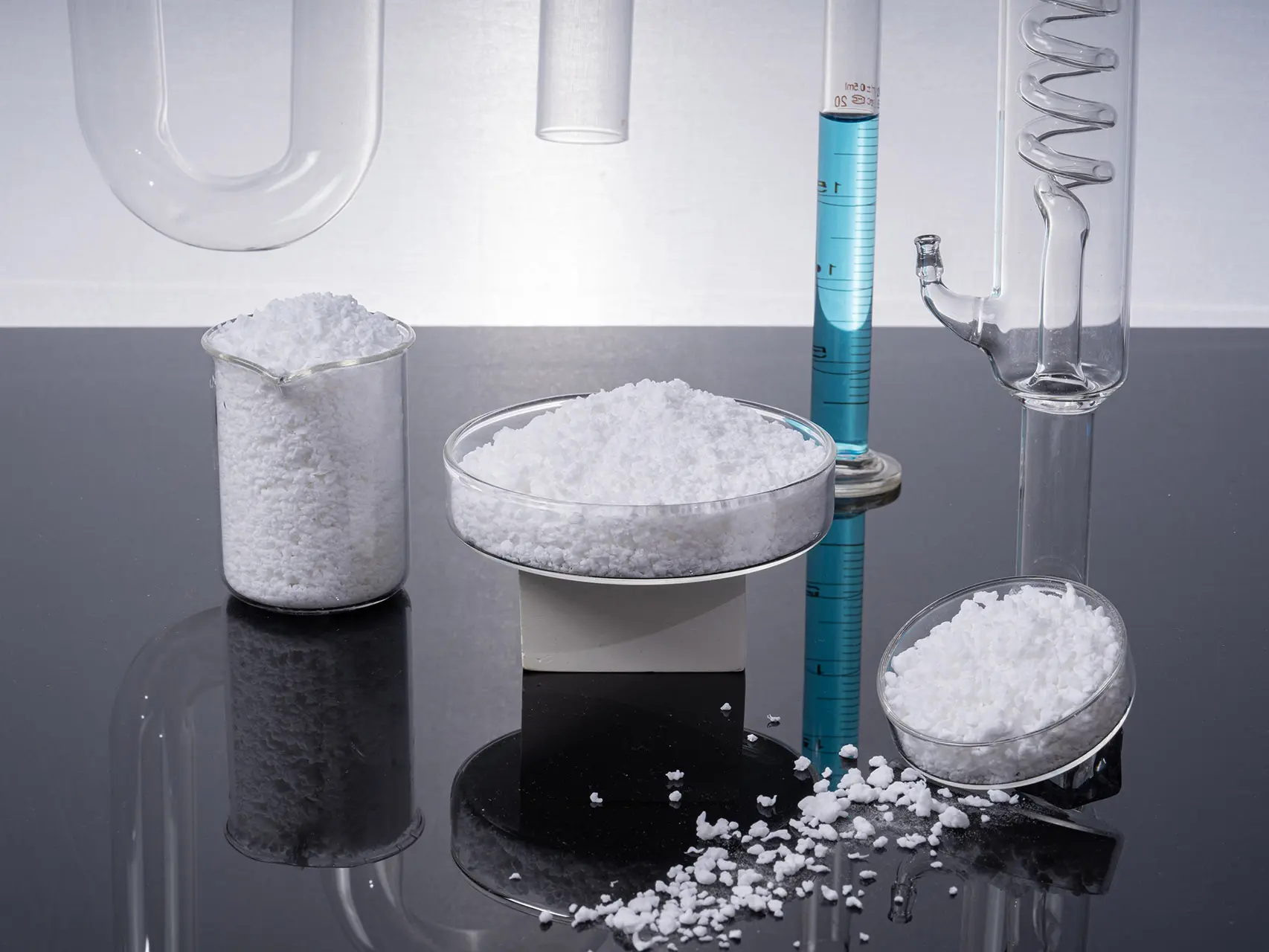
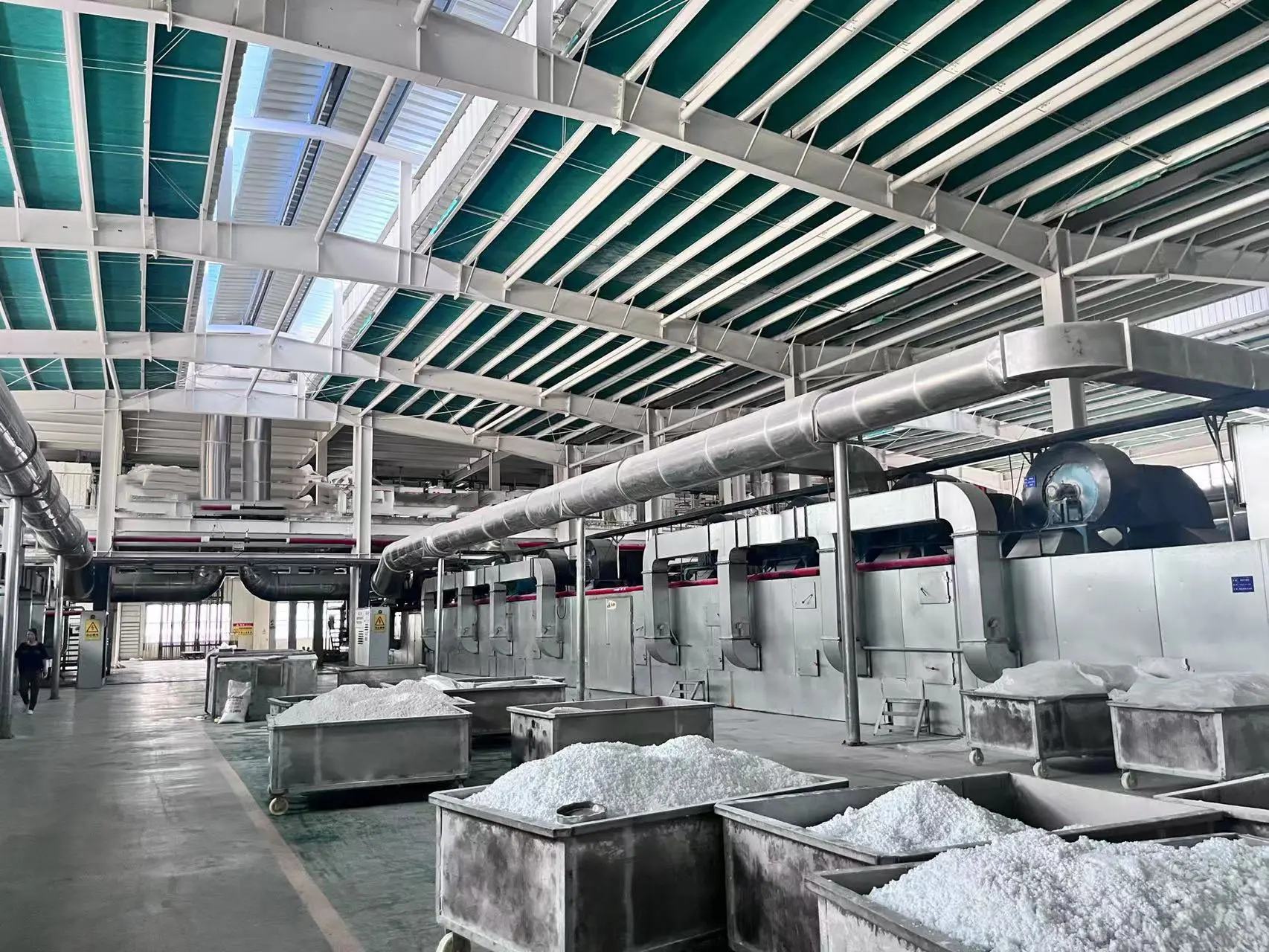
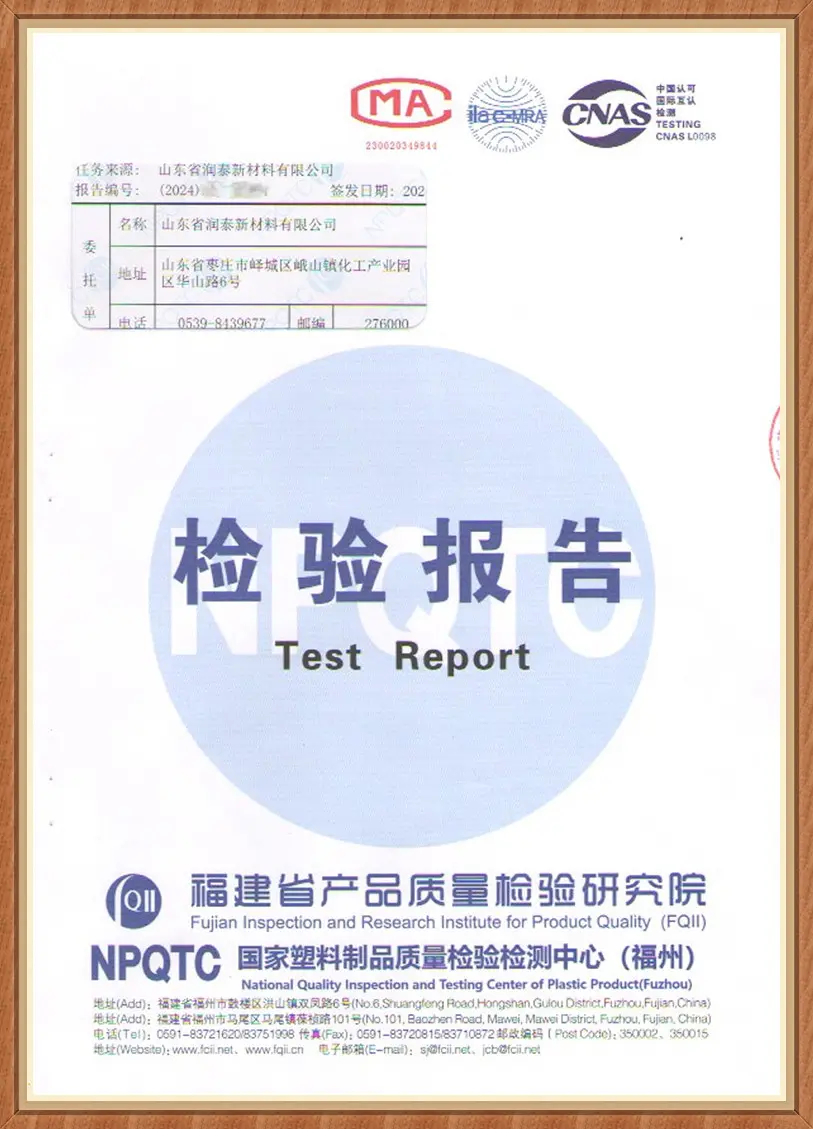
Verified visual evidence of our massive production lines, modern research labs, and logistical capacity.
Technical insights regarding our chemical formulations, manufacturing processes, and logistics.
In powder form, our Urea Formaldehyde resin can be stored for up to 12 months in its original moisture-proof bags under cool, dry conditions (temperature kept below 25°C). For liquid resins, storage life is approximately 30 to 45 days. We recommend keeping storage tanks sealed and temperature-controlled to prevent premature gelation.
Our plant uses a precise multi-stage condensation reaction controlled by DCS. By reducing the molar ratio of Formaldehyde to Urea (F:U) and incorporating chemical scavengers, we produce resins that comply with CARB Phase 2, EPA TSCA Title VI, and European E0/E1 standards without compromising final bond strength.
Yes. Our automated compounding lines produce a wide array of color-matched molding compounds (both powder and granular). Our QC laboratory utilizes spectrophotometers to guarantee color consistency across production batches, ideal for compression-molded electrical components, tableware, and buttons.
MMC features a melamine-based structure that offers superior heat resistance, water resistance, and surface hardness compared to UMC. MMC is commonly used for heavy-duty dinnerware and electrical switchgear, while UMC serves as a cost-effective choice for indoor electrical housings and interior household fixtures.
We pack powder products in 25kg multi-layer kraft paper bags or 1000kg bulk jumbo bags. For liquid resins, we ship via insulated road tankers or 1000L IBC totes. Our proximity to Qingdao Port enables prompt dispatch to global destinations, backed by complete MSDS, COA, and customs compliance certificates.
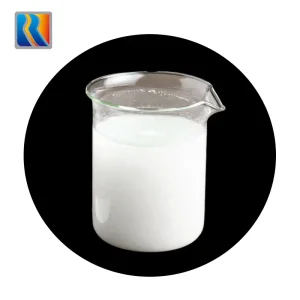
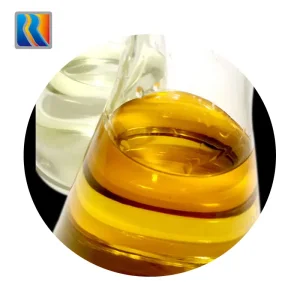
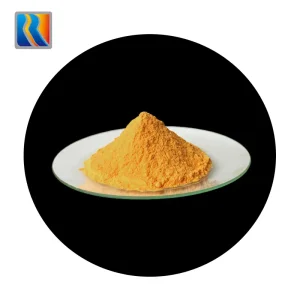
Select from our full line of raw monomers, specialized adhesives, defoamers, and dispersants for global delivery.
 Runtai