Discover our primary product portfolio engineered to achieve maximum material efficiency, surface hardness, and formulation consistency across diverse global industries.
In the contemporary landscape of high-performance materials and advanced polymer synthesis, specialty chemical additives serve as the silent orchestrators of functionality. From tailoring the rheological profiles of waterborne architectural coatings to providing structural integrity in thermosetting amino molding compounds, industrial additives determine the ultimate utility, lifespan, and processing speed of engineered products.
As a leading name in the global chemical value chain, Shandong Runtai New Materials Co., Ltd. stands at the forefront of the synthesis and distribution of essential fine chemicals. Armed with deep research capabilities and a broad industrial manufacturing platform, we engineer compounds that optimize material processing across countless commercial and consumer sectors. Understanding the physical-chemical dynamics of different categories of additives allows technical buyers and product developers to refine their formulations, secure supply chains, and meet strict global sustainability criteria.
A comprehensive chemicals and materials group focused on advanced raw materials, resins, and specialized additives.
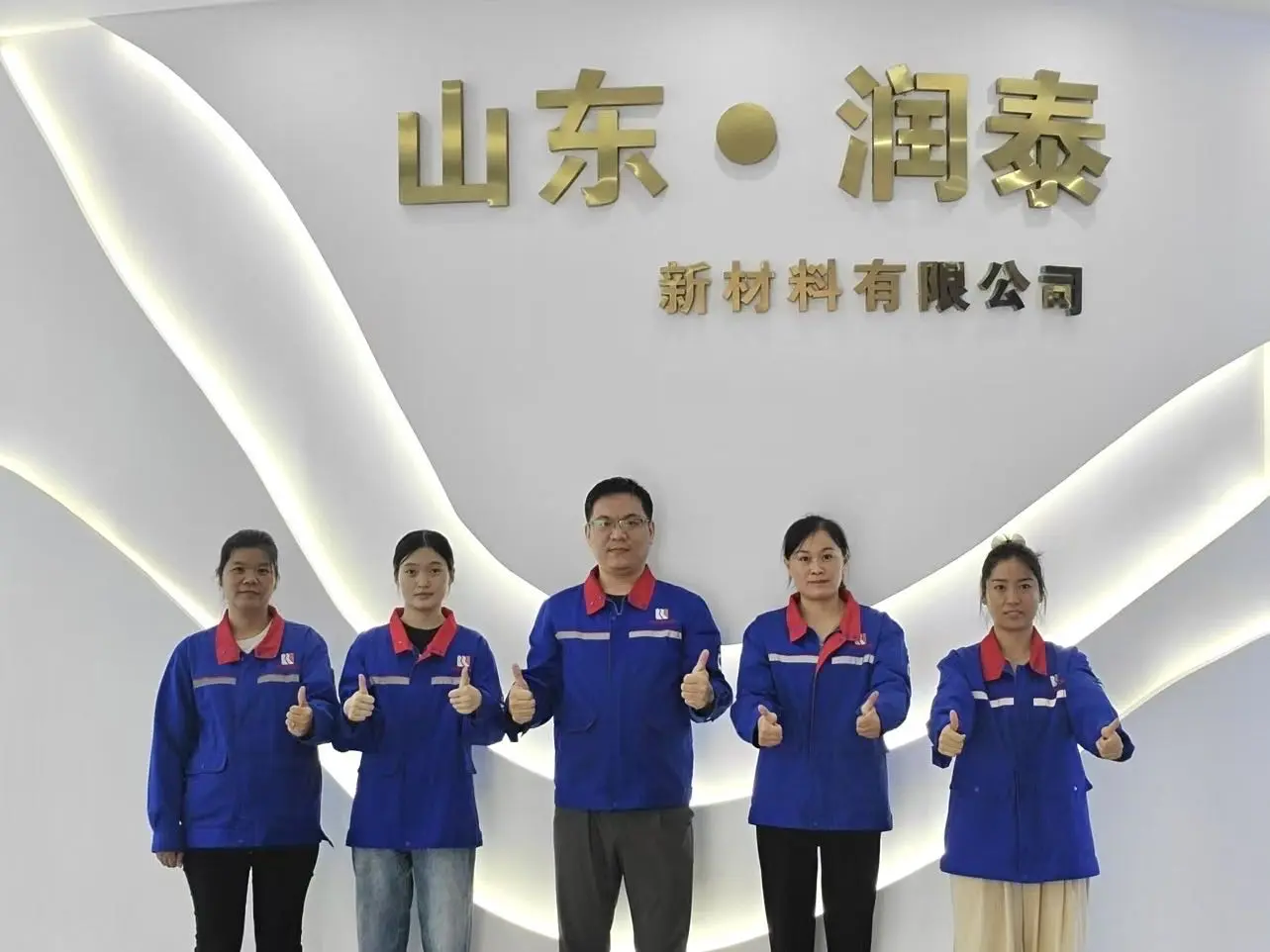
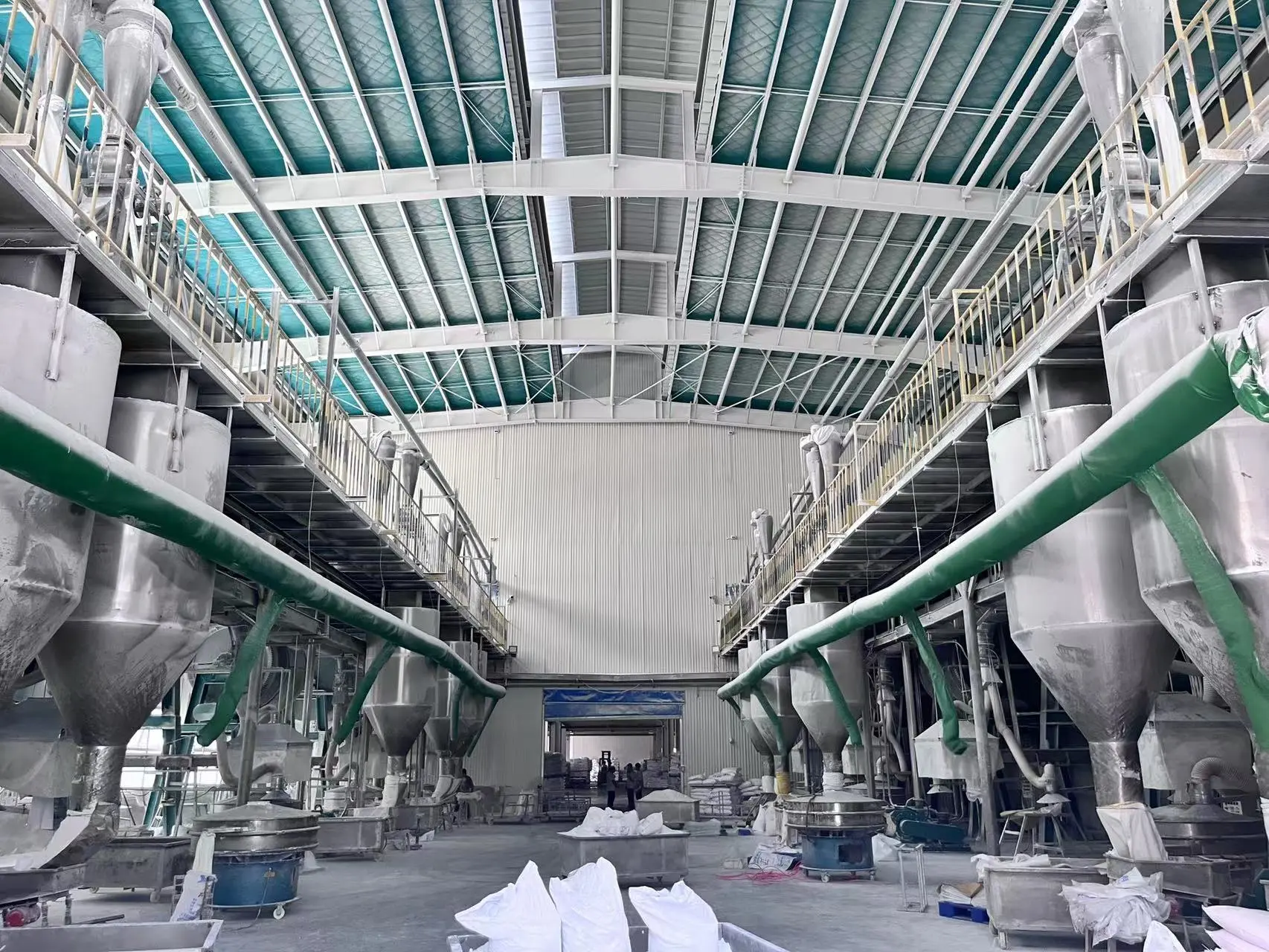
Founded in March 2020, Shandong Runtai New Materials Co., Ltd. is a comprehensive group firm that specializes in fine chemical products and high-grade resin matrices. With our headquarters located in Zaozhuang City, Shandong Province, the corporation has established strategically positioned branches in five different cities throughout China to ensure supply chain agility and responsive client service. Our expansive manufacturing base covers an area of 270,000 square meters, supported by a total capital investment of 2.06 billion yuan.
Runtai New Materials has grown to be one of China's top producers of melamine, formaldehyde, and their downstream thermosetting derivatives. By employing advanced automated production infrastructure, we offer both standardized commodity products and tailored solutions. Our integrated production matrix and deep research collaborations enable us to deliver reliable chemical supplies that adhere strictly to international standards.
Our scaled manufacturing plants yield an annual capacity of 380,000 tons of formaldehyde, 60,000 tons of melamine, 20,000 tons of melamine glazing powder, 11,000 tons of specialized resins, and 300,000 tons of urea-formaldehyde resin. This scale allows us to command approximately 80% market share in the domestic region while sustaining stable supply lines for our international clientele.
We actively export our chemical compounds, resins, and specialized additives to the United States, Thailand, Kenya, Egypt, and other major industrial hubs. Our logistics systems and compliance infrastructure guarantee that products reach global markets safely, on time, and accompanied by all required international regulatory certifications.
In cooperation with the Changzhou Research Institute of Beijing University of Chemical Technology and other leading chemical research institutes, Runtai New Materials maintains a highly technical doctoral R&D team. We continuously pioneer innovative polymeric material applications and secure patents focused on energy reduction and raw material optimization.
Annual Formaldehyde Capacity
Annual Melamine Output
Production Footprint
Domestic Market Share
Understanding the chemical architecture and performance optimization pathways of various additives in industrial systems.
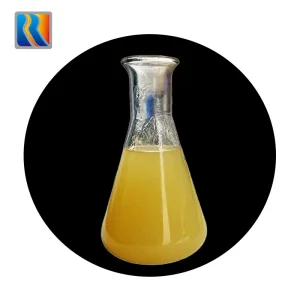
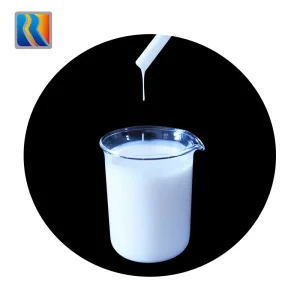
Acrylic acid-based swelling thickeners are vital for adjusting the viscosity profile of water-based formulations. Operating via alkali-swellable mechanisms, these additives untangle and form network structures upon neutralization, yielding excellent anti-sag properties, improved brush-ability, and sedimentation stability in paints, coatings, and adhesives.
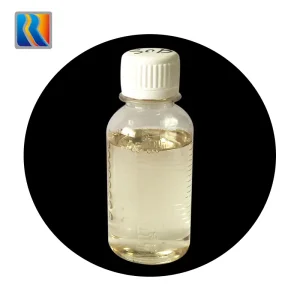
Mineral oil defoamers control air entrainment in high-shear blending systems. By reducing surface tension, these additives force microscopic air bubbles to coalesce and burst, protecting dry film integrity and preventing structural pinholes in waterborne systems, papermaking processes, and municipal wastewater treatment operations.
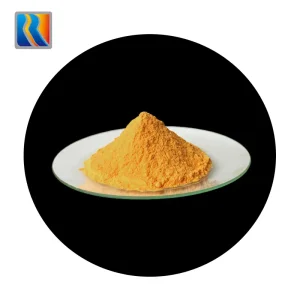
Urea Moulding Compound (UMC) and Melamine Moulding Compound (MMC) represent thermoset material bases. Combined with curing accelerators, colorants, and cellulose reinforcing fibers, these materials yield flame-retardant, high-dielectric, scratch-resistant finished products like dinnerware, electrical wall plates, and distribution boxes.
Ammonium salt dispersants stabilize solid pigments within aqueous media. By providing electrostatic and steric repulsion on pigment surfaces, these additives prevent flocculation and agglomeration. This guarantees maximum color development, tinting strength, glossiness, and long-term shelf-stability of the formulation.
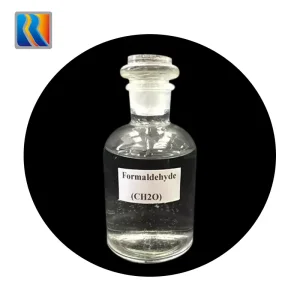
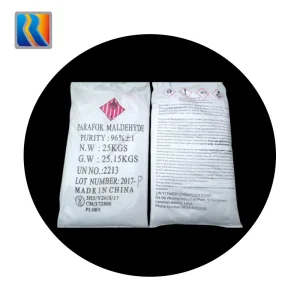
High-purity Paraformaldehyde and Formaldehyde solutions serve as foundational synthesis agents in polycondensation. These compounds act as the chemical engine for synthesizing crosslinked resins, industrial adhesives, and pharmaceutical intermediates, where precise control over formaldehyde release rates is critical.
How Runtai's customized chemical additives and resins solve technical challenges across localized global industries.
In the US and Canada, compliance with ultra-low formaldehyde emission limits (such as TSCA Title VI and CARB Phase 2) is essential. Runtai supplies high-purity Paraformaldehyde that allows local resin synthesizers to produce premium urea-formaldehyde and phenol-formaldehyde adhesives. These adhesives offer short hot-press cycles and high shear strength, satisfying regulatory standards for structural engineered wood, particleboard, and MDF.
Manufacturers in Thailand, Vietnam, and Malaysia face challenging high-temperature, high-humidity processing conditions. Runtai provides tailored Melamine Moulding Compounds (MMC) and Melamine Glazing Powders engineered with optimized cure rates and flow characteristics. This design prevents cracking and blistering, enabling the production of durable tableware that exhibits high surface gloss, staining resistance, and chemical resilience.
Modern building practices in dry, high-salinity zones require concrete admixtures and premium architectural coatings. Runtai's acrylic acid-based swelling thickeners and mineral oil defoamers are formulated into local water-based wall coatings and mortar systems. This adjustment ensures reliable water retention, zero sag on vertical surfaces, and the complete elimination of macro-foam during high-shear spray application.
How our ongoing R&D activities shape the future of green synthesis, process automation, and low-emission resin technologies.
Integrating advanced Distributed Control Systems (DCS) across our formaldehyde and melamine lines. By monitoring processing parameters in real-time, we minimize raw material consumption, maintain consistent product quality, and enhance worker safety.
Developing next-generation urea-formaldehyde resins featuring ultra-low free formaldehyde emissions. Utilizing modified amine-scavenging additives, we aim to exceed future global indoor air quality regulations without compromising bond strength.
Pioneering the synthesis of bio-based thickeners, defoamers, and dispersing agents derived from renewable agricultural feedstocks. This transition reduces dependence on petroleum-derived chemical intermediates.
Adopting energy-efficient chemical reactors, heat-recovery systems, and closed-loop water treatment. Our goal is to offset the environmental footprint of heavy chemical processing, aligned with China's 2060 carbon neutrality initiatives.
The global fine chemicals market demands more than just chemical expertise; it requires supply chain resilience, cost-effectiveness, and stable logistics. Operating from Zaozhuang City, Shandong Province—a region famous for industrial resource clusters—Runtai New Materials offers key advantages to international partners:

Runtai New Materials operates under a clear principle: quality first, safety always, and commitment to environmental protection. As chemical regulations become stricter worldwide, we align our operations with current global standards.
Our plants operate under strict ISO 9001 and ISO 14001 guidelines, ensuring every production batch undergoes thorough laboratory analysis before dispatch. We focus on low-toxicity, low-VOC additives, helping our customers satisfy demanding market requirements like EU REACH, US EPA, and localized eco-labeling standards. By investing in waste gas recovery and wastewater recycling systems, we minimize our environmental footprint and support sustainable development across the global chemical supply chain.
Expert technical answers to common questions about industrial resins, thickeners, defoamers, and moulding compounds.
Select from our certified chemicals, thickeners, defoamers, and molding powders to enhance product formulation stability.
 Runtai