Explore our core product lines manufactured to global quality standards
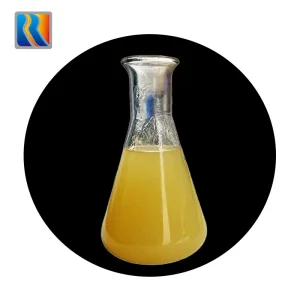
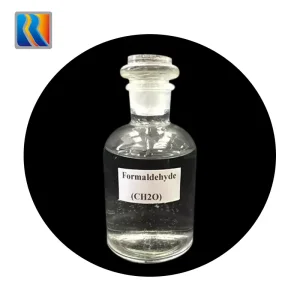
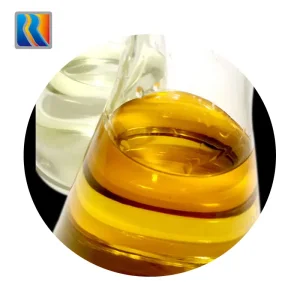
Establishing the Benchmark for Global Fine Chemical & Thermosetting Polymer Manufacturing
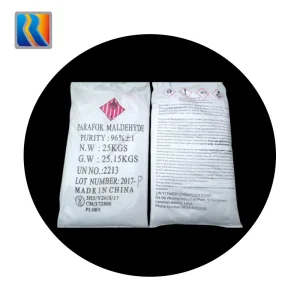
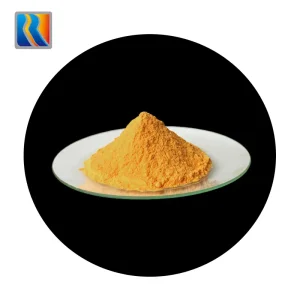
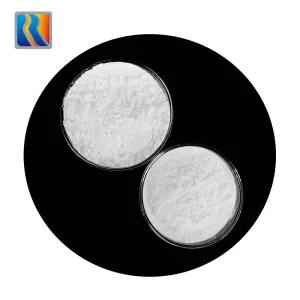
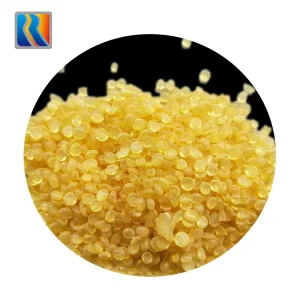
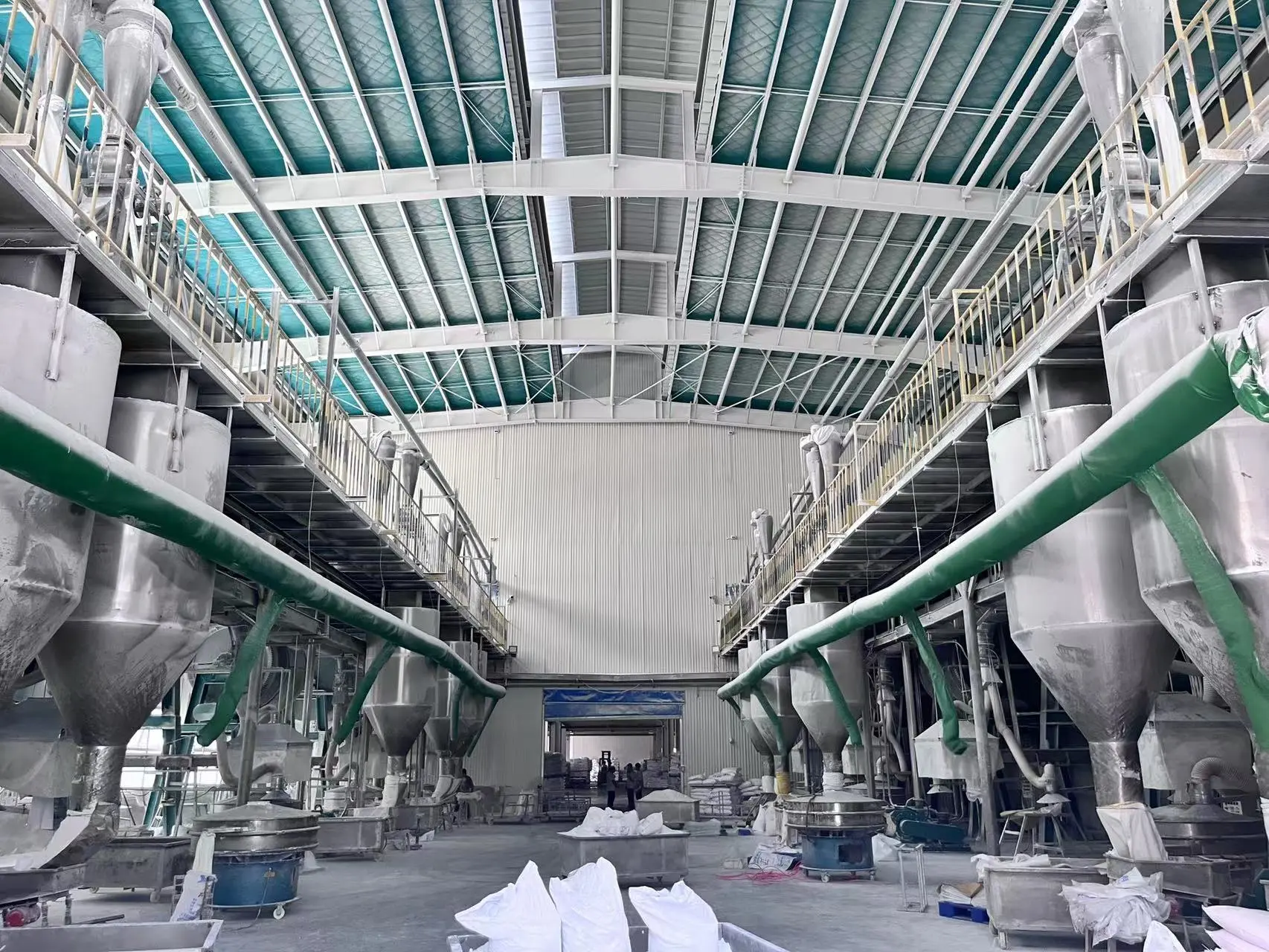
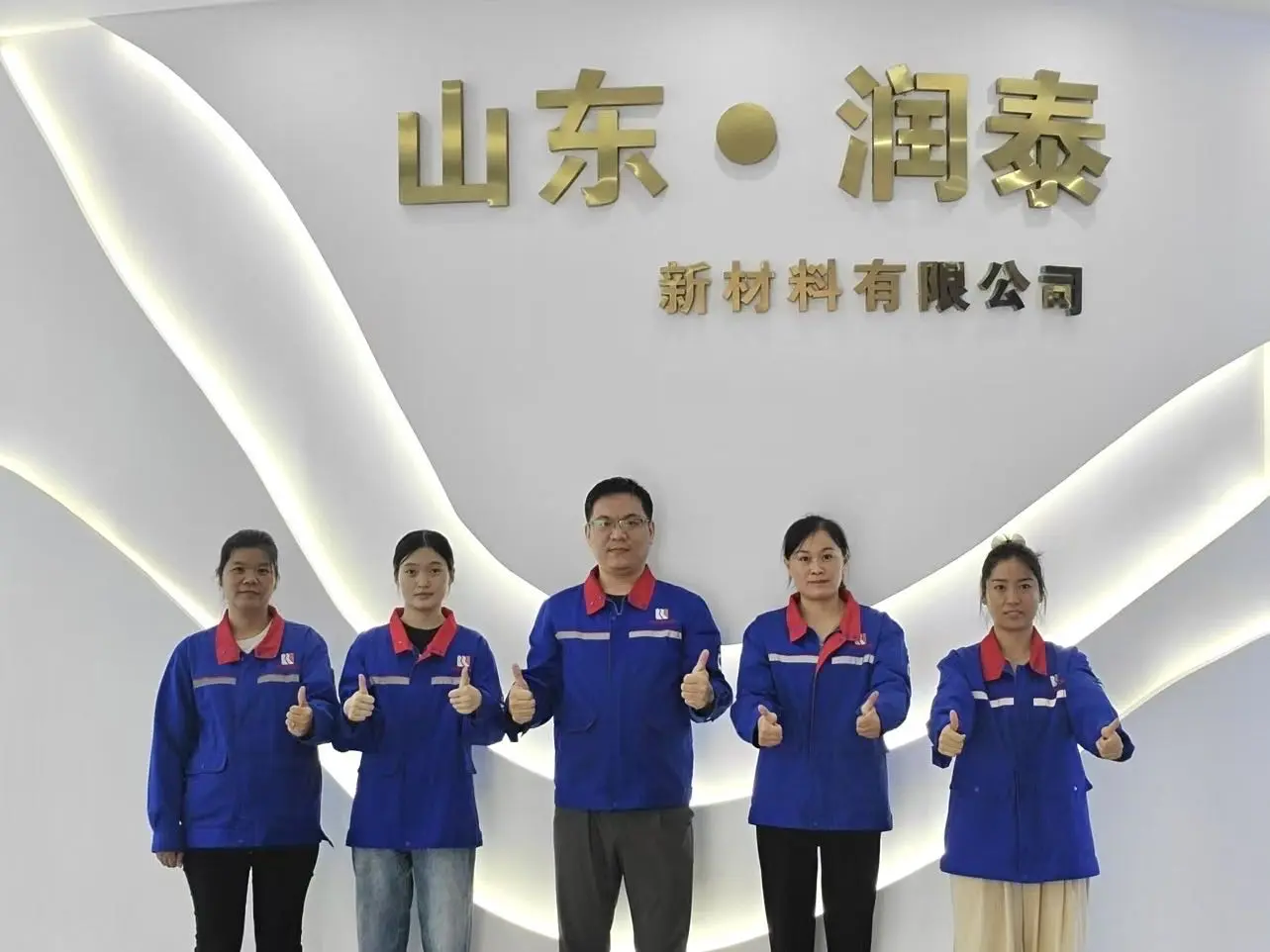
Founded in March 2020, Shandong Runtai New Materials Co., Ltd. is a comprehensive group firm that specializes in fine chemical products. Our primary products include formaldehyde, polyformaldehyde, urea formaldehyde resin, melamine powder, and melamine glazing powder. The corporation has branches in five different cities throughout the whole country, with its headquarters located in Zaozhuang City, Shandong Province. Runtai New Materials covers an area of 270,000 square meters with a total investment of 2.06 billion yuan.
Our positioning as an integrated chemicals manufacturer gives us complete upstream-to-downstream control. By producing core raw materials like formaldehyde in-house, we eliminate traditional market volatility and supply inconsistencies, providing global procurement managers with unprecedented pricing stability and quality assurance.
Addressing high-demand B2B engineering specifications, mechanical performance, and supply stability
In modern industrial manufacturing, Phenolic Resin Laminates (often recognized under trade classifications such as Bakelite, Micarta, or Novotex) represent a cornerstone of electrical insulation, structural composites, and high-temperature thermal barriers. Today's global supply chain faces strict headwinds: environmental regulations around free-formaldehyde emissions, price volatility of raw chemicals like phenol, and structural failures caused by inconsistent polymer curing during production. For B2B buyers in the automotive, aerospace, heavy power transmission, and electronics industries, selecting a supplier is no longer just about cost per kilogram—it is about finding an integrated partner with verified technical credibility.
Why do leading engineering firms choose Shandong Runtai? The answer lies in our vertical manufacturing stack. Standard laminate producers buy their phenolic resins and formaldehyde on the open market, leaving them exposed to price fluctuations and material inconsistencies. Shandong Runtai, however, is a primary chemical producer, processing massive capacities of raw formaldehyde and melamine in-house. Our vertical integration enables us to customize the synthesis of phenolic monomers at the molecular level, ensuring that the base thermosetting polymer exhibits highly uniform cross-linking. The result is a laminate sheet with absolute batch-to-batch consistency, superior dielectric strength, and minimal delamination risk under mechanical shear.
We tailor the ratio of formaldehyde to phenol to synthesize Resol or Novolac structures perfectly aligned with customer specifications, adjusting flame retardancy, heat deflection temperature (HDT), and structural elasticity.
Whether utilizing high-density bleached kraft paper, fine-weave cotton canvas (Grade CE/LE), or woven fiberglass mats, our impregnation process ensures complete resin saturation without air pockets or micro-voids.
Operating multi-daylight hydraulic presses with precise thermal gradient control, our panels undergo optimal curing profiles, minimizing internal residual stress and preventing warping after precision CNC machining.
Deciphering Resol and Novolac Condensation Polymerization
Understanding the fundamental chemistry of phenolic resin is vital for choosing the correct laminate material. Phenolic resins are synthetic polymers formed from the reaction of phenol (or substituted phenol) with formaldehyde. This condensation polymerization proceeds through two distinct pathways, dictated by the reactant ratio and catalyst pH:
Providing mission-critical material performance across demanding industrial environments
Phenolic resin laminates are highly versatile composite materials. By modifying the reinforcement carrier and optimizing the resin chemistry, Shandong Runtai engineers premium laminates that perform under extreme conditions of high voltage, mechanical friction, and corrosive chemicals.
For high-voltage electrical transformers, switchgears, and phase-barrier plates, our paper-phenolic (HP2061 grade) and glass-cloth laminates deliver high dielectric breakdown voltage (up to 40 kV/mm) and exceptional insulation resistance. They prevent flashover under humid environments and survive continuous thermal stress.
Canvas and linen-reinforced phenolic sheets are easily machined with close tolerances. They serve as structural components in drill jigs, semiconductor testing fixtures, and mechanical gears, offering excellent wear resistance and silent operation compared to metallic components.
Phenolic composites are inherently flame-retardant, meeting UL 94 V-0 requirements without the addition of halogenated flame retardants. Their high carbon yield during thermal degradation makes them critical for aerospace heat shields, laboratory bench surfaces, and chemical processing tanks.
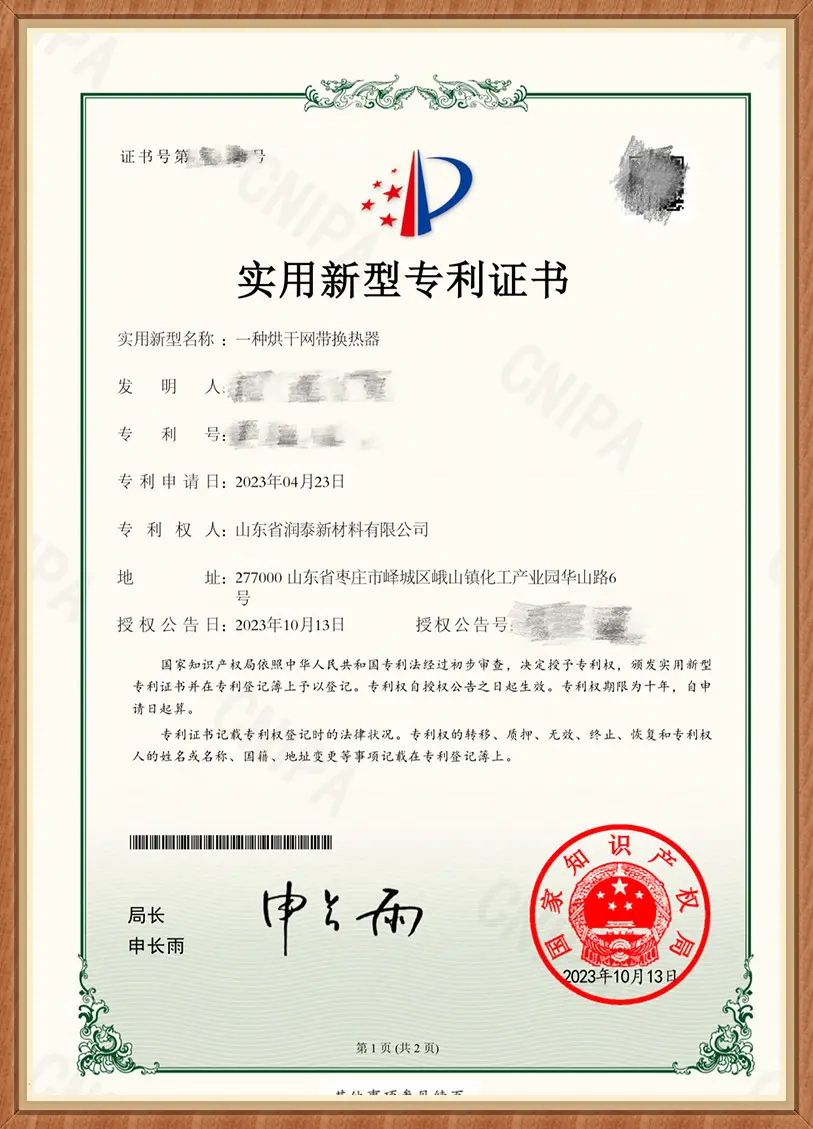
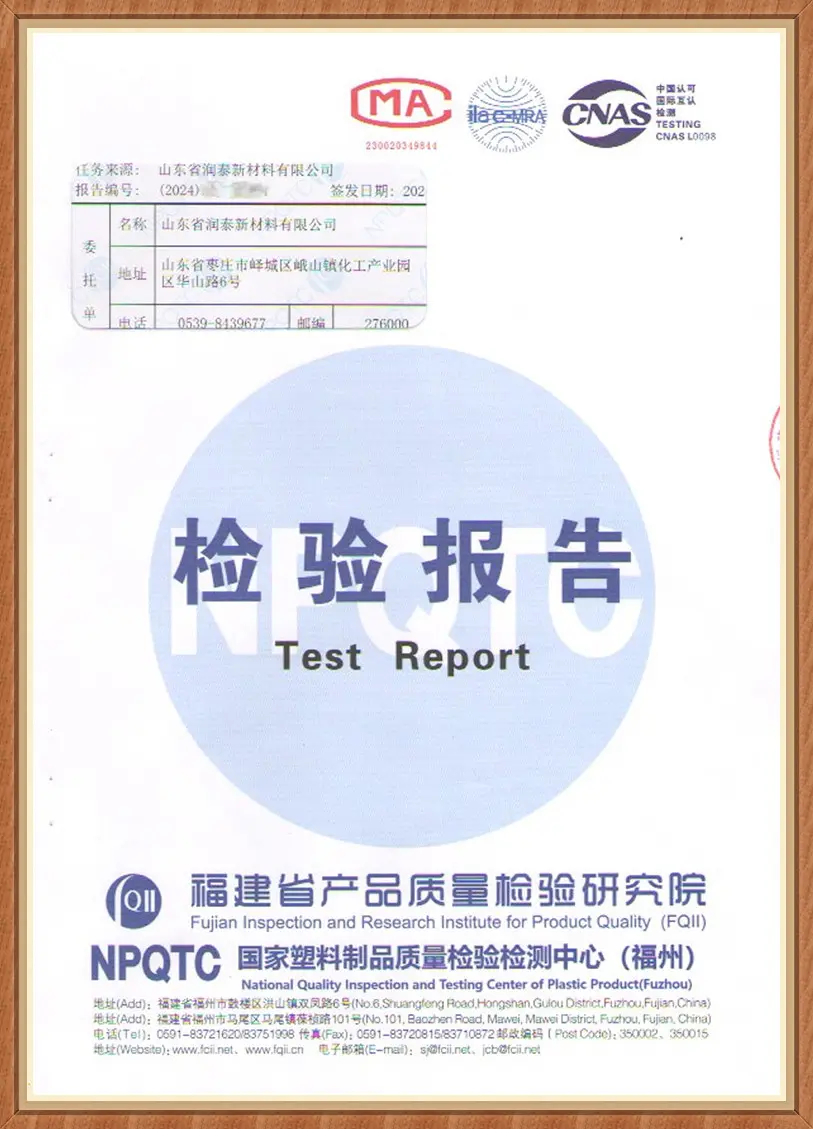
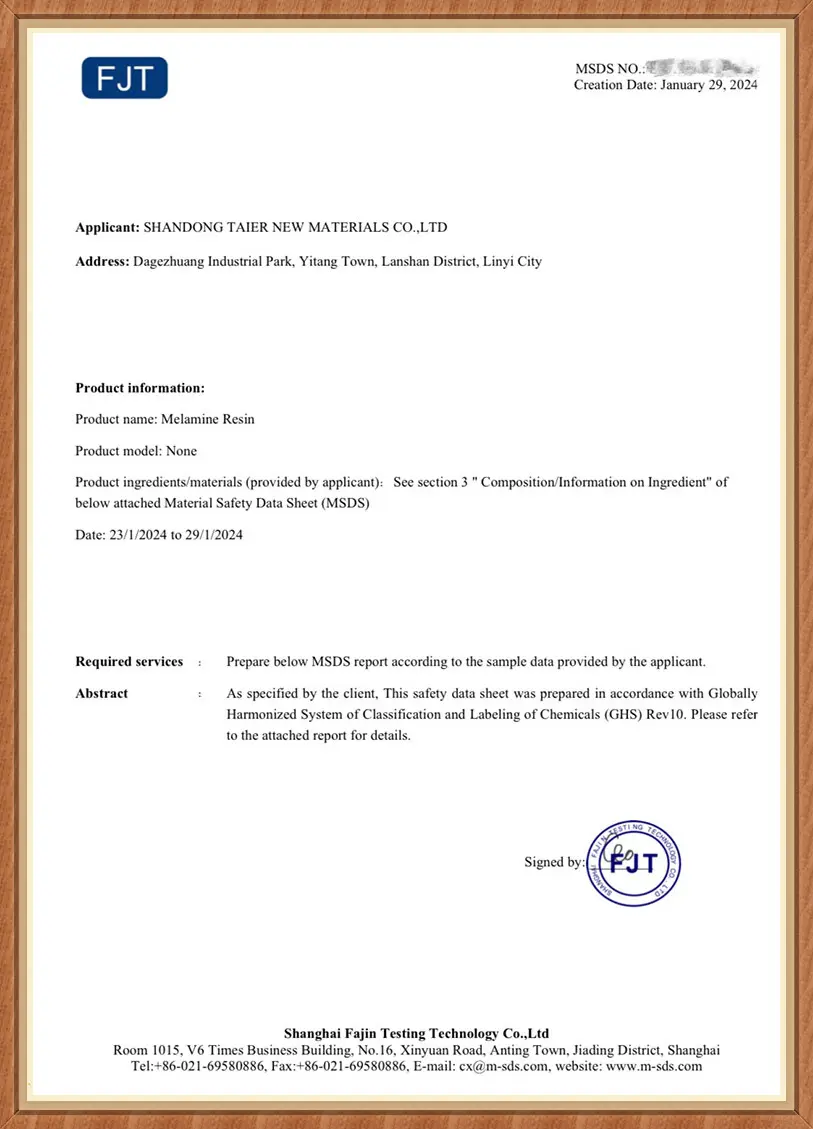
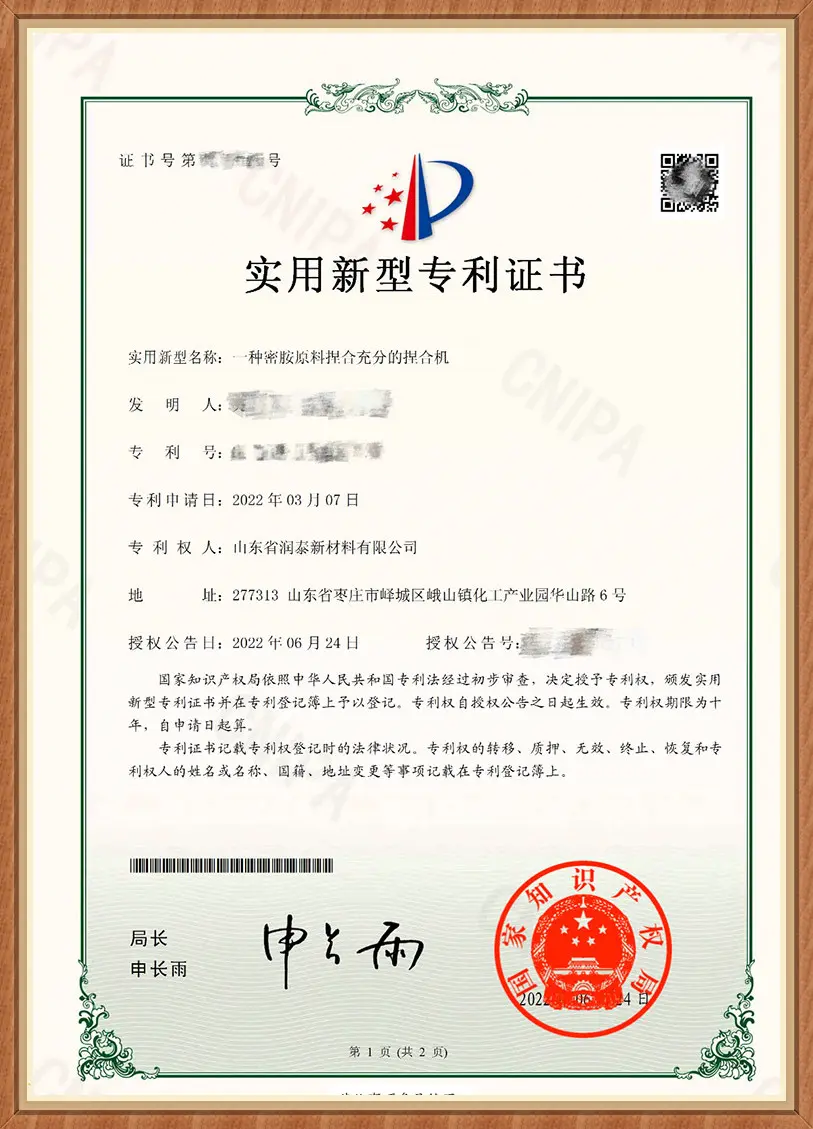
Shandong Runtai's proof of quality, engineering rigor, and global trade compliance

Pioneering green chemistry and high-performance smart composite materials
As regulatory landscapes push for circular economics and zero-emission goals, the phenolic resin laminate sector is undergoing structural technological evolution. Shandong Runtai is actively executing its 2025–2030 development roadmap, focusing on three major pillars:
Traditional phenolic resin relies entirely on petrochemical-derived phenol. Our R&D team is refining chemical routes to substitute up to 30% of fossil phenol with bio-derived alternatives, such as technical lignin and cashew nut shell liquid (CNSL), without compromising mechanical properties or glass transition temperatures ($T_g$).
By optimizing our acid/base condensation catalysts and introducing advanced scavenging agents during impregnation, we are launching laminates with free-formaldehyde emissions far below European E1 and CARB Phase II thresholds. This ensures compatibility with cleanroom equipment and passenger car interiors.
With the expansion of 5G/6G communication systems, high-frequency printed circuit boards demand ultra-low dielectric constant ($D_k$) and dissipation factor ($D_f$). Shandong Runtai is developing hybrid phenolic-epoxy-polyphenylene ether (PPE) laminates that meet these demanding microwave-frequency electrical specifications.
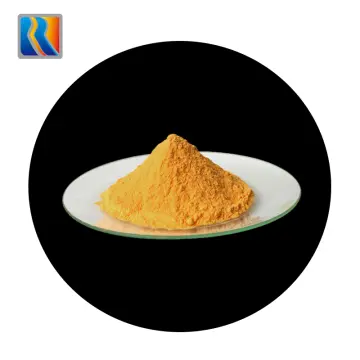
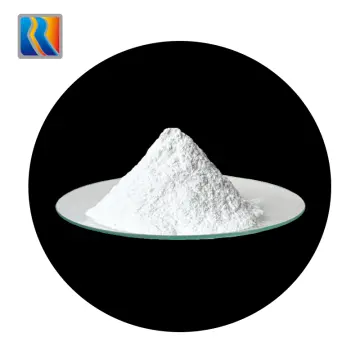
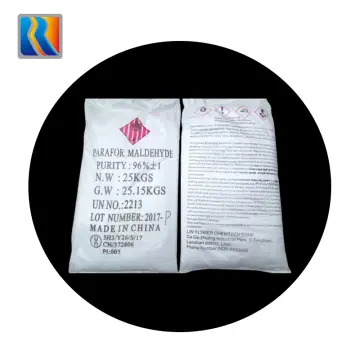
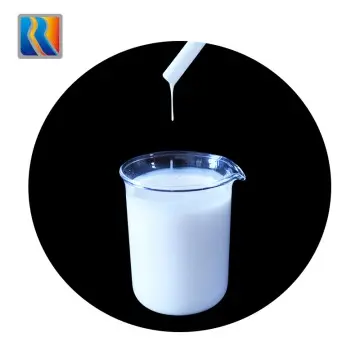
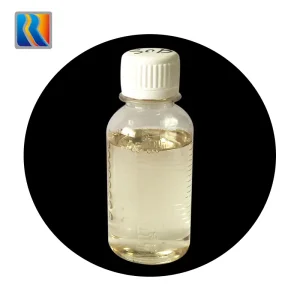
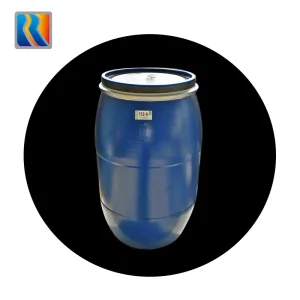
Our vertically integrated product catalog spanning monomers to finished resins
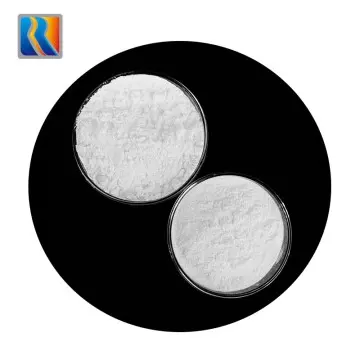
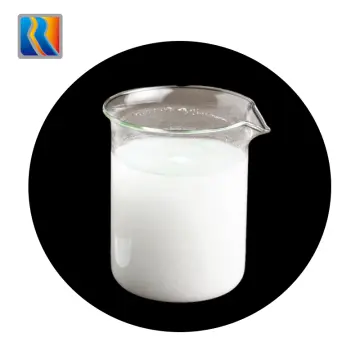
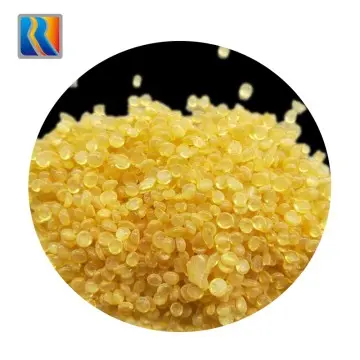
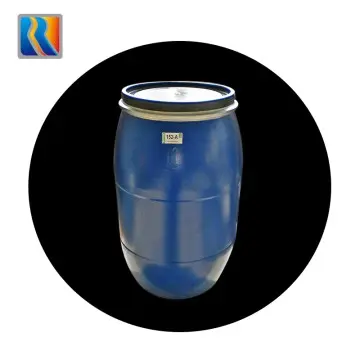
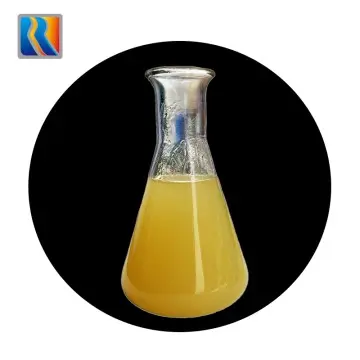
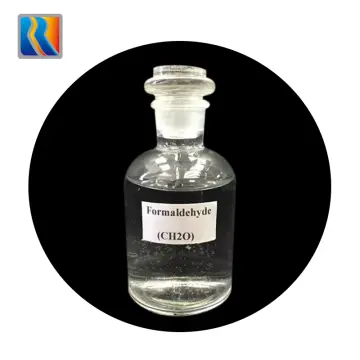
Guaranteed regulatory alignment for hassle-free global supply chains
Navigating different environmental and safety regulations across multiple jurisdictions is a primary challenge for modern procurement managers. Shandong Runtai offers complete compliance certification documentation for all target markets:
With established distribution links and localized support channels spanning North America, Southeast Asia, East Africa, and the Middle East, our technical teams can resolve formulation, application, and compliance queries promptly.
Answers to critical questions regarding phenolic composite performance, sourcing, and chemistry
Paper-phenolic laminates (e.g., FR-2, XX, XXXP) utilize high-purity cellulose paper impregnated with phenolic resin, offering excellent dielectric properties, simple punch-machinability, and low cost, making them suitable for everyday electrical applications. Glass-phenolic laminates (e.g., G-10, G-11) utilize woven fiberglass reinforcement, providing significantly higher mechanical flexural strength, superior moisture resistance, and continuous thermal rating up to 130°C–180°C, but are harder to machine and cost more.
We maintain full vertical control over our feedstocks. We synthesize our formaldehyde in-house using computerized Distributed Control Systems (DCS). This allows us to strictly regulate the reactant purity, condensation temperature profile, catalyst concentration, and vacuum distillation time, eliminating monomer variations common in open-market purchasing.
Yes. Phenolic resin itself contains a dense aromatic carbon structure that is inherently flame-retardant and releases low smoke. By formulating our resins with halogen-free mineral additives during polymer synthesis, we produce laminate sheets that confidently achieve certified UL 94 V-0 ratings without releasing toxic halogen acid gases under combustion.
With an annual capacity of over 300,000 tons of thermosetting resins, our manufacturing lines operate continuously. Standard stock specifications ship within 7–10 working days. Custom laminates or customized resin formulations typically require 14–21 working days for synthesis, QC validation, and container packaging. All exports are managed securely from nearby Qingdao port.
Shandong Runtai holds verified certifications including ISO 9001 (Quality Management System), ISO 14001 (Environmental Protection System), and ISO 45001 (Occupational Health & Safety). Our chemical raw materials and molding products comply fully with EU REACH and RoHS directives. Melamine tableware compounds also carry FDA and European Union food-contact compliance declarations.
High-purity chemical components and performance additives for global distribution
 Runtai