Premium grade raw materials, resins, and specialized additives direct from our advanced manufacturing facilities.
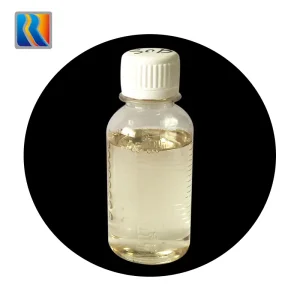
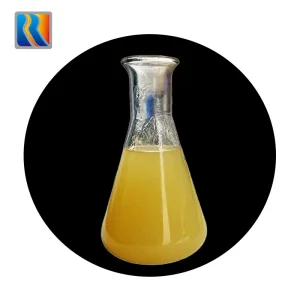
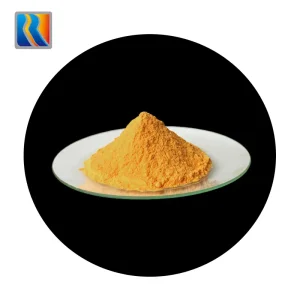
Paraformaldehyde (PFA), defined chemically as the polymerized condensation product of formaldehyde with a typical degree of polymerization ($DP$) ranging from 8 to 100 units, represents a vital solid precursor for formaldehyde solutions. In contrast to anhydrous gas systems, aqueous and organic paraformaldehyde solutions offer optimized reactive profiles for synthesis applications, including resin formulation, pharmaceutical synthesis, and agricultural chemical preparation.
The core challenge in deploying paraformaldehyde solutions lies in managing their thermochemical kinetics. Depolymerization, triggered by temperature elevations and catalytic pH adjustments, yields active monomeric formaldehyde ($CH_2O$). However, storing these solutions in a stable state without precipitation, repolymerization, or hazardous vapor emissions requires highly sophisticated engineering controls, metallurgical selectiveness, and precise temperature regulation.
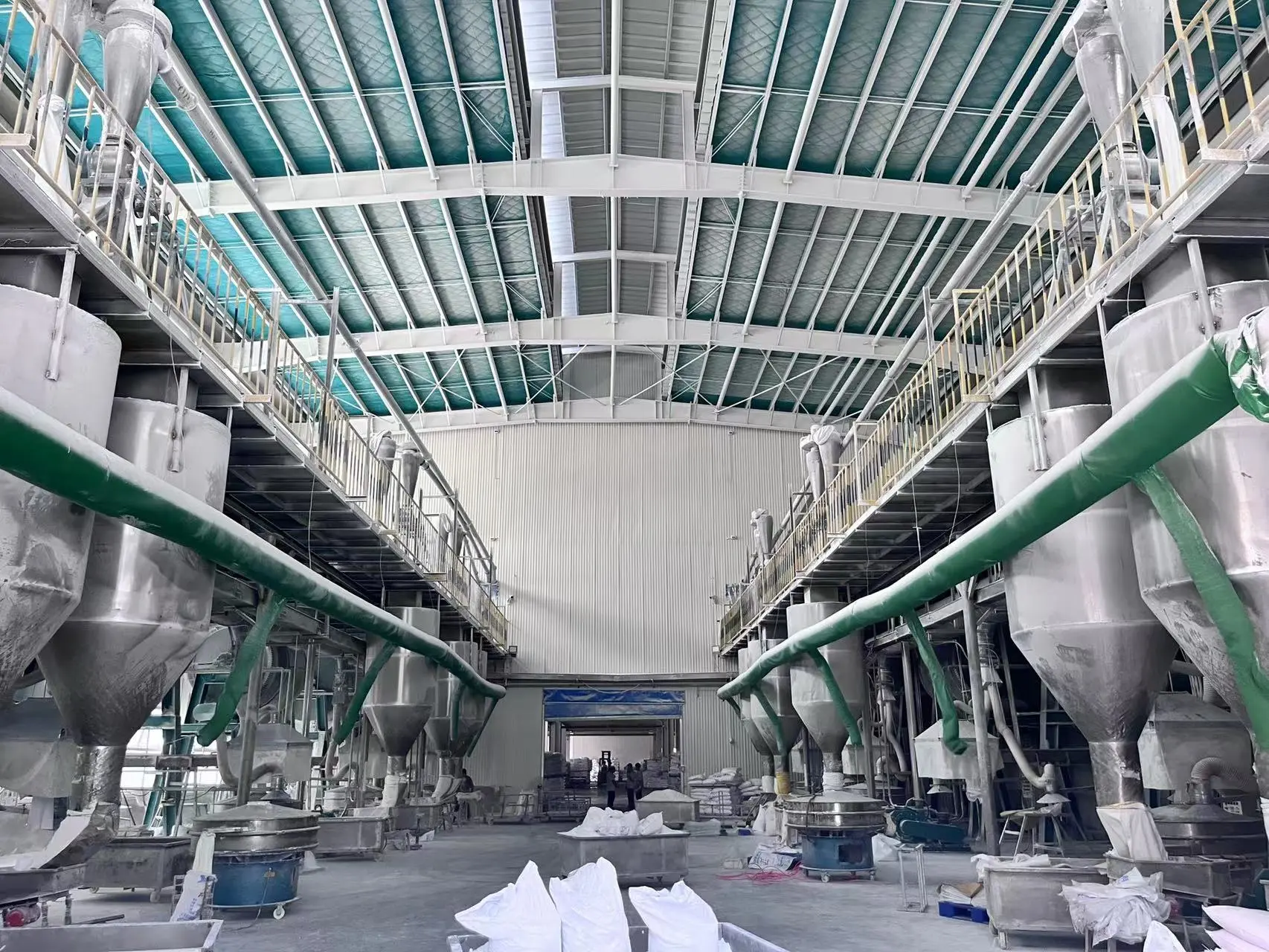
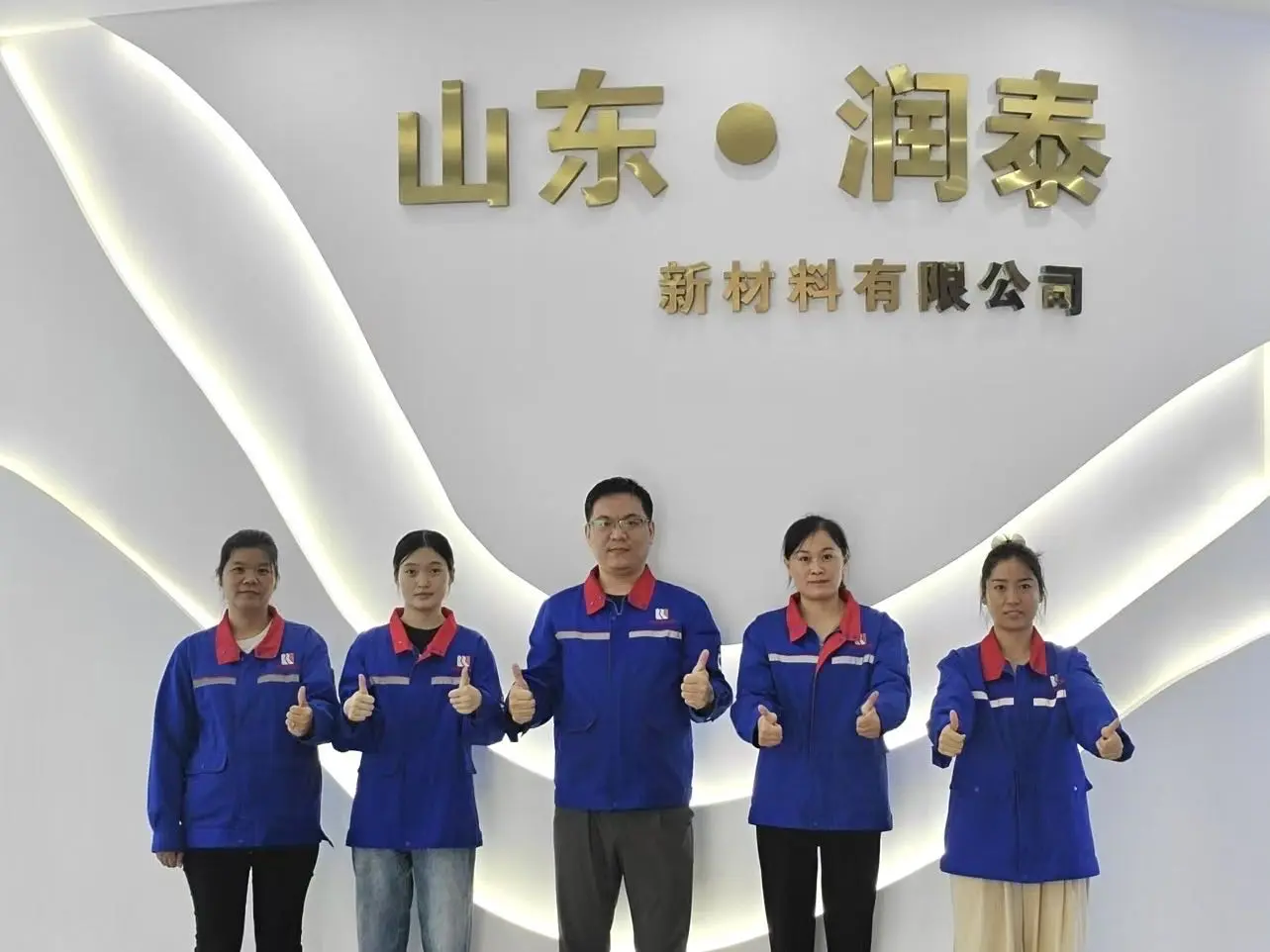
Founded in March 2020, Shandong Runtai New Materials Co., Ltd. is a prominent, comprehensive chemical group specializing in fine chemicals, resins, and advanced raw materials. Strategically headquartered in Zaozhuang City, Shandong Province, the corporation spans an extensive manufacturing and R&D footprint of 270,000 square meters. Backed by a total investment of 2.06 billion yuan, the company operates five major branches nationwide.
Runtai New Materials has established itself at the forefront of the chemical sector, driven by intensive infrastructure investments and modern automated production lines. Our current output metrics include:
Stablizing and storing paraformaldehyde solutions demands strict adherence to physical chemistry constraints. When PFA is dissolved, it exists in equilibrium with free formaldehyde and various methylene glycol oligomers. Improper storage conditions trigger rapid repolymerization, leading to blockages in pipes and vessel scaling. The following technical checklist outlines the industrial standards implemented by Shandong Runtai New Materials:
Storage vessels must utilize high-grade 316L stainless steel or specialized fluoropolymer liners. Minimizing carbon steel exposure prevents iron contamination, which acts as a catalyst for formic acid generation and subsequent degradation.
Paraformaldehyde solutions must be kept between 45°C and 55°C. Temperatures below this range trigger precipitation of solid polymers, while temperatures exceeding 60°C accelerate the disproportionation reaction into methanol and formic acid.
Integrating a continuous dry nitrogen ($N_2$) blanket is essential to isolate the solution from atmospheric oxygen and moisture. This mitigates explosive hazard potentials and controls VOC vapor emission paths.
To prepare paraformaldehyde solutions for reactive processes, depolymerization is accelerated by adding alkaline catalysts (e.g., Sodium Hydroxide, $NaOH$) to adjust the pH into the 8.5–9.5 range. Managing the reaction kinetics prevents thermal runaway. Our DCS systems track the heat release profile in real time, ensuring temperature excursions are suppressed by integrated cooling coils.
For multinational corporations and large industrial buyers, procurement of formaldehyde-based systems involves navigated logistical risk mitigation. Formaldehyde solutions are categorized under Class 8 (Corrosive) and Class 9 substances under ADR/IMDG codes, imposing strict controls on maritime and land freight. Runtai New Materials bridges this complexity through robust logistics networks and localized regulatory alignment.
Runtai New Materials has successfully expanded its supply footprint to international corridors, exporting high-volume shipments to the United States, Thailand, Kenya, Egypt, and other South Asian and Middle Eastern destinations. By utilizing specialized ISO containers equipped with integrated temperature-control blankets, we guarantee that the paraformaldehyde solutions arrive within active technical limits, eliminating on-site reheating delays.
Our production facilities utilize a Distributed Control System (DCS) to monitor chemical synthesis continuously. This limits variability in composition, keeping formic acid impurities below 0.03%, which dramatically improves storage life and reduces resin defects for our global B2B clients.

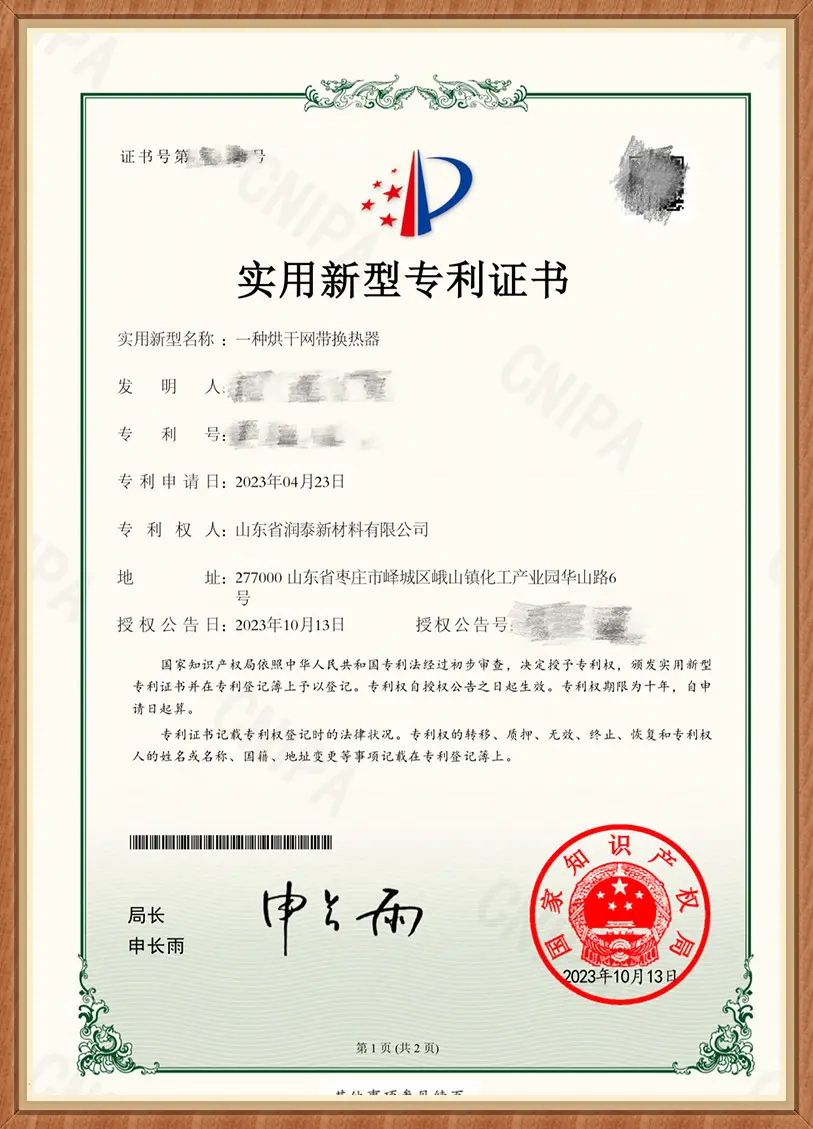
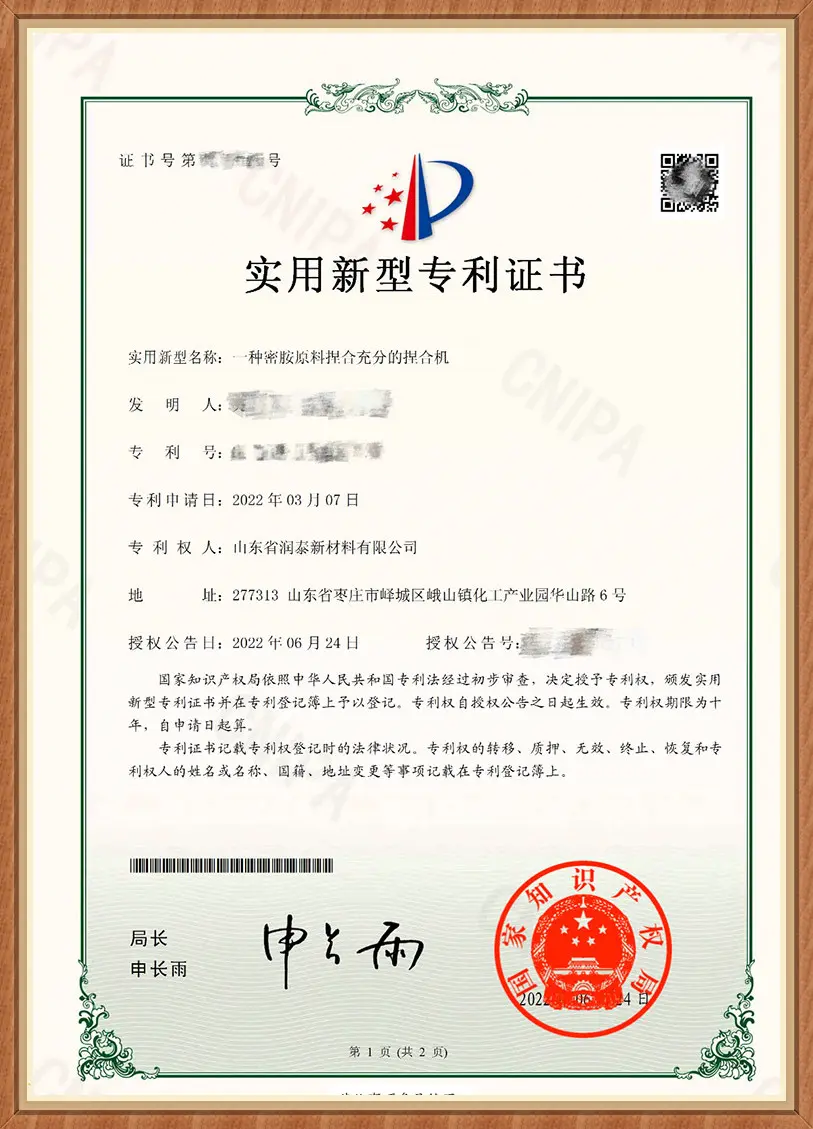
Operating a chemical footprint requires strict environmental compliance and sustainable technologies. Runtai New Materials maintains long-term research partnerships with the Changzhou Research Institute of Beijing University of Chemical Technology. Our dedicated doctoral R&D division has secured numerous national patents focused on reducing VOC emissions and optimizing waste gas recycling loops.
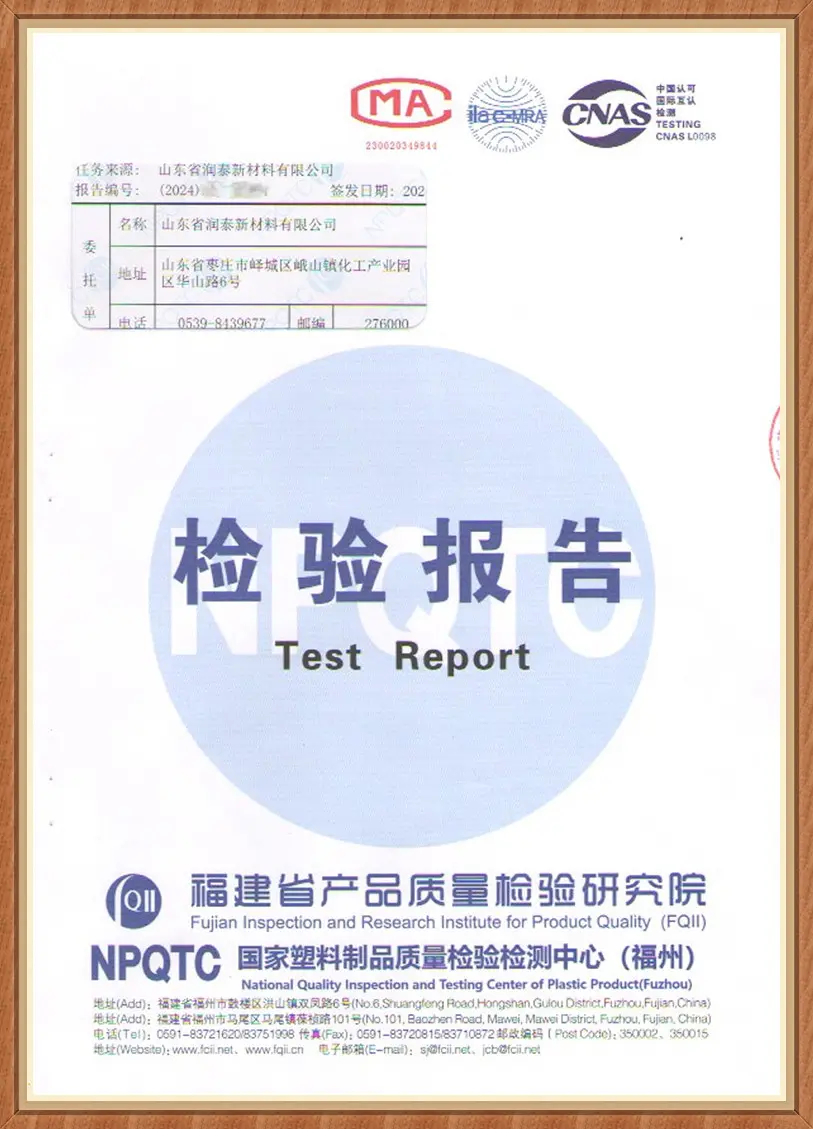
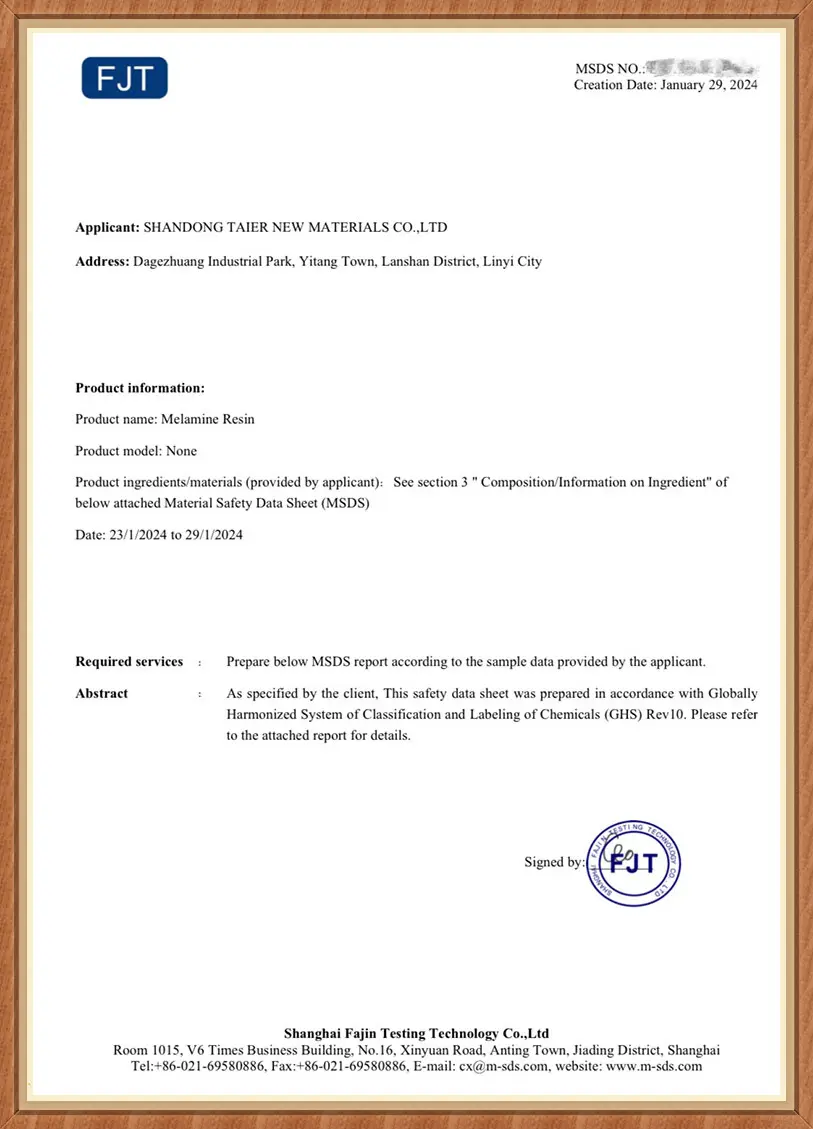
Our systems conform to international safety protocols, including ISO 9001 for Quality Management and ISO 14001 for Environmental Management. In line with the E-E-A-T principles, every batch of Paraformaldehyde or Melamine is shipped with comprehensive Safety Data Sheets (SDS), certificates of analysis (COA), and chemical traceability tracking.
By producing our own primary raw materials (Formaldehyde), Runtai New Materials provides an integrated supply chain. This protects downstream buyers from localized market price swings in urea formaldehyde resins, phenolic resins, and specialized paper or textile additives.
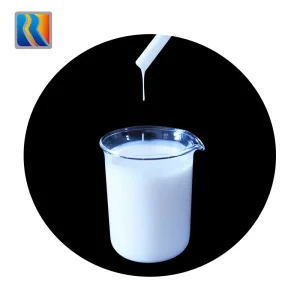
Explore our highly competitive downstream materials engineered for coatings, wood composite adhesives, and industrial packaging.
 Runtai