Direct-factory supply chain with premium E-E-A-T manufacturing compliance
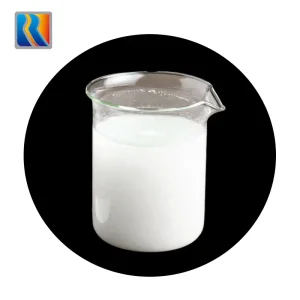
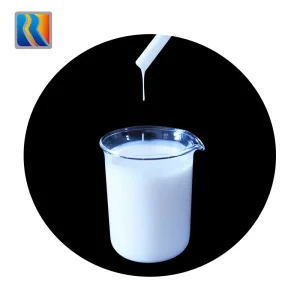
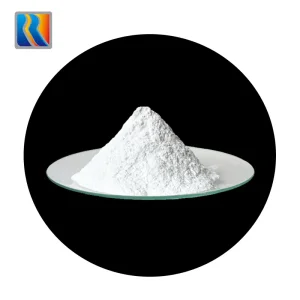
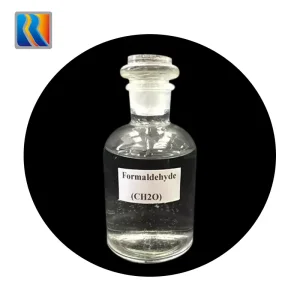
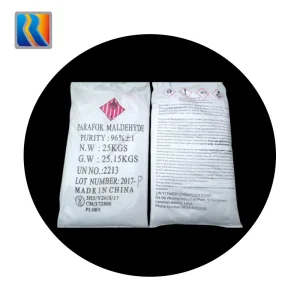
Paraformaldehyde (PFA), the smallest solid form of polyoxymethylene, plays a vital role as a formaldehyde precursor in various fine chemical processes. In contrast to liquid formalin, which contains approximately 63% water and requires specialized thermal tanks to avoid polymerization, PFA is a highly stable, solid-state white crystalline powder or prill containing 92% to 96% active formaldehyde content. Its primary benefit is that it contains minimal water. This dramatically decreases shipment weights, avoids complex chemical-hazardous transport restrictions of liquid aldehyde formulations, and streamlines synthesis procedures by cutting down dehydration stages in polymer formulation.
The global demand for high-grade paraformaldehyde is growing steadily. Market research shows a strong CAGR driven by sectors like agrochemicals, synthetic resins, paints, coatings, and pharmaceutical synthesis. Because chemical companies need raw materials with lower water content to increase reaction yields and reduce waste water treatment costs, PFA has transitioned from a niche substitute to a core industrial standard. Regionally, Asia-Pacific dominates the global manufacturing output, with China standing out as the largest exporter and supplier of top-tier Paraformaldehyde. This is backed by integrated upstream methanol resources and advanced synthetic pathways.
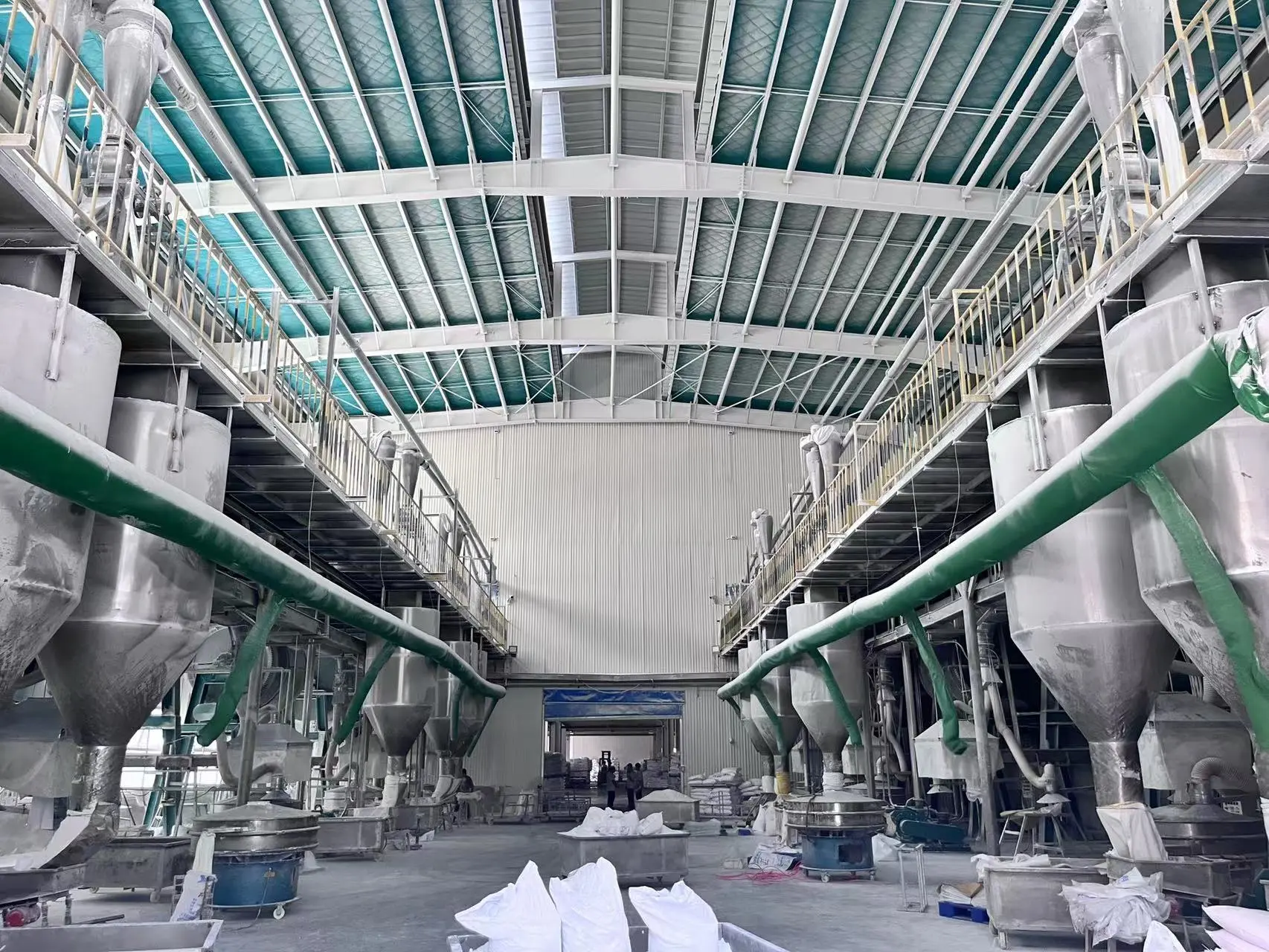
Understanding the synthesis of PFA is key to achieving optimal batch purity. The standard industrial production process starts with the catalytic oxidation of methanol to produce high-concentration aqueous formaldehyde. This solution undergoes multi-stage vacuum concentration, followed by polymerization under precisely regulated pH and temperature conditions. The resulting product is then dried and flaked or prilled. Operating this process with high thermal efficiency is critical to avoiding undesired side reactions, such as the production of formic acid, which can degrade the final product.
The depolymerization kinetics of PFA are crucial for end-use industrial applications. When dissolved in water, alcohols, or other organic solvents, PFA depolymerizes to release monomeric formaldehyde. This depolymerization rate can be carefully controlled by adjusting the temperature and pH, making PFA highly adaptable for resin formulation, synthesis of glyphosate in agrochemicals, or cross-linking in textile processing. At Runtai, we optimize the physical grain structure of our PFA to ensure fast depolymerization and high solubility, minimizing processing downtime for our customers.
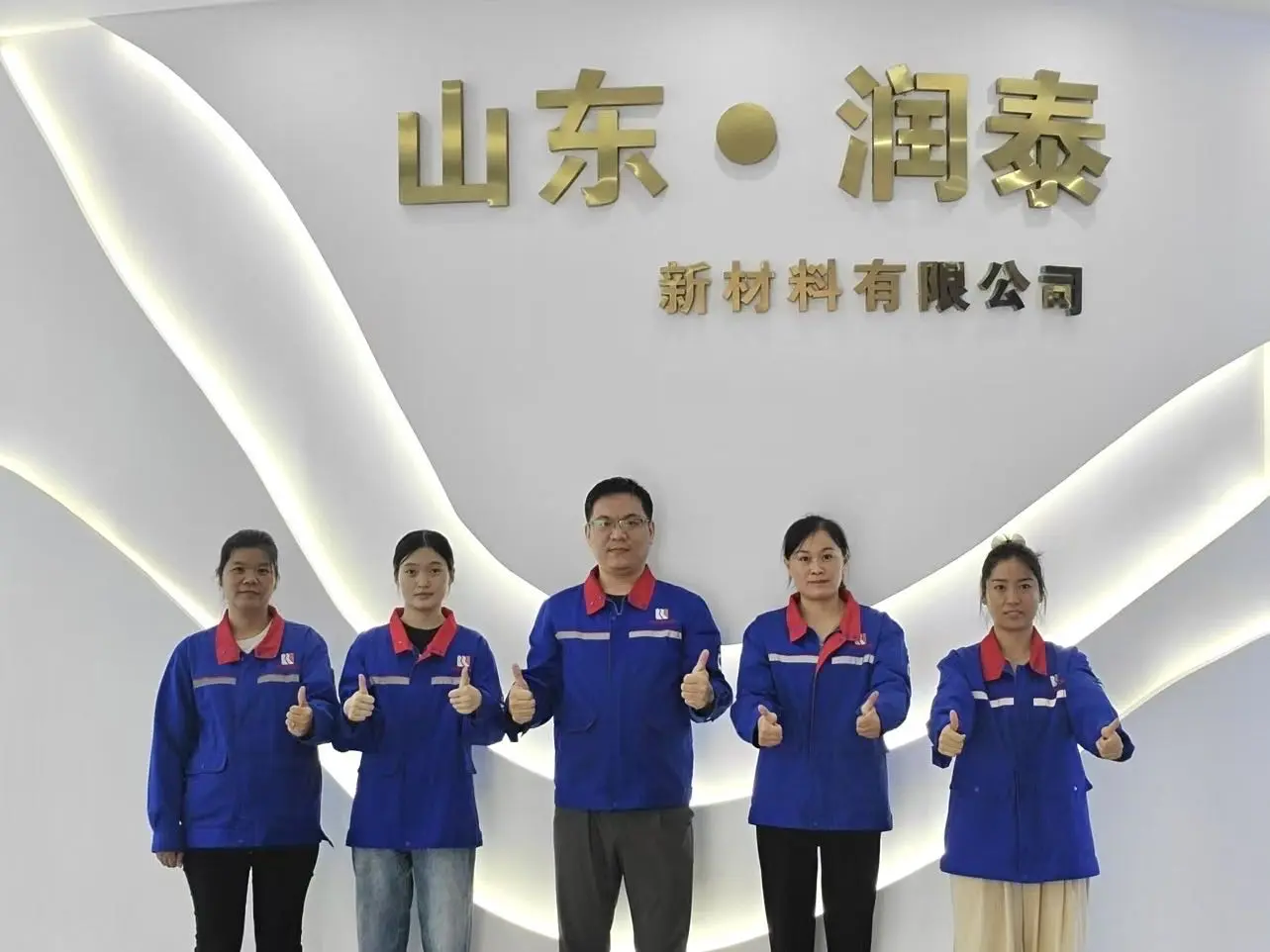
Founded in March 2020, Shandong Runtai New Materials Co., Ltd. is a comprehensive group firm that specializes in producing fine chemical products. Our primary products include formaldehyde, polyformaldehyde, urea formaldehyde resin, melamine powder, and melamine glazing powder. The corporation has branches in five different cities throughout the whole country, with its headquarters located in Zaozhuang City, Shandong Province. Runtai New Materials covers an area of 270,000 square meters with a total investment of 2.06 billion yuan.
As a leading supplier in China, our annual capacity has grown to support global requirements. We produce 380,000 tons of formaldehyde, 60,000 tons of melamine, 20,000 tons of melamine glazing powder, 11,000 tons of resin, and 300,000 tons of urea formaldehyde resin. We have reached about 80% market share in China, and we are actively developing our overseas business. Our products are exported to the United States, Thailand, Kenya, Egypt, and other countries, where they have been widely praised by overseas customers.
Read More About Our Company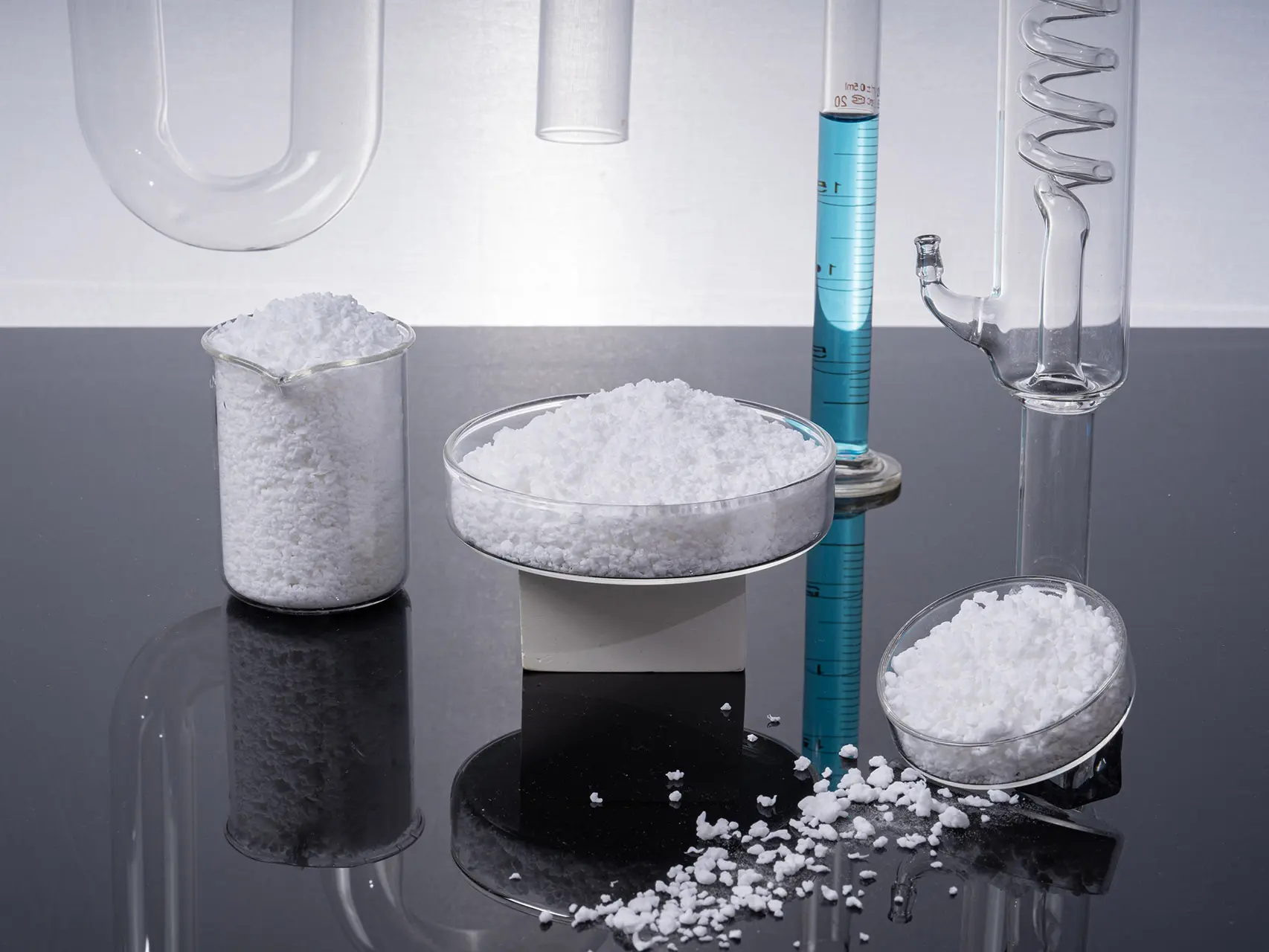
Runtai utilizes advanced engineering and automation to maintain strict quality standards.
With the completion of our melamine project, Runtai New Materials has become a leading comprehensive enterprise in China for the research, production, sales, and application of formaldehyde-derived chemical materials. Melamine materials are projected to maintain a leading national market share.
We choose production technologies guided by the principles of automatic control, safe operation, energy efficiency, and resource utilization. We use advanced Distributed Control Systems (DCS) to monitor and control process parameters across the entire production line. This ensures high product quality, reliable process safety, and minimized raw material consumption.
To meet high quality standards, we select established production and testing equipment from trusted domestic and international manufacturers. This automation decreases manual labor intensity, boosts labor productivity, conserves energy, and lowers testing and production costs.
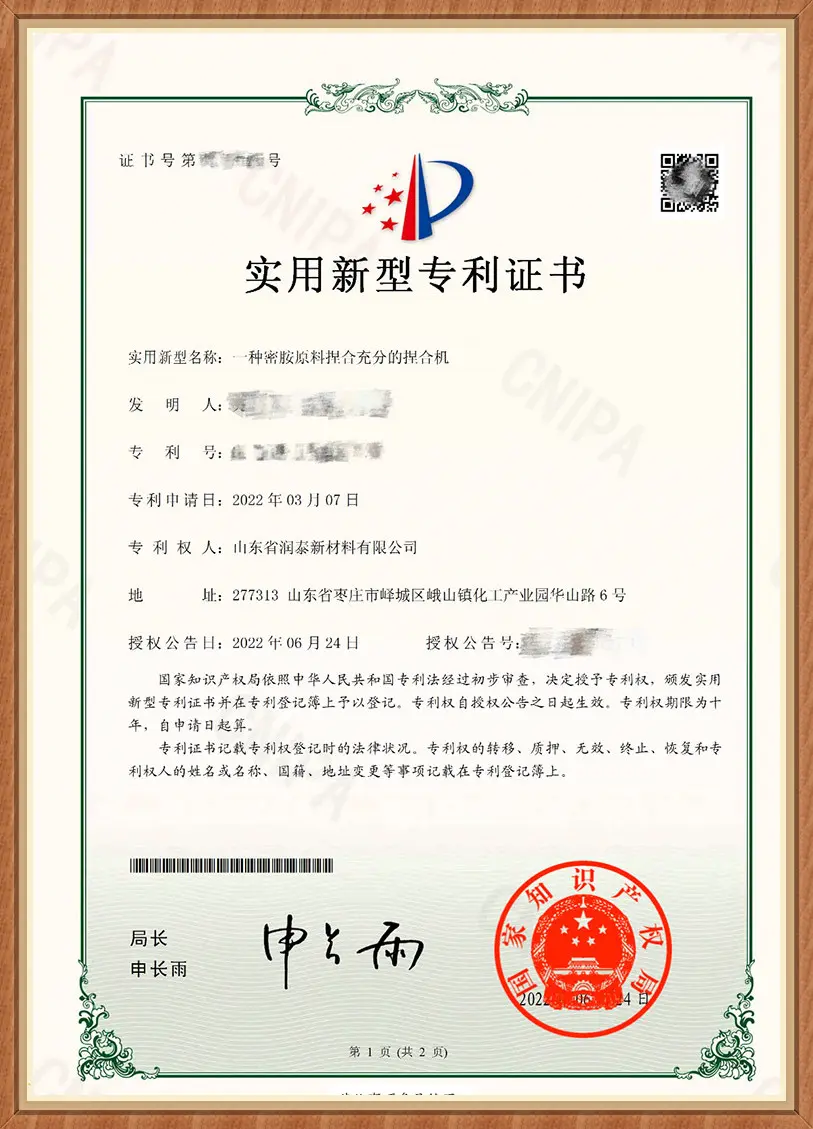
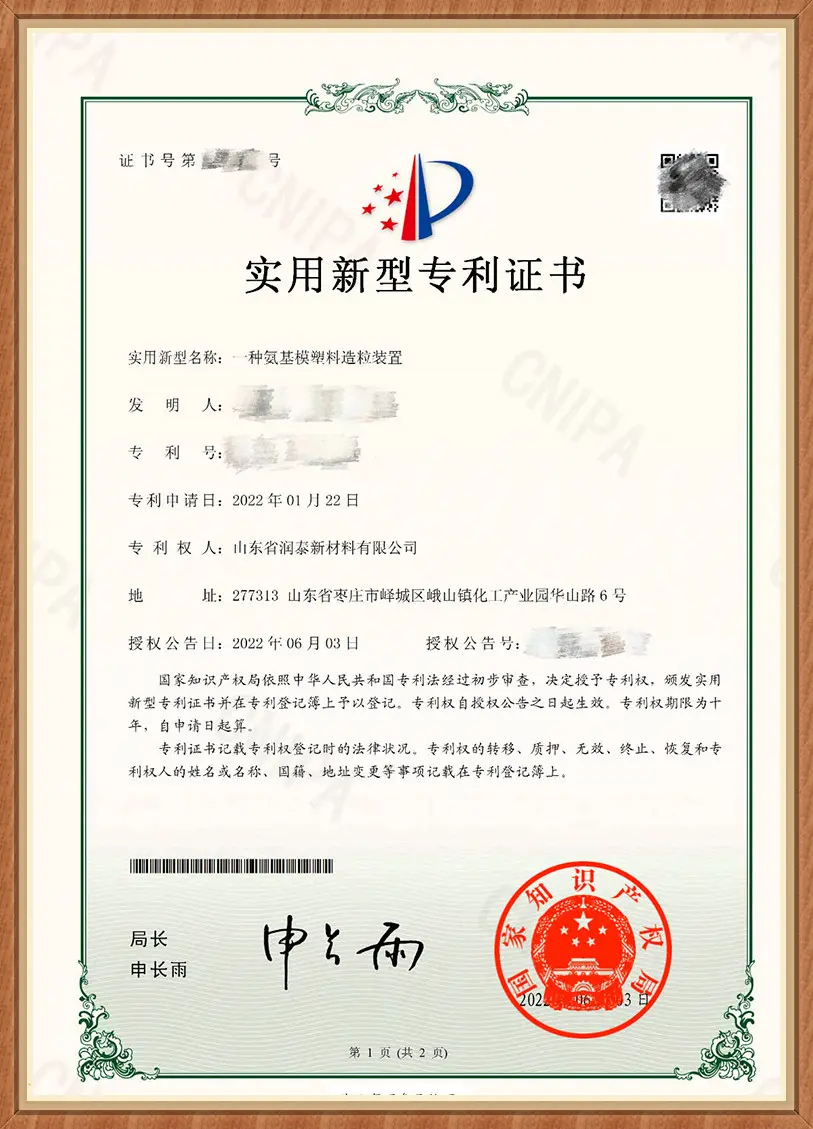
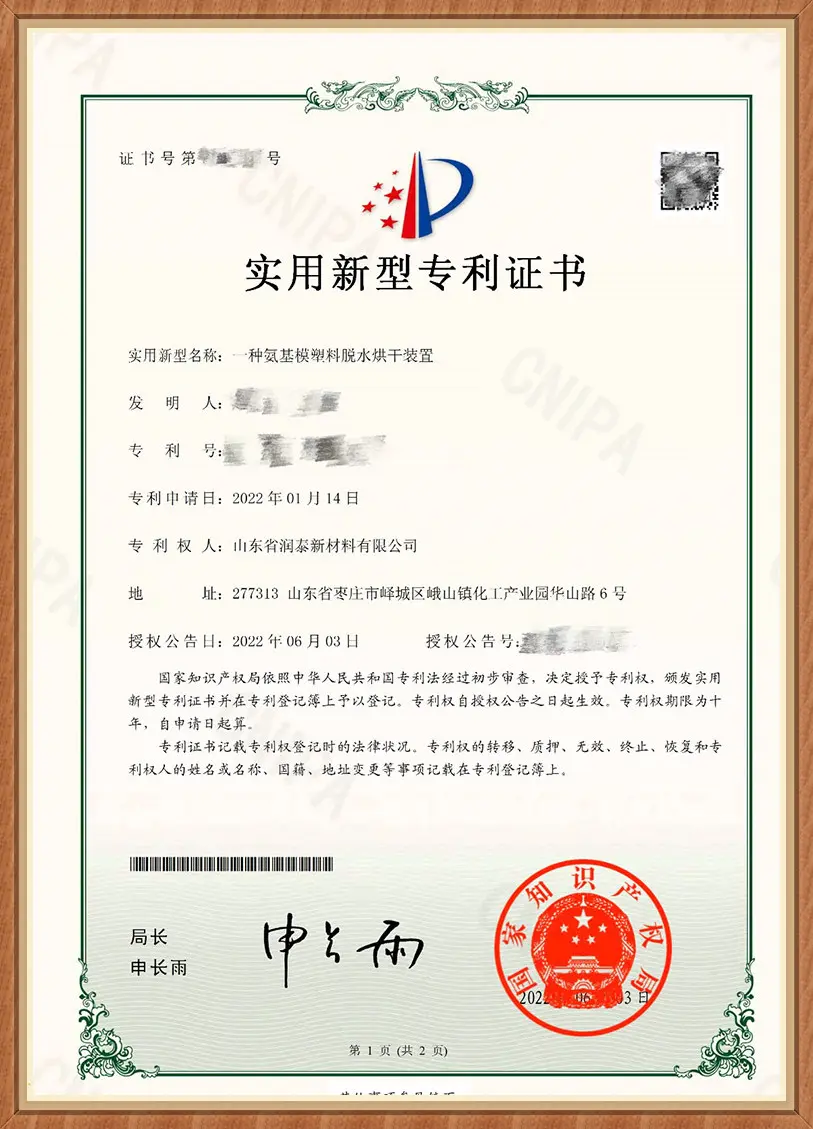
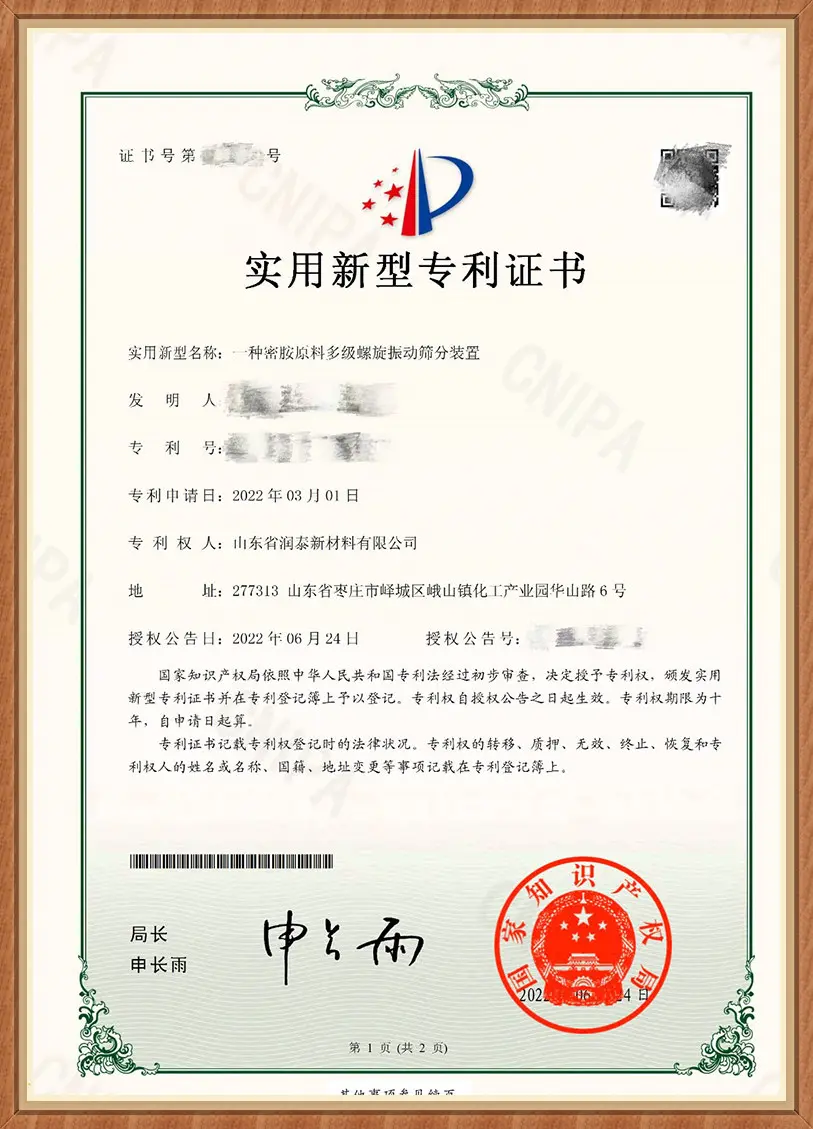
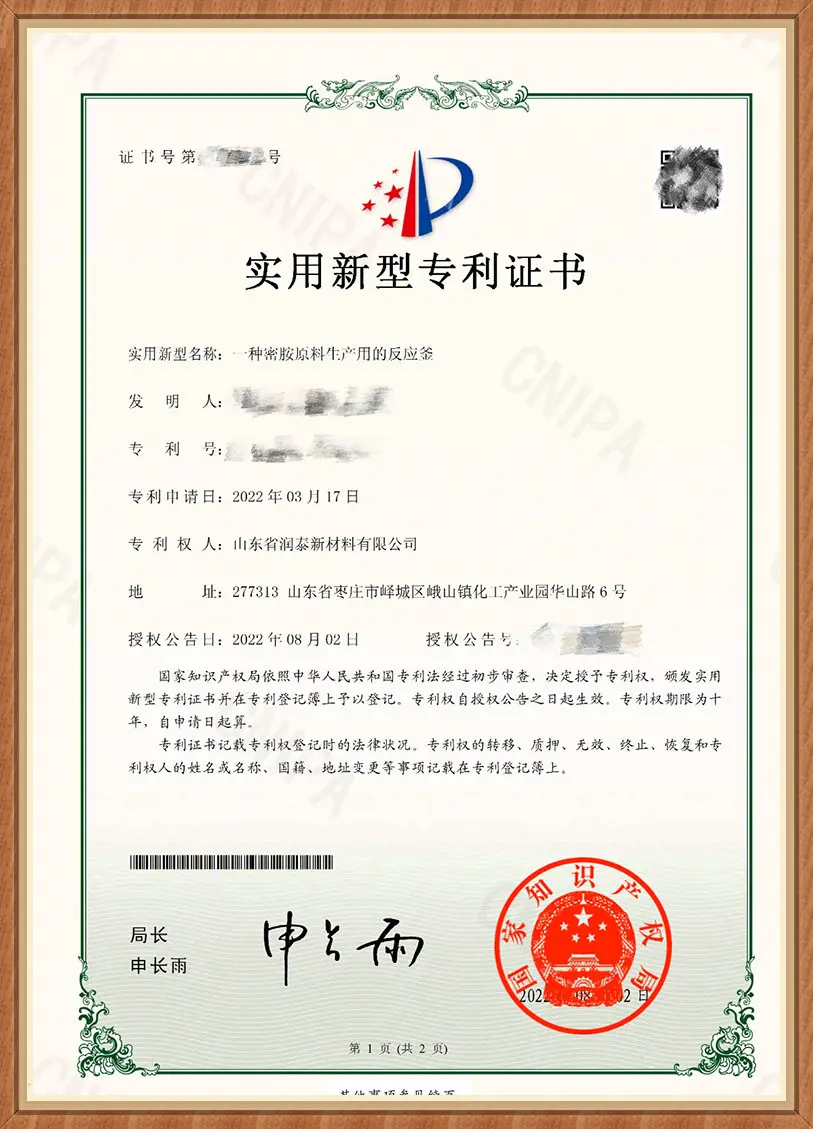
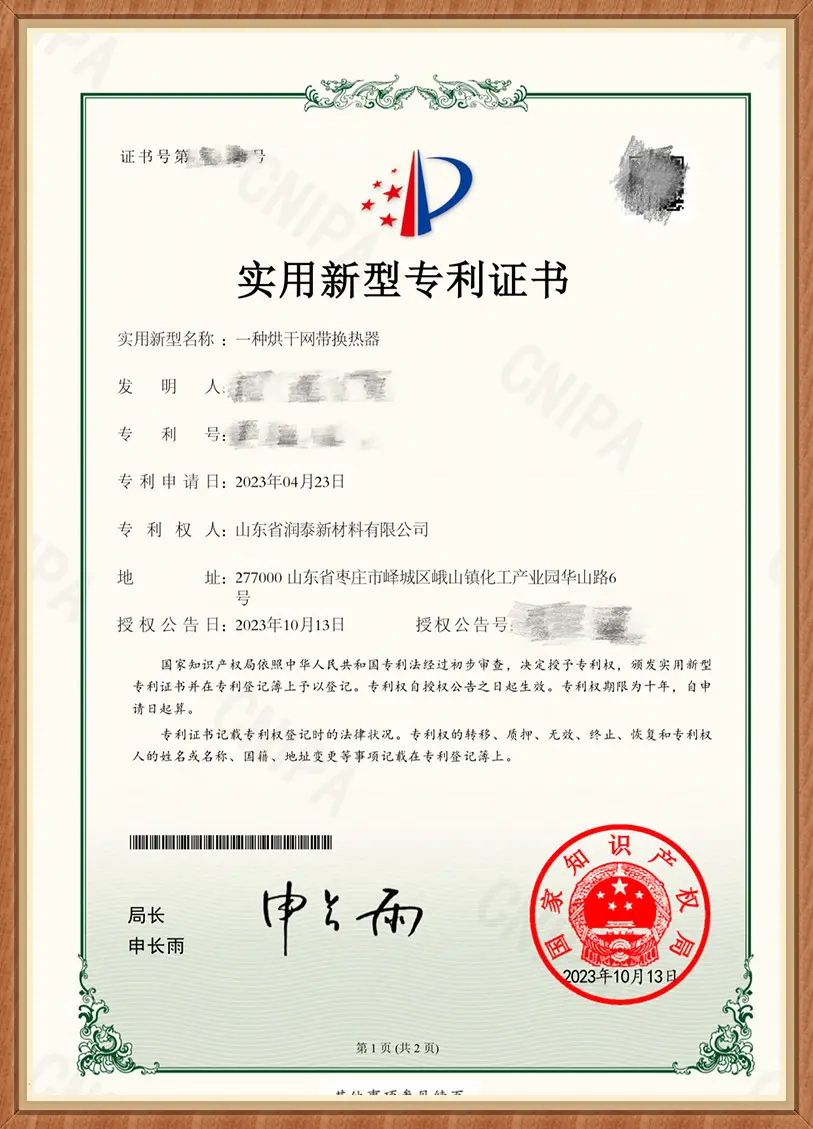
Runtai has long engaged in the integration of production, learning, and research, collaborating closely with institutions like the Changzhou Research Institute of Beijing University of Chemical Technology. Our dedicated doctoral R&D team supports ongoing technical innovation and holds several patented technologies.
Our formaldehyde-based chemical materials support a wide range of derivative products. They are widely applied in adhesives, coatings, resins, dyes, and pharmaceutical raw materials, as well as in electronics, electrical components, machinery, and daily household utensils.
Ensuring reliable chemical synthesis performance across diverse global manufacturing sectors
PFA is widely used in the synthesis of herbicides like glyphosate, acetochlor, and butachlor. Its low water content allows manufacturers to minimize process water and maximize synthesis batch efficiency.
Crucial for formulating high-performance Phenolic, Melamine, and Urea Formaldehyde resins. PFA delivers precise polymer cross-linking, which helps improve bond strength and heat resistance in composite wood panels.
Used as an active methylene donor or disinfectant agent in organic synthesis. PFA is vital for producing active pharmaceutical ingredients (APIs), vaccines, and specialized veterinary products.
As an ethical company, Runtai New Materials prioritizes sustainable development and environmental preservation. We are committed to developing and producing eco-friendly products that minimize their negative effects on the environment while adhering to all pertinent laws, regulations, and standards.
The "quality first, customer first" attitude has always guided our business, and we approach customer service with honesty and professionalism. Friends from both domestic and foreign locations are warmly invited to visit Runtai New Materials. We look forward to collaborating with you to build a better future together!

Expert answers addressing the key questions of chemical procurement managers and process engineers
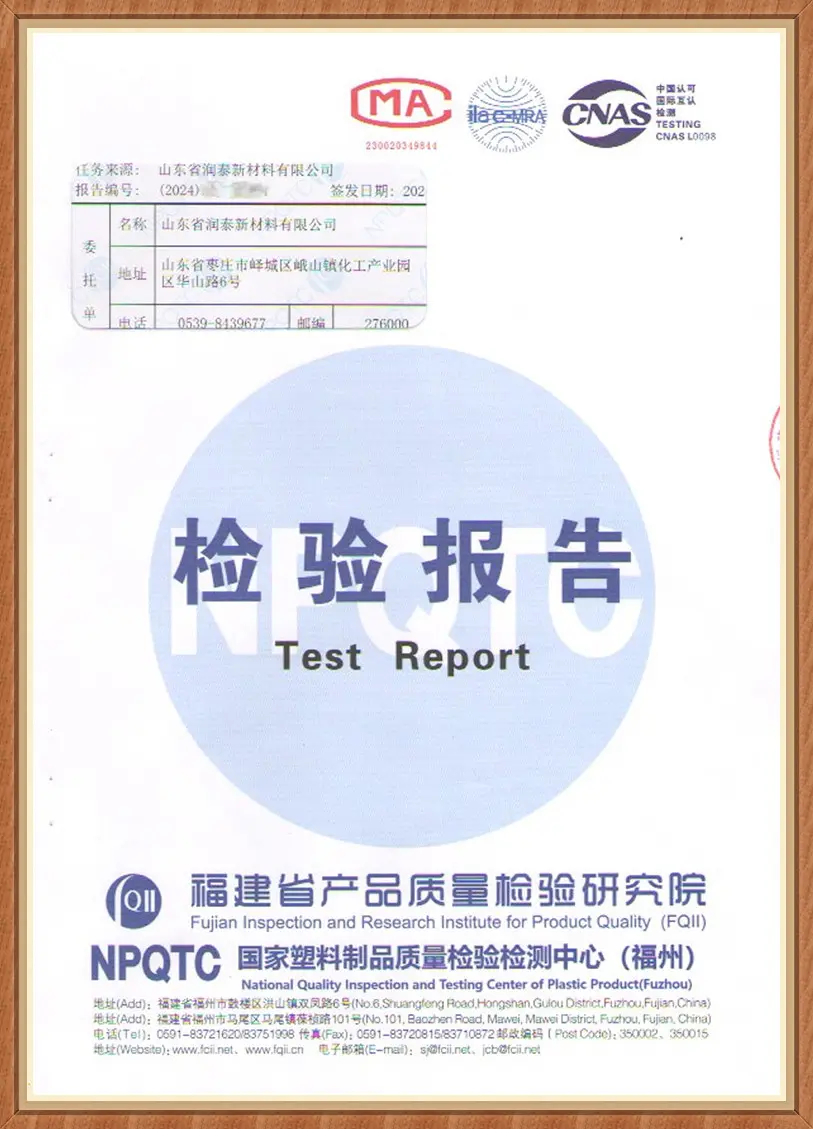
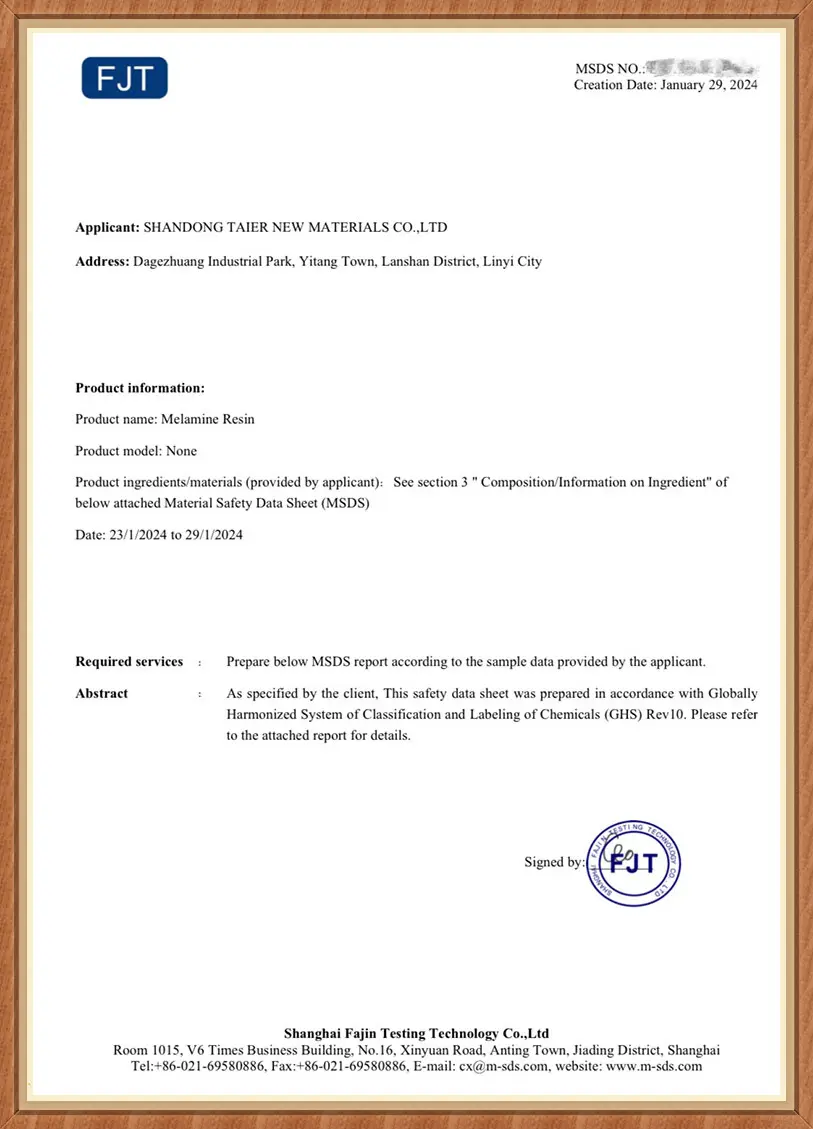
Runtai maintains a rigorous quality management system certified to major international industry standards.
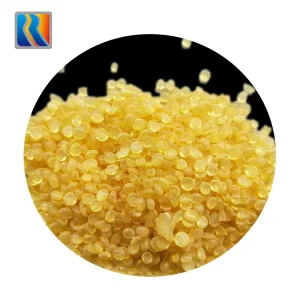
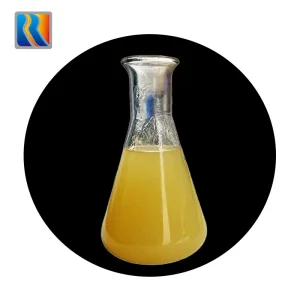
High-grade specialty chemical lines from our production facility
 Runtai