As a primary building block of modern organic synthetic chemistry, formaldehyde (CH₂O) drives crucial downstream value chains. Navigating raw material stability, global supply-chain cost variables, and eco-friendly emission limitations is critical for enterprise buyers. This whitepaper discusses industrial synthesis, high-grade polymer creation, and key containment/removal methodologies.
Formaldehyde is a vital industrial chemical intermediate, essential for fabricating high-performance resins, structural binders, and molding compounds. Its high reactivity makes it indispensable in polymer design, serving as the backbone for cross-linking matrices like urea-formaldehyde (UF) and melamine-formaldehyde (MF). However, managing ambient levels of free formaldehyde and selecting clean chemical alternatives is critical for modern regulatory compliance.
To support global supply chains, modern chemical processing plants utilize state-of-the-art catalytic oxidation systems to produce high-purity formaldehyde. Our manufacturing operations maintain tight quality control parameters, enabling buyers to secure chemical materials that conform to international safety regulations like EPA TSCA Title VI and EU REACH standards.
Founded in March 2020, Shandong Runtai New Materials Co., Ltd. is an established comprehensive group firm specializing in fine chemical product manufacturing. Our core offerings span formaldehyde, paraformaldehyde, urea formaldehyde resins, melamine powders, and high-performance melamine glazing materials. Headquartered in Zaozhuang City, Shandong Province, our production ecosystem spans five strategically positioned regional branches nationwide.
Leveraging a total capital investment of 2.06 billion yuan, our primary manufacturing hub spans 270,000 square meters. The complex integrates modern automated chemical infrastructure and rigorous safety installations, positioning Runtai as a reliable supplier for large-scale industrial projects.
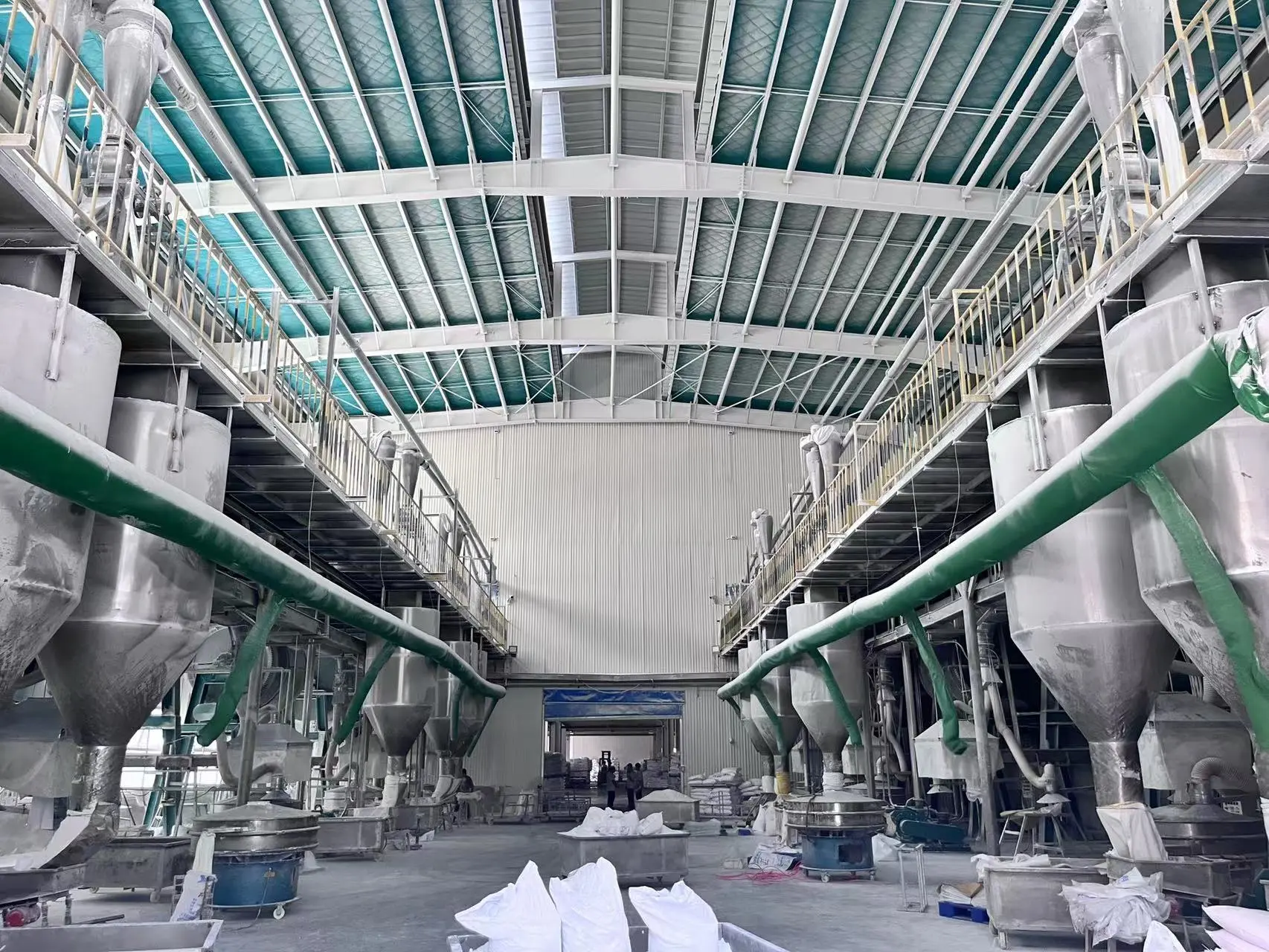
Our advanced production facility satisfies large-scale, high-frequency logistics demands from industrial enterprises globally.
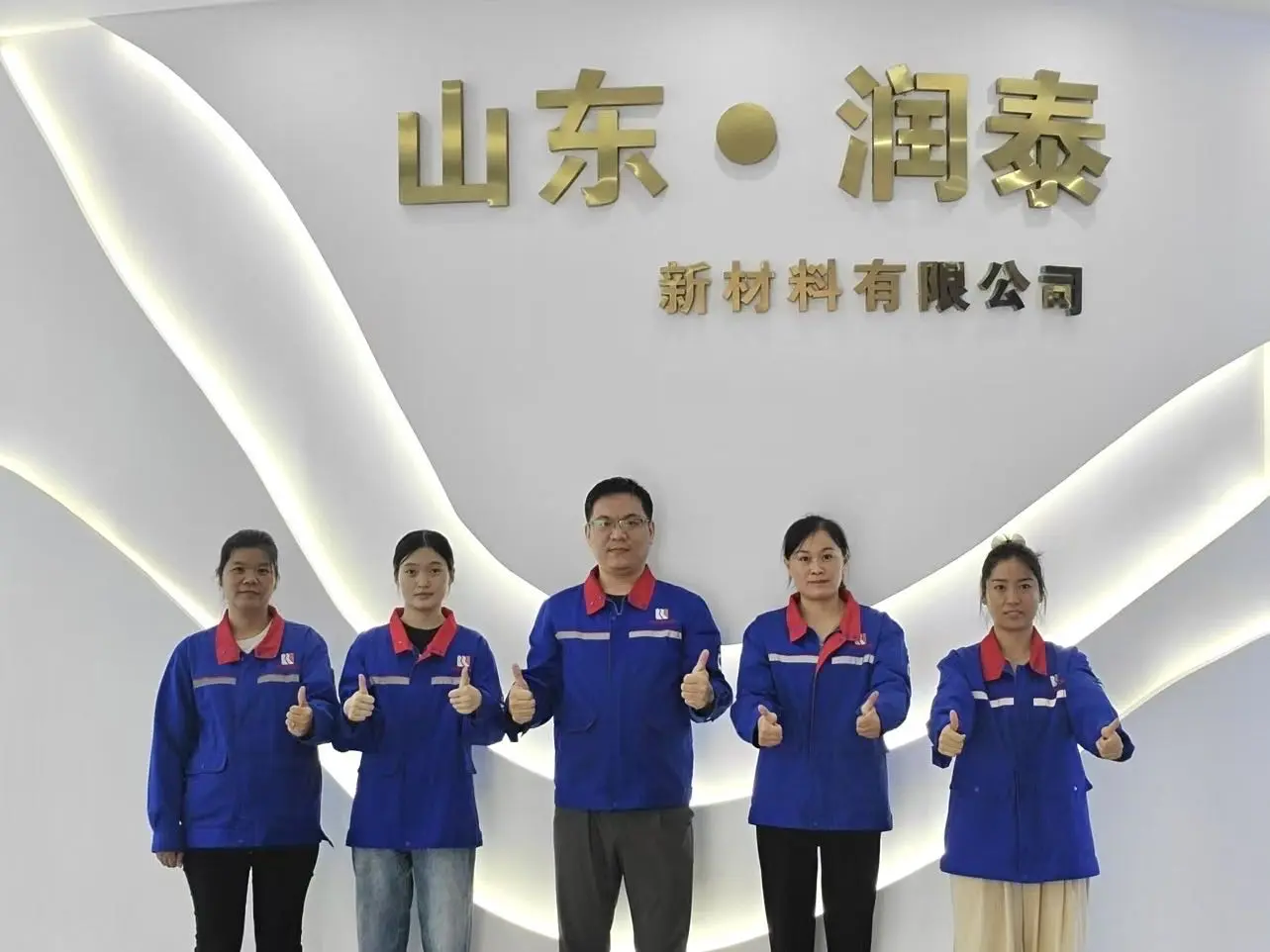
Runtai New Materials provides customized chemical formulations to meet specialized industry requirements. Beyond standard product grades, our engineering team modifies viscosity, solids content, and curing velocities for clients across wood composite, adhesive, and coating industries.
Additionally, we produce 20,000 tons of melamine glazing powder and 11,000 tons of specialized resins annually. Our export channels serve clients in the United States, Thailand, Kenya, Egypt, and other markets, providing reliable delivery and regulatory documentation.
Our manufacturing philosophy balances process safety, material efficiency, and environmental sustainability. By utilizing advanced automation, we maintain consistent chemical quality while minimizing environmental impacts.
Our production facilities utilize modern Distributed Control Systems (DCS) to monitor real-time process loops, temperatures, and pressures, ensuring consistent batch-to-batch polymer traits.
Through our long-term partnership with the Changzhou Research Institute of Beijing University of Chemical Technology, we maintain a dedicated doctoral R&D group focused on advanced polymer synthesis and low-emission resin technologies.
Using advanced condensation polymer methods, we reduce free-formaldehyde monomer ratios, helping downstream manufacturers satisfy CARB Phase II and EPA TSCA Title VI indoor air quality standards.
Securing organic raw materials requires reliable feedstock, logistics, and cost management. Runtai's facility in Shandong leverages local petrochemical clusters, securing stable upstream methanol inputs to insulate clients from spot price volatility.
Our comprehensive packaging options range from intermediate bulk containers (IBCs) to bulk chemical tankers. Situated near Qingdao Port, our logistics network coordinates timely customs declaration, marine freight routing, and international hazardous goods compliance for global destinations.

Our standard quality indicators and process ranges for high-volume supply lines include:
| Material Series | Active Solid Content (%) | Viscosity Range (mPa·s, 25°C) | Free Formaldehyde Content (%) | Recommended Application |
|---|---|---|---|---|
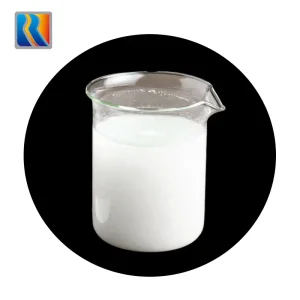
| Standard Formaldehyde Solution | 37.0% - 42.0% | 2.0 - 5.0 | N/A (Raw Reactant) | Synthesis of Industrial Resins, Intermediates |
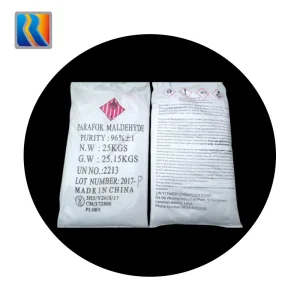
| Paraformaldehyde (High Purity) | 92.0% - 96.0% | N/A (Solid Prills) | < 0.05% | Pesticides, Plastics, Synthesis |
| Melamine Glazing Powder | ≥ 99.0% | N/A (Powder) | ≤ 0.1% | Tableware Coating, Surface Glazing |
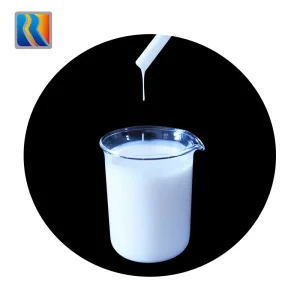
| Urea Formaldehyde Adhesive (UF) | 60.0% - 65.0% | 200 - 450 | ≤ 0.15% (E0/E1 Compliant) | Plywood, Particle Board, Wood Composite Assemblies |
Exporting chemical materials globally requires adherence to international standards. At Runtai, we maintain comprehensive testing processes to ensure compliance with global regulatory frameworks:
Our low-emission urea-formaldehyde and melamine resins are engineered to meet strict North American plywood, MDF, and particleboard emission regulations, ensuring easy entry into regulated construction markets.
We provide full chemical transparency and REACH certificates for European importers, tracking Substance of Very High Concern (SVHC) levels to verify compliance with European safety regulations.
From UN-approved packaging to comprehensive Safety Data Sheet (SDS) files, our logistics team manages international regulations for maritime hazardous materials transportation.
The industrial chemicals sector is shifting toward sustainable operations. Runtai New Materials is investing in research to reduce carbon footprint across our supply chain, focusing on three major initiatives:
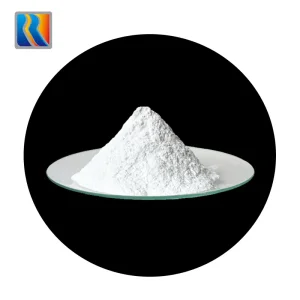
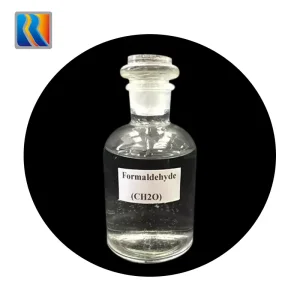
Discuss your specifications, technical requirements, and production volume goals with our team of chemical engineers today.
Contact Our Technical Engineers Runtai