High-precision chemical materials manufactured in our unified, automated plant to satisfy strict global application parameters.
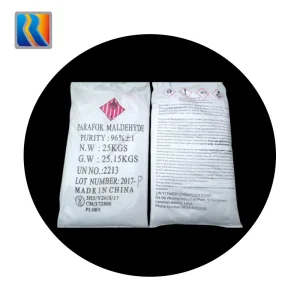
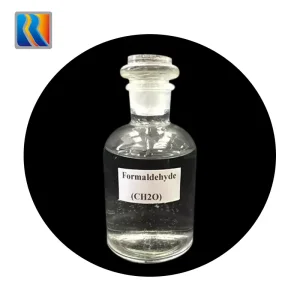
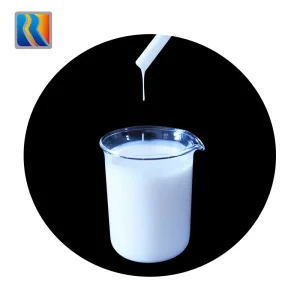
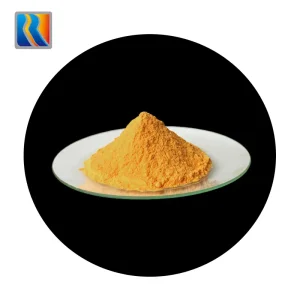
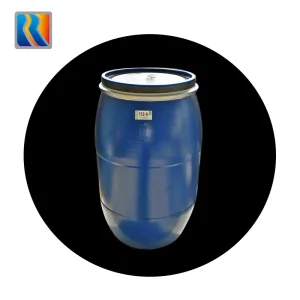
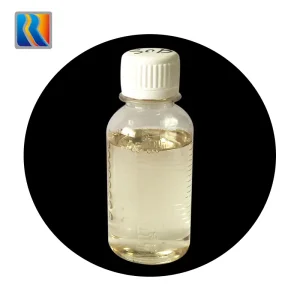
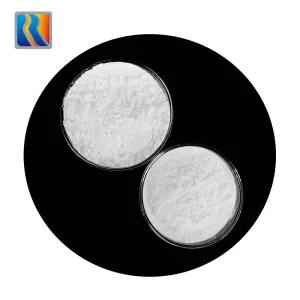
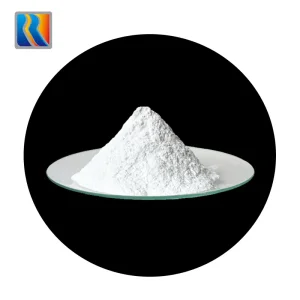
Paraformaldehyde (PFA), the solid polymerized form of formaldehyde ($HO(CH_2O)_nH$), plays a critical strategic role in modern chemical manufacturing, clinical histopathology, agriculture, and high-performance resin syntheses. As a convenient, transportable form of anhydrous formaldehyde, it avoids the logistics costs and storage risks associated with aqueous formalin solutions. Internationally, the demand for high-grade PFA (ranging from 91% to 98% purity) is expanding rapidly, driven by strict standards in clinical tissue preservation, immunological research, and resin compounding.
Currently, global industrial operations are undergoing a transformation towards automation, safety, and reduced environmental footprint. The main manufacturers are concentrated in regions with stable upstream natural gas and methanol sources, which provides a strong cost benefit. To serve both domestic and international markets, modern plants rely on sophisticated polymerization and drying methods to guarantee rapid dissolvability and low acid content.
While industrial-grade PFA is preferred for producing resin binders and structural coatings, high-purity, low-methanol fixation-grade Paraformaldehyde is mandatory for tissue histology. This high-purity variant prevents cellular damage during immunofluorescence studies, making it highly valuable in clinical diagnostics.
A premier, comprehensive group specializing in high-end chemical synthesis, advanced materials, and global supply chains.
Founded in March 2020, Shandong Runtai New Materials Co., Ltd. has rapidly emerged as a leading producer of fine chemical products in Asia. Headquartered in Zaozhuang City, Shandong Province, the corporation operates five strategic branches nationwide. The company occupies a state-of-the-art facility of 270,000 square meters with a total investment of 2.06 billion yuan.
Runtai has built a fully integrated manufacturing ecosystem, starting from raw material synthesis down to specialty resin processing. By utilizing automated control platforms and forming partnerships with top research institutes, we guarantee consistent quality, supply stability, and environmental compliance for global markets.
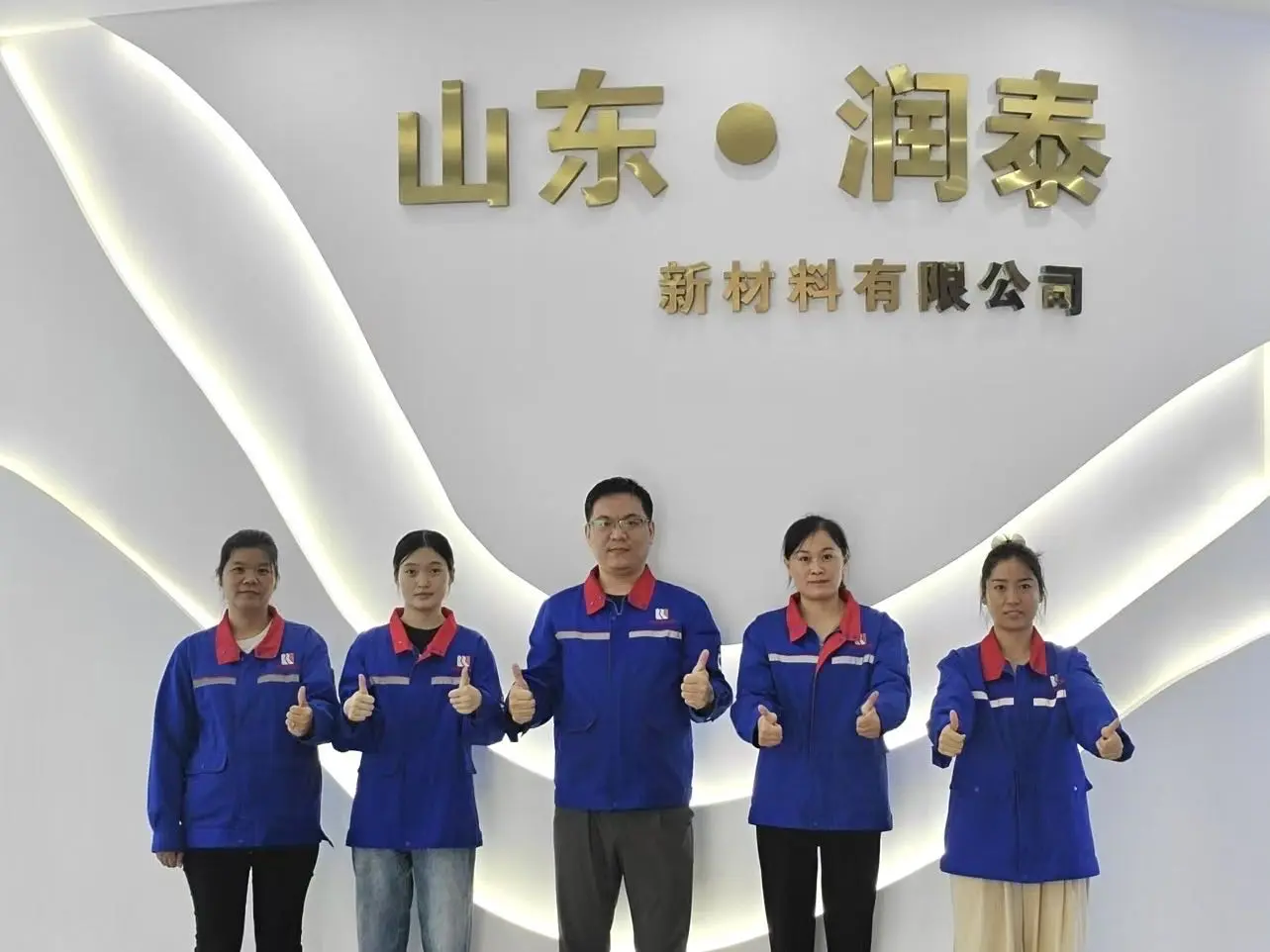

At Shandong Runtai, we base our competitive advantage on a foundation of independent innovation and academic collaboration. We maintain active partnerships with the Changzhou Research Institute of Beijing University of Chemical Technology and other national scientific research institutions. This collaboration supports a top-tier doctoral research and development team, ensuring our manufacturing pathways remain at the forefront of chemical engineering.
We utilize advanced Distributed Control Systems (DCS) to monitor and control our complete line parameters, keeping temperatures, reactions, and feed ratios highly consistent.
Our production steps utilize multiple patented innovations focused on low-energy depolymerization and high-density, dust-free PFA prilling processes.
Understanding the molecular dynamics, depolymerization kinetics, and quality requirements of high-purity solid formaldehyde.
Paraformaldehyde is synthesized through the condensation polymerization of aqueous formaldehyde solutions. This reaction is controlled under vacuum conditions to produce a solid, dry polymer composed of linear polyoxymethylene glycols. The formula is written as:
Unlike aqueous formalin, which contains significant concentrations of methanol as a stabilizer to prevent precipitation, high-quality solid PFA does not require stabilizers. This characteristic makes it the preferred raw material when preparing fresh, methanol-free formaldehyde solutions for histological fixation.
For histological tissue fixation, solid Paraformaldehyde must be depolymerized back into monomeric formaldehyde in aqueous solution. This process requires carefully controlled heat and pH adjustments:
Step A: The solid PFA is suspended in water (typically at a concentration of 4% w/v or 8% w/v) and heated to approximately 60°C. Because the polymer is insoluble in cold water, heating is necessary to begin breaking the methylene ether linkages.
Step B: A catalyst, such as sodium hydroxide (NaOH) or sodium carbonate, is added to adjust the pH to a slightly basic range (around 7.2 to 7.4). The basic environment accelerates the depolymerization process, turning the cloudy suspension into a clear solution of monomeric formaldehyde.
Step C: The solution is buffered with a phosphate system (e.g., sodium phosphate monobasic and dibasic) to yield Neutral Buffered Formalin (NBF). This step prevents acid hematein pigment artifacts on tissue specimens during storage.
Our products serve distinct markets internationally:
Shandong Runtai is committed to sustainable development. We design and run our production processes to respect environmental standards and preserve natural resources. By optimizing raw material use and integrating energy-recovery systems, we reduce the emissions and carbon footprint of our manufacturing lines.
Our long-term roadmap focuses on green chemistry, which includes developing bio-methanol synthesis pathways and low-temperature catalytic depolymerization agents. We actively research these solutions to help downstream industries lower their volatile organic compound (VOC) emissions while maintaining high processing speeds.
Our team works with honesty, professionalism, and strict quality control. Runtai welcomes partnerships with domestic and international enterprises to build a reliable, sustainable chemical supply chain.

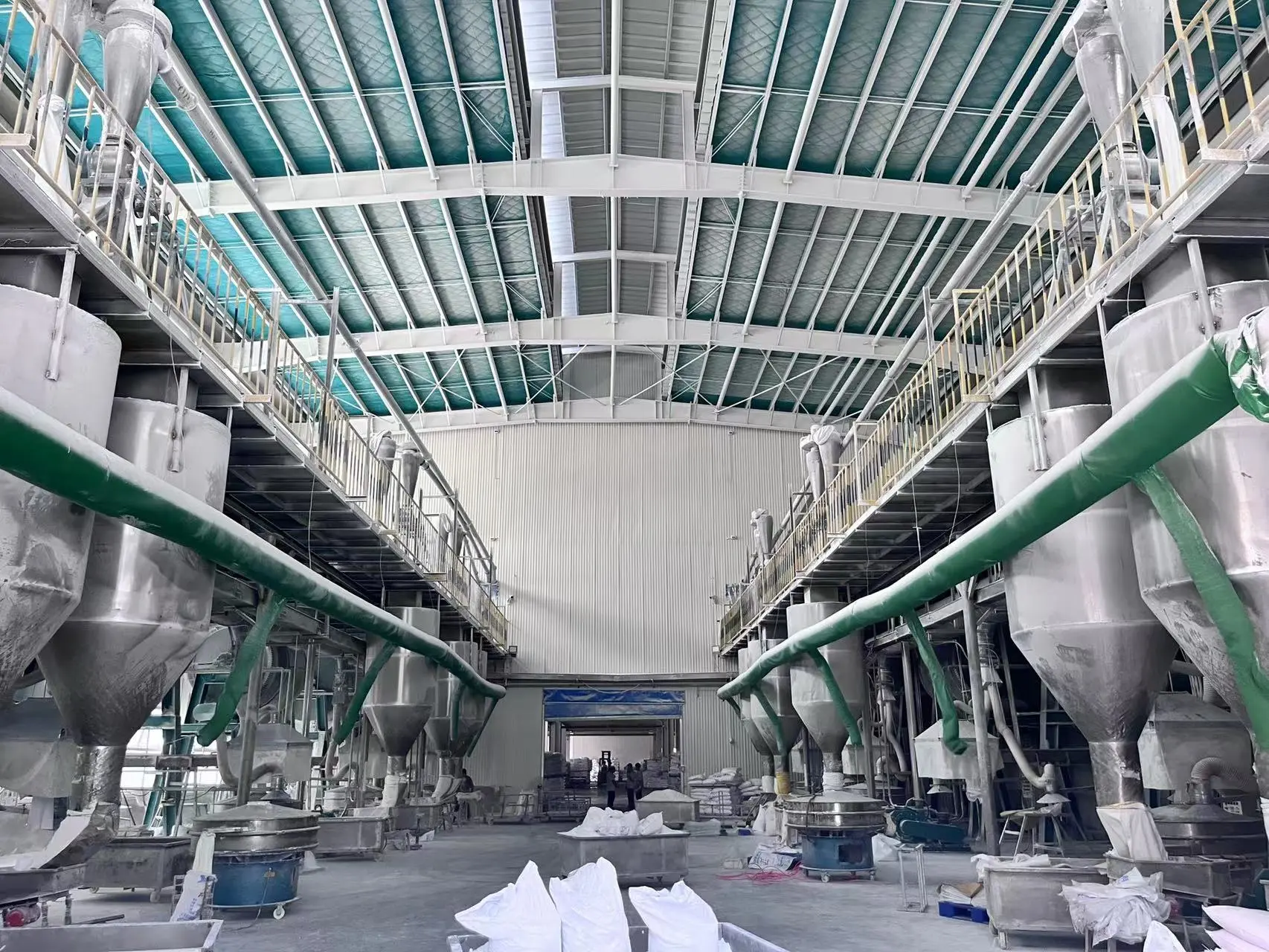
Our manufacturing infrastructure is built with advanced equipment and has earned top quality certifications, establishing our position in the global chemical supply chain.
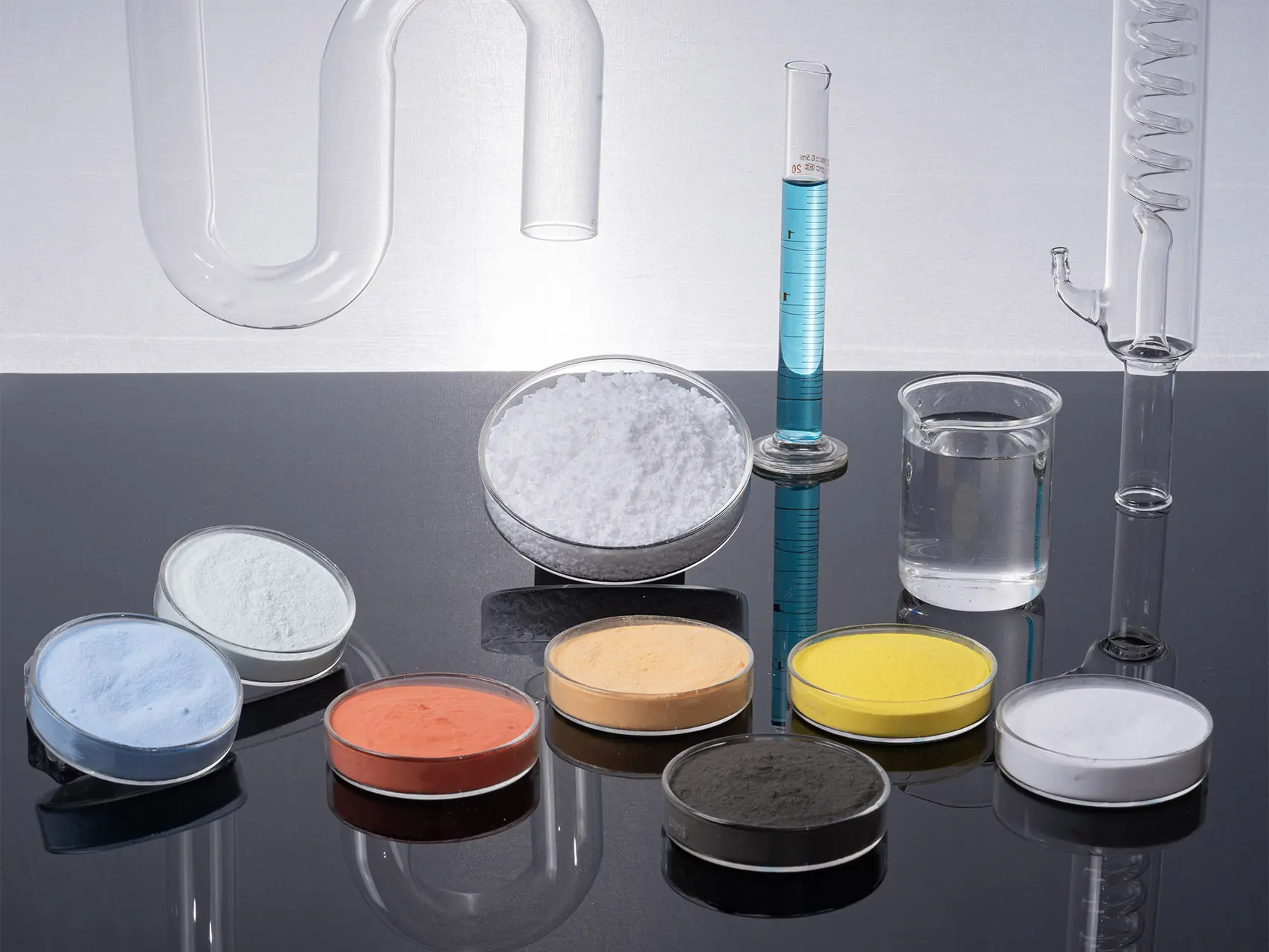
Fully automated integration, Zaozhuang Headquarters.
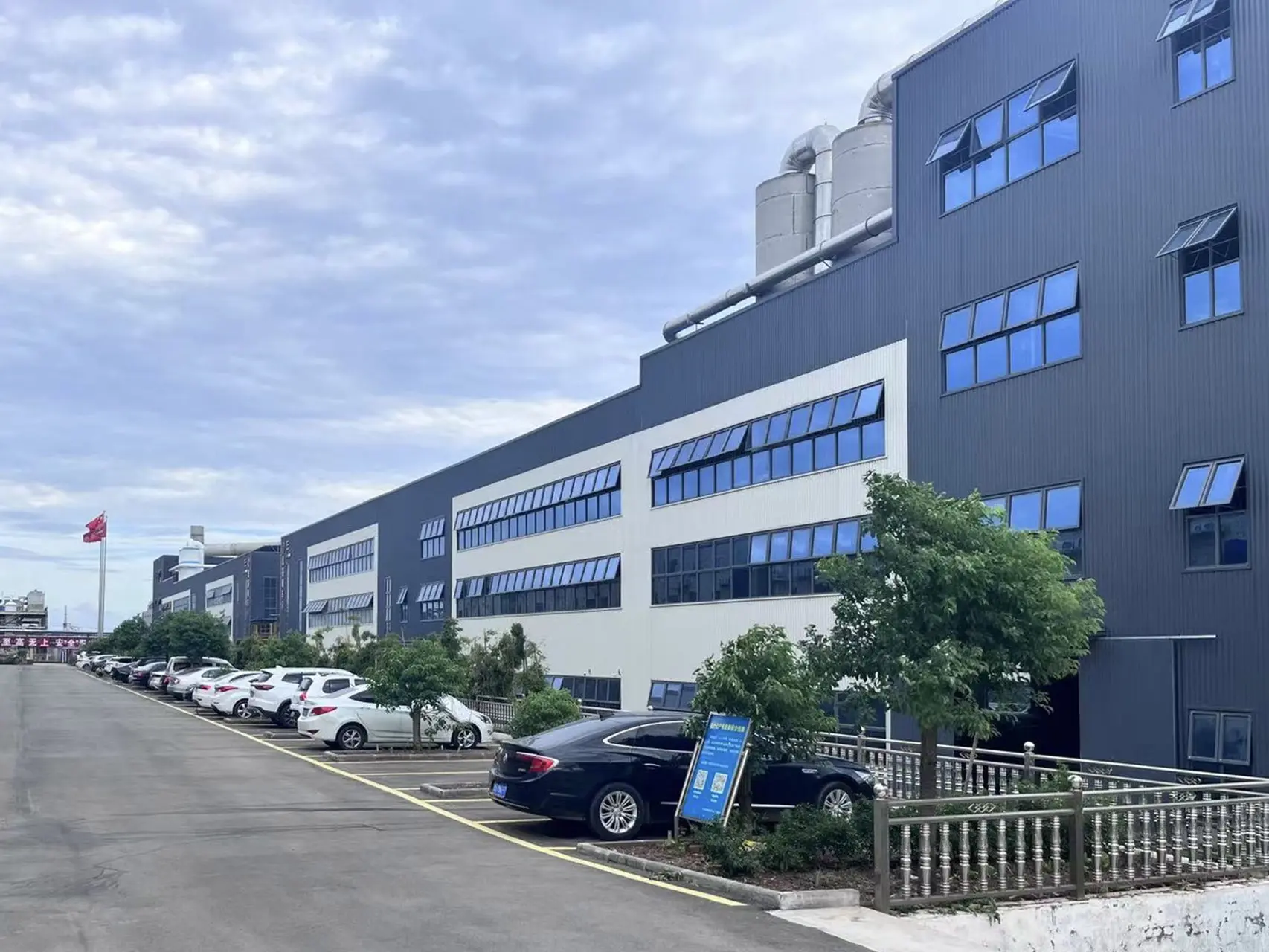
State-of-the-art automation and instrumentation control.
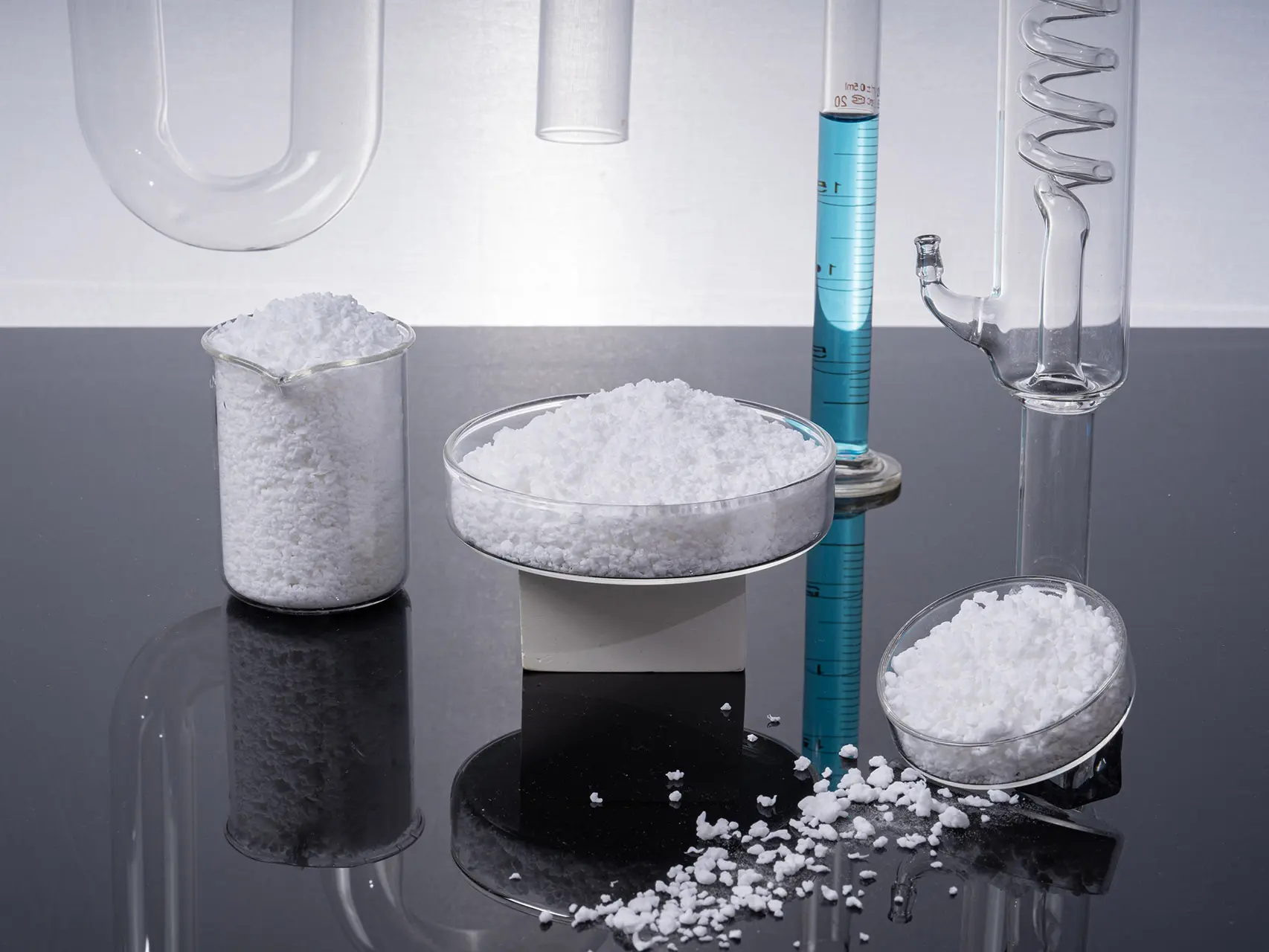
Highly secure climate-controlled chemical warehousing.
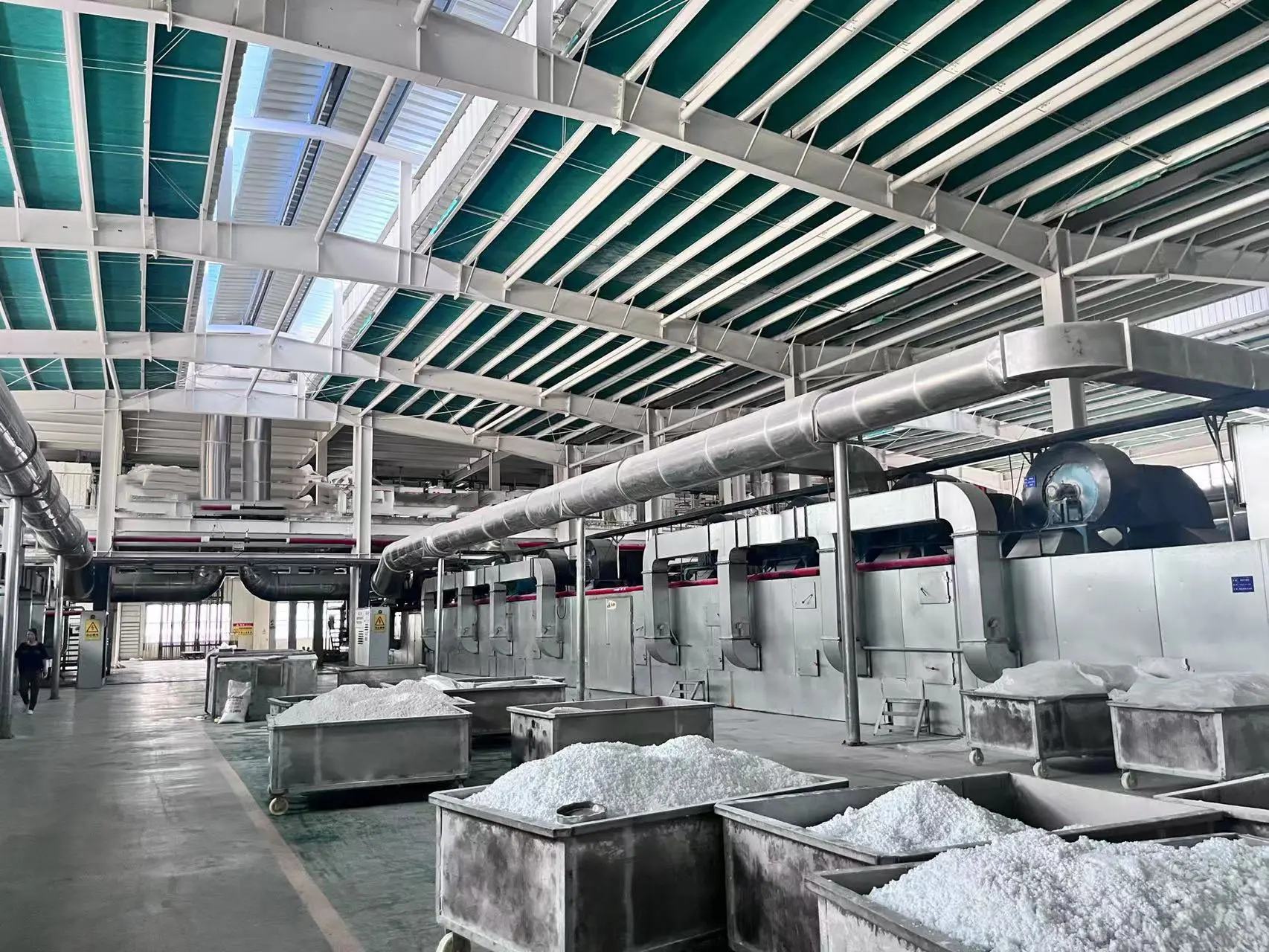
DCS and advanced spectroscopic analysis equipment.
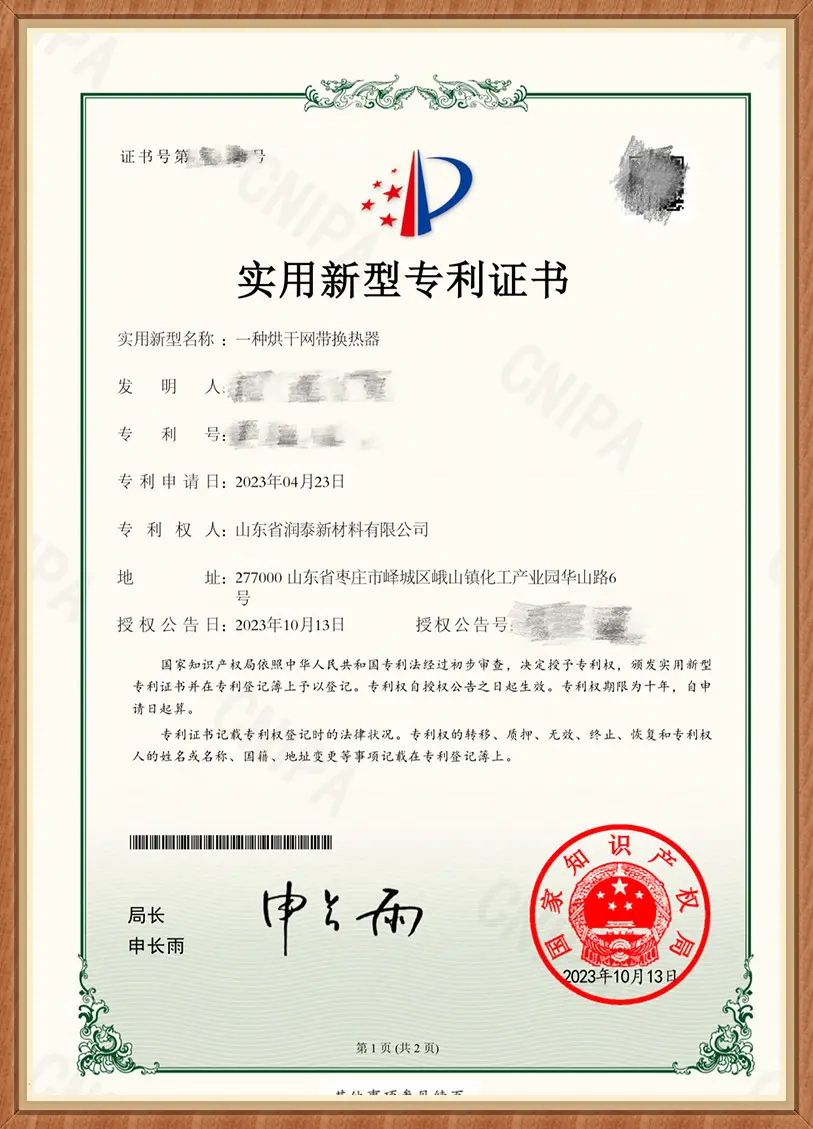
Globally recognized quality management certification.
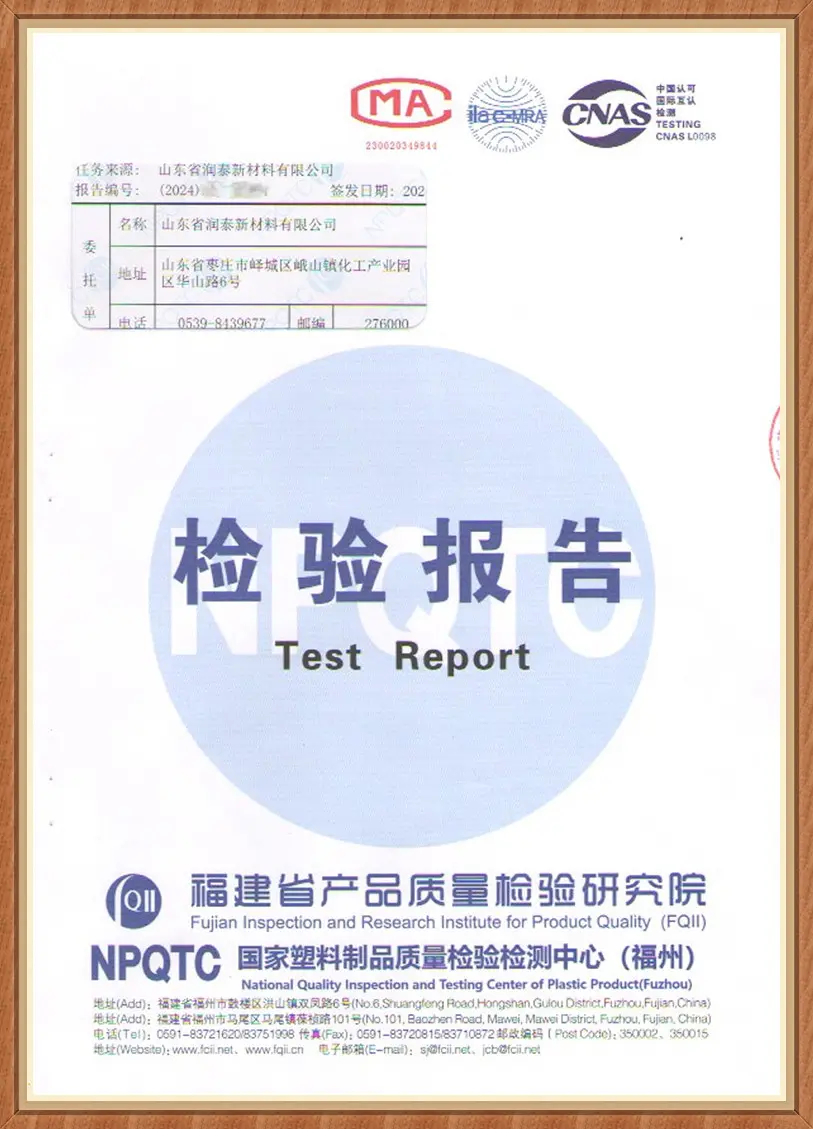
Environmental management and sustainable manufacturing.
Runtai operates under rigorous safety guidelines. We focus on low employee exposure risks, automated gas venting, clean processing lines, and dust-control systems across our facility.
ISO 45001 CompliantTechnical responses, safe handling advice, and material selection guidelines for global procurement managers.
Paraformaldehyde (PFA) is a solid polymerized compound (typically 91% to 98% active formaldehyde) that does not contain methanol. Formalin is an aqueous solution, usually 37% formaldehyde by weight, stabilized with 10% to 15% methanol to prevent polymerization. For high-fidelity histology or immunofluorescence (IF), researchers prefer reconstituting PFA to prepare methanol-free formalin, which prevents structural damage and maintains cell morphology.
We manage our production lines using a centralized Distributed Control System (DCS). This setup controls key reaction metrics, such as feed ratios, temperature profiles, and drying vacuums. By maintaining these conditions, we produce PFA with consistent chain lengths (n value between 8 and 100), ensuring reliable dissolution behavior for downstream users.
Paraformaldehyde is a flammable solid that releases toxic formaldehyde vapors when heated or exposed to water. Operators should use personal protective equipment, including respirators (N95 or chemical cartridges), protective goggles, and gloves. Maintain adequate ventilation, preferably using localized exhaust hoods, and keep the material away from ignition sources or strong oxidizers.
Yes. We supply standard fine chemicals alongside customized compounds, including specific formulations of Melamine Moulding Compound (MMC), Urea Moulding Compound (UMC), and specialized packaging adhesives. These materials can be adjusted to meet distinct processing conditions, cure rates, or final material standards.
Methanol acts as a stabilizer, preventing formaldehyde monomers from polymerizing back into solid paraformaldehyde. Standard formalin solutions containing 10% to 15% methanol can be stored at room temperature for over a year. Reconstituted methanol-free PFA solutions, however, are prone to precipitate over time, especially at cooler temperatures, and should ideally be prepared fresh or stored at 4°C for short periods.
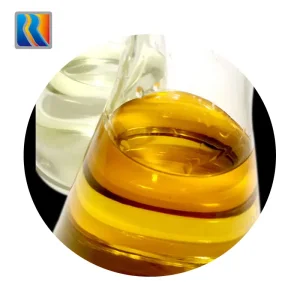
Discover our comprehensive range of derivative materials, including melamine coatings, polymer compounding agents, and performance enhancers.
 Runtai