Premium-grade fine chemical solutions engineered to maximize operational excellence across global compounding and adhesive networks.
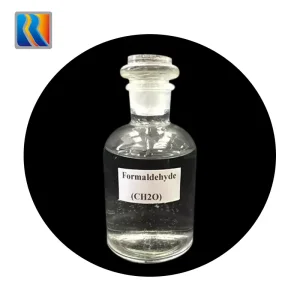
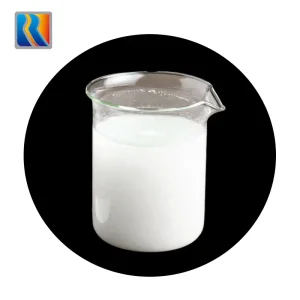
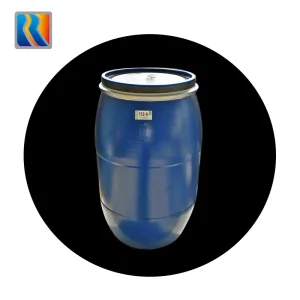
Formalin (aqueous formaldehyde, typically 37% to 50% concentration) is the foundational building block for modern synthetic polymer industries. As manufacturing networks evolve under the pressure of circular economy mandates and carbon border adjustments, procuring high-purity formalin demands more than basic transaction metrics. It requires deep collaboration with scale-driven, technically sophisticated chemical manufacturers. Selecting a premier supplier guarantees product purity, process efficiency, and environmental compliance.
This technical whitepaper analyzes current macro supply chain dynamics, technical synthesis methodologies, environmental regulations (such as US EPA TSCA Title VI, CARB Phase 2, and EU REACH limits), and establishes the key parameters that define elite-tier formalin suppliers globally. By examining the infrastructure of integrated manufacturers, global chemical procurement directors can optimize cost structures, mitigate thermal decomposition issues during maritime logistics, and secure a reliable raw material feed for downstream operations like Melamine Moulding Compound (MMC) and Urea Formaldehyde (UF) resins.
SEO Insight: Information Gain Advantage
Most general industry directories catalog formaldehyde suppliers based solely on basic trade outputs. Real value lies in auditing chemical production lines, specifically examining Silver Catalyst vs. Metal Oxide (Formox) technologies and assessing integrated downstream synthesis efficiency. In the following sections, we outline why manufacturing scale and integrated chemical value chains are critical for mitigating price volatility.
The global market for formalin and downstream resins is currently shaped by structural changes in supply chain concentration, raw material costs (methanol), and energy policies. Modern industrial facilities are transitioning from low-capacity, standalone manufacturing units to massive, integrated chemical parks. This evolution is driven by three main factors:
When B2B procurement managers evaluate the top 4 formalin factories and suppliers, they should look beyond pricing to assess operational capacity, technical equipment, and vertical integration:
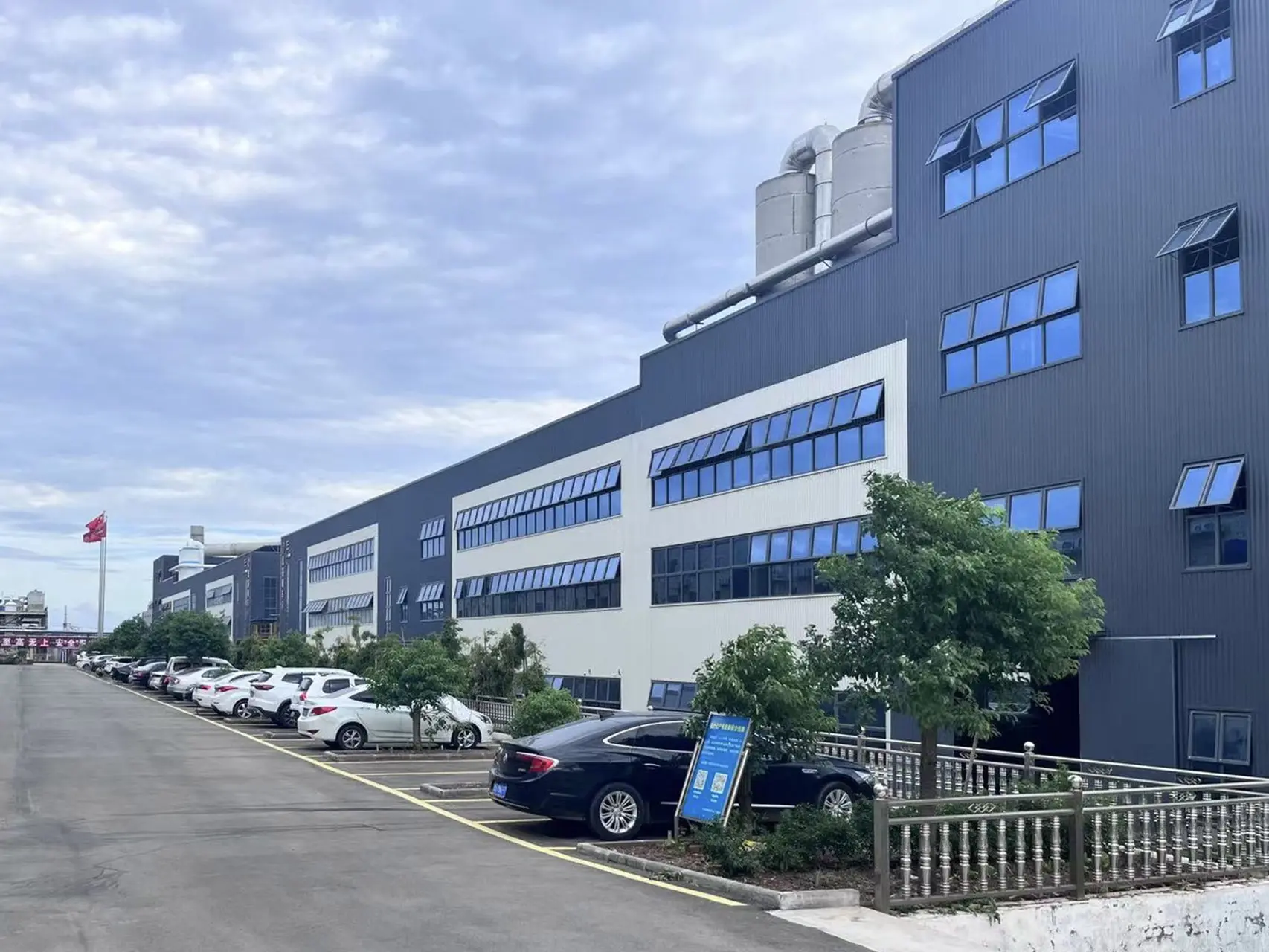
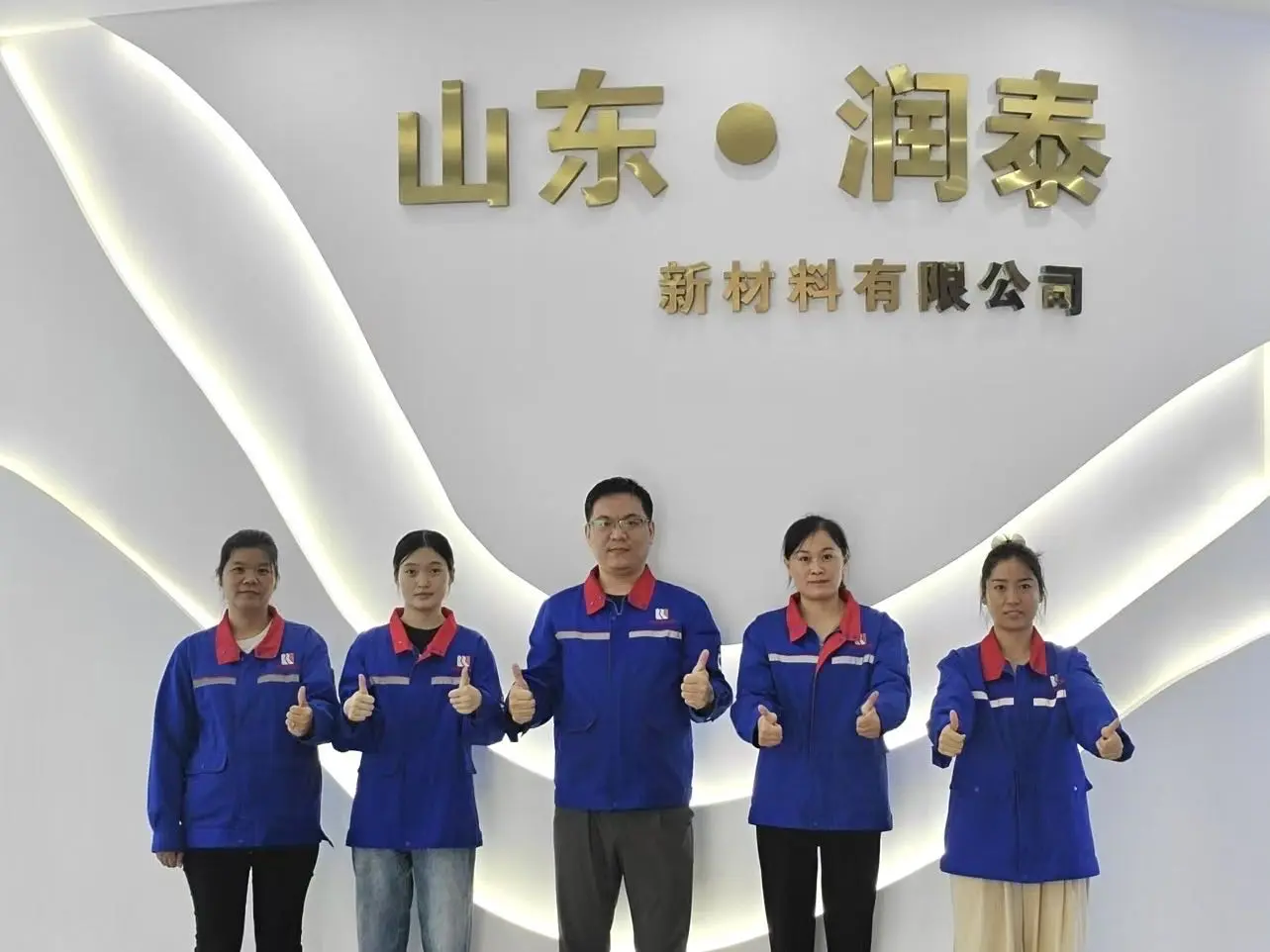
Founded in March 2020, Shandong Runtai New Materials Co., Ltd. is a leading integrated chemical manufacturer specializing in fine chemical products and advanced thermosetting polymers. Located in Zaozhuang City, Shandong Province, the company represents a total investment of 2.06 billion yuan and covers a modern facility of 270,000 square meters. Runtai New Materials operates through five specialized branches across China, ensuring steady supply chains and localized support for domestic and international B2B clients.
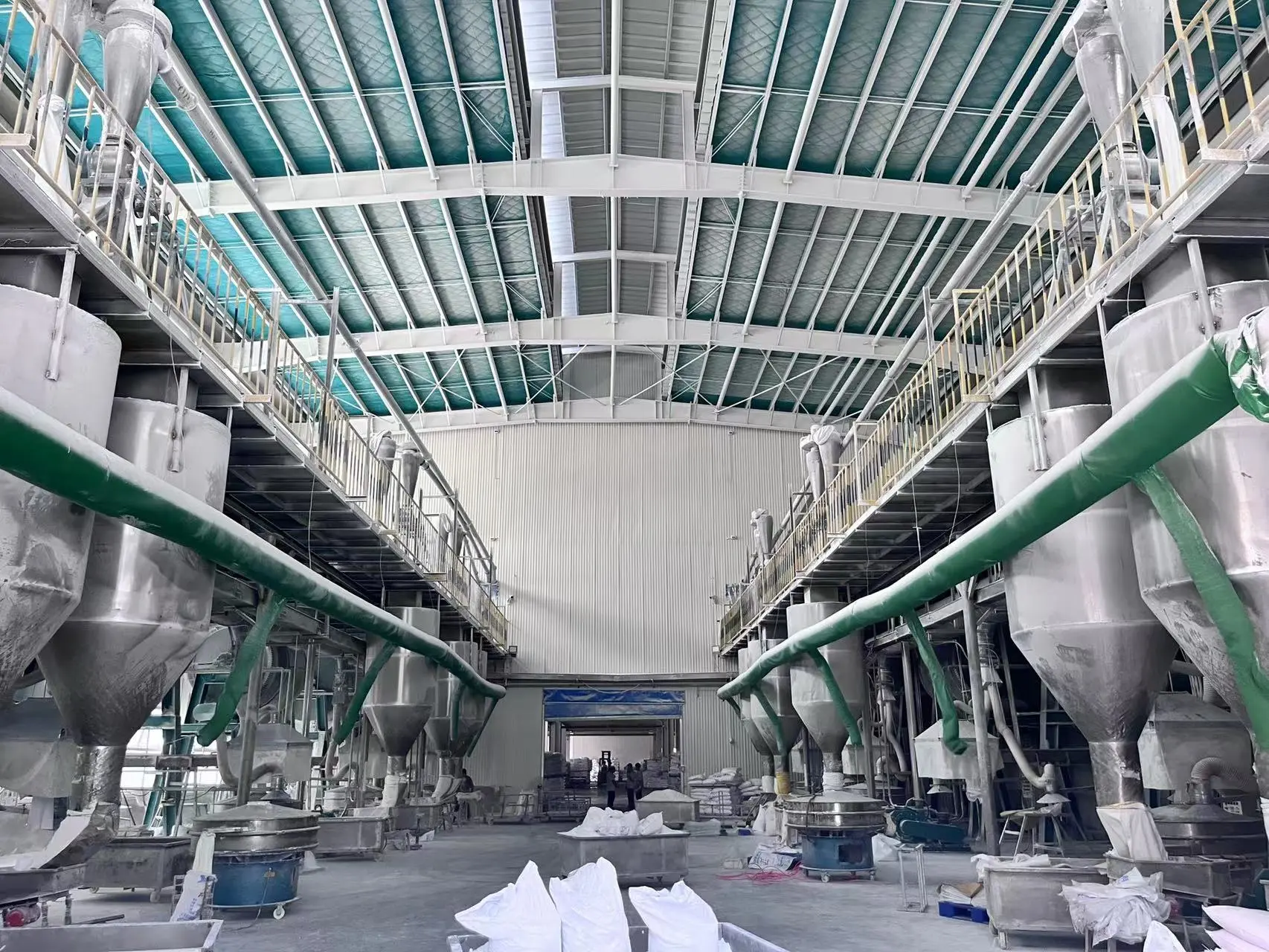
As a globally trusted chemical partner, Runtai New Materials meets strict international quality standards. Leveraging our scale-driven cost structures and advanced production technologies, we have built a strong market presence. Currently, our products are exported to markets like the United States, Thailand, Kenya, Egypt, and other countries in Latin America and the Middle East.
We offer both standard chemical runs and tailored solutions customized to the unique performance needs of our B2B customers. Our expert technical team works closely with procurement engineers to adjust viscosity, solid content, gel time, and emission profiles to match specific manufacturing setups.
How we combine advanced chemical engineering, automated process control, and sustainable manufacturing practices.
We use state-of-the-art Distributed Control Systems (DCS) to monitor and adjust reactions across the entire production line. This automation ensures consistent quality, improves safety, and minimizes raw material consumption.
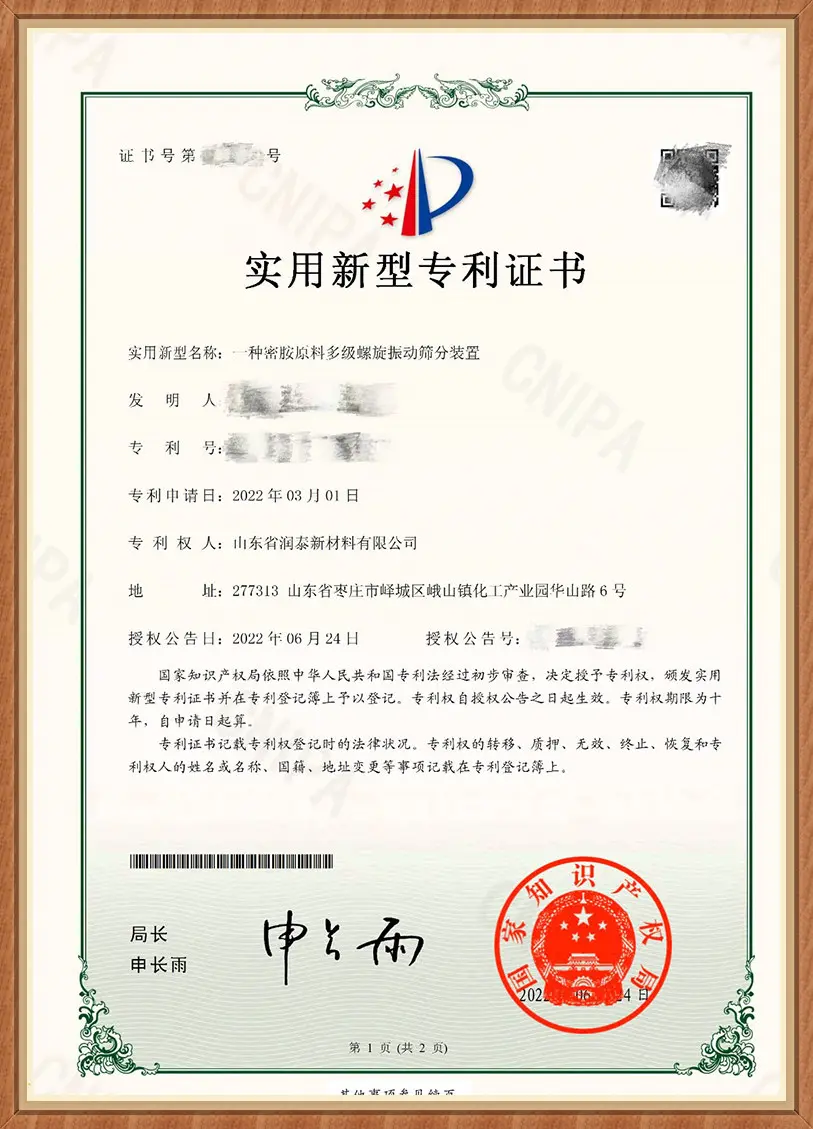
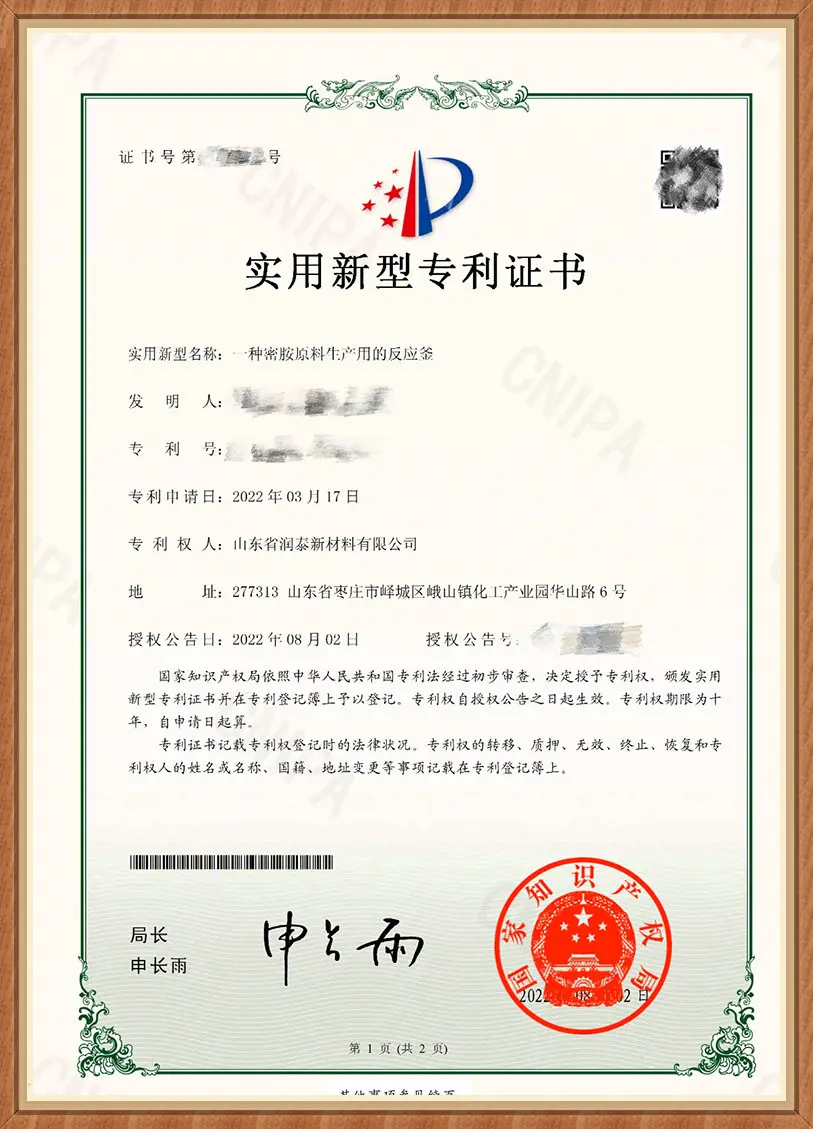
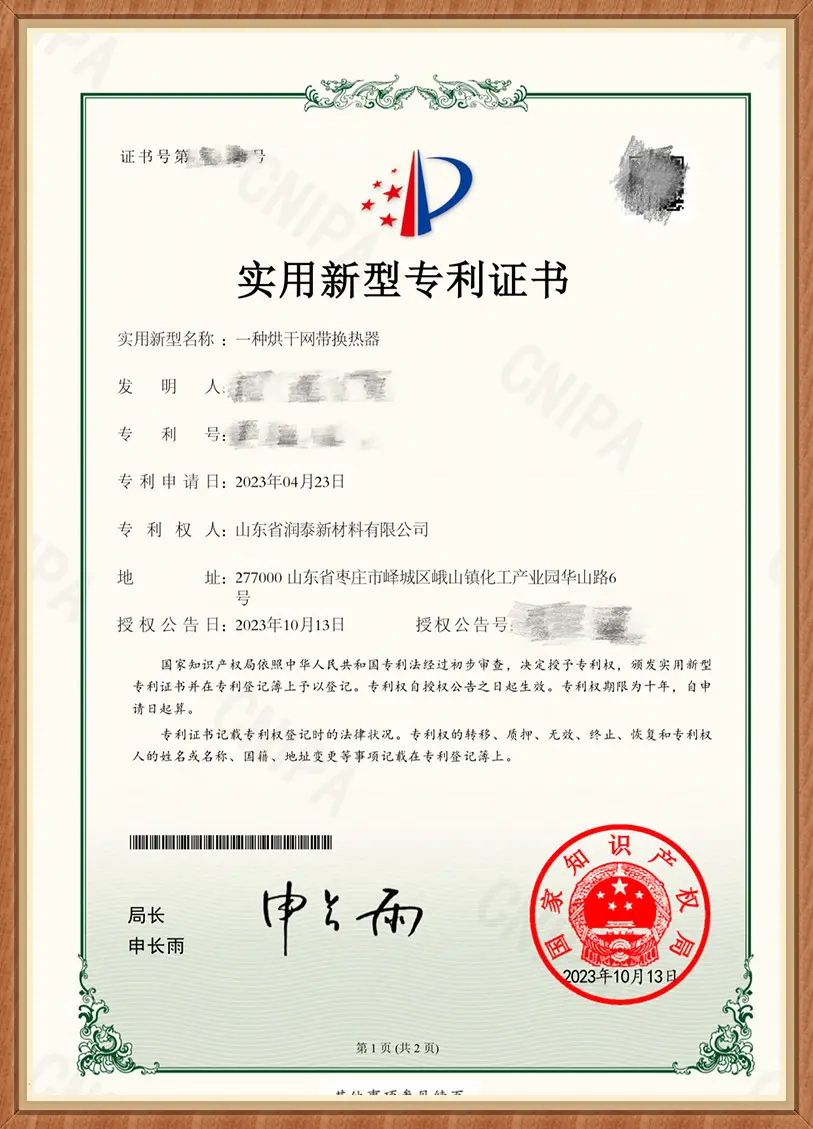
Our long-term R&D partnership with the Changzhou Research Institute of Beijing University of Chemical Technology fuels continuous innovation. Backed by a dedicated doctoral research team, we hold multiple patents in resin formulation and emission reduction.
Our deep vertical integration—from raw formaldehyde to downstream materials like melamine glazing powders and packaging film adhesives—enables excellent cost efficiency and ensures steady product availability.

At Runtai New Materials, we prioritize sustainable development and environmental stewardship. We are committed to producing eco-friendly chemical products that minimize environmental impacts while meeting all relevant environmental laws and standards.
Guided by our "quality first, customer first" philosophy, we approach every partnership with transparency and professionalism. We warmly welcome domestic and international clients to visit our facilities in Shandong and collaborate on building a sustainable future.
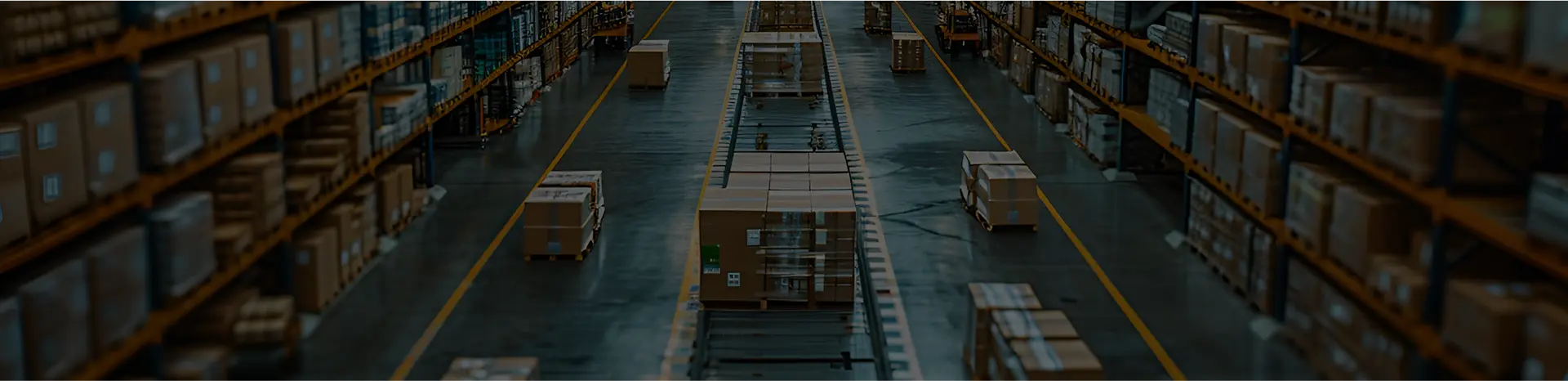
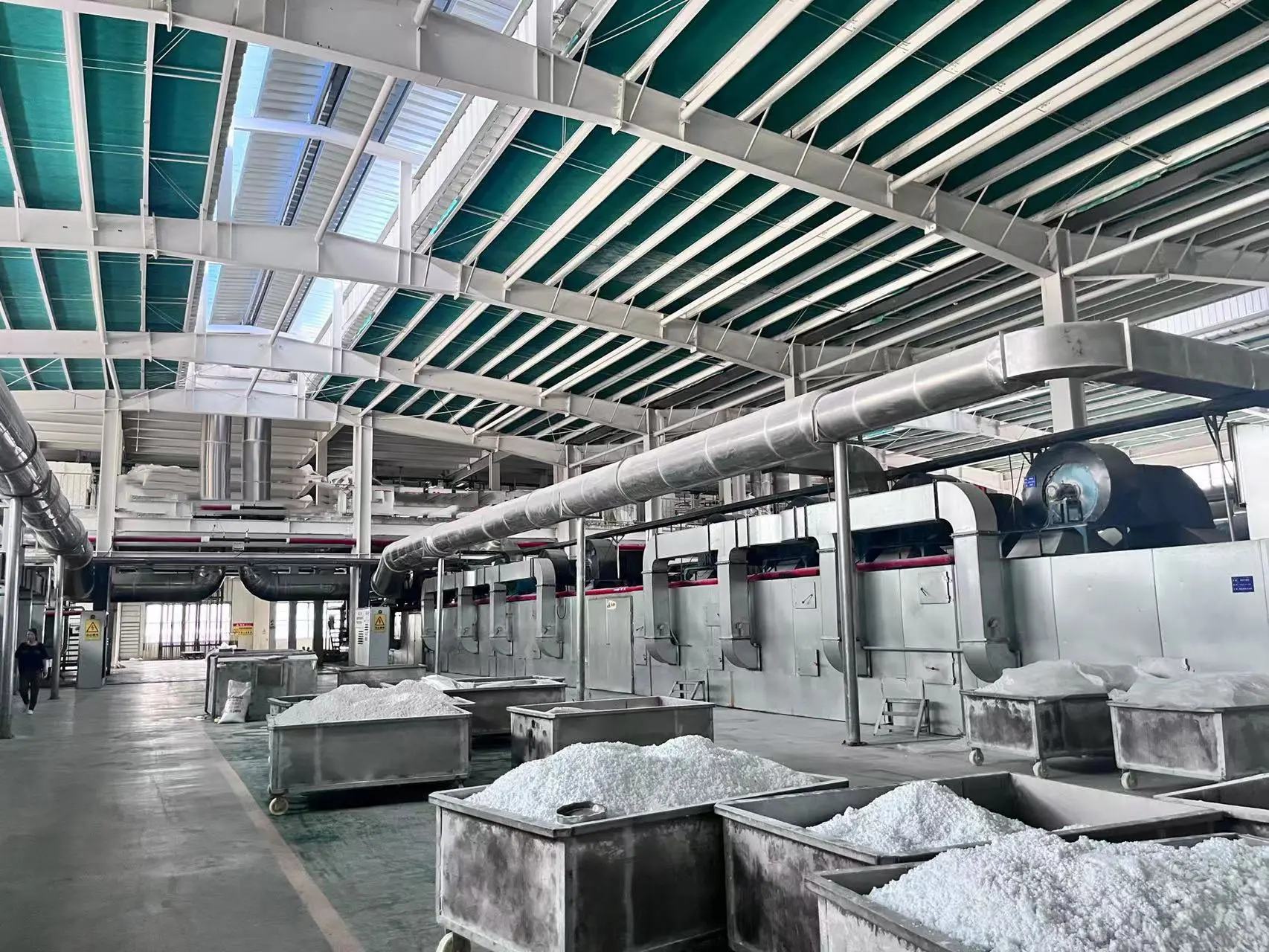
A look inside our advanced production workshops, packing lines, and automated warehouses.
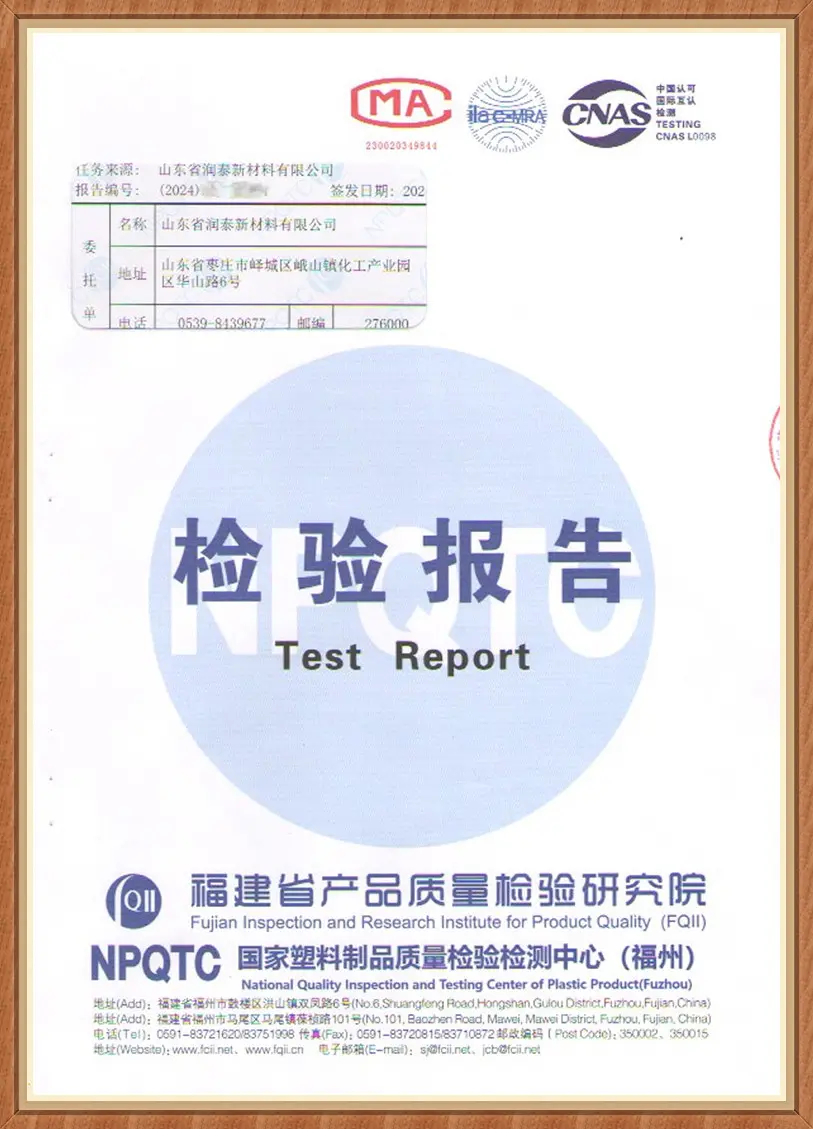
Our operations comply with global quality, safety, and environmental management frameworks.
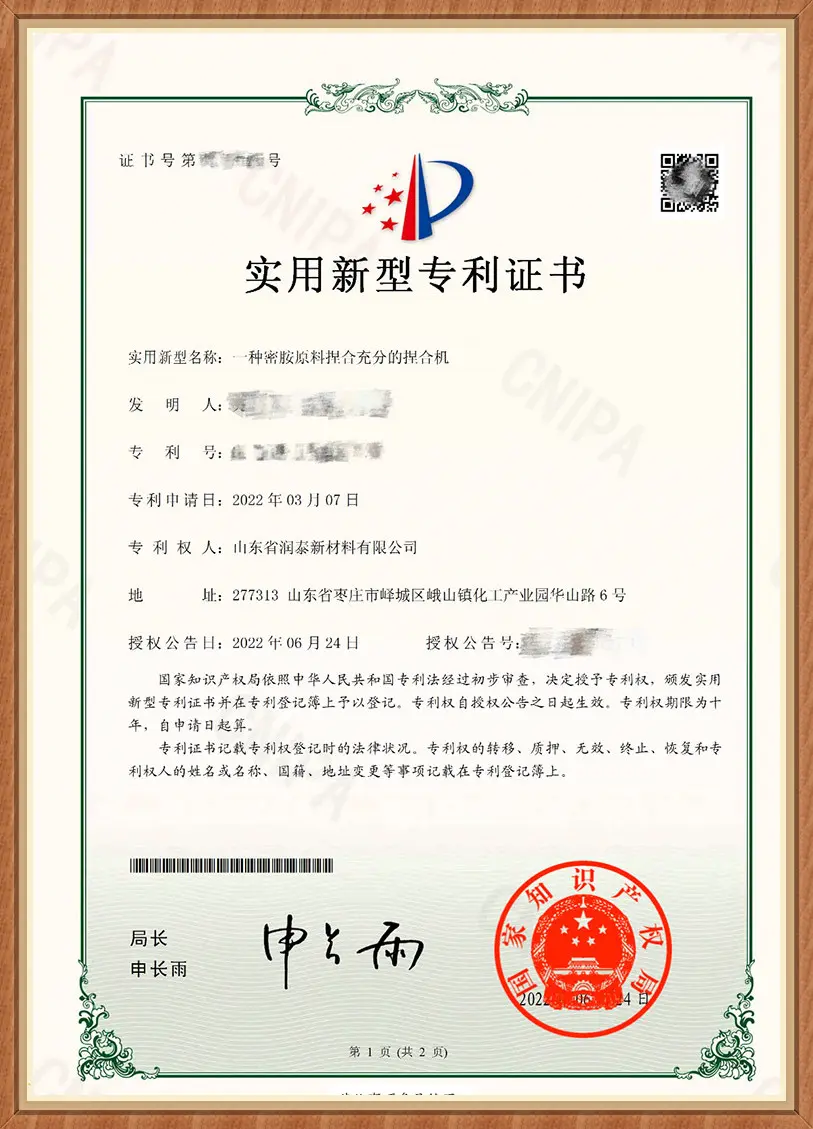
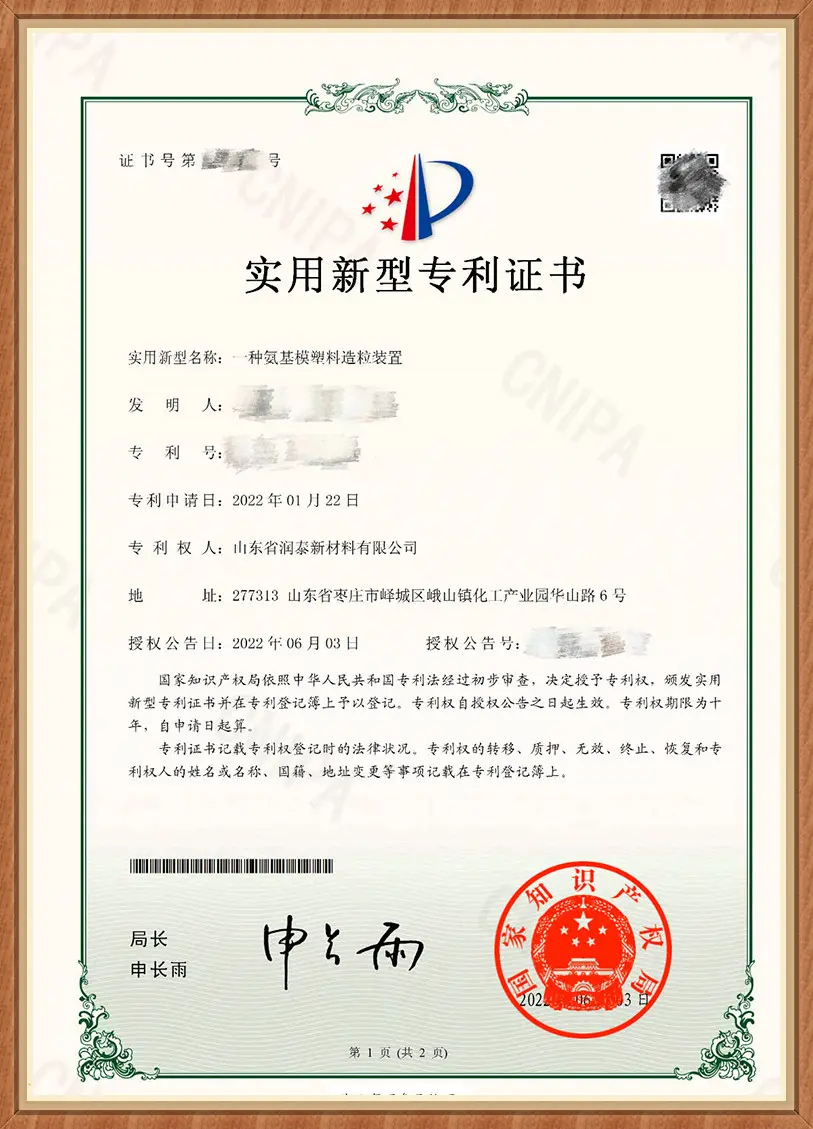
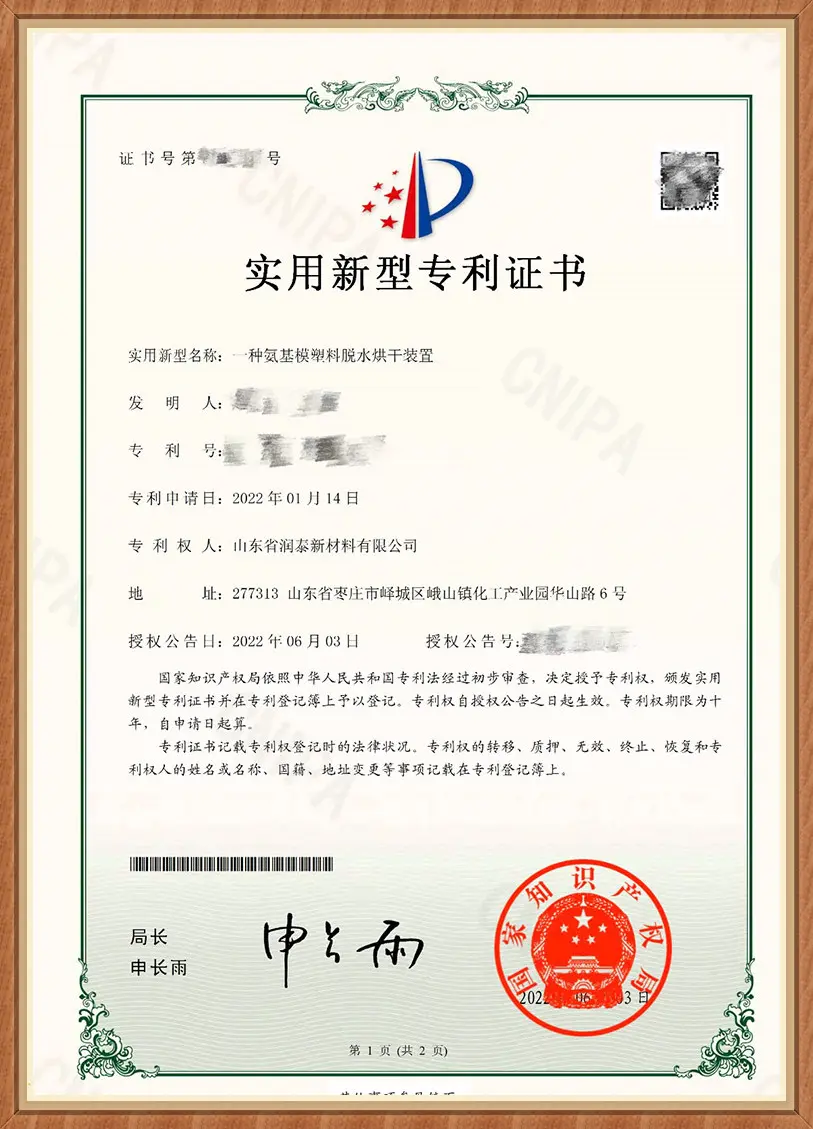
Answers to key technical questions from procurement managers and resin chemists.
Formalin can form solid paraformaldehyde deposits at lower temperatures, especially at concentrations above 37%. To prevent this, we maintain proper storage temperatures during transit (typically between 25°C and 45°C depending on concentration) and add small, controlled amounts of methanol (0.5% to 15%) as a stabilizer when required.
The metal oxide (Formox) process operates under excess air, yielding a high-concentration formaldehyde solution (up to 55%) with very low methanol residue. It also features superior heat recovery, producing high-pressure steam that helps reduce the energy consumption of downstream resin synthesis.
Yes. Through our R&D partnership with the Changzhou Research Institute, we can adjust key compound properties—such as viscosity, curing speed, flow rate, and color—to match our customers' specific compression molding cycles and machinery.
We supply low-emission Urea Formaldehyde resins and custom additives engineered to minimize free-formaldehyde release in finished wood products. This supports compliance with CARB Phase 2, EPA TSCA Title VI, and European E0/E1 standards.
We follow strict maritime regulations for Class 8 and 9 hazardous materials. We ship our products in high-grade ISO tank containers with temperature tracking, and we work exclusively with certified international logistics partners to ensure safe delivery.
From raw formaldehyde to advanced thermosetting resins and industrial additives.
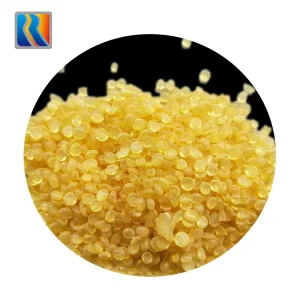
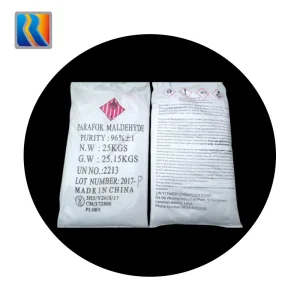
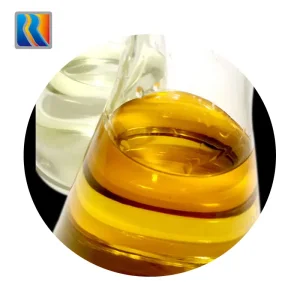
 Runtai