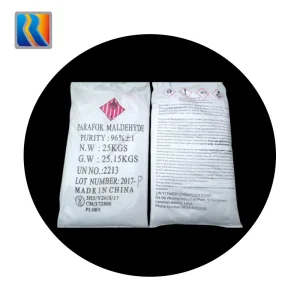
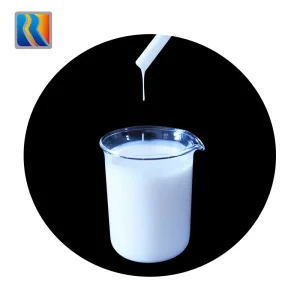
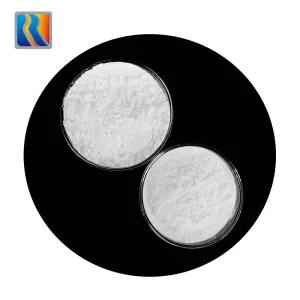
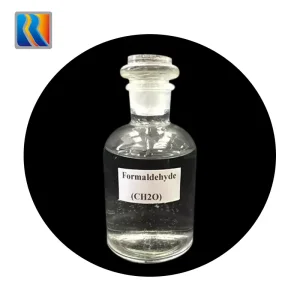
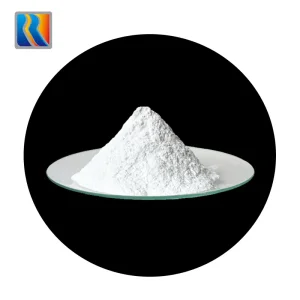
Formaldehyde 37% (often formulated with varying stabilizer levels of methanol, ranging from 1% to 15%) serves as the backbone reactant for critical modern materials. It represents the optimized aqueous standard due to its ideal equilibrium between reactivity, solution stability, and logistical safety profiles.
Within precision manufacturing setups, maintaining a constant 37% concentration is imperative. Any significant drift influences the polymerization rate of Urea-Formaldehyde (UF), Melamine-Formaldehyde (MF), and Phenolic Resins. When sourcing from premium Chinese factories, understanding the stabilizer-to-reactant ratios determines the success of downstream output, ensuring that issues such as premature polymerization or precipitation are mitigated.
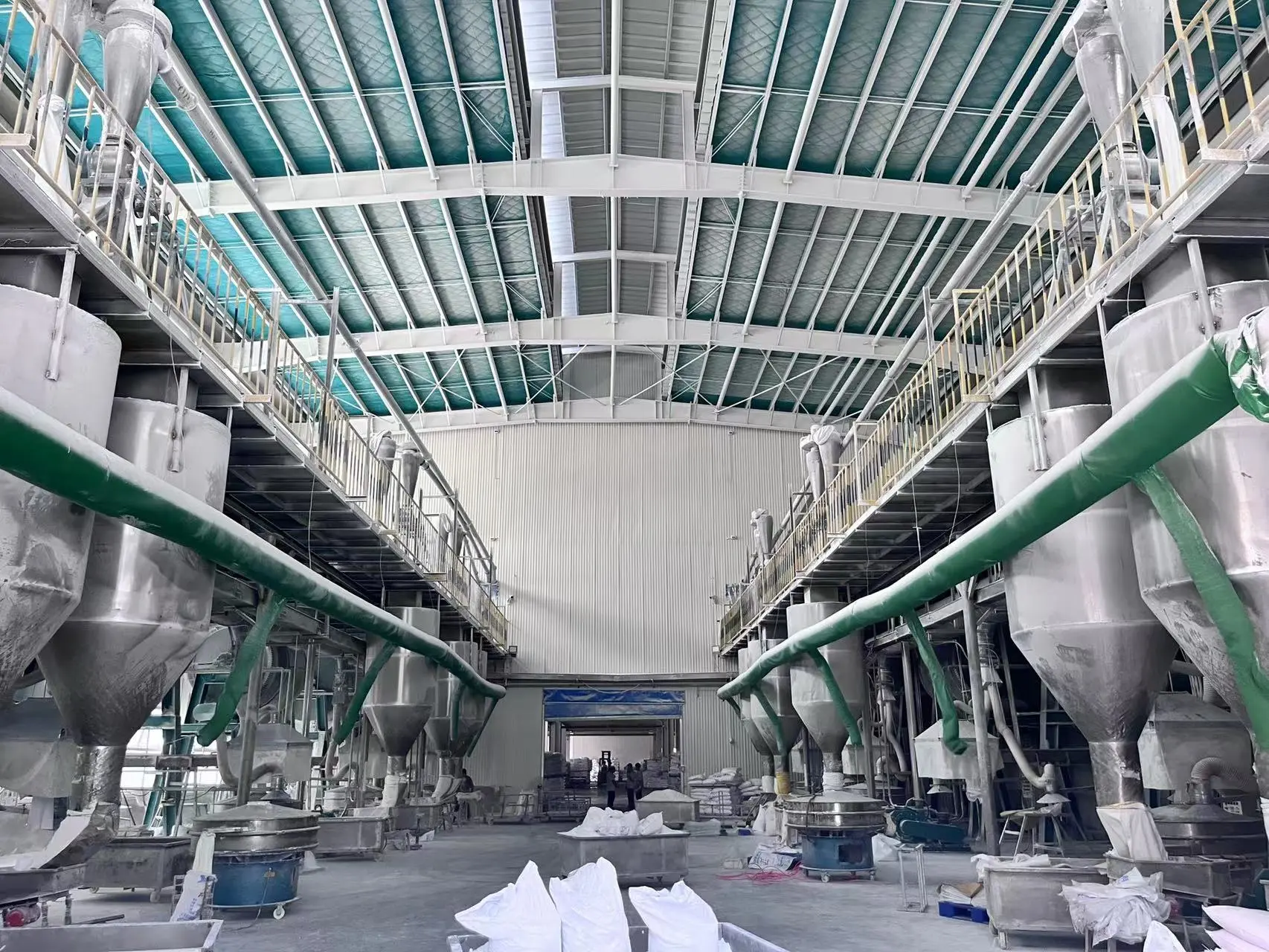
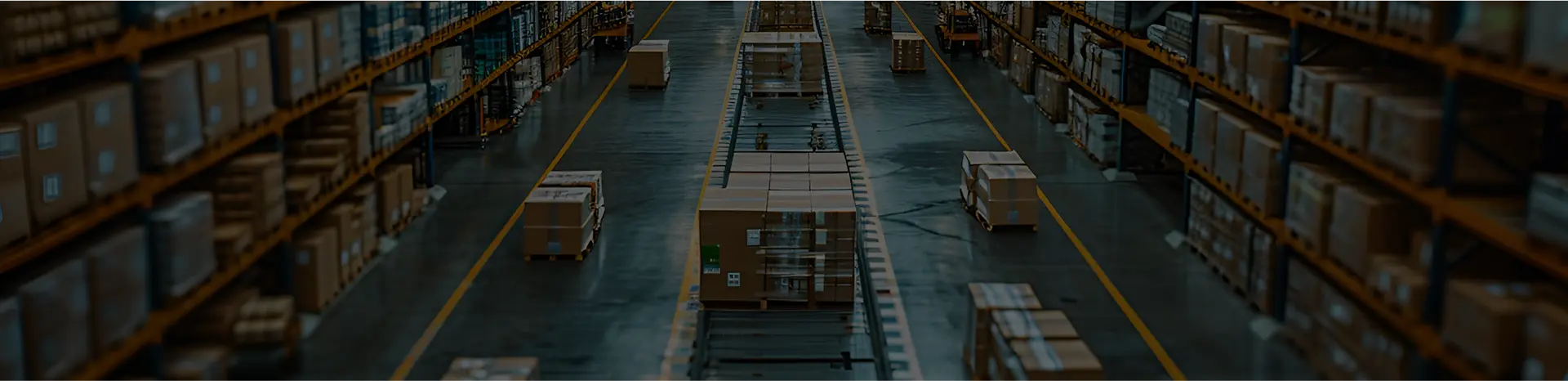
Founded in March 2020, Shandong Runtai New Materials Co., Ltd. has established itself as an absolute market leader in the fine chemicals sector, maintaining an integrated production ecosystem optimized for maximum efficiency.
Headquartered in Zaozhuang City, Shandong Province, our infrastructure spans an impressive 270,000 square meters. Backed by a total investment of 2.06 billion yuan, the corporate framework integrates research labs, advanced synthesis lines, and storage hubs.
We output 380,000 tons of formaldehyde, 60,000 tons of melamine, 20,000 tons of melamine glazing powder, 11,000 tons of resin, and 300,000 tons of urea formaldehyde resin annually. This scales to secure an 80% market share across mainland China.
Runtai products actively export to the United States, Thailand, Kenya, Egypt, and other global regions. We ensure localized technical support, custom compliance alignments, and end-to-end global trade management for stable chemical procurement.
Integrating cutting-edge synthesis protocols to assure high product stability and lower raw material consumption.
By implementing the latest Distributed Control Systems (DCS), our technicians monitor every stage of the catalytic oxidation of methanol. The silver process is fine-tuned to maintain strict reaction temperatures within a deviation margin of +/-0.5°C, securing high yields and preventing unwanted formic acid formation.
Our long-term development is aligned with academic research hubs, such as the Changzhou Research Institute of Beijing University of Chemical Technology. This collaborative R&D pipeline fuels continuous optimization of our catalyst systems, low-emission resin alternatives, and green manufacturing schemes.
Deploying industrial formaldehydes requires deep operational understanding. Here is how our localized supply supports different key industries:
The premium wood panel industry depends on high-quality Urea-Formaldehyde (UF) resins. Standardizing on Runtai's 37% solution allows manufacturers to produce low-emission particleboards and MDF meeting CARB Phase 2 and F-4 Star emission standards.
In reaction with Melamine Glazing Powder and Melamine Moulding Compounds, high-grade formaldehyde controls the cross-linking density. This ensures thermal resistance and physical durability in compression molded dinnerware.
Formaldehyde acts as a key intermediate in synthesized crop protection compounds and slow-release fertilizers (like urea-form), ensuring precise release curves that conform to local agricultural regulations.
Chinese chemical clusters offer unparalleled raw material integration. With direct links to stable methanol supply hubs and high-volume pipelines, our Shandong plant maintains continuous operation, isolating buyers from global price volatility.
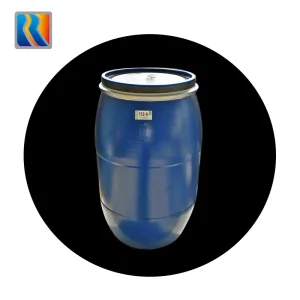
Additionally, our optimized logistic networks guarantee safe transport protocols. Our 37% formaldehyde solutions are packaged in specialized ISO tanks and intermediate bulk containers (IBCs) with thermal shielding to avoid thermal polymerization during long ocean transit. Combined with local port access in East China, we facilitate rapid shipment schedules globally.
Sustainable chemical manufacturing demands strict environmental oversight. We implement comprehensive emissions scrubbing systems and recycle waste heat to fuel upstream production lines.
Our commitment lies in developing and producing eco-friendly products that minimize their negative effects on the environment while adhering to pertinent laws, regulations, and standards. We work closely with municipal and national environmental protection departments to meet the stringent emission caps defined for modern green industrial zones.
Furthermore, we integrate green methanol and bio-based catalysts within our long-term roadmap to decrease the product carbon footprint (PCF) of our formaldehyde derivatives, positioning Runtai as a preferred supplier for sustainability-conscious procurement teams in the West.

Our long industrial chain utilizing formaldehyde as a raw material possesses great potential for extension, with derivative products widely deployed in adhesives, coatings, resin plastics, dyes, medical basic raw materials, and electronics.
High market share: Following the completion of our melamine project, Runtai New Materials has become a comprehensive enterprise in the forefront of China's research, production, sales and application of new chemical materials. Our melamine materials have achieved dominant market shares nationwide.
High-end production equipment: We employ advanced, dependable, and established equipment both domestically and internationally. High-level automation reduces labor intensity, boosts labor productivity, conserves energy, and lowers testing and production costs.
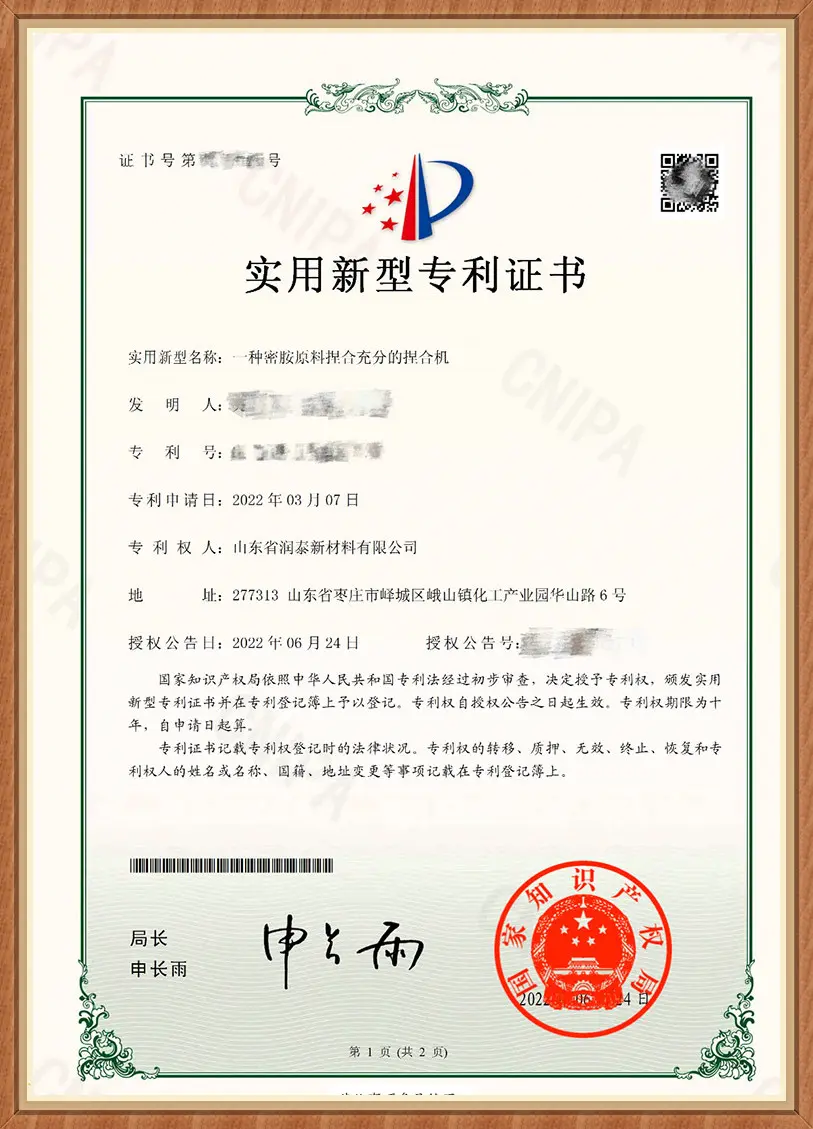
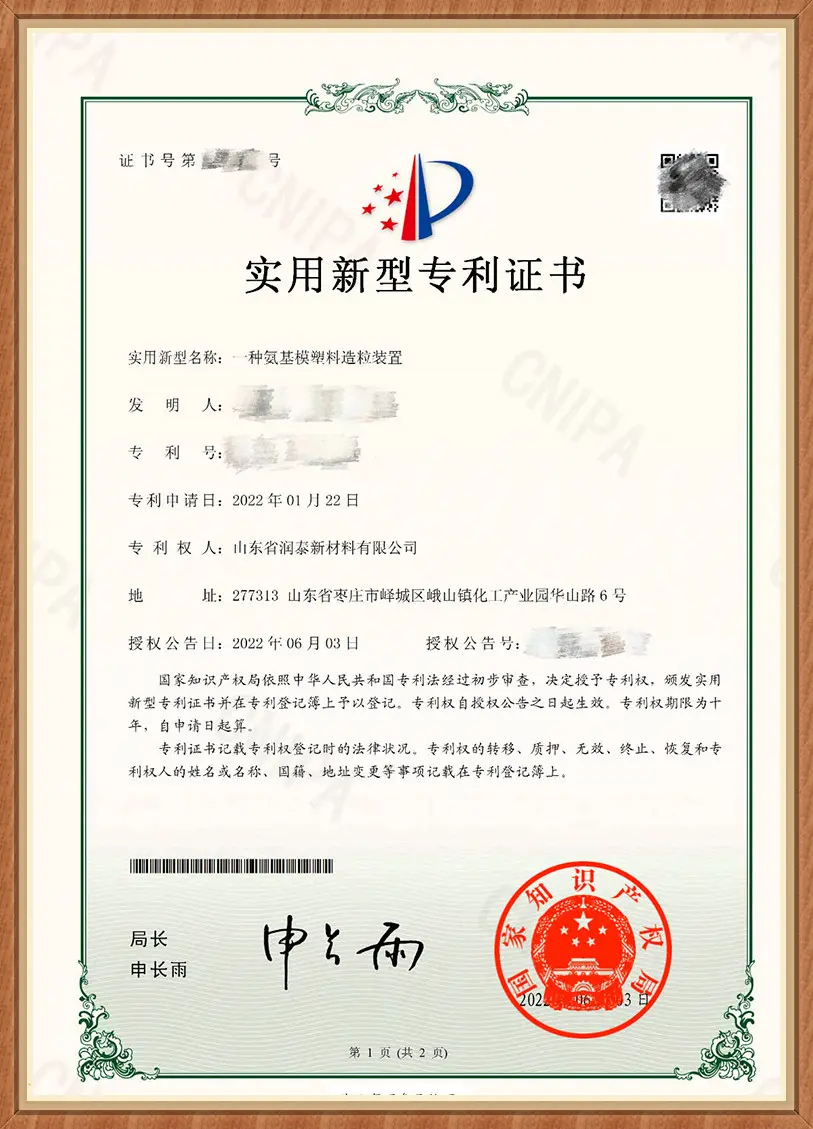
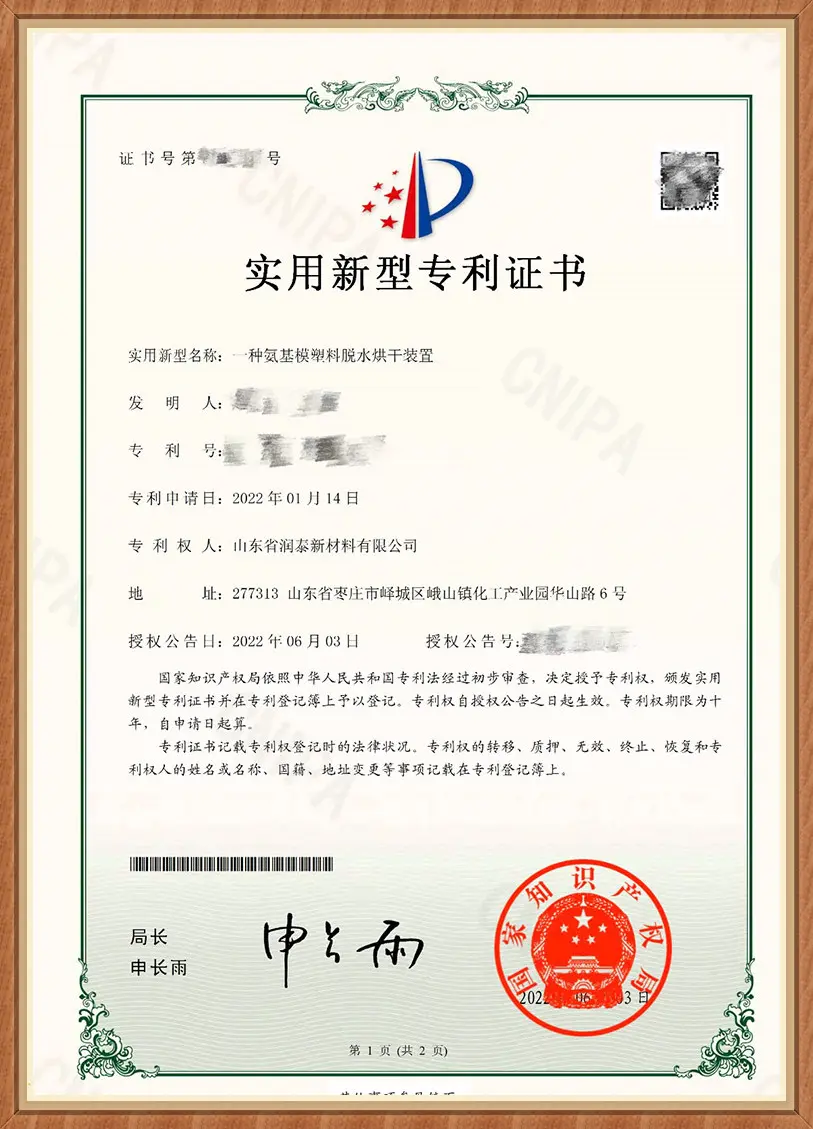
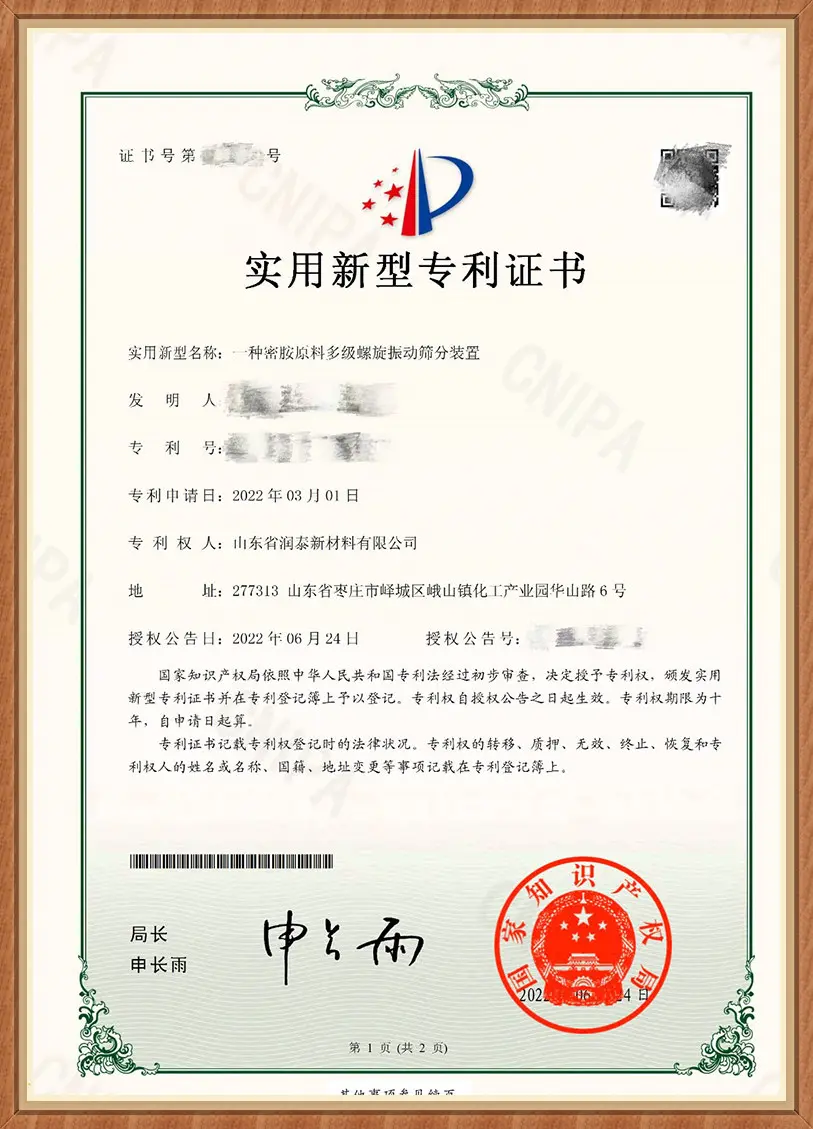
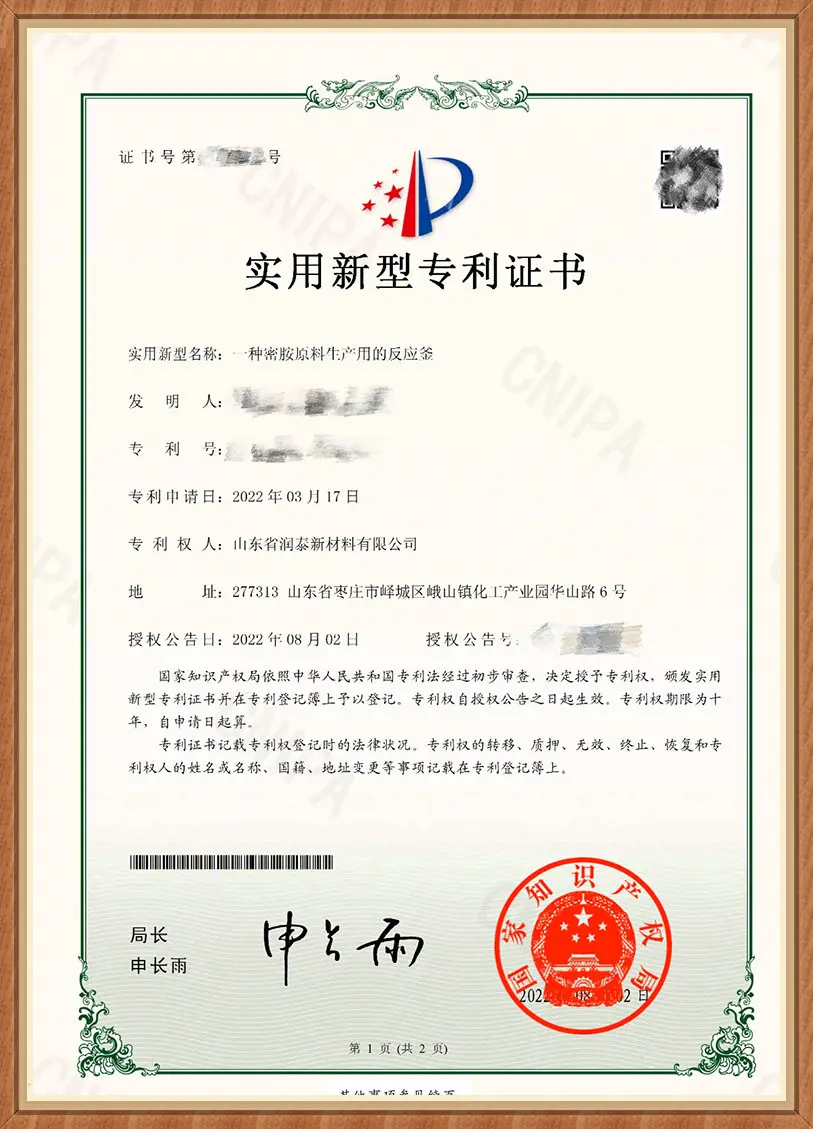
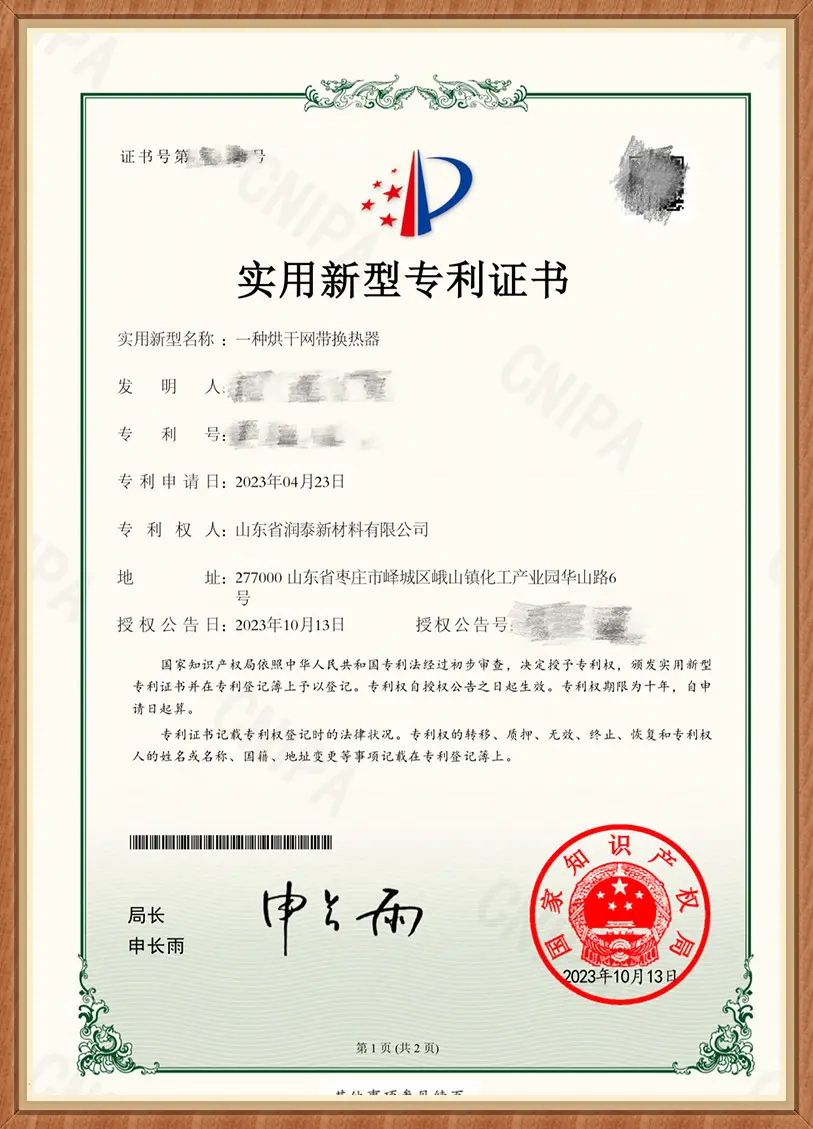
We maintain rigorous quality standards verified by global inspection bodies. Review our certificate collection indicating our standard compliance.
Crucial technical and logistical questions answered by Runtai's Engineering and Supply Chain team.
 Runtai