Providing high-efficiency chemical raw materials optimized for the structural, manufacturing, and agricultural frameworks across Accra, Tema, and Takoradi ports.
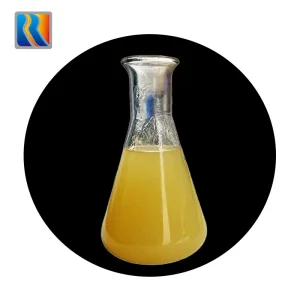
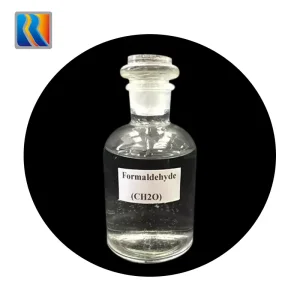
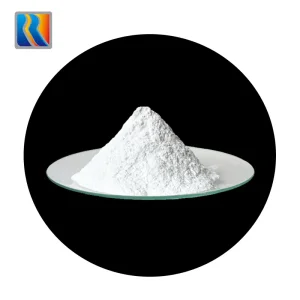
Ghana is currently experiencing a profound industrial transformation, driven by active government policies such as the "One District, One Factory" (1D1F) initiative. In regions like Greater Accra, Ashanti, and Western Ghana, manufacturing industries are transitioning from simple raw material export to advanced value-addition operations. Key sectors like wood processing, plastic fabrication, consumer goods packaging, and mining require a consistent supply of robust chemical materials.
Tropical climates in West Africa demand distinct formulation properties. Humidity fluctuations and high average temperatures heavily impact polymer settings, requiring adhesives and moulding compounds with enhanced thermal stability. In response to these conditions, we supply tailored chemical additives and resins that prevent early-stage pre-polymerization and guarantee structural integrity under tropical manufacturing environments.
By establishing streamlined supply lines to the Tema and Takoradi ports, we assure prompt delivery timelines, minimizing supply chain vulnerabilities. Our presence in West Africa helps domestic companies source international-grade chemical materials with stable pricing mechanisms.
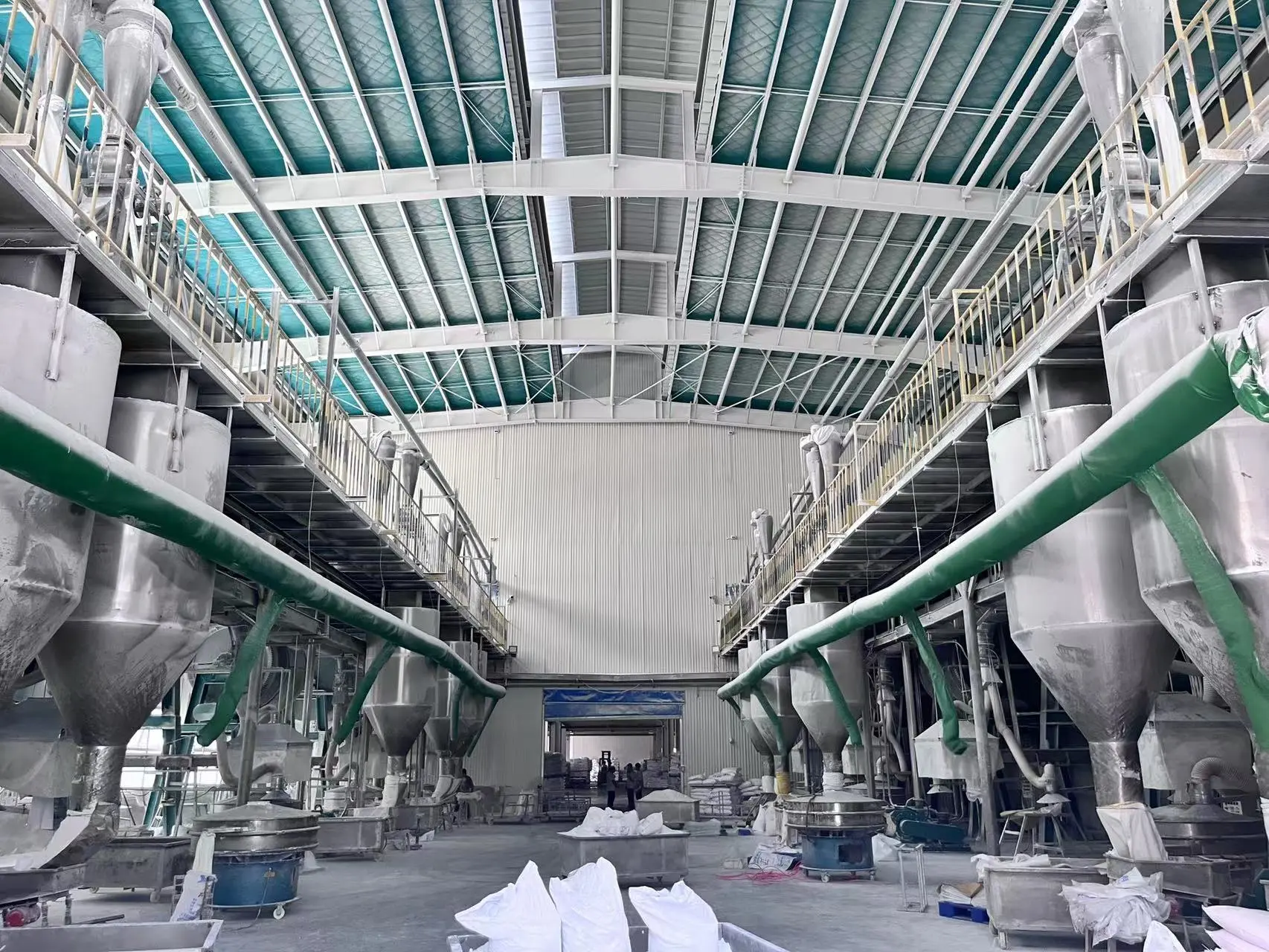
On a global scale, the chemical sector is rapidly evolving toward sustainable synthesis, green chemistry, and strict emission monitoring. Regulatory frameworks like REACH in Europe and similar initiatives globally push for reduced formaldehyde emissions and biocompatible additives. In West Africa, local manufacturers are aligning with these standards to export finished goods internationally, such as plywood products and food-safe melamine tableware.
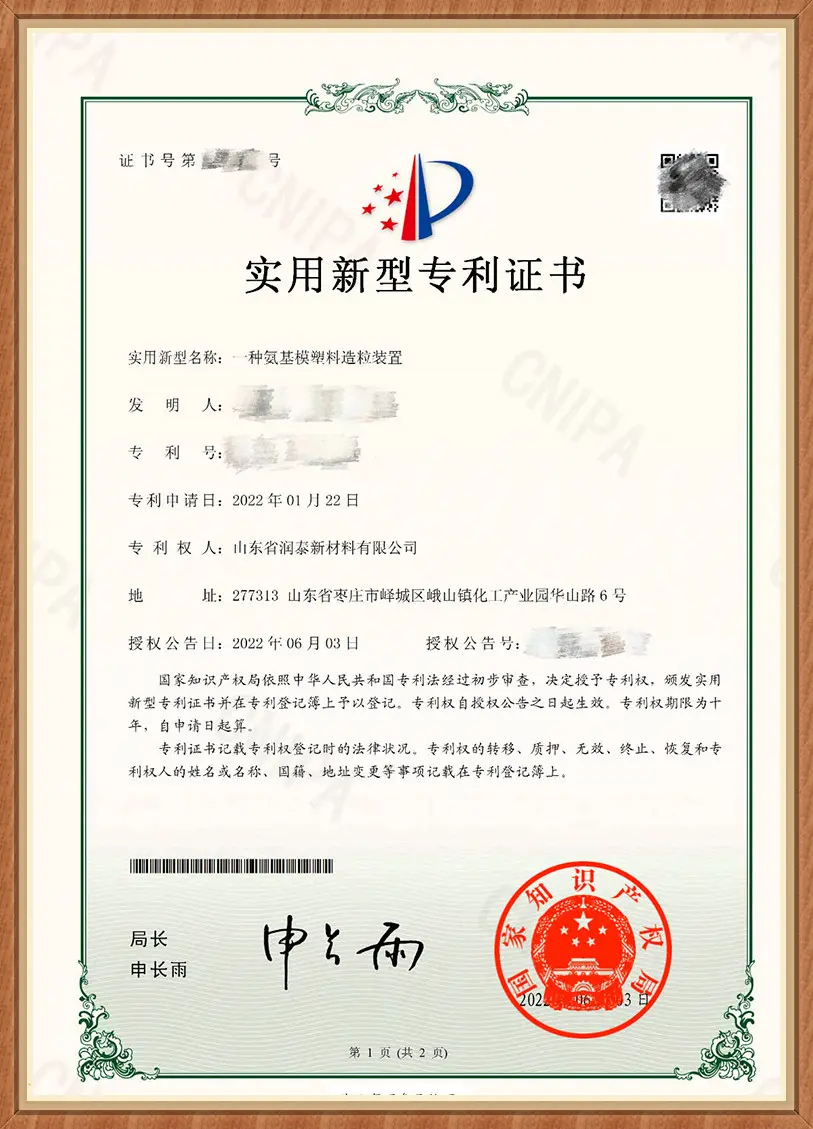
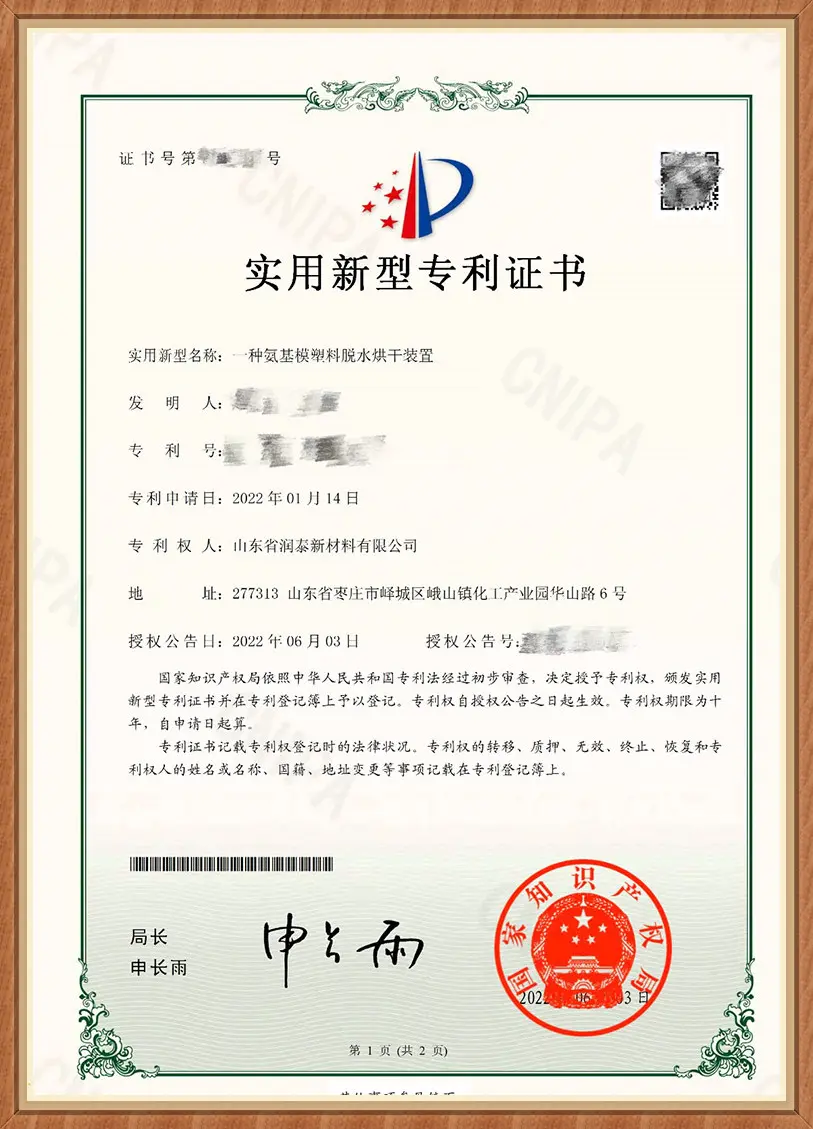
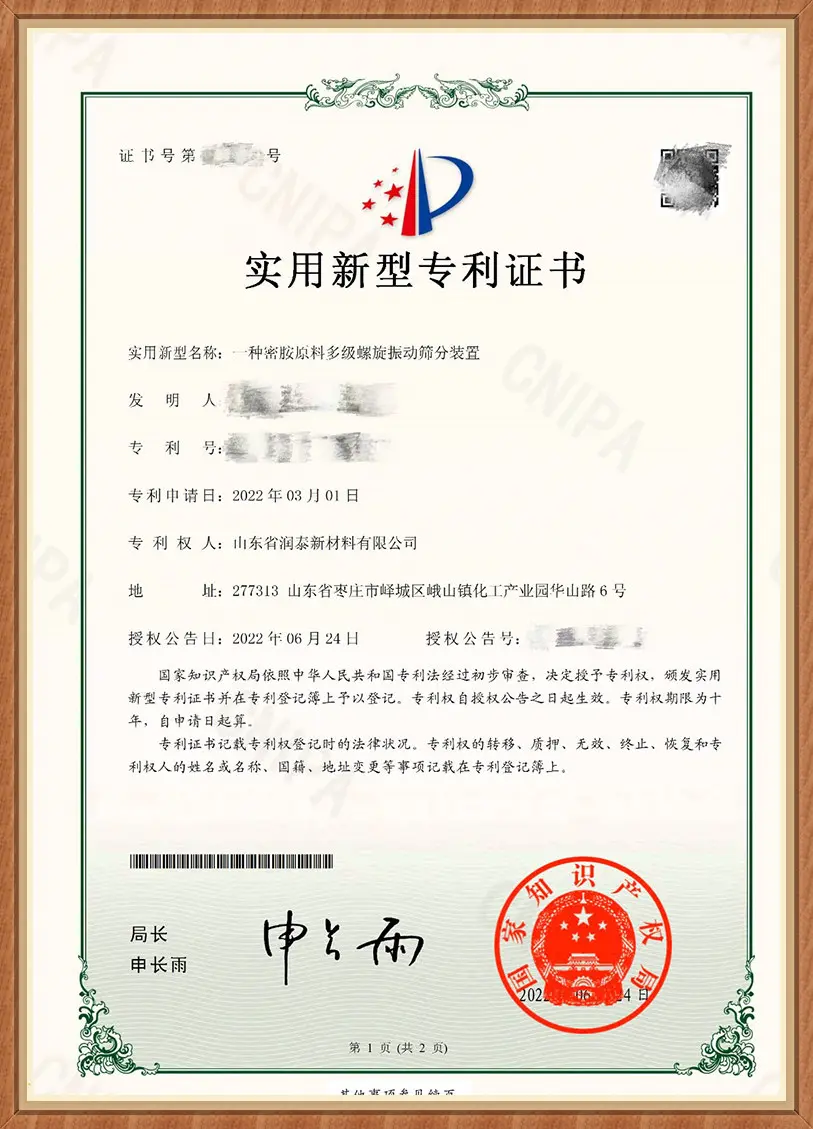
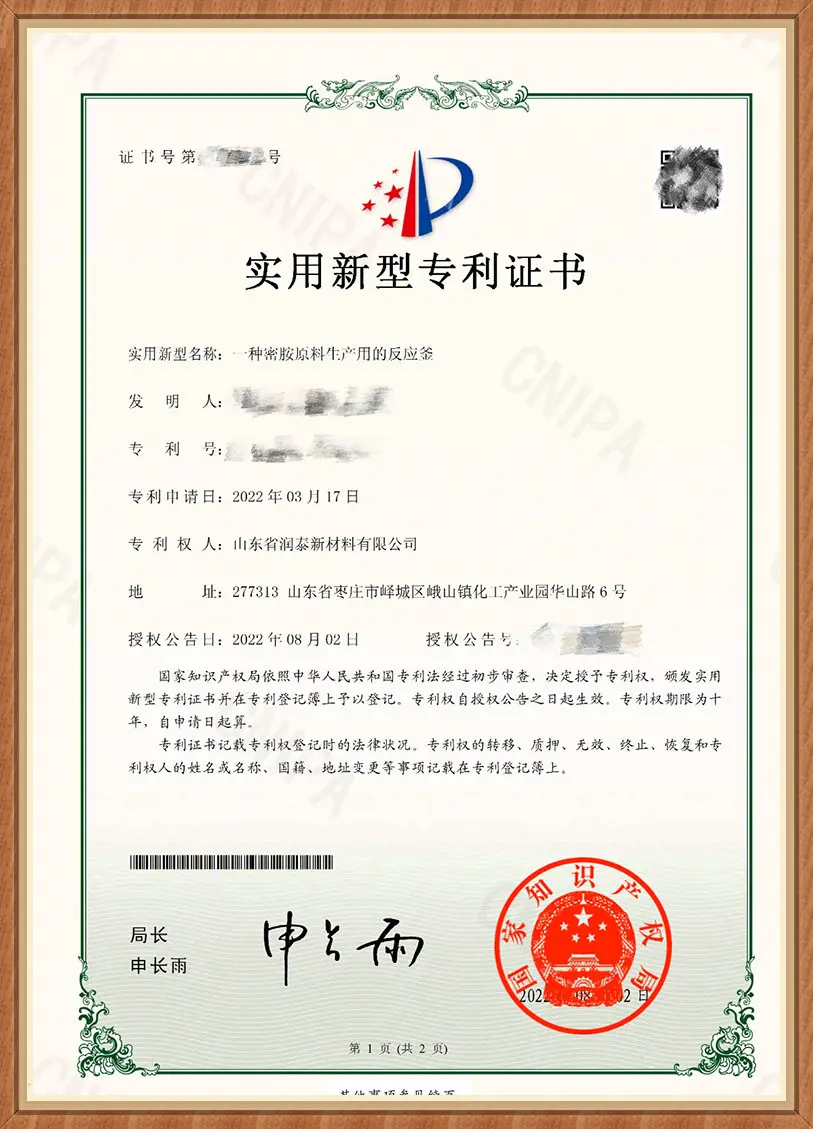
Our collaborative ventures with prestigious institutions, such as the Changzhou Research Institute of Beijing University of Chemical Technology, ensure our formulas keep pace with modern ecological demands. By lowering volatile organic compound (VOC) emissions from our Urea Formaldehyde Resins, we help Ghanaian wood processing firms meet global compliance requirements, opening up export potentials across the ECOWAS region and Western markets.
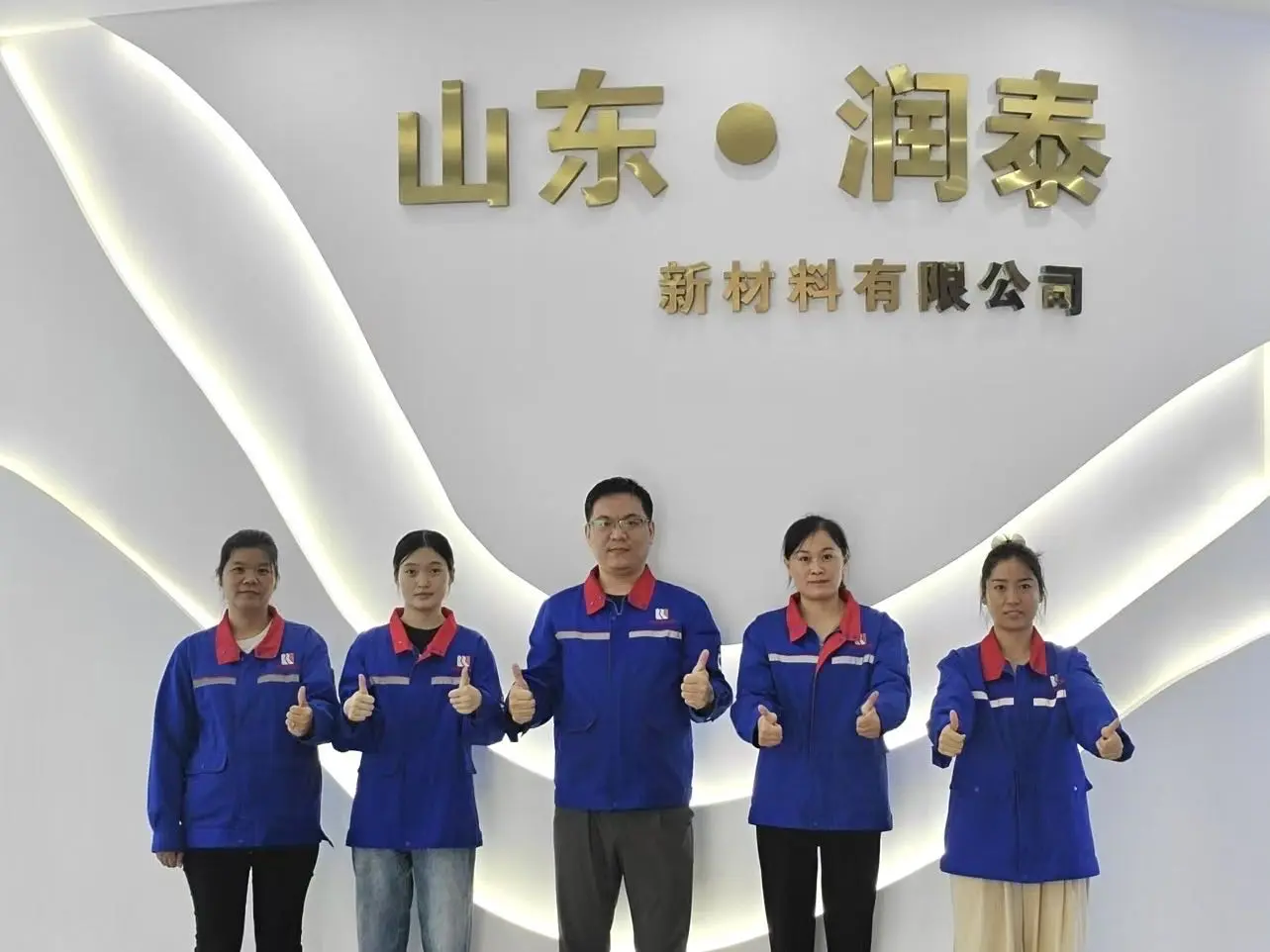
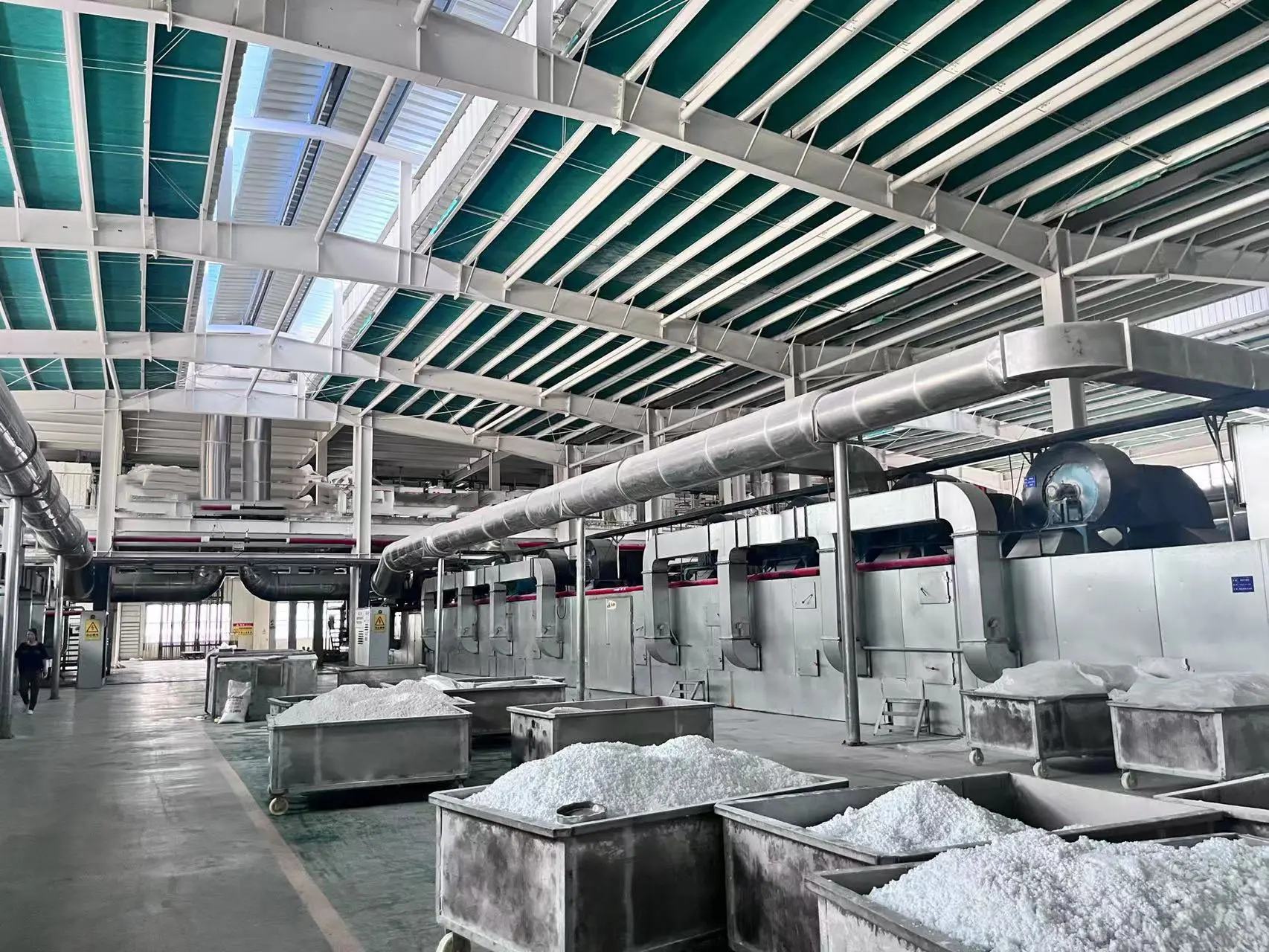
Shandong Runtai New Materials Co., Ltd. applies automation, safety monitoring, and quality checkpoints to deliver bulk volume orders globally.
We deploy the latest Distributed Control System (DCS) to monitor critical manufacturing parameters. This guarantees consistent viscosity, solid content, and reactivity across all shipments.
Our R&D facility utilizes gas chromatography, carbon-13 NMR spectroscopy, and thermal analysis to evaluate product performance in diverse temperatures and humidity ranges before dispatch.
By producing our own base formaldehyde, we maintain direct control over chemical purities, which allows us to insulate customers from global price spikes and chemical instabilities.
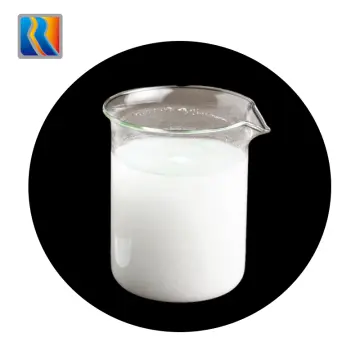
Our dedicated team of PhD chemists works alongside clients to design custom additives, such as specialized swelling thickeners or climate-adjusted defoamers.
Translating chemical technology into solutions that power regional construction, packaging, mining, and consumer goods.

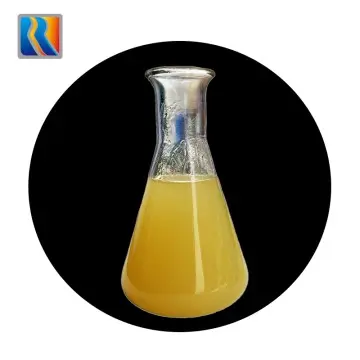
Kumasi and neighboring regions host extensive forestry and wood-processing hubs. Standard wood adhesives often suffer from premature curing under the hot West African climate, leading to brittle joints. Our customized Urea Formaldehyde Resins are formulated with specialized buffer systems, ensuring a controlled curing cycle during hot pressing. This results in plywood and MDF products that exceed international shear strength standards and maintain structural integrity against moisture.
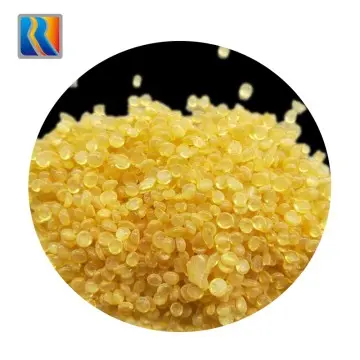
As consumer demand for durable plasticware grows, manufacturing hubs in Accra need safe, robust materials. Our Melamine Moulding Compounds and glazing powders enable local plants to produce premium plates, bowls, and sanitary ware. The resulting plastics feature a high gloss finish, scratch resistance, and low chemical migration levels, meeting FDA standards for food contact materials.
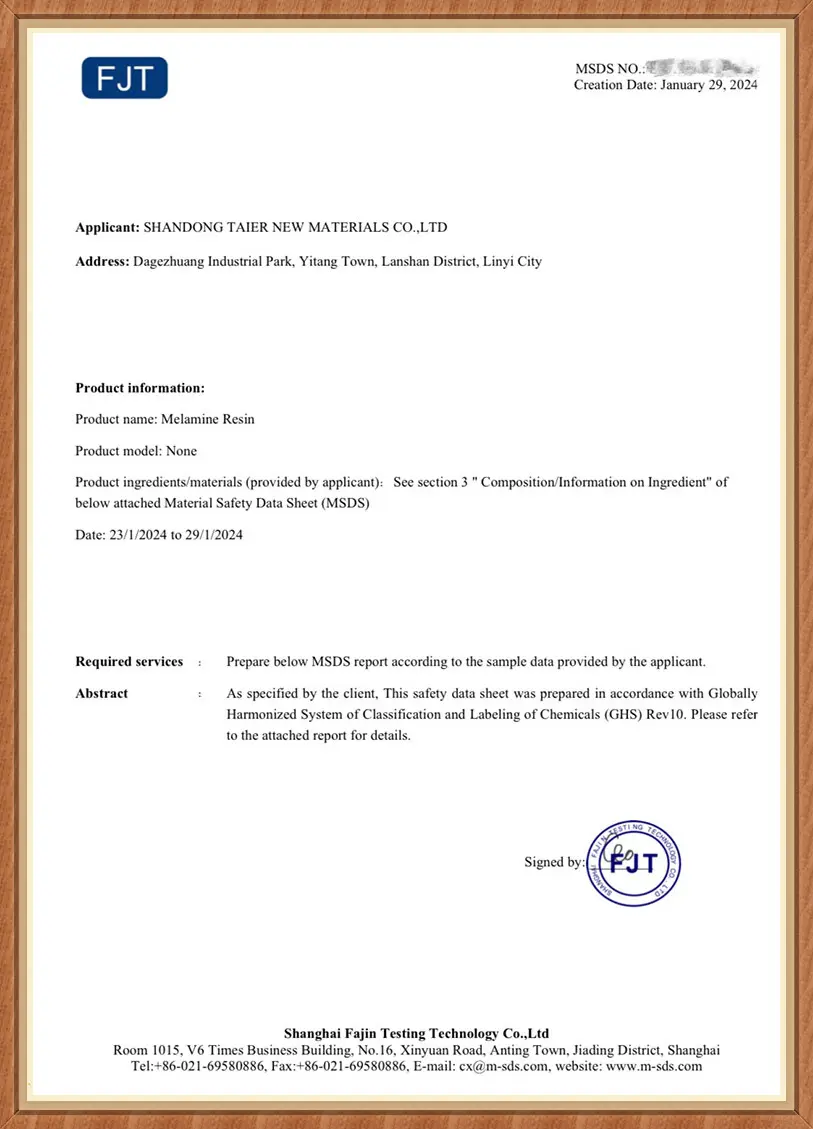
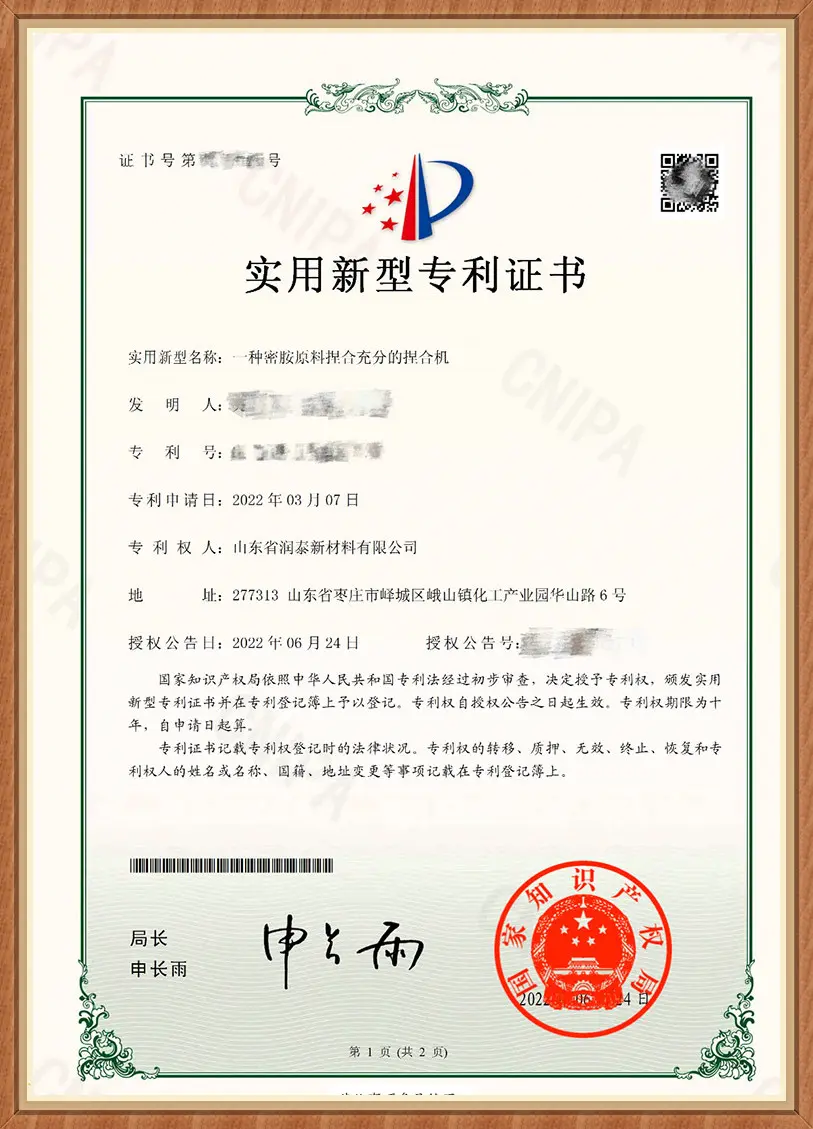
Our operations comply with global quality, safety, and environmental frameworks, ensuring smooth customs clearance at African ports.
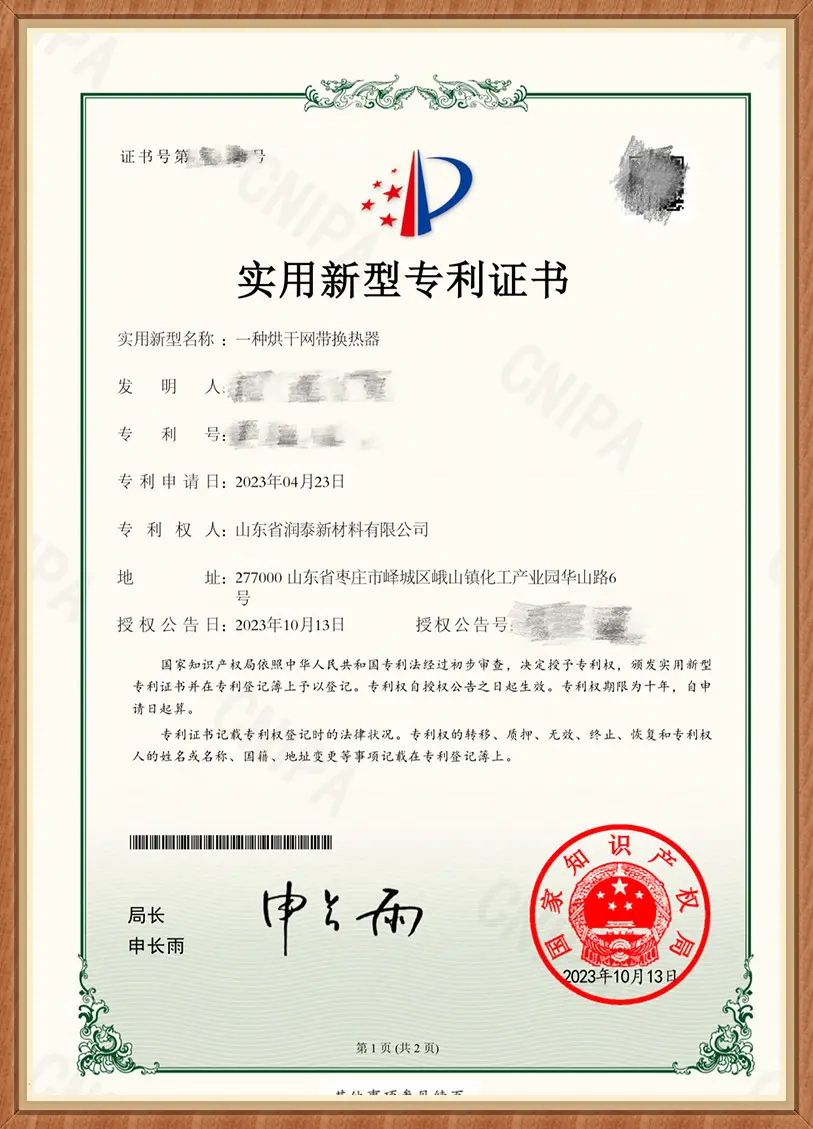
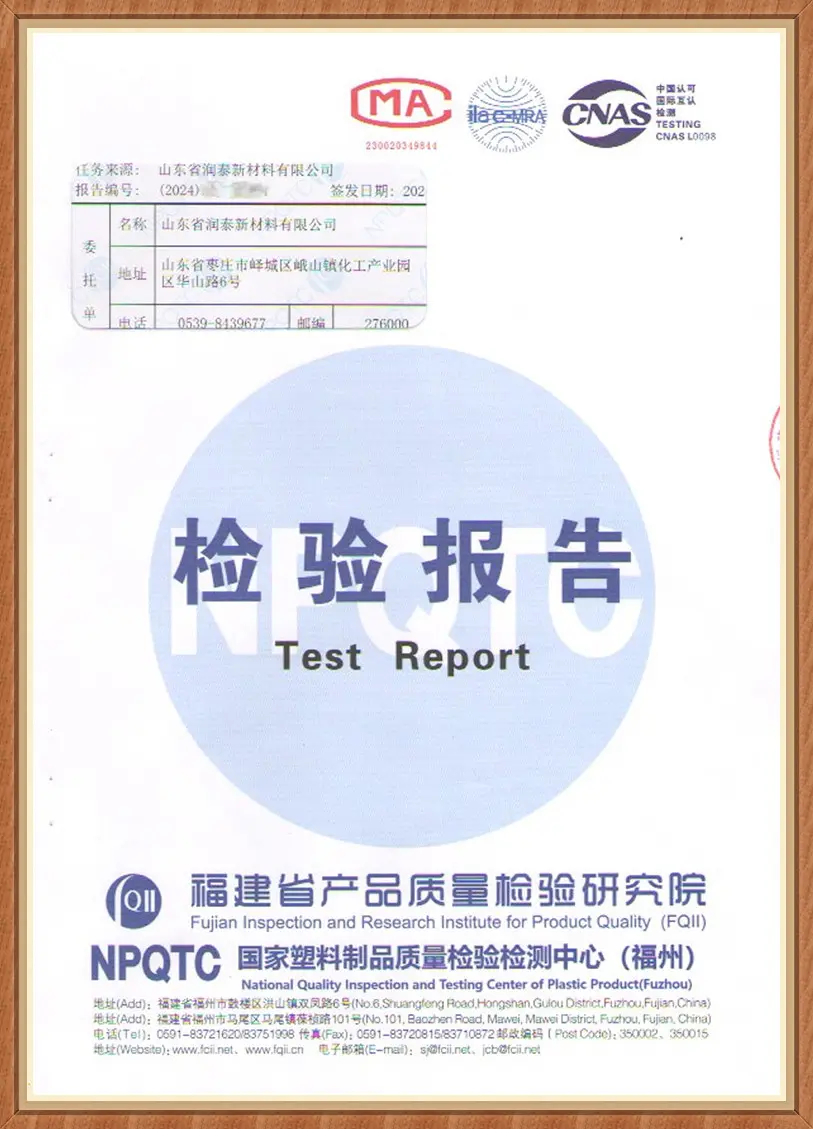
Explore our complete list of products engineered for the Ghanaian and global industrial markets.
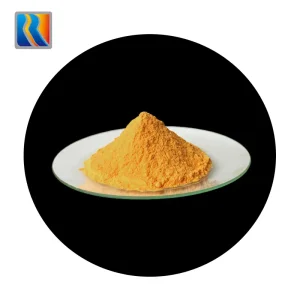
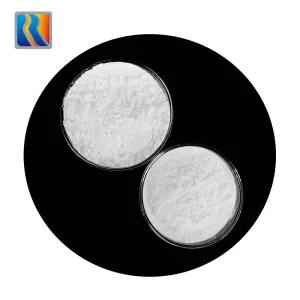
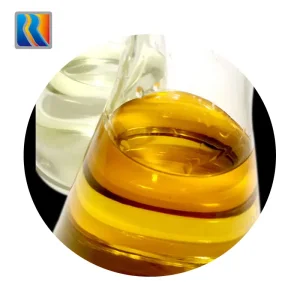
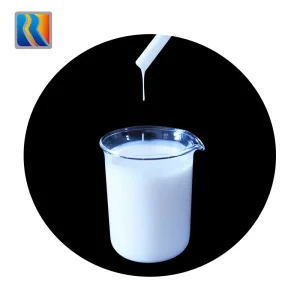
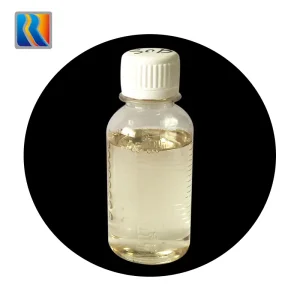
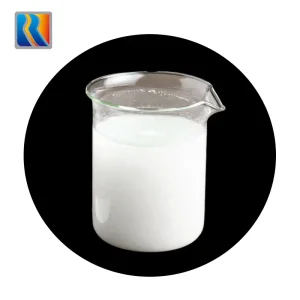
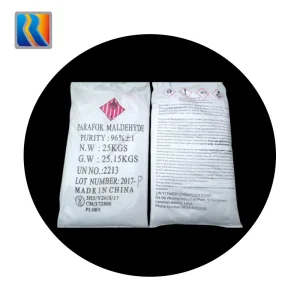
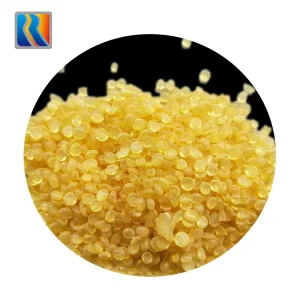
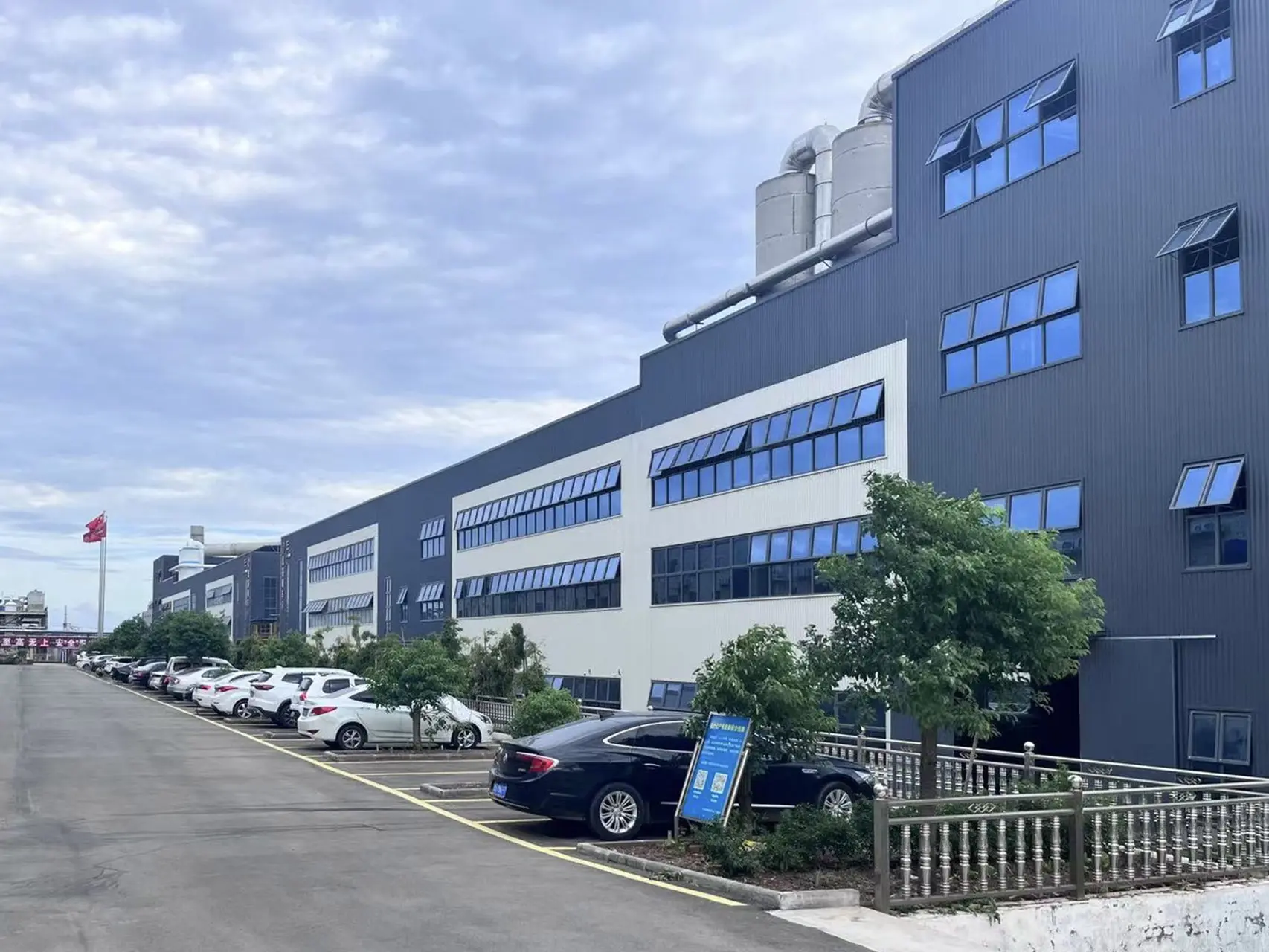
Established in March 2020, Shandong Runtai New Materials Co., Ltd. has grown to become a prominent group enterprise specializing in industrial fine chemicals. Our manufacturing operations produce formaldehyde, paraformaldehyde, urea formaldehyde resins, melamine powders, and melamine glazing compounds. Strategically headquartered in Zaozhuang City, Shandong Province, we run operations across five key domestic hubs.
Our facility covers an area of 270,000 square meters, representing a total capital investment of 2.06 billion yuan. Guided by the values of quality and customer safety, we serve clients in the United States, Thailand, Kenya, Egypt, and throughout West Africa. We prioritize sustainable development, optimizing our manufacturing processes to lower emissions and minimize ecological footprints while complying with international environmental laws.
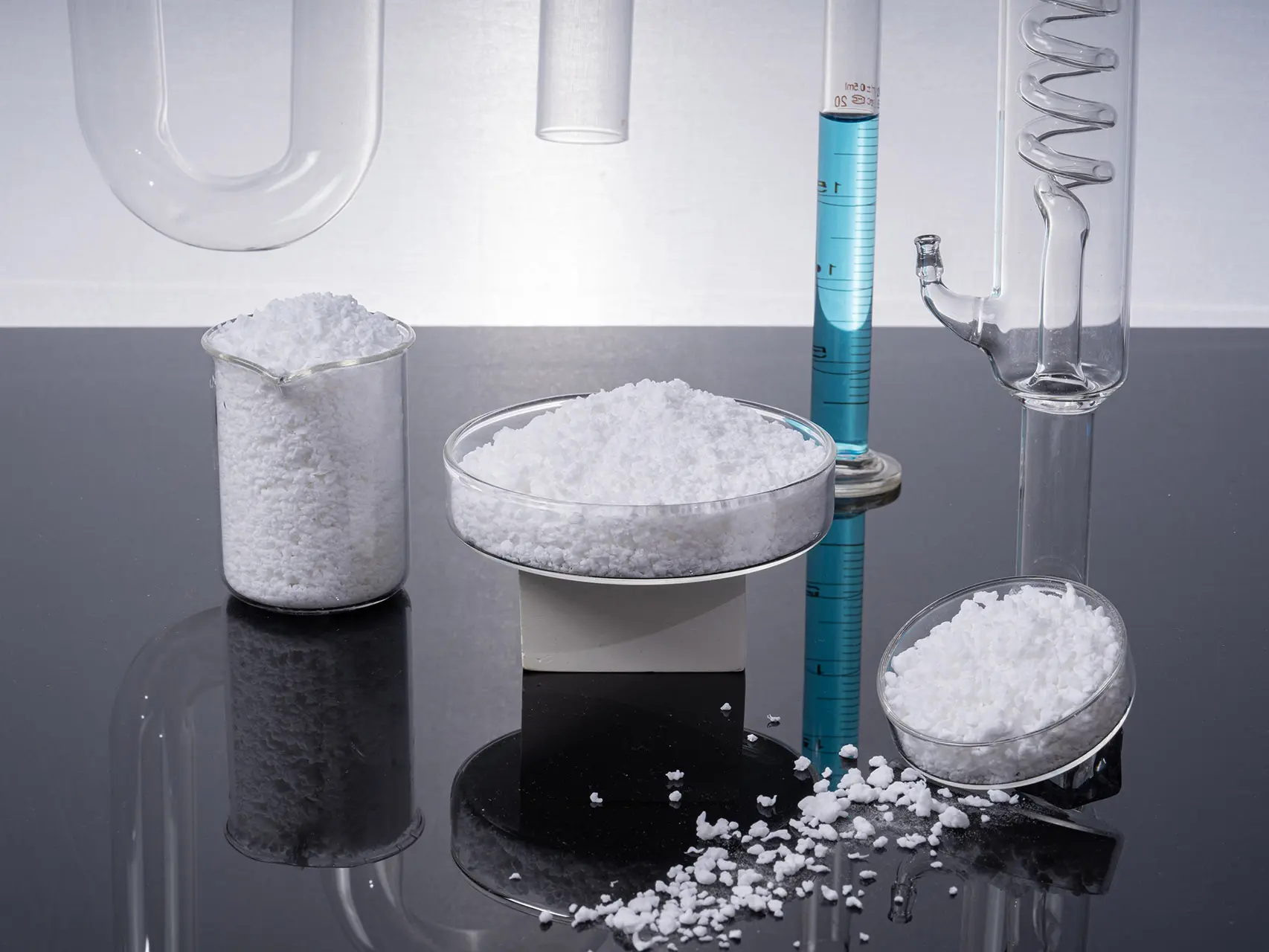
Addressing the technical, logistics, and quality requirements of importing industrial chemicals into West Africa.
For maritime shipments to West African ports, we apply specific stabilization techniques. Our Urea Formaldehyde Resins and moulding compounds are sealed in multi-layered, moisture-resistant PE-lined woven bags. We also customize formulation properties, such as using specialized curing buffers and moisture-control agents, to prevent early-stage crosslinking during transit through humid tropical regions.
Yes. Our resins are formulated to comply with E0, E1, and CARB Phase 2 emission standards. This enables furniture and wood composite producers in Ghana to export finished products to North American and European markets without facing compliance delays.
When stored in cool, ventilated warehouses (under 30°C) and in unopened original packaging, our melamine moulding compound has a shelf life of 6 to 12 months. We advise warehousing compounds off floor levels on pallets and avoiding direct solar exposure to prevent early clumping.
Our dedicated R&D team, in collaboration with the Beijing University of Chemical Technology, designs customized solutions. We can modify properties such as fluidity, cure rate, viscosity, and color matching to suit your production equipment and local environmental conditions.
Our standard terms of payment are Letter of Credit (L/C) or Telegraphic Transfer (T/T). The general MOQ for standard products starts at one 20-foot container (FCL), which allows us to optimize packaging configurations and secure competitive shipping rates for our clients.
Connect with our technical sales team for specialized solutions, pricing quotes, and logistic paths for your manufacturing operations in Ghana.
Send Inquiry Now Runtai