Malaysia's Industrial Transformation & Global Chemical Value Chain Integration
The manufacturing sector in Malaysia is undergoing a significant transition towards high-precision engineering, sustainability, and automated chemical formulations. As the country pushes forward with its New Industrial Master Plan (NIMP), industries such as wood processing in Muar, electrical and electronics (E&E) assembly in Penang, and flexible packaging manufacturing in Johor are actively adopting advanced materials. The demand for thermosetting polymers, specialty defoamers, and amino moulding materials continues to rise, requiring chemical manufacturers to deliver exceptional thermal stability and environmental compatibility.
Strategic Alignment with Malaysian Industry Requirements
Operating in tropical environments presents specific challenges for industrial chemistry. High relative humidity and temperature variations require precise control over curing times, moisture resistance, and shelf-life stability of raw powders. Adhesives like Urea-Formaldehyde (UF) resins, used in structural panel boards, must maintain high cohesive strength without excessive formaldehyde release, aligning with localized E0/E1 emission benchmarks.
Furthermore, Malaysia's robust food packaging industry demands film adhesives with excellent chemical resistance to oils and spices, ensuring laminated barrier structures remain intact. Defoaming agents must also deliver long-lasting air release performance without causing surface defects in paper and pulp production or wastewater processing.
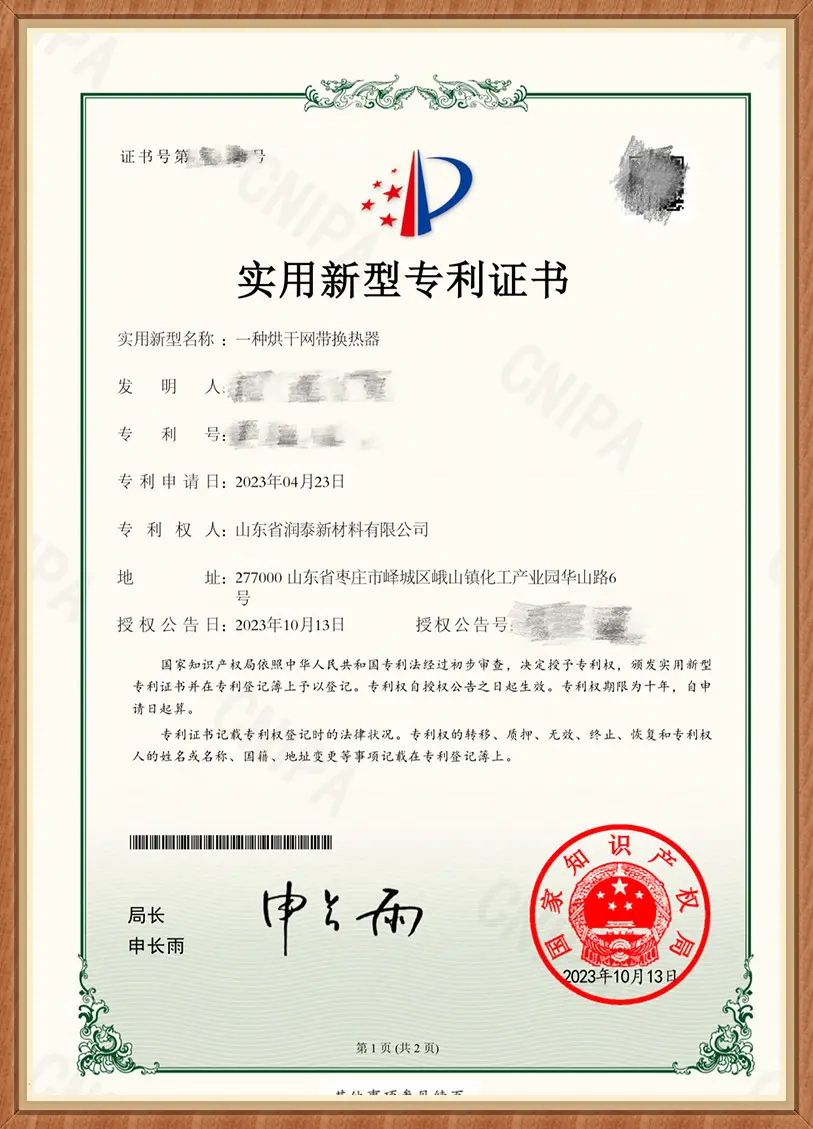
Technical Deep Dive: The Chemistry of Runtai New Materials
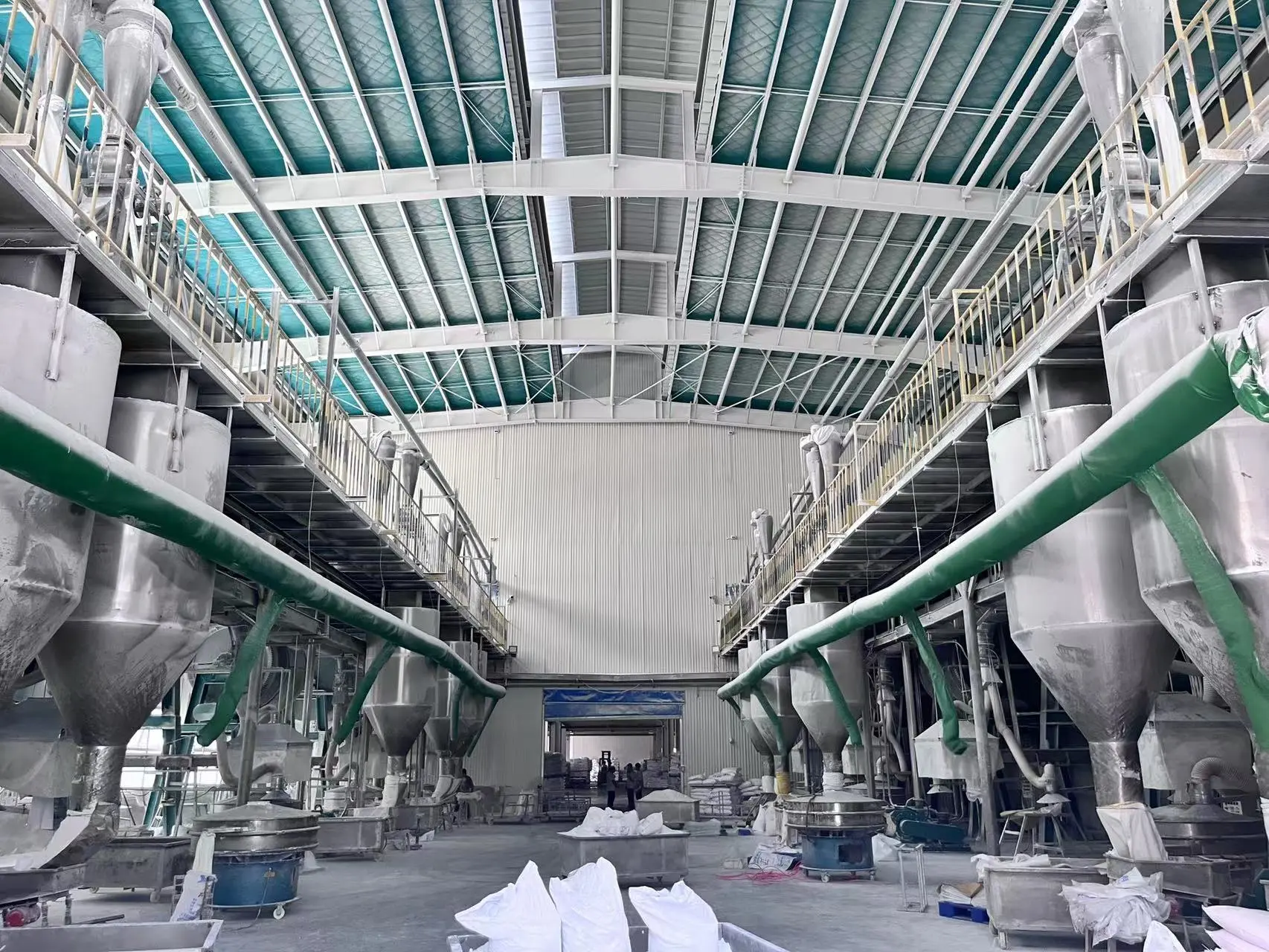
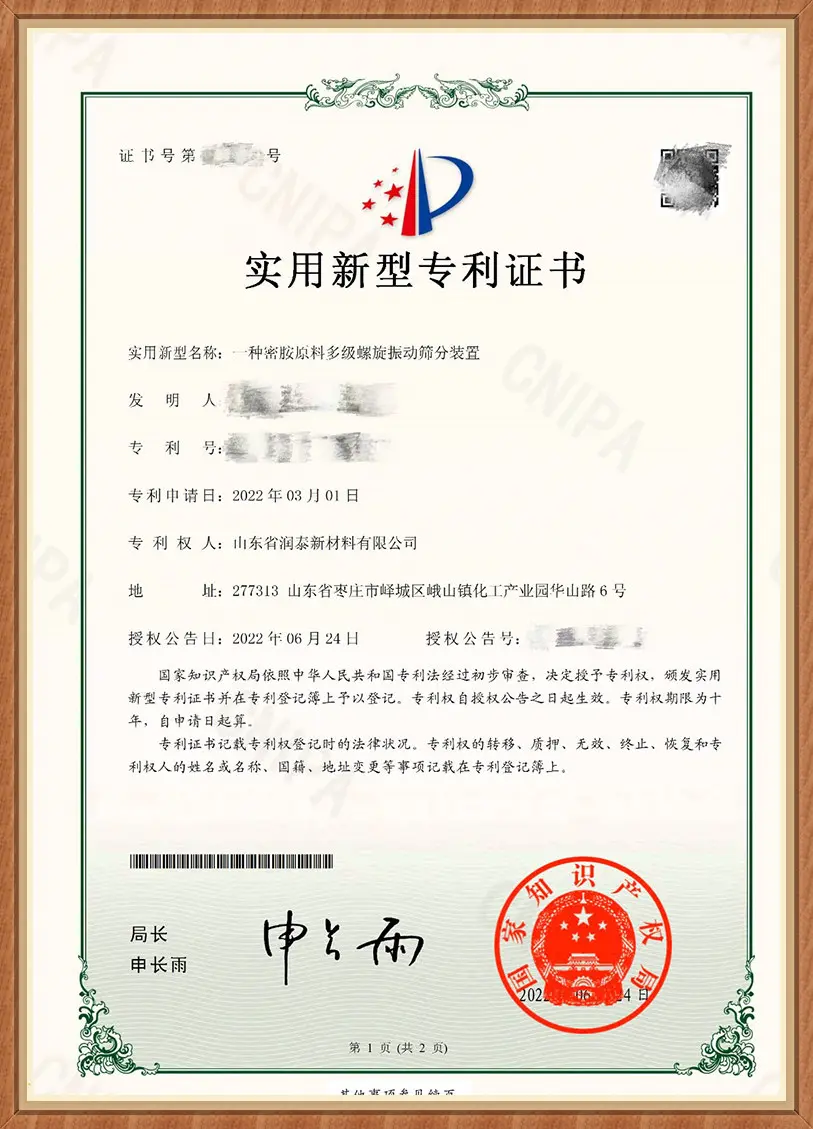
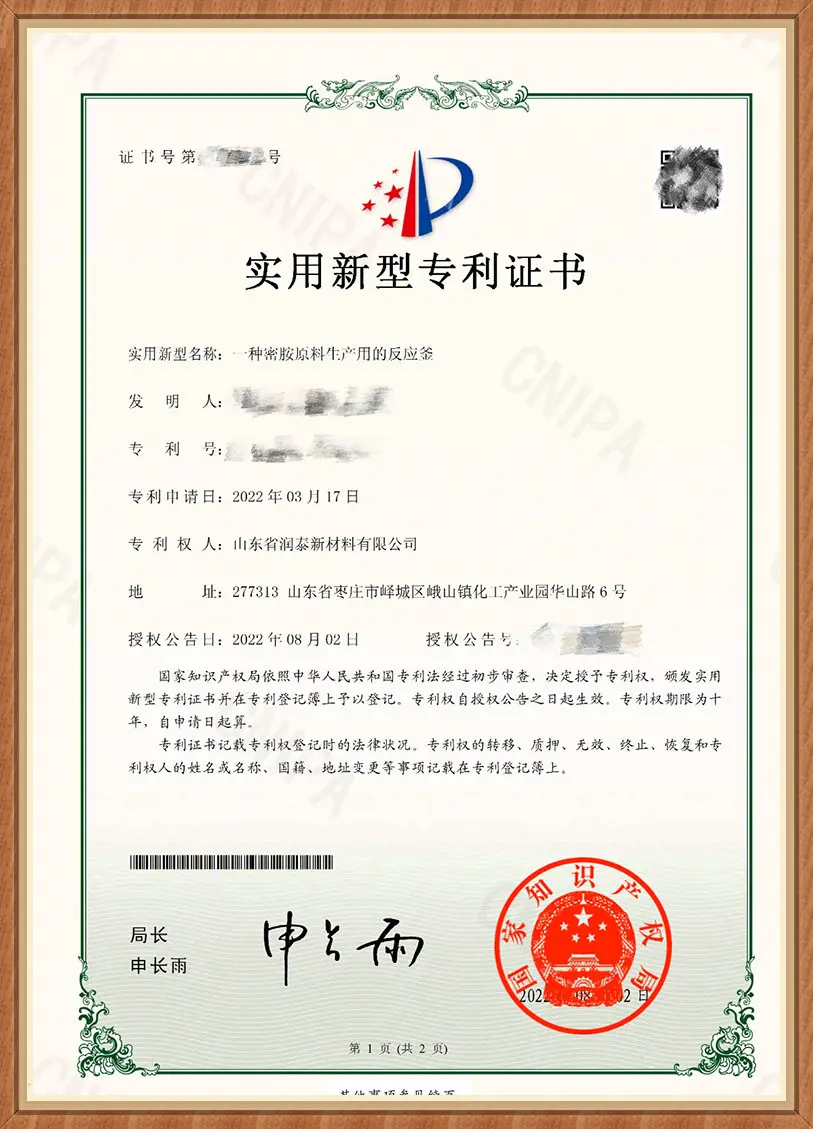
By leveraging partnerships with university laboratories, Shandong Runtai New Materials Co., Ltd. continuously refines the molecular distribution of its amino compounds. Controlling the degree of methylolation during formaldehyde condensation reaction allows us to customize curing temperatures and flow characteristics for Urea Moulding Compounds (UMC) and Melamine Moulding Compounds (MMC). This enables molding factories to optimize cycle times, reduce reject rates, and achieve brilliant, durable finishes that are resistant to cracking and staining.
 Runtai