High-performance industrial chemicals, resins, and defoamers engineered for reliability and compliance in the New South Wales manufacturing cluster.
Sydney is Australia's primary economic hub, with its expansive Western Sydney industrial corridor forming the backbone of advanced manufacturing, construction materials, and commercial packaging in New South Wales (NSW). As infrastructural demands surge across Australia, the local market faces an pressing need for raw materials that balance cost-efficiency, technical precision, and stringent chemical safety standards.
From modern timber millwork and construction-grade board fabrication in the outer suburbs, to consumer-centric tableware production and advanced film packaging units, manufacturers in Sydney require consistent, certified access to bulk chemical agents. Adapting to the strict Australian regulatory framework means local enterprises must secure supply chains that conform directly to local commercial parameters, minimizing lead times while maintaining optimal inventory controls.
Our operations address these modern needs by bridging large-scale raw material synthesis with prompt, targeted distribution. We service industrial precincts from Wetherill Park to Botany, facilitating streamlined pathways for chemical materials, molding compounds, and stabilization additives.
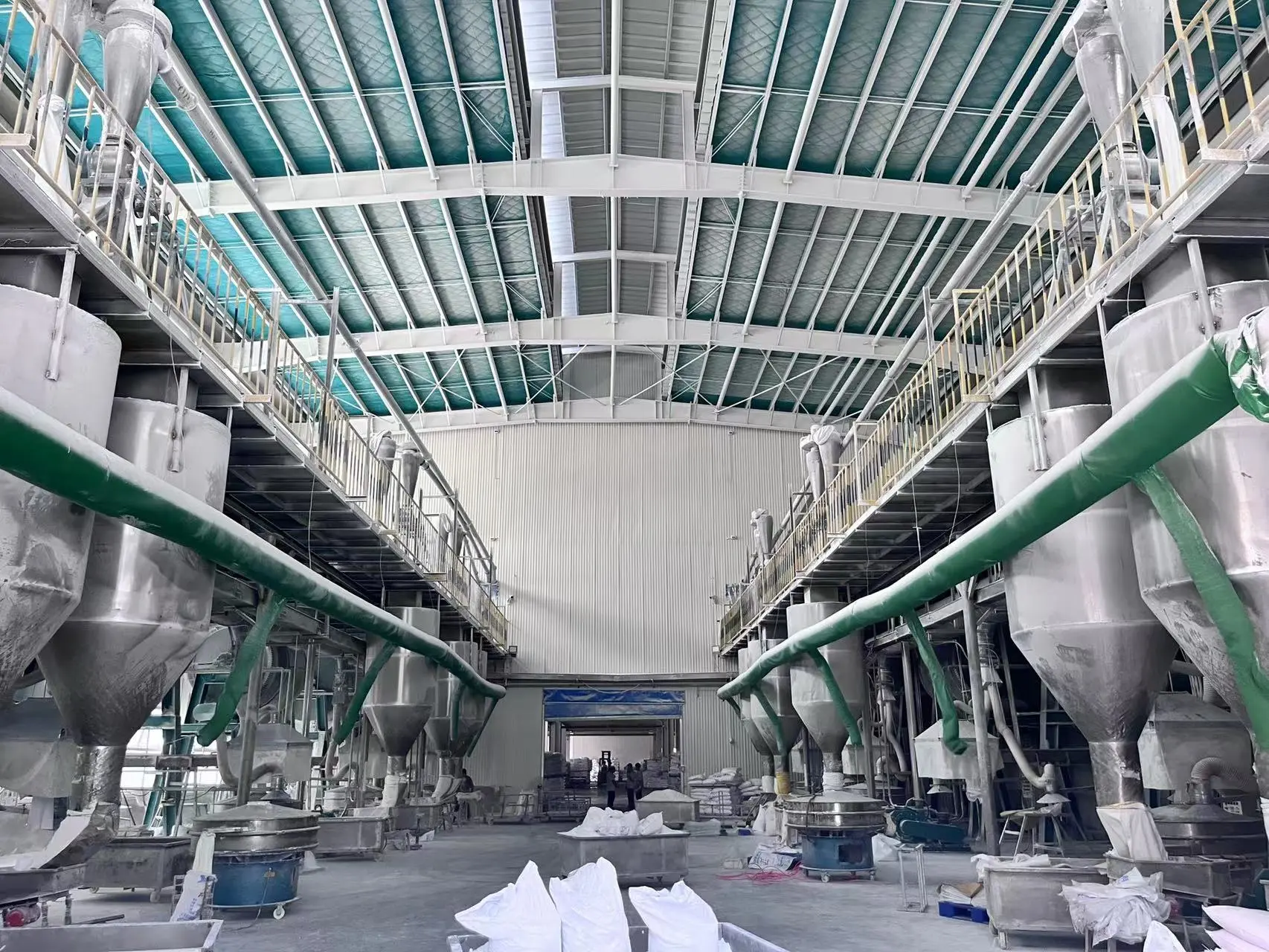
Underpinning our supply capacity is a state-of-the-art chemical manufacturing infrastructure designed to supply international hubs like Sydney with precision materials.
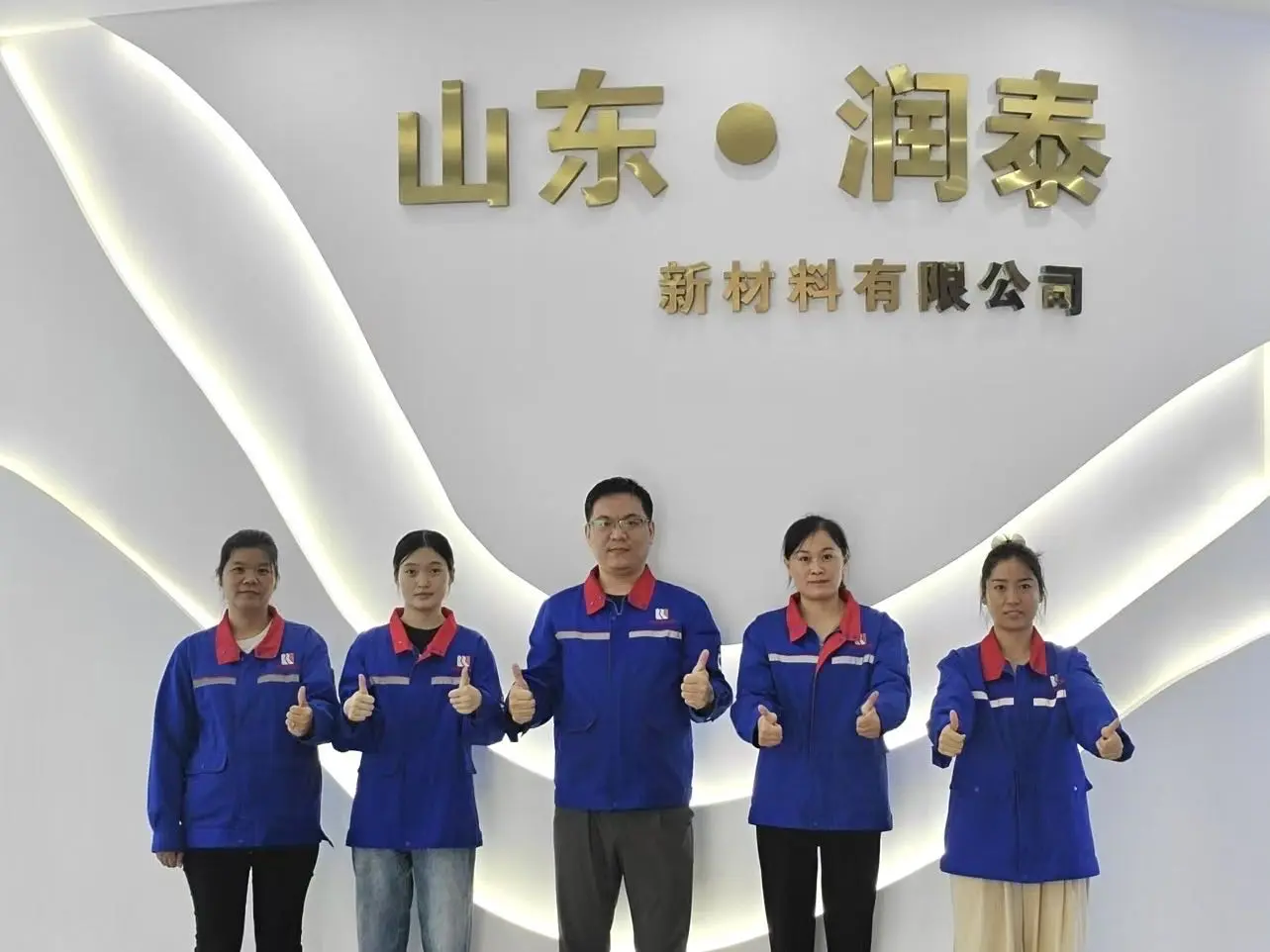
Founded in March 2020, Shandong Runtai New Materials Co., Ltd. has rapidly emerged as a leading integrated manufacturer specializing in fine chemical raw materials and thermosetting polymer resins. Based in Zaozhuang City, Shandong Province, with strategic branches across five major economic regions, our facility spans 270,000 square meters with a total infrastructure investment of 2.06 billion yuan.
We boast an impressive vertical supply model and command approximately an 80% market share within our primary national sectors. By implementing high-tier Distributed Control Systems (DCS), we manage critical process variables automatically, ensuring structural consistency in batch composition. This robust technological standard underpins our export channels to the United States, Thailand, Kenya, Egypt, and now, Australia.
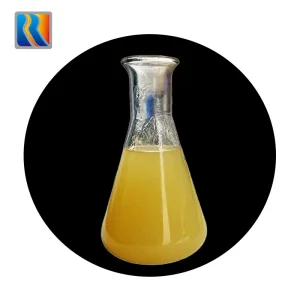
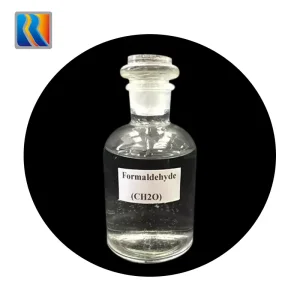
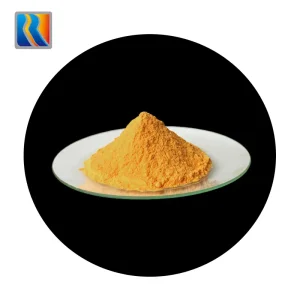
Annual Formaldehyde Output
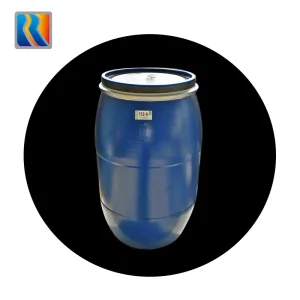
Annual Urea Formaldehyde Resin
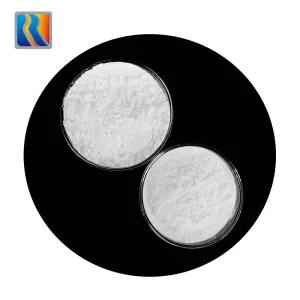
Annual Melamine Production
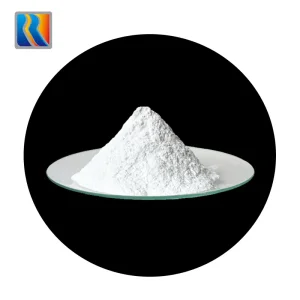
Annual Melamine Glazing Powder
Bringing together cutting-edge academic partnerships, deep engineering capability, and highly reliable logistics structures.
In close collaboration with the Changzhou Research Institute of Beijing University of Chemical Technology, our doctoral research team continuously advances product formulations, focusing on low-VOC, high-stability chemical materials.
Our plants use advanced digital automation systems. Every critical value—from exothermic chemical synthesis temperatures to reaction pressure dynamics—is regulated to ensure reliable quality across production batches.
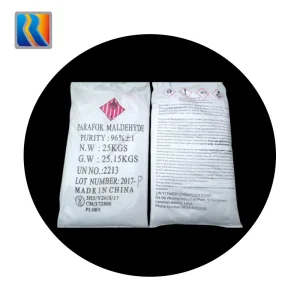
Our manufacturing runs on an optimized, integrated feed structure. By producing formaldehyde in-house as a primary raw material, we protect downstream polymer products (MMC, UMC, Resins) from supply and price volatility.
For Australian buyers, consistency is critical. Our industrial chain allows us to accommodate bulk scale orders and maintain stable chemical parameters across seasons. From dispatching at major Chinese shipping hubs to final container arrival at Port Botany in Sydney, our logistic pathways are optimized for efficiency.
We provide complete material transparency, including standard Certificate of Analysis (COA) documents, Technical Data Sheets (TDS), and safety profiles conforming to GHS guidelines. These systems ensure Sydney manufacturers receive high-purity chemical consignments that align with domestic and international safety standards.
Request Technical Data Sheets
Navigating chemical usage in Australia requires strict adherence to environmental laws and safety codes.
All industrial chemicals imported into Australia must comply with the Australian Industrial Chemicals Introduction Scheme (AICIS). We ensure that our material data sheets match the regulatory requirements, providing chemical identity declarations and environmental data assessments for smooth customs clearance.
Our Urea Formaldehyde and Phenolic resins are formulated to assist manufacturers in meeting low-formaldehyde emission categories (such as E0 and E1 classes under AS/NZS 1859 standards). This guarantees safety in indoor timber paneling, laminated boards, and cabinetry applications.
Recognizing the green manufacturing objectives of Australia, Runtai focuses on production processes that limit byproduct waste. Our ISO 14001 certified plants utilize energy recovery loops and closed-loop scrubbers to minimize our environmental footprint.
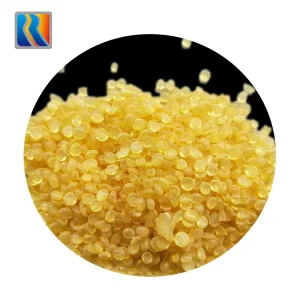
Explore our diverse chemical range, including molding resins, processing additives, and durable surface glazing powders.
We provide specialized product variations to meet various industrial criteria and processing standards.
Understanding supply chain security, market trends, and localized technical criteria.
Modern manufacturing operates on Lean and Just-In-Time (JIT) scheduling. Fluctuations in chemical supplies can stall production lines, leading to significant delays. Direct dispatch systems from our facilities help streamline these delivery channels.
By shipping directly to Port Botany, we minimize multiple storage cycles. Runtai provides robust shipping container preservation and packaging, protecting hygroscopic powders like melamine and glazing resins from high humidity during maritime transport.
The residential and commercial construction sectors in Sydney require high-bond adhesives for particleboard, MDF, and plywood. Our Urea-Formaldehyde (UF) resins are optimized for high reactivity, high shear strength, and low residual emissions.
These formulations help local timber and veneer mills produce panels that meet Australian structural and safety requirements, ensuring durability in internal load-bearing and decorative applications.
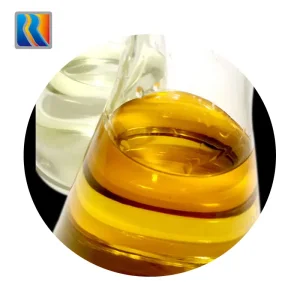
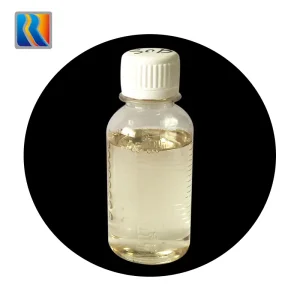
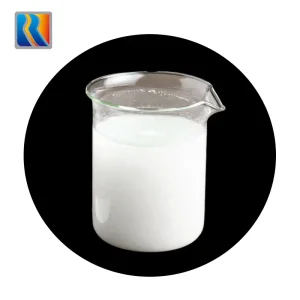
In chemical processing, wastewater management, and coating application, foam build-up can disrupt equipment efficiency and product finish. Runtai's mineral oil defoamers are formulated to offer immediate knockdown and persistent deaeration.
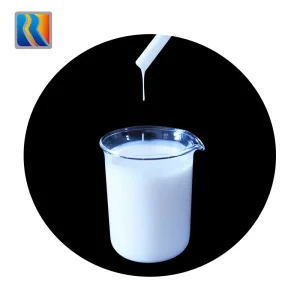
For paint, ink, and ceramic manufacturing plants across Sydney, using stable dispersants and swelling thickeners is key to maintaining proper product viscosity and sedimentation control. Our ammonium salt dispersants are compatible with various latex bases, preventing pigment aggregation and improving final film uniformity.
By utilizing advanced production equipment and research partnerships, we ensure our chemical grades support the technical and environmental requirements of our partners in Sydney.
Essential details on procurement, compliance, and product specifications for buyers in Sydney and Australia.
 Runtai