Engineered for high performance, structural integrity, and manufacturing efficiency across Moroccan industrial ecosystems.
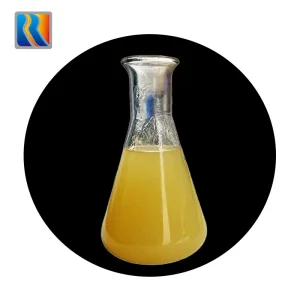
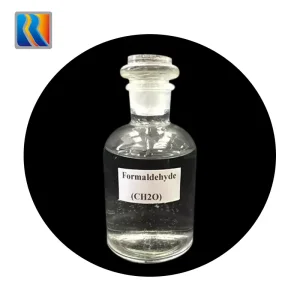
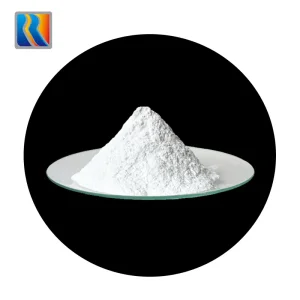
An executive analysis of Morocco's manufacturing acceleration and its reliance on high-grade chemical inputs.
Morocco is rapidly emerging as North Africa's primary industrial powerhouse, driven by strategic geographic positioning, massive logistical infrastructure investments like the Tanger Med Port, and a series of national industrial acceleration plans.
This rapid industrialization has catalyzed a surge in demand for specialized chemical materials. The domestic market is experiencing high-volume consumption of thermosetting plastics, high-strength binders, concrete admixtures, and surface coatings. Specifically, the automotive sector in Tangier and Kenitra, the packaging hubs of Casablanca, and the massive nationwide residential and commercial infrastructure boom require materials that meet stringent European and international performance standards.
Historically, Moroccan manufacturers relied on localized imports from Europe, which often carried high premium costs and lacked batch consistency. Today, strategic supply chains originating from advanced, vertically integrated Chinese facilities like Shandong Runtai New Materials are filling this gap. By offering direct-from-factory logistics, customizable technical grades, and unparalleled volume capacities, Chinese manufacturers are empowering Moroccan enterprises to maintain high margins while complying with strict quality standards.
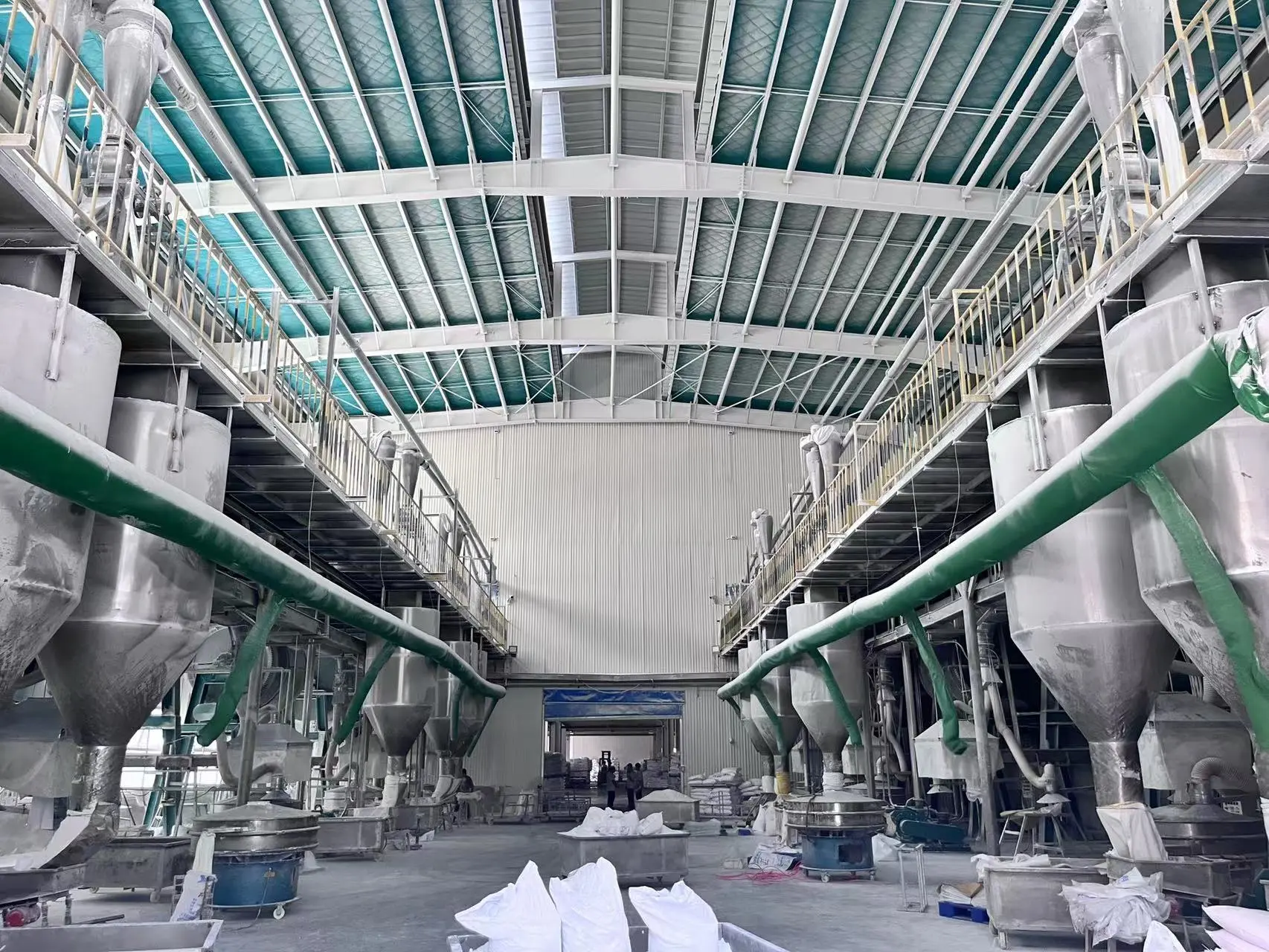
On a global scale, the synthesis of organic chemical intermediates—such as formaldehyde, paraformaldehyde, and subsequent condensation polymers like urea-formaldehyde and melamine resins—is undergoing a consolidation towards high-efficiency, automated production zones. The primary cost drivers for downstream polymers are the raw materials (methanol, urea, and melamine crystals) and energy efficiency. Chinese production hubs, particularly in Shandong Province, benefit from mature industrial clusters where feedstocks are piped directly between chemical installations, minimizing transport costs and thermal energy loss.
Additionally, modern environmental protocols demand zero-emission loops and high-efficiency heat recovery. By implementing state-of-the-art gas-phase oxidation processes and waste heat utilization boilers, Chinese plants achieve a degree of thermal and chemical integration that localized regional facilities simply cannot match. For Moroccan importers, this translates to high-purity chemical components delivered at optimized prices, providing a substantial competitive edge in local markets.
Empowering global supply chains through monumental volume capability and engineering excellence.
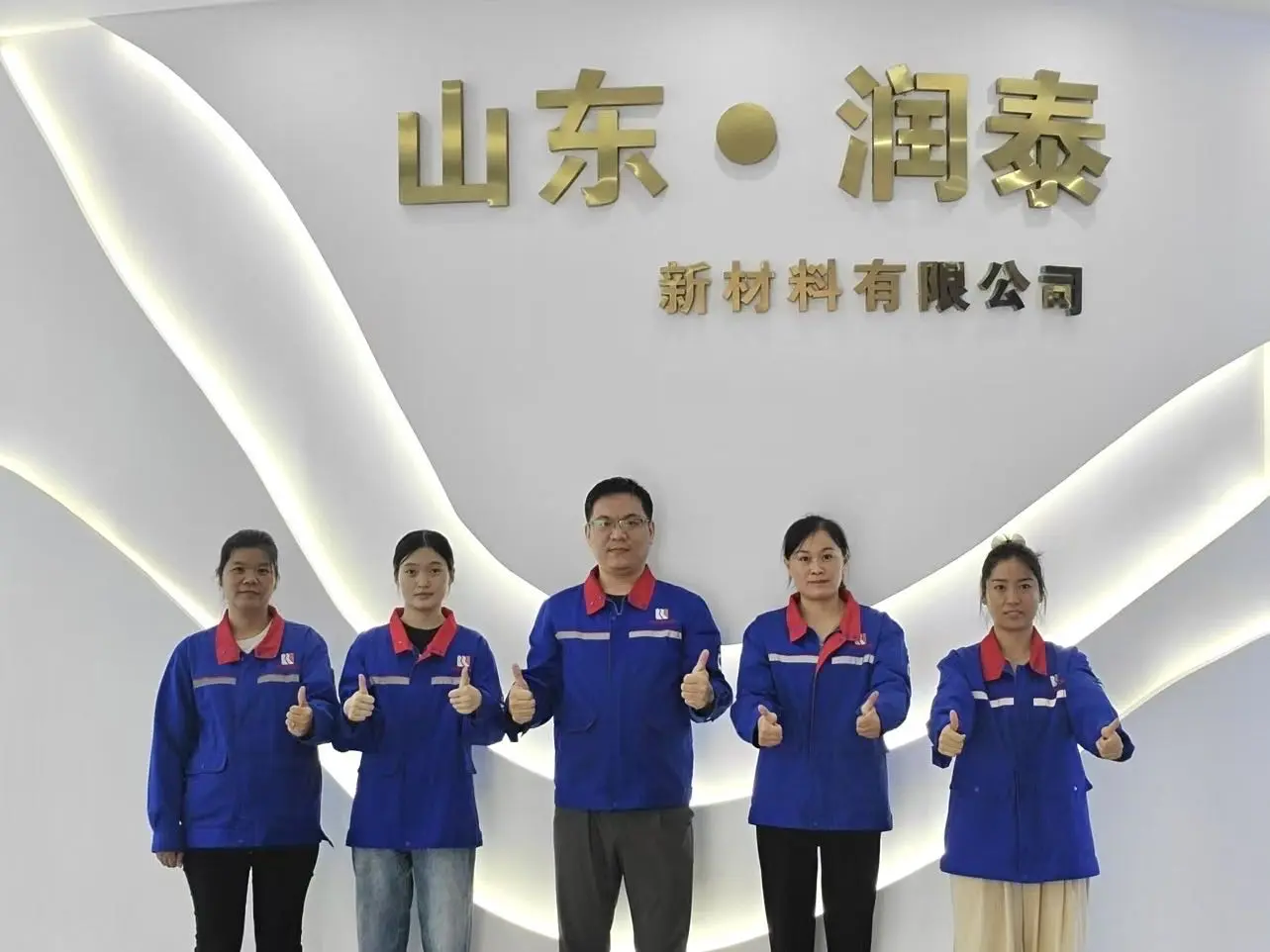
Shandong Runtai New Materials Co., Ltd. spans a massive 270,000 square meters with a total initial investment of 2.06 billion yuan. By integrating upstream formaldehyde syntheses with downstream polymerization processes, we maintain absolute control over chemical purity, consistency, and supply chain reliability.
Scientific rigor, intellectual property, and real-time process monitoring for zero-defect production.
We deploy state-of-the-art Distributed Control Systems (DCS) to monitor real-time pressure, temperature, and reaction kinetics. This ensures high chemical yield and consistent batch-to-batch polymer morphology.
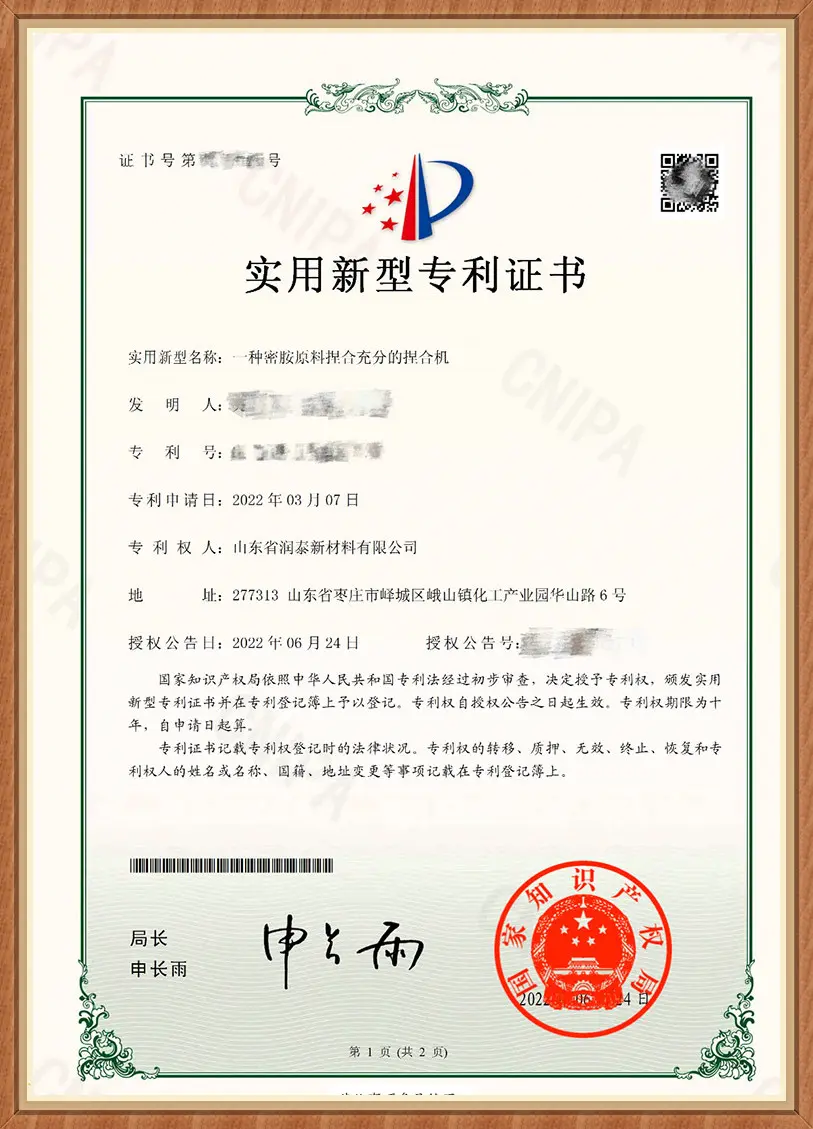
Our collaborative relationship with the Changzhou Research Institute of Beijing University of Chemical Technology fuels a continuous stream of patented innovations and optimization of resin polymer formulations.
Aligned with global net-zero trajectories and Morocco's commitment to sustainable infrastructure, we focus on low-emission synthesis pathways and non-toxic additives, matching strict international mandates.

Direct supply-chain access to high-specification chemical additives, thermosetting polymers, and raw intermediates.
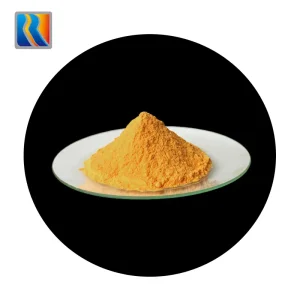
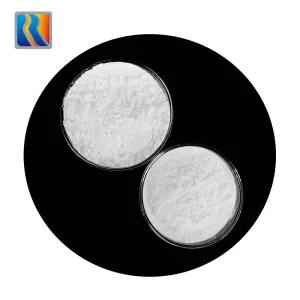
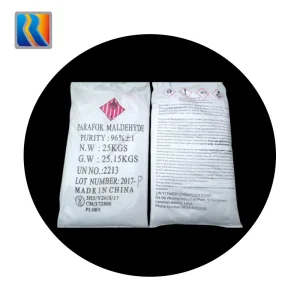
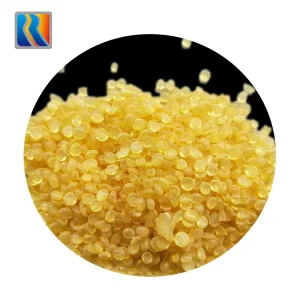
Shandong Runtai New Materials Co., Ltd. — Your trusted global chemical manufacturing partner.
Founded in March 2020, Shandong Runtai New Materials Co., Ltd. has quickly scaled to become a preeminent force in the organic synthesis and polymer industries.
Headquartered in Zaozhuang City, Shandong Province, our industrial installations occupy over 270,000 square meters. We represent an integrated manufacturing cluster featuring continuous chemical pathways. With operations spanning five major domestic hubs and an expansive global trading system, we supply heavy industries across North America, Southeast Asia, East Africa, and North Africa.
By controlling everything from the primary oxidation of methanol into formaldehyde to the fine polymerization of thermosetting moulding compounds, we insulate our global clients from quality variance and material shortages. Our environmental systems are designed to fully satisfy ISO 14001, OHSAS 18001, and ISO 9001 certifications, showing our unwavering commitment to sustainable chemistry.
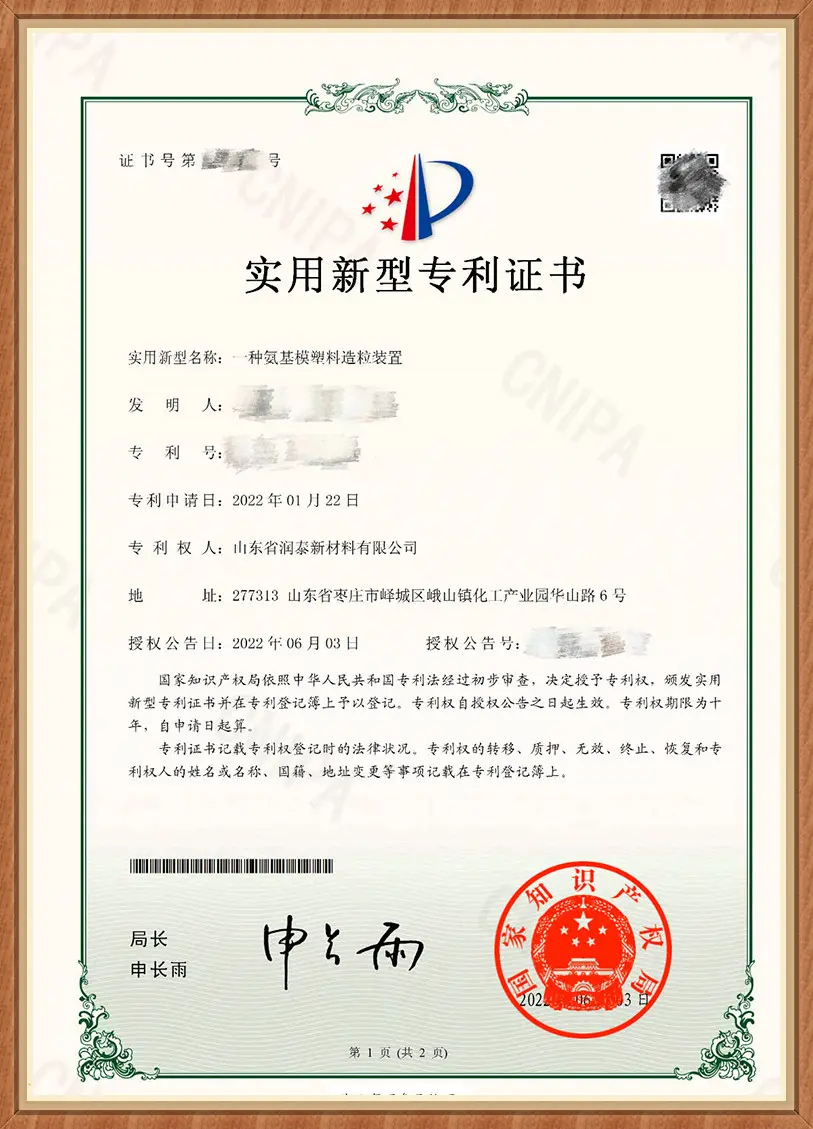
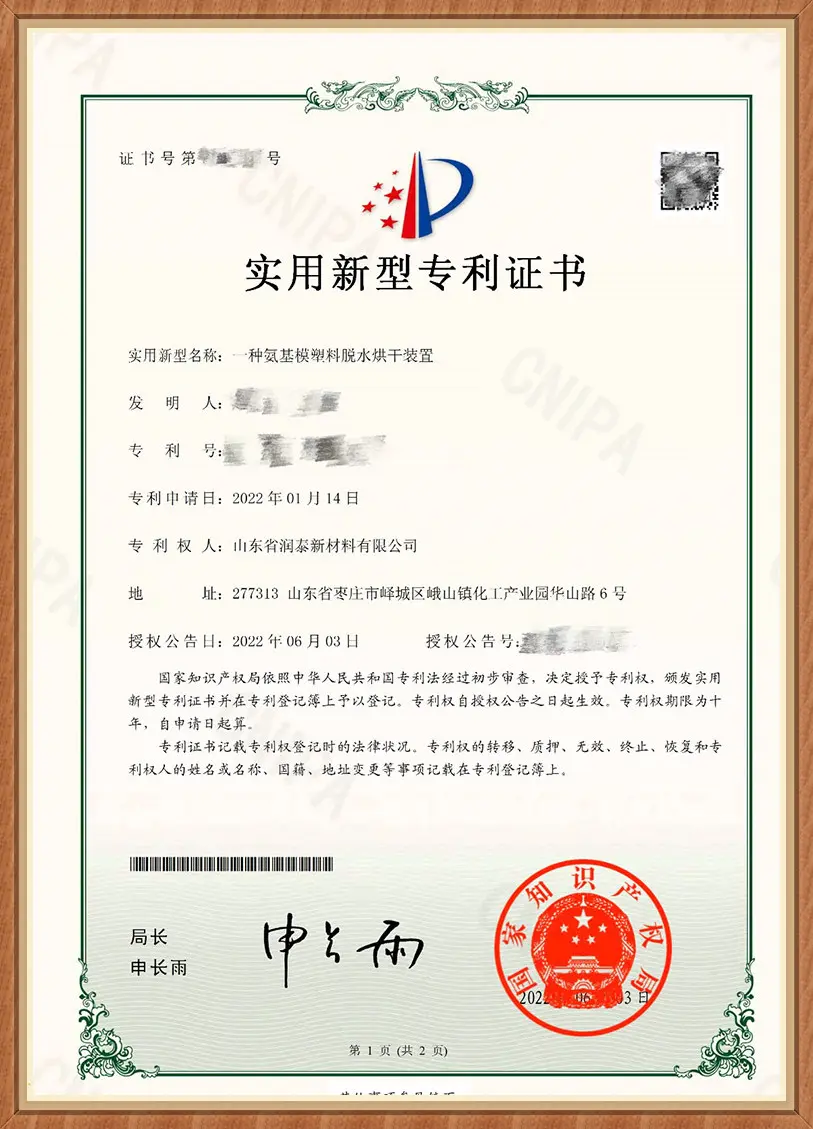
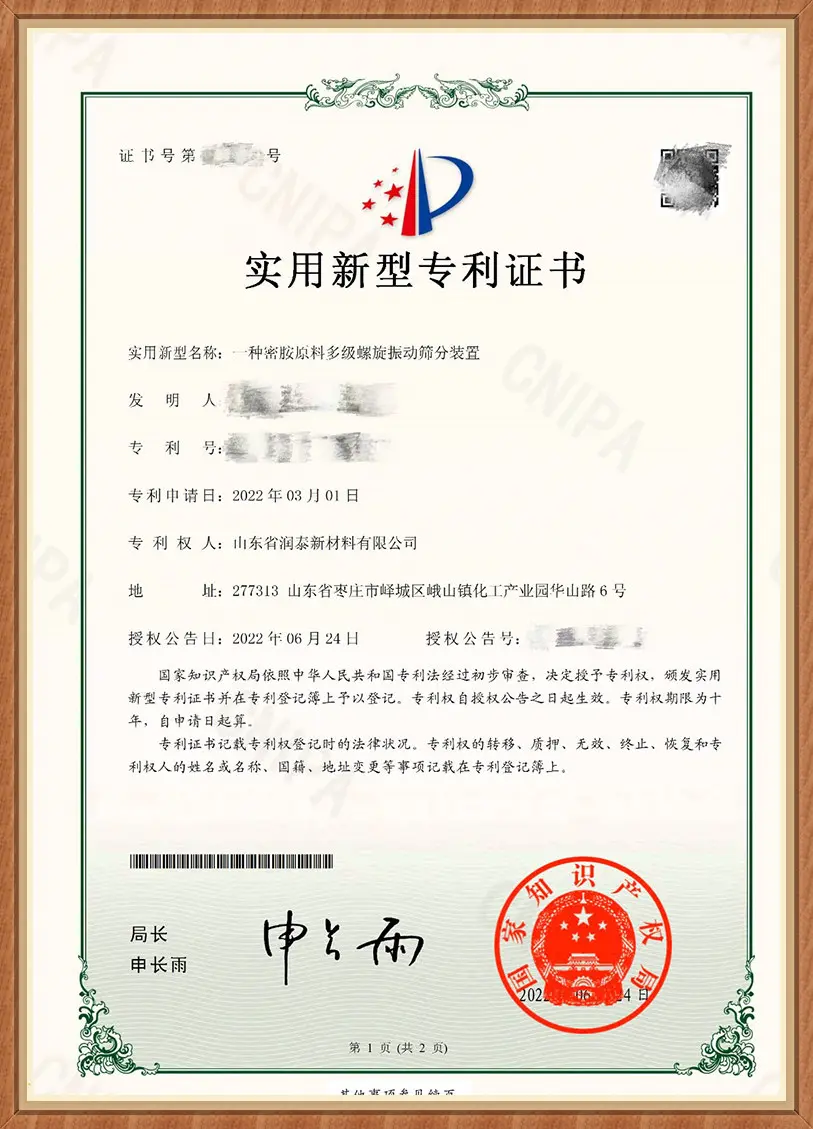
Why leading manufacturing firms choose Shandong Runtai as their strategic primary supplier.
Our production flow begins with basic raw feedstocks. We oxidize methanol to generate formaldehyde, which is directly piped to our resin and moulding compound reaction vessels. By avoiding intermediate transport, cooling, and reheating cycles, we achieve unrivaled thermal efficiency and eliminate structural feedstock price volatility. This ensures stable contract pricing for our long-term Moroccan partners.
Reaction parameters are continuously controlled via modern DCS system networks. This tight control minimizes monomer residues and produces polymers with narrow molecular weight distributions. For downstream molding factories, this means uniform shrinkage, reliable cure times, and zero material wastage during compression cycles.
With heavy-volume export operations routing through major ports like Qingdao, we manage all international shipping protocols, custom declarations, and dry bulk container logistics. We offer customized packaging ranging from moisture-proof multi-ply paper bags to heavy duty 1-ton bulk bags, ensuring materials arrive at Tanger Med or Casablanca Ports in pristine condition.
Our products are meticulously designed to satisfy strict European standards. The formaldehyde emission levels of our Urea Formaldehyde resins consistently meet E1 and E0 classifications. Our melamine tableware powders pass strict FDA and EU food contact testing, allowing Moroccan exporters to access key global consumer markets without restriction.
Crucial commercial, technical, and logistical information for sourcing managers and process engineers.
 Runtai