Selected high-performance polymers and surface chemistry agents designed to align with Nagoya’s automotive engineering and precision manufacturing sectors.
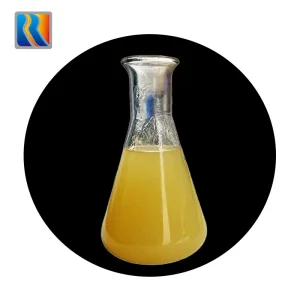
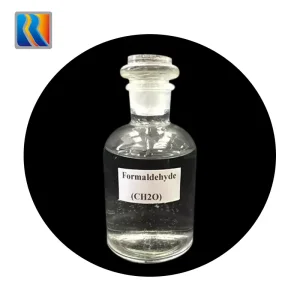
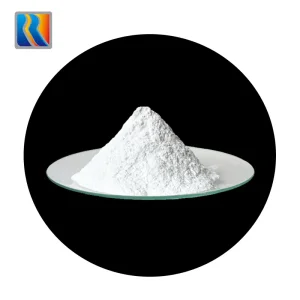
As the epicentre of the Chubu region’s industrial engine, Nagoya, Japan, is globally recognized for its leading-edge automotive, aerospace, and precision machinery clusters. This highly demanding industrial context demands a steady supply of high-purity raw materials. High-stress assembly components, automotive structural sealers, heat-resistant electrical components, and lightweight packaging all trace their quality back to the precise chemistry of their polymer binders, moulding compounds, and additives.
Our company, Shandong Runtai New Materials Co., Ltd., serves this demand by integrating supply lines directly from our Chinese factories to Nagoya’s key manufacturing hubs. Our engineered chemical intermediates, including low-free-formaldehyde resins, robust urea-formaldehyde materials, and high-performance defoamers, provide the precise material standards required by Nagoya's factories.
Melamine and Phenolic moulding compounds optimized for electronic ignition blocks, commutators, and heat-shield housings.
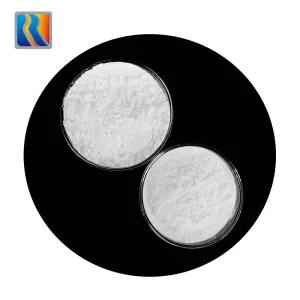
Premium Melamine Glazing Powders that enhance protective surfaces with scratch resistance and low thermal transmission properties.
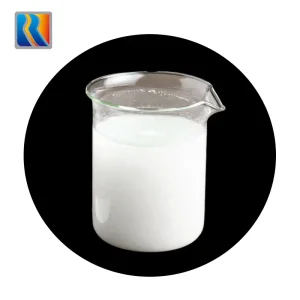
Enhancing coating and adhesive matrices through modern formulation chemistry. These products meet rigorous Japanese industrial standards.
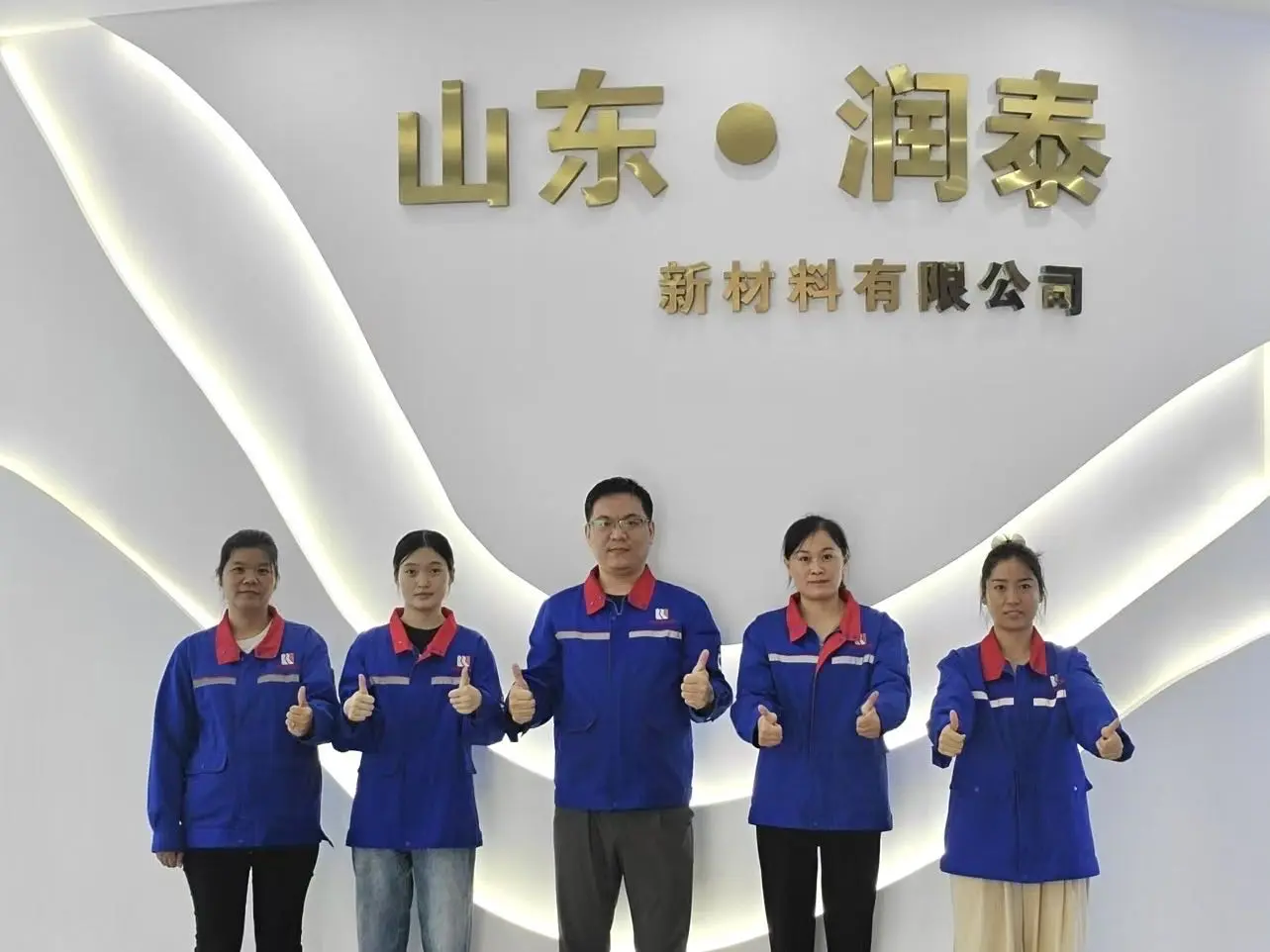
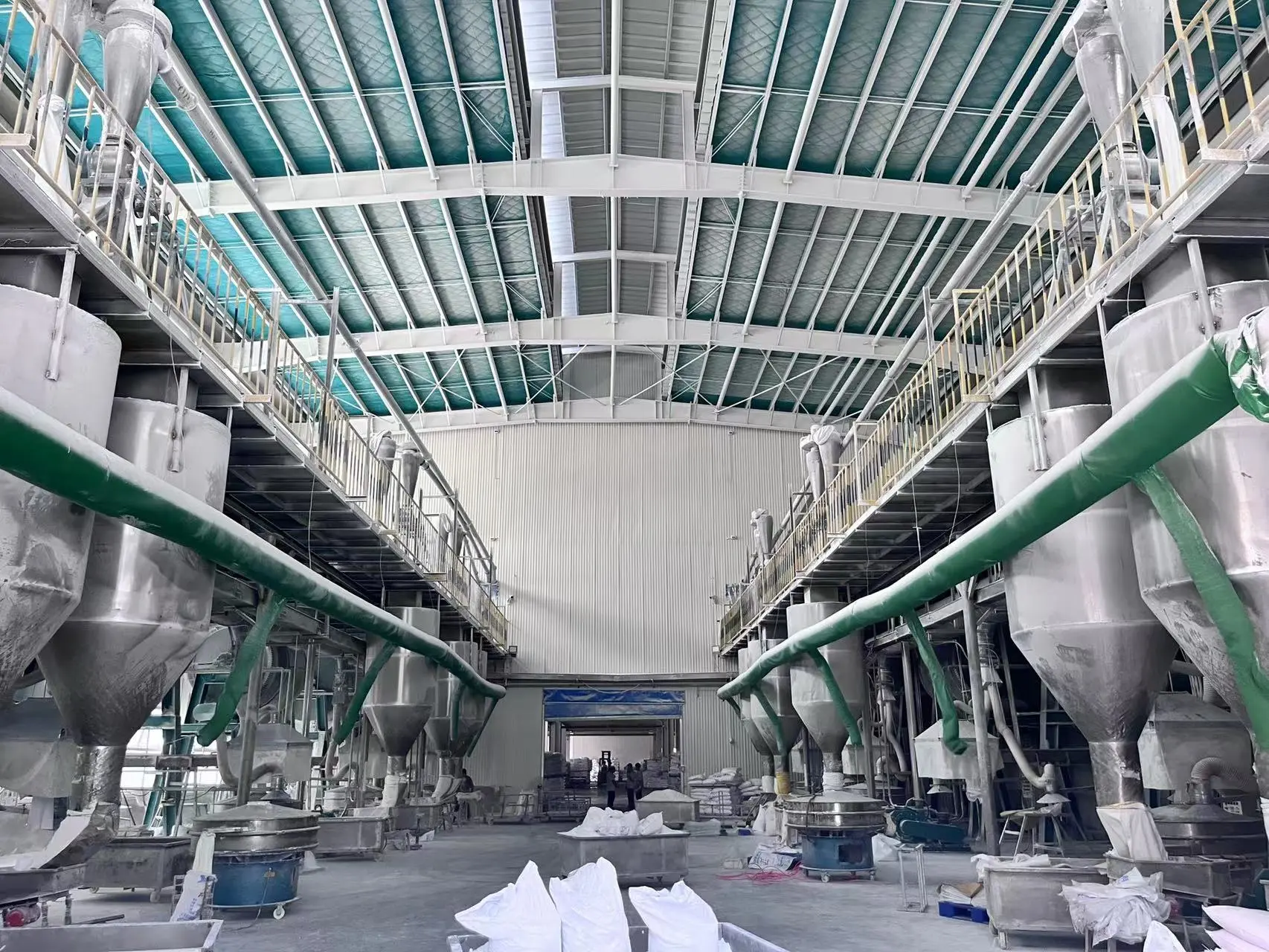
Founded in March 2020, Shandong Runtai New Materials Co., Ltd. is a modern fine chemical enterprise specializing in high-performance polymer materials. Headquartered in Zaozhuang City, Shandong Province, the company spans a total area of 270,000 square meters. Backed by a strategic investment of 2.06 billion yuan, we operate a fully integrated supply chain that ensures stable feedstock access and pricing.
To support high-tech manufacturing globally, our factories leverage advanced Distributed Control Systems (DCS). This allows us to maintain consistent batch quality for high-purity chemical components. With an 80% market share in China, we are expanding our supply footprint to Nagoya, Yokohama, and key European and American markets.
Innovative developments in thermosetting polymer engineering, environmental integration, and automated process control.
In step with strict international standards (such as Japanese F★★★★ and European E0 classifications), our R&D team is refining resin synthesis techniques to lower free formaldehyde levels. By optimizing reaction kinetics and chemical addition stages, we achieve strong bond strength in Urea-Formaldehyde (UF) and Melamine-Urea-Formaldehyde (MUF) mixtures while maintaining low VOC emissions.
By integrating modern DCS architectures, we automate key parameters including temperature cycles, raw material feed rates, and vacuum pressure curves during resin condensation. This degree of automation prevents quality shifts between batches, ensuring that materials shipped to Nagoya consistently meet product specifications.
Partnering with the Changzhou Research Institute of Beijing University of Chemical Technology, our doctoral research team is developing bio-based cross-linkers and water-based additives. Our goal is to reduce environmental impact while maintaining high performance, helping Nagoya's manufacturing sector meet its environmental targets.
Supply chain consistency is critical for high-volume manufacturing. At Shandong Runtai, we maintain stability by integrating raw material sourcing with production. Our proximity to deepwater ports in Shandong Province (such as Qingdao and Rizhao) enables fast container logistics directly to the Port of Nagoya.
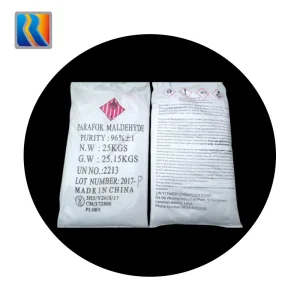
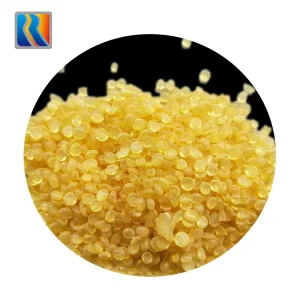
For critical compounds like formaldehyde, paraformaldehyde, and melamine moulding compound (MMC), we offer customized packaging options (including humidity-sealed moisture bags and bulk containers) to protect materials during transit and storage.
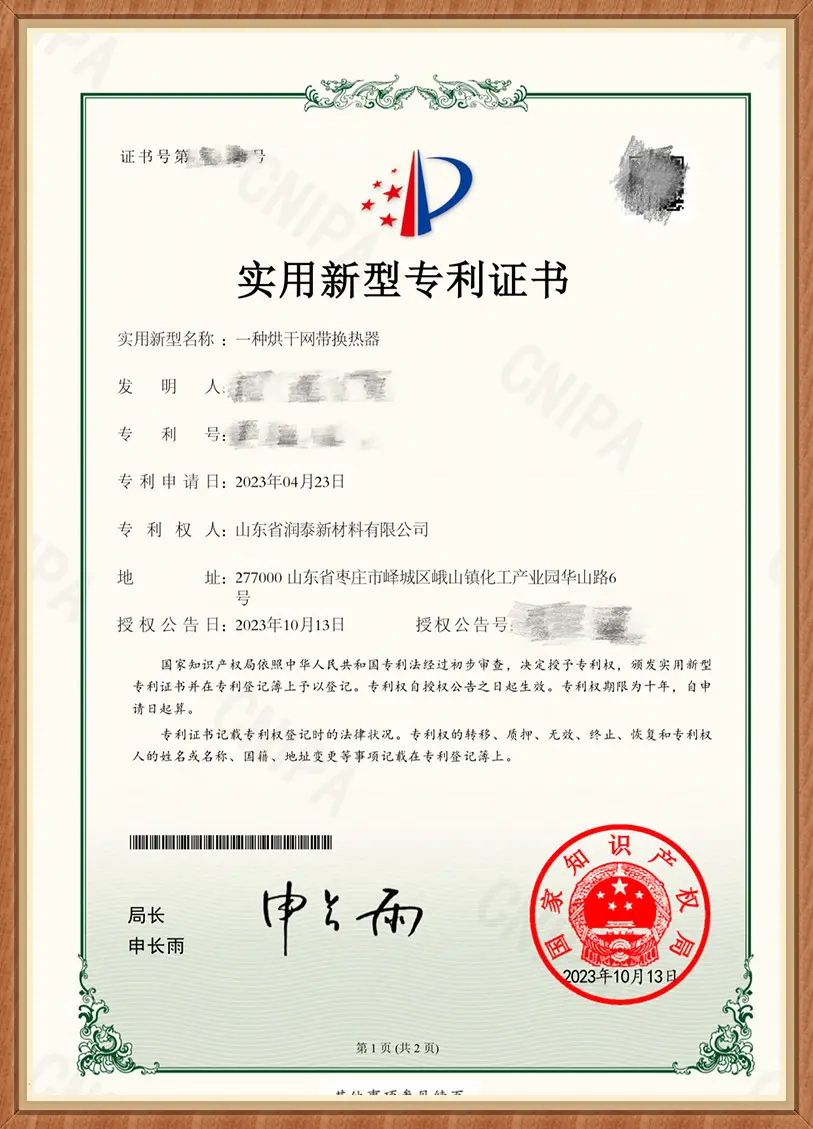
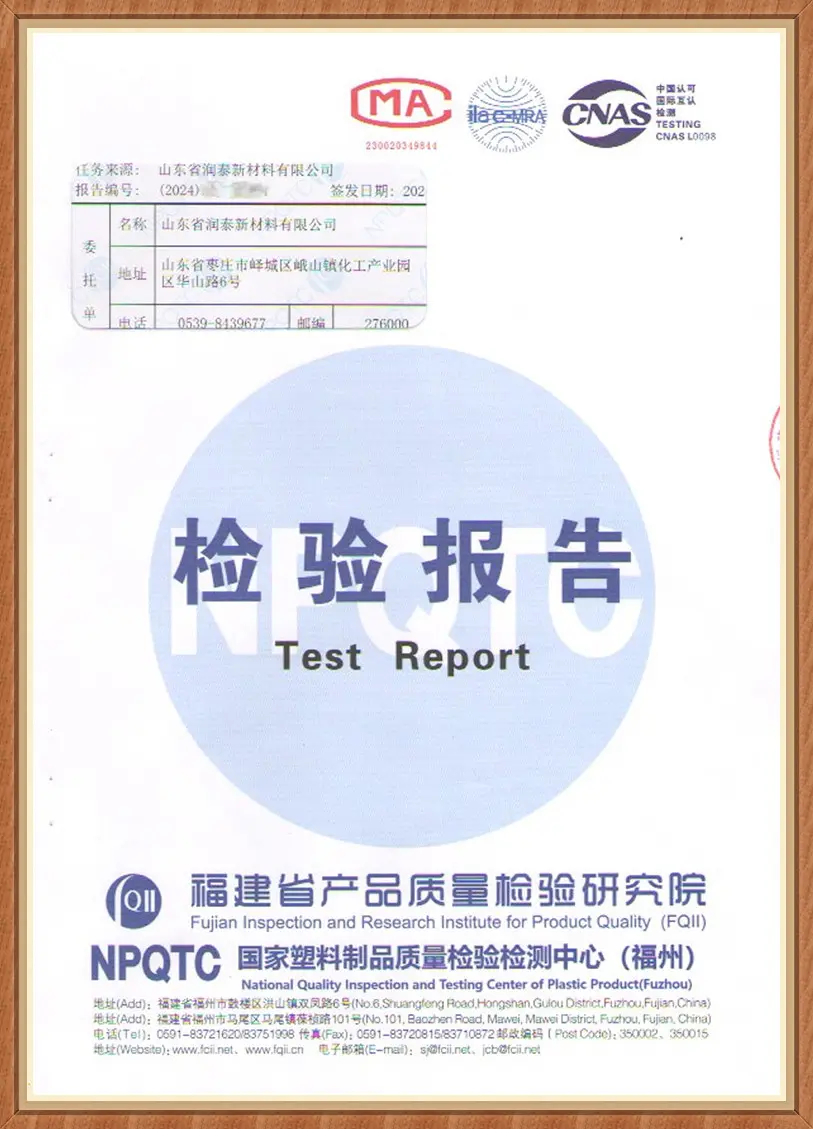
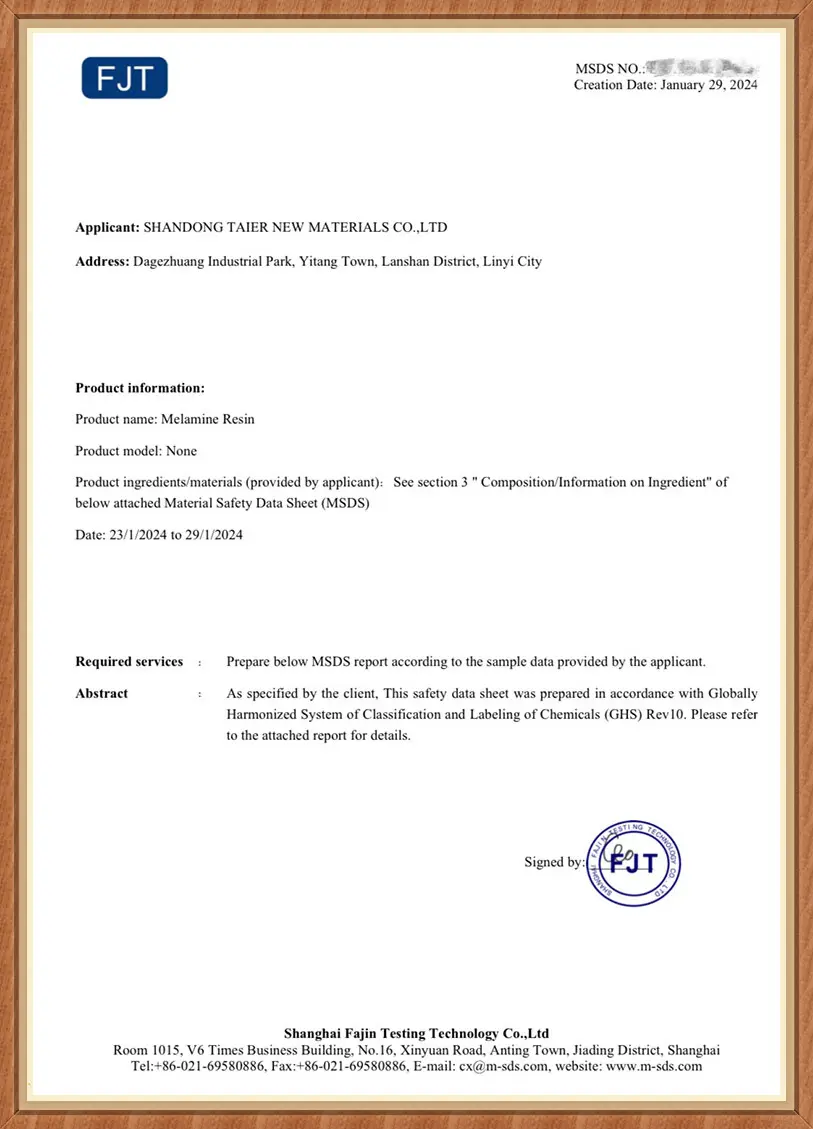
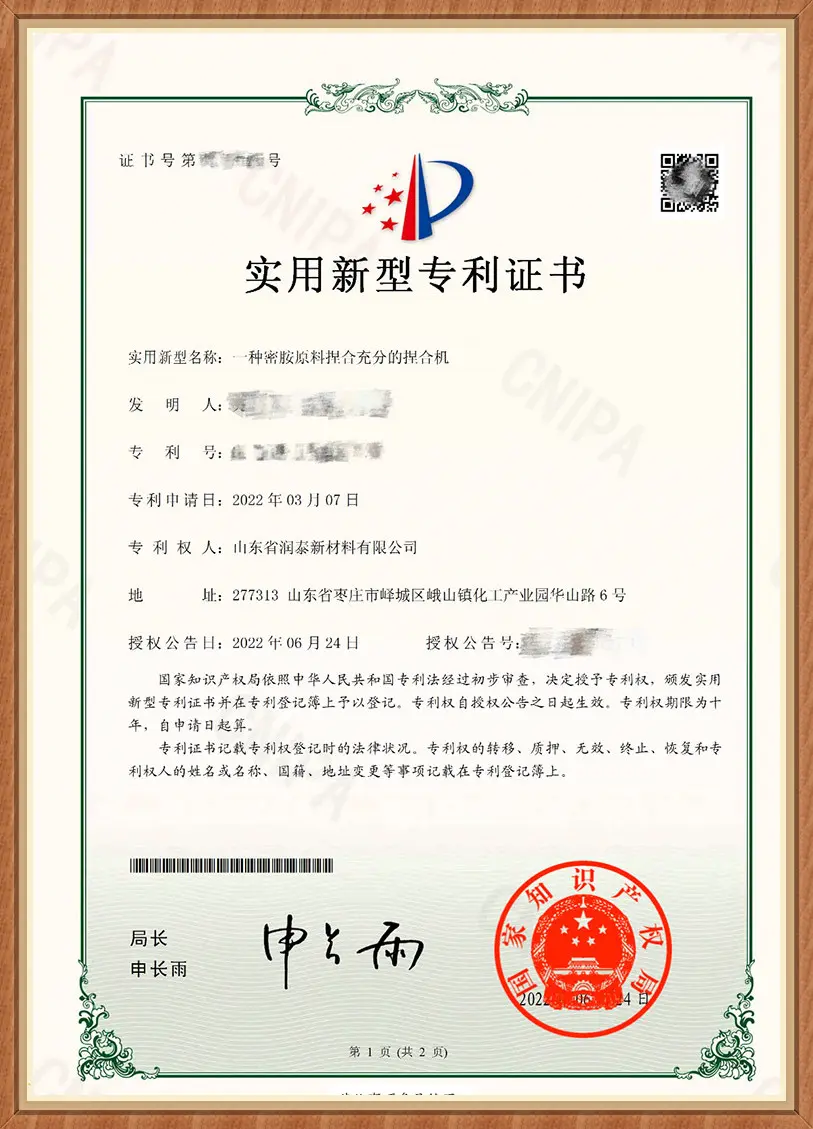

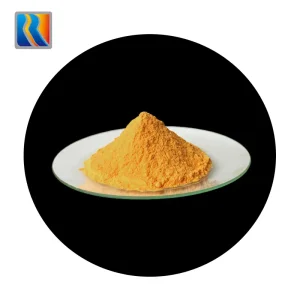
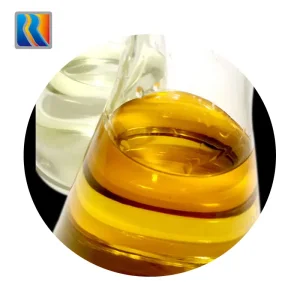
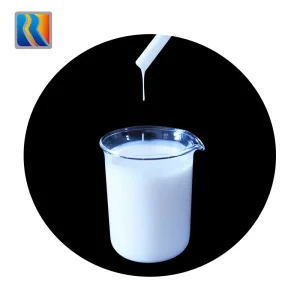
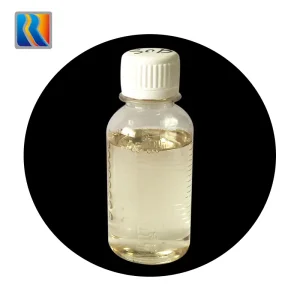
Browse our complete list of technical compounds and additives engineered to improve surface hardness, dispersion stability, and resin cure times.
Get answers to common technical, logistics, and compliance questions about importing fine chemicals to Japan.
We supply Urea-Formaldehyde (UF) resins with low free formaldehyde content. This helps Japanese buyers meet standard emission limits, such as F★★★★ ratings. We control chemical ratios during processing and use formaldehyde scavengers to reduce emissions while maintaining bond strength.
Our Distributed Control System (DCS) continuously monitors temperature, pH, pressure, and dosing speed in real time. Automating these variables keeps the polymer structure uniform from batch to batch, reducing variation for manufacturing processes in Nagoya.
For compression moulding, our MMC processes best between 140°C and 165°C, with pressures of 15 to 35 MPa. We can adjust the flowability, curing speed, and shrinkage rate of our formulations to match the tooling and cycle time requirements of your factory.
Direct shipping from major ports in Shandong (such as Qingdao) to the Port of Nagoya typically takes 3 to 5 days, depending on carrier schedules. We handle export documentation, customs clearance support, and ship-to-store logistics for buyers in the Chubu region.
Request technical datasheets, request material samples, or coordinate trial runs with our engineering team today.
 Runtai