Deploying advanced chemical technologies designed to meet the rigorous ambient operational thresholds of Kuwait's industrial sector.
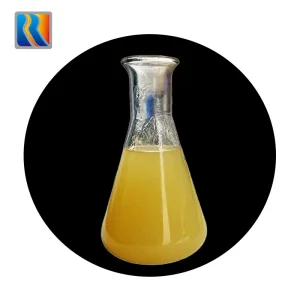
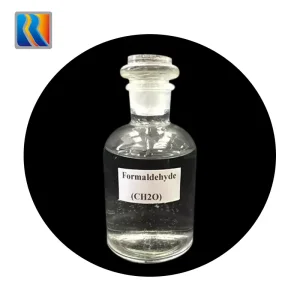
Under the comprehensive economic framework of the Kuwait Vision 2035 (New Kuwait), the government is executing extensive infrastructural, urbanization, and domestic manufacturing programs to diversify away from absolute hydrocarbon dependency. This structural shift necessitates a massive import of high-performance polymer precursors, binding systems, and processing chemicals. The GCC industrial zone requires materials engineered to withstand intense operational parameters: extreme seasonal temperatures fluctuating above 50°C, direct UV exposure, and specific demands for non-combustible building materials.
High-performance melamine moulding compounds, urea moulding compounds, and formaldehyde-derived resin complexes constitute the backbone of modern consumer tableware fabrication, high-voltage electrical apparatus housings, and high-strength construction laminates. In parallel, water conservation and high-efficiency concrete formulations in Kuwaiti civil works rely heavily on advanced dispersing agents, water-based additives, and specialty silicone-free mineral oil defoamers that function reliably under prolonged shear stresses and high temperatures.
For global buyers and regional procurement managers operating within Shuwaikh, Shuaiba, or the Subiya industrial districts, establishing a verified direct supply route from a massive scale manufacturer like Shandong Runtai New Materials is a critical risk mitigation strategy. It guarantees continuous access to specialized chemicals formulated in compliance with international and local Kuwait standards.
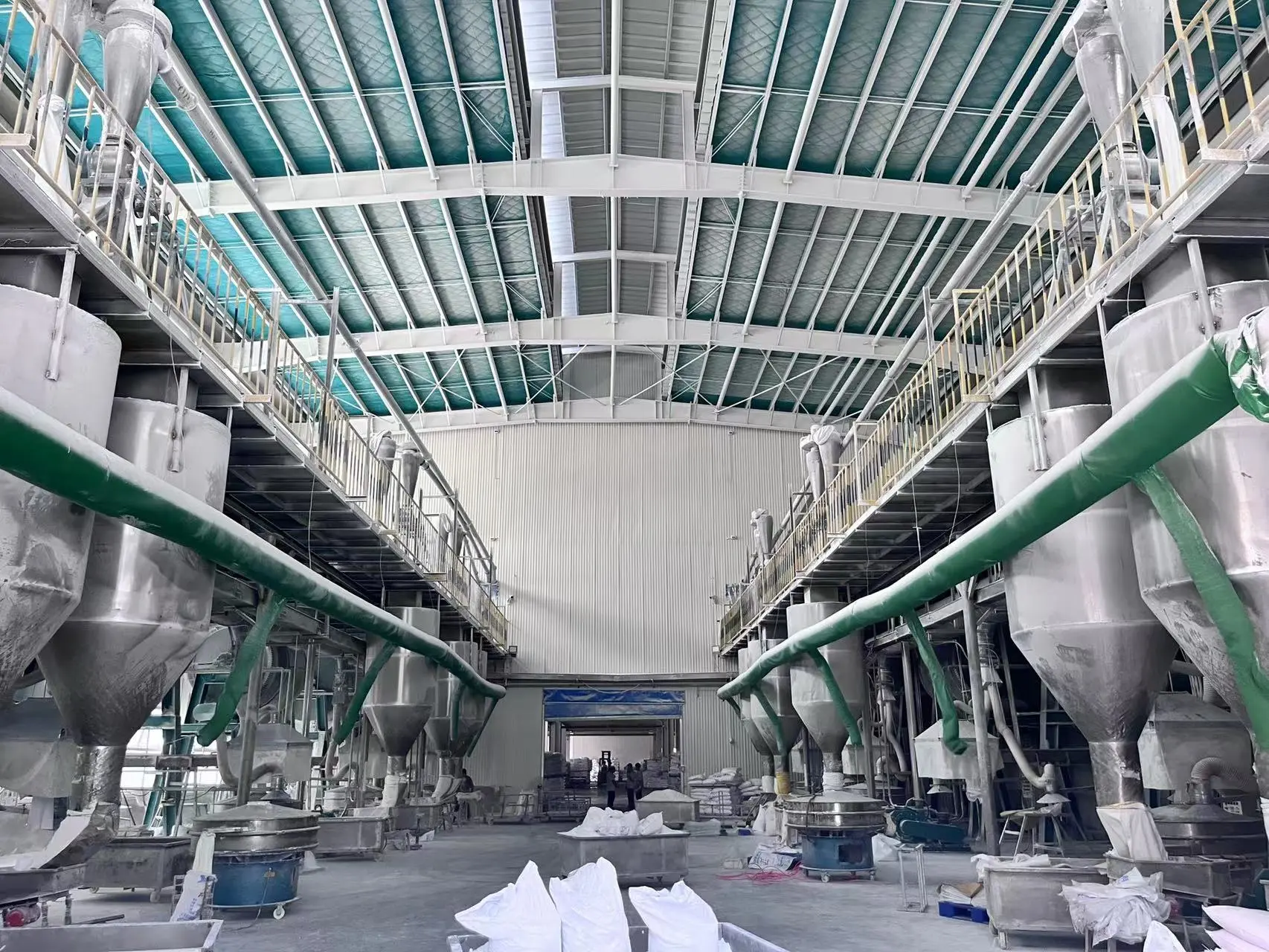
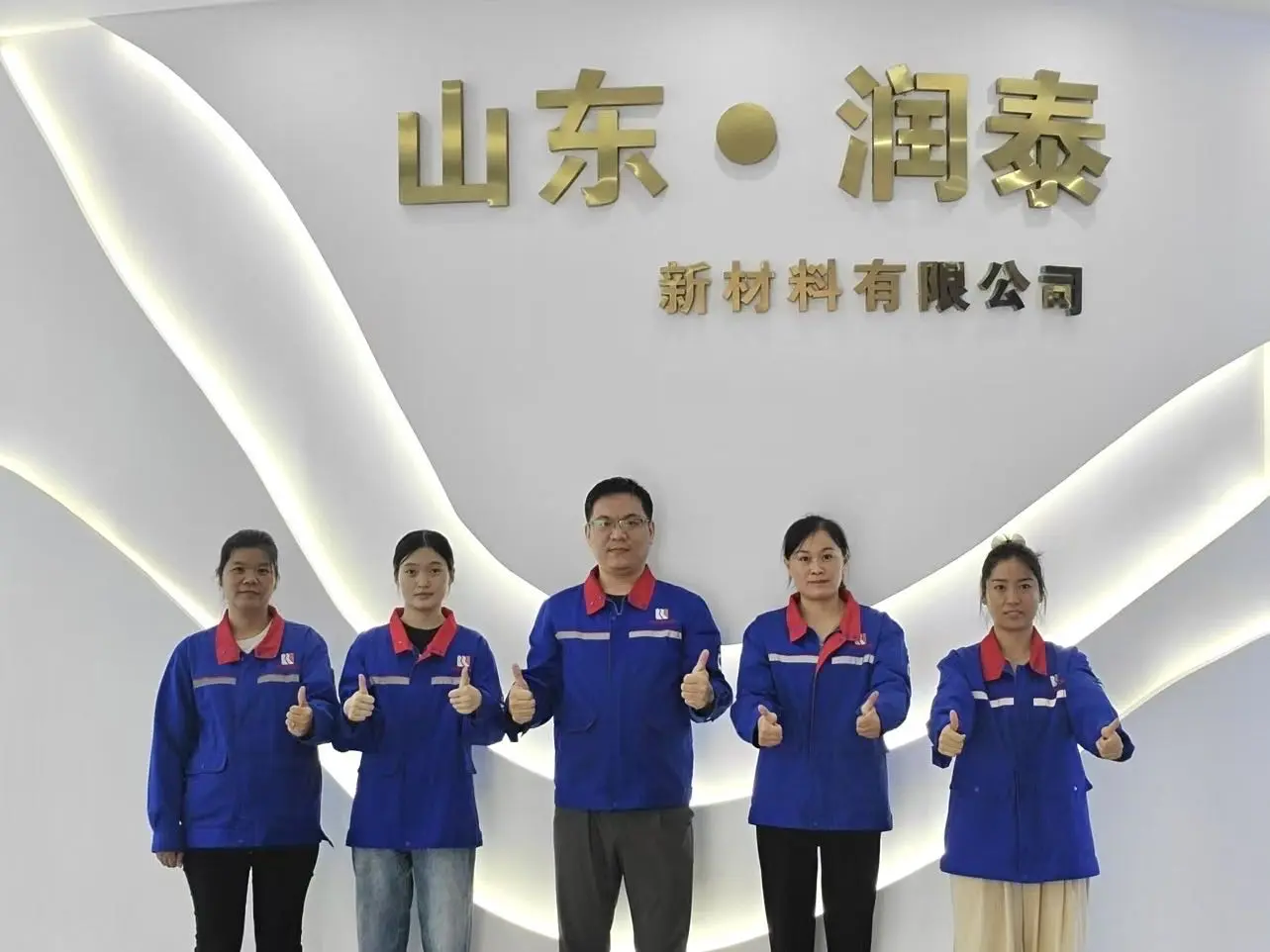
Founded in March 2020, Shandong Runtai New Materials Co., Ltd. (headquartered in Zaozhuang City, Shandong Province) has established a sprawling 270,000 square meter ultra-modern chemical manufacturing base. Backed by a total capital investment of 2.06 Billion Yuan, we operate state-of-the-art automated chemical production lines capable of supporting the high-volume procurement programs of national scale factories across the Middle East.
Developing new materials that perform well in the harsh climate of Kuwait requires a deep understanding of thermosetting chemistry and macromolecular structure.
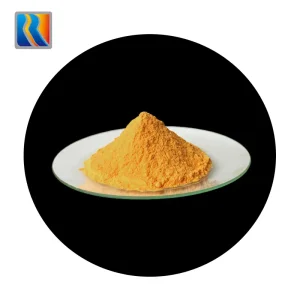
Our high-grade Melamine Moulding Compounds are composed of melamine-formaldehyde resins reinforced with high-grade alpha-cellulose filler. MMC is inherently flame retardant, exhibits exceptional surface hardness, and maintains structural integrity up to continuous service temperatures of 130°C. For factories in Kuwait manufacturing electrical switches, high-load circuit breakers, or premium hotelware, the density and chemical resistance of MMC make it the premium choice. The application of Melamine Glazing Powder on the molded surface yields an impermeable, glass-like finish that prevents staining and moisture absorption—critical metrics for the hospitality sector in the GCC.
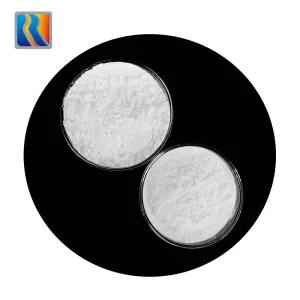
Urea Moulding Compound (UMC), synthesized via the condensation polymerization of urea and formaldehyde, provides an economical alternative for internal components, household sockets, and sanitary fittings where extreme heat exposure is not expected. UMC features excellent dielectric strength and arc resistance, protecting components against electrical failures in humid, coastal environments.
Urea Formaldehyde (UF) and Phenolic Resins serve as high-strength adhesives and matrix systems for construction. Phenolic resins excel in applications requiring extreme thermal resistance and structural loads, such as marine plywood, exterior cladding panels, and acoustic insulation.
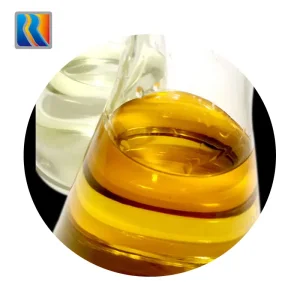
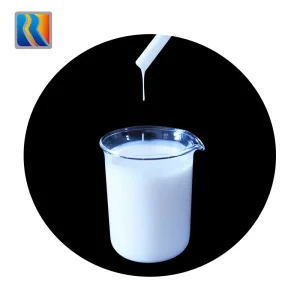
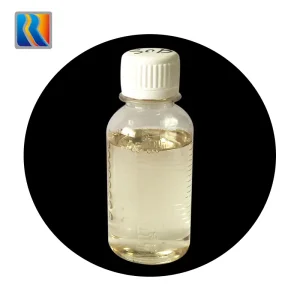
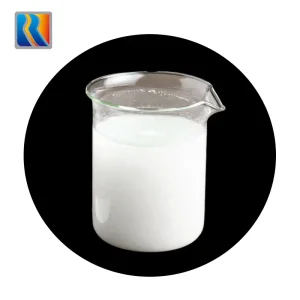
Specialty processing additives, including Acrylic Acid-Based Swelling Thickeners, Ammonium Salt Dispersants, and Mineral Oil Defoamers, control formulation rheology and air-entrainment. These products are crucial for building materials, protective coatings, and industrial wastewater treatment systems, ensuring trouble-free processing even in warm desert conditions.

Runtai New Materials integrates automated production with strict process control parameters. Our facility is equipped with a modern Distributed Control System (DCS) to monitor every phase of synthesis. This reduces consumption of raw materials while ensuring consistent quality across batches.
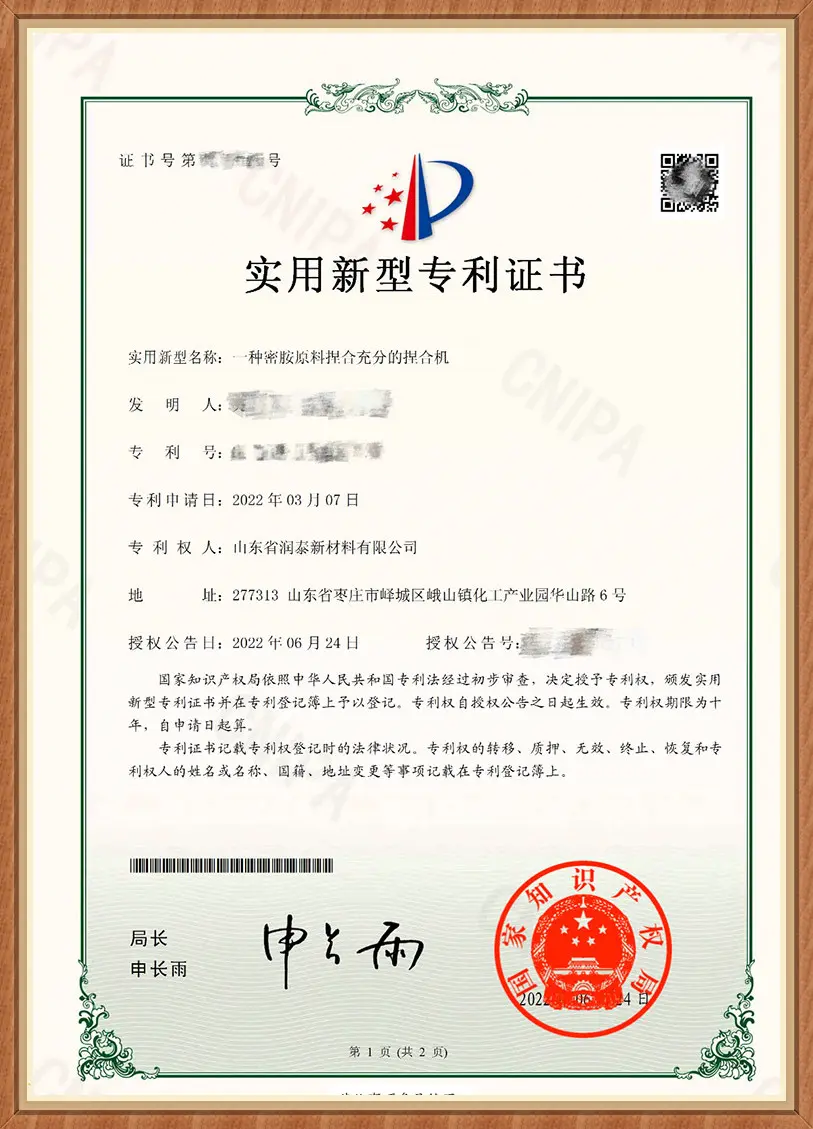
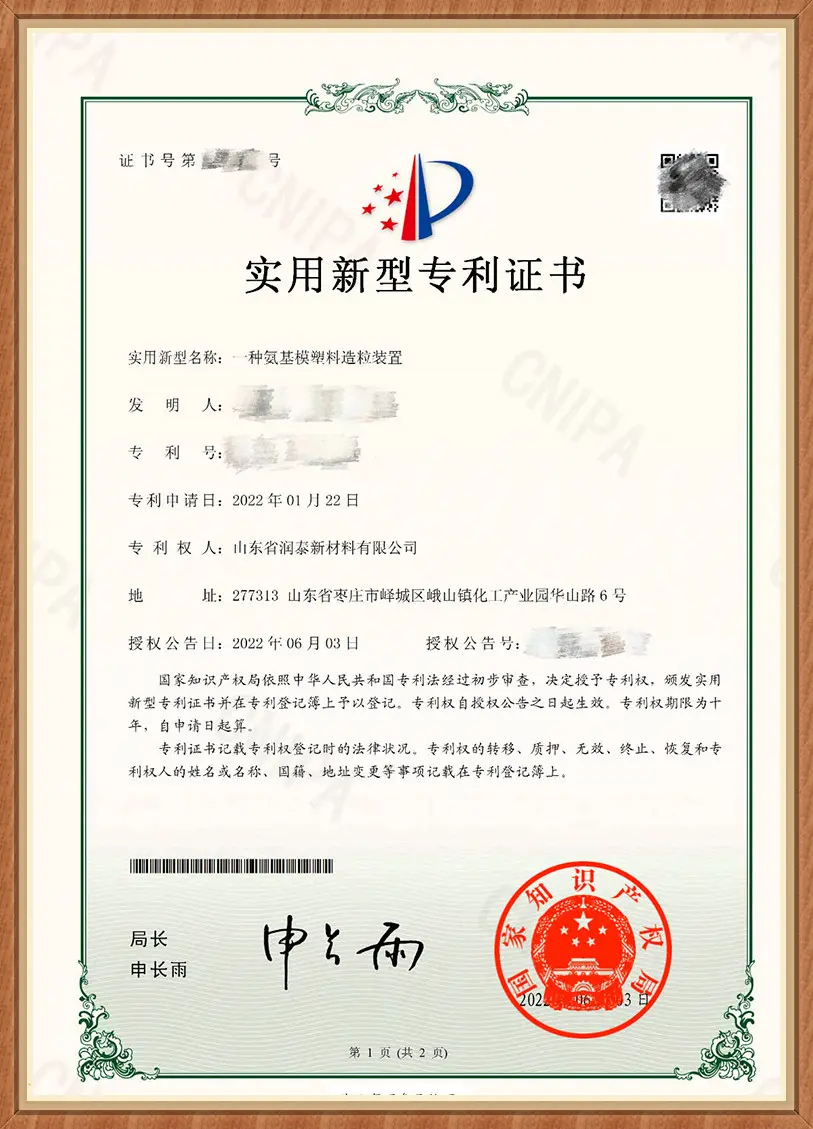
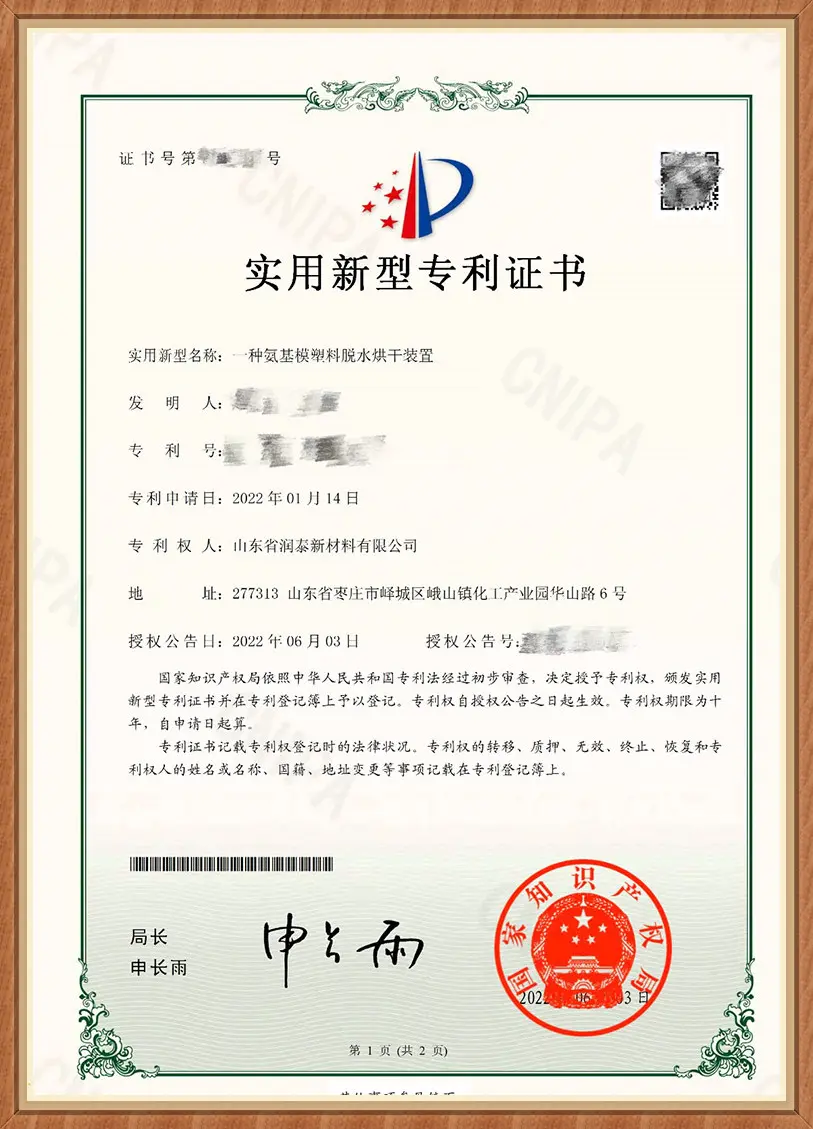
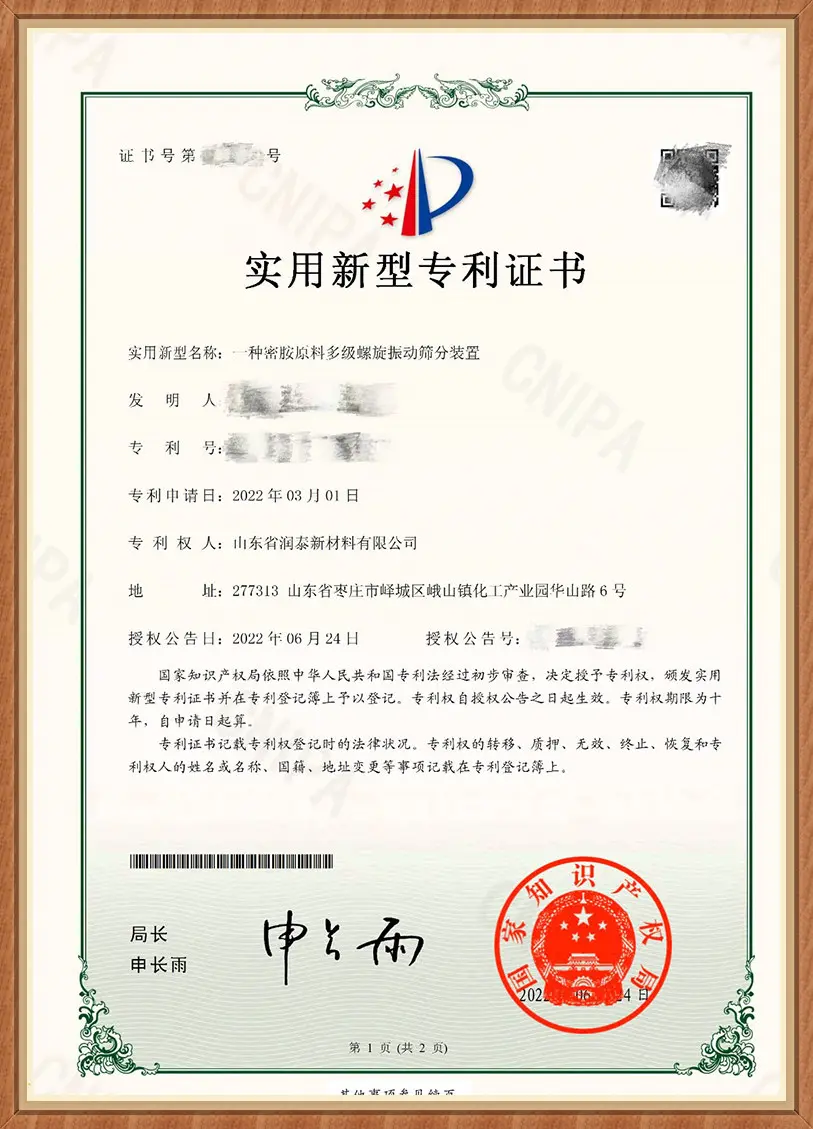
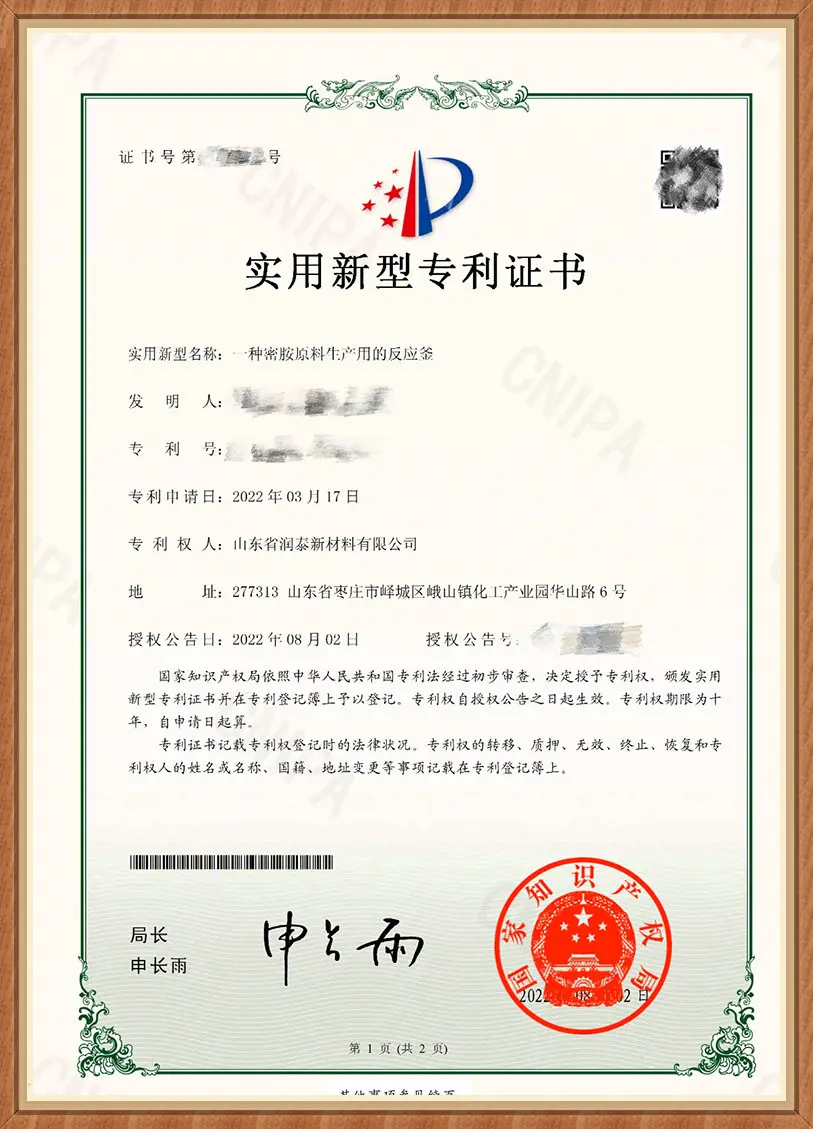
Through our long-term R&D partnership with the Changzhou Research Institute of Beijing University of Chemical Technology, our doctoral research team continuously improves our formulations. This collaboration has led to multiple patented technologies in thermosetting plastics and low-emission formaldehyde synthesis.
We modify cure rates, viscosity profiles, and thermal resistance parameters to match your compression molding cycle times and ambient factory conditions in Kuwait.
Our raw material pipeline flows directly from basic formaldehyde to advanced polymers, insulating our clients from price volatility and cargo delays.
Every shipment is accompanied by a Certificate of Analysis (COA) detailing physical and chemical performance, meeting EPA and KUCAS import guidelines.
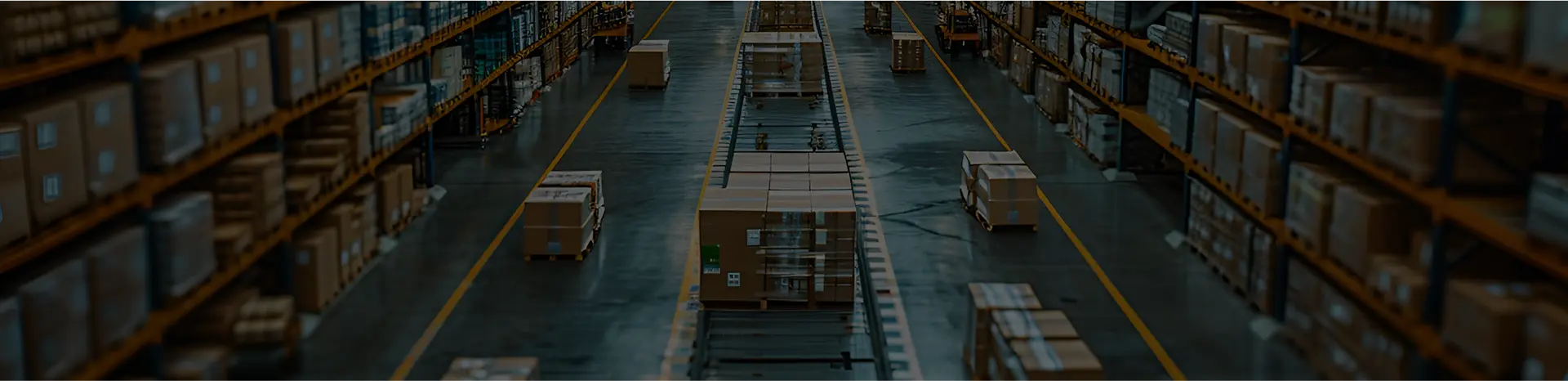
Industrial supply chain efficiency is critical in the GCC region. When importing chemicals to Kuwait via the Port of Shuwaikh or Port of Shuaiba, buyers face challenges related to sea freight transit times, hot climate transport, and customs compliance under the Kuwait Conformity Assessment Scheme (KUCAS).
Our logistics team handles specialized packing options, including dry bulk bags with moisture-barrier liners and thermal container insulating blankets. This prevents early polymerization of thermosetting resins (MMC, UMC) during their journey through warm waters.
Additionally, we provide a complete regulatory document package, including Safety Data Sheets (SDS) formatted to GHS standards, certificates of origin, and certified lab analysis records. This helps ensure rapid customs clearance and consistent supply lines for your factories.
As environmental rules tighten globally, the chemical industry is moving toward green chemistry. Our R&D team is focused on developing low-emission formaldehyde resin formulations (E0 and CARB Phase 2 compliant) and integrating bio-based raw materials. These efforts aim to reduce VOCs while maintaining the thermal stability and mechanical strength required by our industrial partners.
Browse our range of high-purity chemical components and industrial resins available for direct factory-level supply to Kuwait.
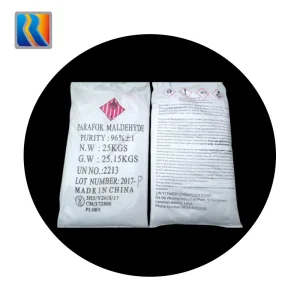
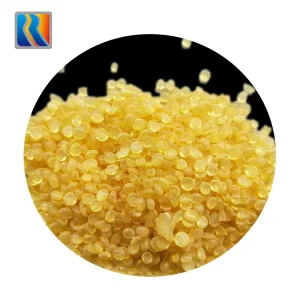
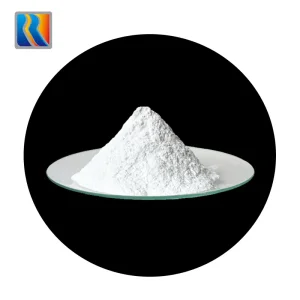
Our plant runs under certified ISO 9001 and ISO 14001 frameworks, ensuring traceability from initial synthesis to dispatch.
To prevent early reaction in warm transit environments, we use moisture-proof, hermetically sealed composite bags. For shipping through high-temperature zones like the Red Sea or Arabian Gulf, we recommend using temperature-controlled containers and arranging direct shipping routes to minimize exposure.
Yes. Our R&D team can adjust formulation properties like flow length, curing speed, and volatile content. We customize these parameters to suit your compression molding machinery, clamp pressures, and mold shapes.
We supply resins compliant with E1 and E0 standards, as well as low-free-formaldehyde formulations. These meet modern indoor air quality requirements and environmental standards for construction projects in Kuwait.
Our standard packaging is 25 kg multi-layer paper bags. For bulk industrial use, we also supply 500 kg and 1,000 kg woven jumbo bags with internal PE liners to protect against moisture absorption.
Connect with our chemical engineers to select the optimal formulation grade, request lab samples, or secure current export pricing for the Kuwaiti and GCC market ports.
Send Inquiry Now Runtai