Optimized industrial formulations engineered for high regulatory compliance and technical demands within the Australian market.
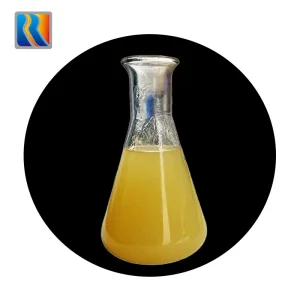
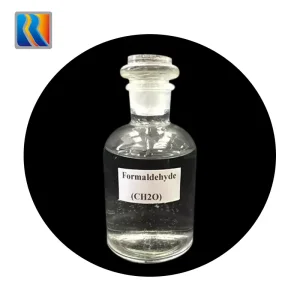
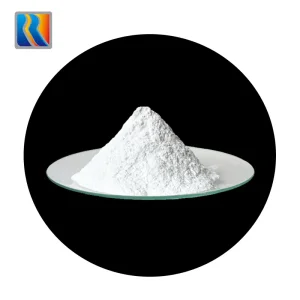
Australia's industrial manufacturing ecosystem is undergoing an intensive transformation toward automated, high-precision, and environmentally compliant technologies. Sectors such as timber modification, packaging film synthesis, infrastructure coatings, and mineral extraction demand chemical precursors that align with strict regulatory frameworks. Foremost among these regulations is the Australian Industrial Chemicals Introduction Scheme (AICIS), which dictates strict risk-management and toxicity benchmarks for all imported and manufactured inputs.
For Australian industrial buyers sourcing Melamine Moulding Compound (MMC), Urea Formaldehyde (UF) Resins, or specialized defoamers, finding a reliable supplier means balancing cost-efficiency with uncompromising safety. In the wood panel industries (MDF and particleboard), compliance with the AS/NZS 1859 standard for low formaldehyde emissions (E1 and E0 classifications) is non-negotiable. This standard dictates that adhesives must deliver robust mechanical bonding without off-gassing, forcing chemical plants to innovate at the molecular level.
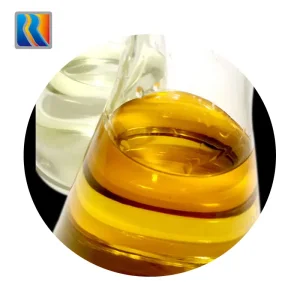
Furthermore, Australia's mining sector relies heavily on foam control agents during froth flotation processes. Standard defoamers degrade rapidly under high salinity and hard water conditions typical of Western Australian and Queensland mining operations. Our Mineral Oil Defoamers are specifically chemically modified to withstand extreme pH fluctuations and high ionic strength, ensuring process continuity in crucial mining operations.
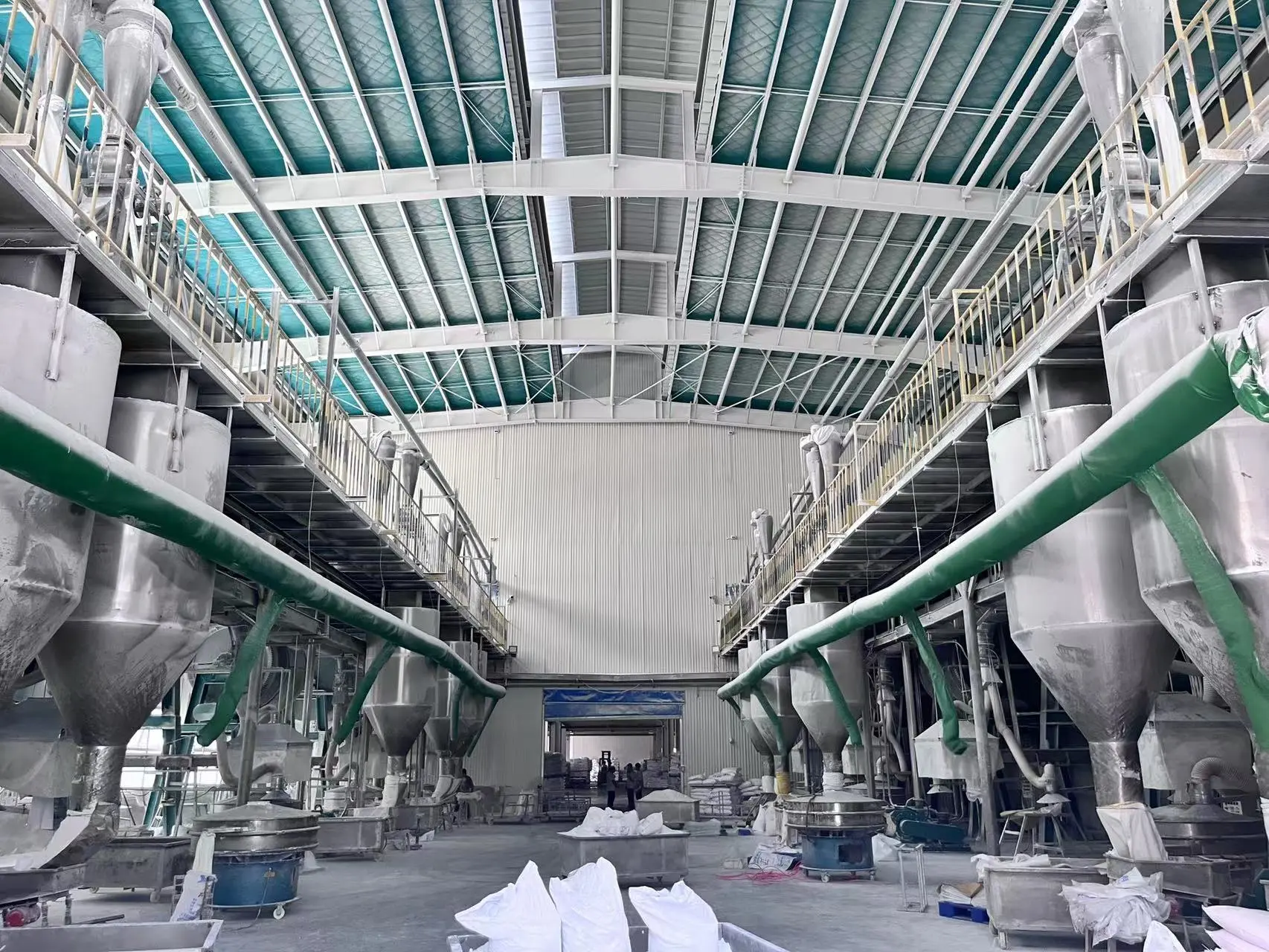
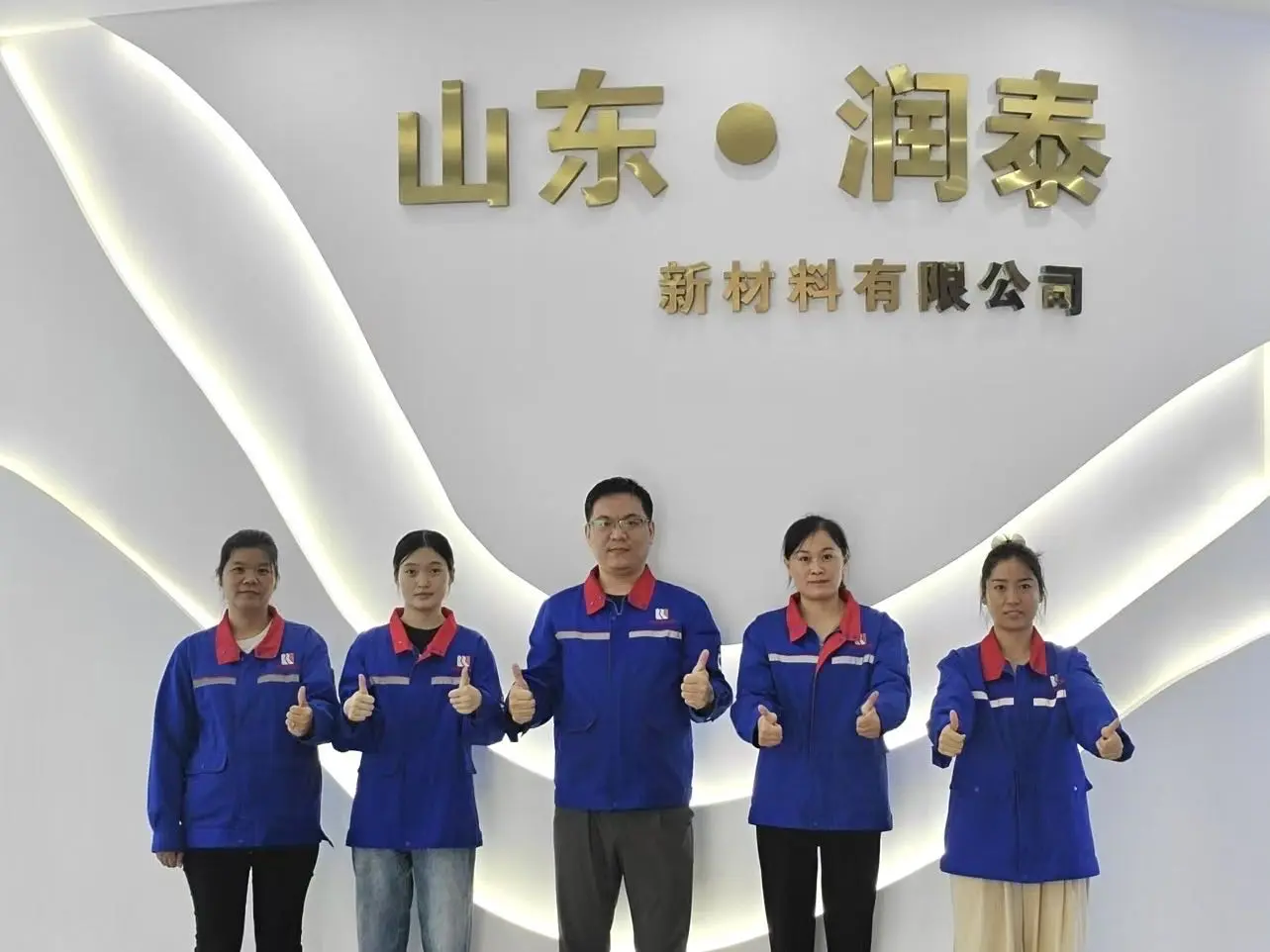
Established in March 2020, Shandong Runtai New Materials Co., Ltd. represents a modern benchmark in the global fine chemicals industry. Headquartered in Zaozhuang City, Shandong Province, and spanning five strategically positioned branches nationwide, the group covers a vast operational footprint of 270,000 square meters backed by a total investment of 2.06 billion yuan.
Runtai operates under the manufacturing principles of "automatic control, safe and reliable, stable operation, energy saving, and comprehensive utilization of resources." Our facilities utilize the industry's most advanced Distributed Control System (DCS), which monitors, records, and auto-corrects chemical synthesis parameters in real time. This ensures:
Australian geography, climatic variances, and raw material access necessitate bespoke modifications to international chemical standards. Our R&D division, in collaboration with the *Changzhou Research Institute of Beijing University of Chemical Technology*, has optimized our portfolio for several distinct Oceania industries:
The plantation forestry industry in southeastern Australia relies on wood binders that withstand varying ambient humidity. Our Urea Formaldehyde Resins are custom-formulated with modified cross-linking density. This provides high wet-shear strength for structural plywood while ensuring the final wood products conform strictly to Australian low-VOC emission guidelines.
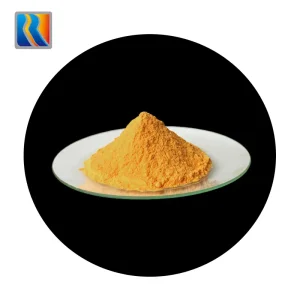
From Sydney to Perth, the commercial hospitality market demands tableware that is shatterproof, heat-resistant, and stain-resistant. Using Runtai's high-purity Melamine Glazing Powder, local compression molders can produce premium melamine dinnerware featuring high surface hardness and scratch-resistance, capable of withstanding hundreds of industrial dishwasher cycles without degrading.
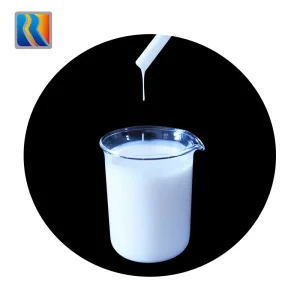
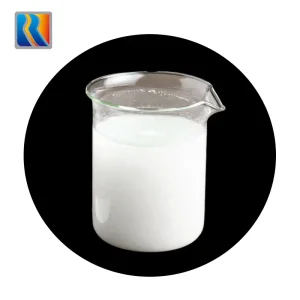
In Australian broadacre farming and mineral ore processing, maintaining uniform suspensions in liquid phases is challenging. Runtai's Ammonium Salt Dispersants utilize steric and electrostatic stabilization to prevent agglomeration of fine mineral particles and active pesticide ingredients, operating effectively in highly mineralized bore water.
Explore our technical portfolio of specialized monomers, polymers, resins, and rheology modifiers available for rapid export to Australia.

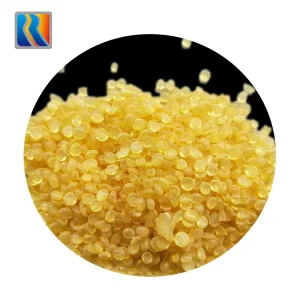
As regulatory entities push for cleaner production methods, the global chemical industry faces a key milestone. Industry leaders must transition from traditional petrochemical-based methods to bio-based and zero-emission alternatives. Runtai New Materials has mapped out a technical development roadmap focused on three primary areas:
By optimizing the molar ratio of Formaldehyde to Urea (F/U ratio) during synthesis and introducing active formaldehyde scavengers, we have designed wood adhesives that consistently achieve emissions below the Australian Super E0 threshold (< 0.3 mg/L). This ensures that structural panels can be safely integrated into green building projects across Sydney, Brisbane, and Melbourne.
To reduce persistent polymer accumulation in marine environments and soils, our R&D team is engineering biodegradable ammonium-based polyacrylic acid salts. These alternatives break down into harmless components within soil ecosystems, supporting Australia's agricultural initiatives.

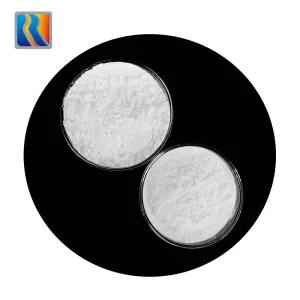
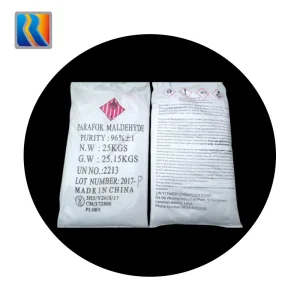
We provide comprehensive container packing configurations and moisture-controlled shipping systems for long-distance maritime transit to major Australian ports, including Melbourne, Sydney, Brisbane, and Fremantle. This ensures that hygroscopic powders, such as Urea Moulding Compound (UMC) and Melamine Glazing Powder, arrive without clumping or premature hydration.
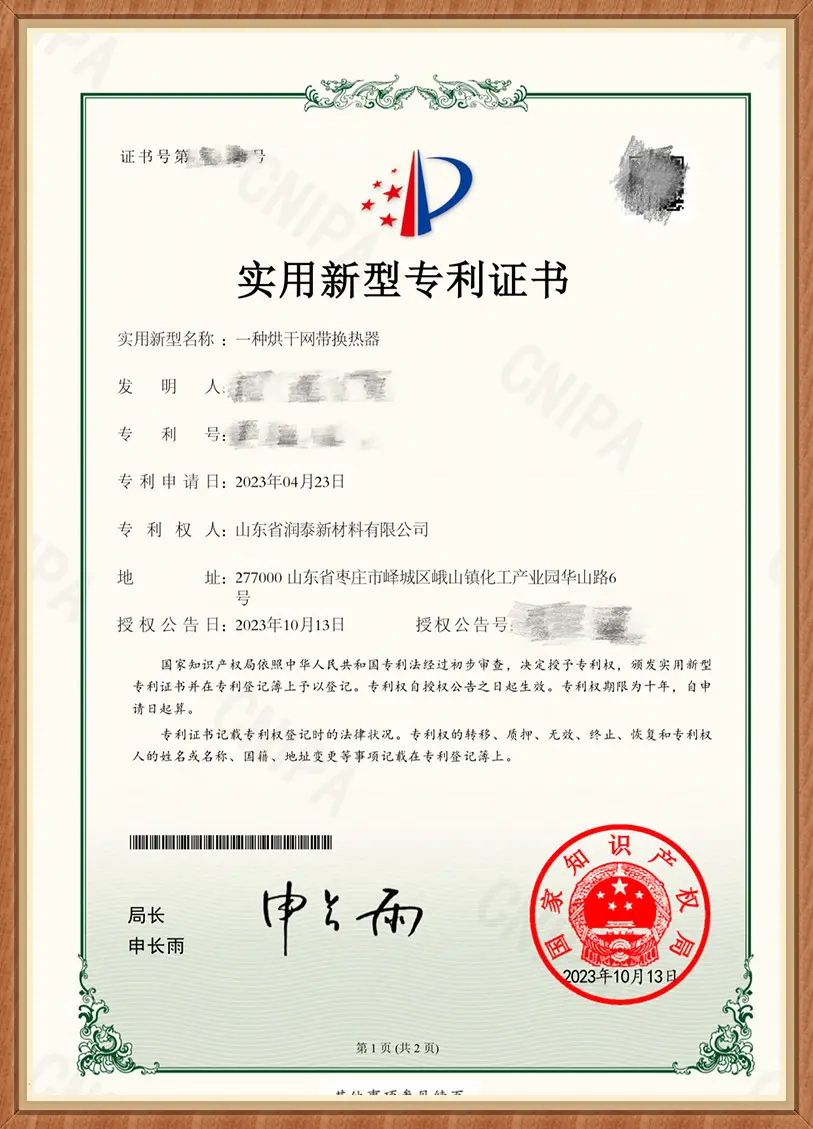
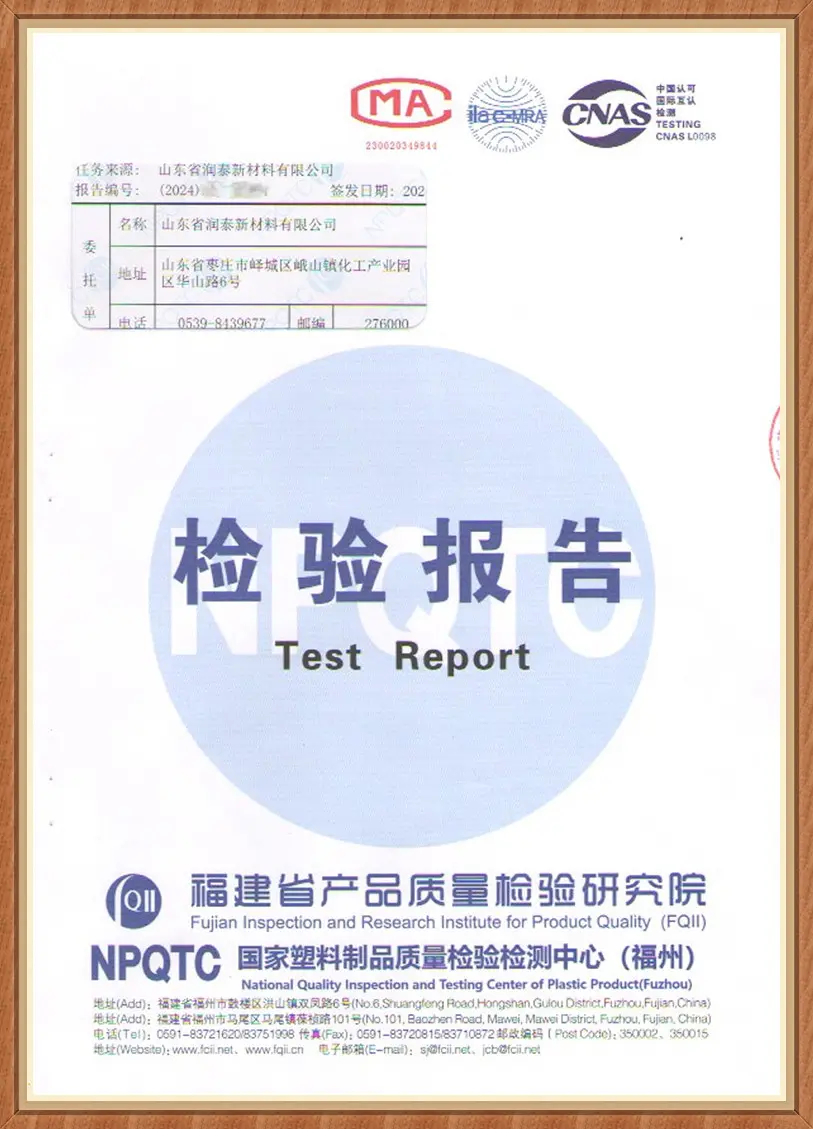
Runtai's production processes comply with global quality management frameworks, ensuring traceablity across our manufacturing footprint.
Each production batch undergoes testing to ensure conformance with dynamic global benchmarks. Our product lines are certified under:
Answers to common technical, logistics, and compliance questions regarding industrial chemical delivery in Australia.
 Runtai