Direct supply line engineered to satisfy strict regulatory metrics and complex performance criteria within Canada's primary industrial zones.
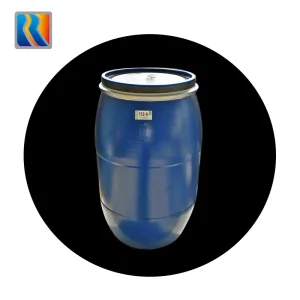
Canada’s industrial processing and manufacturing frameworks stand as pillars of the national economy. Key regions—ranging from the automotive and chemical manufacturing corridors of Southern Ontario to the extensive forestry and pulp production hubs in Quebec, British Columbia, and Alberta—require a steady supply of high-grade chemical inputs. These materials must deliver reliable performance under demanding operations while conforming to strict environmental safety mandates.
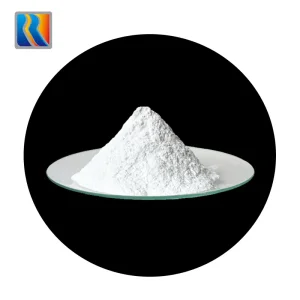
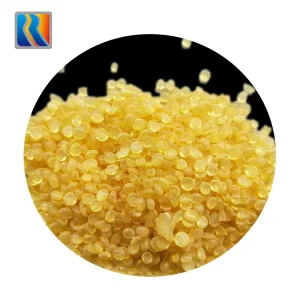
As Canadian wood product plants transition toward zero-emission and ultra-low emitting formaldehyde (ULEF) systems to meet CAN/CSA-O160 standards and Health Canada regulations, procurement directors require direct access to chemical producers capable of supplying customized formulation options. High-purity melamine moulding compounds, urea-formaldehyde (UF) resins, and advanced defoamers serve as critical inputs for manufacturing durable structural wood composites, resilient electrical hardware, and clean pulp products.
Strategic chemical sourcing plays a central role in mitigating supply chain disruptions caused by local capacity bottlenecks. Global logistics platforms that provide high regulatory transparency, verified chemical data sheets, and steady production volumes are vital partner networks for Canadian industrial processing facilities.
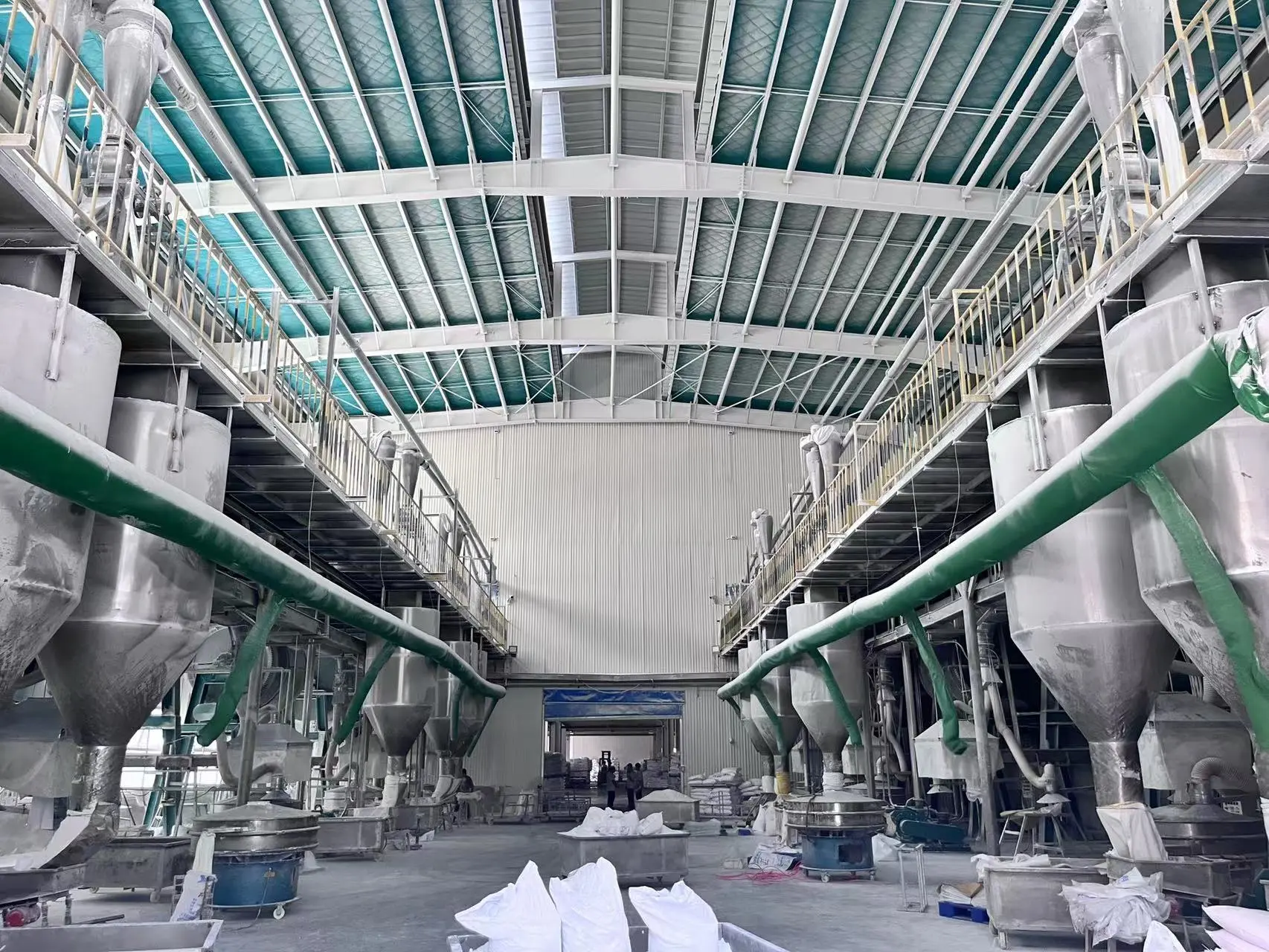
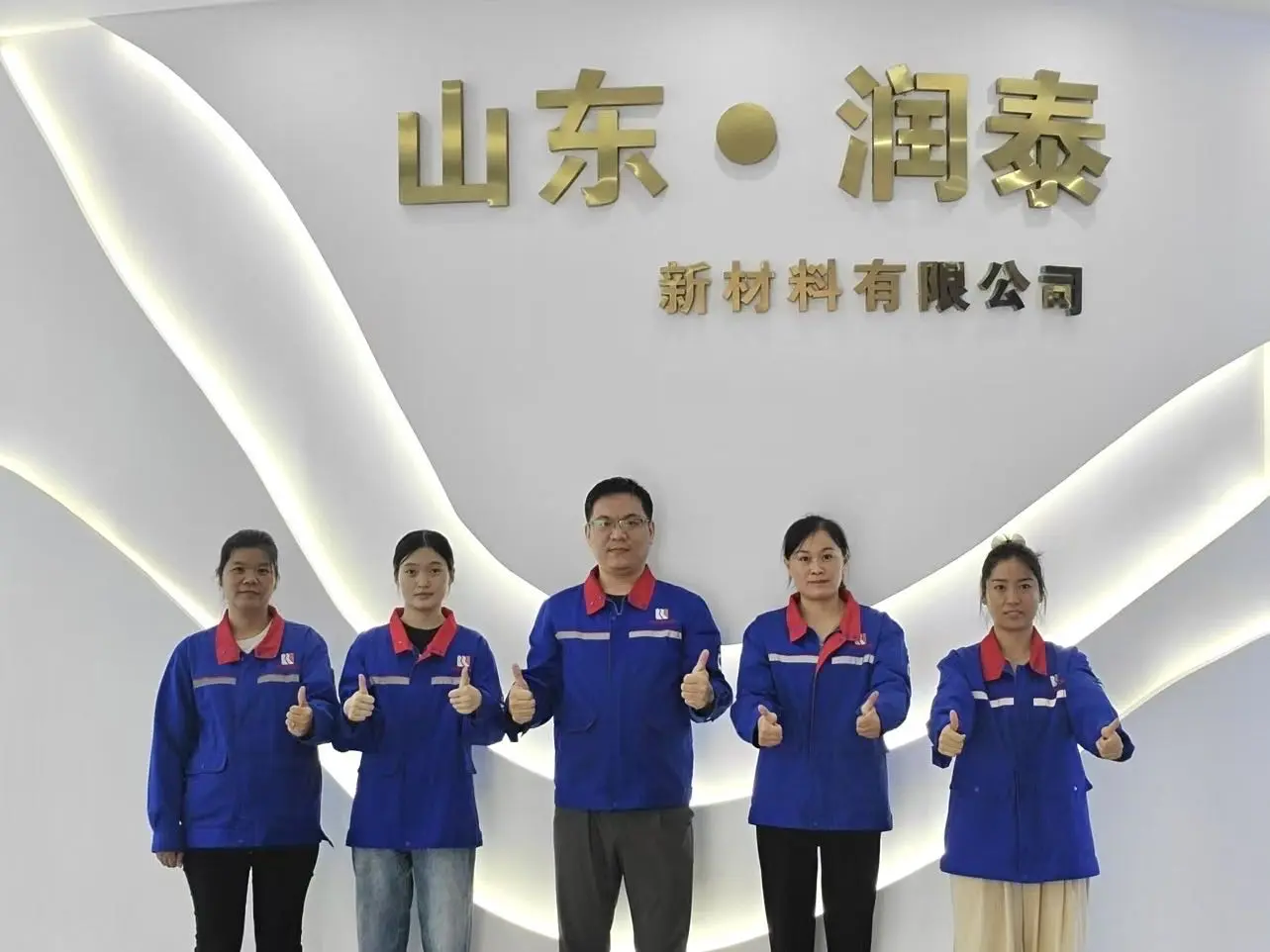
Established in March 2020, Shandong Runtai New Materials Co., Ltd. has developed into a major provider of fine chemical products. The company operates a modern 270,000 square meter industrial complex backed by a total investment of 2.06 billion yuan. Runtai New Materials manages integrated raw-material and synthesis lines configured to supply consistent chemical materials to global markets, including North America, Europe, and the Asia-Pacific region.
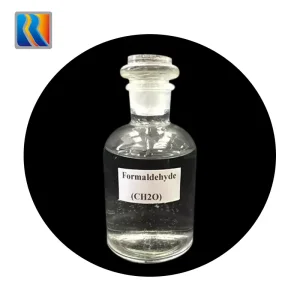
Our centralized manufacturing facilities support large-scale operations with substantial yearly production limits: 380,000 tons of formaldehyde, 60,000 tons of melamine, 20,000 tons of melamine glazing powder, 11,000 tons of specialty resins, and 300,000 tons of urea formaldehyde resin. By controlling about 80% of our domestic market share, we generate the scale required to maintain cost stability and continuous product availability during periods of global supply volatility.
Through close coordination with specialized global shipping lines and established customs clearing brokers, we ensure on-time delivery to Canadian industrial ports, including Vancouver, Prince Rupert, Montreal, and Halifax. Our team supports local buyers with complete documentation to verify regulatory and product compliance.
How we align state-of-the-art chemical engineering with Canadian environmental and safety standards.
We supply low-emission and ultra-low emitting formaldehyde (ULEF) formulations that help Canadian wood composite processors meet strict limits for indoor air quality and construction safety.
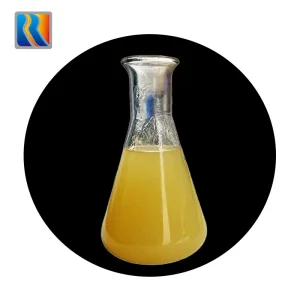
Our water-based additives and mineral oil defoamers are formulated to minimize volatile organic compound (VOC) levels, allowing operators to easily compile compliant WHMIS 2015 Safety Data Sheets.
Our plants run on advanced Distributed Control Systems (DCS). This level of control ensures stable reaction processes, batch-to-batch consistency, and resource efficiency during production runs.
Our research pipeline includes developing bio-hybrid resin solutions that combine traditional urea-formaldehyde platforms with renewable natural components. This technology supports Canadian manufacturers working to lower their carbon footprints without sacrificing mechanical bond strength or thermal stability.
By collaborating with academic institutions, including the Changzhou Research Institute of Beijing University of Chemical Technology, our engineering teams continuously refine compound properties. This ensures our materials meet evolving specifications for mechanical durability and fire resistance.
Each industrial region in Canada requires targeted chemical solutions to support specific manufacturing challenges:

How an integrated sourcing model helps Canadian industrial operations reduce raw material risk.
Global supply chains frequently face unexpected changes in cost, raw material availability, and logistics capacity. Shandong Runtai New Materials maintains control over key raw material inputs by managing the conversion of methanol into formaldehyde, which is then used directly in our downstream resin and molding compound lines.
This vertical integration insulates our pricing structure from standard merchant market spikes and ensures a steady supply of intermediates for our polymerization reactors. This production model guarantees that large-volume purchase contracts for Canadian buyers remain stable and protected against sudden market fluctuations.
Our plants are also backed by dual-source power configurations and large storage facilities for raw inputs. These measures help prevent production halts, allowing us to maintain a consistent output of high-purity chemical products year-round.
High-purity chemical components and resins engineered for demanding processing lines throughout Canada.
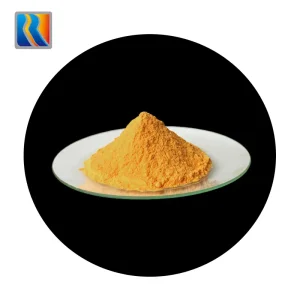
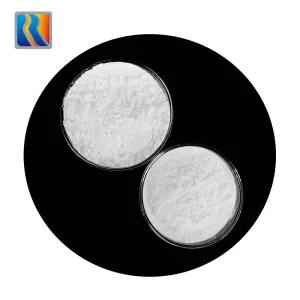
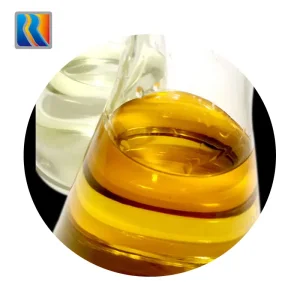
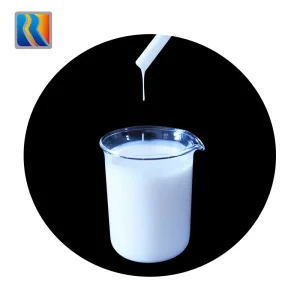

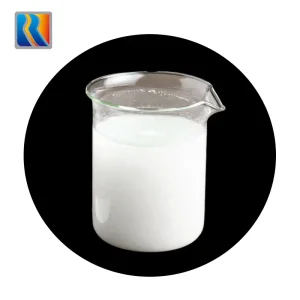
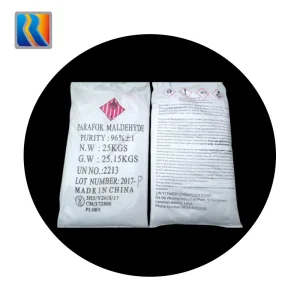
Technical responses to key questions on product properties, compliance, and international shipping.
Our resins are formulated to meet the requirements of the Formaldehyde Emissions from Composite Wood Products Regulations (CAN/CSA-O160) and EPA TSCA Title VI. During synthesis, we carefully manage the urea-to-formaldehyde mole ratios and use advanced scavenger technologies. This approach yields low-emission and ultra-low emitting formaldehyde (ULEF) formulations that provide reliable bond strength and cure speeds while maintaining low indoor emission profiles.
We provide full documentation required for Canadian imports, including WHMIS 2015 compliant Safety Data Sheets (SDS), Certificates of Analysis (COA) for every production run, technical data sheets, and commercial invoices. Additionally, we check our chemical components against the Domestic Substances List (DSL) managed by Environment and Climate Change Canada to ensure compliant customs processing.
Our plants utilize Distributed Control Systems (DCS) to manage chemical reactions, raw material feeds, and temperature profiles in real time. This automated oversight reduces human error, controls heat levels during polymerization, and yields consistent particle sizes and cure speeds. For composite and tableware manufacturers, this translates to stable processing behavior and minimal scrap rates.
We ship dry chemical powders (such as melamine moulding compounds and paraformaldehyde) in durable moisture-proof paper-plastic composite bags or bulk super sacks. Liquid polymers and additives are shipped in heavy-duty IBC totes or ISO tanks. Our logistics team handles bulk container transport to key ports like Vancouver, Montreal, and Toronto, working closely with local customs brokers to ensure timely delivery.
Connect with our technical sales and regulatory support team to request custom formulations, bulk pricing quotes, and compliance documentation tailored for your operations.
Send Inquiry Now Runtai