Explore our premium grade chemical products manufactured directly under strict international protocols.
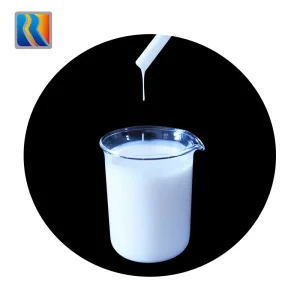
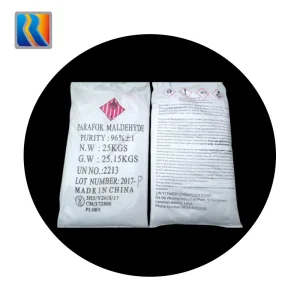
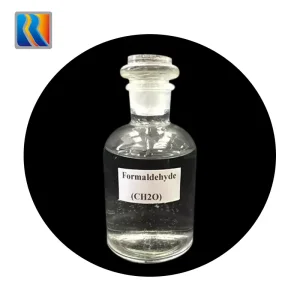
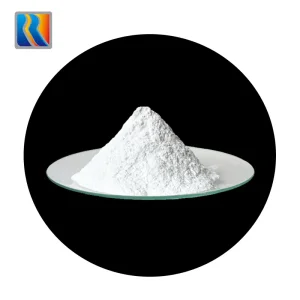
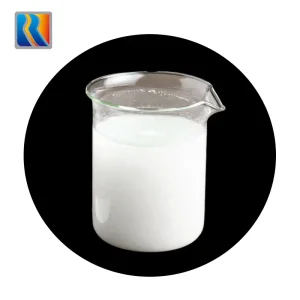
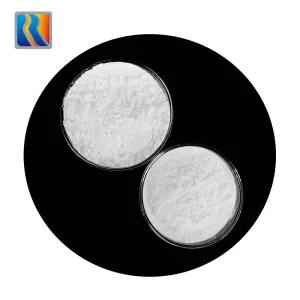
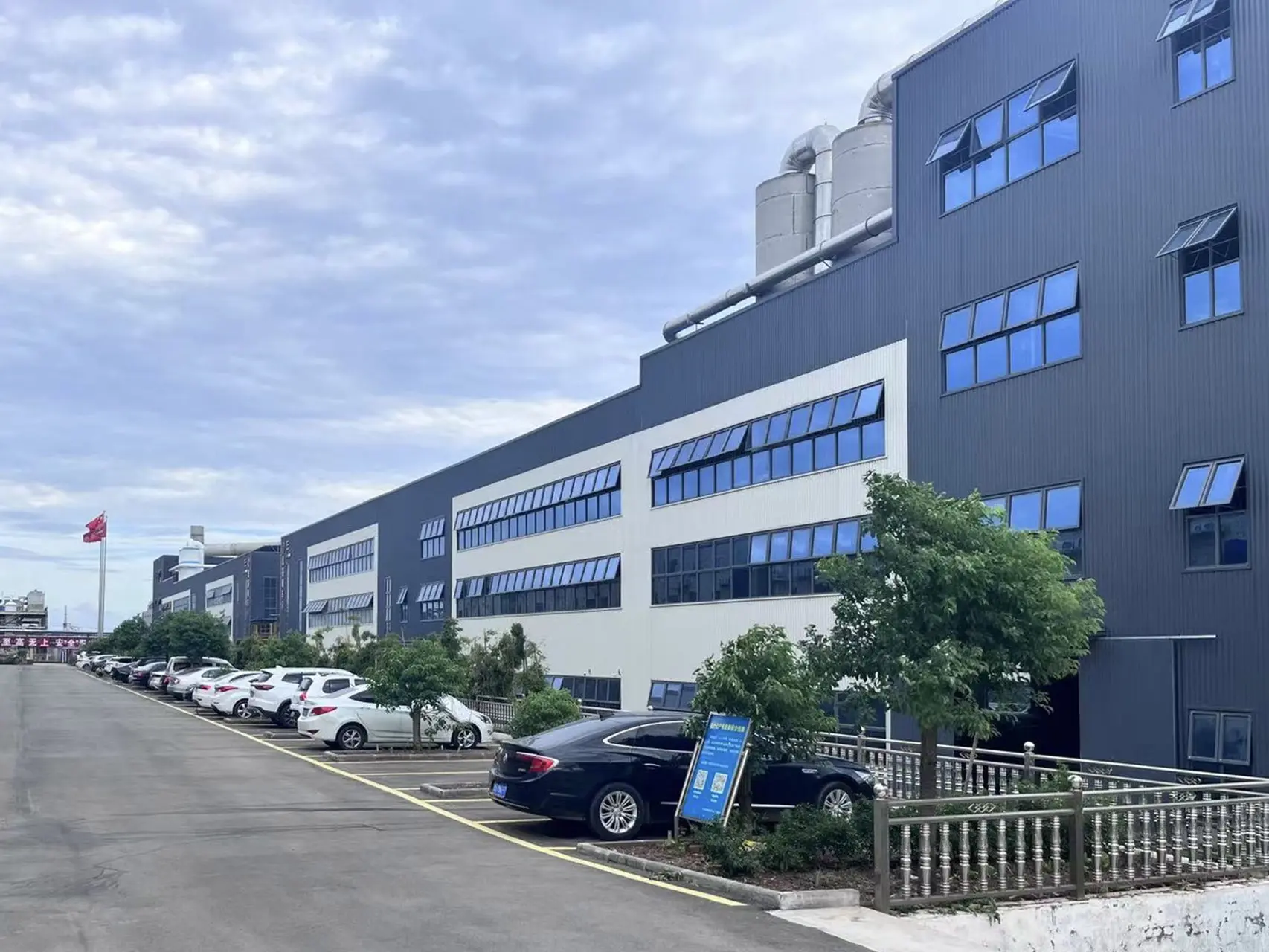
Founded in March 2020, Shandong Runtai New Materials Co., Ltd. is a comprehensive group firm that specializes in fine chemical products. Our primary products include formaldehyde, polyformaldehyde, urea formaldehyde resin, melamine powder and melamine glazing powder. The corporation has branches in five different cities throughout the whole country, with its headquarters located in Zaozhuang City, Shandong Province. Runtai New Materials covers an area of 270,000 square meters with a total investment of 2.06 billion yuan.
Operating at the intersection of environmental technology and synthetic material development, Runtai leverages state-of-the-art infrastructure to serve critical manufacturing chains across North America, Southeast Asia, East Africa, and the Mediterranean basin. Our focus on water-based chemical technologies underscores a strategic dedication to lowering environmental impacts while preserving superior mechanical and chemical resistance profiles.
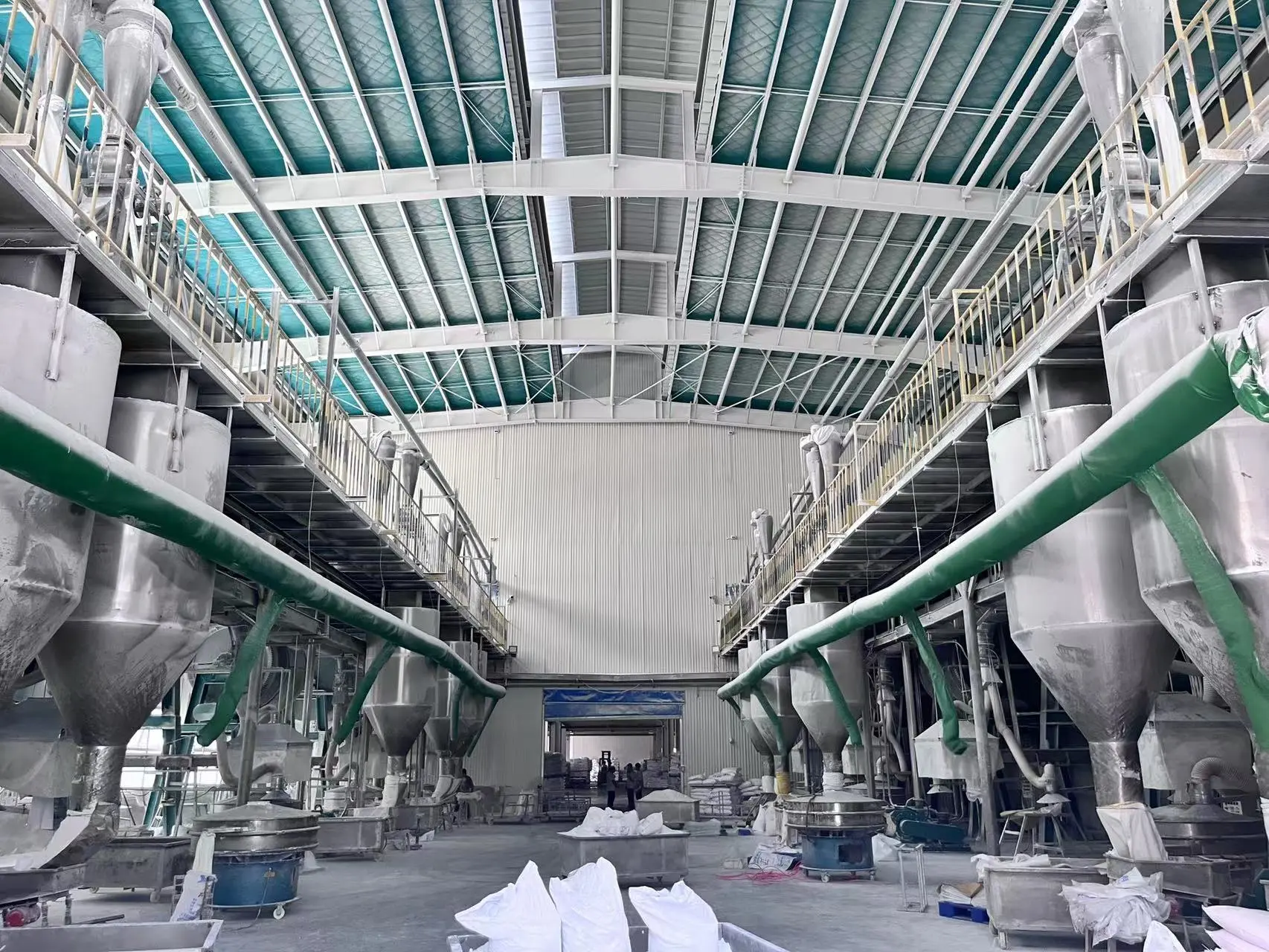
Runtai New Materials has grown to be one of China's top producers of melamine and formaldehyde due to our recent improvements in production lines growth. We have reached about 80% market share in China. At the same time, we are actively developing overseas business, our products have been exported to the United States, Thailand, Kenya, Egypt and other countries and have been widely praised by overseas customers.
By integrating backward vertical chemical supplies, we ensure that our downstream synthesis operations (such as compound preparation and glazing resin creation) enjoy stable raw material pricing and optimal chemical purity, ensuring reliable supply cycles for large-scale international distributors.
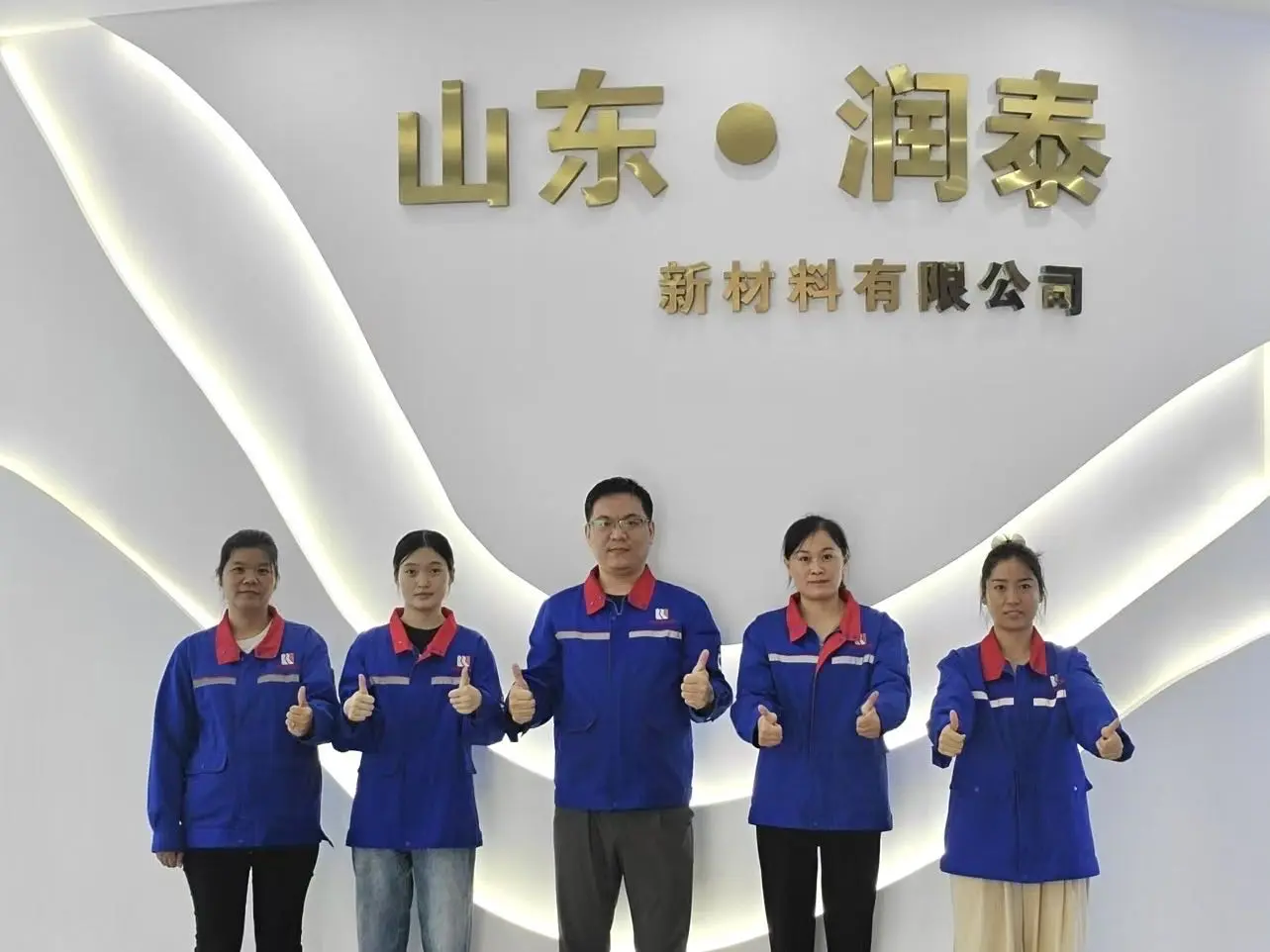
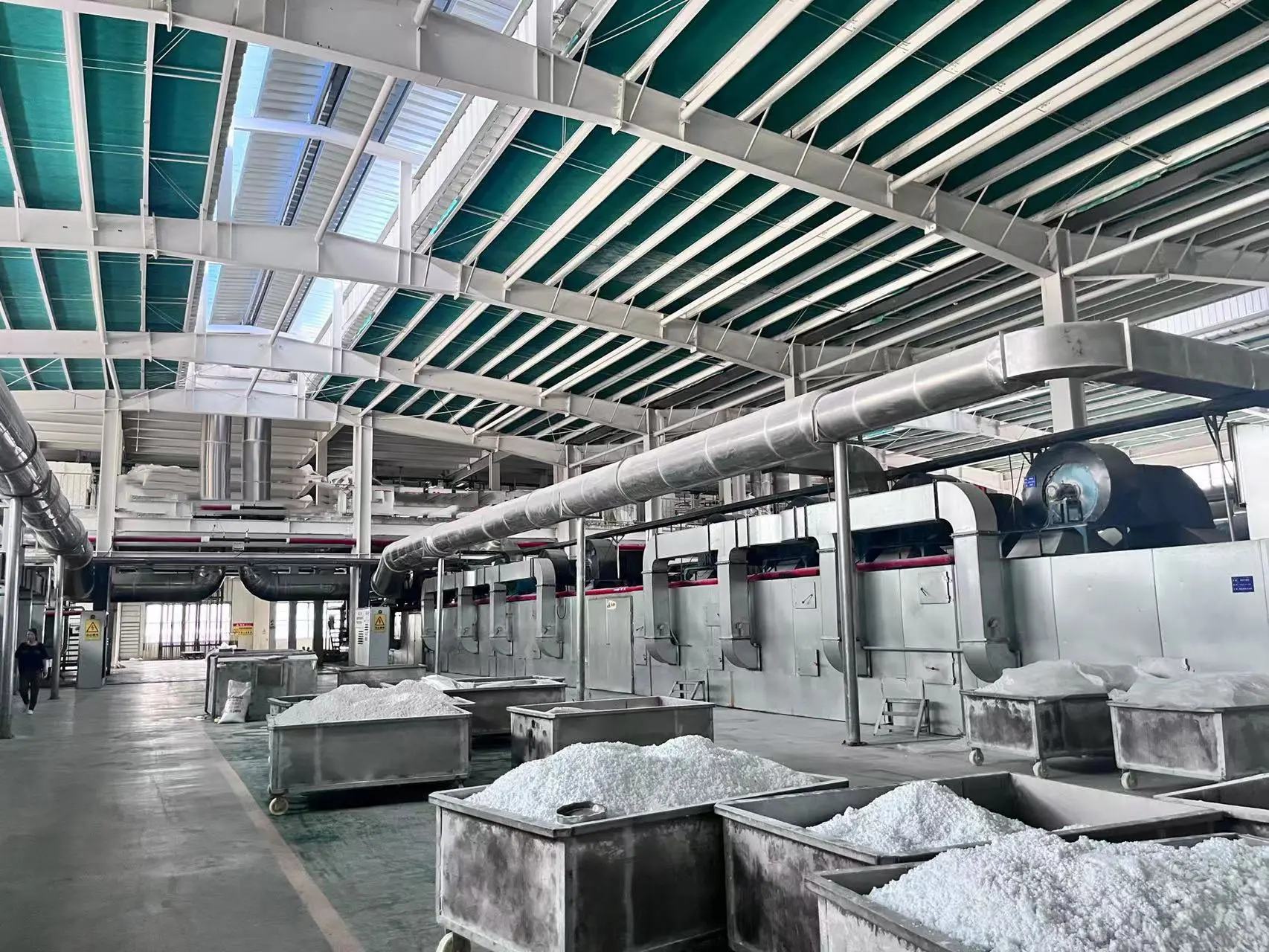
Deploying advanced manufacturing infrastructure and automated control system algorithms to stabilize compound consistency.
We implement a comprehensive state-of-the-art DCS platform across all polymer synthesis lines. This permits real-time, microsecond-level feedback on pressure, temperature, and raw material feed rates. The automation ensures precise chemical structures, reduced energy waste, and high batch uniformity.
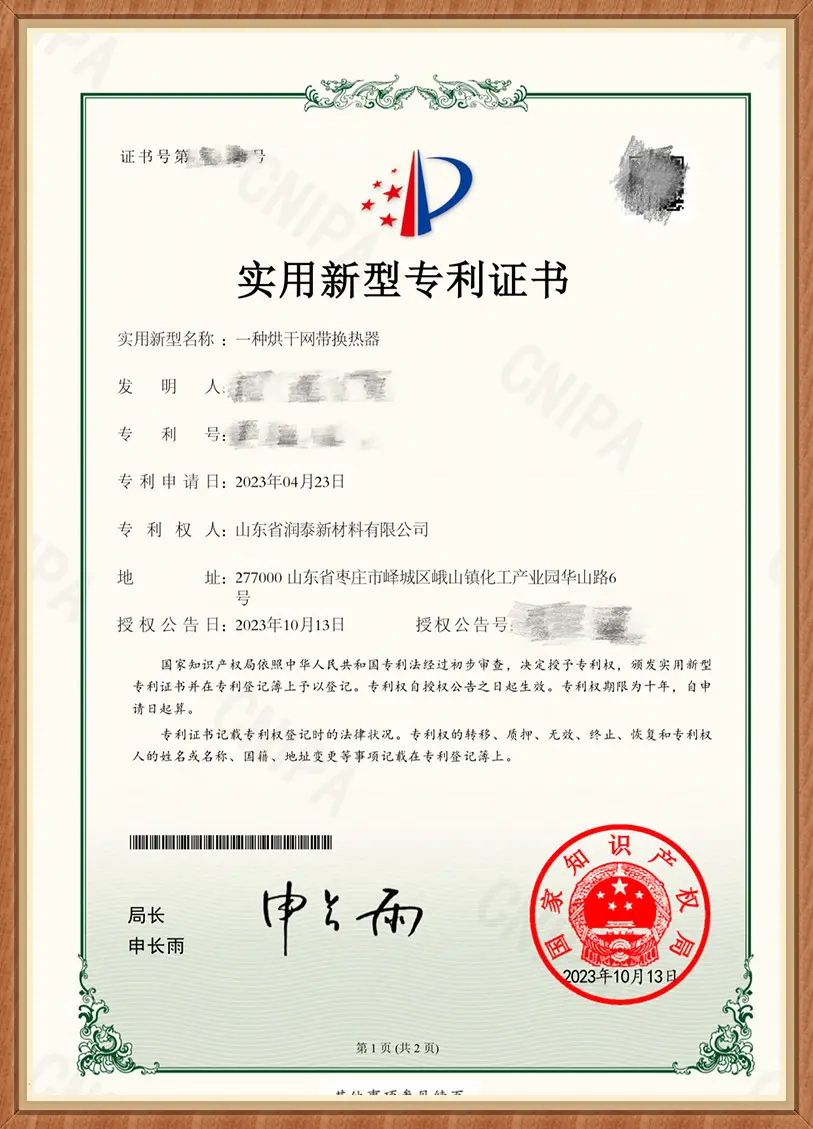
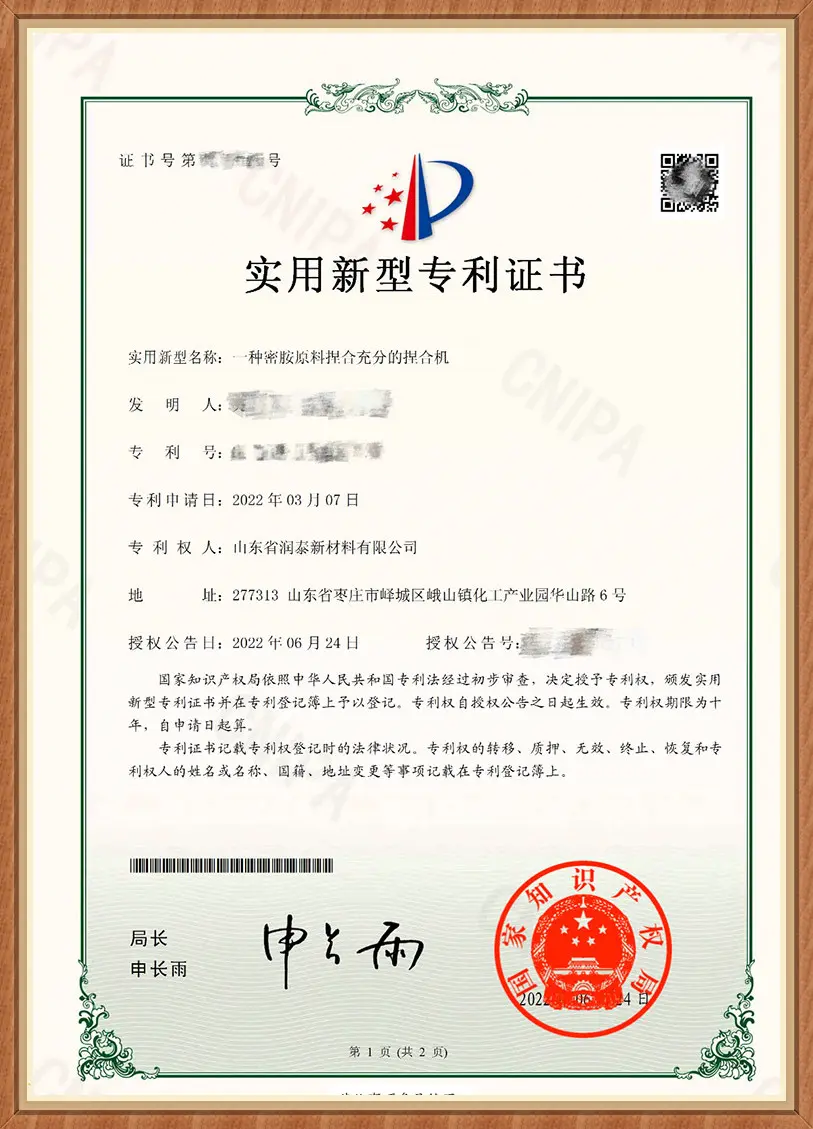
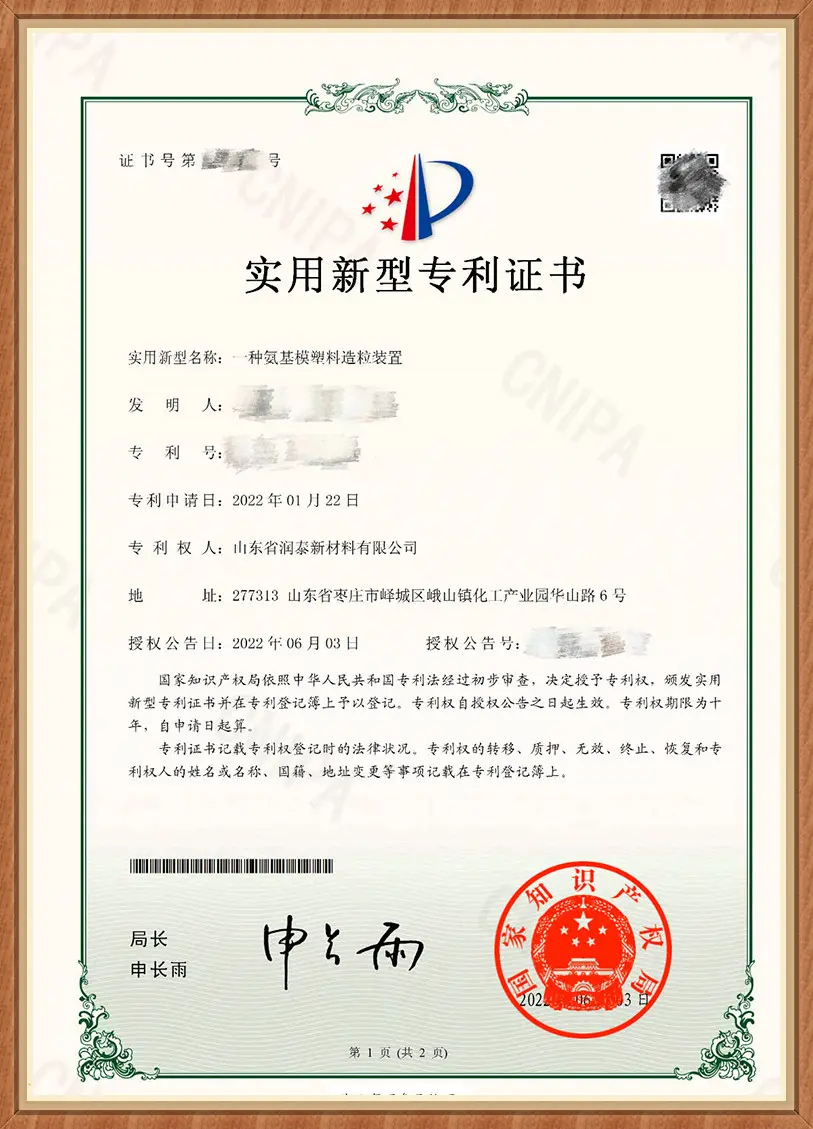
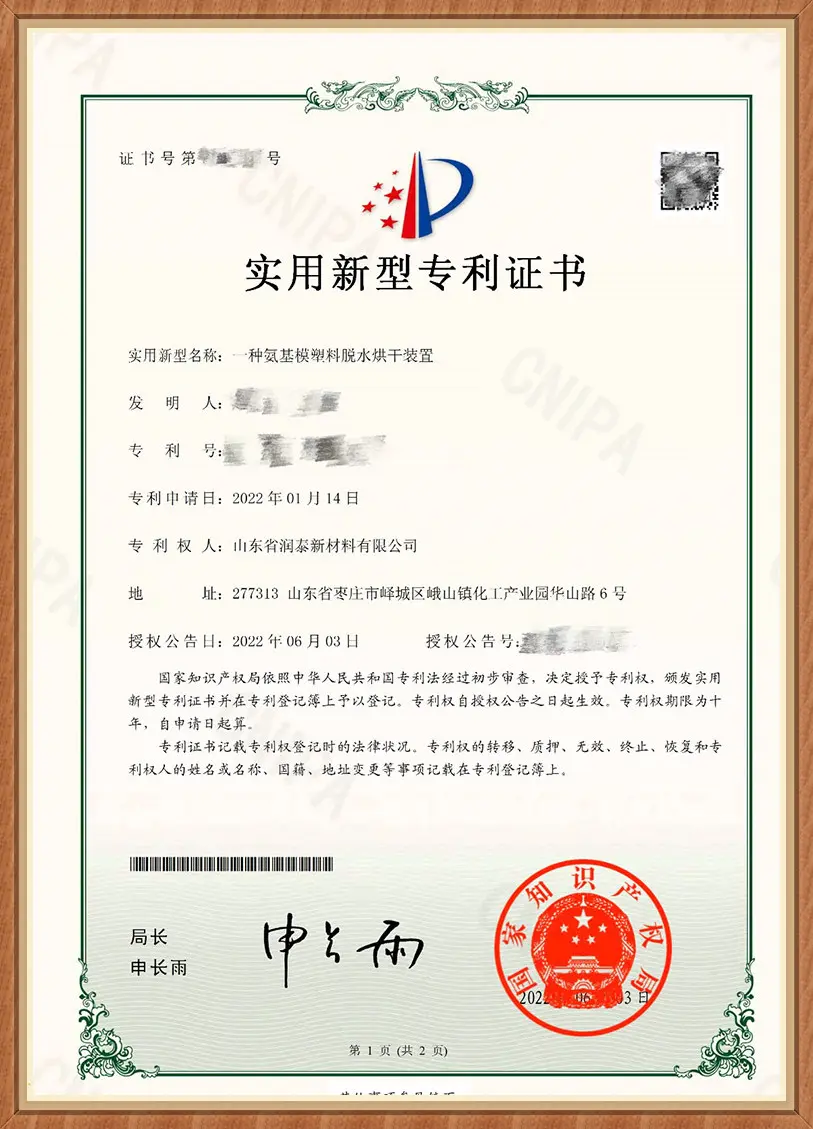
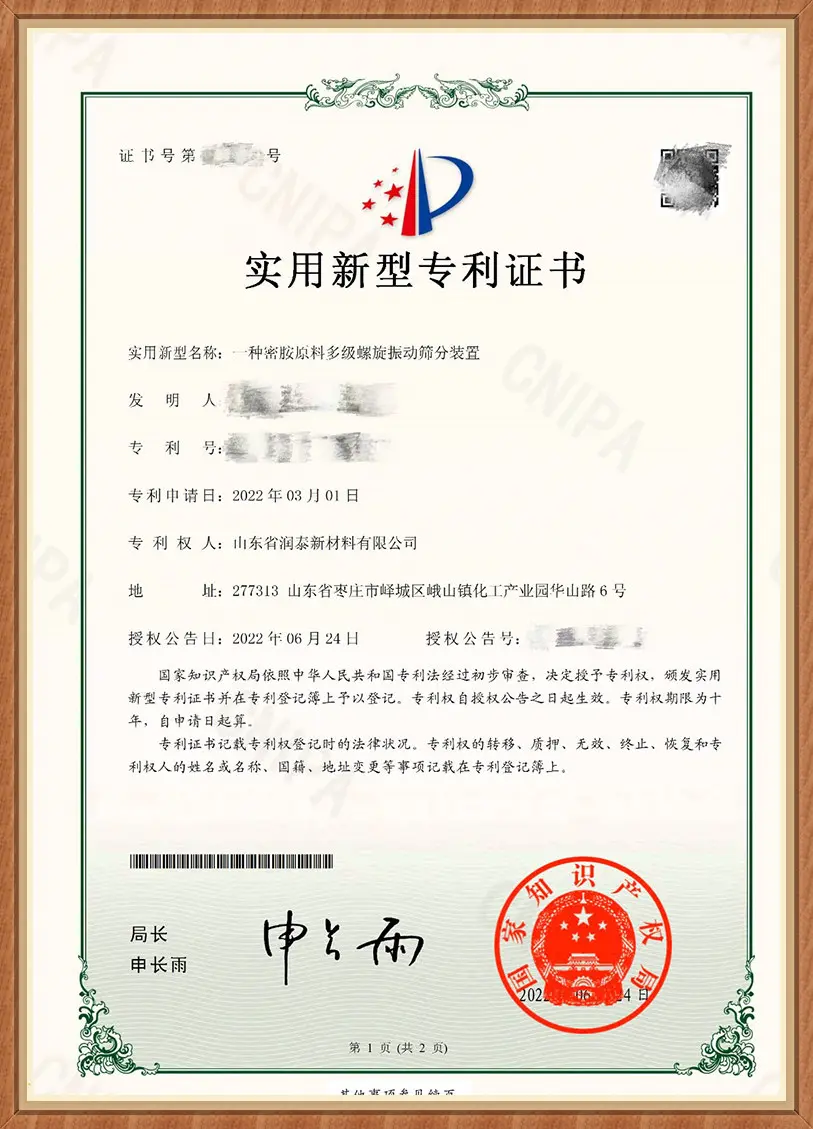
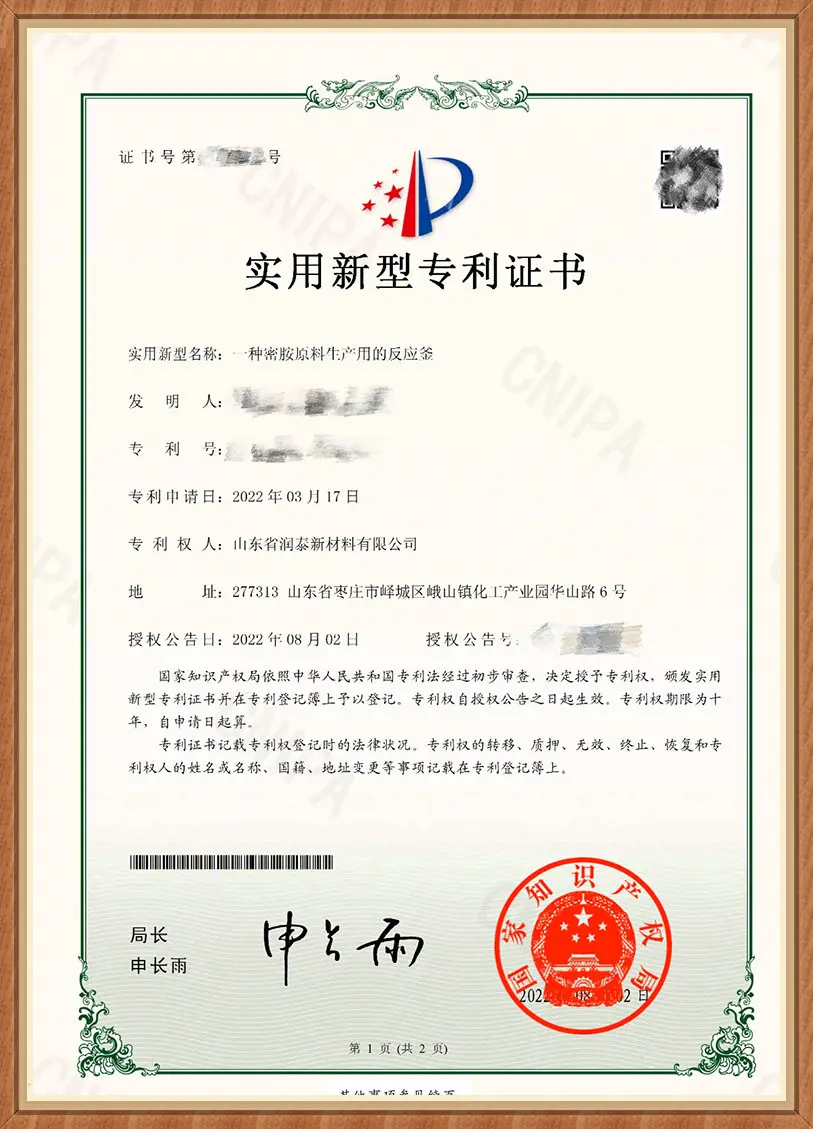
Our long-term engineering partnership with the Changzhou Research Institute of Beijing University of Chemical Technology allows us to fast-track advanced chemical solutions. Backed by industry-leading doctoral research teams, we consistently pioneer proprietary patents and custom polymers.
Pioneering the next generation of eco-friendly, low-emission, and high-performance polymer formulations.
Modern water-based coating systems require precise flow properties to prevent settling and sagging. Our Acrylic Acid-Based Swelling Thickeners leverage carboxyl-functionalized polymers that expand dramatically upon neutralization. This creates an electrostatic network of micro-gels, providing excellent pseudoplastic behavior. This structure delivers high viscosity under low shear (storage stability) and low viscosity under high shear (easy application).
Agglomeration of fine mineral particles and pigments in aqueous environments degrades mechanical integrity and surface finish. Using Ammonium Salt Dispersants, we introduce a dual-action stabilizing mechanism. Electrostatic repulsion from anionic carboxylate groups prevents close particle contact, while steric hindrance blocks van der Waals forces. This double-layer protection maintains low viscosity, high solid loading, and long-term suspension stability.
Water-based polymers naturally stabilize air bubbles due to surfactants. Our Mineral Oil Defoamers utilize customized hydrophobic particles dispersed in a mineral oil carrier. Once applied, the oil acts as a delivery system to carry the hydrophobic particles into the bubble walls. These particles displace surfactant molecules, reducing local surface tension and causing rapid bubble collapse under dynamic shear during synthesis and application.
Under tight global regulations, our research centers are focused on developing low-VOC and bio-based alternatives. We are optimizing our polymerization lines to limit residual monomer levels, ensuring our urea-formaldehyde and melamine resins align with international E0, E1, and CARB Phase 2 emission standards.
At Runtai, we maintain a strong "Quality First, Customer First" approach, delivering comprehensive customer support with clear technical guidance. We provide standard grades alongside custom formulations designed for specific client demands, ensuring smooth integration with existing production lines.
Our environmental management policies meet and exceed strict national standards. We invest heavily in ecological engineering, such as zero-discharge water treatment loops, regenerative thermal oxidizers (RTO) for VOC controls, and green product development cycles.

Delivering high-performance, compliant materials tailored to key industrial sectors.
Our high-strength, water-resistant Urea-Formaldehyde Resins are designed for plywood, particleboard, and MDF manufacturing, offering rapid curing profiles and low formaldehyde release.
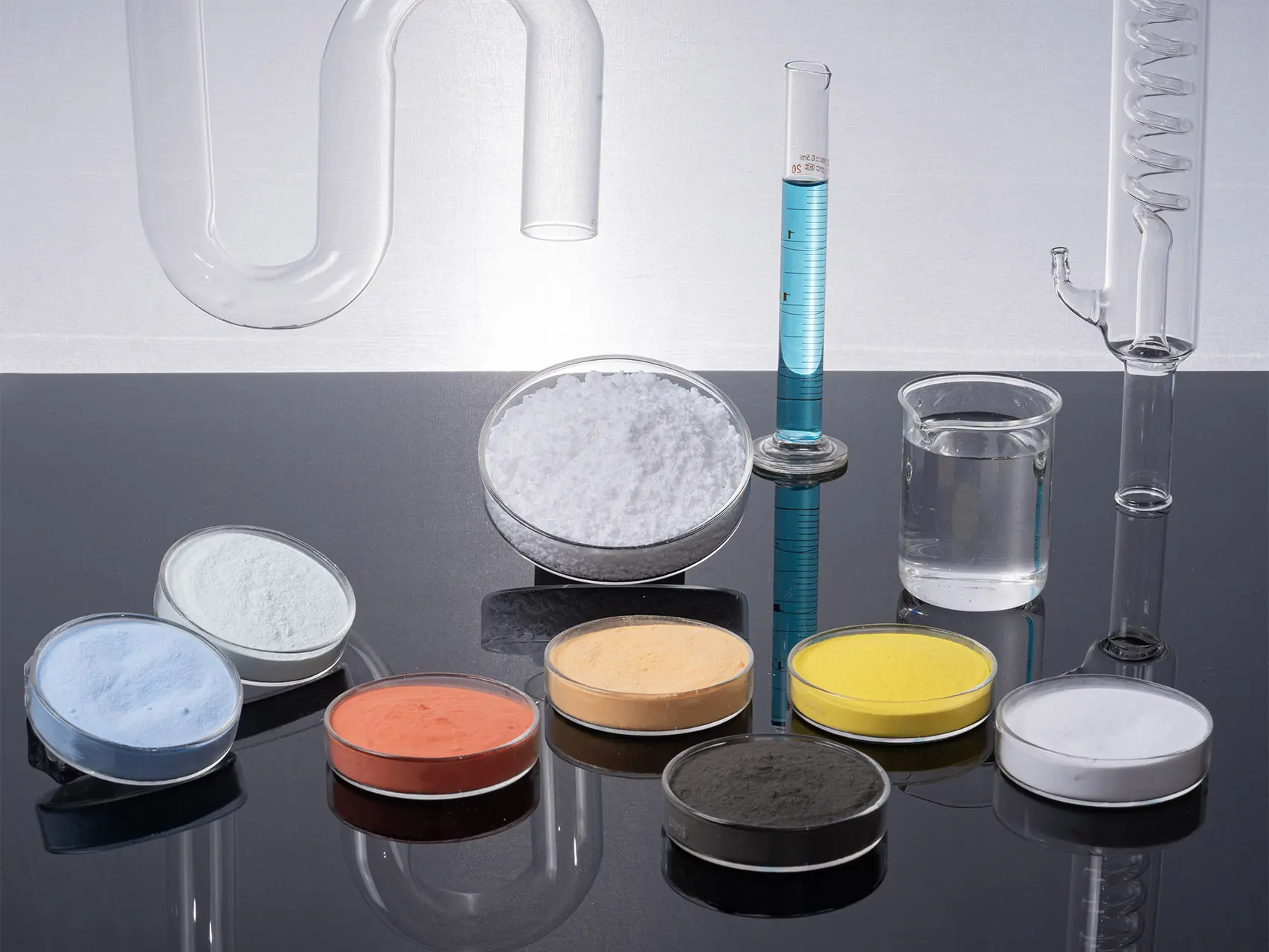
Our Melamine Molding Compound (MMC) and Melamine Glazing Powder provide superior surface hardness, thermal resistance, and chemical durability, meeting food-contact standards globally.
We provide rheology modifiers, defoamers, and dispersants that work together to optimize paint stability, application thickness, leveling, and overall film durability.
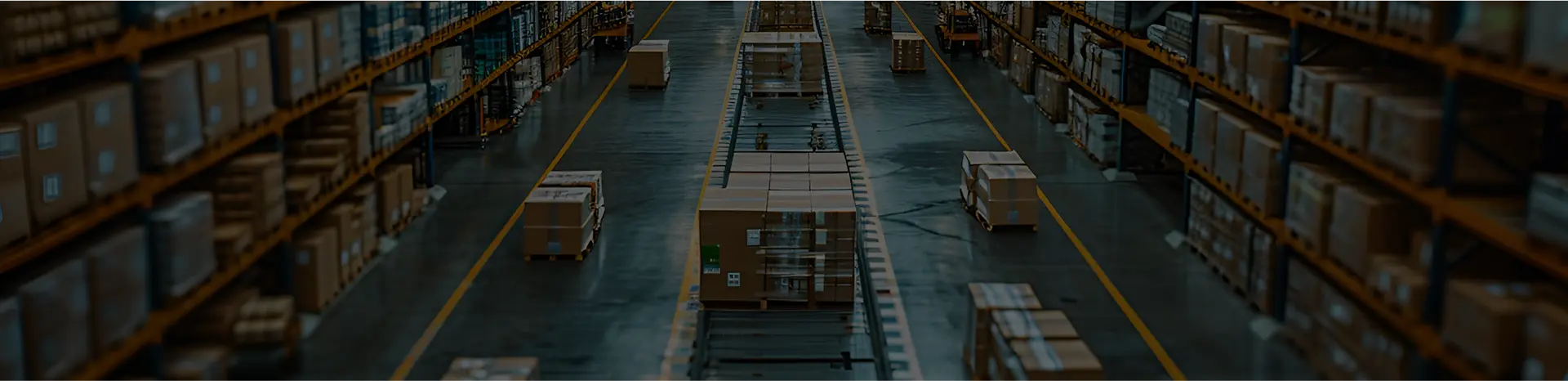
Minimizing lead times and securing chemical supply chains for international clients.
To support continuous, high-volume manufacturing, our logistics and operations departments coordinate custom shipping solutions, bulk container options, and protective packaging to maintain chemical stability under varying temperatures during transit.
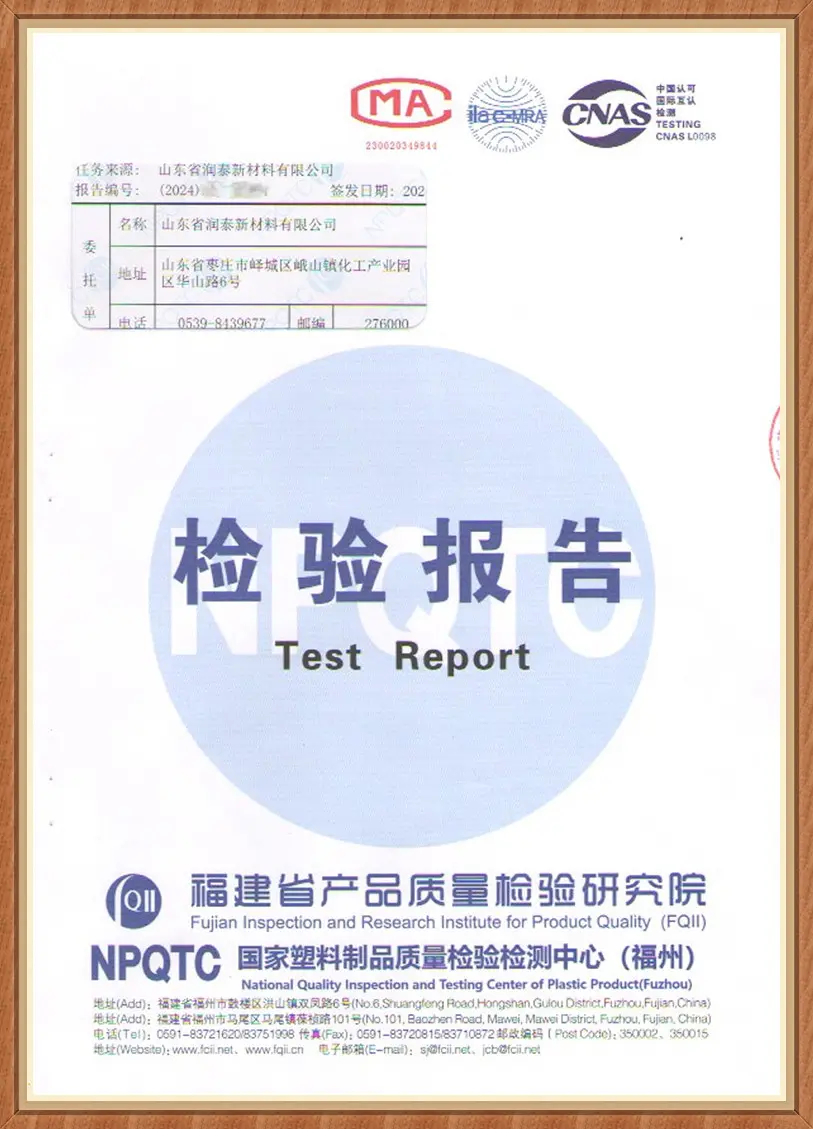
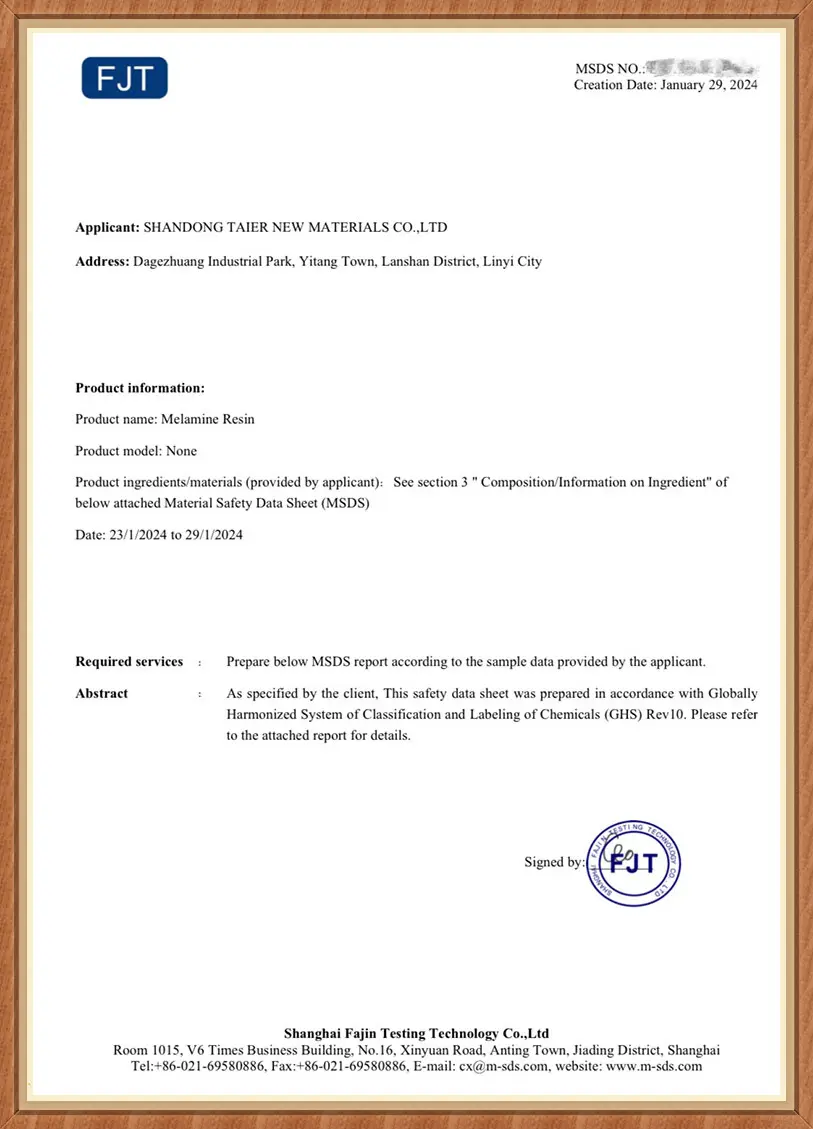
Each batch undergoes strict QC evaluation, supported by Certificates of Analysis (COA), safety data sheets (SDS) following GHS standards, and technical datasheets. This clear documentation speeds up customs processing and simplifies intake checks at destination ports.
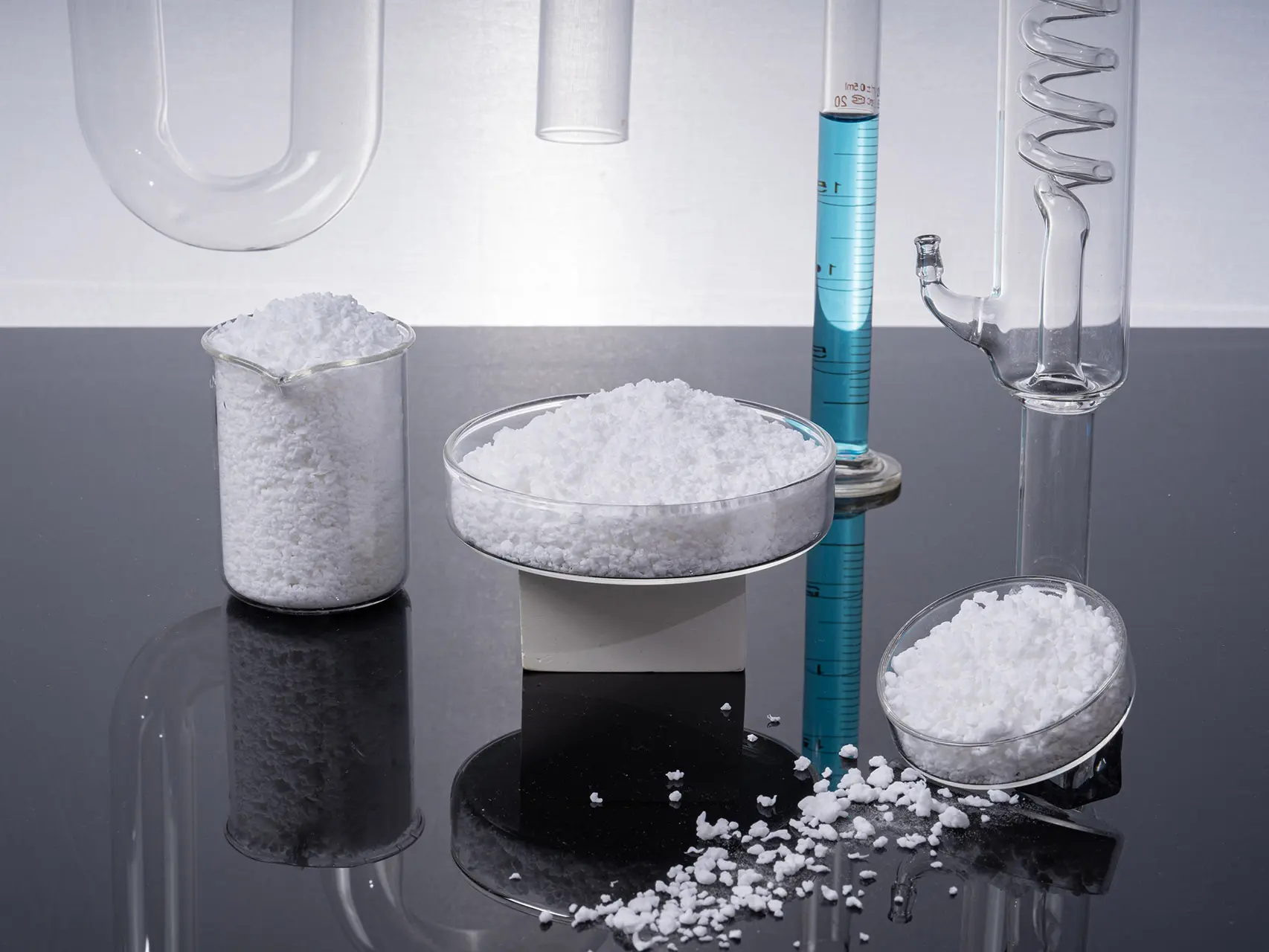
Demonstrating our commitment to quality, environmental safety, and technological innovation through audited standards.
Addressing technical questions regarding material specifications, usage, and shelf stability.
Explore our targeted additive lines designed to optimize aqueous systems and compression processes.
 Runtai