Explore our premium factory-direct additives, swelling thickeners, and industrial coatings components engineered for performance.
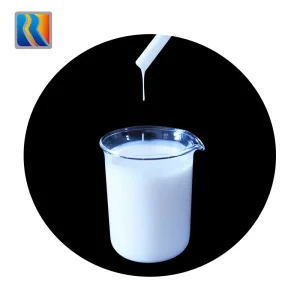
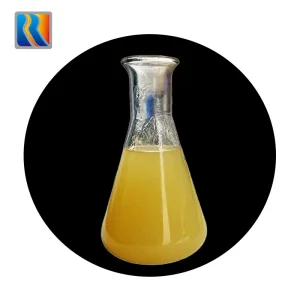
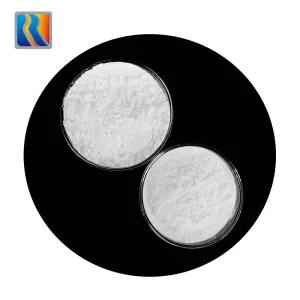
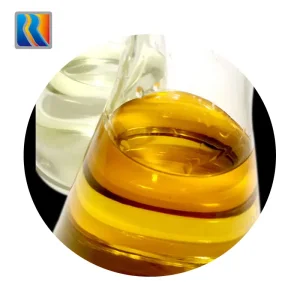
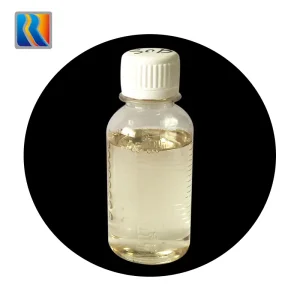
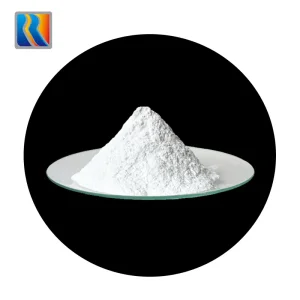
In modern industrial applications, the mandate for sustainable, high-purity surfactants has elevated Soy Lecithin Emulsifier from a food-grade staple to an indispensable component of advanced material formulations. As global supply chains pivot toward bio-based alternatives, selecting a verified wholesale soy lecithin emulsifier factory requires more than evaluating commodity pricing. It demands a deep understanding of molecular consistency, extraction technologies, and supply chain resilience.
Soy lecithin is a complex mixture of phospholipids—predominantly phosphatidylcholine (PC), phosphatidylethanolamine (PE), and phosphatidylinositol (PI)—extracted during the degumming phase of crude soybean oil processing. Its unique amphiphilic nature allows it to bridge polar and non-polar phases, facilitating thermodynamic stability in emulsions, acting as a wetting agent, and improving dispersing efficiency across paints, coatings, adhesives, and polymer resins.
"True processing E-E-A-T (Experience, Expertise, Authoritativeness, and Trustworthiness) in lecithin refining is defined by the manufacturer's ability to maintain tight control over the Hydrophilic-Lipophilic Balance (HLB) values and keep residual impurities to parts-per-million levels."
Uncovering the macroeconomic drivers behind bio-based surfactant procurement and regulatory compliance.
Global procurement teams in food, cosmetics, and packaging films are increasingly phasing out synthetic ethoxylated surfactants (such as PEGs and polysorbates) in favor of non-GMO soy lecithin. Compliance with EFSA, FDA, and REACH regulations requires chemical plants to guarantee complete traceability from raw agricultural seed crushing to final drumming.
In water-borne industrial coatings, paint manufacturers utilize liquid and de-oiled soy lecithin to optimize pigment dispersion, preventing hard settling during storage. This is particularly synergistic with acrylic acid-based swelling thickeners and mineral oil defoamers, helping to establish stable paint rheology profiles.
With volatile shipping rates and localized logistics bottlenecks, modern manufacturers seek vertically integrated chemical groups that control upstream precursors. Dual-sourcing strategies are common practice: combining local sourcing with bulk chemical imports from high-capacity Chinese facilities that operate under continuous production runs.
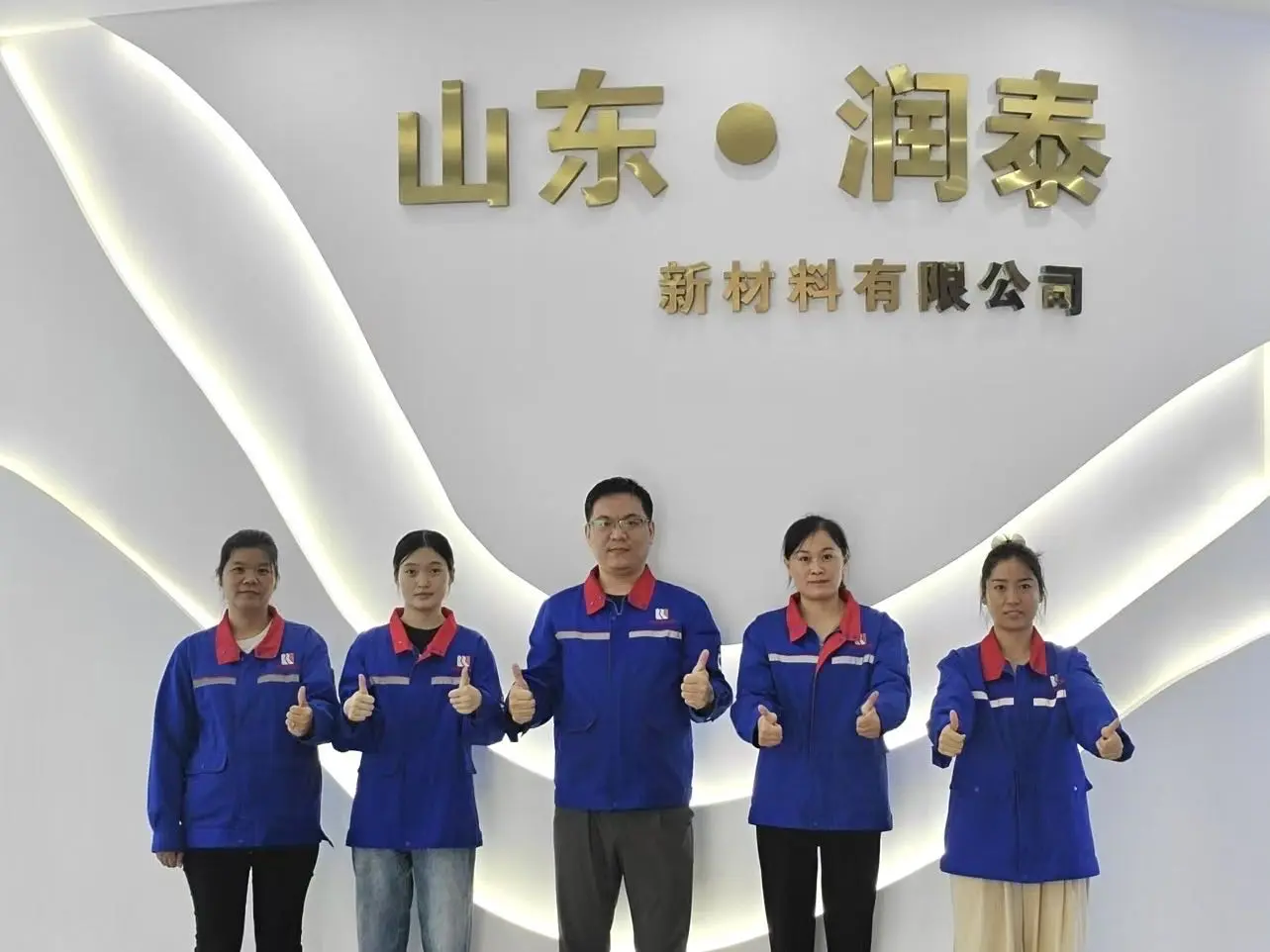
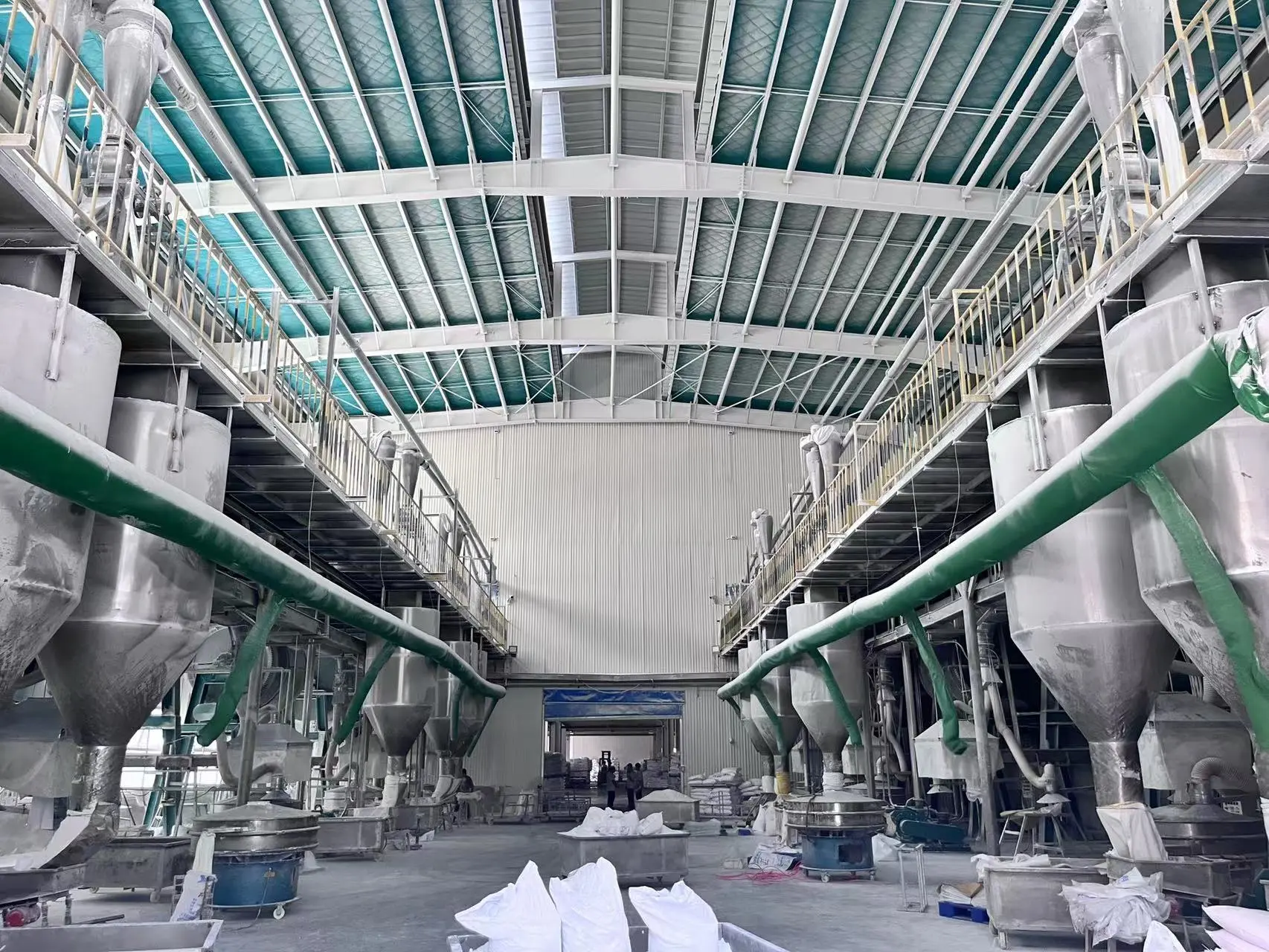
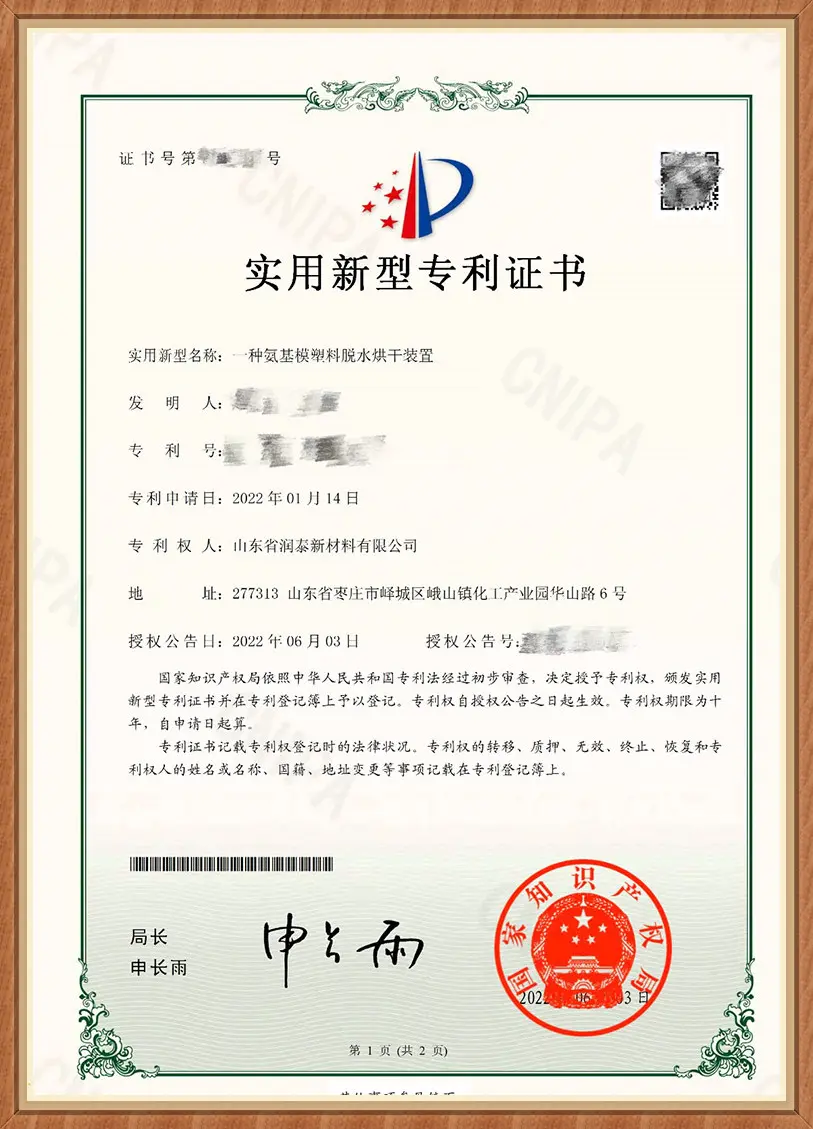
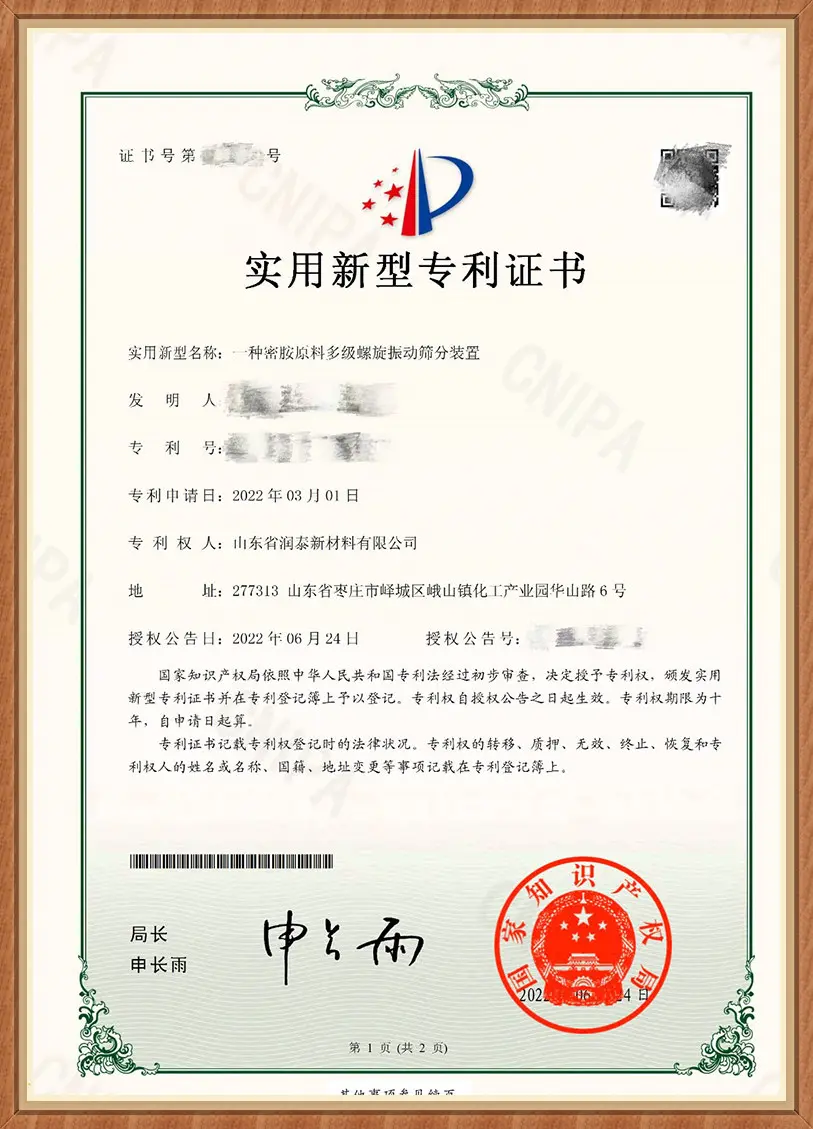
To secure consistent, high-yield production of industrial resins and chemical additives, Shandong Runtai New Materials Co., Ltd. leverages a highly automated production infrastructure. Established in March 2020 with a massive capital injection of 2.06 billion yuan, Runtai's facility in Zaozhuang City, Shandong Province spans 270,000 square meters.
Our commitment to tech-driven manufacturing is reflected in our selection of production systems: we utilize the modern Distributed Control System (DCS) to monitor and regulate process parameters across the entire chemical synthesis and separation loops. By removing human error from temperature control, feedstock feeding, and catalytic processes, we guarantee high product quality and process safety while drastically lowering raw material consumption.
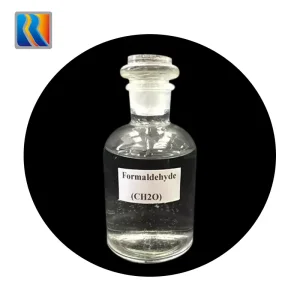
This automated capability supports a massive annual chemical footprint, including 380,000 tons of formaldehyde, 300,000 tons of urea formaldehyde resin, 60,000 tons of melamine, and 20,000 tons of melamine glazing powder, making Runtai a dominant force with approximately an 80% market share in key domestic segments.
Analyze the primary quality and physical parameters required by industrial sourcing procurement agents.
When purchasing industrial or food-grade soy lecithin in bulk, QC managers must confirm several analytical markers to ensure compatibility with downstream manufacturing. Below are the key chemical benchmarks:
| Parameter / Specification | Standard Liquid Soy Lecithin | De-oiled Soy Lecithin Powder | Modified Soy Lecithin (Hydrophilic) |
|---|---|---|---|
| Acetone Insolubles (Phospholipids) | Min. 60% - 62% | Min. 95% - 97% | Min. 56% - 58% |
| Acid Value (mg KOH/g) | Max. 30 - 36 | Max. 36 | Max. 45 |
| Hexane Insolubles | Max. 0.3% | Max. 0.1% | Max. 0.3% |
| Viscosity (at 25°C / mPa·s) | 8,000 – 12,000 | N/A (Solid Powder) | 3,000 – 6,000 (Low viscosity) |
| HLB (Hydrophilic-Lipophilic Balance) | 3.5 – 4.5 (W/O Emulsifier) | 7.0 – 8.0 (General dispersion) | 8.0 – 10.0 (O/W Emulsifier) |
| Moisture Content | Max. 1.0% | Max. 1.5% | Max. 1.0% |
How soy lecithin emulsifiers interact with other chemical agents to optimize product formulations.
In water-based coatings, achieving dynamic pigment stability is a key challenge. Incorporating Ammonium Salt Dispersants and Soy Lecithin together creates a robust steric barrier around inorganic pigment particles like TiO2. While the lecithin wets the surface of the pigment particles, our Acrylic Acid-Based Swelling Thickeners build the shear-thinning network required to keep the pigment in suspension, preventing sag and syneresis.
For manufacturers producing multi-layer flexible packaging materials, our Packaging Film Adhesives must wet the plastic substrates perfectly. Soy lecithin behaves as a bio-degradable slip agent and surface modifier. It prevents blockings while keeping the adhesive coating homogeneous. When used in combination with melamine glazing compounds and phenolic resins, it aids mold-release actions without degrading structural adhesion.

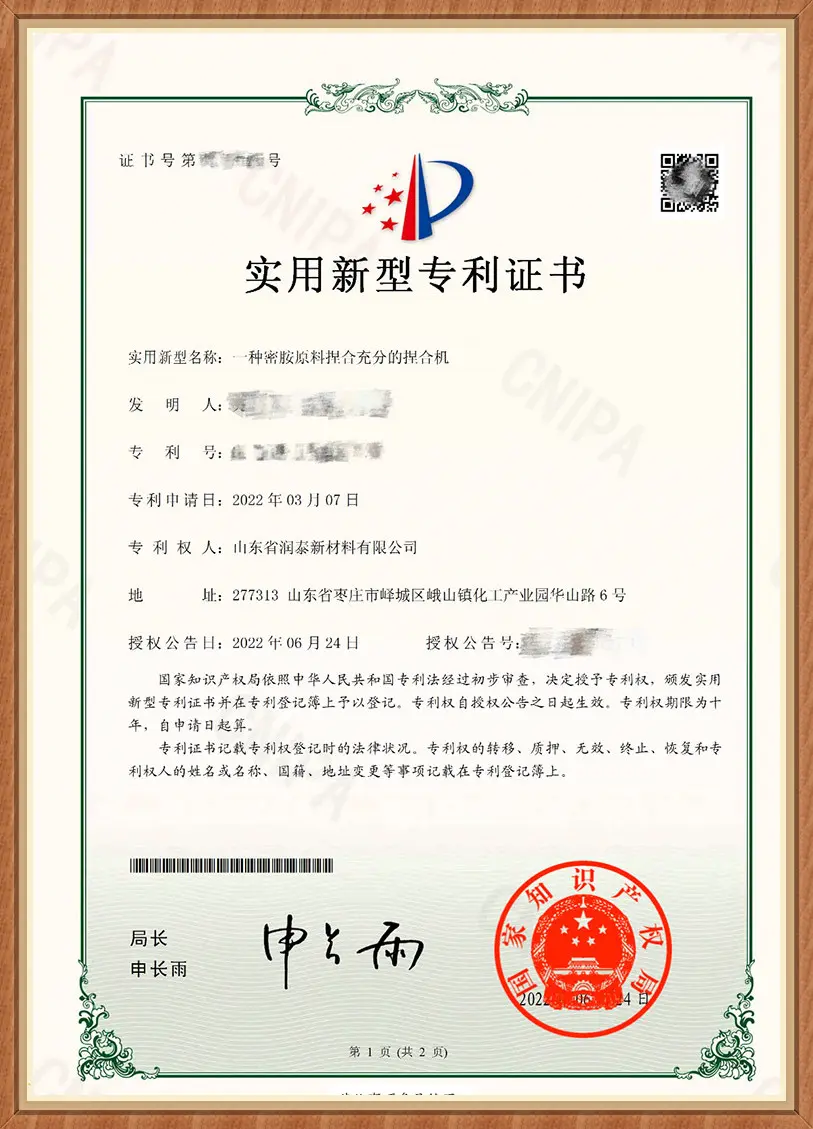
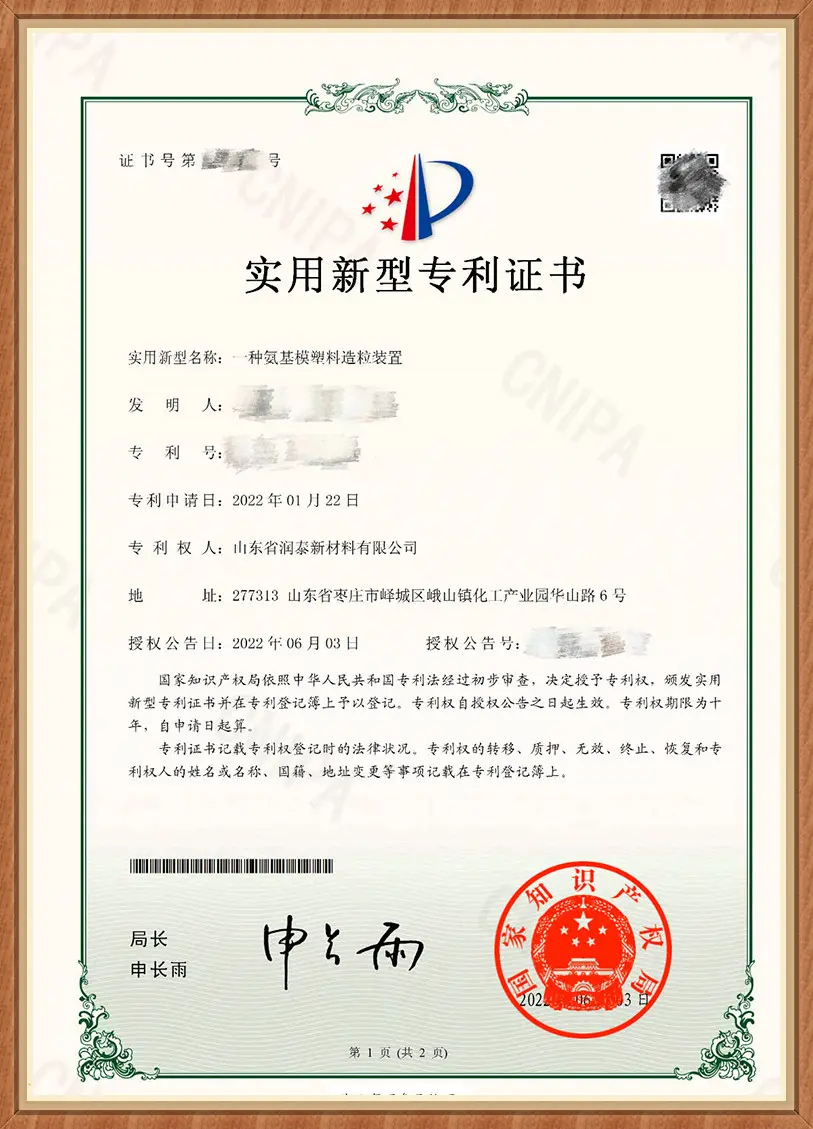
Runtai New Materials places research and environmental stewardship at the center of its business model. We collaborate with leading scientific research institutes, including the Changzhou Research Institute of Beijing University of Chemical Technology. With a doctoral research and development team, we focus on engineering low-VOC and biodegradable alternatives for industrial surfactants and thermosetting resins.
We strictly follow ESG guidelines to ensure green, low-carbon chemistry footprinting. By utilizing advanced raw materials and high-efficiency recovery systems, our plants decrease waste generation and adhere to local environmental protection codes. Our operations hold certifications for ISO 9001, ISO 14001, and ISO 45001, assuring international procurement officers of our reliability.
Get answers to technical and logistical questions about wholesale chemical additives and industrial emulsifiers.
Complete your sourcing specifications with our specialized range of resins, defoamers, and packaging adhesives.
 Runtai