Explore our high-purity chemical compounds manufactured to international standards. Direct factory sourcing with guaranteed batch-to-batch consistency.
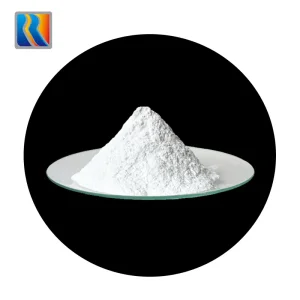
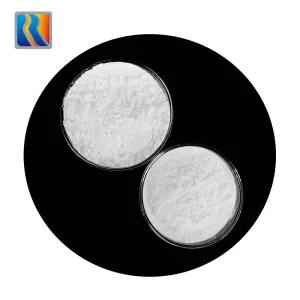
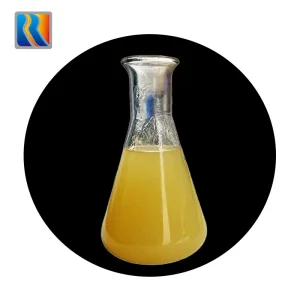
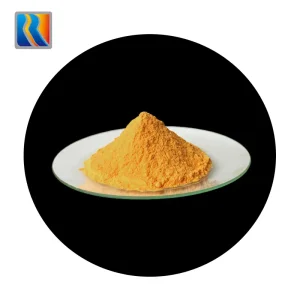
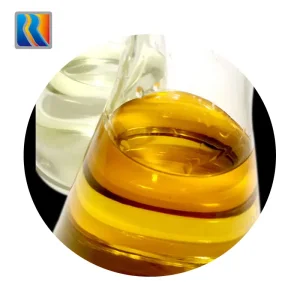
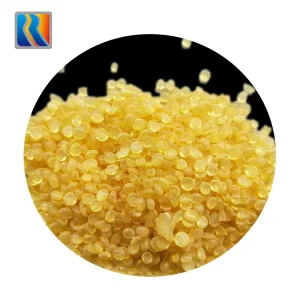
Phenolic resins, first synthesized as Bakelite, represent the cornerstone of the thermosetting polymer sector. Characterized by outstanding thermal stability, excellent mechanical strength, flame retardancy, and chemical resistance, these polymers serve as indispensable bonding and matrix agents across high-performance industries. They are categorised primarily into two classes: Novolac resins (acid-catalyzed, requiring a curing agent like hexamethylenetetramine) and Resole resins (base-catalyzed, self-curing under heat).
In the contemporary landscape, global industries are pushing the boundaries of material limits. The demand for phenolic resins is undergoing a paradigm shift, driven by advancements in aerospace structural composites, highly durable automotive friction components (brake pads and clutch facings), long-lasting refractory materials for steel-making, and eco-friendly wood adhesives. As global manufacturing demands safer and more durable materials, the role of experienced, vertically-integrated manufacturers becomes paramount in securing consistent feedstock and stable pricing.
Annual Formaldehyde Output
Urea Formaldehyde Output
Domestic Market Share (Selected Sectors)
Total Capital Investment (CNY)
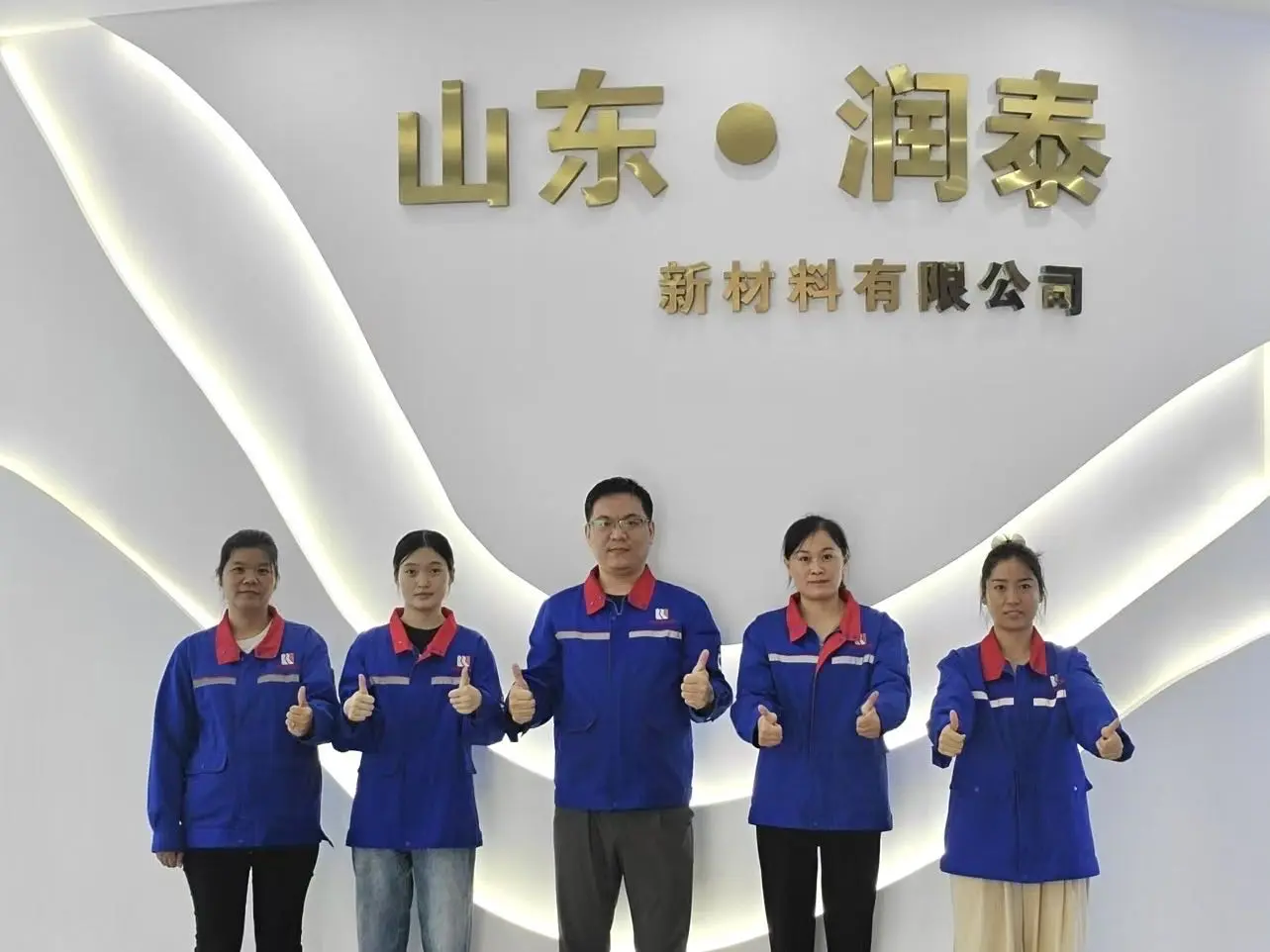
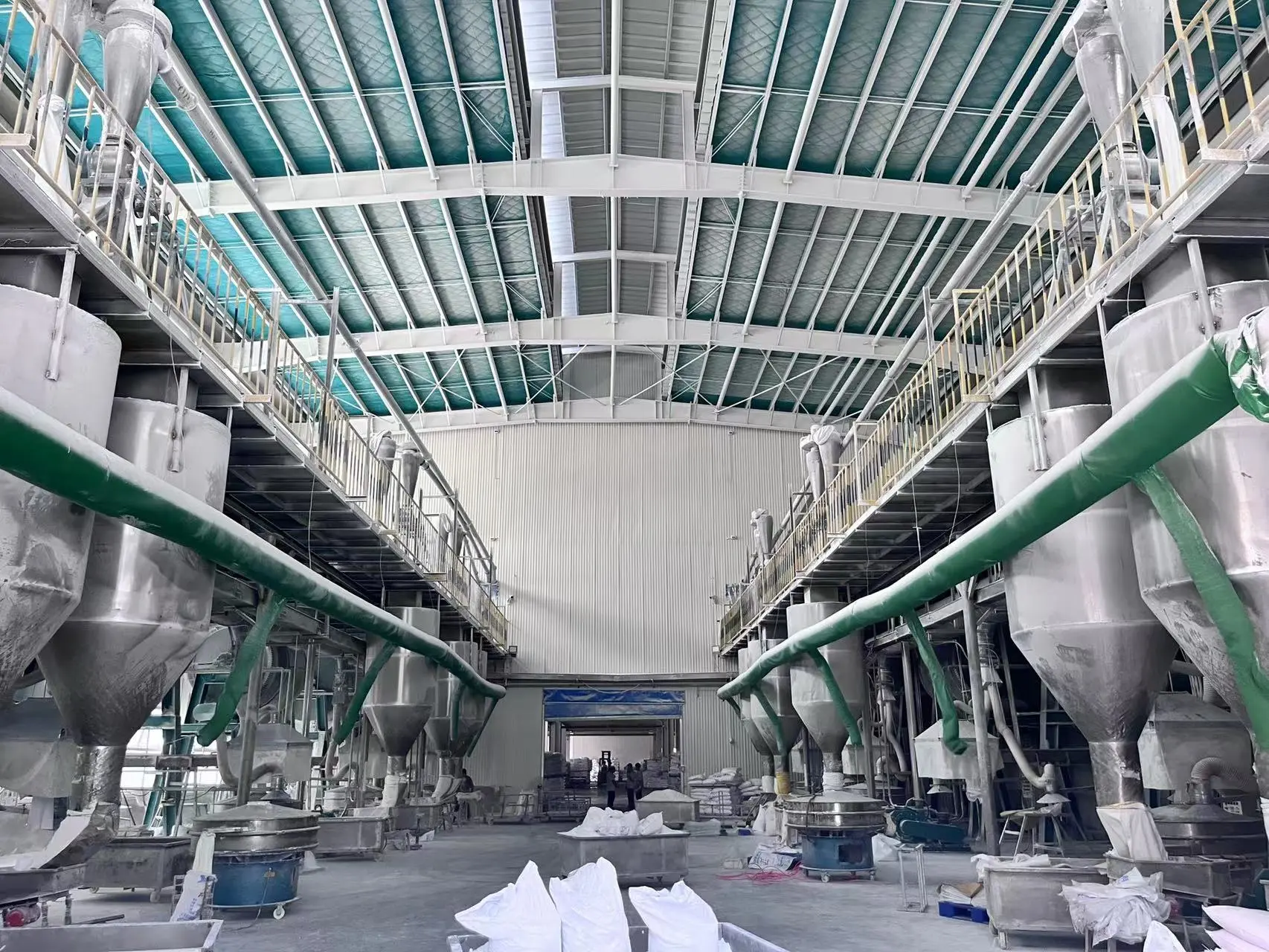
Founded in March 2020, Shandong Runtai New Materials Co., Ltd. is a comprehensive group firm that specializes in fine chemical products. Our primary products include formaldehyde, polyformaldehyde, urea formaldehyde resin, melamine powder and melamine glazing powder. The corporation has branches in five different cities throughout the whole country, with its headquarters located in Zaozhuang City, Shandong Province. Runtai New Materials covers an area of 270,000 square meters with a total investment of 2.06 billion yuan.
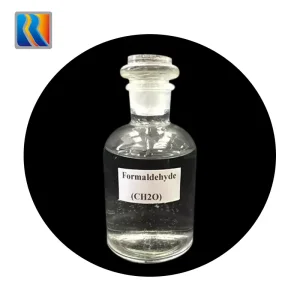
Our capacity has grown to be one of China's top producers of melamine and formaldehyde due to our recent improvements in production lines growth. As of currently, the company produces 380,000 tons of formaldehyde annually, 60,000 tons of melamine annually, 20,000 tons of melamine glazing powder annually, 11,000 tons of resin annually, 300,000 tons of urea formaldehyde resin annually, and so forth. We have reached about 80% market share in China. At the same time, we are actively developing overseas business; our products have been exported to the United States, Thailand, Kenya, Egypt, and other countries and have been widely praised by overseas customers.
Navigating the supply chain of thermosetting resins requires analyzing technical parameters, logistic compliance, and environmental regulations.
Phenolic resins require stable formaldehyde supply chains. Since Runtai manufactures 380,000 tons of formaldehyde annually, our upstream integration eliminates raw material shortages, cushioning buyers against market volatility.
Procuring phenolic resin requires precise specifications. Flowability, curing temperatures (typically 130°C - 180°C), and free monomer concentration (phenol/formaldehyde) must match the processing equipment of compression molders.
We deploy advanced Distributed Control Systems (DCS). Automating chemical process parameters prevents exothermic runaways and ensures molecular weight distribution remains within a narrow deviation band.
Phenolic chemistry provides cross-linking performance and carbon yields essential for extreme structural environments.
| Application Field | Technical Challenge | Runtai Phenolic/Polymer Solution | Material Property Focus |
|---|---|---|---|
| Friction Materials (Brake Pads & Clutch Facings) | Thermal degradation and mechanical shear under high braking temperatures. | Novolac resin modified with elastomer modifiers or cashew nut shell liquid (CNSL). | Thermal stability up to 350°C, consistent coefficient of friction, low brake noise. |
| Refractories & Foundry | High temperature oxidation, mechanical erosion by molten steel. | High carbon-yield liquid resoles or solid novolacs with hexamethylenetetramine. | Residual carbon yield > 40-50%, high structural bonding strength at >1500°C. |
| Electrical Laminates & PCB | Dielectric breakdown, flame spread, moisture absorption. | Phenolic moulding compounds integrated with glass fiber or paper substrates. | UL94 V-0 flame retardancy, low dielectric loss, low water absorption. |
| Abrasive Tools (Grinding Wheels) | High mechanical stress during high-speed grinding. | High molecular weight novolac powder with controlled particle size. | High tensile strength, mechanical durability under shear stress. |
Integrating chemical science with long-term environmental responsibility.
Establishment of state-of-the-art DCS systems across Shandong. Achieving high annual production capacities, including 380,000 tons of formaldehyde and 300,000 tons of urea formaldehyde resin to secure a dominant market presence.
Establishing strategic alliances with the Changzhou Research Institute of Beijing University of Chemical Technology. Focusing R&D on controlling residual free phenol and formaldehyde to comply with strict occupational health rules.
Developing specialized resin systems including melamine-urea-formaldehyde (MUF), high-performance phenolics, and specialty water-based defoamers/dispersants tailored for coatings, adhesives, and composites.
Integrating bio-phenolic sources (like lignin or cashew nut shell liquid) and transitioning to zero-emission synthesis plants, meeting global carbon-neutral manufacturing guidelines.
Leveraging deep industrial integration to deliver high-quality polymer compounds globally.
After the completion of the melamine project, Runtai New material Co., LTD has become a comprehensive enterprise in the forefront of China's research, production, sales and application of new chemical materials with formaldehyde as raw materials. Melamine materials are projected to have a leading market share nationwide.
We apply the guiding principles of "automatic control, safe and reliable, stable operation, energy saving and consumption reduction, comprehensive utilization of resources" when choosing production technology solutions. Selecting the more advanced distributed control system (DCS) available currently allows us to control the process parameters across the entire production line, ensuring high levels of product quality and equipment safety while lowering raw material consumption.
To maximize the requirements of product quality, we employ the current cutting-edge, dependable, and established equipment both domestically and internationally when choosing production and testing devices. Simultaneously, we aim to increase the level of automation in the production process, decrease labor intensity, boost labor productivity, conserve energy, and lower testing and production costs.
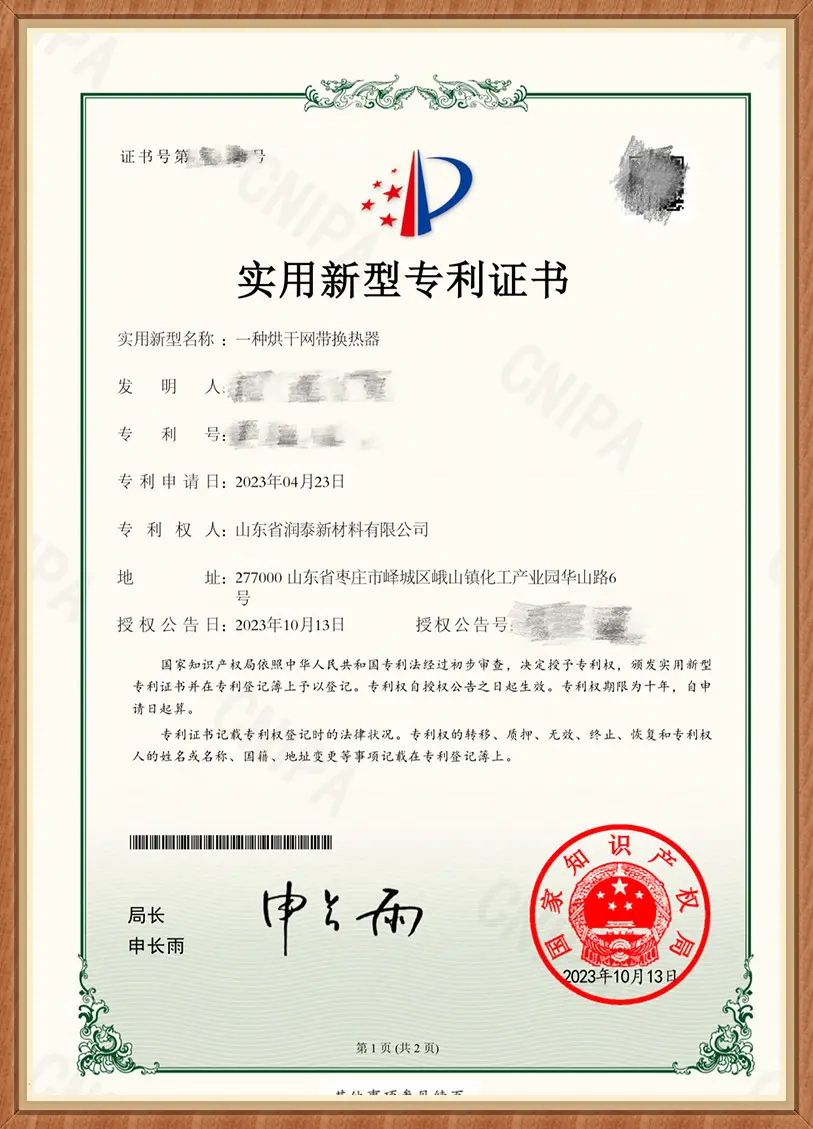
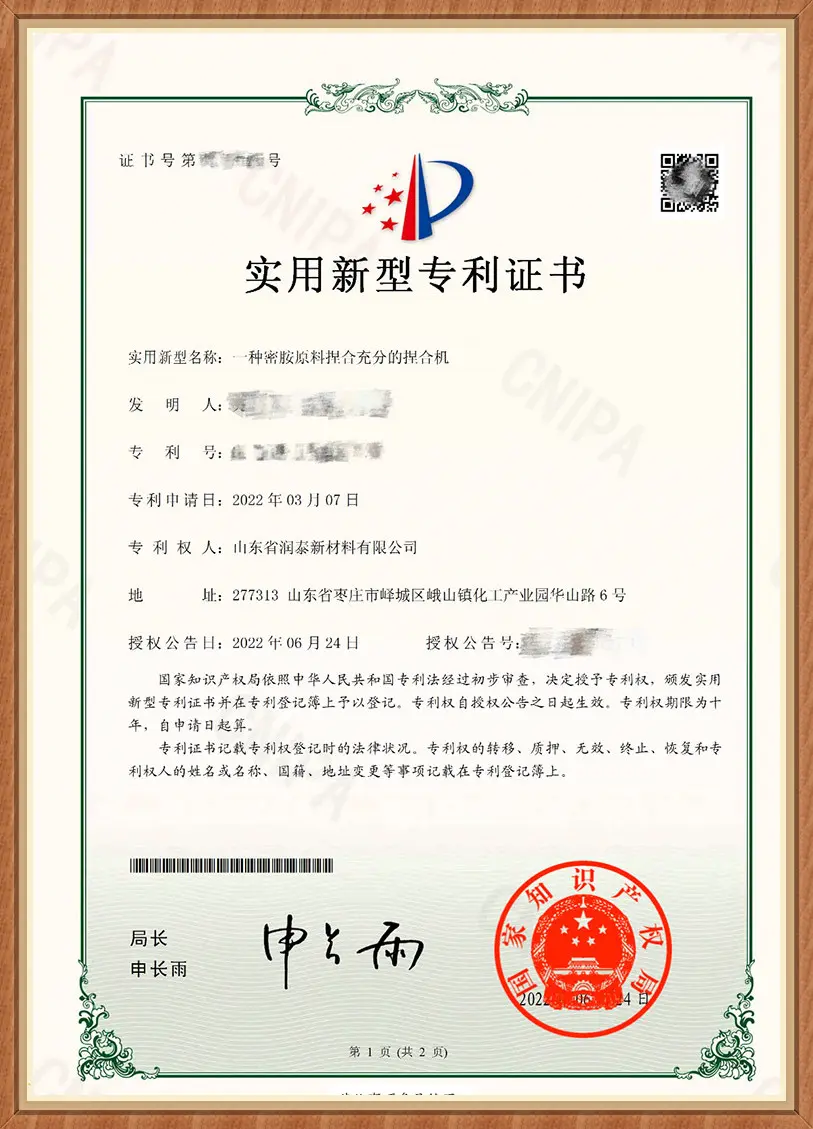
With the Changzhou Research Institute of Beijing University of Chemical Technology and other scientific research institutions, Runtai New material Co., LTD has long engaged in the integration of production, learning, and research. The company also has a cutting-edge doctoral research and development team in the industry and a number of patented technologies.
The new chemical materials industry with formaldehyde as raw materials has great potential for extension, and there are many types of derivative products, which can be widely used in adhesives, coatings, resin plastics, dyes, medical basic raw materials, and electronic, electrical, machinery, daily utensils materials replacement and upgrading fields.
Meanwhile, Runtai New Materials, as an ethical company, prioritizes sustainable development and environmental preservation. Our commitment lies in developing and producing eco-friendly products that minimize their negative effects on the environment while adhering to pertinent laws, regulations, and standards.
The "quality first, customer first" attitude has always guided our business, and we embrace customer service with honesty and professionalism. Friends from both domestic and foreign locations are warmly invited to visit Runtai New Materials. We look forward to collaborating with you to build a better future together!

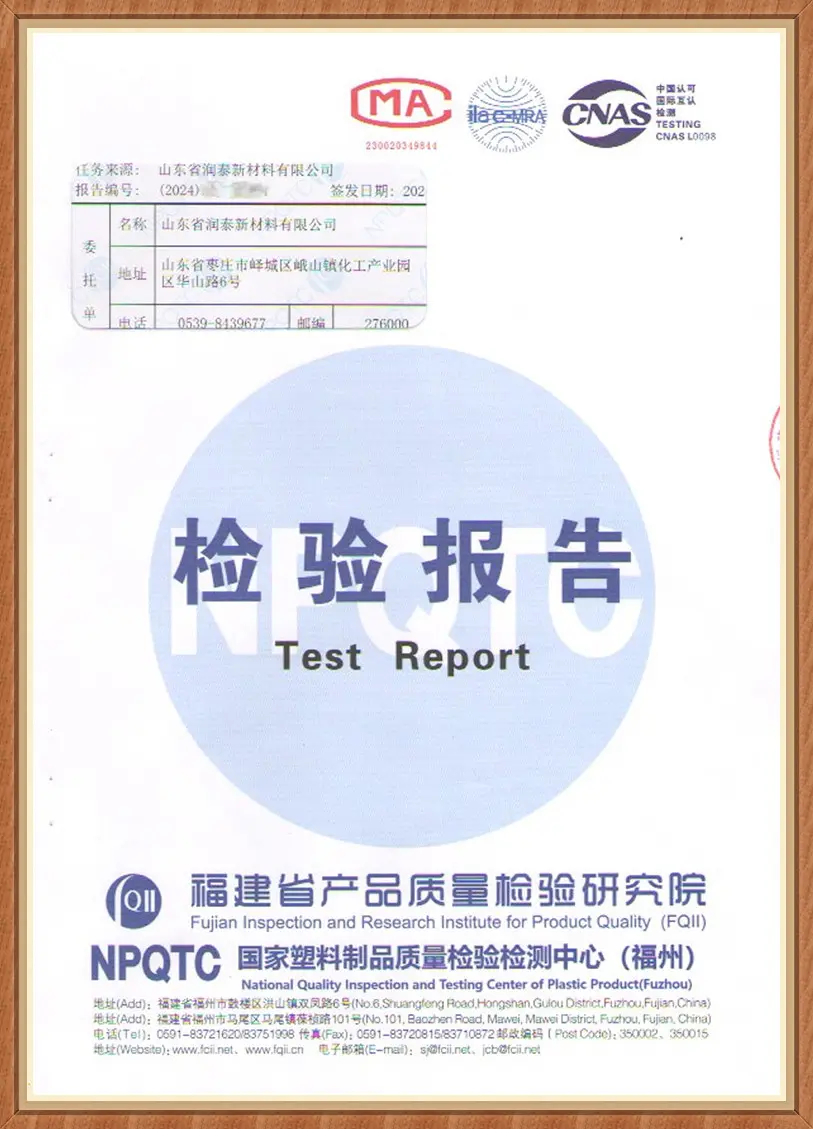
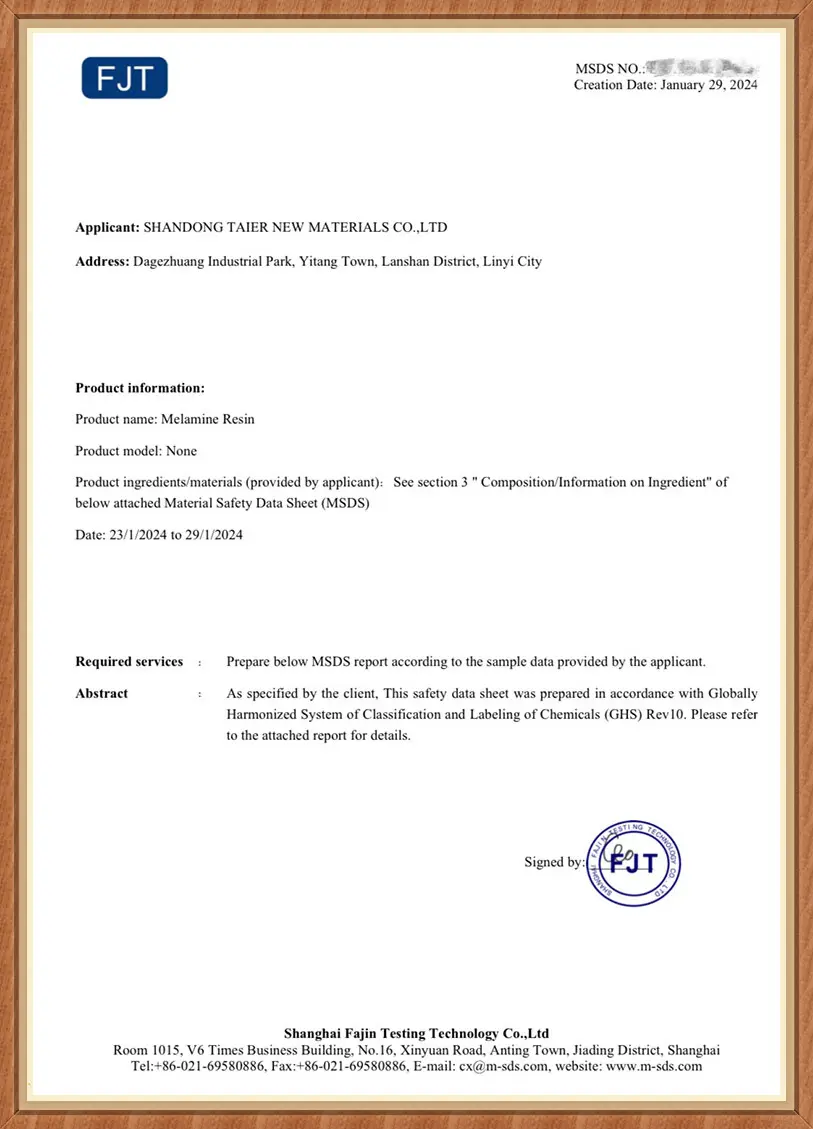
Verified systems ensure international chemical regulations compliance, safe logistics, and consistent compound formulations.
Expert insights on phenolic resin application chemistry, storage, supply stability, and logistics management.
Resole Phenolic Resins are synthesized under alkaline catalyst conditions with an excess molar ratio of formaldehyde to phenol. They contain reactive methylol groups and can cure thermally without a cross-linking agent. They are primarily used in liquid forms for impregnating glass fibers, wood bonding, or high-temperature insulation coatings. Due to active reactive groups, resoles have a limited shelf-life and often require refrigerated storage.
Novolac Phenolic Resins are polymerized under acidic catalysts with an excess of phenol. They are thermoplastic in nature and require a curing agent, typically hexamethylenetetramine (HEXA), to undergo cross-linking. Novolacs are highly stable at ambient temperatures, supplied as flakes or powders, and are widely used in friction materials, abrasive wheels, molding compounds, and refractories.
Runtai owns and operates highly integrated upstream processing systems. We manufacture 380,000 tons of formaldehyde annually at our 270,000-square-meter facility in Zaozhuang City. Because formaldehyde is the critical primary reactant in synthesizing phenolic resins, melamine molding compounds, and urea-formaldehyde resins, our direct integration guarantees chemical feedstock availability and shields our partners from external chemical supply chain shocks.
We deploy high-end, reliable processing lines controlled by modern Distributed Control Systems (DCS). DCS automates heat exchange cycles and maintains polymerization temperatures within narrow margins. This results in highly uniform molecular weights, controlled gel times, and reduced residual free phenol and free formaldehyde, ensuring compliance with global environmental regulations (such as REACH and TSCA).
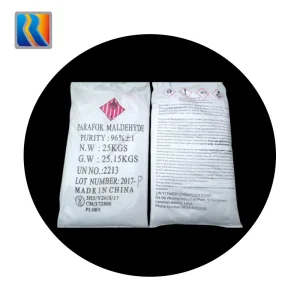
Solid Novolac powders and grains are packaged in moisture-proof woven bags with PE inner liners (typically 25kg or 1000kg bags) and should be stored in dry, cool, and well-ventilated areas below 25°C to prevent agglomeration. Liquid Resole resins are shipped in IBC totes or ISO tanks under temperature-controlled shipping conditions to maintain viscosity stability during ocean freight. We export directly to the US, Egypt, Kenya, Thailand, and other regions, handling full hazardous chemical compliance certificates.
Complete your sourcing portfolio with our vertically-integrated polymer and processing chemical compounds.
 Runtai