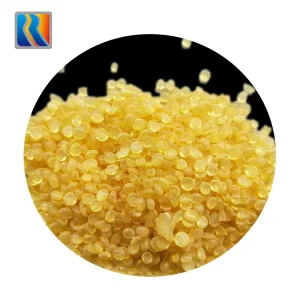
Phenolic polymers, often referred to as phenolic resins, represent the cornerstone of modern thermosetting polymer chemistry. Known for their exceptional thermal stability, chemical resistance, high flame retardancy, and superior mechanical properties, these materials are widely deployed across high-stress environments globally.
From aerospace friction materials and structural composites to electronic circuit boards and refractory matrix binders, phenolic resins provide structural integrity where other polymers fail. Under the shifting tides of the global economy, industrial procurers face increasing pressures regarding raw material stability, regulatory compliance regarding free formaldehyde levels, and strict performance metrics. Navigating these requirements demands a manufacturer with deep supply chain integration and high-tier synthetic capacities.
The polymer landscape is transitioning. Technical performance must align with ecological targets and process optimization to meet modern manufacturing standards.
Global regulatory frameworks (such as REACH and EPA guidelines) are continuously lowering acceptable free-formaldehyde emission thresholds. Modern synthesis focuses on alternative catalysts and precise stoichiometry to deliver high curing performance with minimal outgassing.
The push for lightweight automotive panels, high-speed rail interiors, and aviation cabins requires advanced phenolic polymers that offer exceptional UL 94 V-0 flame rating and ultra-low smoke toxicity indexes.
No two manufacturing processes are identical. B2B buyers now request custom-tailored polymer specifications, such as modified Novolac and Resol systems, targeting exact viscosity profiles and specific heat distortion temperature (HDT) targets.
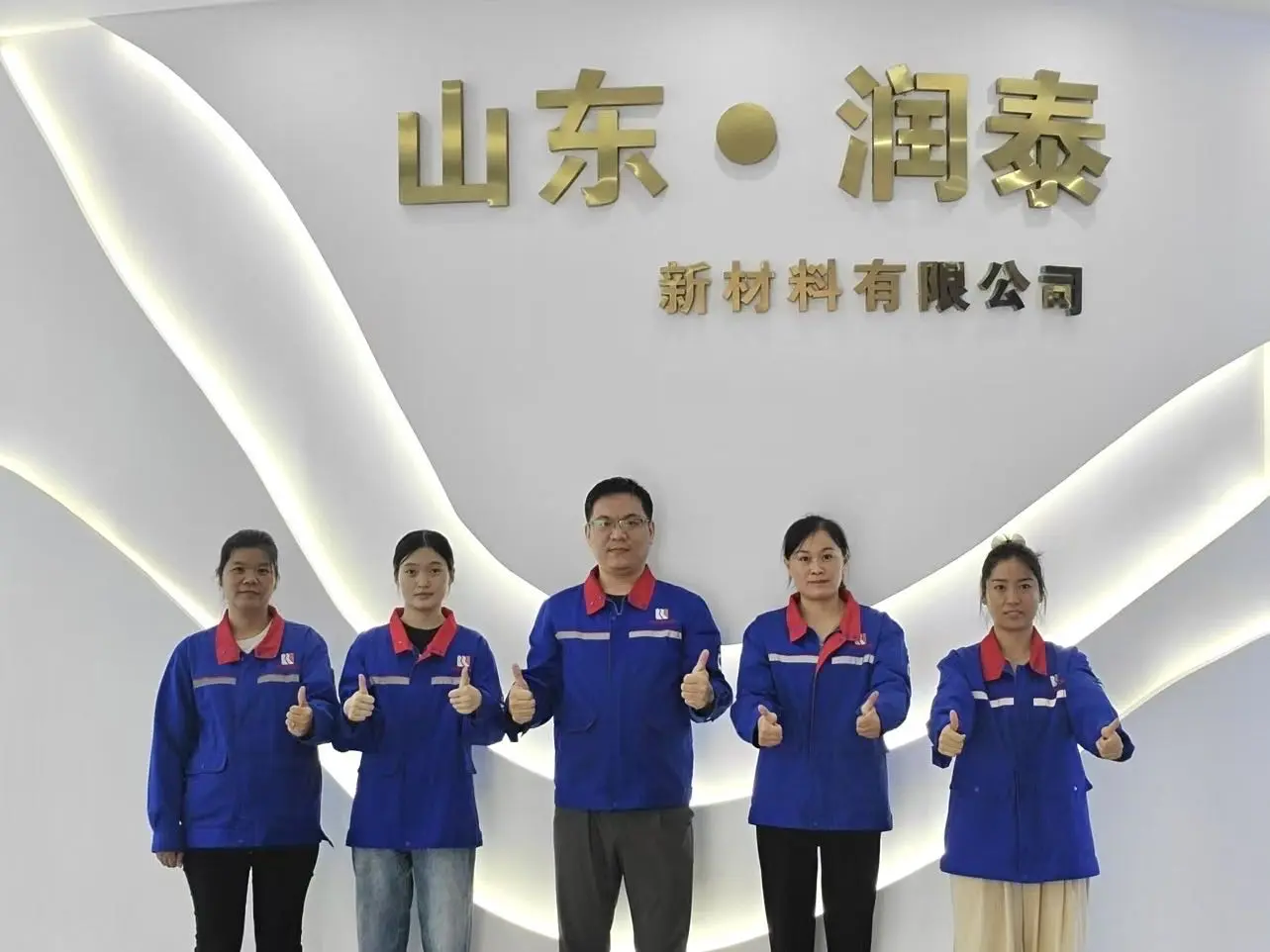
Founded in March 2020, Shandong Runtai New Materials Co., Ltd. has established itself as an industry leader in fine chemical products and high-performance polymer synthesis.
Headquartered in Zaozhuang City, Shandong Province, and backed by a total investment of 2.06 billion yuan, our operations cover a vast footprint of 270,000 square meters. The corporation manages strategically localized branches across five different cities throughout China to ensure supply chain redundancy and distribution efficiency.
Our operational philosophy is built on technical expertise, regulatory compliance, and a strong commitment to environmental sustainability. Through rigorous process control and advanced automation, we ensure our global partners receive consistent, high-specification materials for their essential production runs.
Manufacturing excellence at Shandong Runtai is driven by intelligent process control and vertical integration.
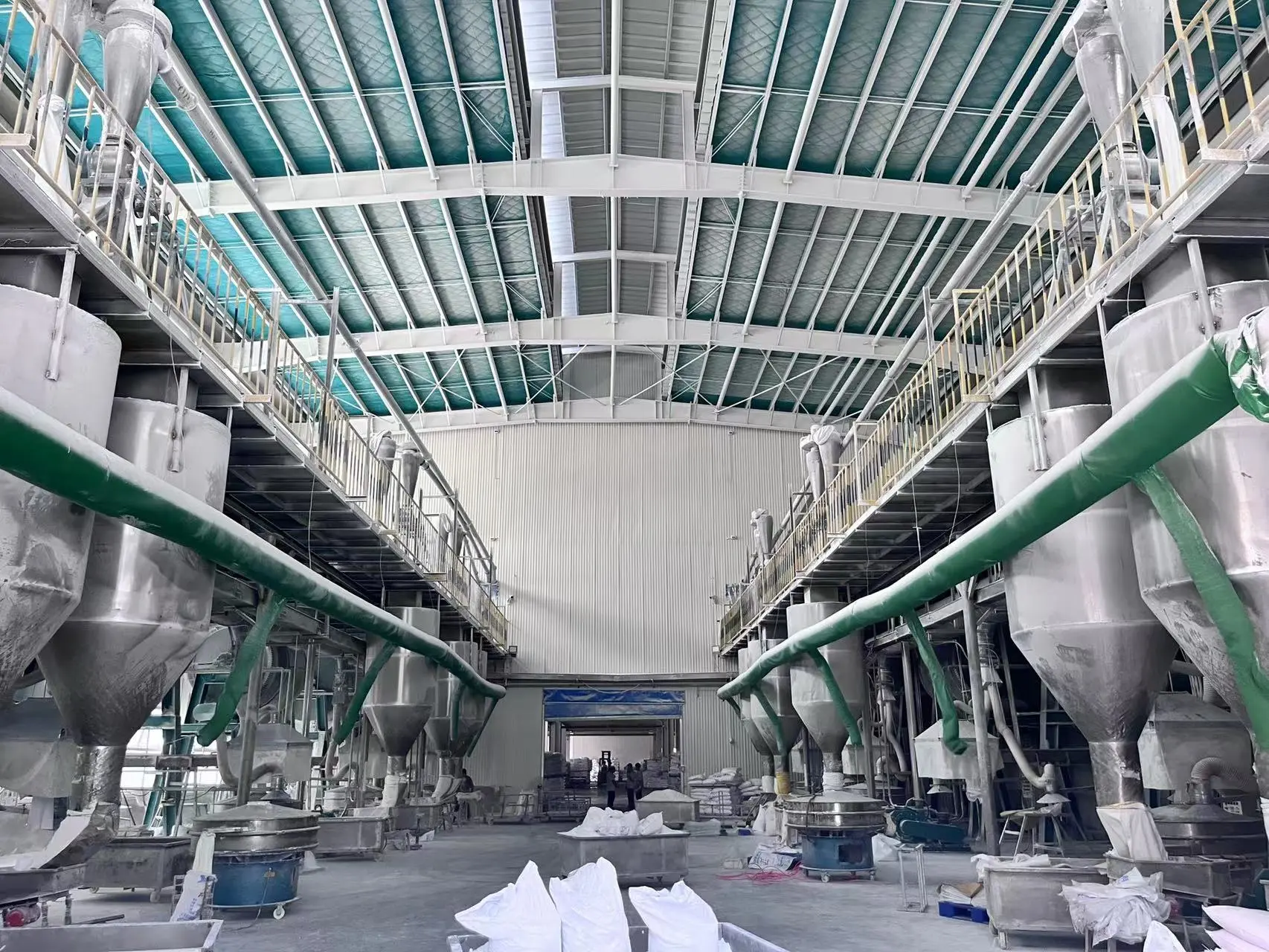
Our entire plant runs on state-of-the-art DCS automation, allowing real-time monitoring and modification of thermodynamic and chemical kinetics. This guarantees high precision in reactant ratios, minimizes batch-to-batch deviations, and optimizes energy conservation.
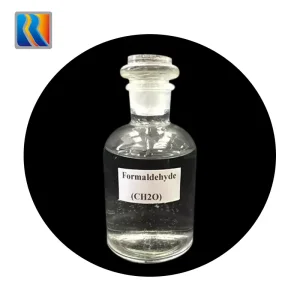
Unlike third-party blenders, we manufacture our own chemical feedstocks. Producing 380,000 tons of formaldehyde and 60,000 tons of melamine annually gives us a unique raw material buffer, protecting our clients from sudden global commodity price spikes.
We actively reduce our environmental footprint by using advanced recovery boilers and thermal energy recycling. These systems align our production facilities with international standards, helping our customers meet their carbon reduction and sustainability goals.
Shandong Runtai's chemical portfolio supports key industrial sectors around the world, providing customized formulations for diverse operational environments.
In the United States and Canadian timber industries, structural stability under moisture and high temperatures is critical. Our Urea Formaldehyde Resins and specialty adhesives are designed for the high-pressure lamination of Oriented Strand Board (OSB), Medium Density Fiberboard (MDF), and plywood, meeting strict HUD and CARB emissions standards.
With major processing centers in Thailand, Vietnam, and Malaysia, manufacturers require high-grade Melamine Moulding Compounds (MMC) and glazing powders. Our products offer excellent surface hardness, scratch resistance, and low chemical migration levels, ensuring safe food-contact compliance.
For brake linings, clutch facings, and structural composite matrix resins, European automotive Tier-1 suppliers rely on phenolic resins with precise flow characteristics and consistent cure rates. These formulations maintain mechanical integrity under the thermal stress of high-speed braking.
Our mineral oil defoamers and water-based additives are widely used in gold and copper flotation circuits across Kenya, Egypt, and South Africa. They improve process throughput by managing foam dynamics in highly alkaline mineral slurries.

Industrial progress relies on continuous innovation. Shandong Runtai New Materials maintains a strong, ongoing commitment to research and development.
We work in close cooperation with the Changzhou Research Institute of the Beijing University of Chemical Technology. This strategic partnership connects our manufacturing operations with leading polymer scientists in China. Our doctoral R&D team continuously improves our formulations, resulting in a growing portfolio of patented technologies and custom solutions.
Technical insights and procurement details for global purchasing managers and material scientists.
 Runtai