Explore our high-purity chemical compounds and resins designed for advanced manufacturing efficiency
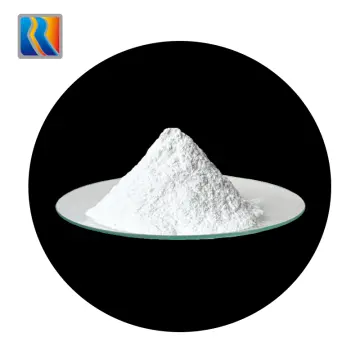
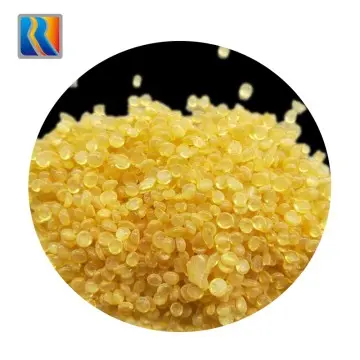
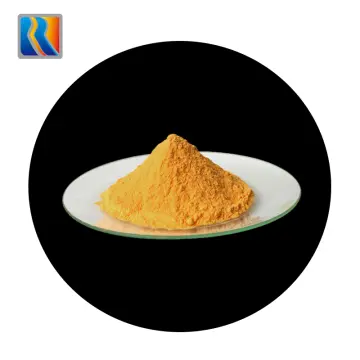
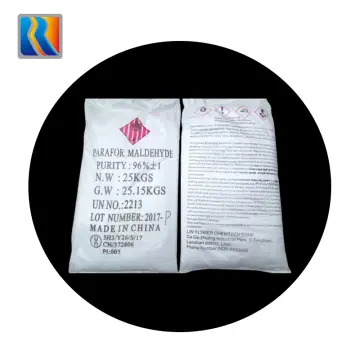
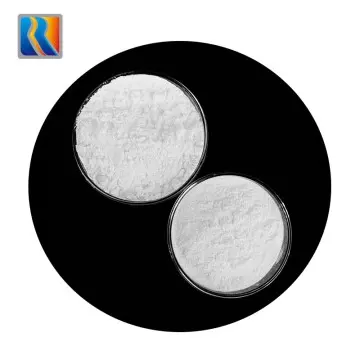
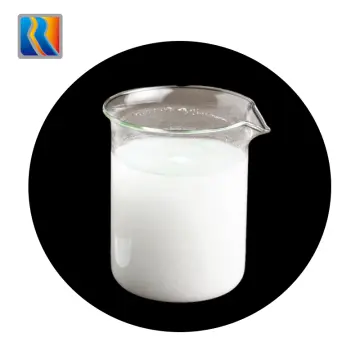
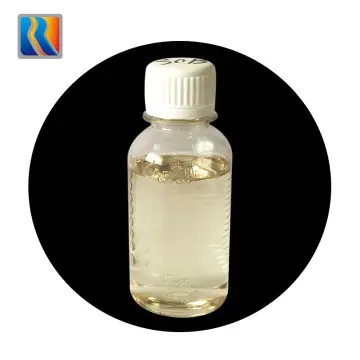
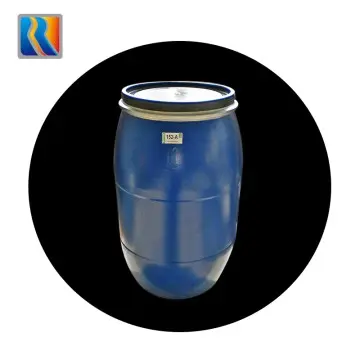
Phenolic resins, first synthesized as Bakelite over a century ago, remain a cornerstone of modern industrial materials due to their exceptional thermal stability, mechanical strength, and electrical insulation properties. However, the modern industrial landscapes of the 21st century demand characteristics that standard phenol-formaldehyde reactions cannot satisfy alone. This is where modified phenolic resins emerge as a critical engineering solution. By incorporating chemical modifiers such as alkylphenols, rosin, epoxy, cashew nut shell liquid (CNSL), and rubber elastomers, manufacturers can tailor the molecular architecture to deliver enhanced elasticity, superior chemical resistance, improved adhesion to diverse substrates, and optimized curing profiles.
The chemistry of modification operates at the macromolecular level. In rosin-modified phenolic resins, for instance, the reaction of gum rosin with phenol-formaldehyde condensates yields a highly complex ester network that exhibits exceptional solubility in aliphatic solvents and superior compatibility with printing ink vehicles and coating binders. Similarly, alkylphenol-modified resins utilize longer alkyl chain substitutes (such as p-tert-butylphenol or p-octylphenol) to introduce hydrophobic characteristics, making the resulting polymers highly resistant to water, weather, and basic chemical solutions. These customized polymer formulations have expanded the utility of phenolic resins from simple structural binders to high-technology formulations utilized in microelectronics, premium friction materials, marine coatings, and green composites.
SEO Insight & Technical Reality: The global demand for modified phenolic resins is projected to expand significantly, driven by B2B buyers looking for higher performance thresholds under harsh conditions. Ensuring a steady supply of high-grade raw materials—like formaldehyde and melamine—is crucial for maintaining structural stability in downstream resin synthesis.
As a premier fine chemical manufacturer, Shandong Runtai New Materials Co., Ltd. leverage integrated upstream supply chains to guarantee consistent monomer purity. This high level of quality control in the early synthesis stage directly impacts the polymerization rate, molecular weight distribution, and functional consistency of the resulting modified phenolic resin products.
In international B2B procurement, procuring officers and chemical formulation specialists face distinct localized challenges. A reliable supplier must understand these regionalized application scenarios to deliver the exact grades required. The global market is divided into several highly specialized industrial sectors:
Modified resins are widely utilized in heavy-duty brake pads, clutches, and transmission bands. CNSL-modified phenolics provide high friction stability, reduced wear rates, and excellent fade resistance at temperatures exceeding 350°C, typical in European and North American automotive supply chains.
Printed Circuit Board (PCB) manufacturers require copper-clad laminates (CCL) with excellent dielectric performance. Rosin- and epoxy-modified phenolic resins serve as high-purity curing agents, improving heat resilience and moisture resistance in high-frequency circuit designs.
For grinding wheels and refractory lining bricks used in steel mills, thermosetting phenolic resins act as carbon-yielding binders. The mechanical integrity of the abrasive grains under massive shear stress depends directly on the wetting capability and cross-linking density of the resin binder.
Procurement teams face the challenge of matching technical specifications (such as free phenol content, gel time, flow distance, and particle size distribution) to their specific production equipment. Runtai New Materials addresses this pain point by offering custom-formulated resins alongside our standard high-volume catalog. By operating a robust upstream chemical supply, we ensure that global buyers receive consistent physical and chemical properties in every shipment, minimizing production deviations and raw material quality checks upon arrival at international ports.
Shandong Runtai New Materials Co., Ltd., founded in March 2020, stands as an industry leader in the fine chemical sector. With a state-of-the-art facility covering 270,000 square meters in Zaozhuang City, Shandong Province, and backed by a total investment of 2.06 billion yuan, we have structured our manufacturing capacity to address the massive demand of both domestic and international markets.
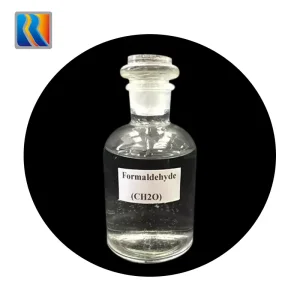
Our capability to produce 380,000 tons of formaldehyde annually provides a significant competitive advantage. Since formaldehyde is the primary monomer needed to synthesize phenolic and melamine-based resins, our vertical integration insulates our operations from the raw material price fluctuations that often plague independent resin manufacturers. This direct supply chain allows us to maintain stable pricing and guarantee delivery schedules to global buyers, even during periods of chemical market volatility.
Our manufacturing facility utilizes a Distributed Control System (DCS) to manage process parameters across the entire production line. This automation guarantees precise reaction temperatures, optimized condensation phases, and highly controlled vacuum distillation cycles. The result is a highly uniform polymer configuration, characterized by reliable viscosity profiles, consistent gel times, and low volatile organic compounds (VOCs).
| Product Group | Annual Capacity | Key Technical Advantage | Primary Global Market |
|---|---|---|---|
| Formaldehyde Solutions | 380,000 Tons | High purity, stable monomer concentrations | Upstream chemical processing |
| Urea Formaldehyde Resin | 300,000 Tons | High bonding strength, water resistance | Woodworking & Adhesive Industries |
| Melamine Powder | 60,000 Tons | Premium grade, low moisture content | Molding Compounds & Glazing agents |
| Modified Resins & Compounds | 11,000 Tons | Customized cross-linking & gel time profiles | Automotive, Friction & Electronics |
At Shandong Runtai New Materials Co., Ltd., we believe that research and development are vital for maintaining our market leadership. In collaboration with the Changzhou Research Institute of Beijing University of Chemical Technology, we have established a robust pipeline for material innovation. Our dedicated R&D team, led by industry experts and PhD researchers, holds multiple national patents aimed at reducing the environmental footprint of phenolic and melamine resins.
A major focus of our research is the reduction of free phenol and free formaldehyde in final products. As international environmental regulations like REACH in Europe and OSHA guidelines in the United States become increasingly strict, industrial consumers need compliant, low-emission materials. Our proprietary vacuum distillation and catalyst systems allow us to produce resins with free formaldehyde levels well below standard industry thresholds, ensuring a safer work environment for our customers without sacrificing cure rates or physical strengths.
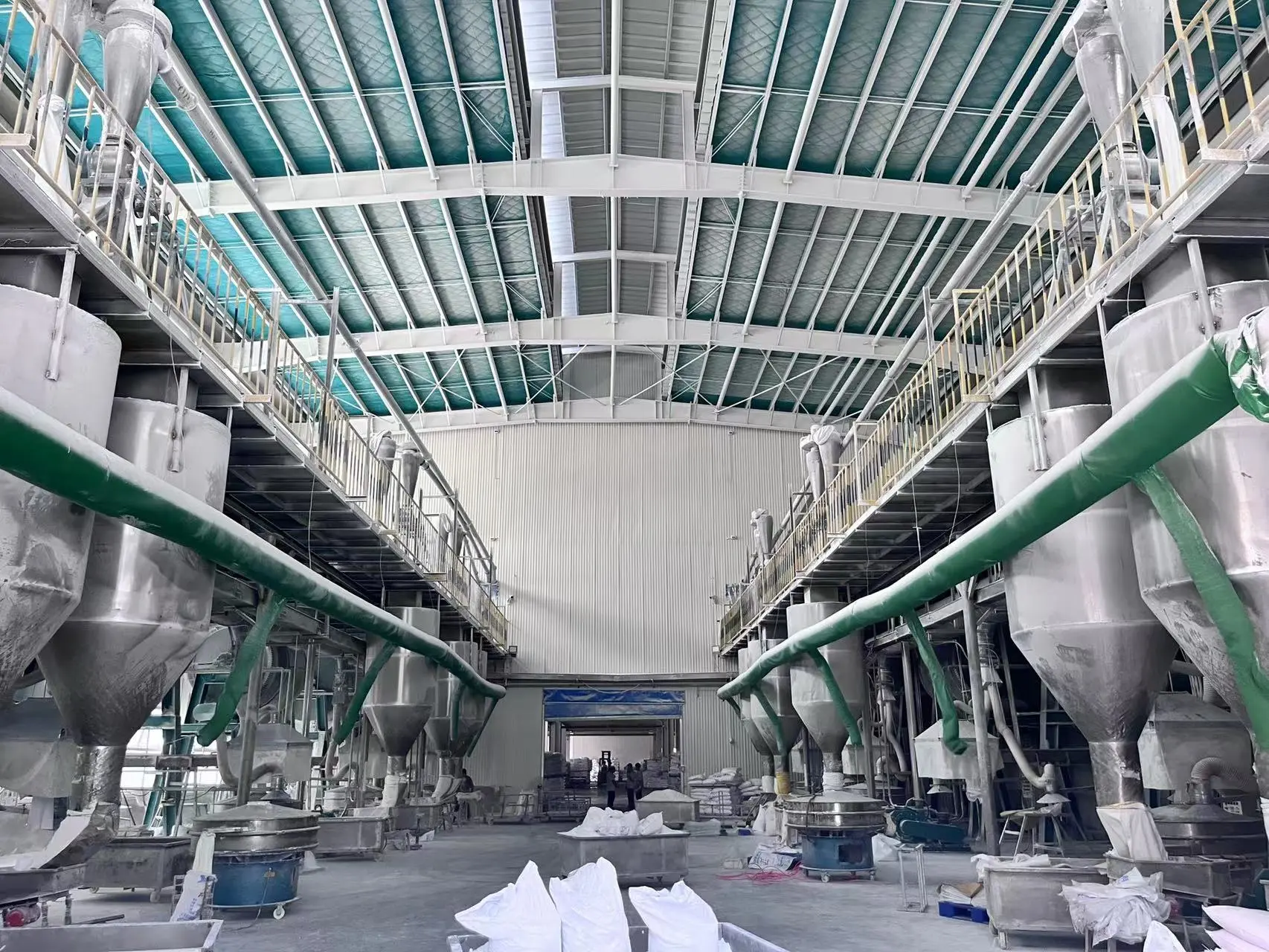
Our manufacturing facilities are fully compliant with ISO 9001 and ISO 14001 international standards. As a socially responsible enterprise, we integrate green chemical principles into our production processes. We employ advanced closed-loop water recovery systems and low-emission gas thermal oxidizers, ensuring that our environmental impact remains minimal. This dedication to sustainability helps protect the environment while securing our position as a preferred long-term supplier for Fortune 500 companies globally.
Whether we are exporting to the United States, Thailand, Kenya, or Egypt, our global client base receives products that meet both performance standards and rigorous environmental regulations.
Expert answers to essential technical and procurement questions regarding modified phenolic resins
Discover our range of industrial additives, defoamers, and raw materials supporting international trade
 Runtai