Direct factory supply of high-performance chemicals, resins, and raw materials optimized for global standards.
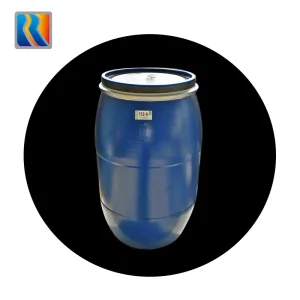
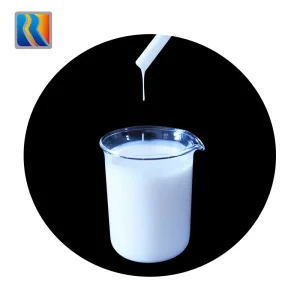
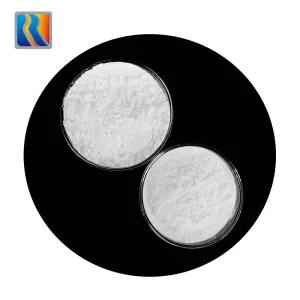
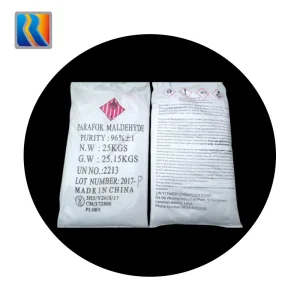
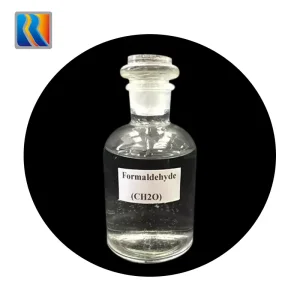
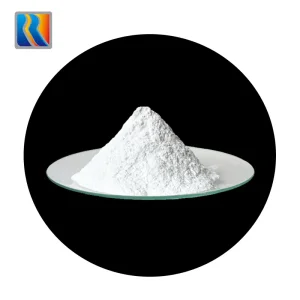
In the modern landscape of high-performance thermosetting polymers, Melamine Formaldehyde (MF) Resin Powder holds a preeminent position. Recognized for its excellent thermal stability, superior electrical insulation, high hardness, and resistance to chemical corrosion, MF resin powder has become a cornerstone material across key global industries. These industries range from structural wood adhesives and automotive finishes to food-safe compression-molded dinnerware.
As leading global B2B procurement professionals seek reliable Wholesale Melamine Formaldehyde Resin Powders Suppliers, evaluating suppliers requires looking beyond basic price comparisons. An in-depth evaluation must consider synthesis precision, structural composition, formaldehyde emission control, and supply chain scalability. This whitepaper analyzes the core technical properties, synthesis processes, market drivers, and procurement strategies that define the modern melamine formaldehyde resin sector.
Melamine Formaldehyde resin is a synthetic thermosetting polymer formed via the polycondensation of melamine (2,4,6-triamino-1,3,5-triazine) with formaldehyde ($CH_2O$). The process involves two major chemical reaction steps:
This highly cross-linked molecular network gives MF resins their distinctive physical properties. Unlike thermoplastics, which soften when heated, cured MF resins remain structurally stable at high temperatures. This cross-linking also prevents the ingress of solvents, oils, and weak acids, making it an ideal choice for challenging surface applications.
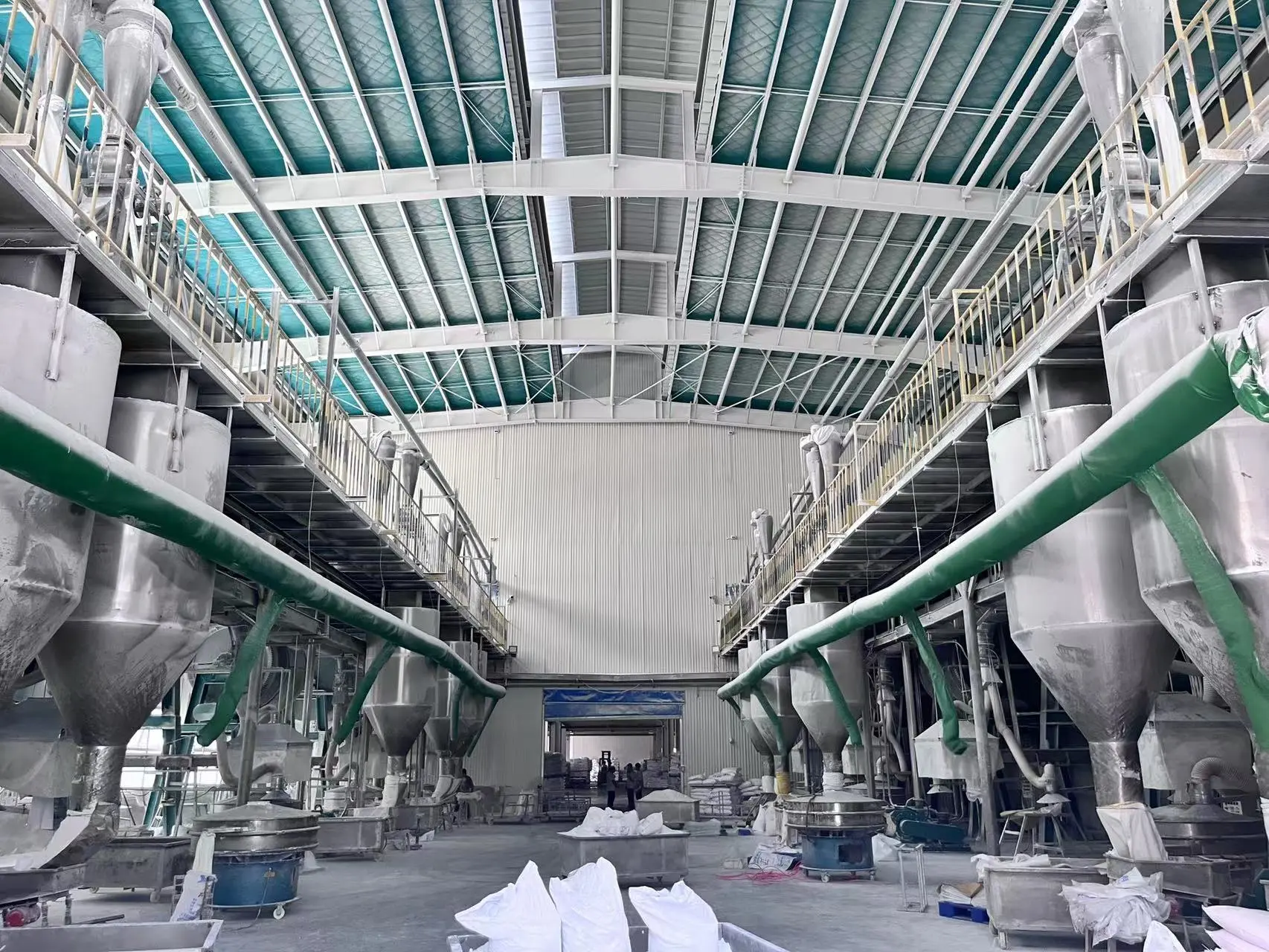
Shandong Runtai New Materials' manufacturing base in Shandong, China. Built with a 2.06 Billion Yuan investment, this facility covers 270,000 square meters.
Understanding why engineers and procurement managers prioritize high-grade MF powders.
The high nitrogen content in melamine limits combustion. Cured MF resins degrade without melting, releasing nitrogen gas that acts as a natural fire suppressant.
MF resins rank high on the Mohs scale compared to other polymers. This makes them ideal for anti-scratch laminates, high-gloss finishes, and heavy-duty tableware.
High resistance to electrical tracking and breakdown allows MF resins to be safely used in household electrical switches, circuit breakers, and insulation boards.
B2B buyers sourcing melamine formaldehyde resin powders face distinct challenges depending on their geography, target industry, and regulatory environment. Demands for low-toxicity, stable flow rates, and high shelf-life stability drive purchasing criteria:
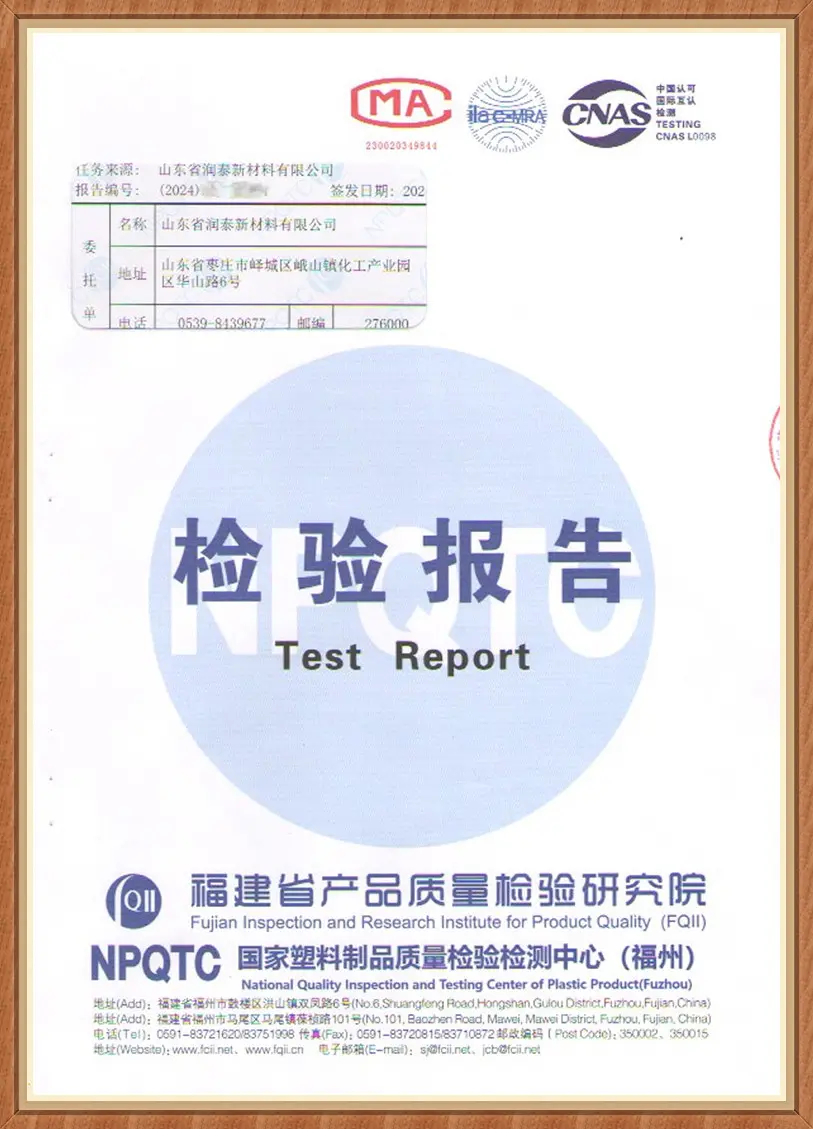
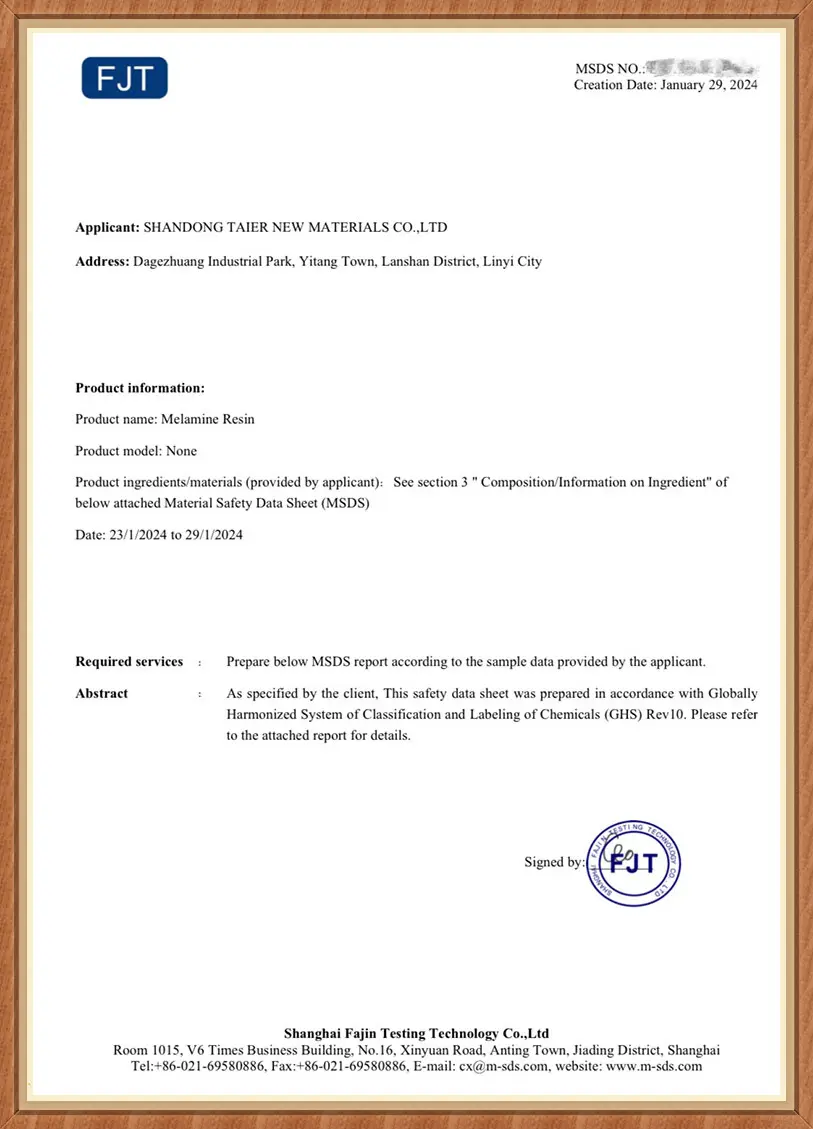
In these regions, environmental regulations drive B2B sourcing decisions. The primary concern is formaldehyde emissions. Buyers require resins that meet EPA TSCA Title VI, CARB Phase 2, and European E1 or ultra-low E0 / F★★★★ standards. Suppliers must provide detailed chemical analysis reports (CoA), REACH registration documentation, and material safety sheets showing free formaldehyde content is below critical levels.
These fast-growing manufacturing hubs prioritize cross-linking performance, flowability (melt index), and fast curing times to maintain high throughput in compression molding machines. Supply consistency is key; buyers look for manufacturers that maintain stable, high-volume production to hedge against price volatility in raw materials like urea and natural gas.
The versatility of Melamine Formaldehyde Resin Powder supports a wide range of applications:
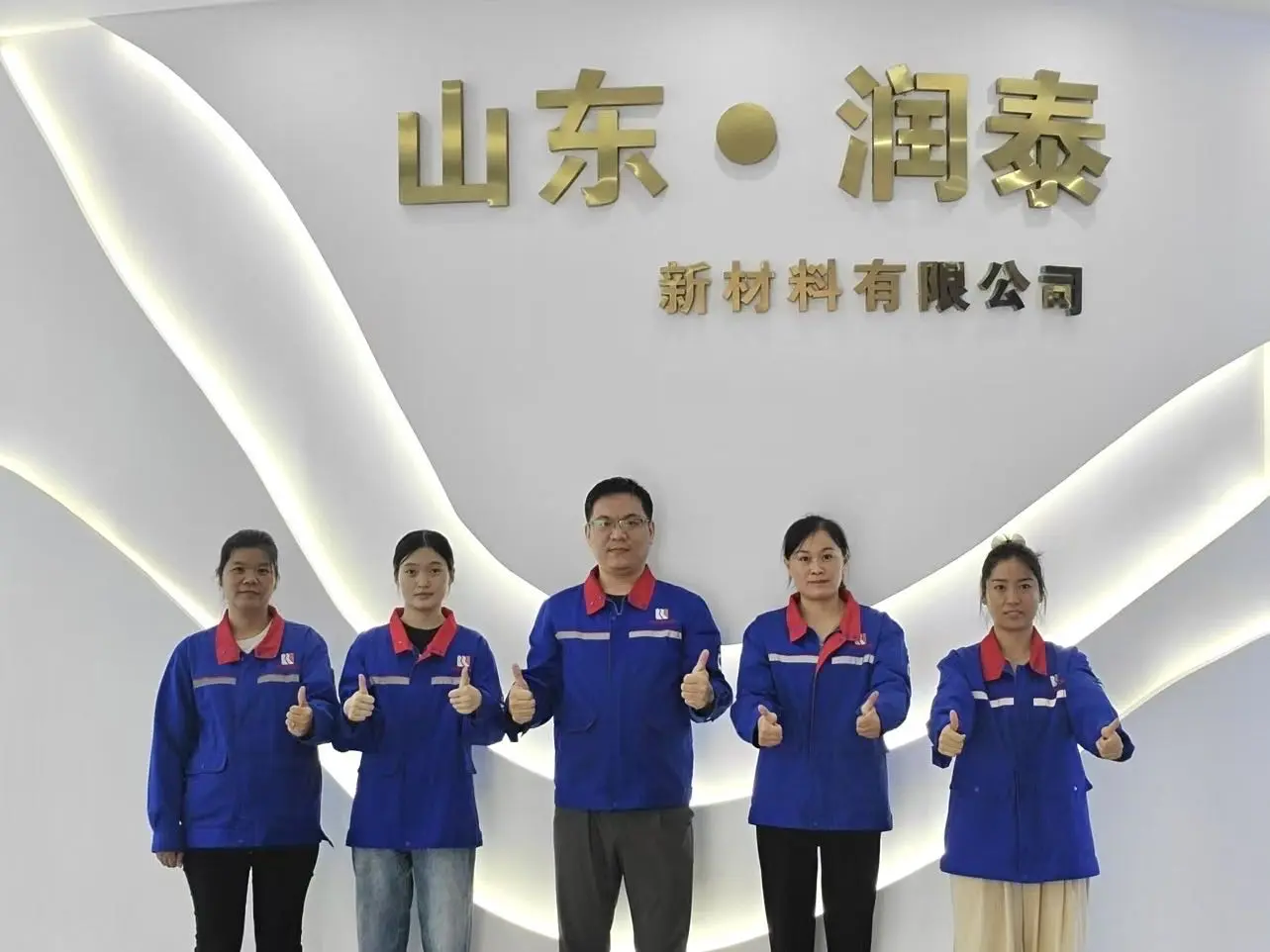
Runtai New Materials employs advanced testing equipment and a dedicated doctoral research team to ensure product quality and continuous chemical innovation.
Founded in March 2020, Shandong Runtai New Materials Co., Ltd. is a comprehensive chemical group specializing in fine chemicals. With its headquarters in Zaozhuang City, Shandong Province, and five branches located nationwide, Runtai spans a production footprint of 270,000 square meters. A total investment of 2.06 Billion Yuan enables high-capacity, integrated operations.
Runtai has established itself as a leading supplier of melamine and formaldehyde derivatives, holding an estimated 80% market share within China. The company's annual production capacities include:
Runtai New Materials has built strong global sales networks. Our products are exported to markets including the United States, Thailand, Kenya, and Egypt, where they are utilized in high-volume industrial processing and manufacturing.
How we leverage scale, technology, and vertical integration to support global B2B procurement partners.
Our scale makes us a prominent player in China's research, production, and sale of formaldehyde-based chemicals, ensuring raw material security and stable supply for global contracts.
We use a Distributed Control System (DCS) to monitor process parameters in real time across the entire production line. This ensures consistent batch-to-batch polymer quality.
We utilize modern domestic and international testing and production systems. This automation increases labor productivity while reducing unit costs.
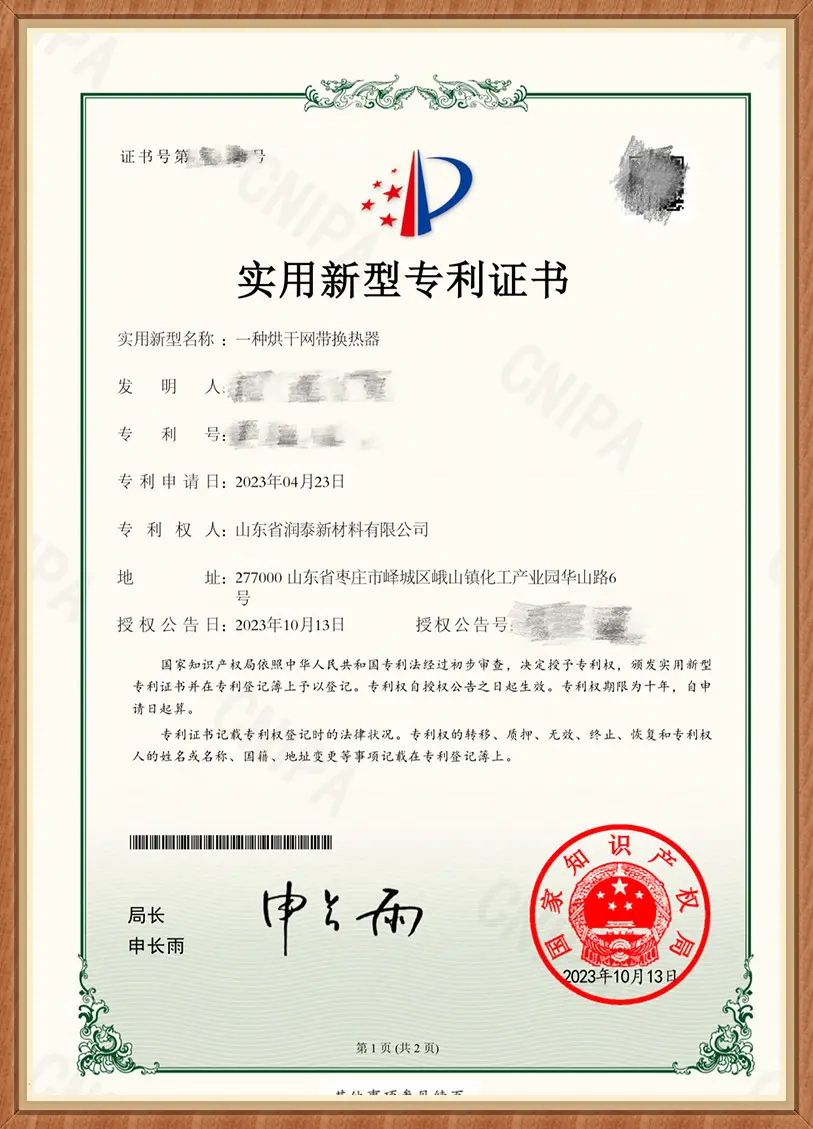
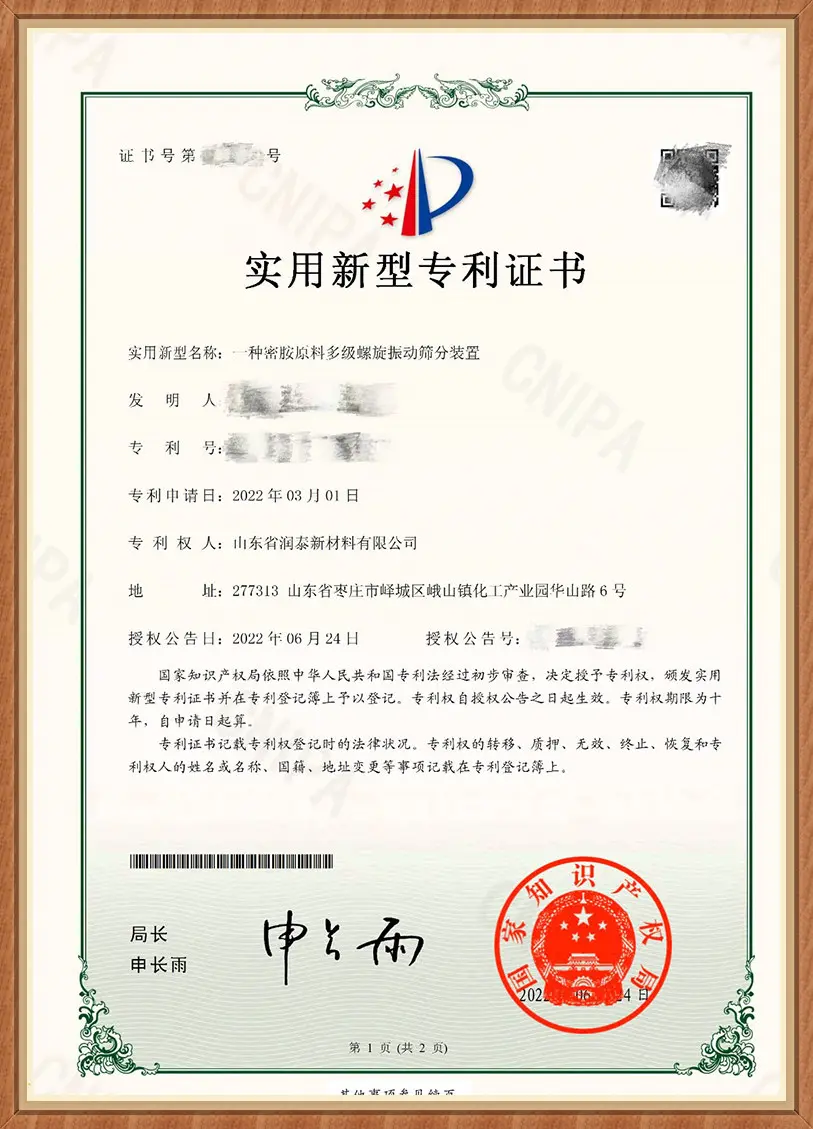
Partnering with the Changzhou Research Institute of Beijing University of Chemical Technology, our doctoral R&D team regularly patents new formulas to improve product performance.
By producing our own formaldehyde, we maintain vertical integration. This ensures supply reliability and quality control, from basic chemistry to finished polymer resins.
Maintaining high-quality output for melamine formaldehyde resin powder requires strict control over the reaction environment. The primary parameters managed within our production lines include:
The Formaldehyde-to-Melamine (F/M) molar ratio determines the degree of cross-linking. For molding applications, an F/M ratio of 1:1.5 to 1:2.2 is typically maintained to balance structural rigidity and impact strength. Higher ratios yield harder surfaces but can increase the risk of free formaldehyde release. Lower ratios reduce emissions but require optimized curing profiles to prevent brittleness.
Liquid resins are converted into dry, stable powders through spray drying. By atomizing the liquid resin at high pressure and introducing it to a controlled stream of dry, heated air, moisture is removed while preserving the reactive potential of the prepolymer. This produces a powder with a controlled particle size distribution and a residual moisture content of less than 2%, ensuring high storage stability and flow during molding.
Industrial chemical production requires a strong commitment to environmental and social responsibility. Shandong Runtai operates in accordance with national and international environmental standards. Our facilities use closed-loop water systems and catalytic oxidation units to convert off-gases into harmless thermal energy, reducing volatile organic emissions.
We source high-grade raw materials to produce melamine resins that meet demanding regulatory requirements. Our products undergo third-party testing (SGS/TUV) to confirm compliance with international food-contact safety standards (EU, FDA) for compression-molded products.
Quality management system verified across all manufacturing operations.
Environmental management standards integrated into production workflows.
Pre-registered and compliant materials prepared for European market distribution.
Formulations tested and approved for food-contact dinnerware safety.
Direct technical answers to common B2B procurement questions regarding melamine formaldehyde resin powders.
Melamine moulding compound is a formulated mix containing melamine-formaldehyde resin, alpha-cellulose filler, plasticizers, and pigments. It is used to mold the primary body of tableware. Melamine glazing powder consists of pure MF resin with specialized curing catalysts, without cellulose fillers. It is applied as a thin topcoat to create a high-gloss, scratch-resistant protective glaze.
Shandong Runtai uses a Distributed Control System (DCS) to monitor addition rates, reaction temperatures, and pH levels during condensation. This controls the stoichiometric balance and reduces unreacted free formaldehyde, helping customers meet strict CARB Phase 2 and EU E1 emission standards.
Spray-dried MF powder is hygroscopic and should be stored in a cool, dry warehouse below 25°C. When stored properly in its original moisture-proof bags, the shelf life is typically 6 to 12 months. Exposure to moisture or elevated temperatures can initiate premature polymerization, leading to reduced flow during molding.
Yes. While unmodified MF resin provides high hardness, it can be relatively brittle. The resin can be modified by co-reacting it with urea, benzoguanamine, or acrylic polyols, or by adding plasticizers. This modification yields Melamine Urea Formaldehyde (MUF) or modified MF resins, which offer improved flexibility and impact resistance for decorative laminates and coatings.
Because we produce our own formaldehyde (380,000 tons/year) and melamine (60,000 tons/year), our production is vertically integrated. This insulates our customers from upstream market fluctuations and guarantees consistent quality from raw chemical intermediates to the finished resin powder.
Rigorous verification procedures and standardized clean-room manufacturing facilities.
High-efficiency mineral defoamers, swelling thickeners, and specialized glazing formulations.
 Runtai