Discover our core line of premium adhesives, moulding compounds, and chemical processing agents engineered for maximum durability and environmental compliance.
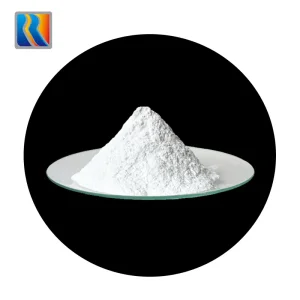
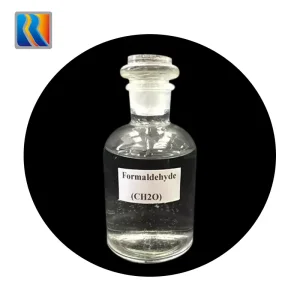
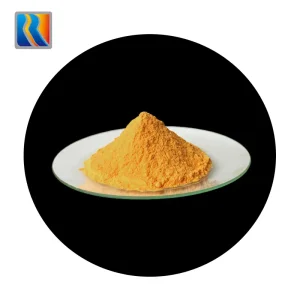
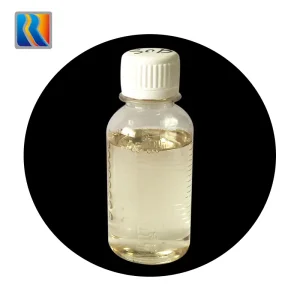
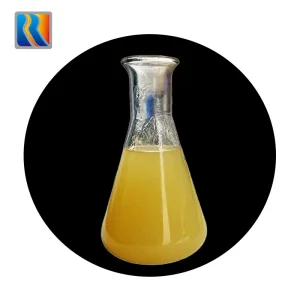
In the global wood composite and flooring industries, formaldehyde-based resins—principally Urea-Formaldehyde (UF), Melamine-Formaldehyde (MF), and Phenolic resins—remain the indispensable structural backbone. Laminate flooring relies heavily on High-Density Fiberboard (HDF) and Medium-Density Fiberboard (MDF) as core substrates. These engineered wood products are formed by combining wood fibers with synthetic adhesive systems under immense heat and pressure. Formaldehyde is the key reactant in these resins, providing unmatched cross-linking density, high adhesive strength, dimensional stability, and extreme cost-efficiency that alternative bio-adhesives or PMDI (polymeric diphenylmethane diisocyanate) systems struggle to match at scale.
However, the global market operates under a dual paradigm: the critical need for structural durability versus the stringent regulations governing volatile organic compound (VOC) emissions. Across North America, Europe, and Asia-Pacific, standards like California Air Resources Board (CARB) Phase 2, EPA TSCA Title VI, European E1/E0 thresholds, and Japanese F★★★★ dictate the maximum allowable free formaldehyde emission from finished wood products. Consequently, B2B procurement is no longer just about purchasing raw chemical components; it is an optimization challenge. Today's global flooring manufacturers require polymer systems that drastically minimize free formaldehyde emission levels while retaining the rapid curing profiles and bond integrity necessary for high-throughput continuous pressing lines.
The Global Shift: Major distribution channels in the US and Europe are experiencing an increased demand for custom-modified UF and MF resins with low formaldehyde-to-urea (F:U) molar ratios. Finding chemical manufacturers capable of delivering batch-to-batch consistency and advanced polymeric stabilization is paramount to maintaining compliance in highly regulated end-markets.
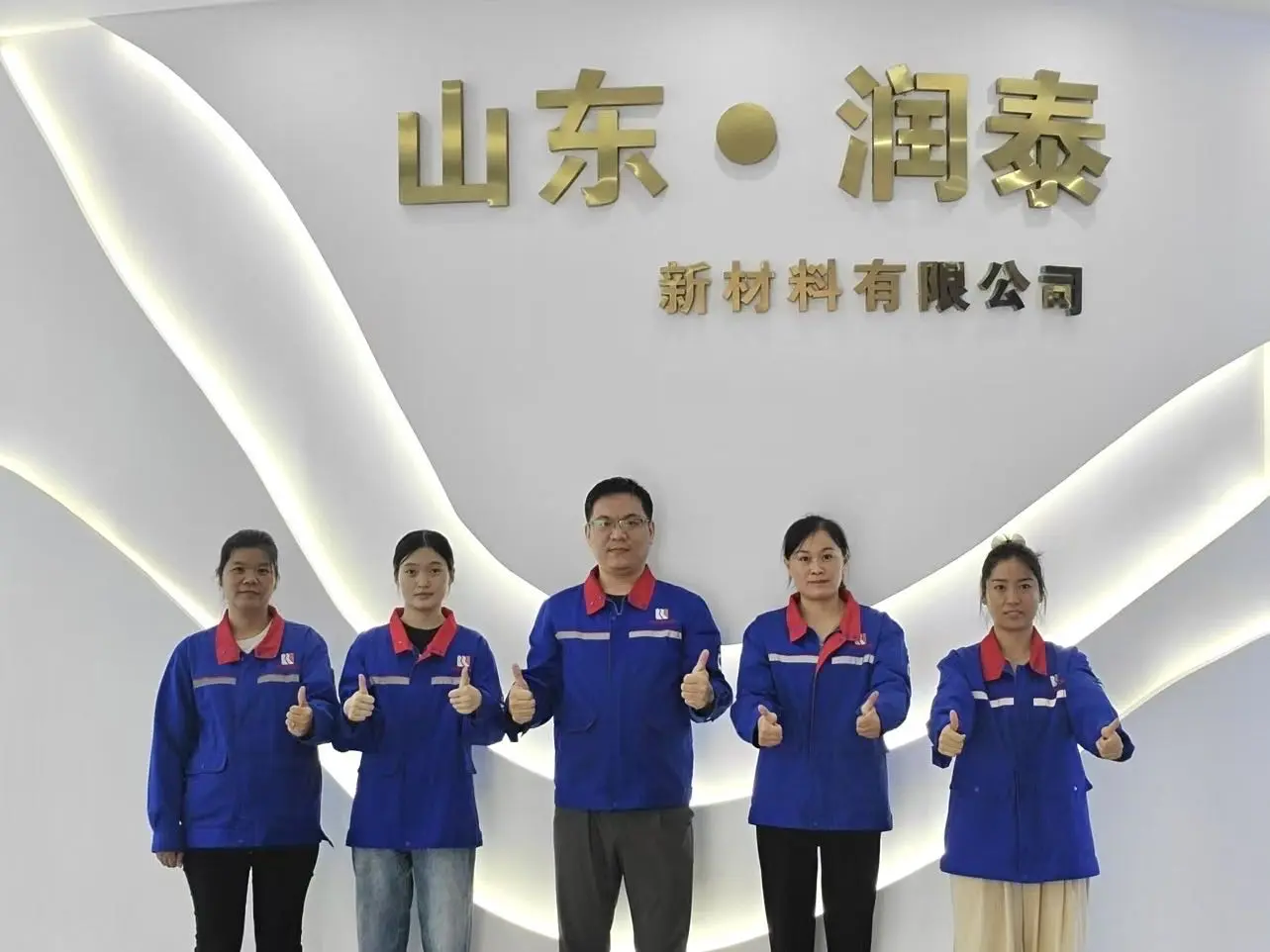
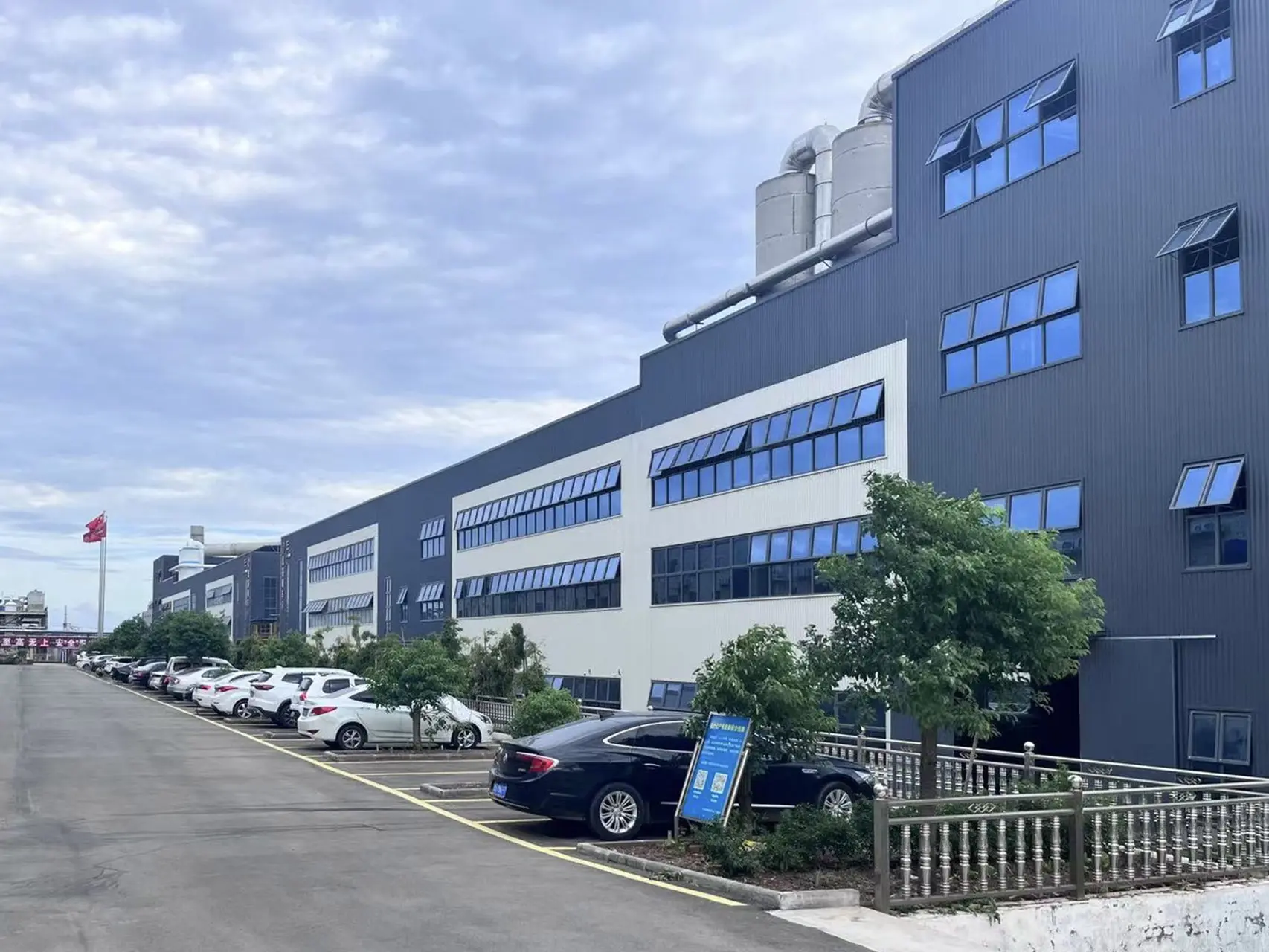
Founded in March 2020, Shandong Runtai New Materials Co., Ltd. is a comprehensive group firm that specializes in fine chemical products. Our primary products include formaldehyde, polyformaldehyde, urea formaldehyde resin, melamine powder and melamine glazing powder. The corporation has branches in five different cities throughout the whole country, with its headquarters located in Zaozhuang City, Shandong Province. Runtai New Materials covers an area of 270,000 square meters with a total investment of 2.06 billion yuan.
By vertically integrating our chemical supply chain, we control quality parameters from the initial chemical synthesis to the final resin formulation. Our strategic location in Zaozhuang City allows for rapid distribution across major industrial ports, ensuring reliable lead times for international shipping.
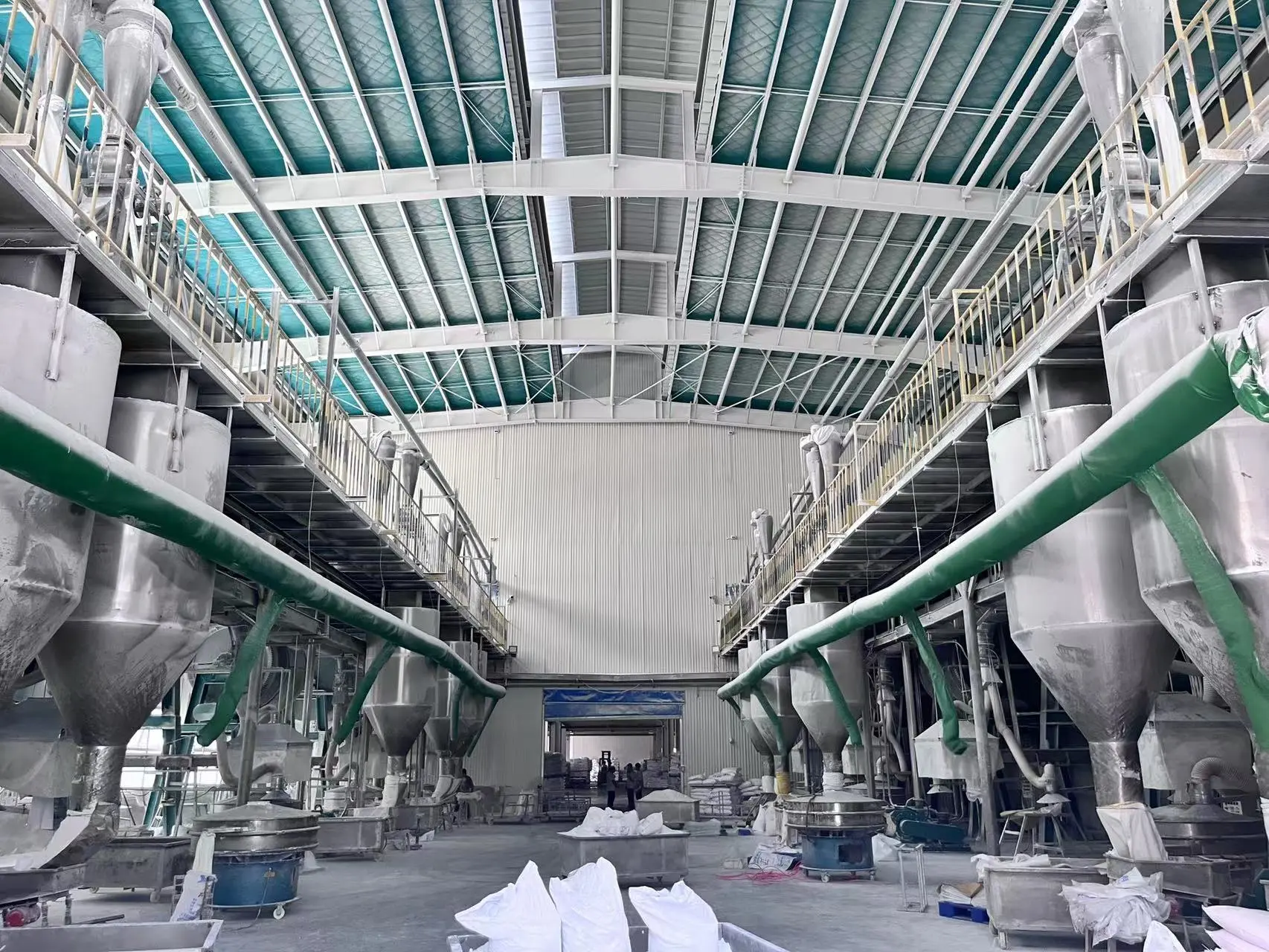
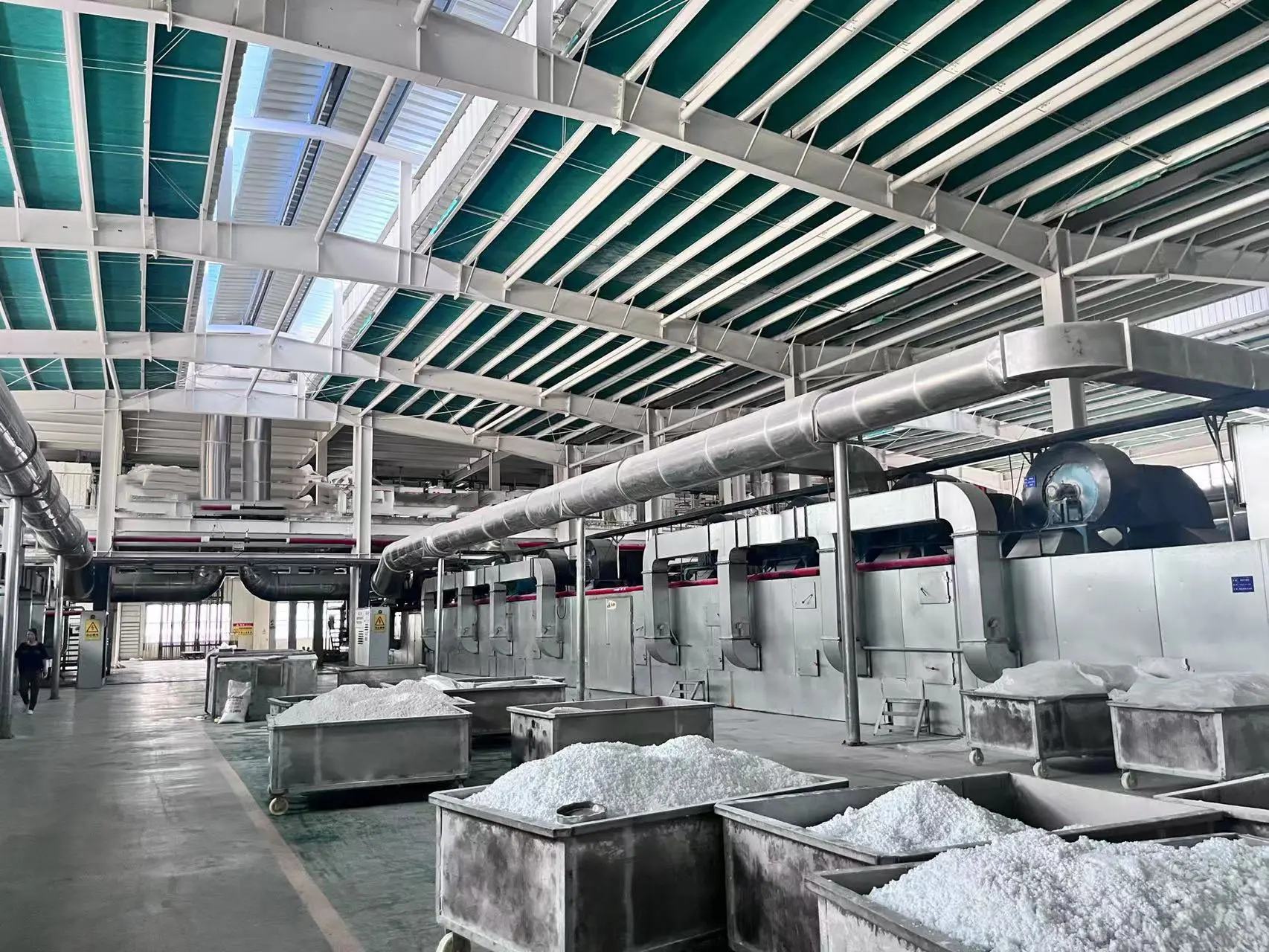
Runtai New Materials has grown to be one of China's top producers of melamine and formaldehyde due to our recent improvements in production lines growth. As of currently, the company produces 380,000 tons of formaldehyde annually, 60,000 tons of melamine annually, 20,000 tons of melamine glazing powder annually, 11,000 tons of resin annually, 300,000 tons of urea formaldehyde resin annually, and so forth. We have reached about 80% market share in China. At the same time, we are actively developing overseas business, our products have been exported to the United States, Thailand, Kenya, Egypt and other countries and have been widely praised by overseas customers.
Runtai New Materials is a professional chemical supplier dedicated to satisfying customer requirements with superior chemical products and solutions. Our professional staff and cutting-edge production machinery are committed to the production of chemical goods that satisfy global standards. In order to satisfy the needs of various industries, we simultaneously offer standardized products as well as tailored solutions based on the unique requirements of our customers.
Engineered wood flooring demands distinct chemical profiles depending on the final installation environment.
Commercial spaces (retail malls, office complexes, airports) require HDF cores with superior internal bond strength (IB) and minimal thickness swelling. Formulations blending Melamine-Formaldehyde with Urea-Formaldehyde (MUF) significantly improve moisture resistance and core stability under constant mechanical load.
Laminate flooring installed over hydronic or electric floor heating undergoes extreme thermal cycling. Our custom-modified UF resins maintain chemical stability at elevated temperatures, preventing delamination and limiting thermal VOC off-gassing to safely exceed indoor air quality ratings.
In regions such as Southeast Asia or Central America, ambient moisture can cause structural swelling. By adjusting the condensation degree and incorporating high-efficiency mineral oil defoamers and hydrophobic additives, our resins enable boards to maintain edge integrity even under prolonged exposure to humidity.
Meanwhile, Runtai New Materials, as an ethical company, prioritizes sustainable development and environmental preservation. Our commitment lies in developing and producing eco-friendly products that minimize their negative effects on the environment while adhering to pertinent laws, regulations, and standards.
The "quality first, customer first" attitude has always guided our business, and we embrace customer service with honesty and professionalism. Friends from both domestic and foreign locations are warmly invited to visit Runtai New Materials. We look forward to collaborating with you to build a better future together!

Why global laminate flooring manufacturers partner with Runtai New Materials for their chemical procurement needs.
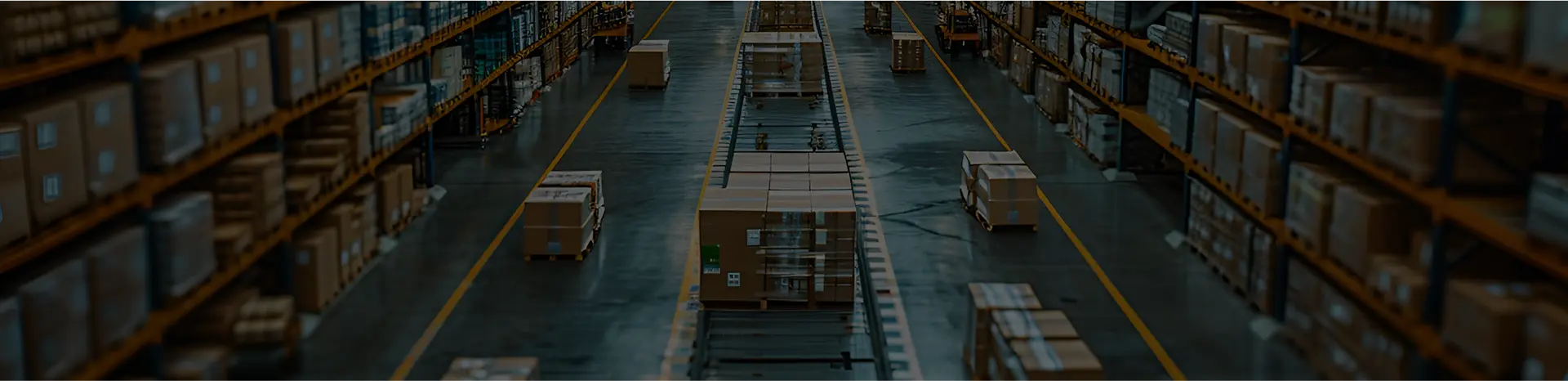
After the completion of the melamine project, Runtai New Material Co., Ltd. has become a comprehensive enterprise at the forefront of China's research, production, sales, and application of new chemical materials with formaldehyde as raw materials. Melamine materials are projected to have a leading market share nationwide.
We apply the guiding principles of "automatic control, safe and reliable, stable operation, energy saving and consumption reduction, and comprehensive utilization of resources" when choosing production technology solutions. We select the advanced Distributed Control System (DCS) available currently, which allows us to control the process parameters across the entire production line, ensuring high levels of product quality and equipment safety while lowering raw material consumption.
To maximize the requirements of product quality, we employ the current cutting-edge, dependable, and established equipment both domestically and internationally when choosing production and testing devices. Simultaneously, we aim to increase the level of automation in the production process, decrease labor intensity, boost labor productivity, conserve energy, and lower testing and production costs.
With the Changzhou Research Institute of Beijing University of Chemical Technology and other scientific research institutions, Runtai New Material Co., Ltd. has long engaged in the integration of production, learning, and research. The company also has a cutting-edge doctoral research and development team in the industry and a number of patented technologies.
The new chemical materials industry with formaldehyde as raw materials has great potential for extension, and there are many types of derivative products, which can be widely used in adhesives, coatings, resin plastics, dyes, medical basic raw materials, and electronic, electrical, machinery, daily utensils materials replacement and upgrading fields.
The laminate flooring industry is rapidly moving towards ultra-low emission standards. As regulatory frameworks tighten, the search for advanced formaldehyde scavengers and polymerization modifiers has intensified. Innovations concentrate on incorporating bio-based compounds, such as lignin, tannins, or soy proteins, into the synthetic UF polymer matrix. Lignin, possessing a phenolic structure, can replace a portion of synthetic phenol or urea, creating a more sustainable resin framework with a reduced carbon footprint.
Simultaneously, nanotechnology is making inroads. Introducing minor percentages of nanoclay or nano-silica into Melamine-Urea-Formaldehyde (MUF) resin mixtures dramatically enhances mechanical properties and resistance to hydrolysis. This allows flooring manufacturers to reduce the total adhesive load in HDF cores without compromising edge-swelling criteria under EN 13329. Achieving this fine chemical balance requires a deeply integrated supply chain where resin formulators work in tandem with raw formaldehyde suppliers to control variables such as methanol content, pH stabilization, and molecular weight distribution.
Another major trend is the digitalization of manufacturing lines. Large-scale flooring plants utilize real-time analytical systems that measure formaldehyde emissions during pressing. This requires chemical raw materials to have extremely tight physical-chemical tolerances. Our DCS-controlled lines guarantee this consistency, ensuring that the resins behave predictably under various speed and heat adjustments in the press.
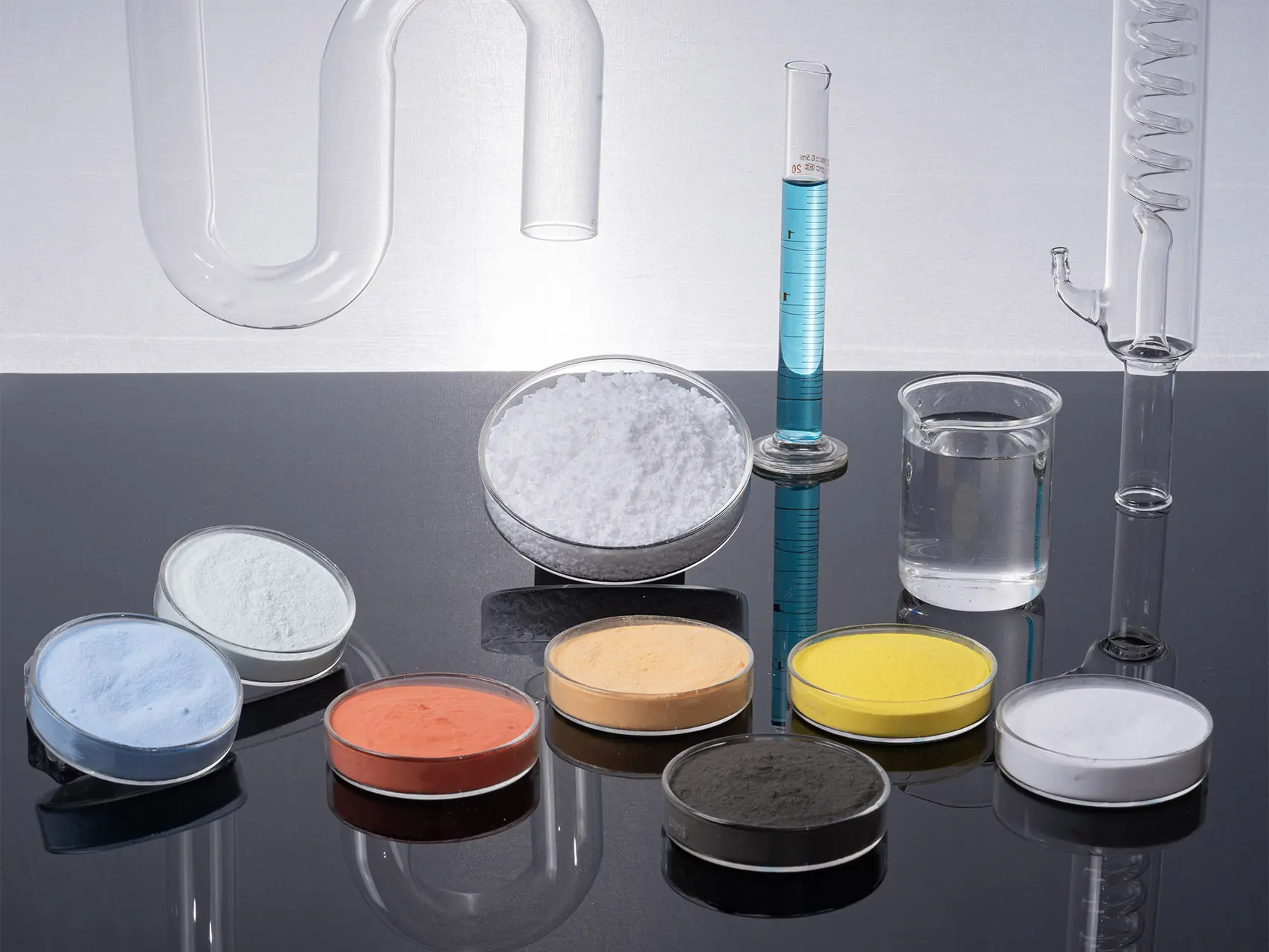
A complete suite of raw materials and fine chemical derivatives customized for industrial fabrication.
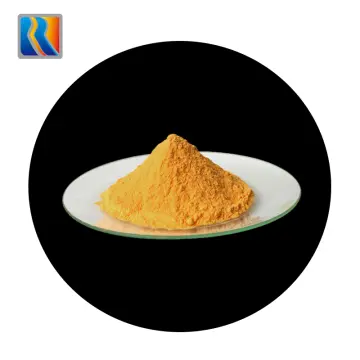
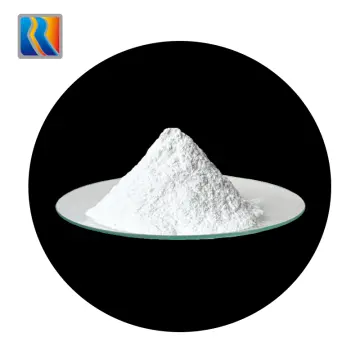
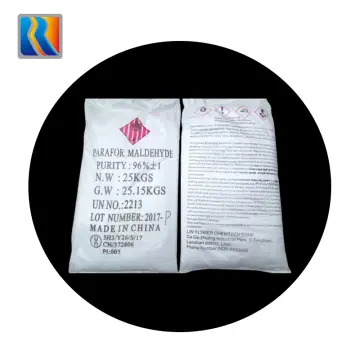
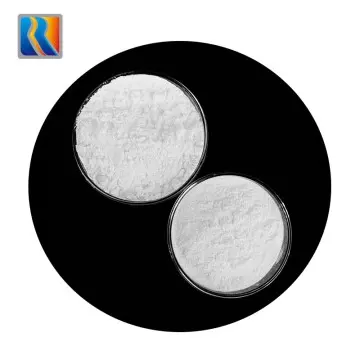
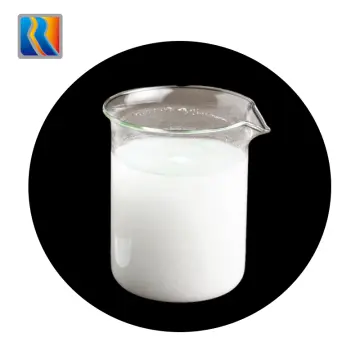
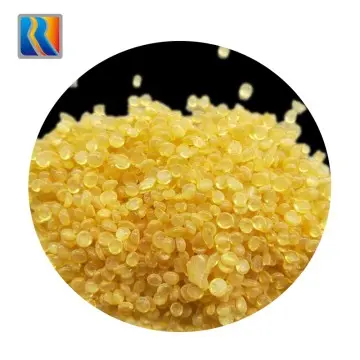
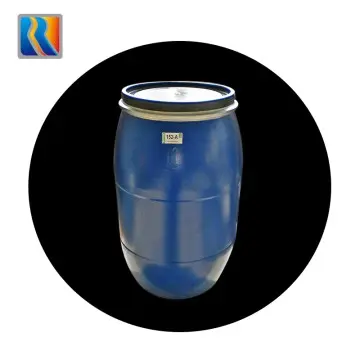
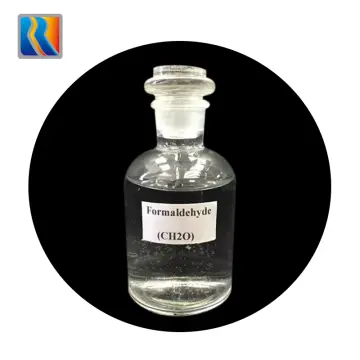
Unlocking sustainable growth with advanced chemistry and industry-leading scale.
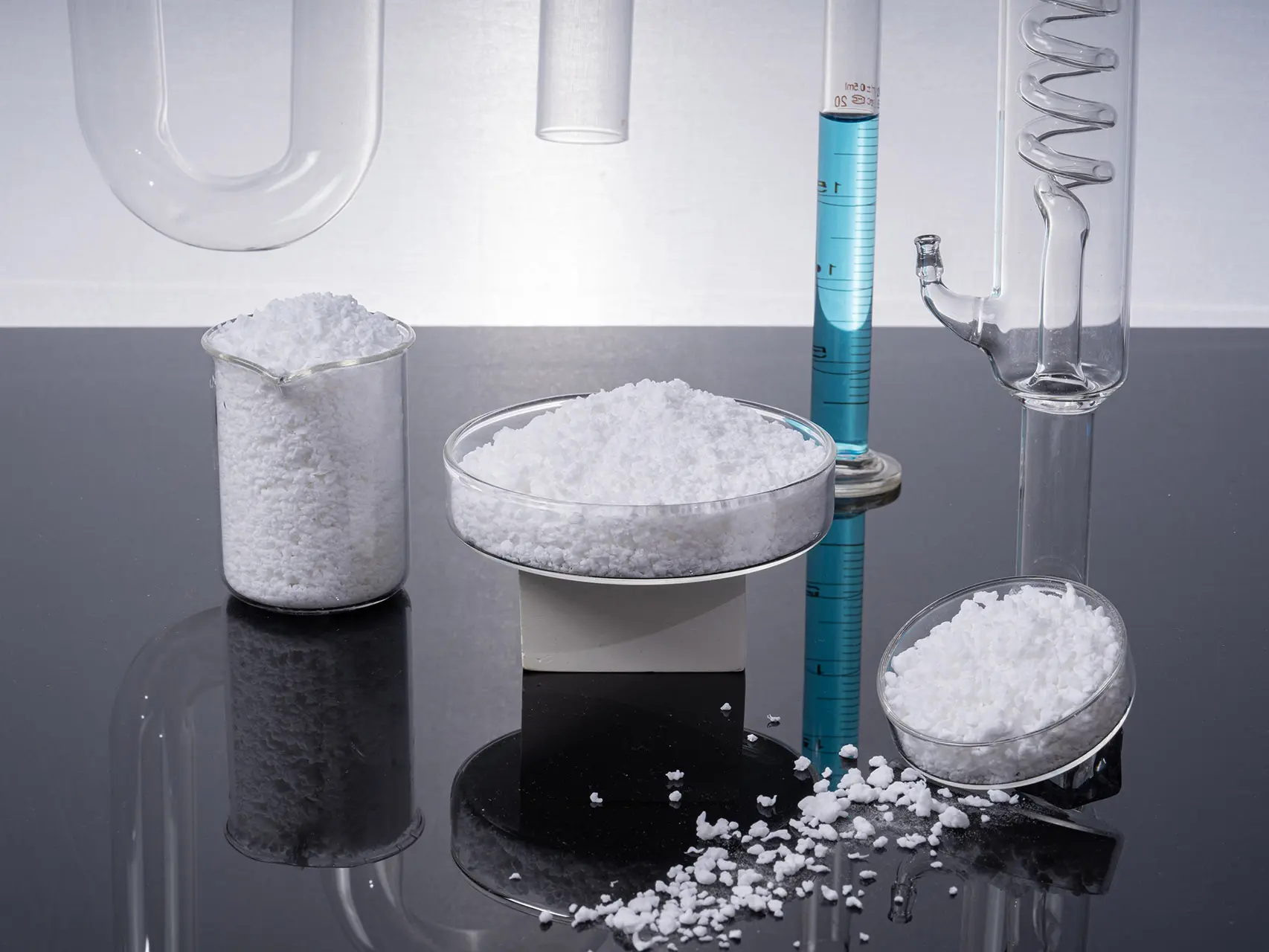
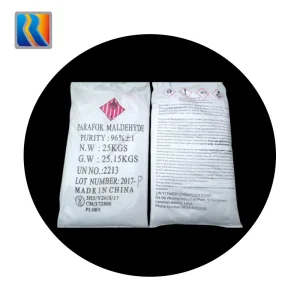
Founded in March 2020, Shandong Runtai New Materials Co., Ltd. is a comprehensive group firm that specializes in producing fine chemical products. Our primary products include formaldehyde, Paraformaldehyde, urea formaldehyde resin, melamine powder and melamine glazing powder.
Through our continuous focus on material synthesis, chemical technology optimization, and long-term academic partnerships, we remain at the cutting edge of manufacturing technology. Our chemical complexes integrate advanced recycling loops to minimize environmental discharge, setting the standard for green chemical operations in China.
Verified regulatory compliance, international quality standards, and intellectual IP protection.
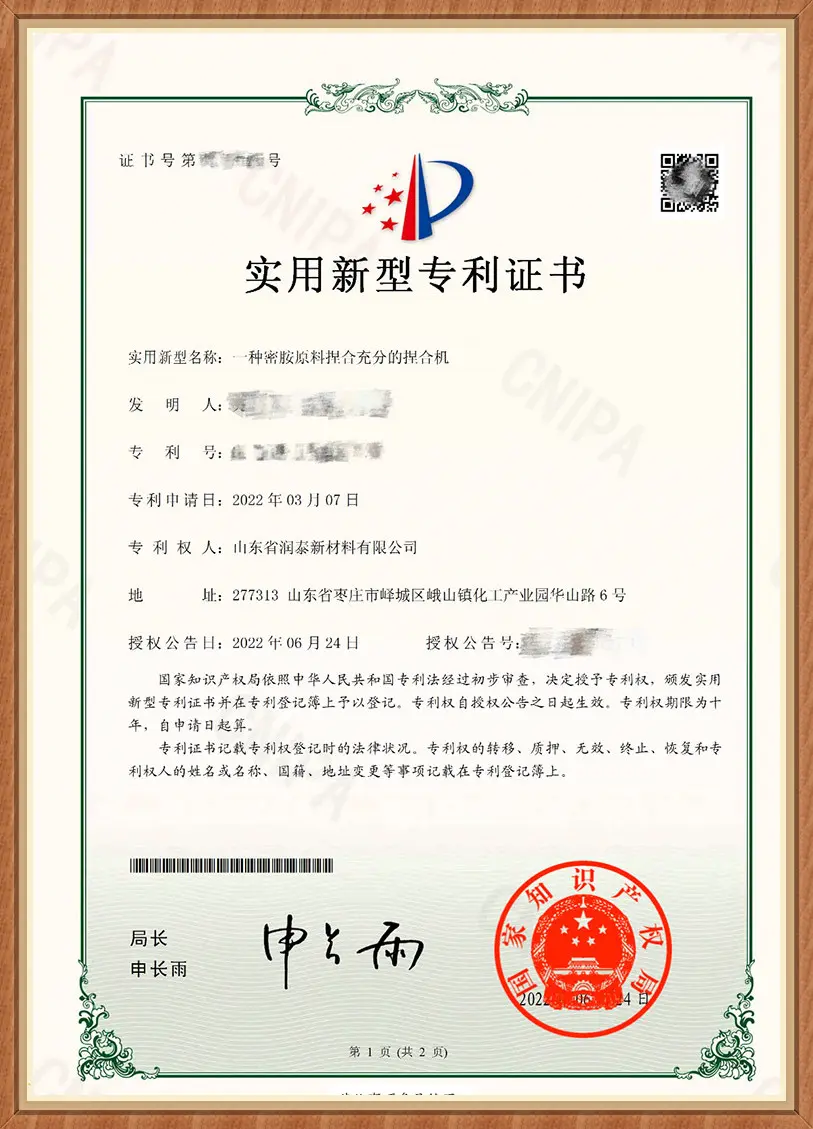
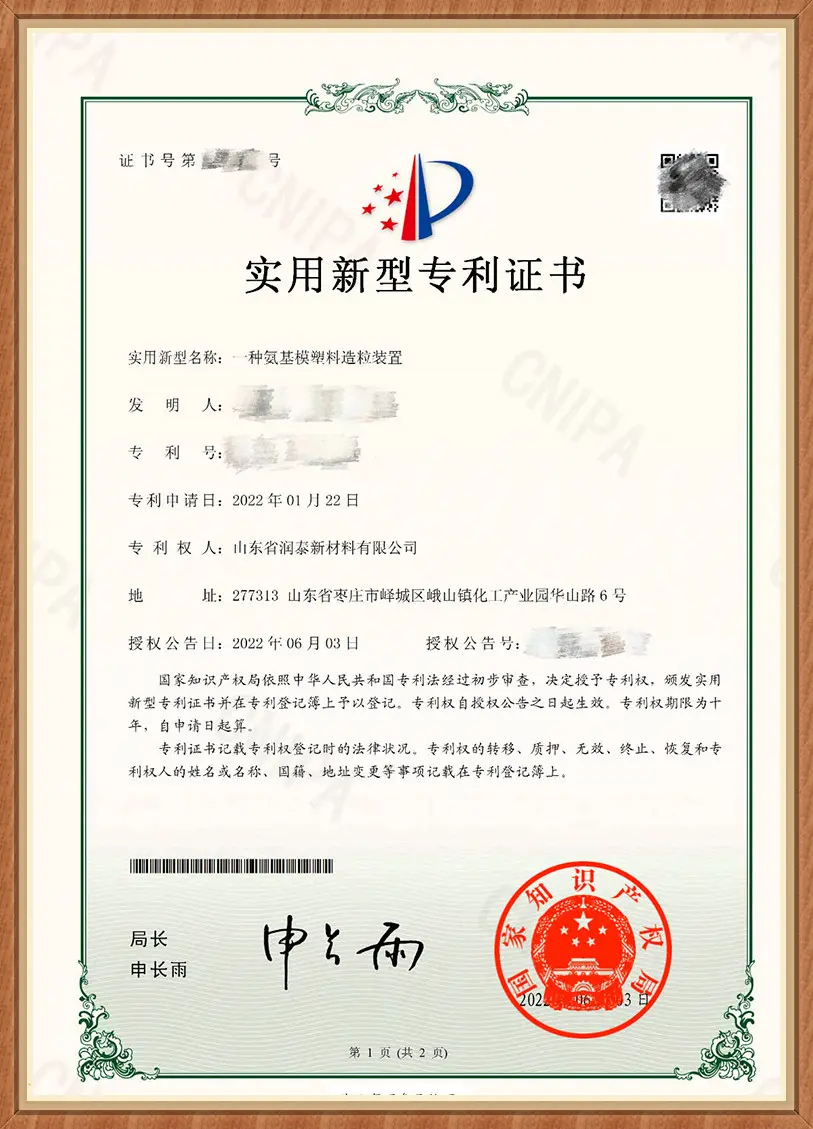
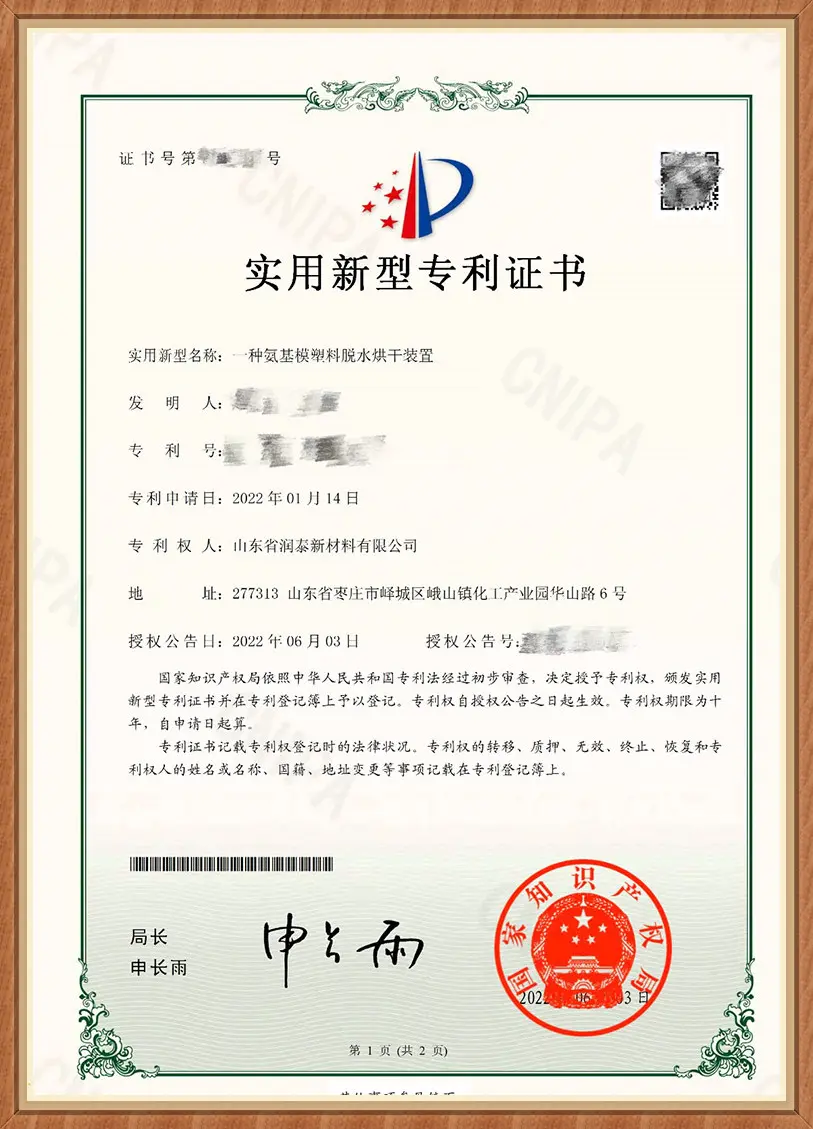
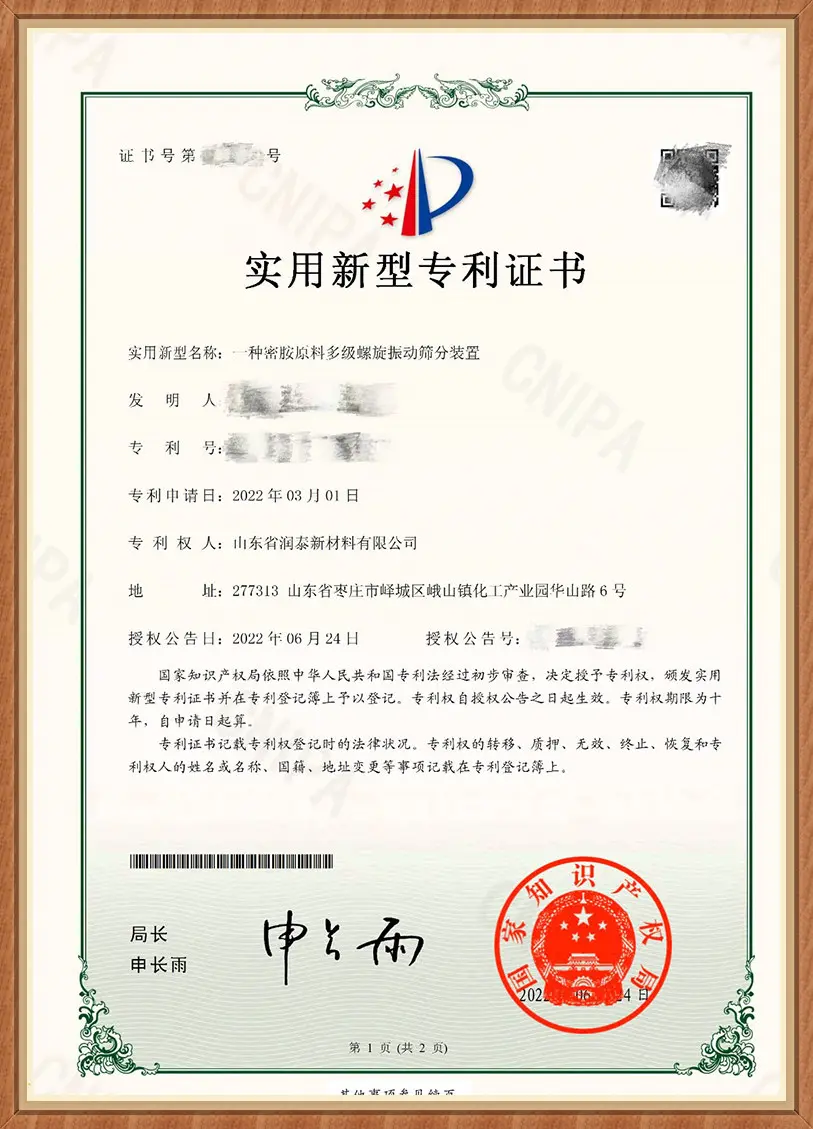
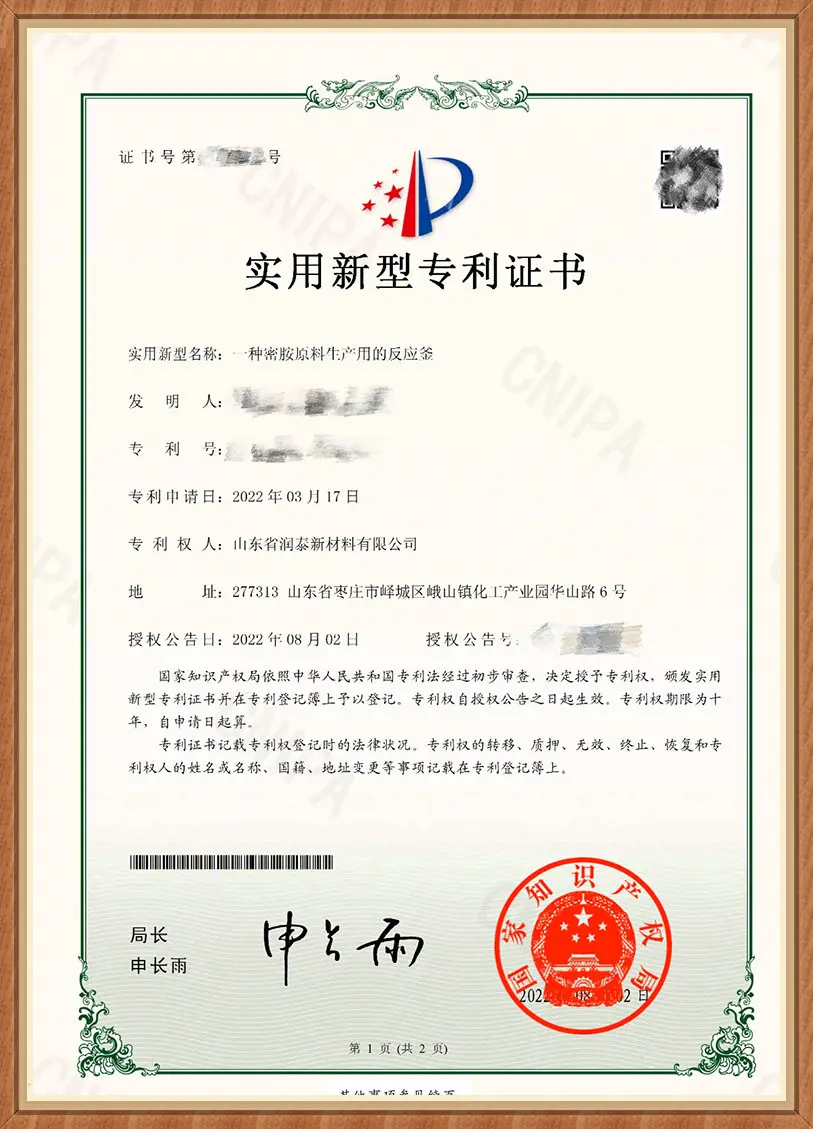
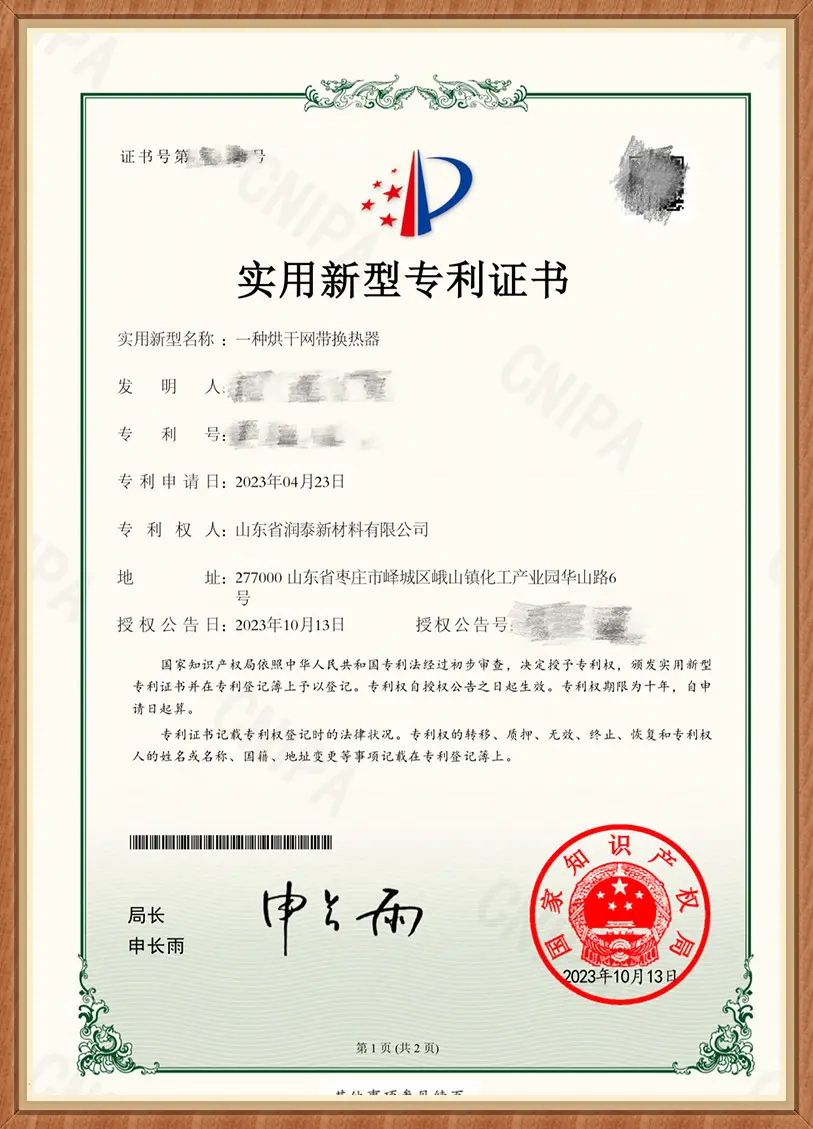
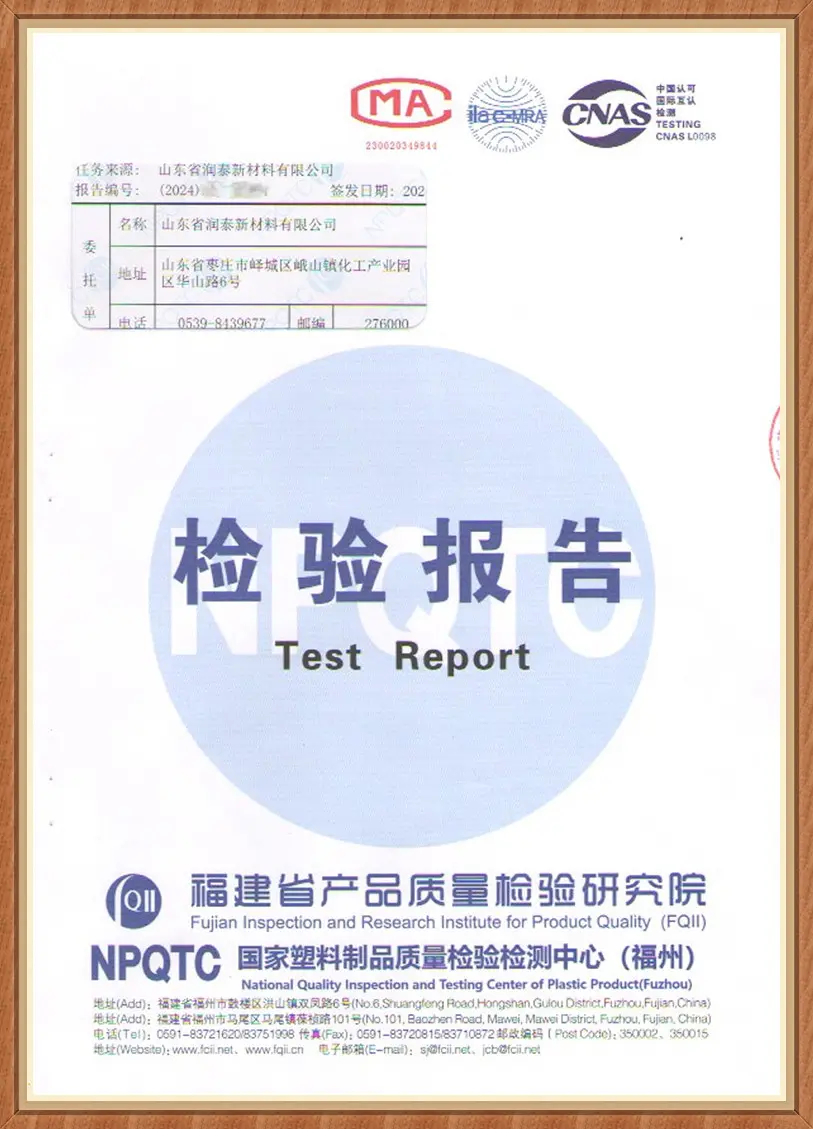
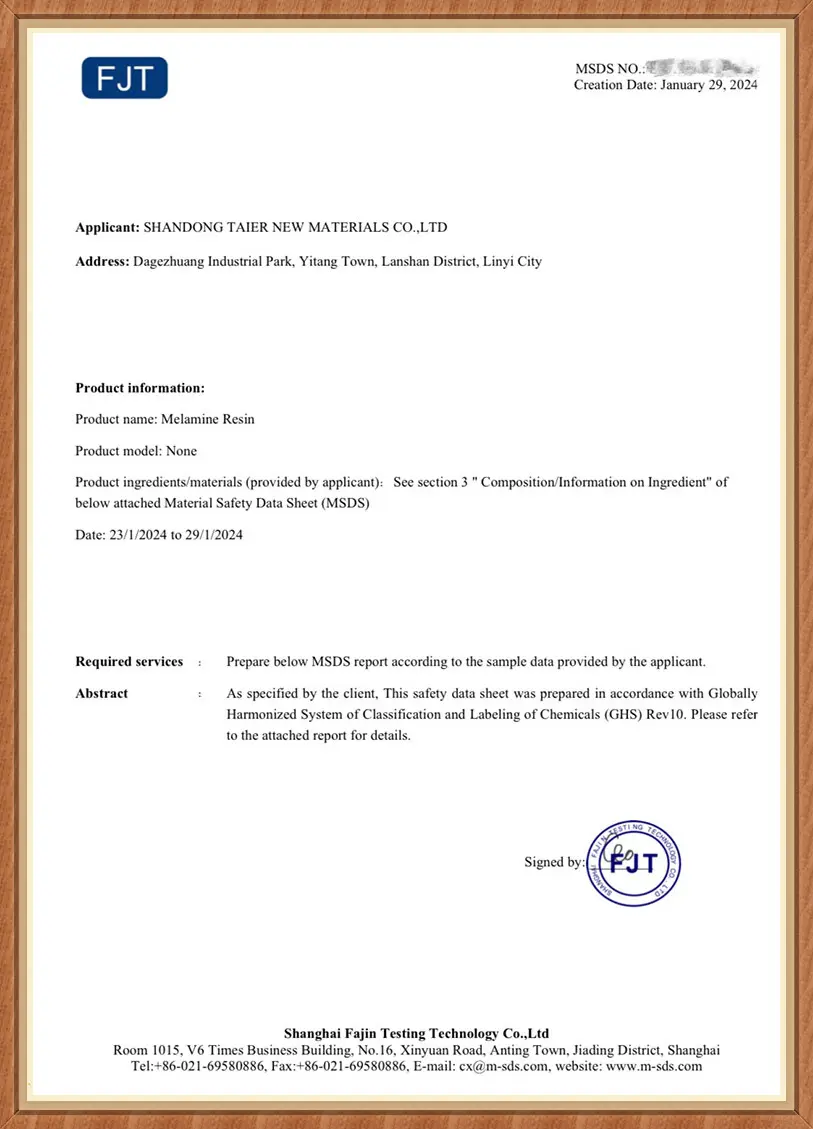
B2B procurement agents sourcing formaldehyde and melamine resins for wood processing face a multi-layered verification process. To secure a resilient and compliant supply chain, global companies should prioritize the following key technical parameters:
Runtai New Materials resolves these requirements by providing direct factory-to-buyer technical consultations. Our R&D team works with procurement heads to customize pH buffers, viscosity indexes, and molar ratios to match specific factory configurations and localized environmental regulations.
Expert technical insights regarding formaldehyde resin application in the laminate flooring industry.
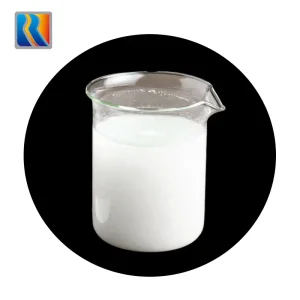
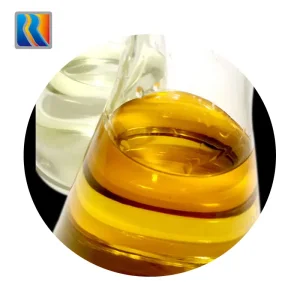
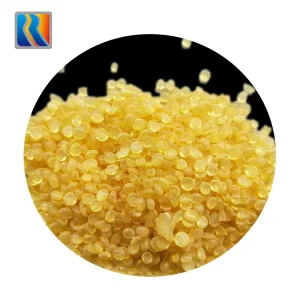
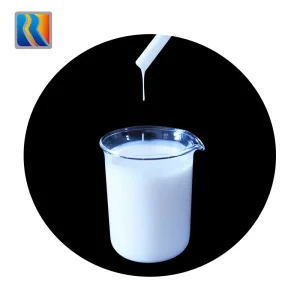
Explore our technical-grade resins and specialty additives formulated to increase performance, prevent foaming, and control viscosity.
 Runtai