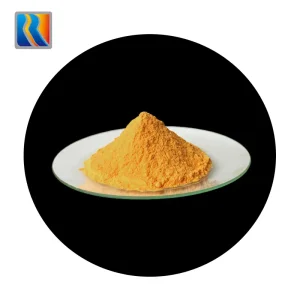
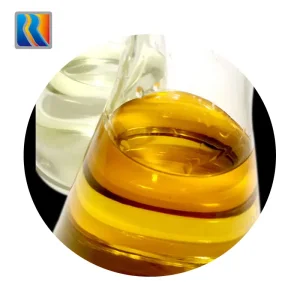
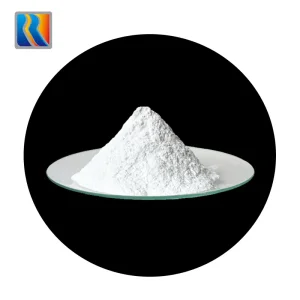
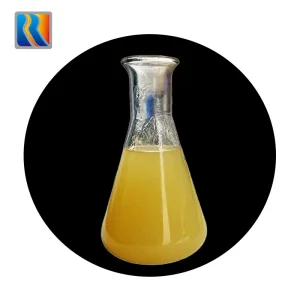
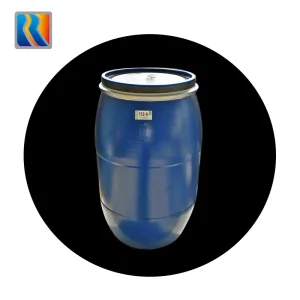
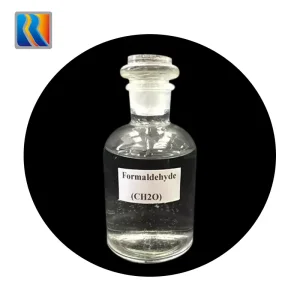
Engineered to exceed global chemical directives, our advanced formulations guarantee superior purity, exceptional thermal resistance, and optimal processability.
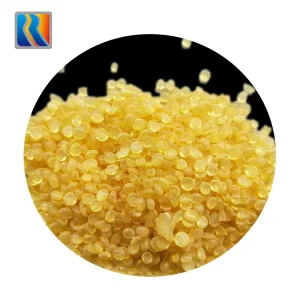
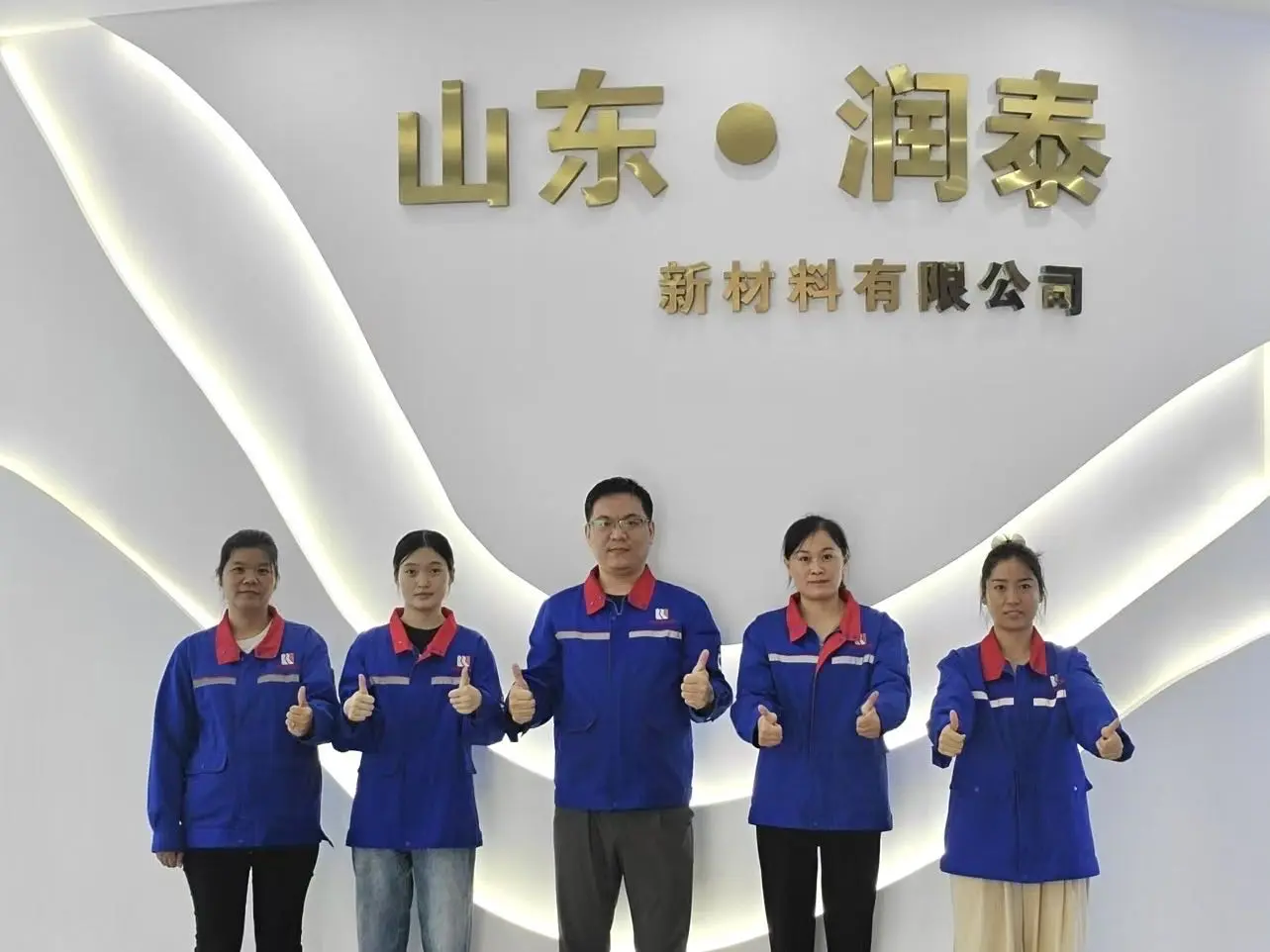
Founded in March 2020, Shandong Runtai New Materials Co., Ltd. has evolved rapidly into a preeminent, comprehensive chemical group operating at the forefront of the global fine chemicals industry. Headquartered in Zaozhuang City, Shandong Province, and supported by strategically located branches across five key economic hubs nationwide, we bridge the gap between complex polymer synthesis and scalable downstream manufacturing.
Our state-of-the-art production complex spans a massive 270,000 square meters, supported by a total capital investment of 2.06 billion Yuan (RMB). As a technology-oriented pioneer, we focus on the research, development, and scalable production of formaldehyde derivatives, melamine resins, urea formaldehyde compounds, and high-purity functional glazing powders designed to optimize the performance and surface characteristics of industrial, household, and commercial molded goods.
Exploring the molecular synthesis and cross-linking kinetics that deliver unprecedented optical brilliance and scratch resistance for premium thermosetting composites.
In modern industrial polymer chemistry, the synthesis of Saturation Gold Glaze represents a significant leap forward in decorative thermoset engineering. By blending high-purity melamine glazing powder with specialized, heat-stable gold metallic and pearlescent mineral pigments, Shandong Runtai has engineered a coating material that maintains chemical integrity under extreme compression molding conditions. Standard glazes often suffer from thermal discoloration, color separation, or structural degradation when subjected to temperatures exceeding 160°C and pressures above 15 MPa. Our newly developed technology prevents these issues through precise raw material selection and advanced cross-linking optimization.
Our process begins with the precise control of formaldehyde-to-melamine molar ratios during pre-polymerization. By maintaining specific concentrations of methylol species, we achieve a highly uniform resin matrix that ensures excellent pigment wet-out and eliminates surface defects like orange peel or pinholes.
To achieve a deep, reflective metallic appearance, we modify the refractive index of the melamine-formaldehyde resin. This allows light to penetrate the surface and interact with the embedded metallic pigments, resulting in a three-dimensional golden glow that is highly resistant to fading and UV exposure.
During the final curing stage, the resin forms a dense, three-dimensional network. This cross-linked structure gives the finished product exceptional surface hardness, scratch resistance, and low chemical leachability, meeting strict international standards for food-contact materials.
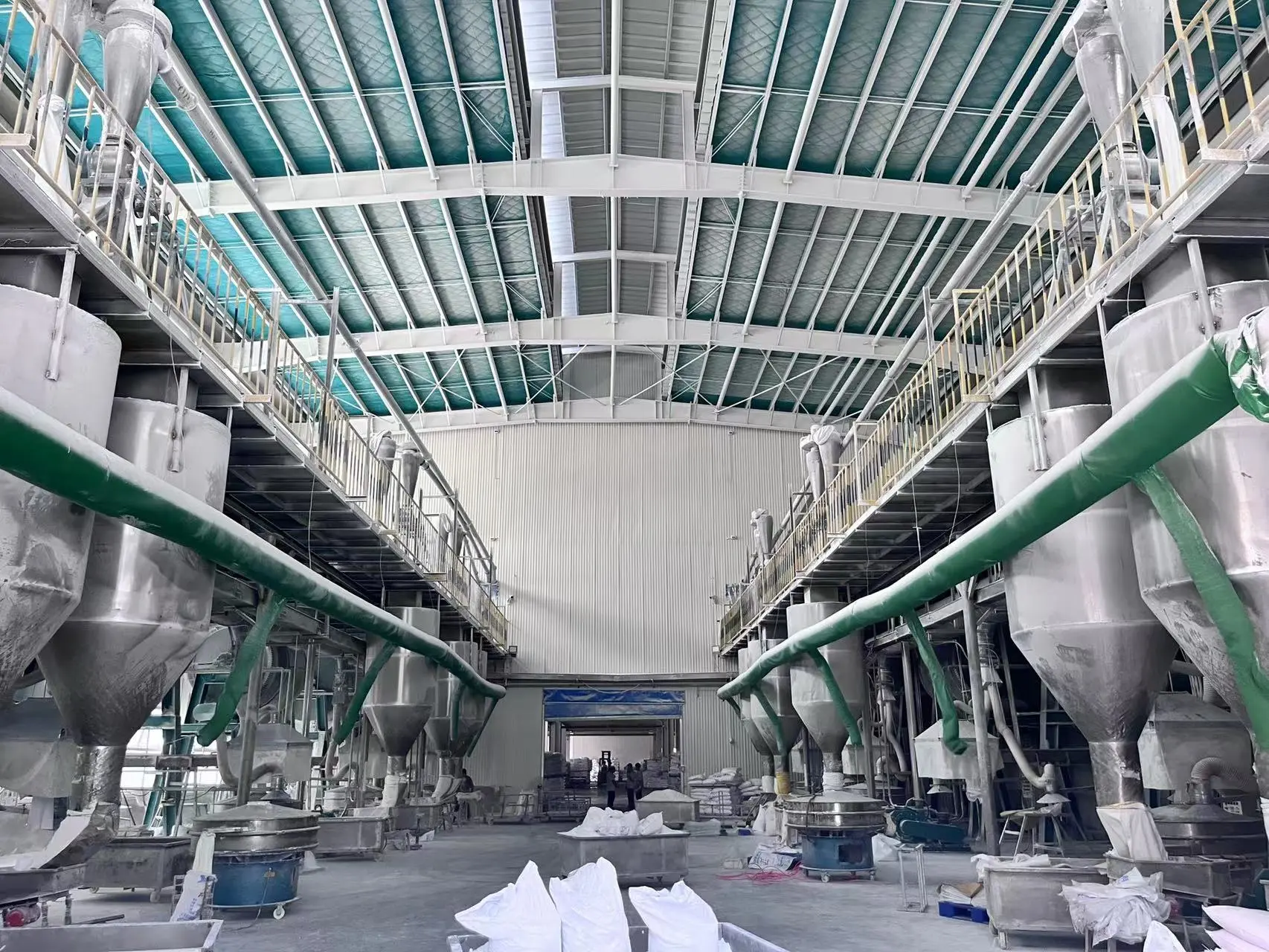
At Shandong Runtai, we have implemented advanced automation and digital control systems across our production lines. Our facility is equipped with a state-of-the-art Distributed Control System (DCS), which monitors and controls all process parameters in real-time, from reactant feed rates to temperature profiles.
This high level of automation ensures consistent product quality, improves safety, and reduces energy consumption. By minimizing human error and stabilizing operating conditions, we can maintain tight product specifications, such as consistent particle size distribution for our glazing powders and stable free-formaldehyde levels in our resins.
Through collaborative partnerships with research institutions, including the Changzhou Research Institute of Beijing University of Chemical Technology, our doctoral R&D team continuously works on process improvements and product innovations. This allows us to offer tailored solutions to meet the changing needs of the global chemical market.
Providing integrated chemical solutions that support manufacturing efficiency and product quality across diverse global sectors.
Our melamine molding compounds and glazing powders are widely used to manufacture high-end tableware. The resulting products have a glossy, ceramic-like finish and exhibit excellent resistance to scratching, staining, and chemical attack, ensuring long service life in demanding food service environments.
We supply high-quality resins and additives, including Phenolic Resins and Packaging Film Adhesives, that serve as critical components in industrial coatings, wood adhesives, and flexible packaging laminations, providing strong bonding and protective properties.
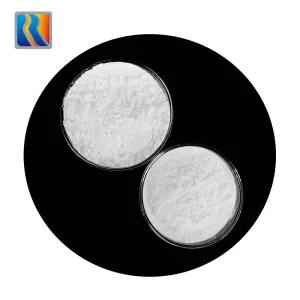
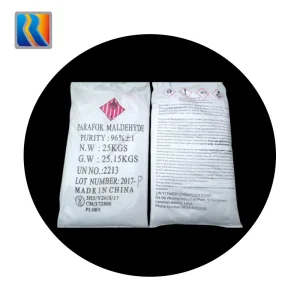
Our Urea Formaldehyde Resins and Paraformaldehyde are essential raw materials for manufacturing particleboard, medium-density fiberboard (MDF), and plywood. They deliver excellent bonding strength, curing speed, and cost efficiency for the construction and furniture industries.
Providing reliable supply, standardized packaging, and efficient international logistics to support global manufacturing operations.
Operating in a global marketplace requires not only high-quality chemicals but also a reliable and responsive supply chain. Shandong Runtai supports international buyers with robust manufacturing capacity, structured logistics planning, and comprehensive regulatory documentation. Whether shipping bulk liquid resins in specialized ISO tanks or dry powder compounds in multi-layer moisture-resistant bags, we ensure that our products arrive in optimal condition and on schedule.
Our logistical systems are designed to manage the specific challenges of transporting chemical products. For humidity-sensitive materials like Urea Moulding Compound (UMC) and Melamine Glazing Powder, we utilize moisture-barrier packaging and climate-controlled container storage. This prevents pre-curing and clumping during sea transit through tropical shipping routes, ensuring consistent product performance upon arrival.
Our experienced export logistics team coordinates all aspects of international trade, including customs clearance, hazardous goods documentation (where applicable), and port handling. Operating close to major Chinese shipping ports allows us to optimize transport routes, reduce transit times, and offer competitive shipping rates to destinations in North America, Europe, Southeast Asia, and Africa.
To ensure transparency and traceability, we provide comprehensive documentation with every shipment, including detailed Certificates of Analysis (COA), Technical Data Sheets (TDS), and safety data sheets (SDS) compliant with the Globally Harmonized System (GHS).

Meeting international quality standards while prioritizing safety, compliance, and sustainable manufacturing practices.

We operate in accordance with international quality and management standards, maintaining certifications for ISO 9001 (Quality Management), ISO 14001 (Environmental Management), and ISO 45001 (Occupational Health and Safety). Our products comply with relevant international regulations, including REACH for European markets and FDA requirements for food-contact materials.
Our analytical laboratories are equipped with modern testing instruments, such as high-performance liquid chromatography (HPLC) and gas chromatography, allowing us to perform rigorous testing on raw materials and finished products to ensure chemical purity, consistent molecular weight distribution, and low volatile organic emissions.
Shandong Runtai is committed to reducing the environmental footprint of our chemical manufacturing operations. We invest in advanced emissions control equipment, catalytic oxidizers, and closed-loop water treatment systems to minimize emissions and waste generation. By improving energy efficiency and utilizing sustainable raw materials, we help our customers meet their environmental targets while maintaining high product performance.
Expert technical insights to address common processing, application, and formulation questions.
Explore our full range of specialty chemicals, including high-performance resins, defoamers, and industrial dispersants.
 Runtai