Engineered chemicals from China's premier manufacturer, meeting stringent global processing requirements.
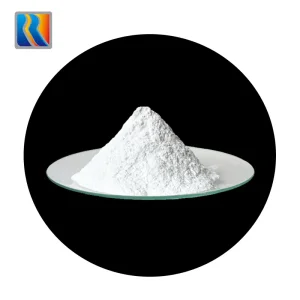
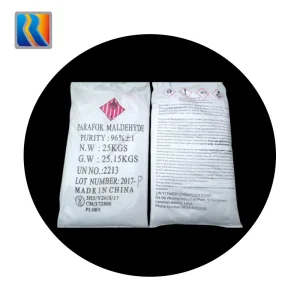
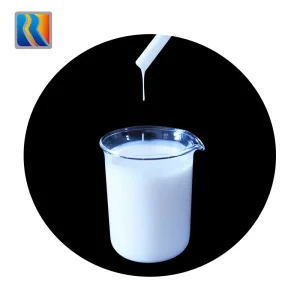
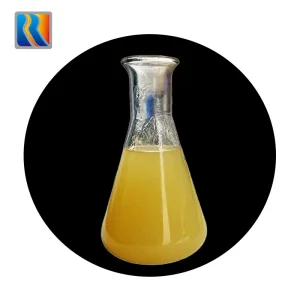
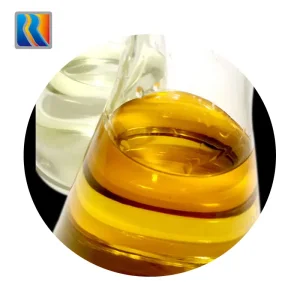
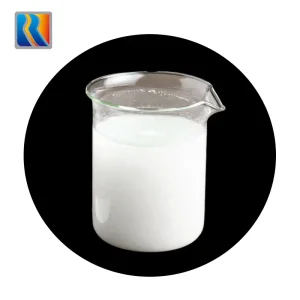
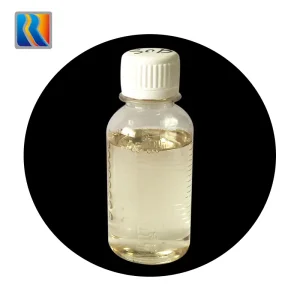
Founded in March 2020, Shandong Runtai New Materials Co., Ltd. is a comprehensive group firm that specializes in fine chemical products. Our primary products include formaldehyde, polyformaldehyde, urea formaldehyde resin, melamine powder and melamine glazing powder. The corporation has branches in five different cities throughout the whole country, with its headquarters located in Zaozhuang City, Shandong Province. Runtai New Materials covers an area of 270,000 square meters with a total investment of 2.06 billion yuan.
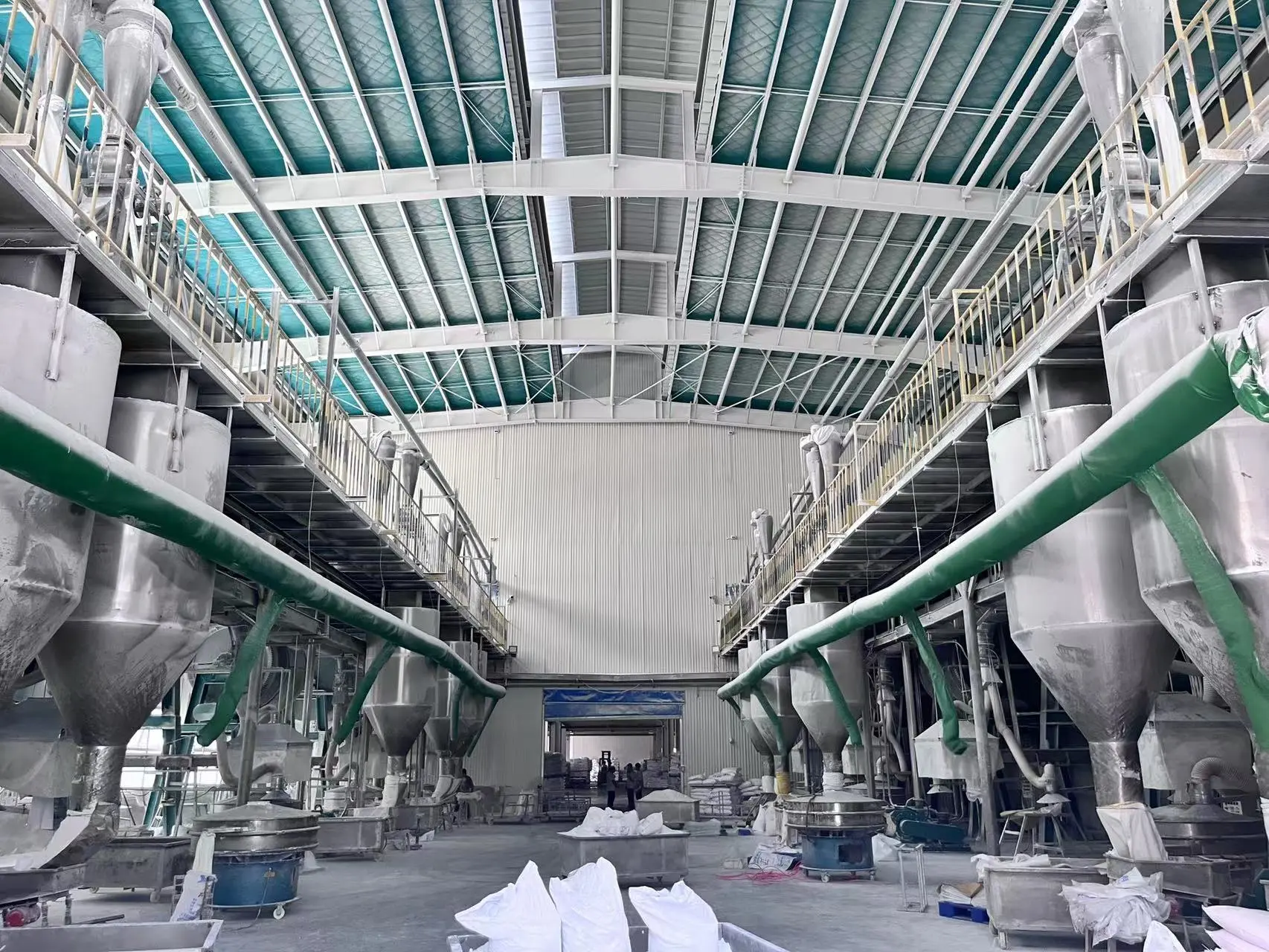
By using the local advantage of rich resources and raw materials, we have created an integrated vertical industrial chain that spans from raw petrochemical feeds to refined polyformaldehyde compounds, engineering resins, and high-performance adhesives. Our state-of-the-art testing facility works closely with leading academic researchers, guaranteeing our production matches global expectations for quality, reliability, and precision.
Formaldehyde Capacity / Year
Urea Formaldehyde Resin / Year
Melamine Capacity / Year
Domestic Market Share
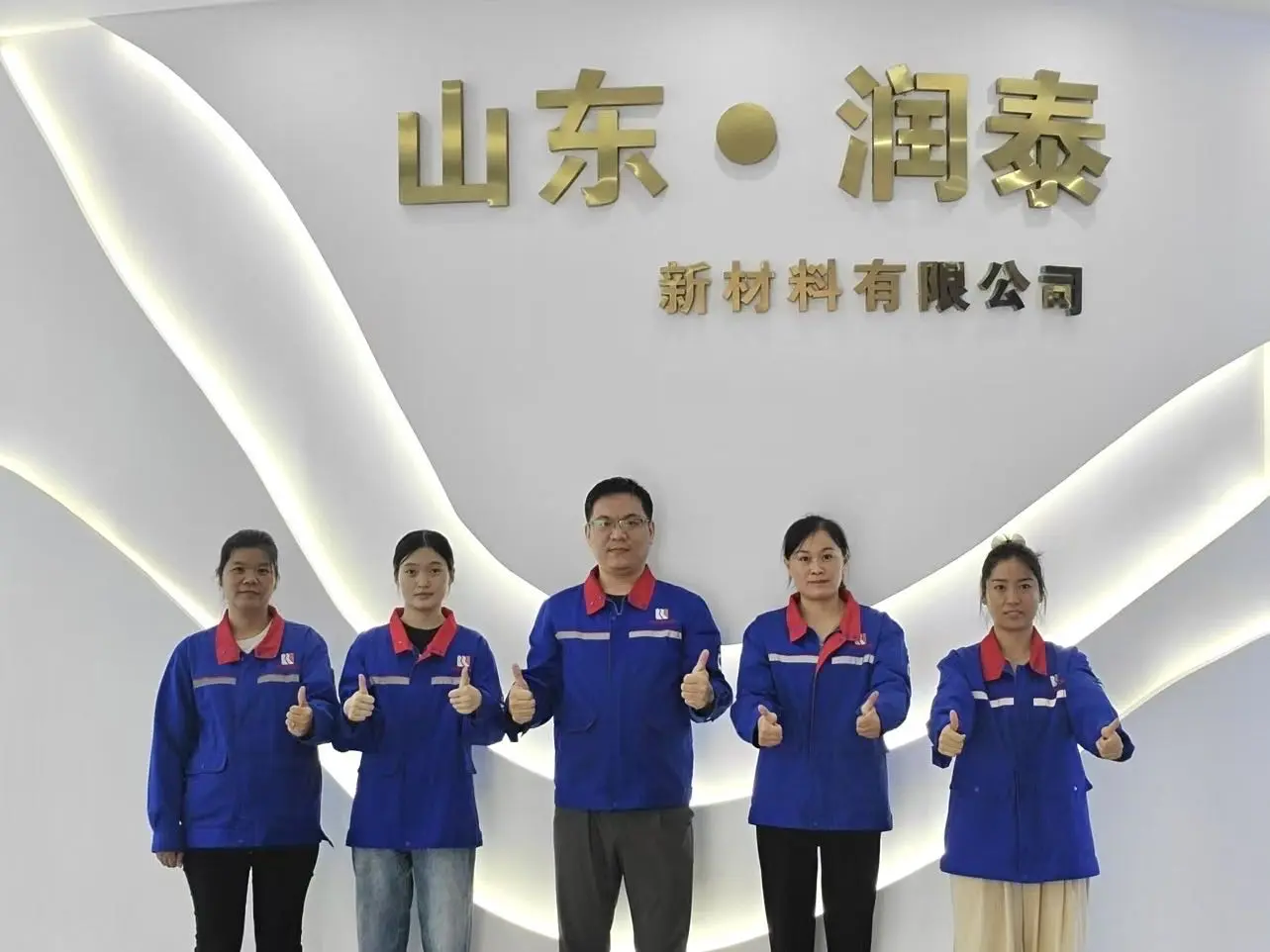
Runtai New Materials has grown to be one of China's top producers of melamine and formaldehyde due to our recent improvements in production lines growth. As of currently, the company produces 380,000 tons of formaldehyde annually, 60,000 tons of melamine annually, 20,000 tons of melamine glazing powder annually, 11,000 tons of resin annually, 300,000 tons of urea formaldehyde resin annually, and so forth. We have reached about 80% market share in China.
At the same time, we are actively developing overseas business, our products have been exported to the United States, Thailand, Kenya, Egypt and other countries and have been widely praised by overseas customers. Runtai New Materials is a professional chemical supplier dedicated to satisfying customer requirements with superior chemical products and solutions. Our professional staff and cutting-edge production machinery are committed to the production of chemical goods that satisfy global standards. In order to satisfy the needs of various industries, we simultaneously offer standardized products as well as tailored solutions based on the unique requirements of our customers.
How we utilize advanced industrial automation to deliver cost advantages and absolute material consistency.
Using next-generation Distributed Control Systems (DCS), we programmatically manage heat profiles, chemical ratios, and polymerization pressures. This lowers variation between batches, creating high-purity chemical bases that perform well in industrial applications.
By producing formaldehyde directly from raw feedstock in our own facility, we isolate our downstream resin products, including phenolic and urea resins, from volatile raw-material market pricing. This means stable, competitive prices for long-term contract partners.
Our Quality Control labs are equipped with high-performance liquid chromatography (HPLC) and gas chromatography tools. This guarantees that parameters like free-formaldehyde percentages, moisture levels, and gel speeds perfectly align with our certificates of analysis (COA).
“Runtai New Materials integrates automated processes with expert quality management to deliver dependable output, keeping global factories running smoothly without interrupted production.”
Phenol-Formaldehyde polymers, historically recognized as the pioneer of synthetic thermosetting resins (Bakelite), remain vital in modern manufacturing due to their exceptional thermal resistance, high dimensional stability, and strong chemical barrier properties. Depending on the catalyst and molar ratios of reactants utilized in production, we categorize these polymers into two key technological pathways:
Synthesized with an excess of formaldehyde relative to phenol (F:P ratio > 1) under alkaline conditions. These resins are inherently self-crosslinking and contain reactive methylol groups. Upon application of heat, they form high-density cross-linked structures without requiring external curing agents. This makes them ideal for marine-grade plywood adhesives, high-pressure laminates, and performance coating materials.
Synthesized using a formaldehyde-to-phenol ratio of less than 1 under acidic conditions. Novolacs are thermoplastic and require a curing agent—most commonly hexamethylenetetramine (hexa)—to crosslink and transition to a thermoset. They are widely used as bind agents in abrasive grinding wheels, friction materials (automotive brake pads), and protective lining coatings for chemical containers.
Our research focus involves reducing free-formaldehyde emissions while keeping high cross-linking performance. By working with the Changzhou Research Institute of Beijing University of Chemical Technology, our team is developing bio-based phenolic compounds (incorporating lignin and cardanol) to decrease dependency on fossil-based phenols and support green manufacturing initiatives.

Providing specialized materials designed to perform under demanding industrial conditions.
Our phenol formaldehyde resins act as structural binder matrices in brake linings, disc pads, and clutch facings. They provide stable friction coefficients and low wear rates, even at temperatures exceeding 350°C.
Engineered for structural outdoor panels, plywood, and oriented strand board (OSB). Provides strong water resistance and weatherproofing, maintaining composite strength under wet and humid conditions.
Used to manufacture copper-clad laminates (CCL). Outstanding dielectric properties, flame retardancy (meeting UL94 V-0 standards), and dimensional stability protect delicate electronic circuits.
Runtai New Materials prides itself on outstanding operational standards and innovative capacity:

Ensuring smooth compliance, strict certification standards, and safe transport across international boundaries.
We supply REACH-certified and RoHS-compliant materials to satisfy European safety demands. Additionally, our documentation aligns with US EPA TSCA and OSHA requirements, minimizing customs delay risks.
Products like Paraformaldehyde and Formaldehyde solutions are classified under IMDG dangerous goods categories. Our trained logistics team ensures appropriate UN-approved packaging, clear labeling, and safe stowage aboard international cargo lines.
Every shipment is delivered with comprehensive multi-language SDS documentation, physical Certificate of Analysis (COA) records, and detailed import declarations to simplify local clearance processes.
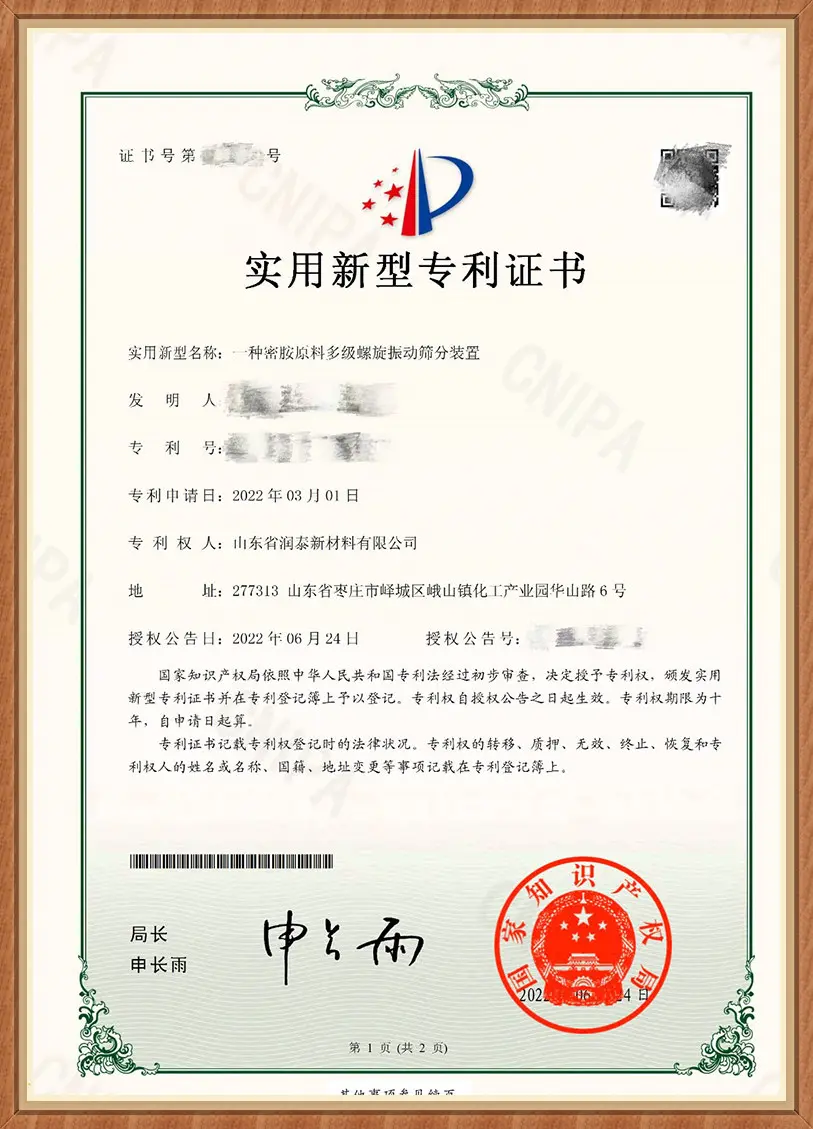
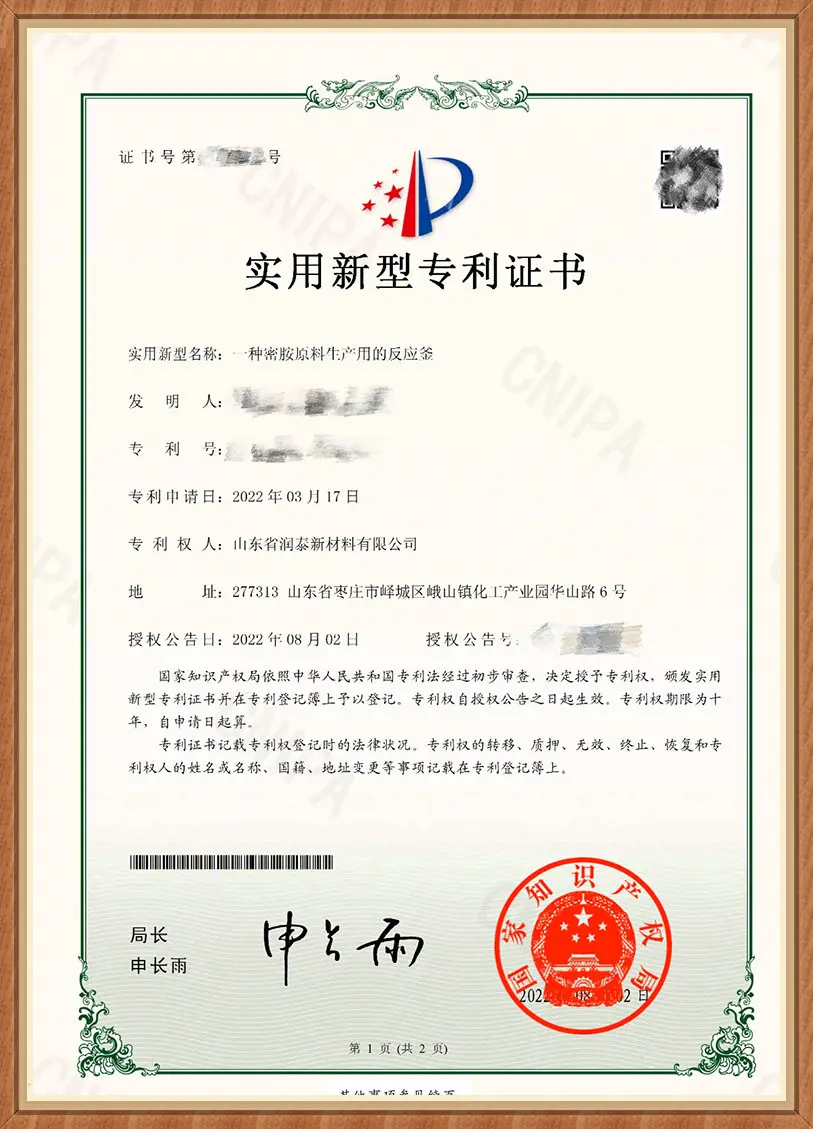
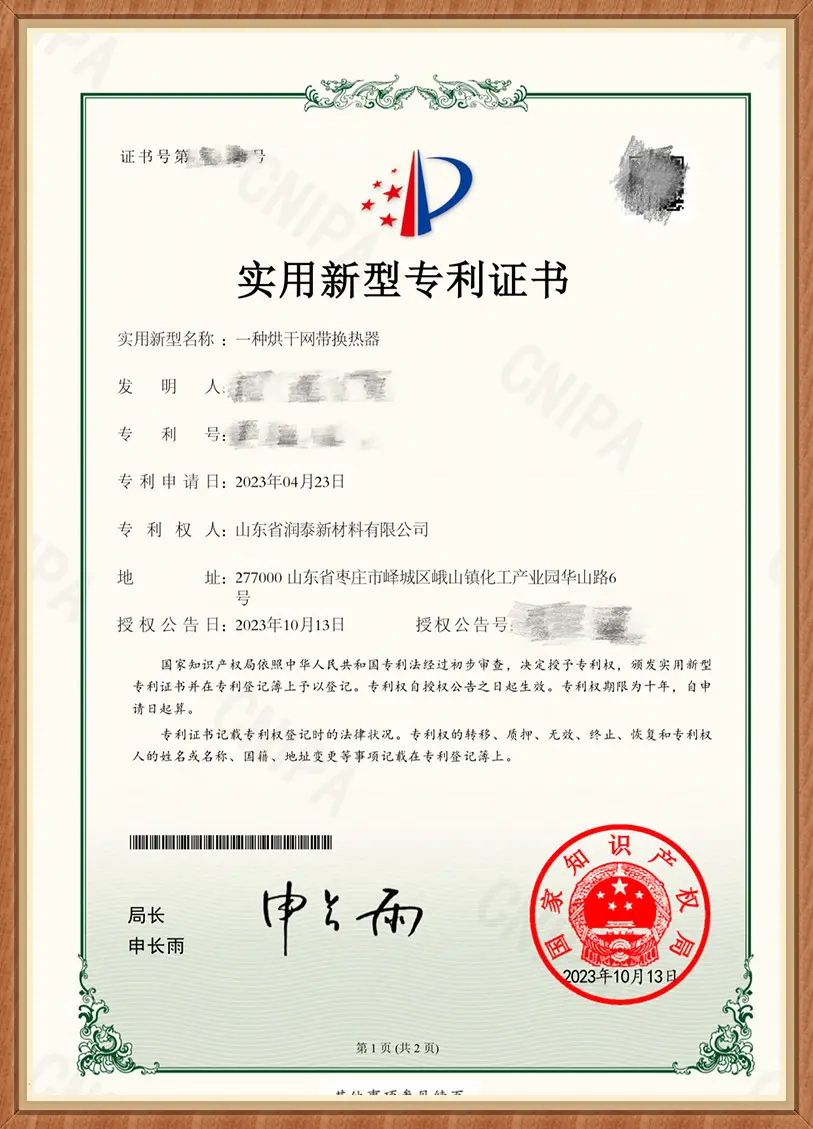
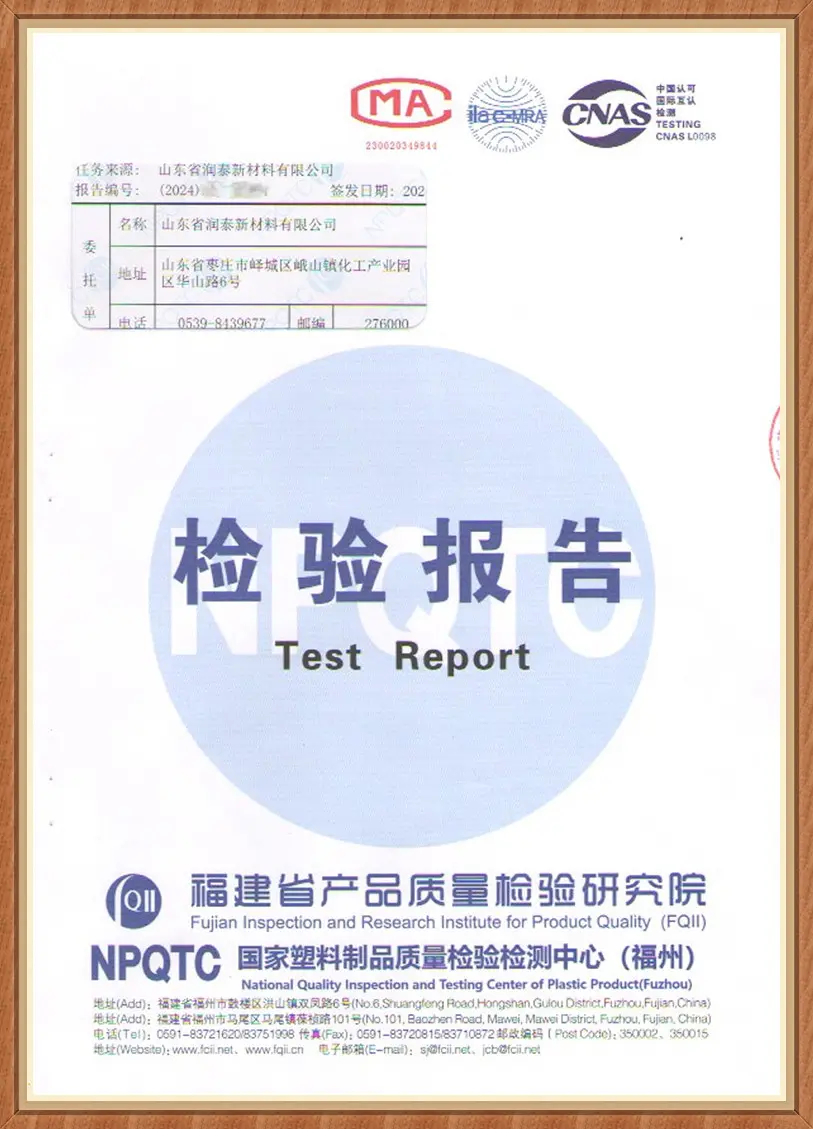
Strict management systems validated by leading global auditing and verification bodies.
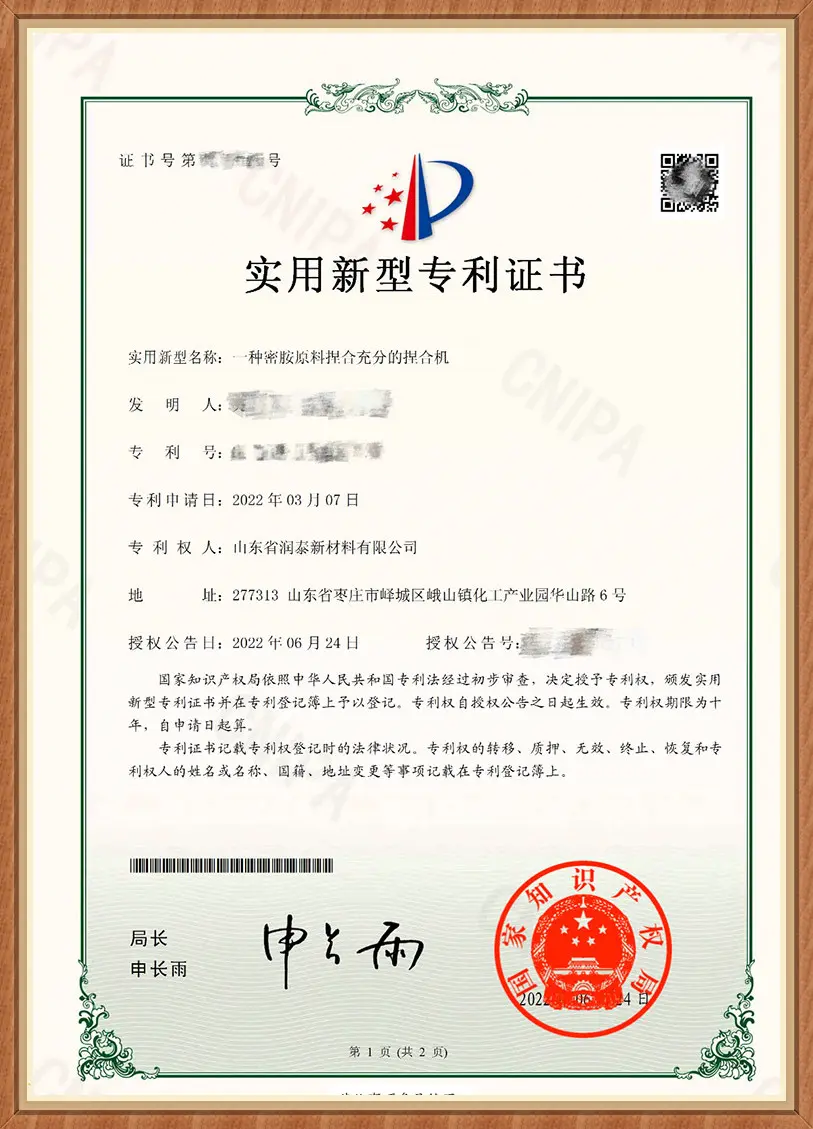
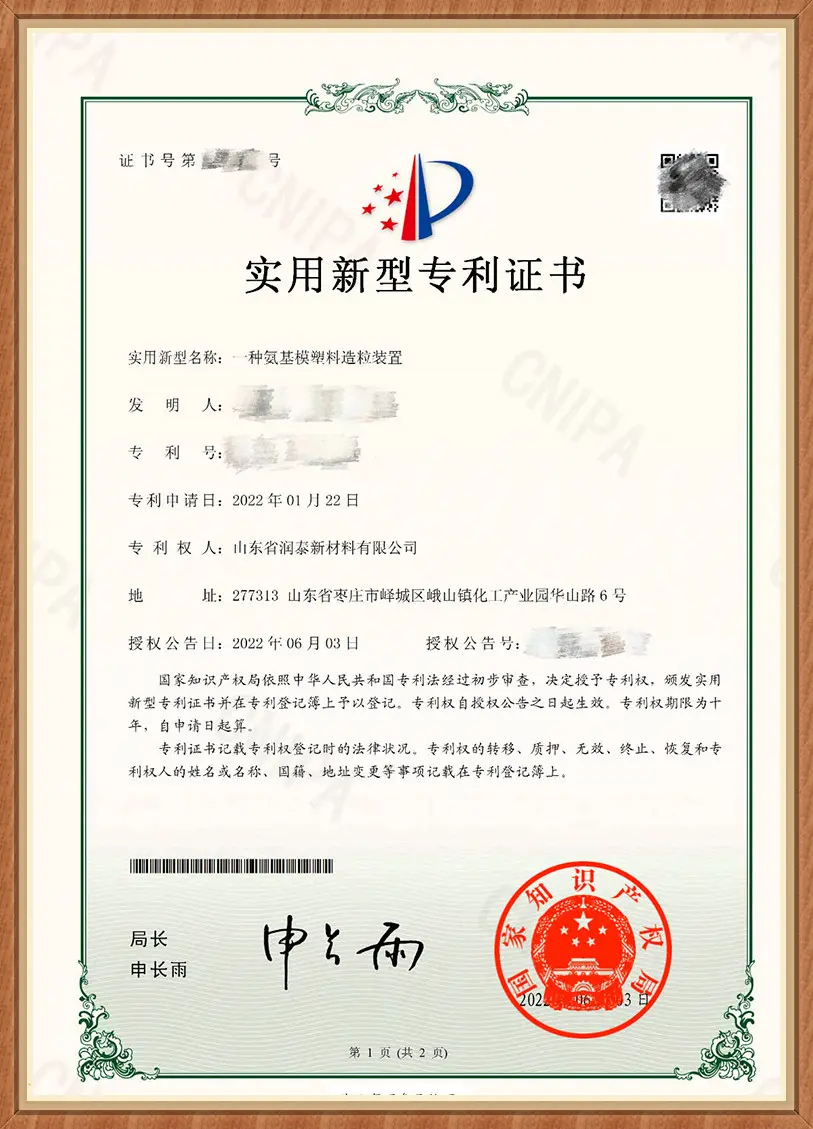
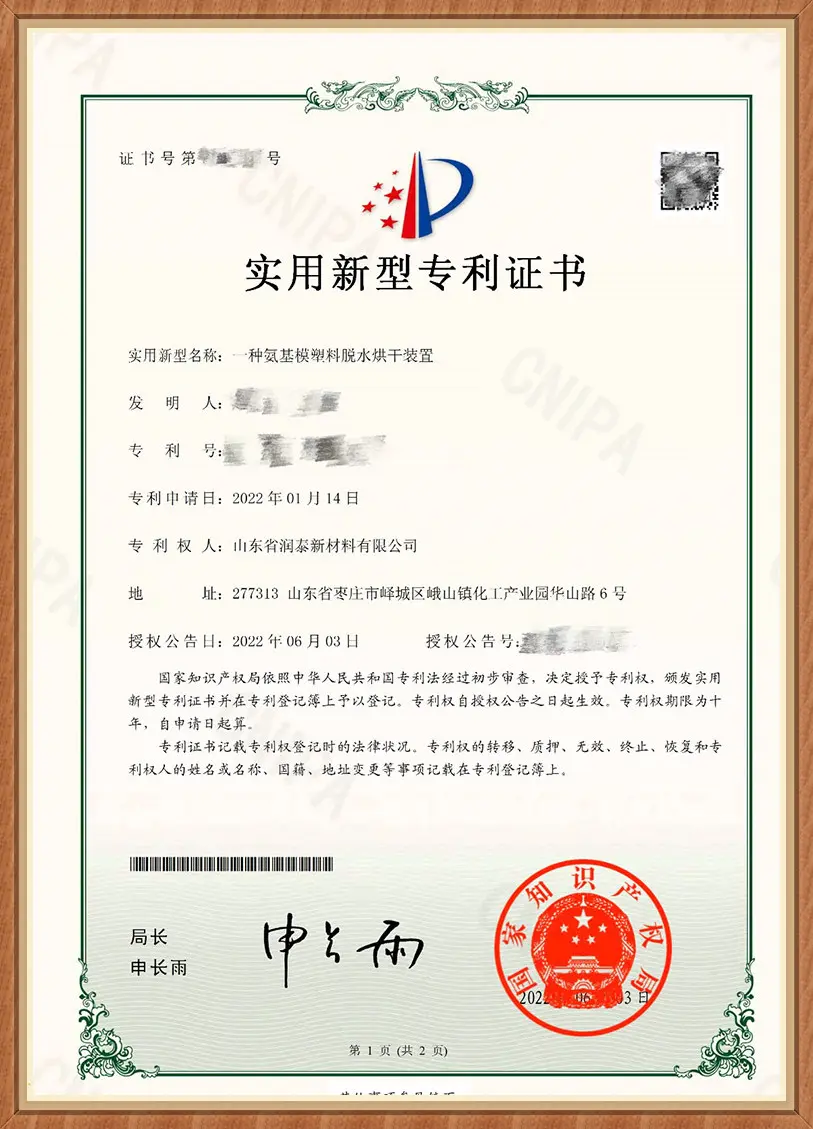
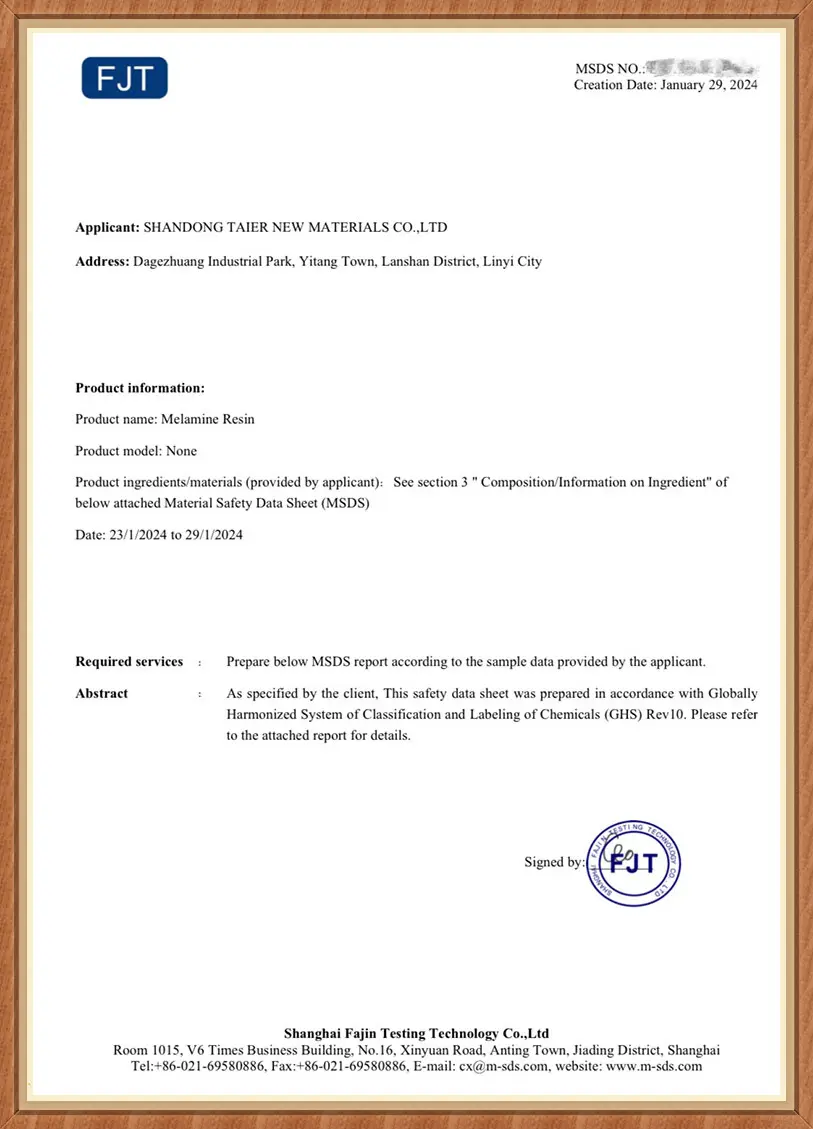
Important guidelines to ensure purchase requirements, consistency, and compatibility are met.
Ensure the resin's molecular weight, viscosity range, solid content percentage, and free-formaldehyde levels align with your processing machinery (such as extrusion or injection molding equipment).
Specify standard gel times and stroke cure speeds. Resols need specific heat parameters, whereas Novolac compounds require hexamethylenetetramine (hexa) ratios that match your cure profile.
Confirm whether liquid shipments need temperature control to prevent advanced polymerization. For solid Paraformaldehyde, verify proper dangerous goods sea transit protocols.
Determine target limits for VOC emissions. If you require materials with minimal formaldehyde release (like LEED or CARB Phase 2 compliance), please inform our technical team prior to ordering.
Answers to common technical, logistics, and processing questions from our clients.
High-purity additives, defoamers, and specialty polymers manufactured directly in our Zaozhuang factory.
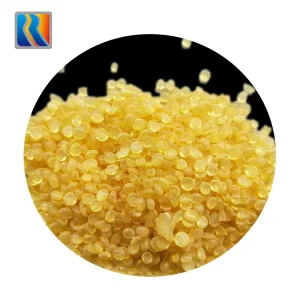
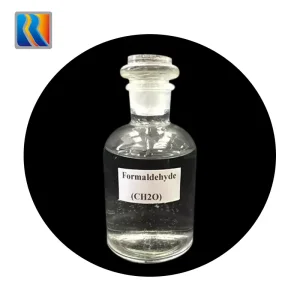
 Runtai