
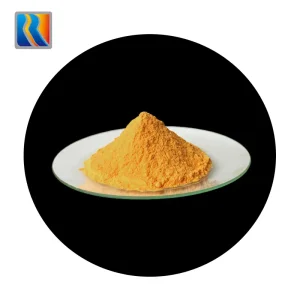
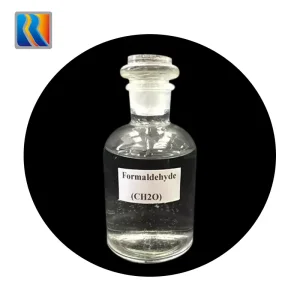
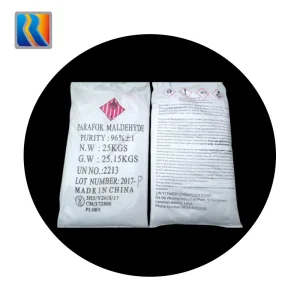
Paraformaldehyde (PFA), the polymerized solid form of formaldehyde, is the foundational building block for cellular and histopathological fixation in immunofluorescence protocols worldwide. Unlike commercial formalin solutions—which contain methanol stabilizers to prevent polymerization—freshly prepared formaldehyde solutions derived from high-purity paraformaldehyde are free from contaminants that could otherwise cause significant background autofluorescence or modify targeted cellular antigens.
During the fixation process, PFA undergoes heat-induced depolymerization in buffered saline solutions, yielding pure monomeric formaldehyde. This monomer creates methylene bridges between free amino groups on protein backbones, successfully immobilizing cell structures, stabilizing organelles, and preserving delicate biological architectures for downstream fluorescence imaging under high-resolution confocal or super-resolution microscopy.
For scientific reagents used in immunofluorescence (IF), immunocytochemistry (ICC), and immunohistochemistry (IHC), manufacturers must target strict specifications to limit analytical variation. The key characteristics include:
The global demand for high-grade paraformaldehyde spans diagnostics, academic research institutions, biotechnology hubs, and clinical pathology laboratories. Structuring a robust, high-yield supply chain requires manufacturers that integrate basic raw chemical production with advanced downstream purification. This is where Chinese chemical clusters, specifically Shandong Runtai New Materials Co., Ltd., provide a distinct global competitive advantage.
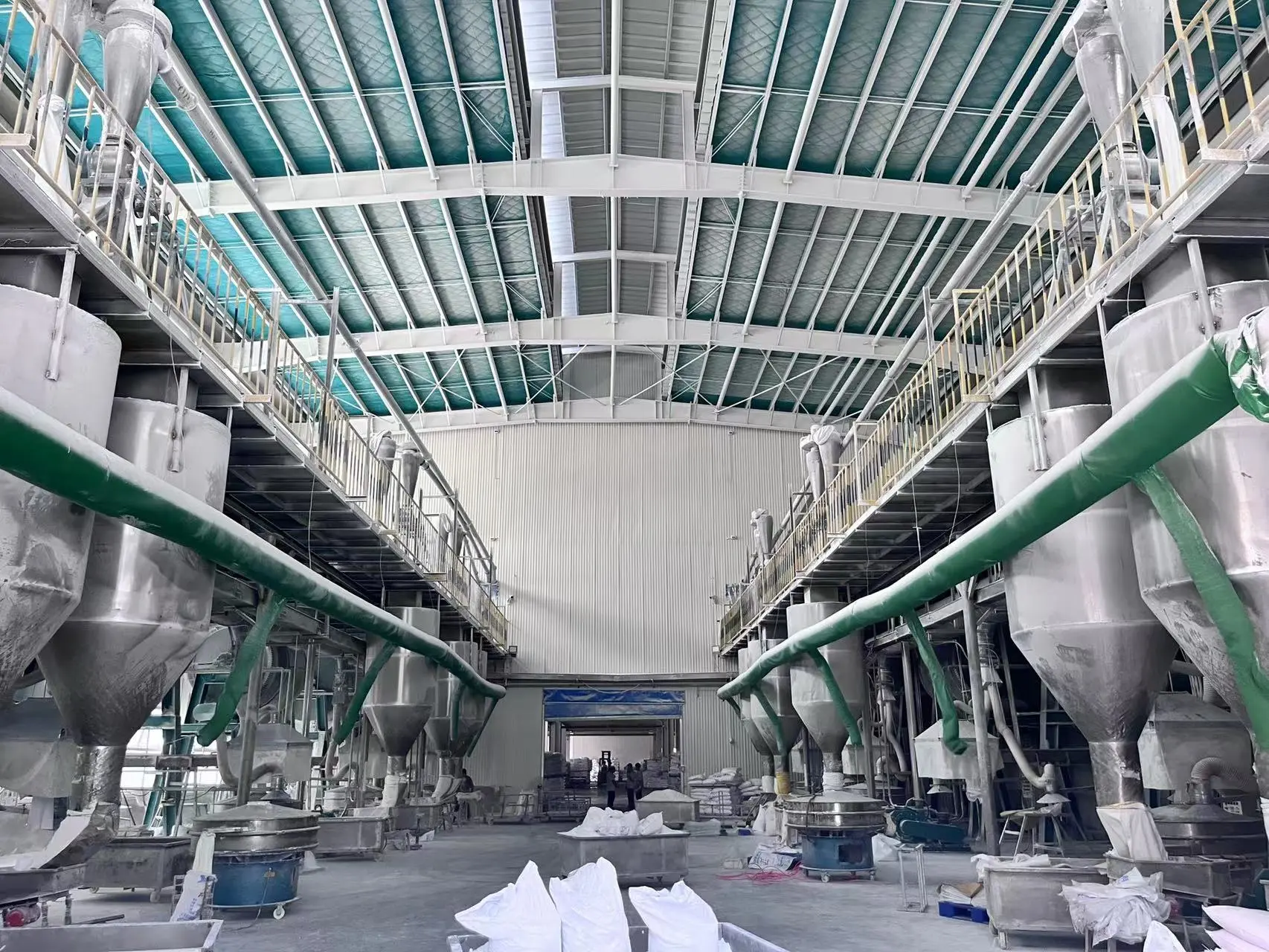
China's industrial efficiency in paraformaldehyde production relies heavily on upstream integration. By maintaining vast synthesis lines for raw formaldehyde (380,000 tons per year), Runtai mitigates the risks of volatile feedstock markets. Furthermore, implementing the Changzhou Research Institute of Beijing University of Chemical Technology's technology ensures the physical properties of our paraformaldehyde match the strict solubility and purity criteria demanded by diagnostic kit formulators worldwide.
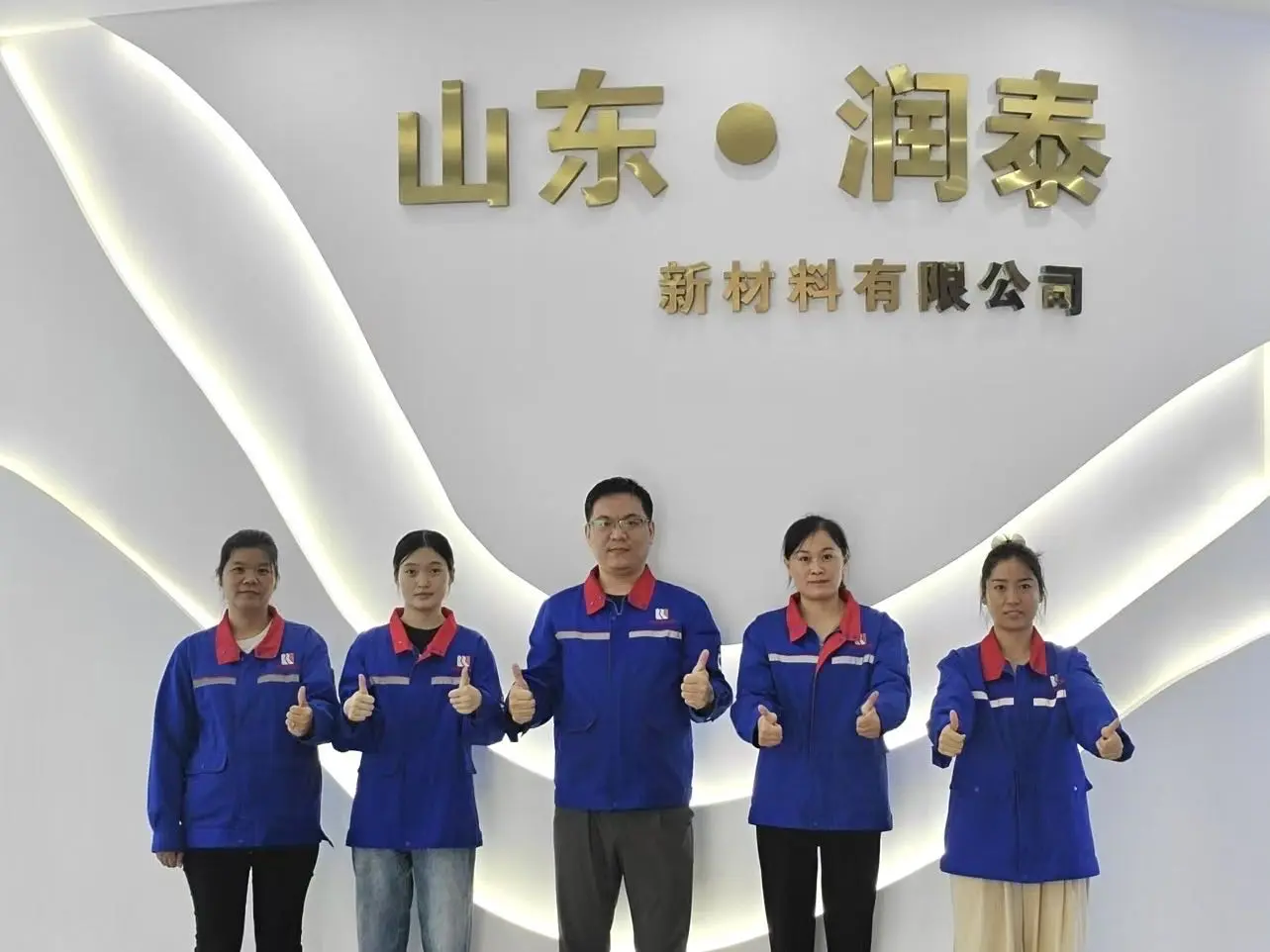
Founded in March 2020, Shandong Runtai New Materials Co., Ltd. is a comprehensive group firm specializing in fine chemical products and advanced polymers. With its headquarters in Zaozhuang City, Shandong Province, the corporation spans an area of 270,000 square meters. Through an extensive investment of 2.06 billion yuan, we have successfully scaled production to cater to both heavy industrial sectors and high-precision chemical applications.
Our comprehensive chemical ecosystem integrates the production of formaldehyde, paraformaldehyde, urea formaldehyde resin, melamine powder, and melamine glazing powder. This vertically integrated manufacturing model guarantees trace chemical control from basic reagents to finalized polymer compounds, making us a dependable partner for global procurement agents seeking consistency and safety compliance.
Our manufacturing lines operate under the guiding principles of "automatic control, safe and reliable, stable operation, energy saving and consumption reduction, and comprehensive utilization of resources." By employing advanced Distributed Control Systems (DCS), we continuously track and adjust thermal, catalytic, and polymerization parameters across the entire production chain. This limits batch-to-batch variation, ensuring that our PFA products behave predictably during lab-scale reconstitution.
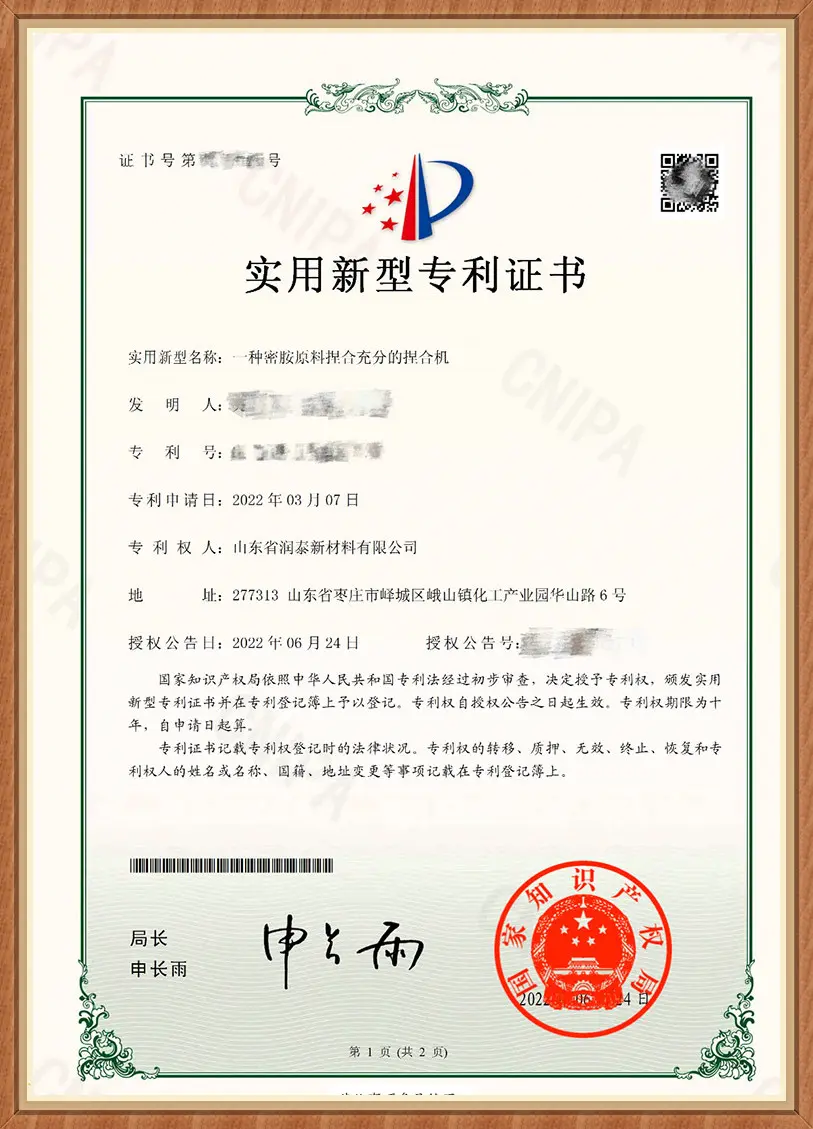
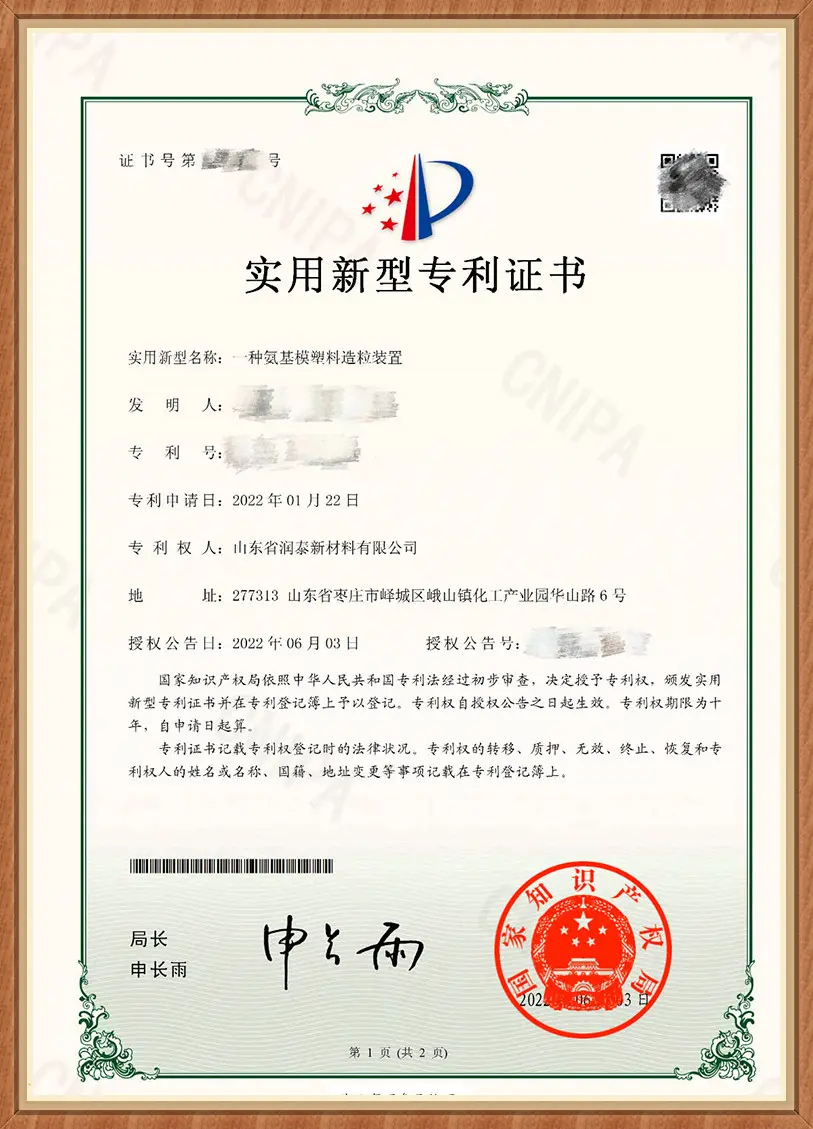
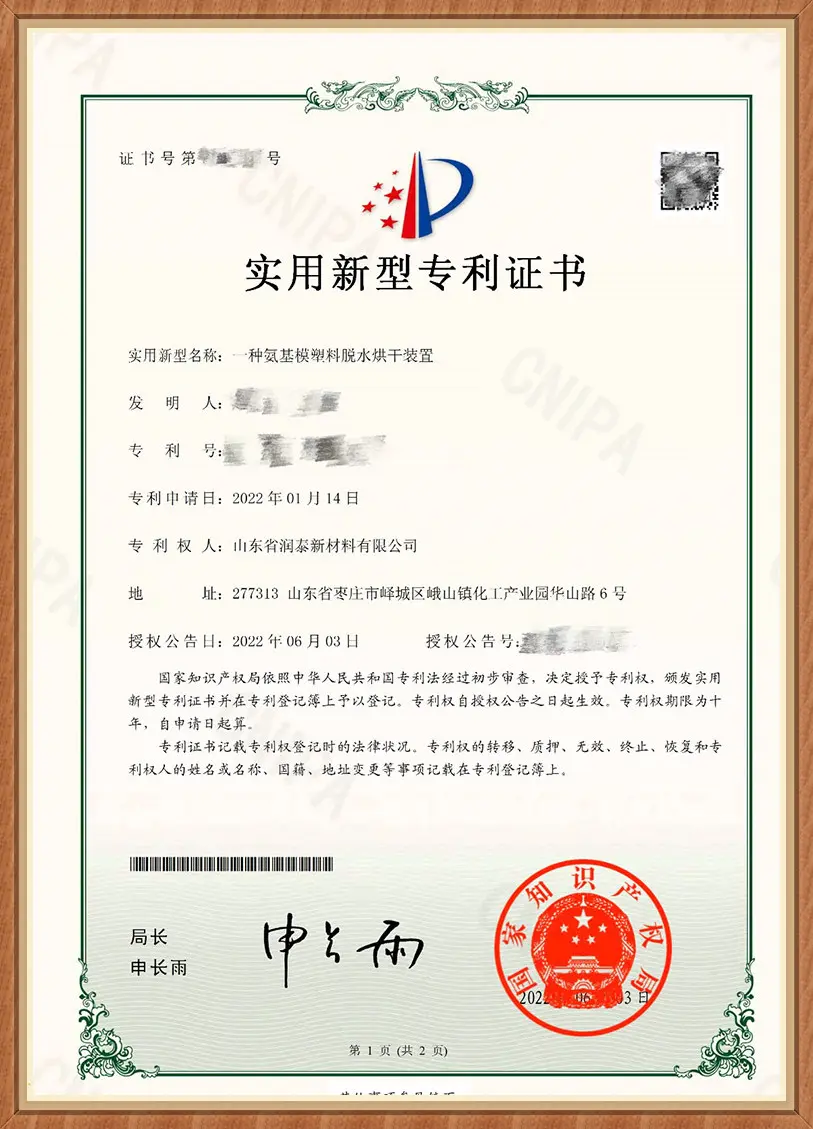
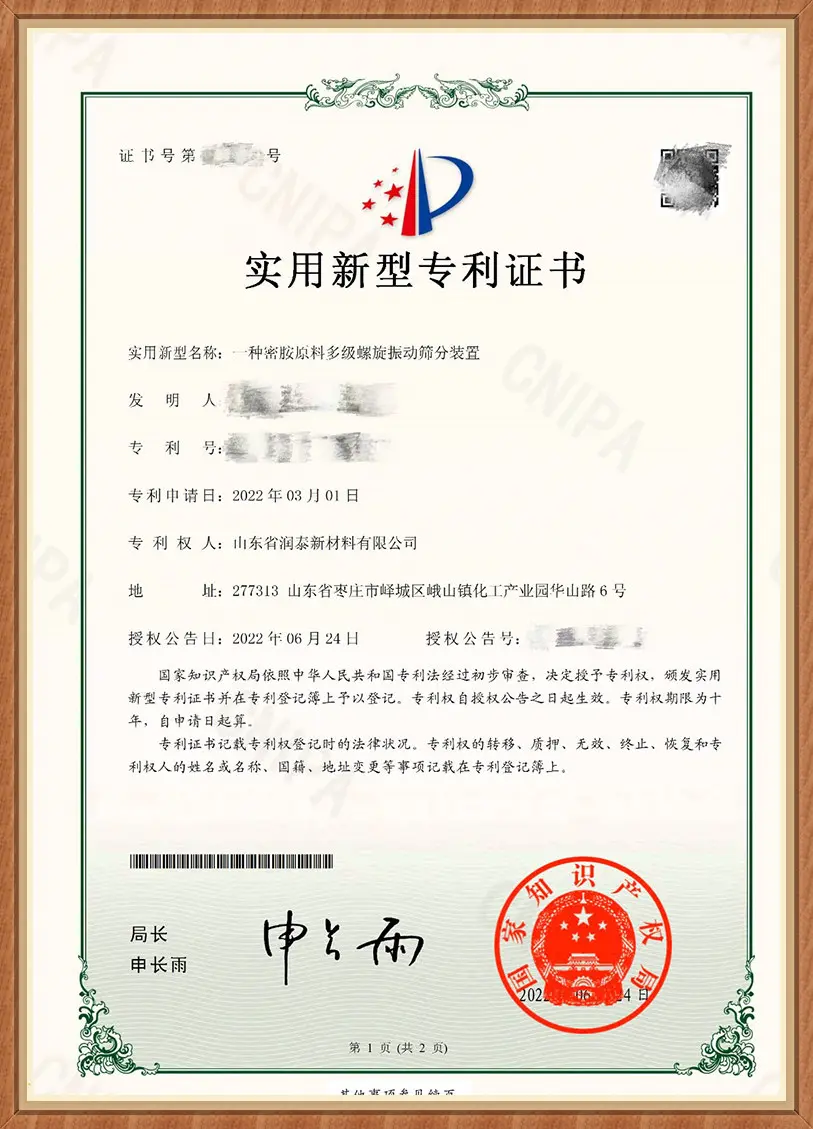
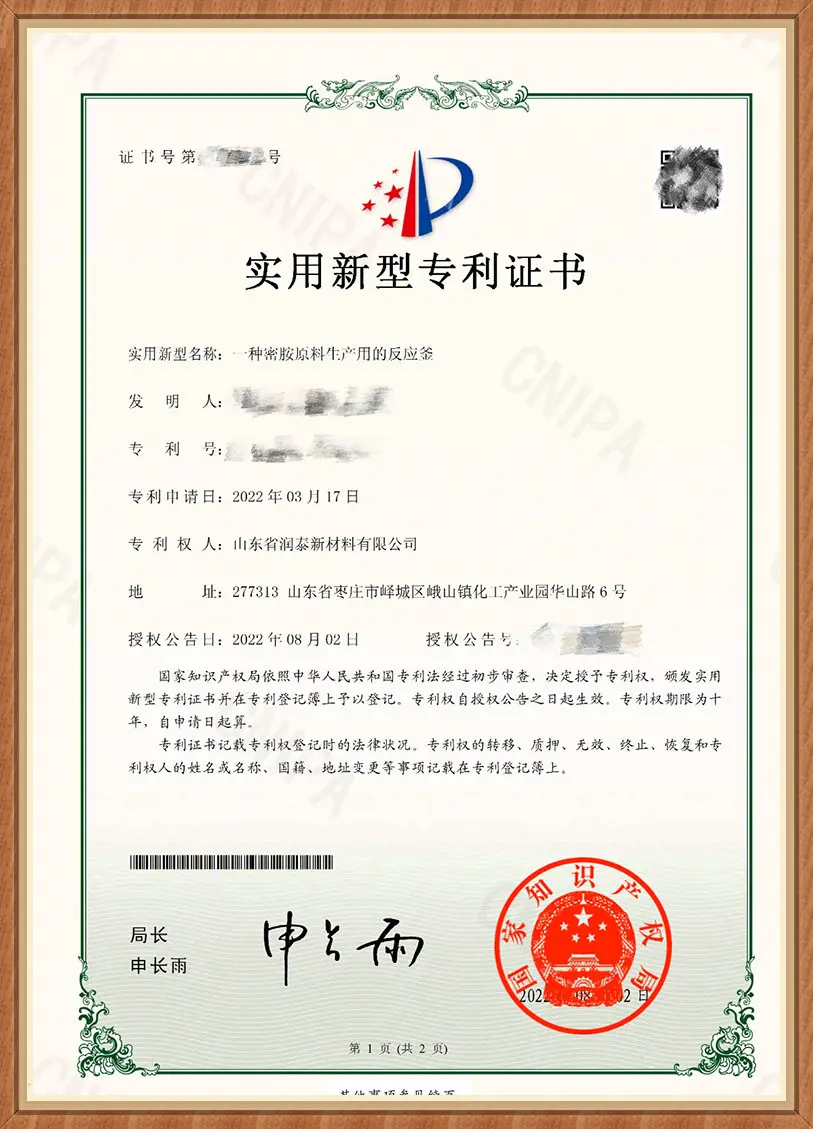
In partnership with the Changzhou Research Institute of Beijing University of Chemical Technology and other elite scientific institutes, Runtai sustains a robust pipeline of research and development. Backed by a dedicated doctoral team and multiple patented processes, we continue to optimize paraformaldehyde physical form factors to improve safety during handling and speed up dissolution rates in laboratory environments.
Depending on the analytical endpoint, laboratory managers require different formulations of PFA. Understanding these localized preparation scenarios highlights the critical need for premium paraformaldehyde raw materials:
Fixing cultured cell lines (e.g., HeLa, HEK293, primary neurons) grown on coverslips. A freshly prepared 4% PFA solution in 1X PBS is used to fix cells for 10-15 minutes at room temperature, maintaining microfilaments, microtubules, and targeted membrane receptors in their native states.
Fixation of fresh tissues via perfusion (e.g., animal brain or heart tissues) or immersion, followed by cryopreservation in sucrose. The purity of the PFA is essential here to prevent structural distortion of delicate central nervous system components.
For advanced multiplexed immunofluorescence, preserving antigen diversity is paramount. Contaminants such as formic acid or sodium bisulfite (common in low-grade PFA) can interfere with fluorescent probe binding, emphasizing the need for high-grade reagents.
For reference by laboratory personnel, the following protocol outlines the dissolution of high-purity paraformaldehyde powder into a working fixative:
As life science markets migrate toward high-throughput screening and automated diagnostic systems, procurement departments are updating their chemical vendor selection criteria. Key trends shaping global procurement include:
As an ethical chemical manufacturer, Shandong Runtai New Materials Co., Ltd. prioritizes sustainable development and environmental preservation. Our goal is to develop and manufacture chemical solutions that minimize negative environmental impacts while maintaining compliance with international laws, safety codes, and manufacturing standards.
Guided by our "quality first, customer first" ethos, we integrate safety monitoring systems at all stages of synthesis and storage. We welcome domestic and foreign partners to visit our advanced facilities in Shandong, aiming to build a sustainable, cooperative future in high-performance materials.


 Runtai