 Runtai
Explore our elite, factory-direct chemical selections engineered for global industrial and synthesis requirements.
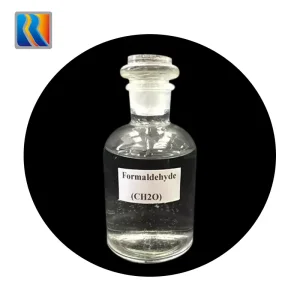
A B2B industry whitepaper detailing raw material processing, chemical pathways, and safety systems in modern manufacturing.
Formaldehyde ($HCHO$), a highly reactive organic compound, stands as a fundamental cornerstone in modern chemical engineering. Principally manufactured via the catalytic oxidation of methanol, its downstream derivatives underpin critical infrastructure globally—ranging from structural wood adhesives (Urea-Formaldehyde and Melamine-Formaldehyde resins) to automotive components, thermoplastic polymers, and high-durability kitchenware. Managing the production, transport, and treatment of formaldehyde requires sophisticated industrial facilities equipped with closed-loop systems, advanced scrubbing reactors, and highly automated control networks to meet the stringent criteria of the global ESG agenda.
For international procurers, identifying a premier Formaldehyde Treatment Factory entails auditing not only raw manufacturing volumes but also safety metrics, environmental scrubbing technologies, and independent formulation research. Factories that achieve total downstream integration—maintaining control over upstream methanol oxidation through to specialized products like high-purity Paraformaldehyde, Urea Moulding Compounds (UMC), and localized additives—yield substantial cost advantages and product consistency.
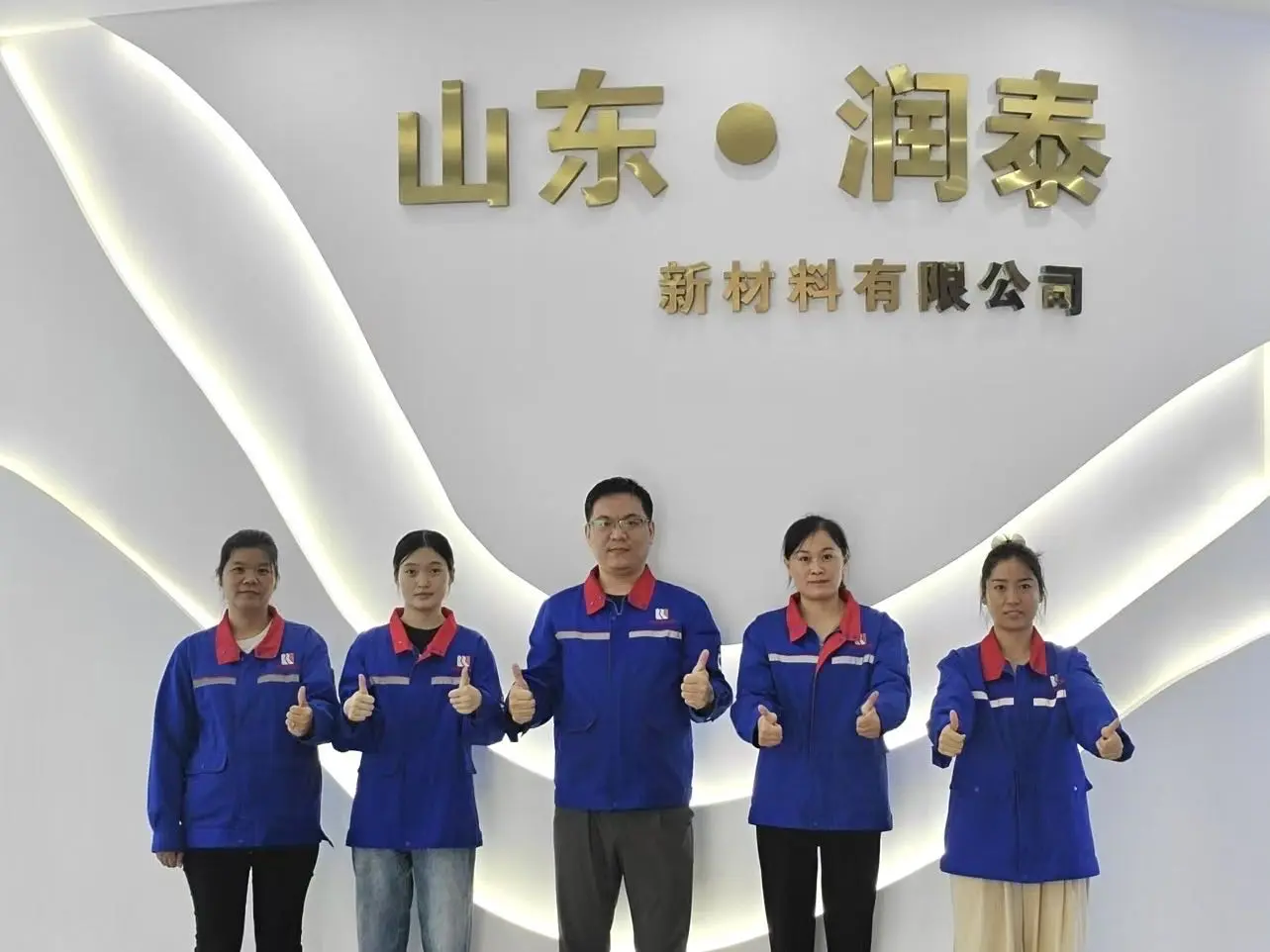
Founded in March 2020, Shandong Runtai New Materials Co., Ltd. is a comprehensive group firm that specializes in fine chemical products. The corporation has established branches in five different cities throughout the whole country, with its headquarters located in Zaozhuang City, Shandong Province. Spanning an area of 270,000 square meters, the enterprise represents a total capital investment of 2.06 billion yuan.
Our advanced manufacturing ecosystem integrates the complete industrial chain of formaldehyde derivatives. By employing cutting-edge synthesis facilities and establishing long-term collaborations with prestigious scientific bodies, we deliver world-class materials designed for industrial stability and minimum environmental footprint.
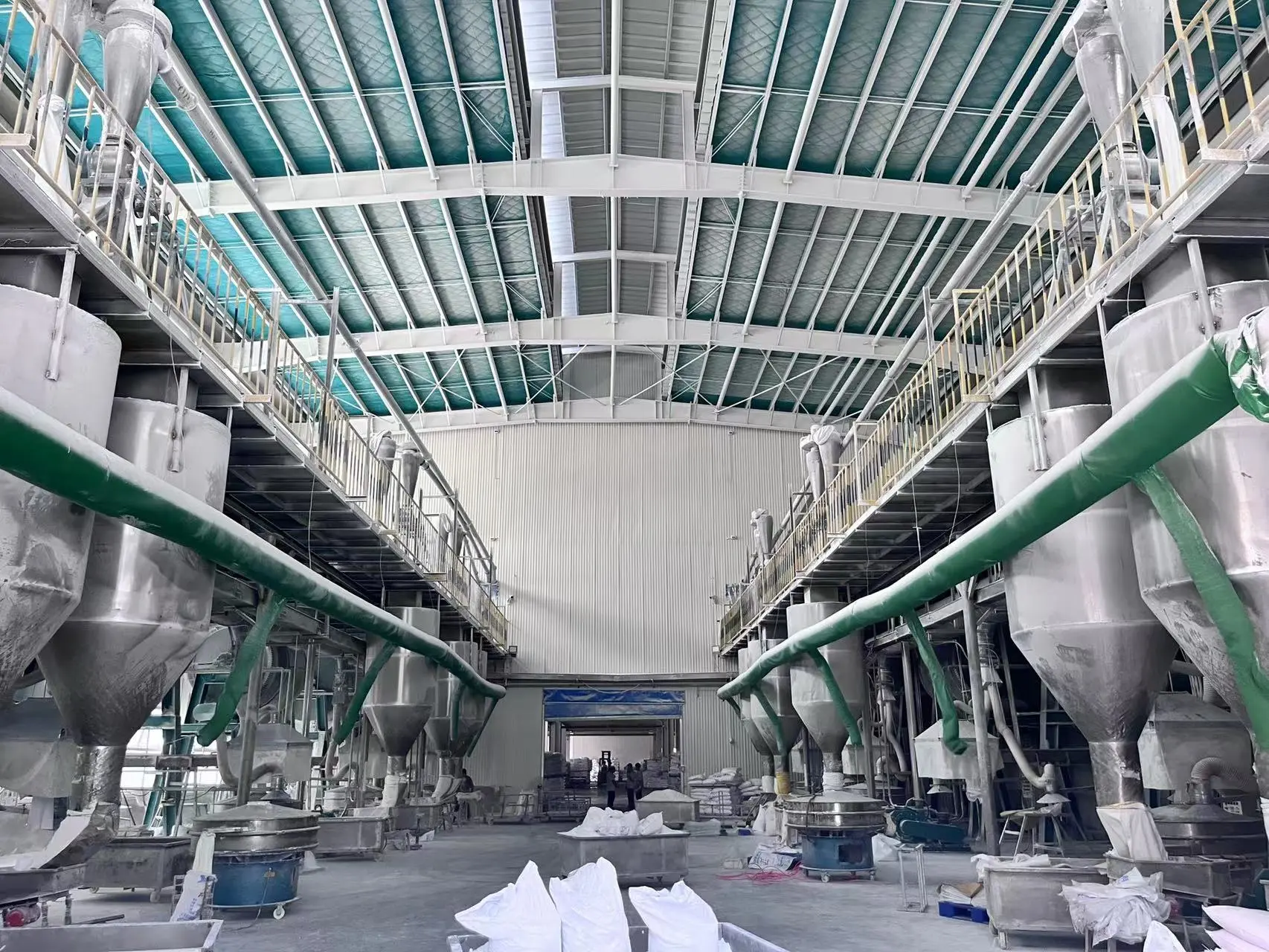
Understanding the infrastructural, economic, and logistical factors driving global B2B procurement trends.
Chinese manufacturers operate within highly integrated chemical industrial zones, directly linking methanol supply ports to downstream polymerization units. This geographic clustering drastically cuts transport costs, preserves raw material purity, and eliminates intermediate supply chain disruptions.
Modern plants employ state-of-the-art thermal oxidizers and wet catalytic scrubbers. Compliance with international emissions protocols ensures that suppliers maintain steady operations without risk of government shut-downs due to environmental non-compliance.
Leveraging massive processing assets, factories offer high flexibility in adapting concentration ratios (e.g., customizable solid content in Paraformaldehyde or tailored free-formaldehyde parameters in Urea-Formaldehyde adhesives) to match specific regional climate conditions.
The global landscape of formaldehyde derivatives is rapidly adapting to modern regulatory requirements. Foremost among these trends is the drastic reduction of free formaldehyde emissions in building materials, wood panels, and laminated packaging. Advanced chemical treatments now utilize emission-scavenging technologies that physically trap unreacted formaldehyde monomers during curing cycles, ensuring compliance with strict limits like EPA TSCA Title VI, CARB Phase 2, and European E0 classifications.
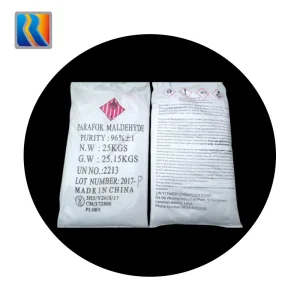
Moreover, the integration of solid-state polymers like Paraformaldehyde ($HO(CH_2O)_nH$) is growing. Unlike aqueous formaldehyde (formalin), Paraformaldehyde is highly concentrated, lowering transport weight and drastically reducing effluent production in downstream synthesis plants. Factories focusing on these green innovations hold a key market lead in exporting to environmentally regulated zones such as North America and the European Union.
Additionally, the demand for water-based paint formulations and sustainable food packaging solutions has driven development in auxiliary components. Chemical additives such as Acrylic Acid-Based Swelling Thickeners and Mineral Oil Defoamers are increasingly deployed to enhance consistency, ease application, and optimize film properties without increasing VOC emissions.
How formaldehyde-derived polymers and resins serve as critical elements across global industry sectors.
Urea-Formaldehyde (UF) and Phenolic resins form the primary binder matrix for MDF, particleboard, and plywood. Modern formulations are custom-developed to resist humidity and minimize thermal degradation while retaining fast press cycles.
Melamine Moulding Compounds (MMC) and Melamine Glazing Powders yield highly cross-linked, thermosetting polymers. These substrates are ideal for B2B manufacture of durable tableware, boasting high surface hardness and scratch resistance.
Flexible food and industrial laminates rely on specialty polyurethane-based and acrylic-based packaging adhesives. These products guarantee robust ply bonding under harsh sterilization, transport conditions, and mechanical tension.
Runtai New Materials Co., Ltd. builds its market leadership upon rigorous engineering solutions and independent innovations. By utilizing a highly integrated Distributed Control System (DCS), our production lines achieve precise control over temperature, raw monomer feed rates, and catalytic oxidation cycles. This automation guarantees stable chemical properties, reduces overall raw material losses, and ensures a safer environment for our operating staff.
Our R&D pipeline is supported by a long-term technical alliance with the Changzhou Research Institute of Beijing University of Chemical Technology. Equipped with a doctoral engineering unit and cutting-edge laboratory testing machinery, this collaborative hub continuously improves our synthesis methodologies. We hold multiple patents, specifically in lowering free-monomer concentrations in urea resins and optimizing high-density Melamine Glazing structures.
This upstream-downstream chemical chain allows us to process standard formaldehyde into specialized final materials. Our derivatives serve a broad range of industrial applications, replacing traditional, high-emission coatings and materials with modern, eco-friendly chemical choices.

Use these strict technical criteria to evaluate potential formaldehyde treatment factories and suppliers.
Ensure your supplier utilizes high-purity methanol as feed material. Impurities in feedstock can trigger side reactions, leading to high levels of heavy metals or formic acid in the final formaldehyde solutions.
Liquid formaldehyde (Formalin) requires temperature monitoring to prevent paraformaldehyde precipitation. Confirm the manufacturer provides specialized jacketed tanks and insulated bulk transport trucks.
Verify that your manufacturer is registered under EU REACH, TSCA, and possesses certifications like ISO 9001, ISO 14001, and ISO 45001. Check that they provide compliant SDS documents for transit safety.
Get quick, definitive answers to vital questions regarding logistics, chemical structures, and quality standards.
Explore our complete downstream catalog, direct from our certified manufacturing units to your global facility.
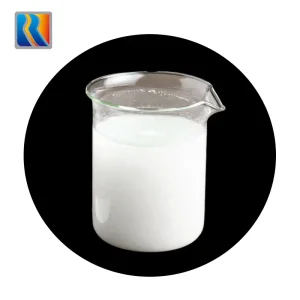
Our commitment to internationally recognized manufacturing frameworks, quality safety management, and eco-friendly products.
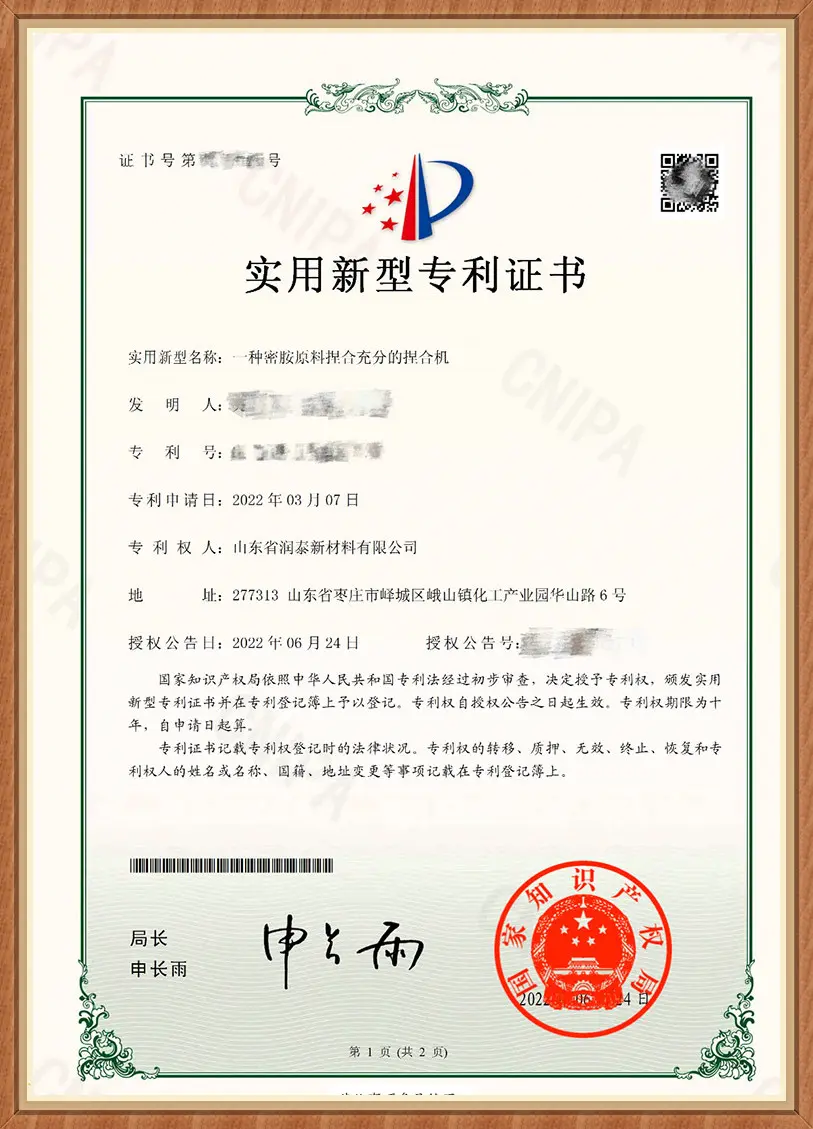
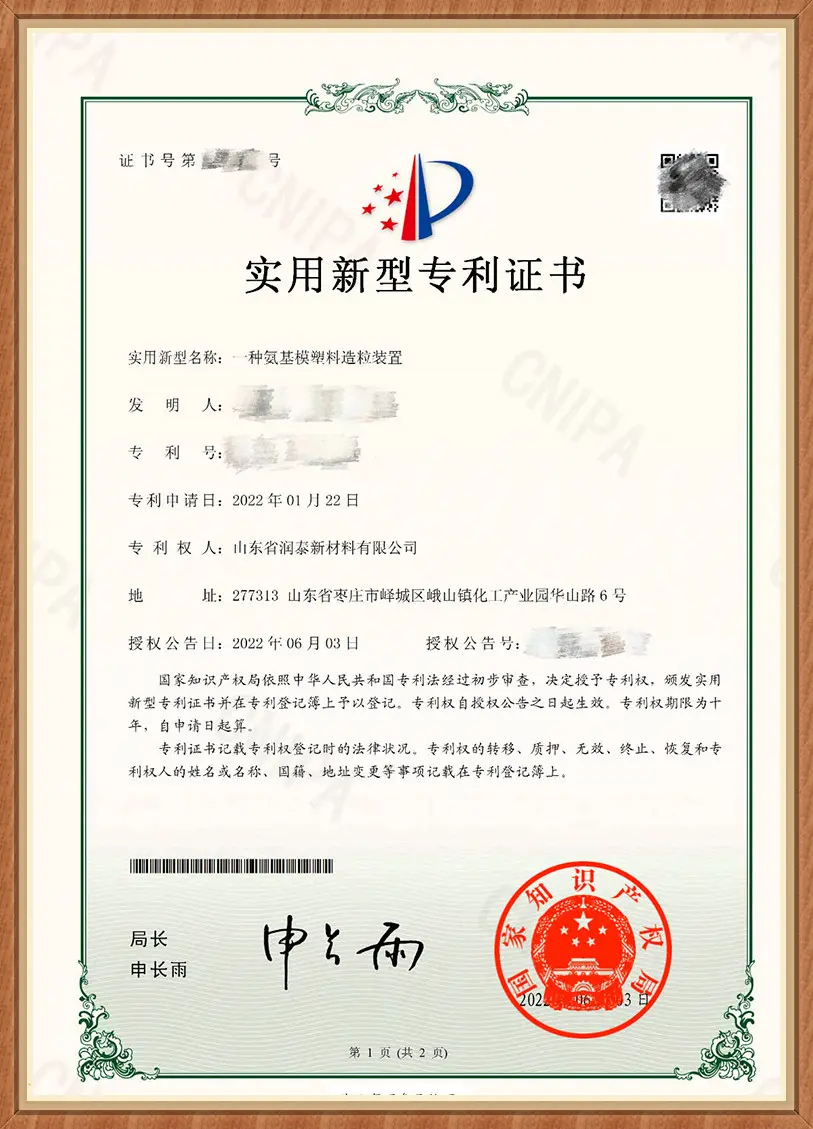
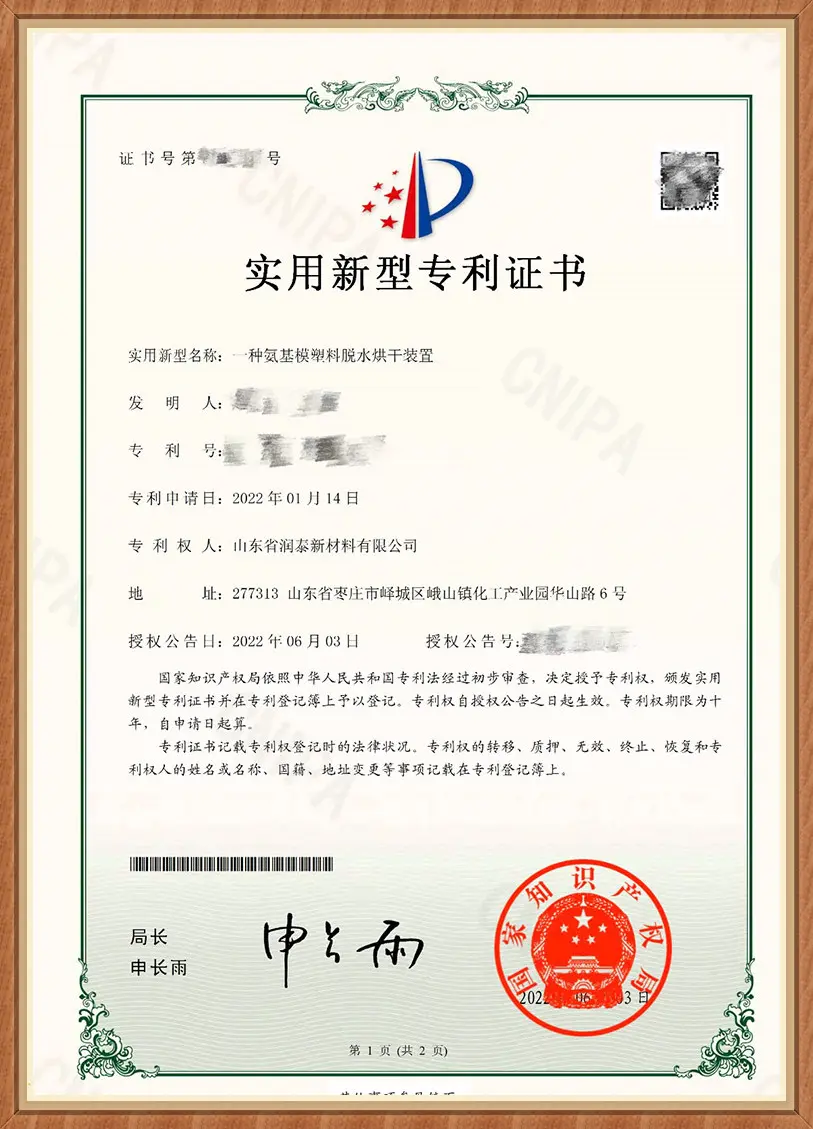
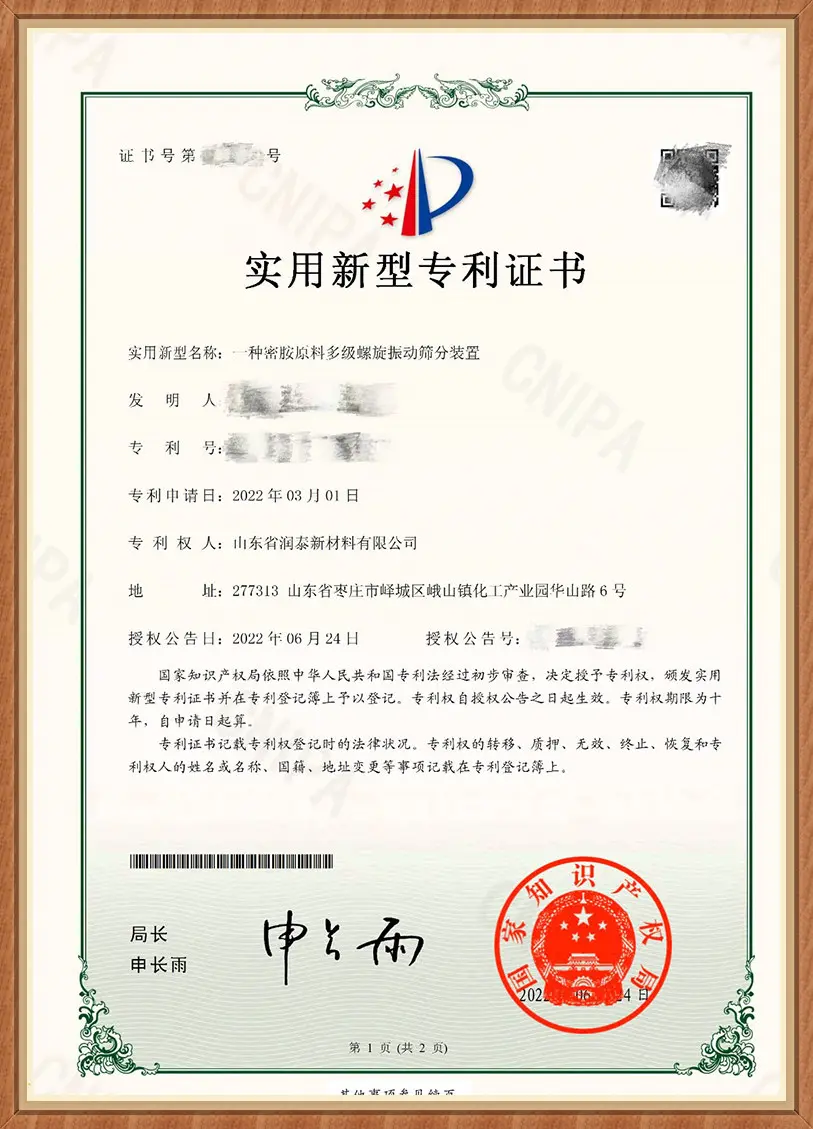
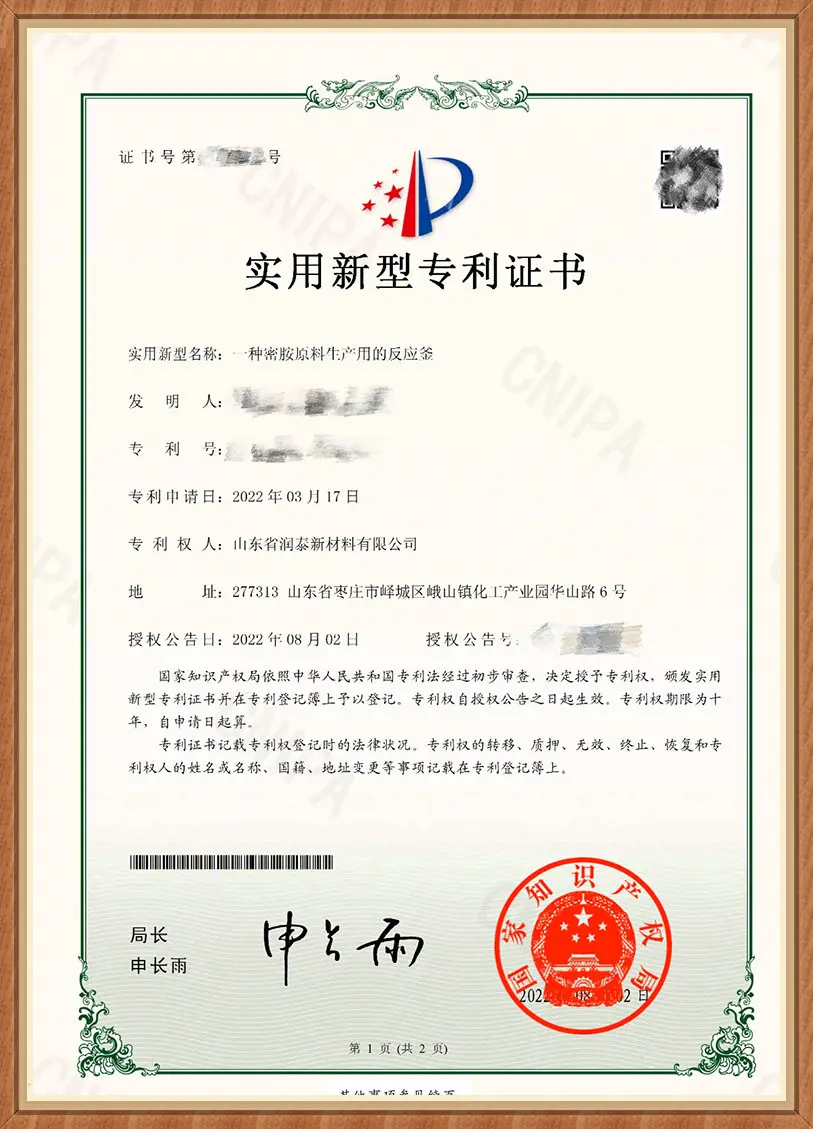
At Shandong Runtai New Materials, we prioritize sustainable development and environmental preservation. Our commitment lies in developing and producing eco-friendly chemical derivatives that minimize their negative effects on the environment while adhering strictly to pertinent laws, regulations, and standards. The "quality first, customer first" attitude has always guided our business, and we approach customer service with honesty and professionalism. We look forward to collaborating with you to build a better future together!