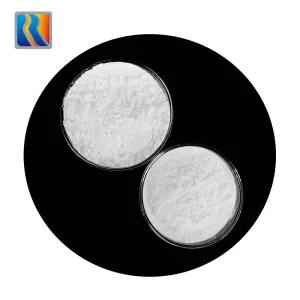
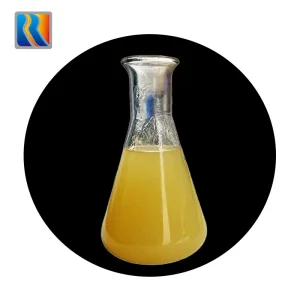
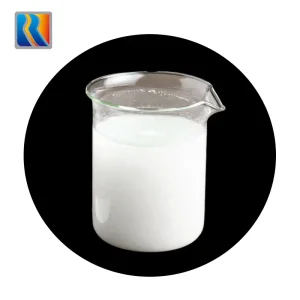
Direct manufacturer chemical solutions engineered for low emission tolerances, compliance testing, and high-performance applications.
Formaldehyde is a fundamental chemical building block used widely across the construction, furniture, and textile industries. In domestic environments, identifying, testing, and managing formaldehyde emission rates is essential to ensuring indoor air quality (IAQ) and public health safety. The demand to test formaldehyde in home products originates from global regulatory mandates such as California Air Resources Board (CARB) Phase 2, US EPA TSCA Title VI, and the European E1/E0 emission standards. These policies require manufacturers and wood panel factories to accurately measure and minimize free formaldehyde release.
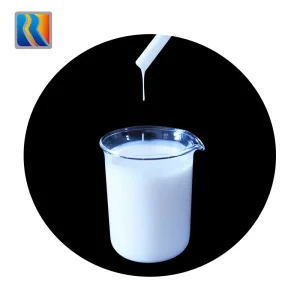
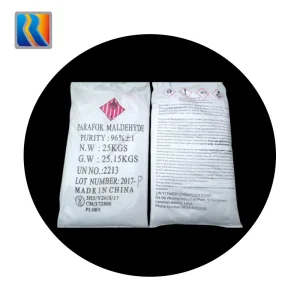
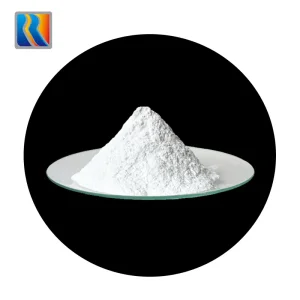
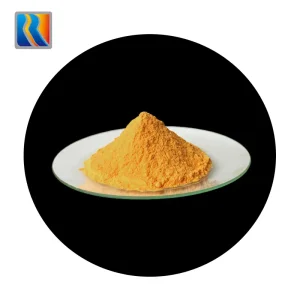
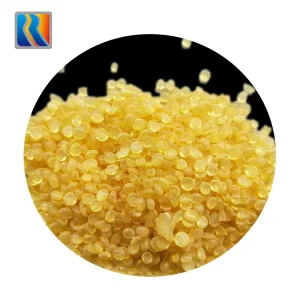
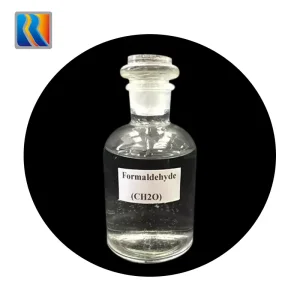
Shandong Runtai New Materials Co., Ltd. operates at the core of the raw material production cycle. By supplying high-purity formaldehyde, paraformaldehyde, and premium binding resins like Urea Formaldehyde Resin and Melamine Moulding Compounds, we support global industries in manufacturing low-emission, structurally sound home products. Achieving safety compliance requires evaluating raw materials through professional test methods, including the 1m³ Chamber Test Method (ASTM D6007 / EN 717-1), Desiccator Method (JIS A 1460), and the Perforator Method (EN 120).
Our raw materials and resins are formulated to assist manufacturers in meeting the strictest international indoor emission benchmarks, including E0, E1, and CARB Phase 2 regulations.
We work alongside research institutions to optimize chemical synthesis, ensuring our industrial-grade formaldehyde and urea-formaldehyde resins demonstrate high reactivity and minimal residual free formaldehyde.
Our production facilities utilize modern instrumentation, ensuring every batch conforms to strict standard specifications for chemical concentration and polymer stability.
Founded in March 2020, Shandong Runtai New Materials Co., Ltd. is a comprehensive group firm that specializes in fine chemical products. Our primary products include formaldehyde, polyformaldehyde, urea formaldehyde resin, melamine powder and melamine glazing powder. The corporation has branches in five different cities throughout the whole country, with its headquarters located in Zaozhuang City, Shandong Province. Runtai New Materials covers an area of 270,000 square meters with a total investment of 2.06 billion yuan.
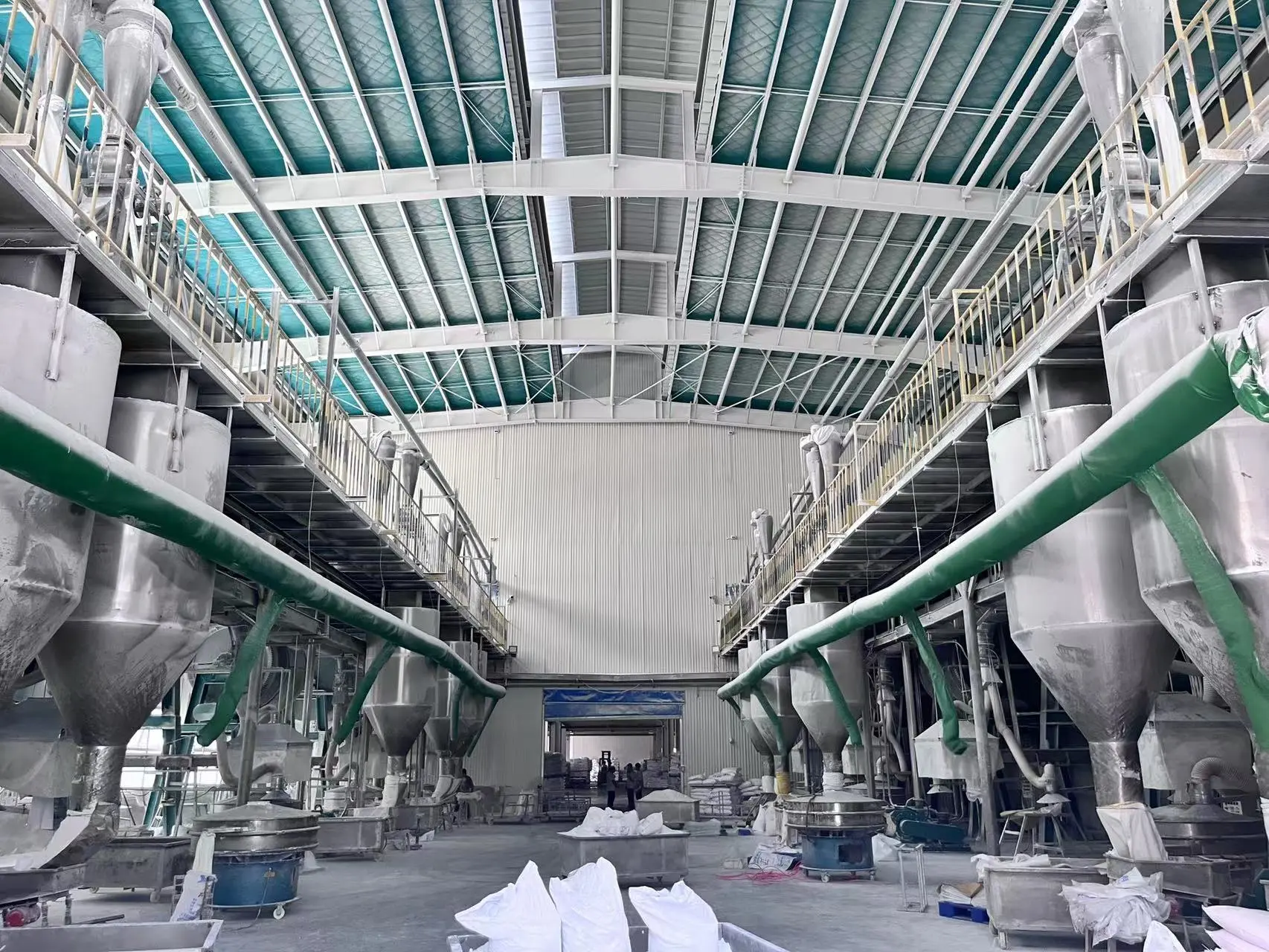
Runtai New Materials has grown to be one of China's top producers of melamine and formaldehyde due to our recent improvements in production lines growth. As of currently, the company produces 380,000 tons of formaldehyde annually, 60,000 tons of melamine annually, 20,000 tons of melamine glazing powder annually, 11,000 tons of resin annually, 300,000 tons of urea formaldehyde resin annually, and so forth. We have reached about 80% market share in China. At the same time, we are actively developing overseas business, our products have been exported to the United States, Thailand, Kenya, Egypt and other countries and have been widely praised by overseas customers.
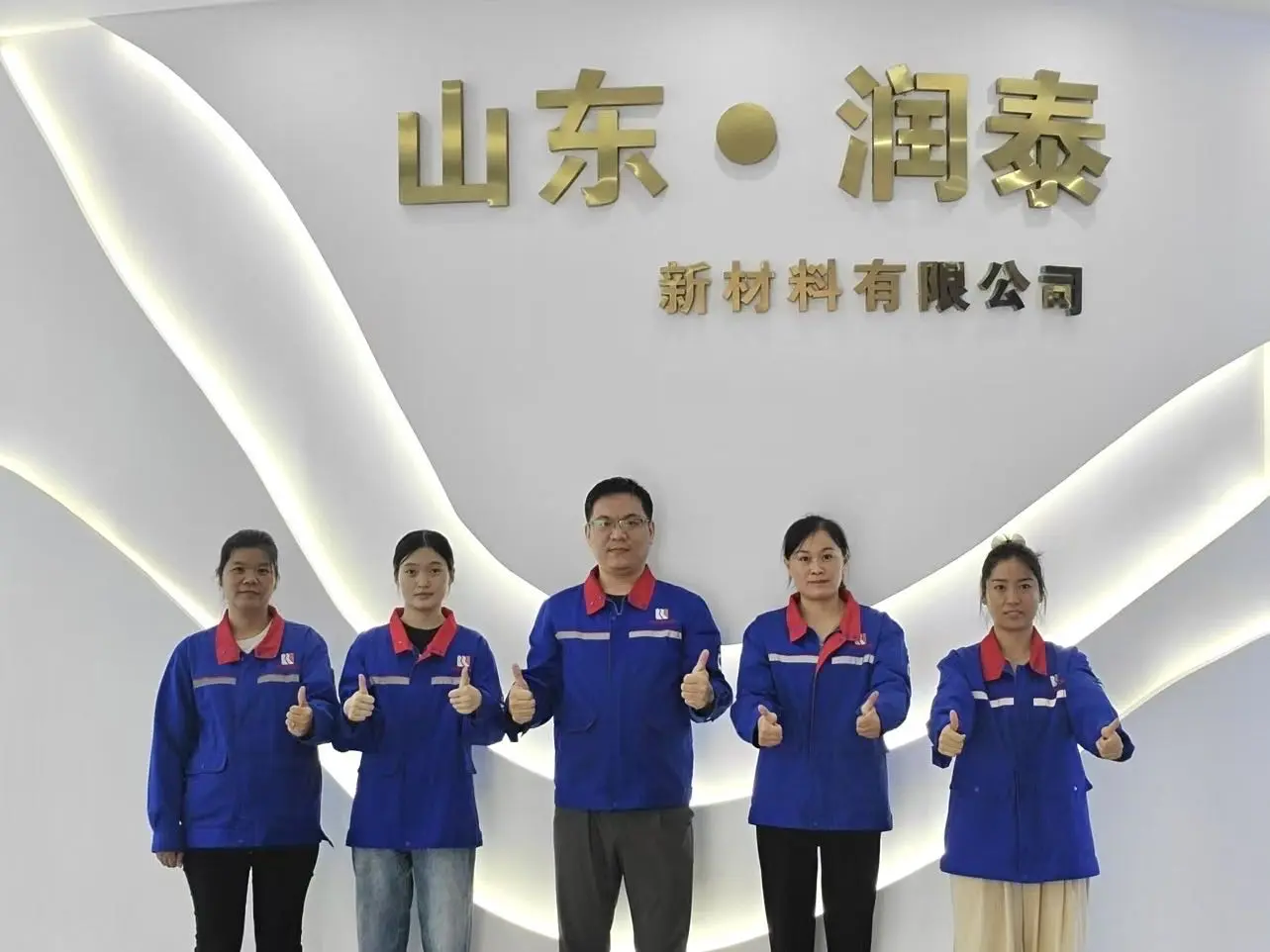
Runtai New Materials is a professional chemical supplier dedicated to satisfying customer requirements with superior chemical products and solutions. Our professional staff and cutting-edge production machinery are committed to the production of chemical goods that satisfy global standards. In order to satisfy the needs of various industries, we simultaneously offer standardized products as well as tailored solutions based on the unique requirements of our customers.
Meanwhile, Runtai New Materials, as an ethical company, we prioritizes sustainable development and environmental preservation. Our commitment lies in developing and producing eco-friendly products that minimize their negative effects on the environment while adhering to pertinent laws, regulations, and standards.
The "quality first, customer first" attitude has always guided our business, and we embrace customer service with honesty and professionalism. Friends from both domestic and foreign locations are warmly invited to visit Runtai New Materials. We look forward to collaborating with you to build a better future together!

How Runtai integrates advanced automated synthesis, academic research, and deep product lines to lead the industrial chemical manufacturing sector.
After the completion of the melamine project, Runtai New material Co., LTD has become a comprehensive enterprise in the forefront of China's research, production, sales and application of new chemical materials with formaldehyde as raw materials. Melamine materials are projected to have a leading market share nationwide.
Apply the guiding principles of "automatic control, safe and reliable, stable operation, energy saving and consumption reduction, comprehensive utilization of resources" when choosing production technology solutions. Select the more advanced distributed control system (DCS) available currently, which allows us to control the process parameters across the entire production line, ensuring high levels of product quality and equipment safety while lowering raw material consumption.
To maximize the requirements of product quality, we employ the current cutting-edge, dependable, and established equipment both domestically and internationally when choosing production and testing devices. Simultaneously, we aim to increase the level of automation in the production process, decrease labor intensity, boost labor productivity, conserve energy, and lower testing and production costs.
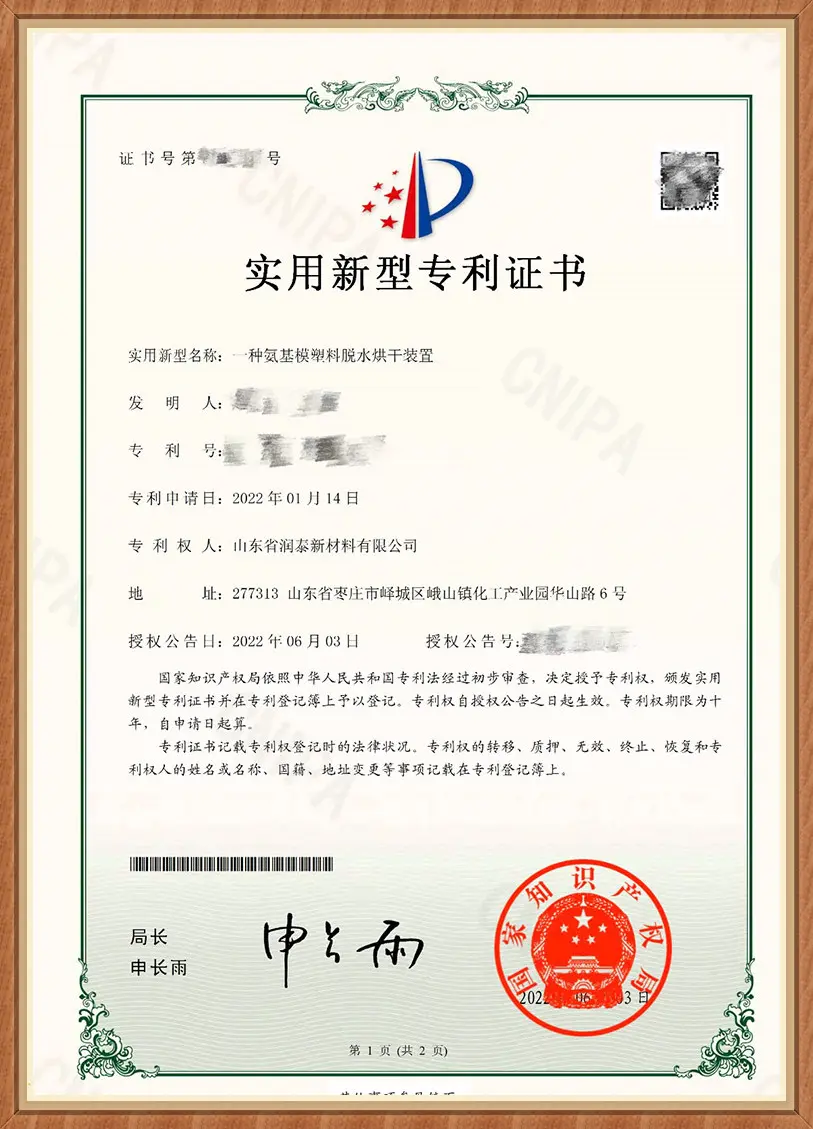
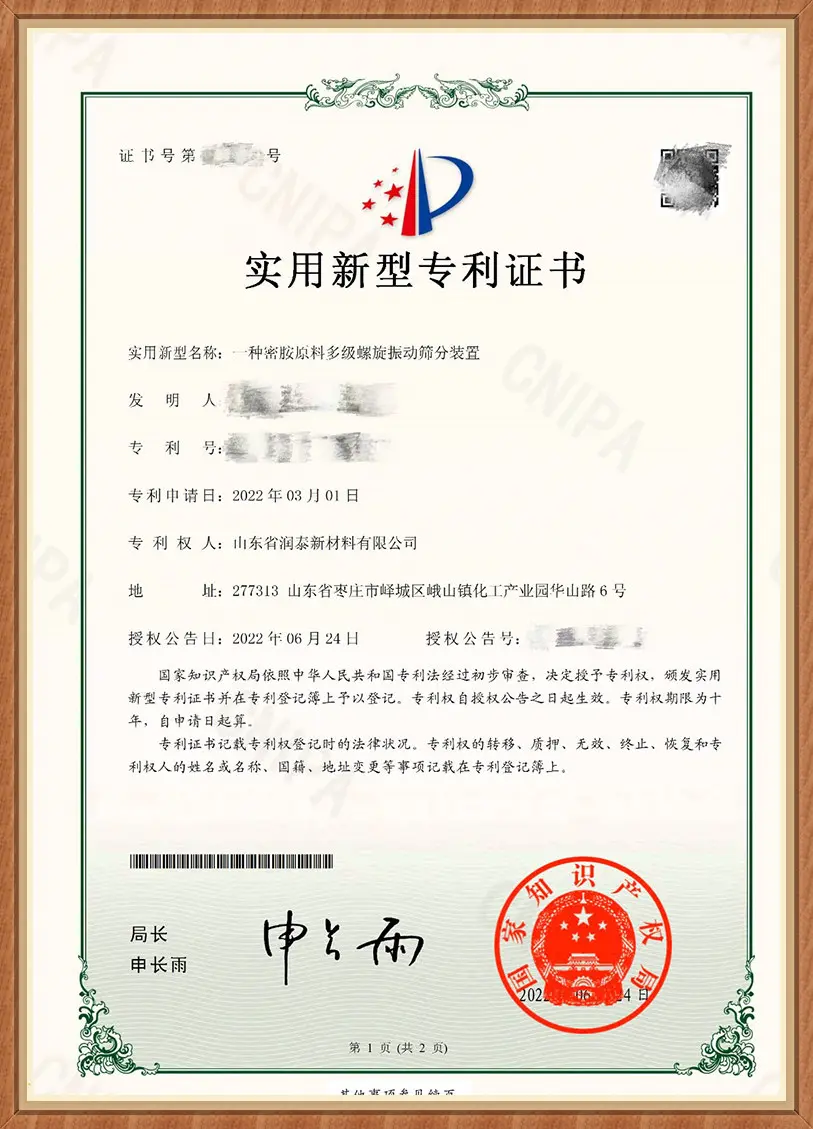
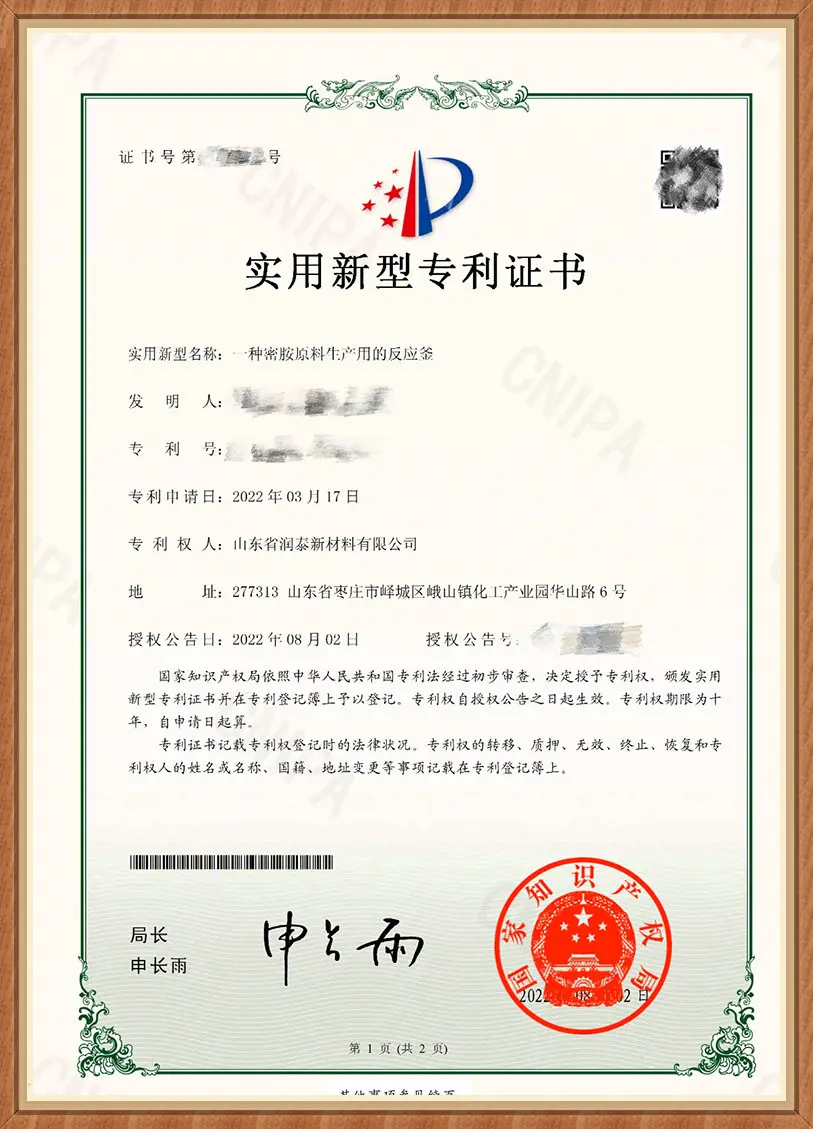
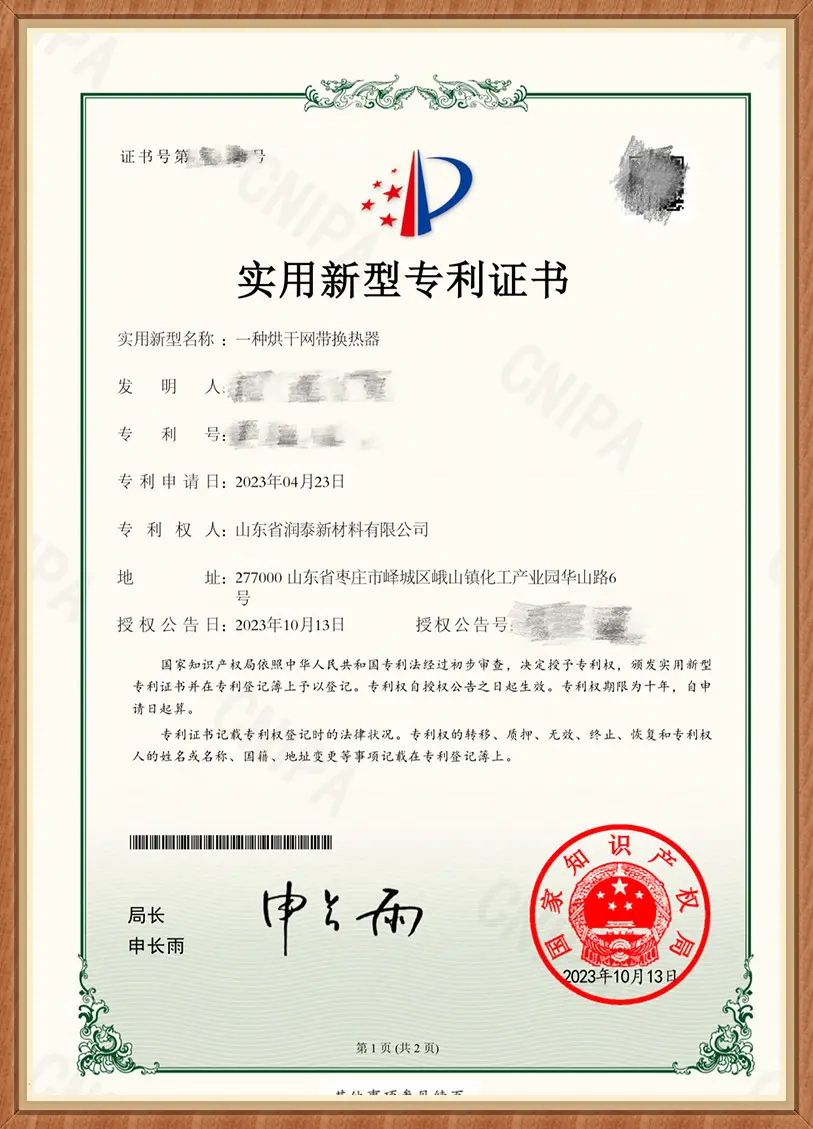
With the Changzhou Research Institute of Beijing University of Chemical Technology and other scientific research institutions, Runtai New material Co., LTD has long engaged in the integration of production, learning, and research. The company also has a cutting-edge doctoral research and development team in the industry and a number of patented technologies.
The new chemical materials industry with formaldehyde as raw materials has great potential for extension, and there are many types of derivative products, which can be widely used in adhesives, coatings, resin plastics, dyes, medical basic raw materials, and electronic, electrical, machinery, daily utensils materials replacement and upgrading fields.
China is home to the world's most integrated chemical manufacturing clusters. Factories like Shandong Runtai New Materials synthesize basic formaldehyde and refine it directly into finished polyformaldehyde, melamine compounds, and urea formaldehyde adhesives. This vertical consolidation allows manufacturers to maintain absolute control over the chemical chain, minimizing the occurrence of free-radical formaldehyde, which is the primary cause of outgassing in domestic environments.
Previously, urea-formaldehyde (UF) resins were associated with elevated formaldehyde emissions over prolonged periods due to hydrolytic decomposition. However, contemporary Chinese chemical factories have implemented molecular modifications—specifically regulating the formaldehyde-to-urea (F/U) molar ratio and utilizing advanced scavengers. This reduces the concentration of unreacted formaldehyde without compromising the structural bonding strength required for MDF, HDF, and plywood manufacturing.
Top-tier exporters in China maintain internal laboratory validation facilities equipped with gas chromatography and small-scale test chambers. This setup allows them to simulate outgassing behaviors in home settings, ensuring that when international buyers procure chemical components or composite resins, they receive batches verified to meet ASTM D6007, European EN 717-1, and Japanese JIS standards.
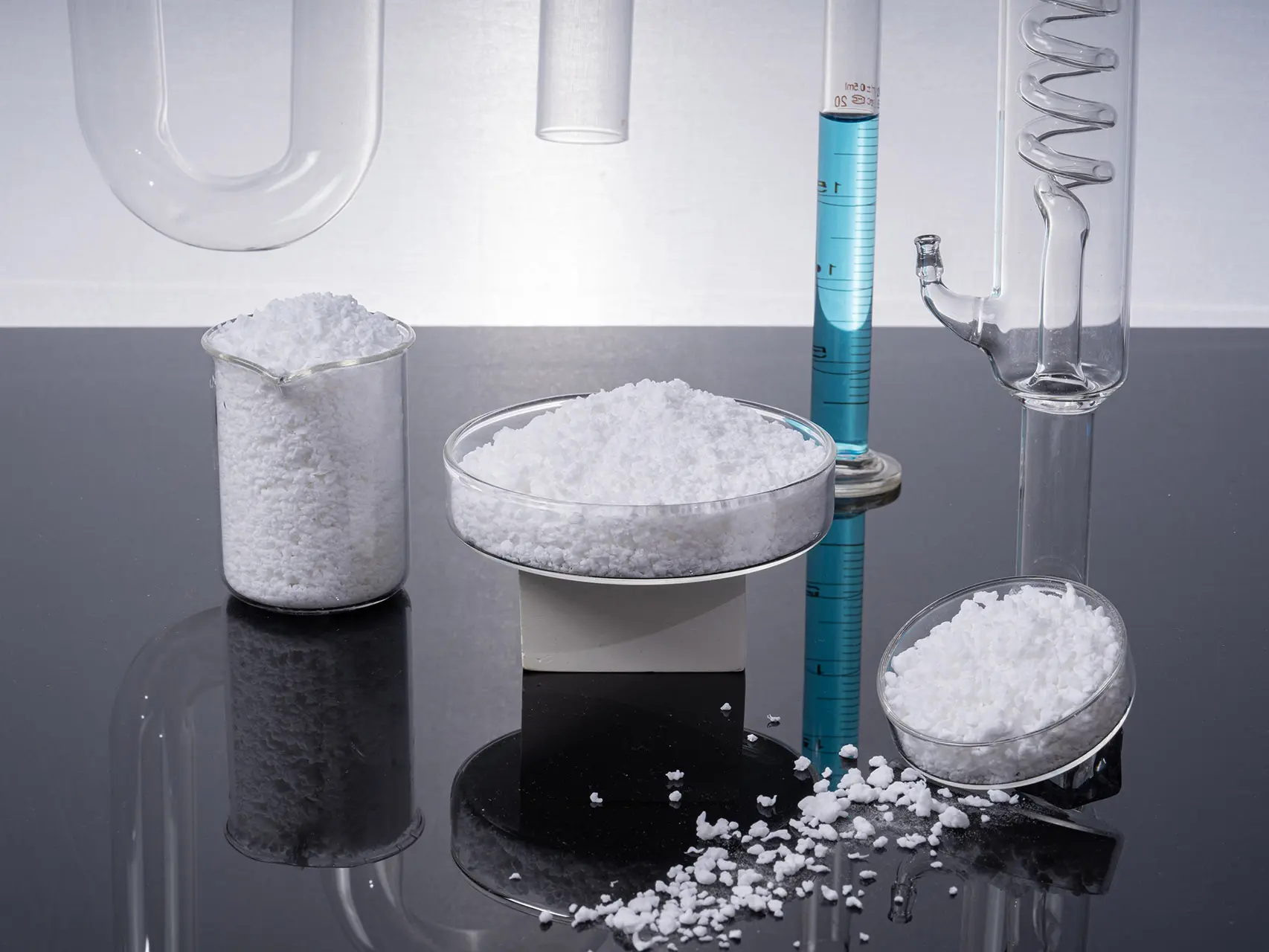
The global interior decoration industry is shifting toward zero-VOC formulations and bio-based resins. Research partnerships, such as our collaboration with the Changzhou Research Institute of Beijing University of Chemical Technology, drive the development of modified melamine glazing powders and water-based additives that help minimize emissions in commercial molding lines.
Operating state-of-the-art facilities across Shandong Province, providing logistics and manufacturing support to international buyers.
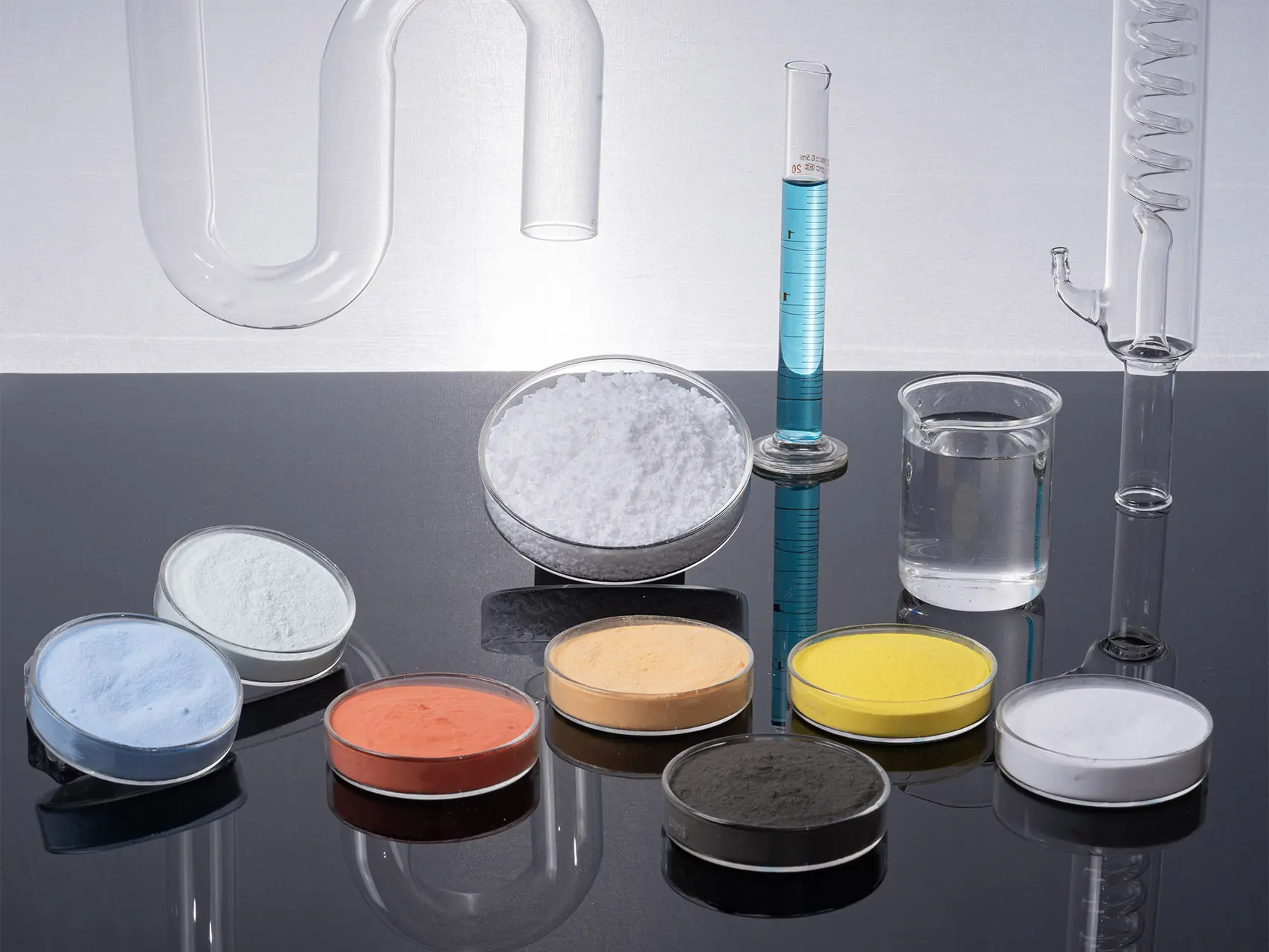
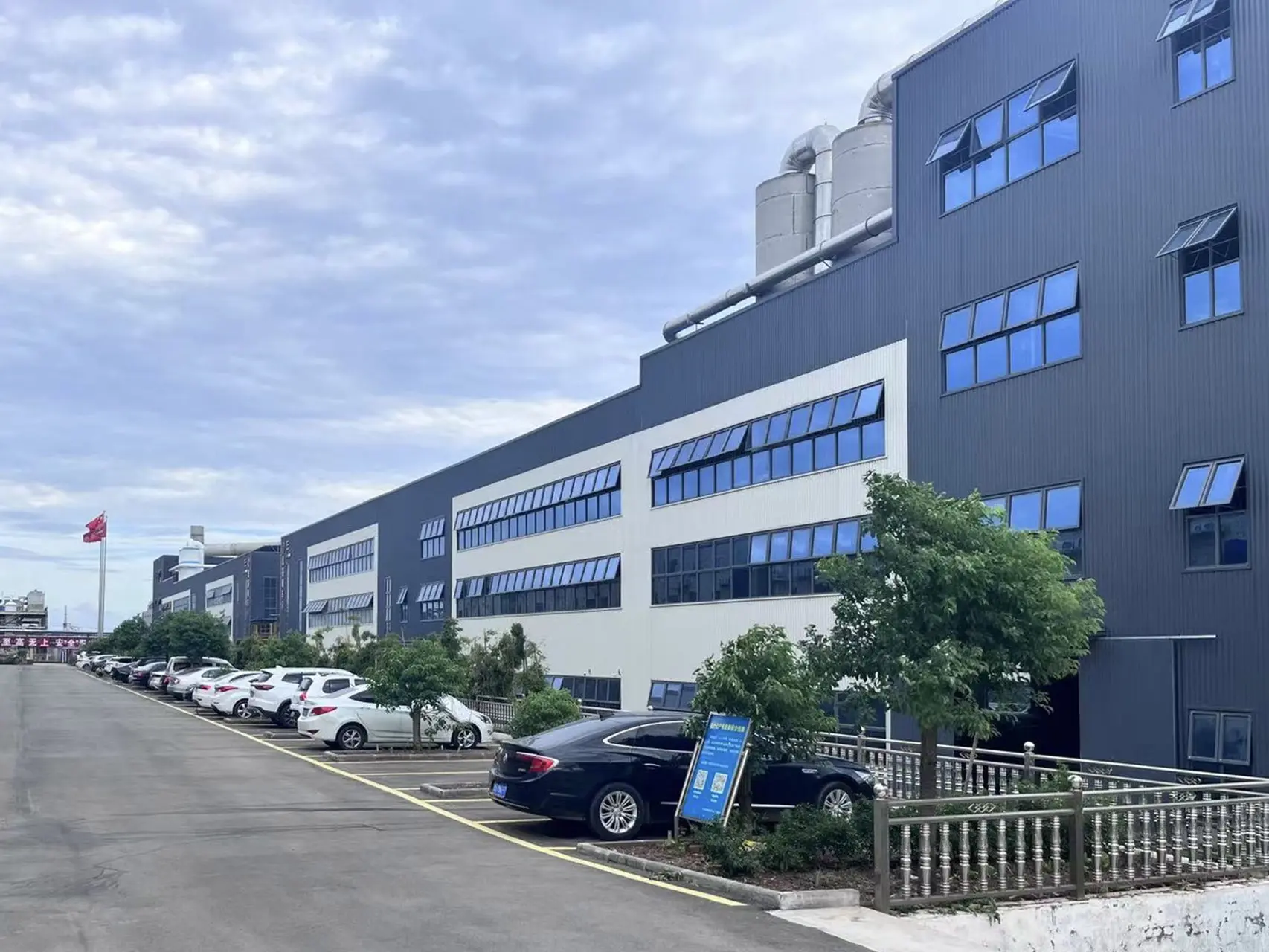
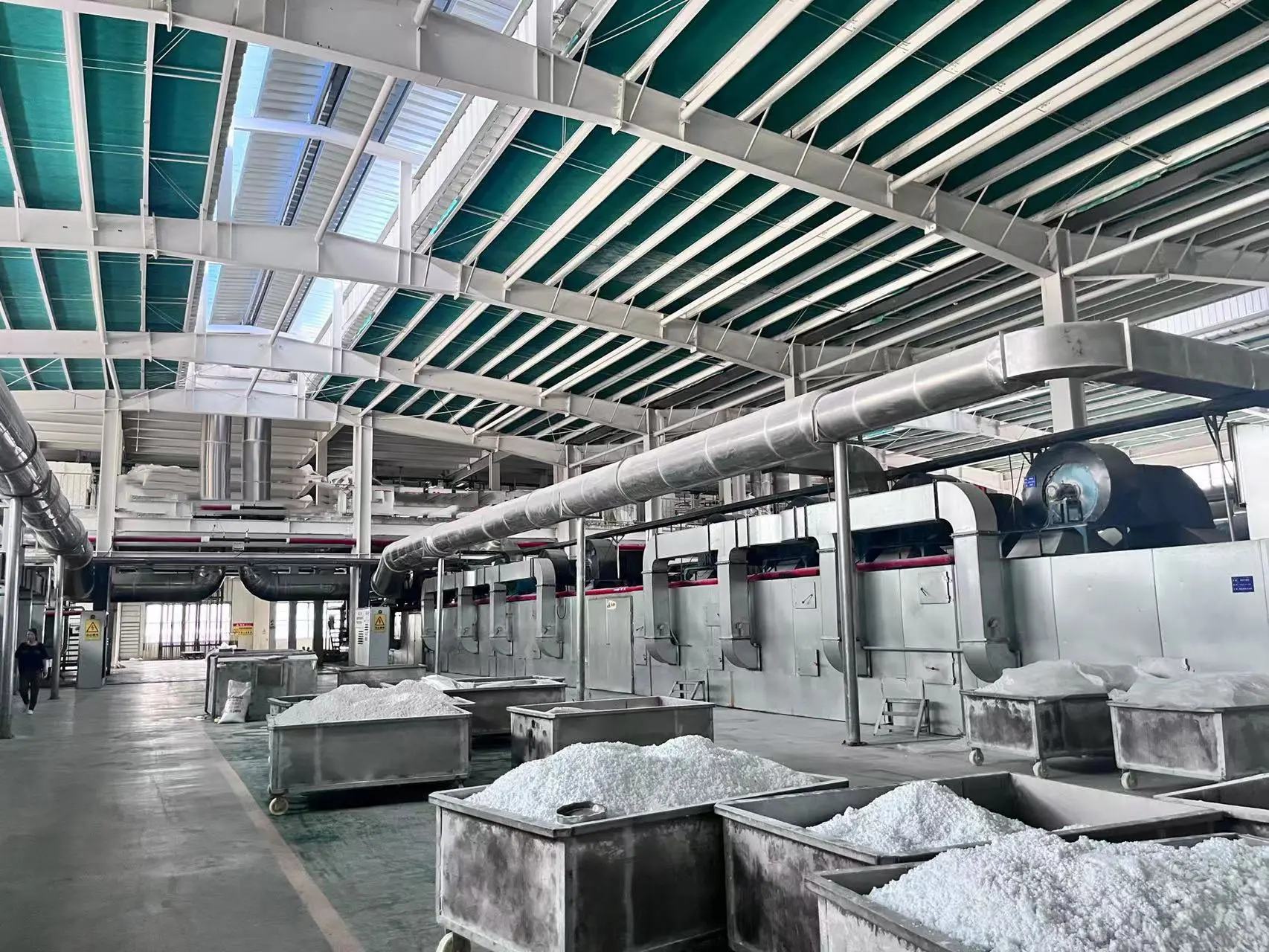
Validated system metrics and production consistency backed by patent designs and international quality audits.
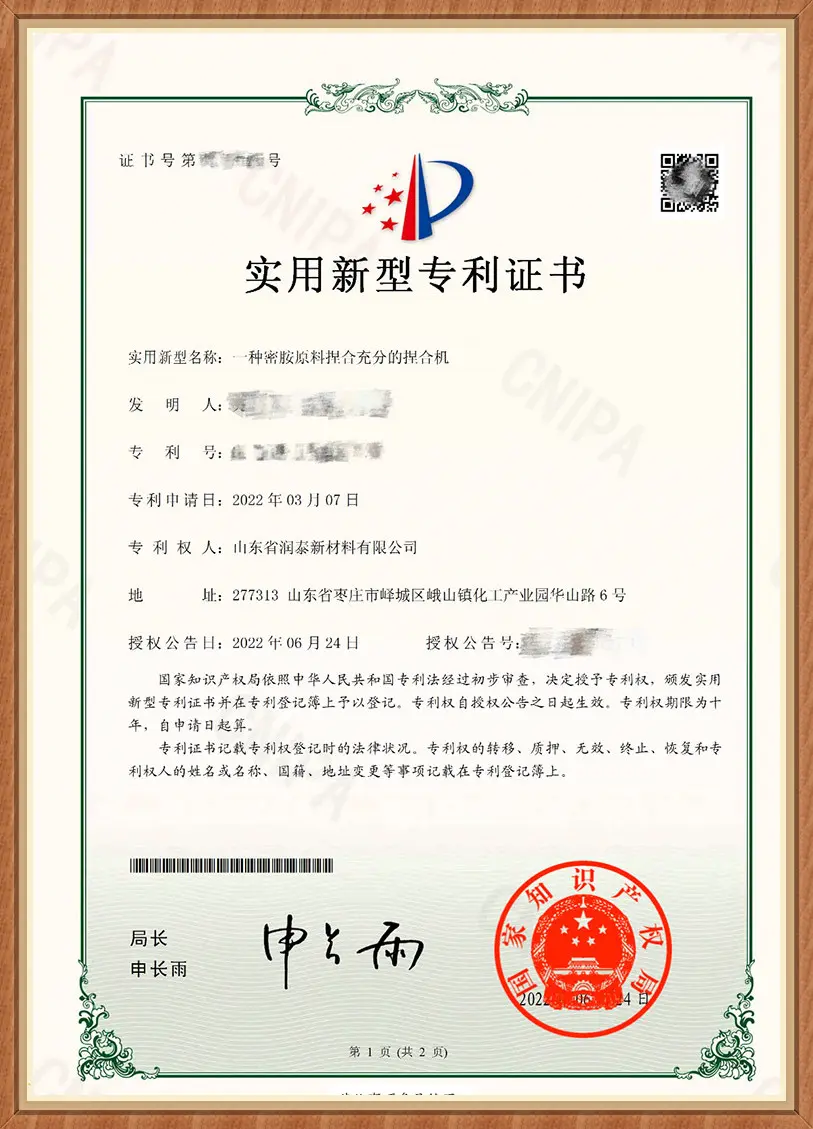
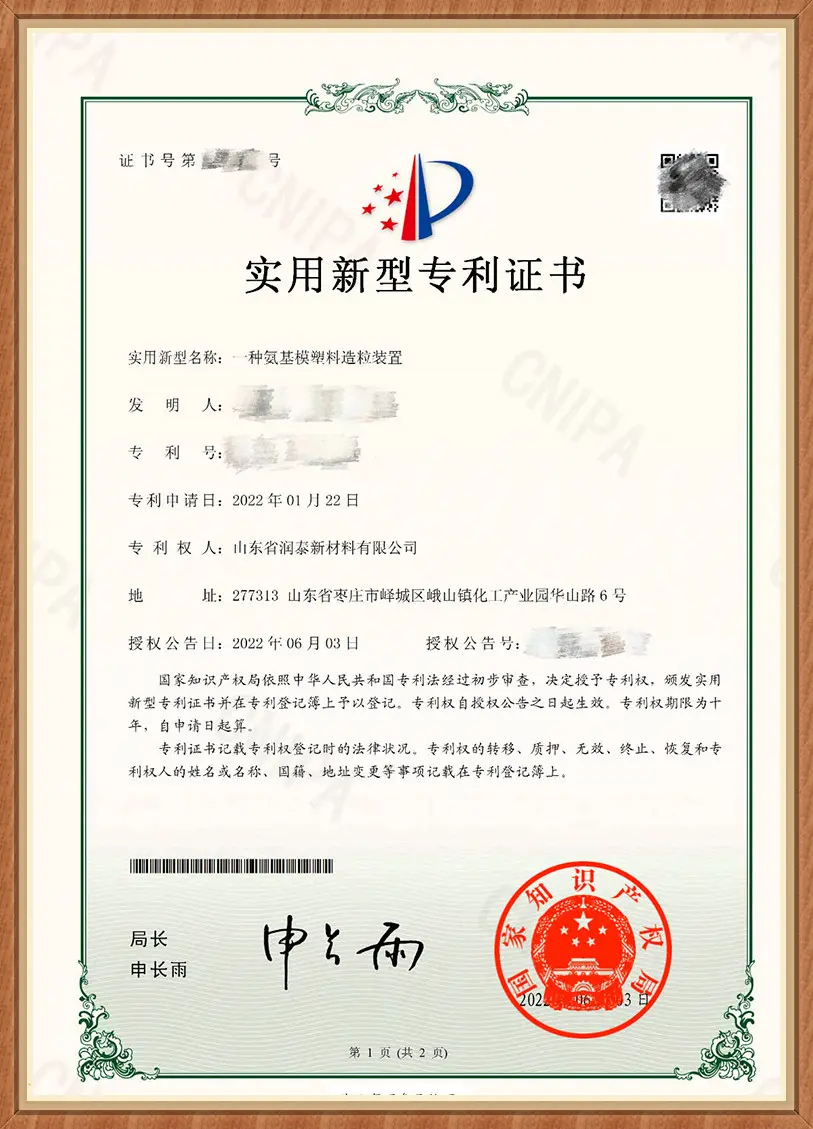
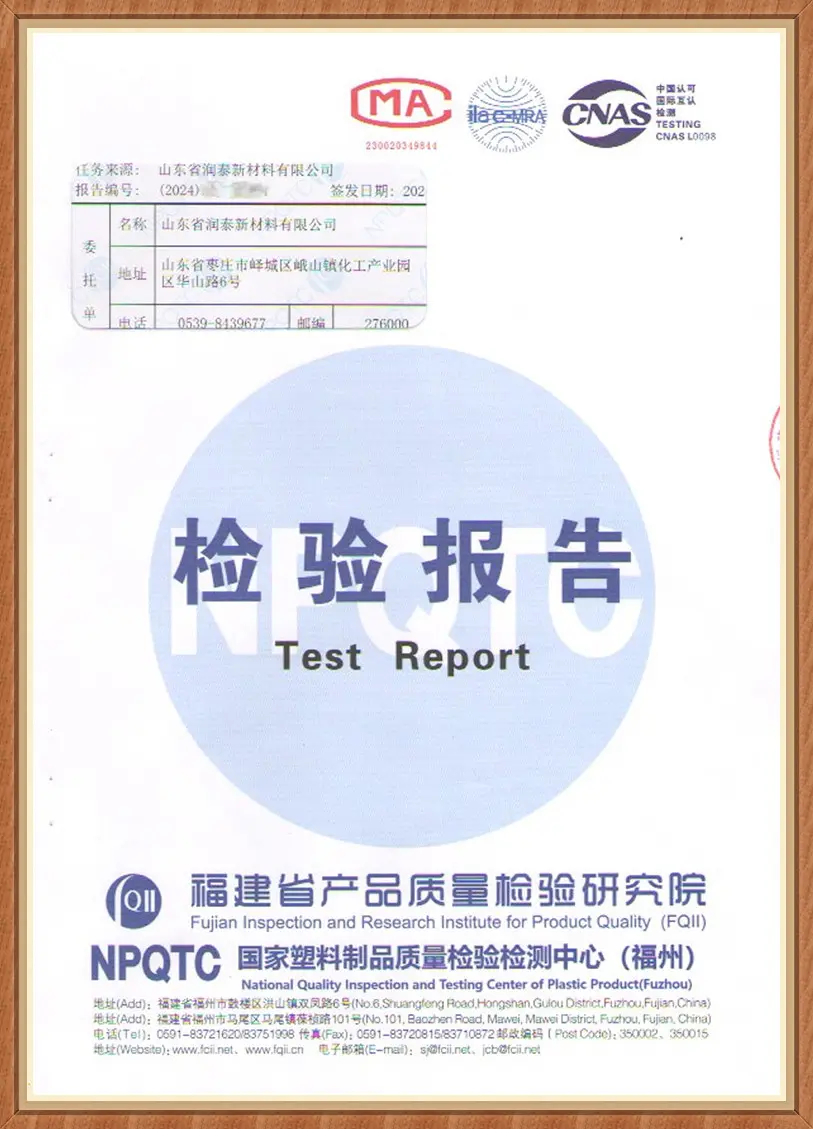
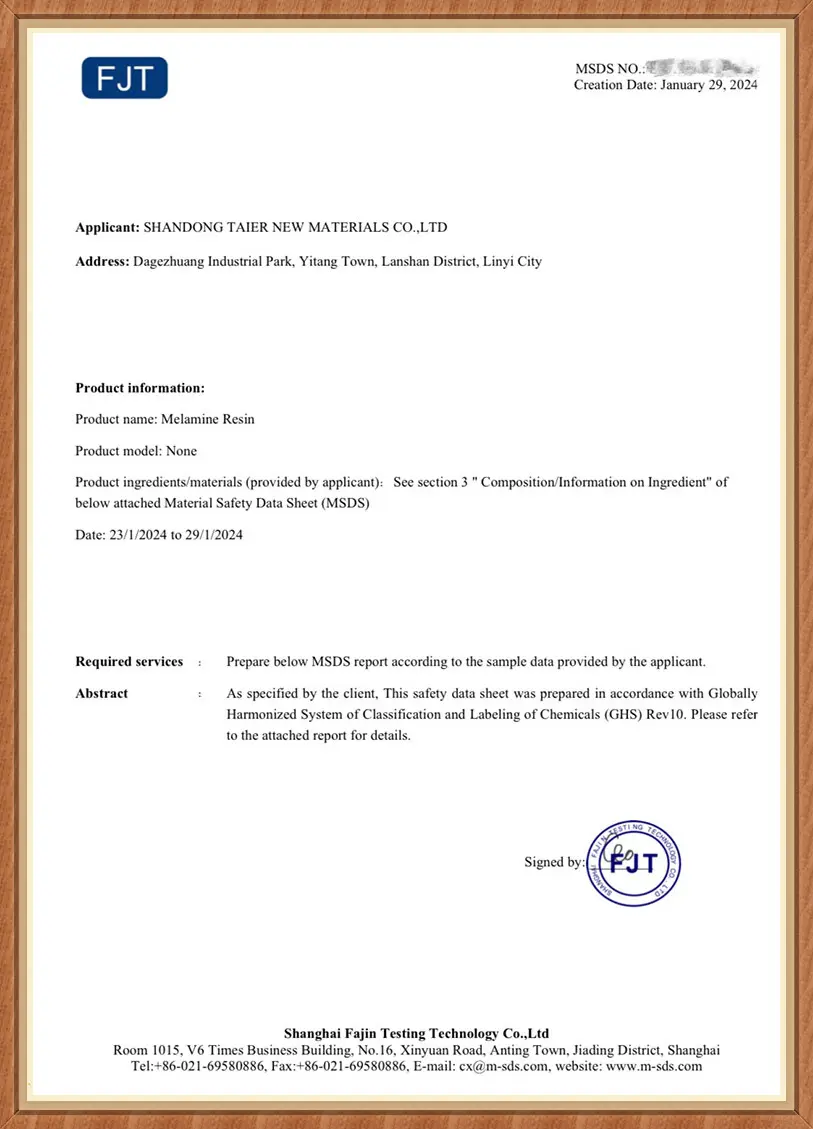
Critical technical parameters and safety compliance answers for industrial buyers and regulatory managers.
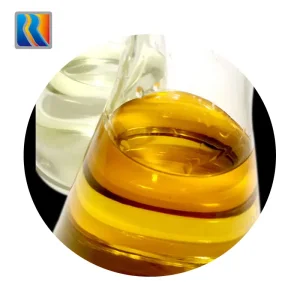
Additional raw materials, thickeners, resins, and defoamers to support industrial manufacturing and product performance optimization.
 Runtai