Premium fine chemical compounds and performance additives formulated for high-end manufacturing
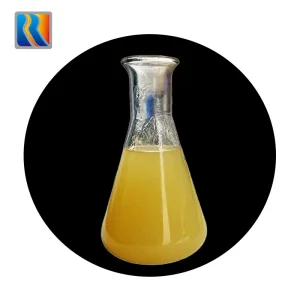
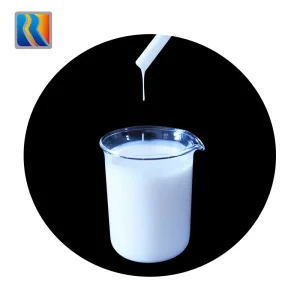
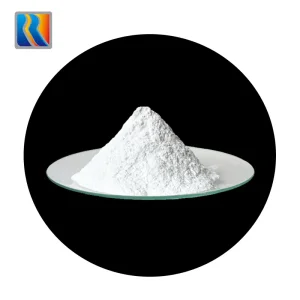
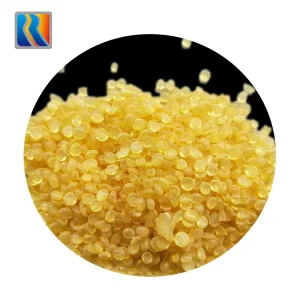
In modern industrial applications, the terminology "pottery glaze powder" represents a critical sector of materials engineering that encompasses both traditional inorganic mineral glazes and high-performance synthetic polymer glazes—specifically, melamine glazing powder. At Shandong Runtai New Materials Co., Ltd., we bridge the gap between advanced polymer chemistry and industrial surface enhancement, serving as a top-tier manufacturing powerhouse in China. As a pioneer in the production of melamine-formaldehyde derivatives, we provide global markets with glaze solutions engineered for durability, thermal resistance, chemical inertness, and exceptional glossiness.
This whitepaper details the chemical profiles, supply chain dynamics, localized applications, and safety standards that purchasing managers, chemical engineers, and product developers must evaluate when selecting a supplier. Through state-of-the-art synthetic processing, integrated raw material chains, and strict adherence to food contact safety regulations, Runtai New Materials sets the benchmark for international markets.
Understanding the distinction between mineral-based ceramic glazes and organic polymer glazing powders is vital for selecting the correct material. In industrial contexts, the phrase "Pottery Glaze Powder" is widely utilized by manufacturers of melamine dinnerware (often referred to as imitation porcelain or ceramic tableware) to describe the pure melamine-formaldehyde glazing compound applied to mold surfaces to achieve a glass-like finish.
| Parameters | Traditional Inorganic Ceramic Glazes | Thermosetting Melamine Glazing Powder (Runtai GP-1) |
|---|---|---|
| Primary Raw Components | Feldspar, Silica, Kaolin, Metal Oxides | Melamine-Formaldehyde Condensation Resin, α-cellulose |
| Curing Temperature | 900°C to 1300°C (Kiln firing) | 145°C to 165°C (Hot compression molding) |
| Surface Characteristics | Brittle, highly scratch-resistant, porous unless sealed | High impact resistance, crack-resistant, non-porous gloss |
| Food Contact Safety | Risk of heavy metal leaching (Lead/Cadmium) | Compliant with FDA 21 CFR & EU Regulation 10/2011 |
| Industrial Output Form | Slurry or raw mineral blend | Ultra-fine dry powder (typically 80-120 mesh) |
Runtai’s Melamine Glazing Powder operates as a cross-linking thermosetting polymer. Under heat and pressure, the resin undergoes a polycondensation reaction, forming a three-dimensional network structure that traps pigments, prevents staining, and creates an impermeable barrier. This makes it the compound of choice for high-volume dinnerware, kitchen utensils, and industrial laminates requiring a porcelain-like aesthetic without the fragility of glass.
The versatility of glaze and glazing compounds translates to critical localized applications depending on regional market demands:
In high-use environments such as hotel buffet lines, schools, and fast-food chains across North America and Europe, melamine dinnerware glazed with Runtai powder provides the elegance of porcelain with near-zero breakage rates. The glaze seals the molded substrate, preventing detergent penetration and microbial colonization.
Due to its high dielectric strength and arc resistance, our glazing powder is used in Japan and Germany for coating electrical switchboards, structural insulation components, and household circuit breakers, providing flame-retardant surface protection.
In the global building materials sector, melamine glazing resins serve as the top protective layer for decorative wood panels, flooring, and kitchen countertops, resisting thermal shock, boiling water, and chemical stains.
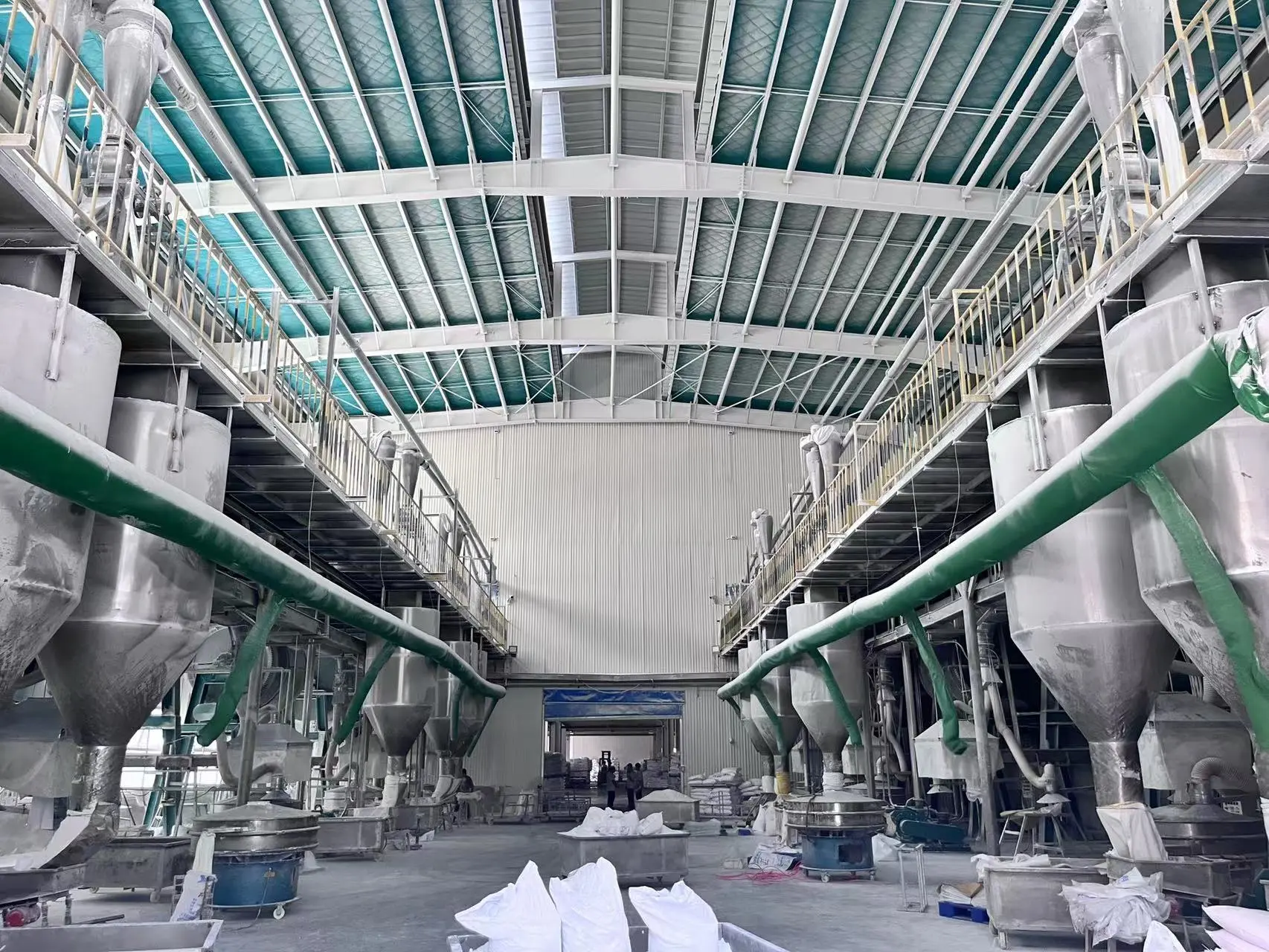
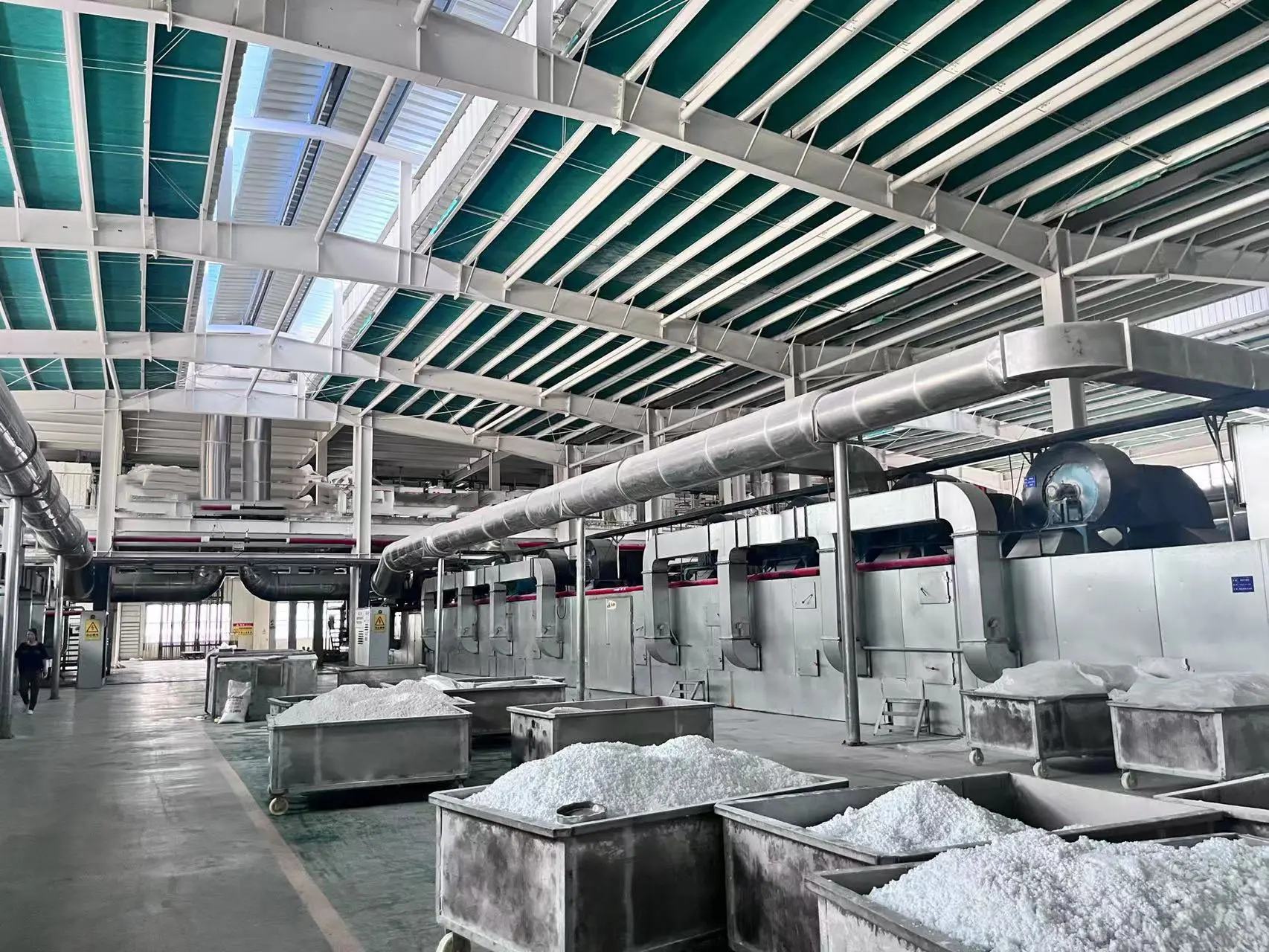
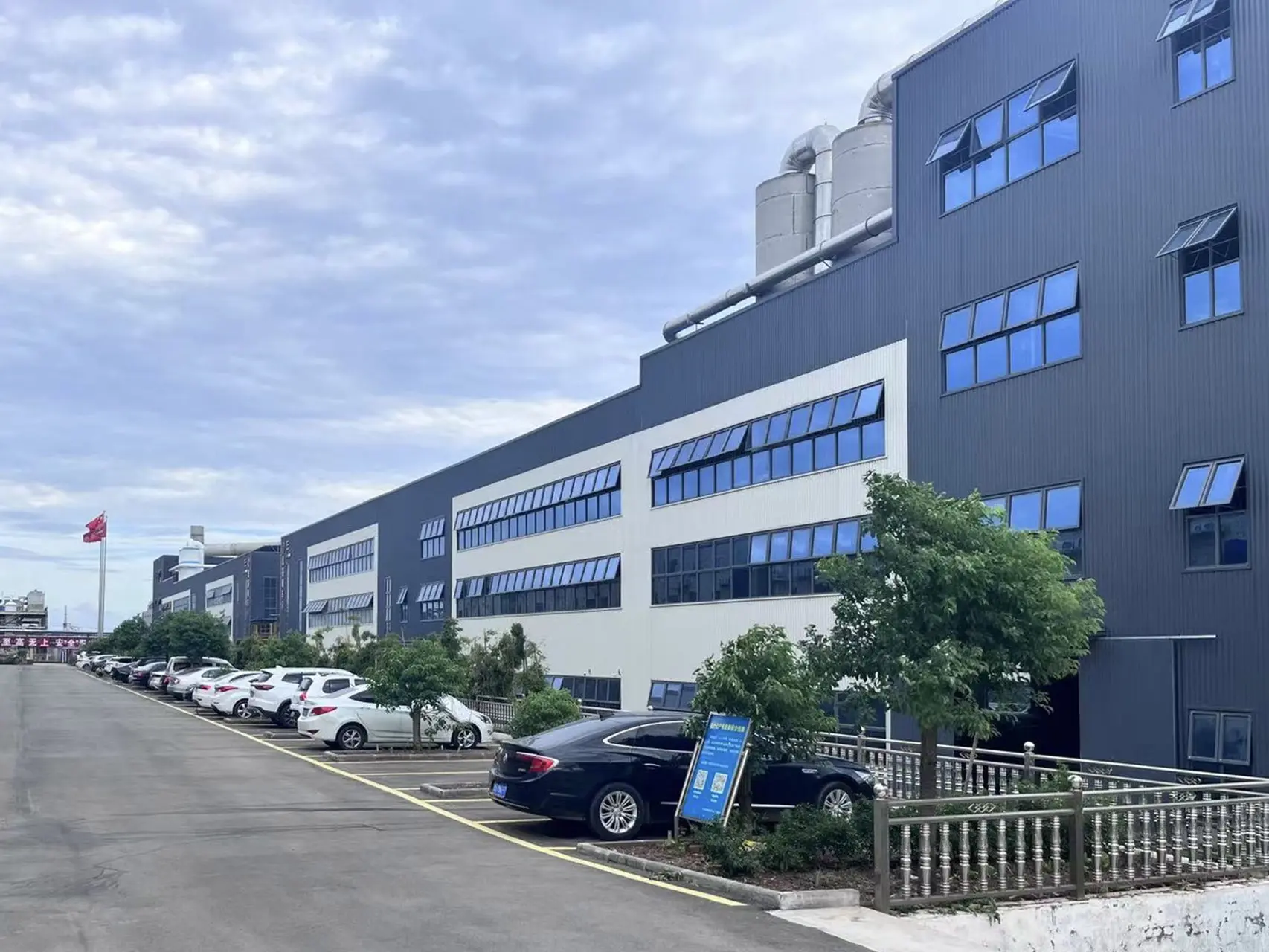
In an era marked by volatile chemical logistics and feed material shortages, Runtai New Materials offers unparalleled supply security. Our facility is situated in Zaozhuang City, Shandong Province, encompassing a sprawling 270,000 square meters. Our competitive edge lies in our comprehensive, vertically integrated production lines:
Our integration allows us to optimize raw material ratios in real-time, matching specific client cure speeds, viscosity indexes, and color standards. By minimizing transshipment costs and optimizing process heat across chemical steps, we ensure cost efficiency that is passed directly to our global customers.
Quality in chemical manufacturing is a product of consistency. Runtai utilizes state-of-the-art Distributed Control Systems (DCS) to monitor and regulate polymerization parameters continuously. Every batch of glaze powder is tracked for reaction time, molar ratio adjustments, temperature fluctuations, and moisture extraction rates.
Furthermore, through our academic and scientific integration with the Changzhou Research Institute of Beijing University of Chemical Technology, our doctoral R&D teams are pioneering the next generation of materials. Our technical roadmap focuses on:
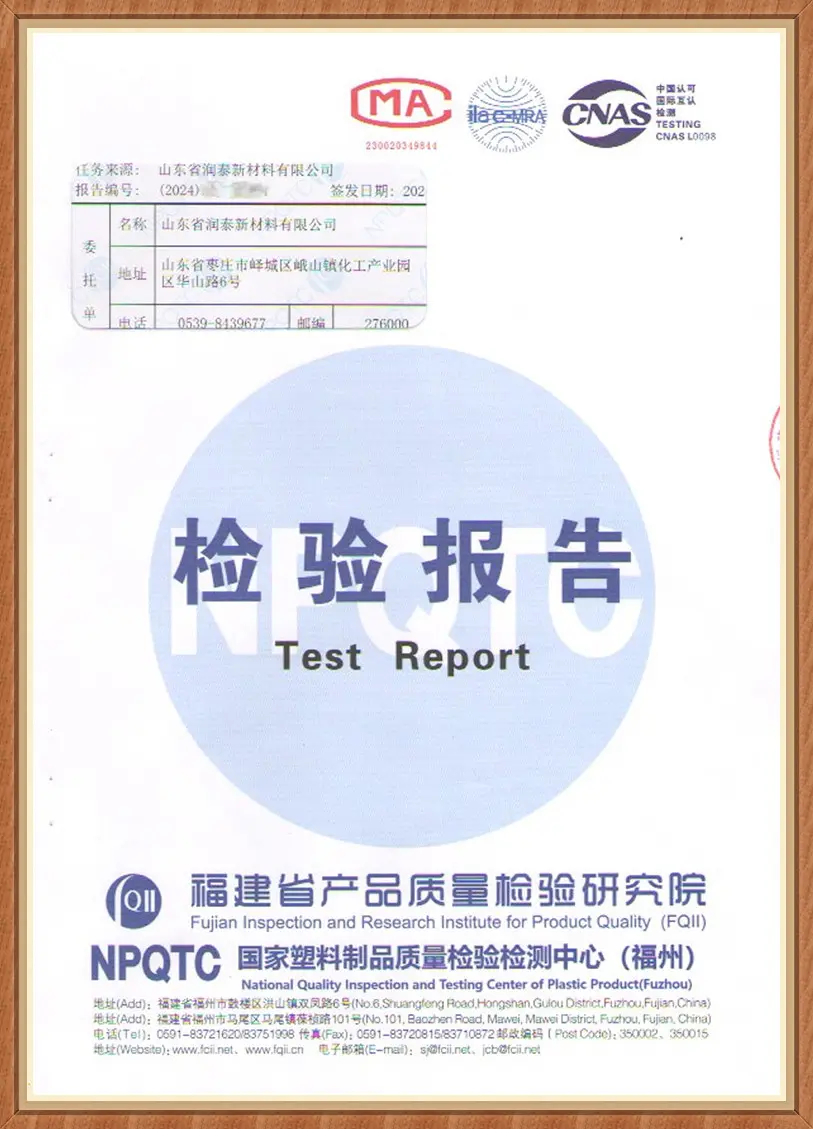
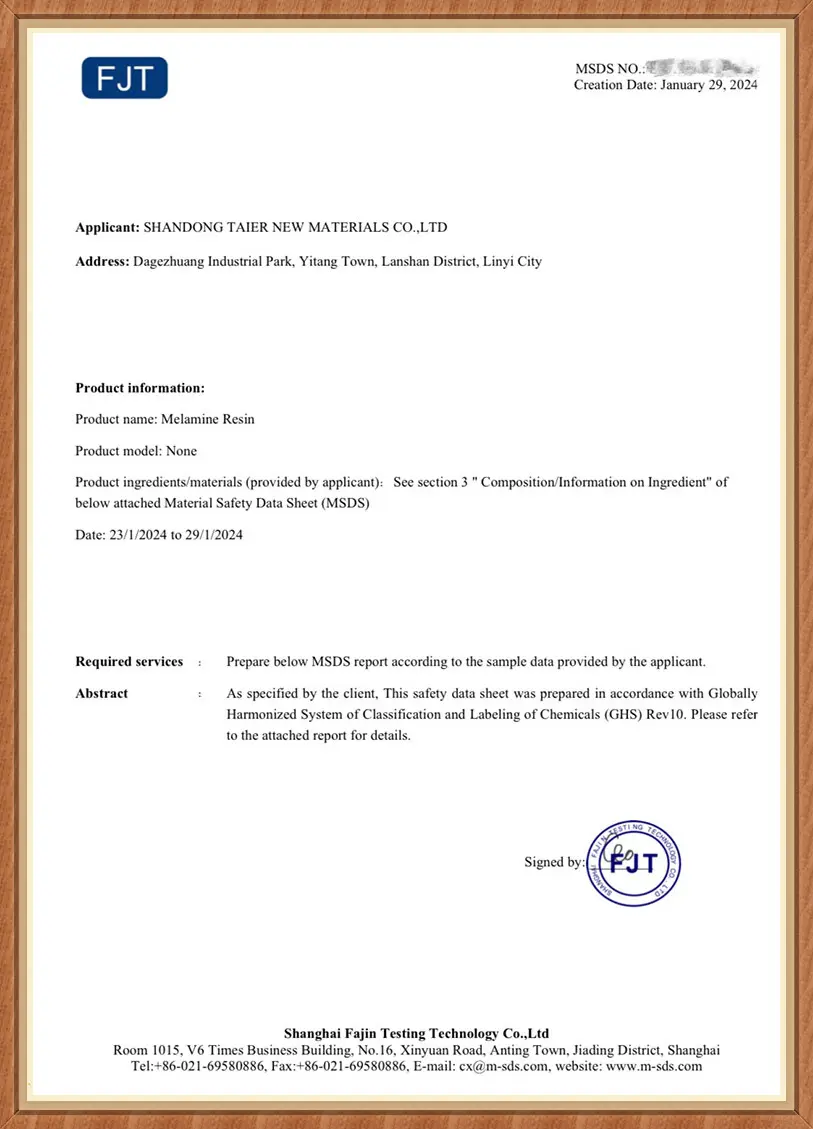
Food contact materials are subject to severe regulatory scrutiny. Runtai New Materials ensures that all melamine glazing powders shipped globally adhere to global standards, including FDA 21 CFR 177.1460, EU Regulation No. 10/2011, and the Chinese national standard GB 9690. We provide full traceability and documentation, including certificates of analysis (COA), safety data sheets (SDS) in multilingual formats, and technical assistance for machine calibration at customer plants.
Whether you operate compression molding facilities in the Americas, Southeast Asia, or the European Union, our engineers are equipped to provide remote and on-site viscosity tuning to ensure maximum yield and minimal post-mold flashing.
A: Melamine Molding Compound contains cellulose fillers, structural fibers, and pigments, which form the body of the tableware. Melamine Glazing Powder is composed of pure melamine-formaldehyde resin without pulp/cellulose fillers. When applied during the second cycle of pressing, it melts into a clear, high-gloss protective skin that seals the cellulose fibers underneath, giving the product its shine and stain resistance.
A: Yes. Depending on the size of your product and machine pressure configurations, we can customize the curing time and resin flow characteristics. We offer fast-curing formulations for automated production lines and slow-curing variants for large, complex molds to ensure uniform coverage.
A: The product is highly hygroscopic and thermosetting. It must be stored in its original sealed packaging in a cool, dry, well-ventilated warehouse at temperatures below 25°C. Keep away from direct sunlight, moisture, and heat sources to maintain a shelf life of 6 months.
A: Through strict control of raw materials (using 99.8% pure melamine) and optimization of the molecular cross-linking density via DCS technology. This guarantees that formaldehyde and melamine migration levels remain well below the strict migration limits (SML) enforced by the European Food Safety Authority (EFSA) and FDA.
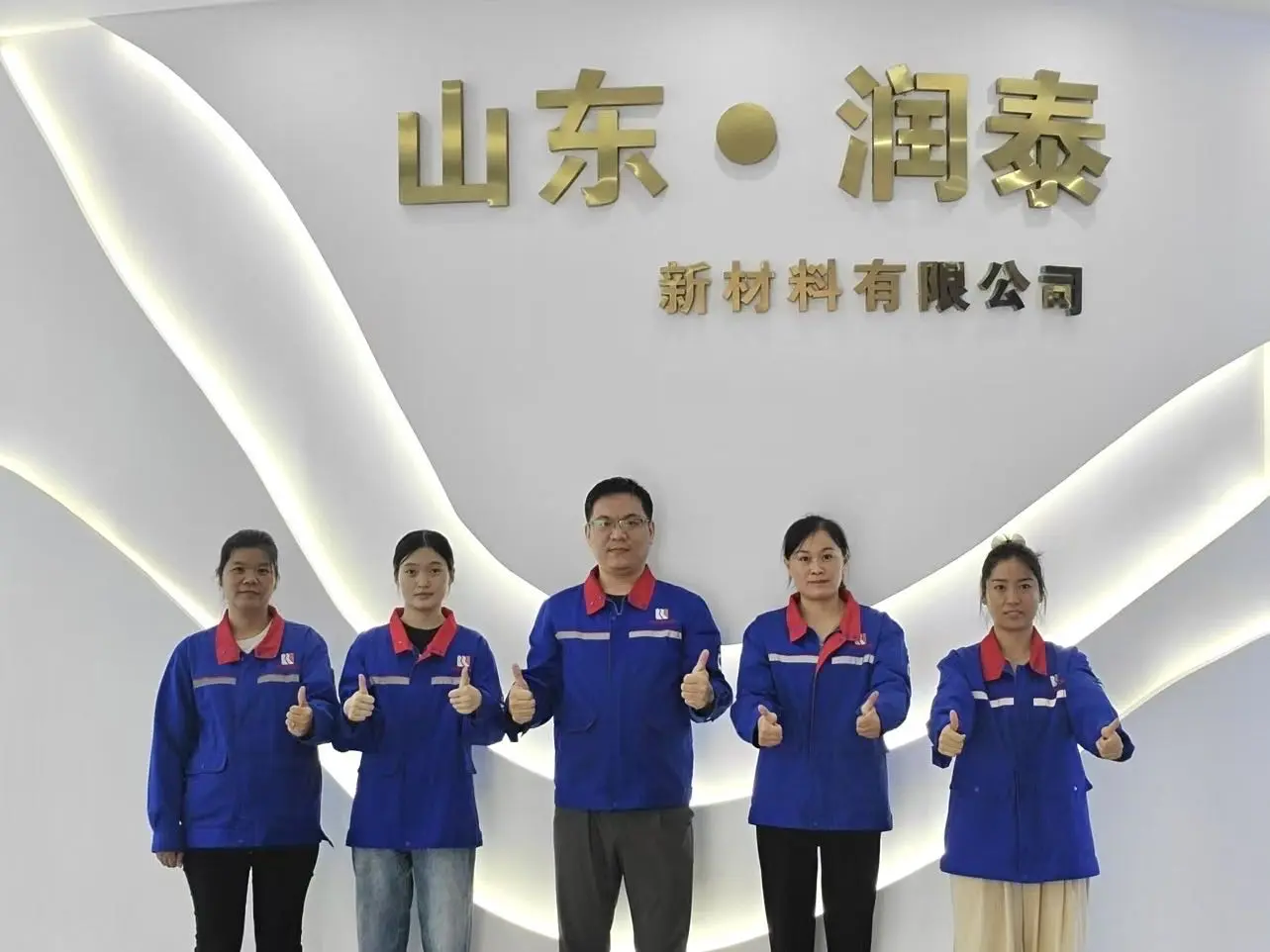
Founded in March 2020, Shandong Runtai New Materials Co., Ltd. is a comprehensive group firm that specializes in fine chemical products. The corporation has branches in five different cities throughout the whole country, with its headquarters located in Zaozhuang City, Shandong Province. Runtai New Materials covers an area of 270,000 square meters with a total investment of 2.06 billion yuan.
We operate one of the most technologically advanced chemical manufacturing plants in Shandong, utilizing advanced equipment and a doctoral R&D team to consistently deliver superior chemicals. Our commitment lies in developing and producing eco-friendly products that minimize their negative effects on the environment while adhering to pertinent laws, regulations, and standards.
Why leading manufacturing firms globally partner with Runtai New Materials
After the completion of the melamine project, Runtai New Material Co., LTD has become a comprehensive enterprise in the forefront of China's research, production, sales and application of new chemical materials with formaldehyde as raw materials.
Apply the guiding principles of "automatic control, safe and reliable, stable operation, energy saving and consumption reduction". Select the more advanced distributed control system (DCS) which allows us to control the process parameters across the production line.
We employ the current cutting-edge, dependable, and established equipment both domestically and internationally. We aim to increase the level of automation, decrease labor intensity, boost productivity, and lower costs.
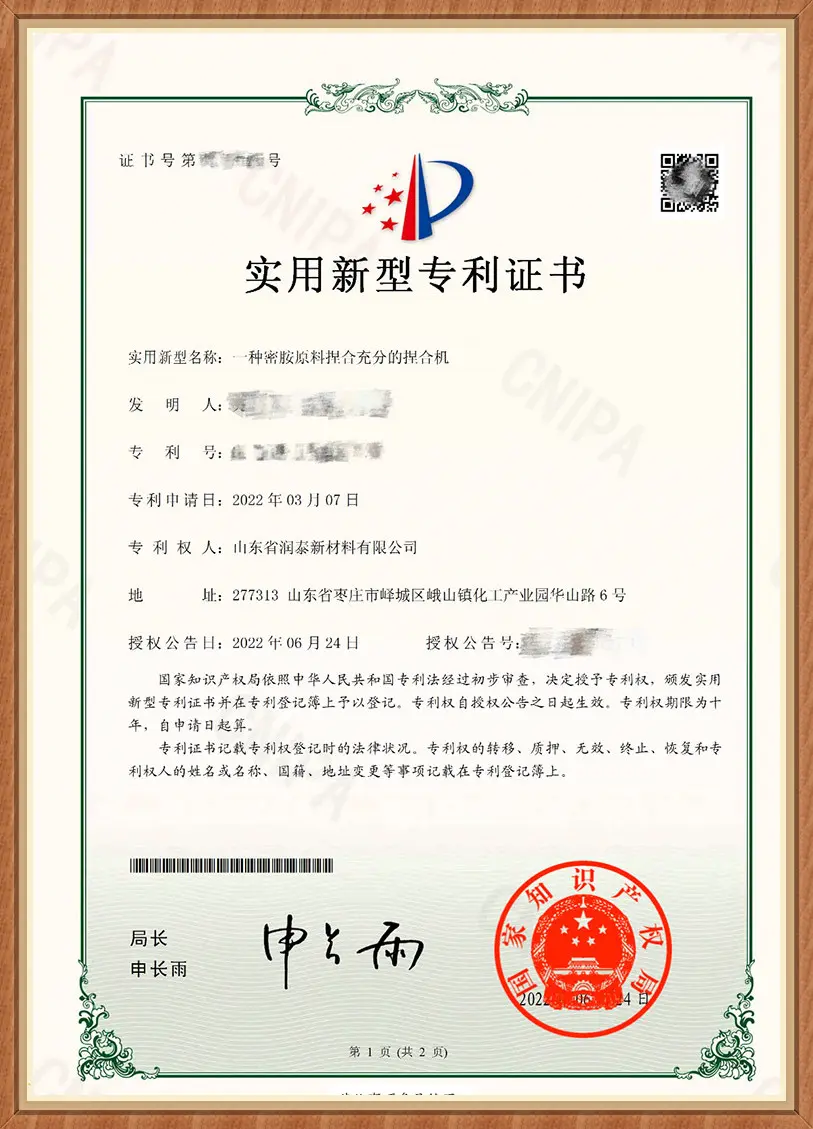
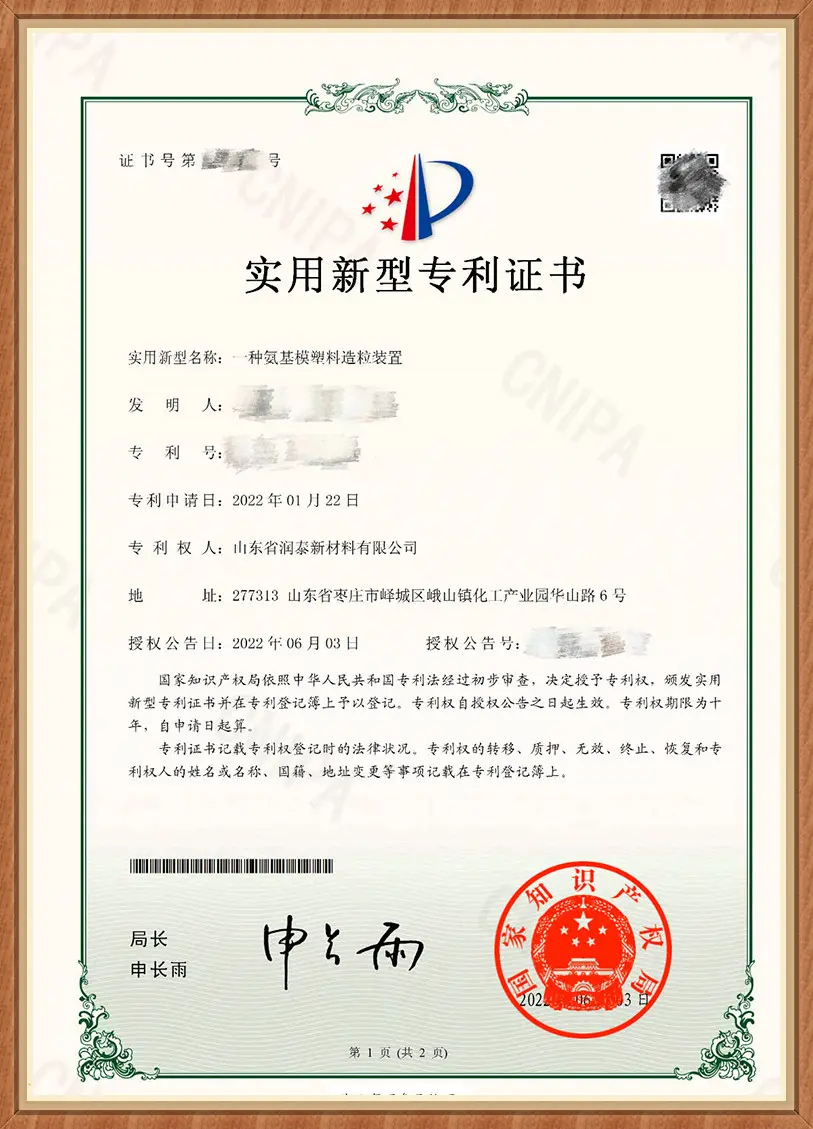
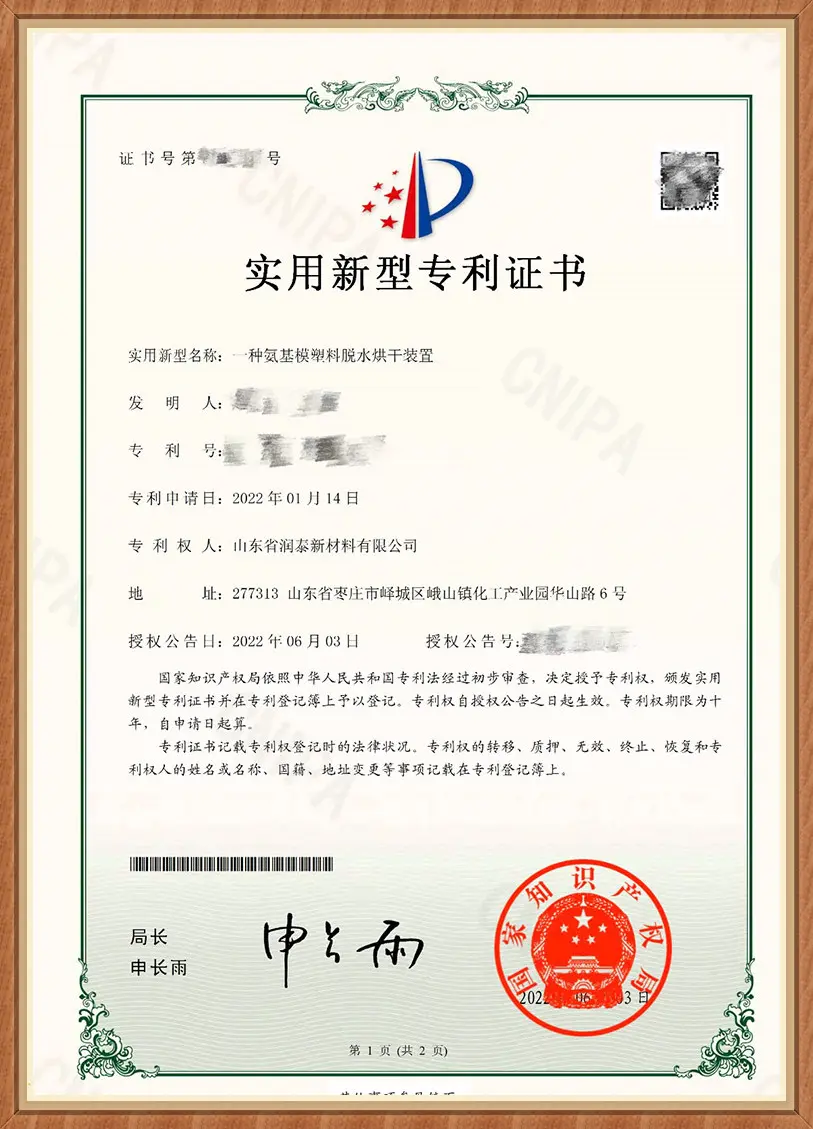
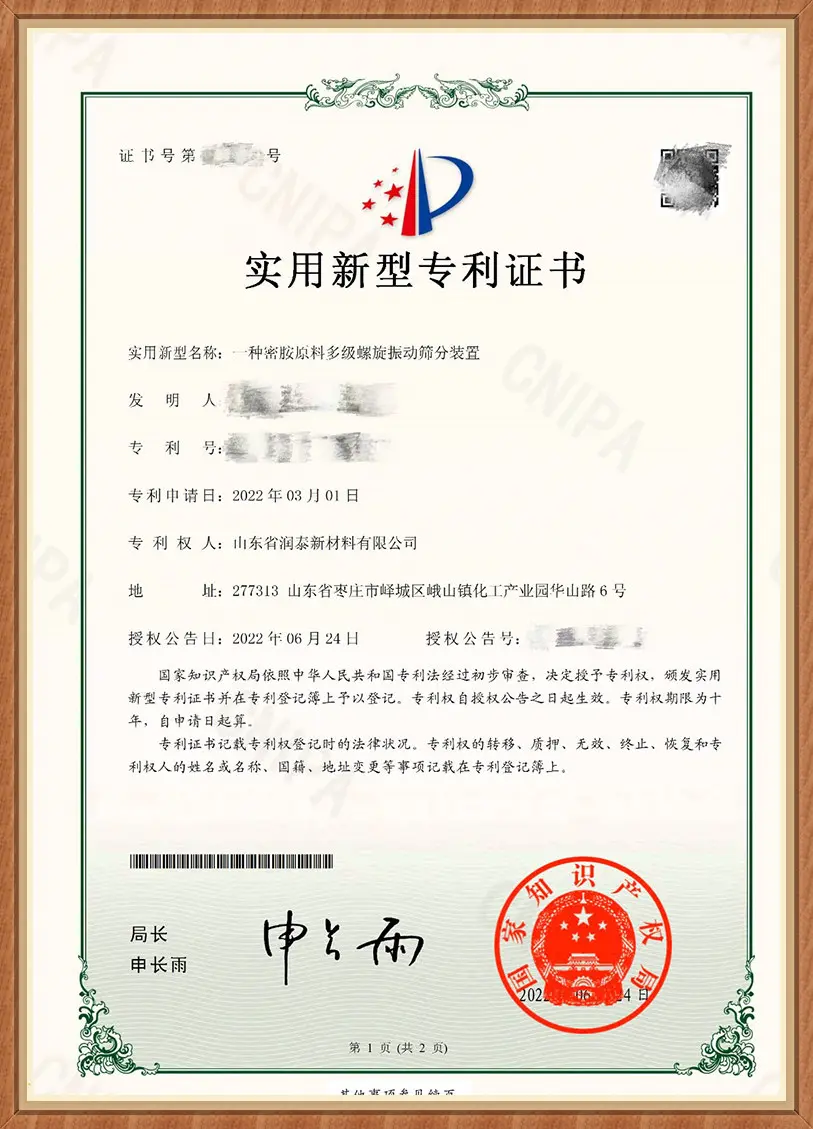
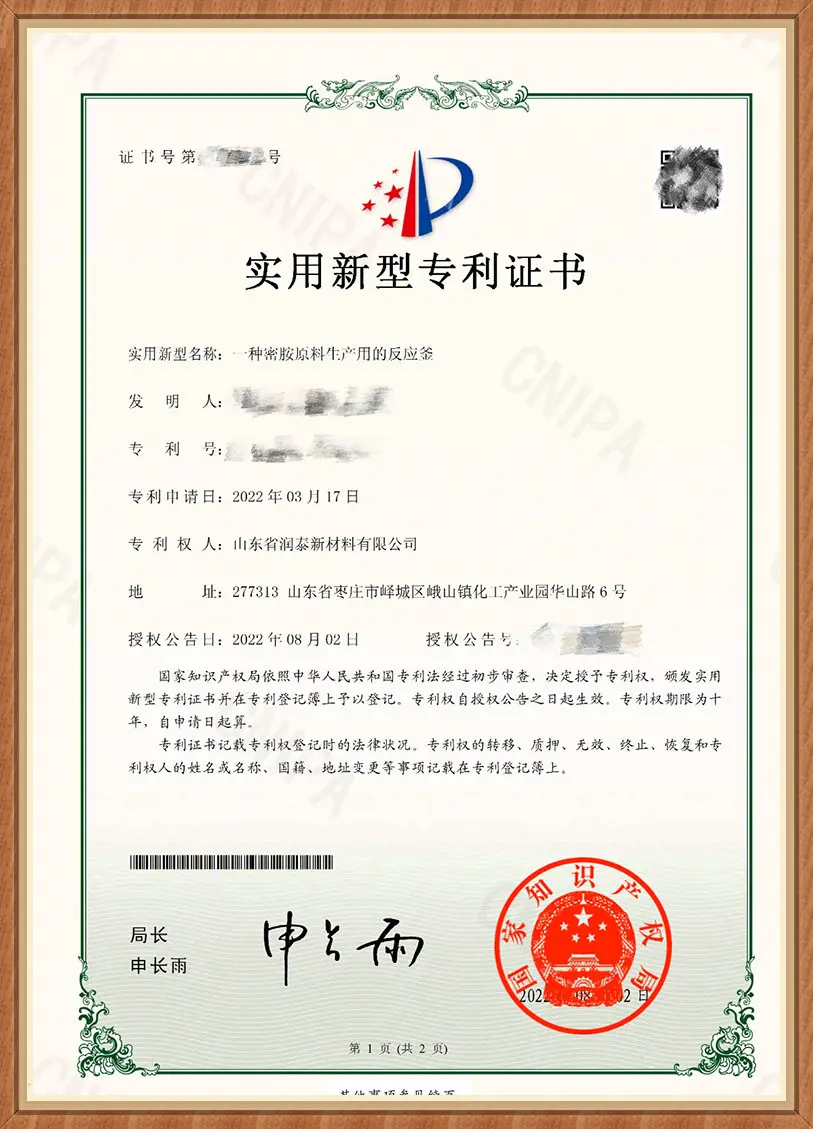
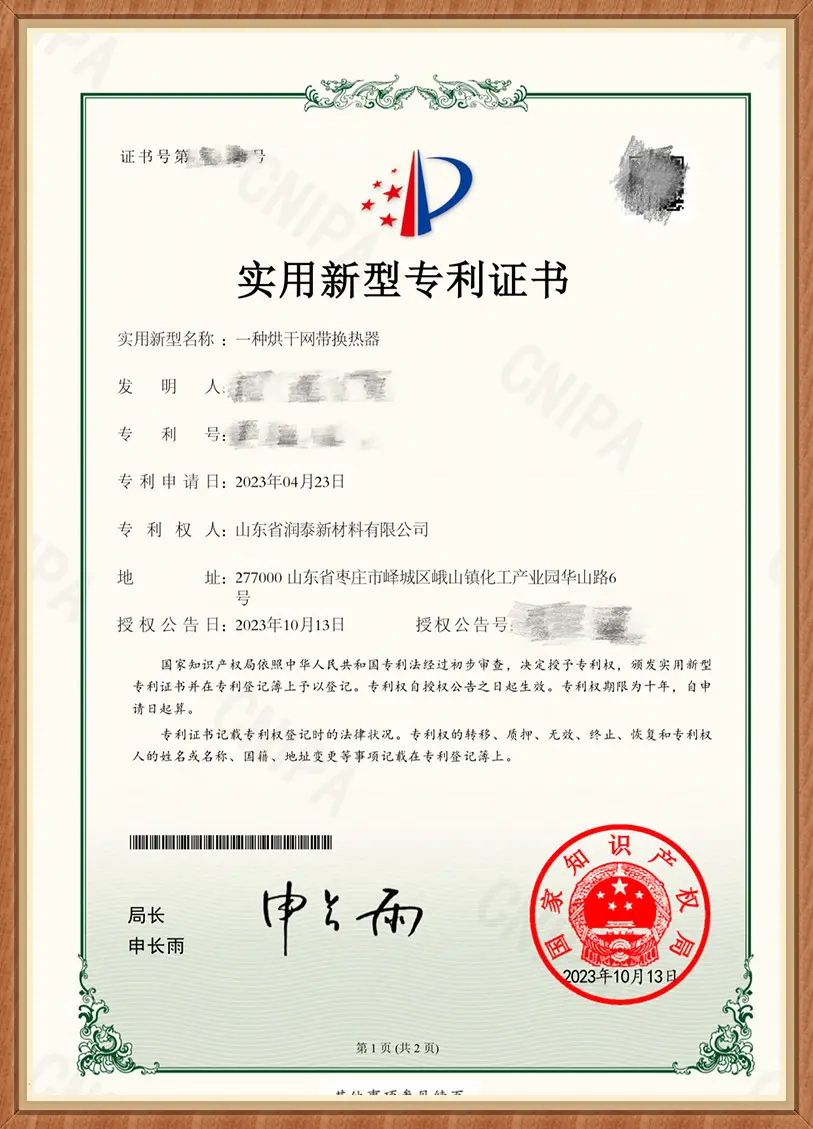
Partnering with the Changzhou Research Institute of Beijing University of Chemical Technology, Runtai has engaged in the integration of production and research, supported by a doctoral R&D team and patented technologies.
Our chemical materials platform has massive downstream extension potential. Our derivatives are widely used in adhesives, coatings, resins, dyes, daily utensils replacement, and electrical insulation upgrades.

Meanwhile, Runtai New Materials, as an ethical company, we prioritize sustainable development and environmental preservation. Our commitment lies in developing and producing eco-friendly products that minimize their negative effects on the environment while adhering to pertinent laws, regulations, and standards.
The "quality first, customer first" attitude has always guided our business, and we embrace customer service with honesty and professionalism. Friends from both domestic and foreign locations are warmly invited to visit Runtai New Materials. We look forward to collaborating with you to build a better future together!
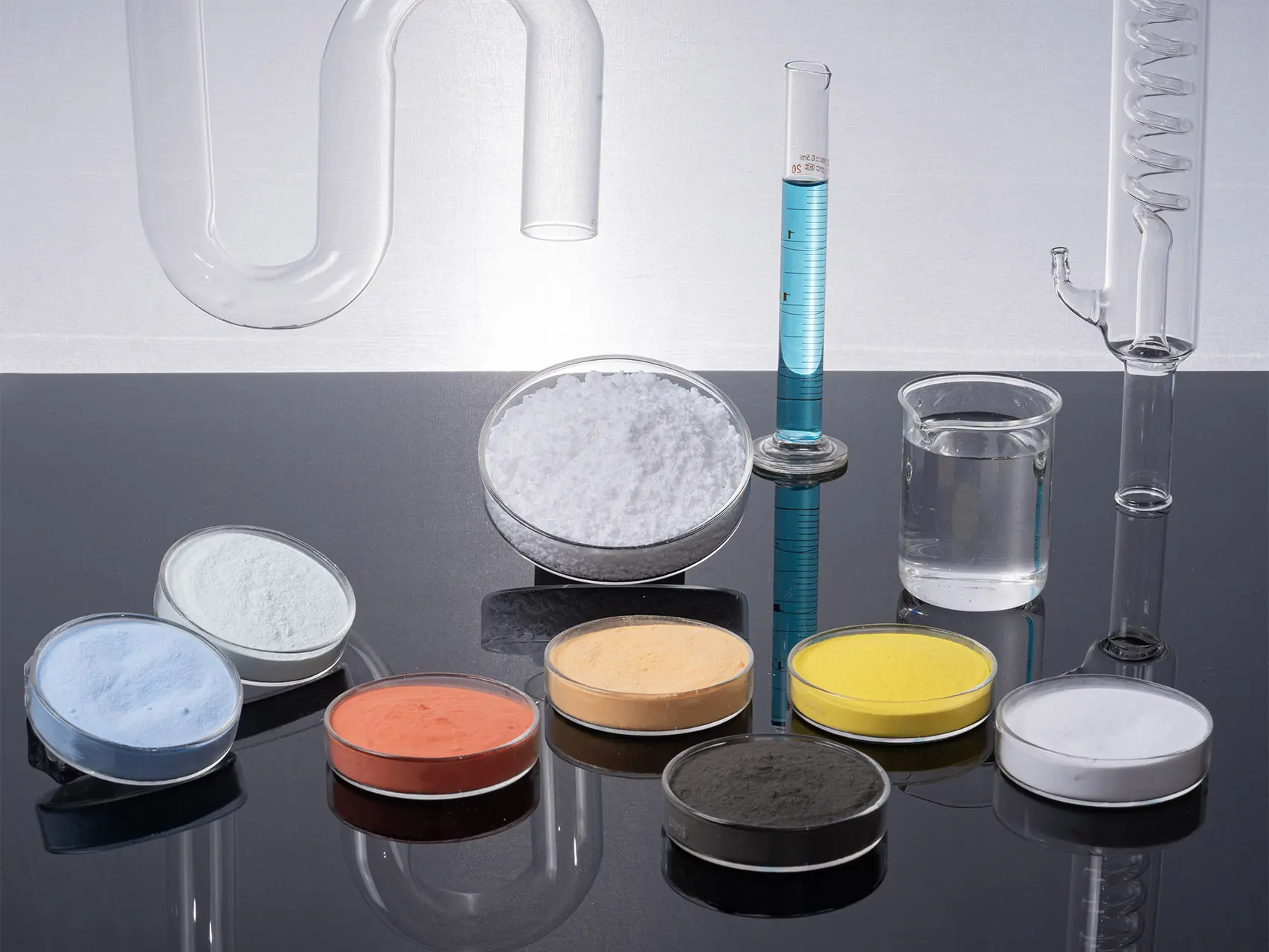
Advanced chemical materials synthesized to meet strict global specifications
Global compliance verification and proprietary industrial research achievements
Premium polymers, curing resins, and additives available for wholesale purchase and supply contracts
 Runtai