Explore our premium grade chemical derivatives engineered to support global wood processing, plastics compression, and specialized industrial coatings.
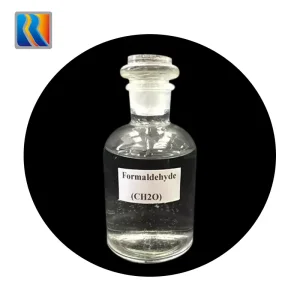
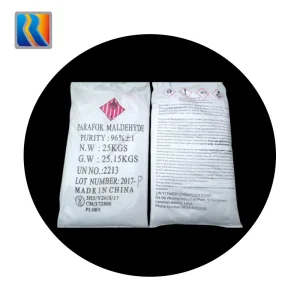
Paraformaldehyde (CAS No. 30525-89-4) is the smallest solid form of polymerized formaldehyde, typically presenting as a white crystalline powder or prill with a characteristic pungent odor. Synthetically prepared by the polymerization of aqueous formaldehyde (formalin), it constitutes a mixture of polyoxymethylene glycols containing between 8 and 100 formaldehyde units per molecule. Its empirical formula is expressed as HO(CH2O)nH, where "n" represents the degree of polymerization.
Unlike liquid formalin, which requires methanol stabilizers and incurs substantial water transport costs, solid Paraformaldehyde offers key chemical advantages, notably the minimization of system water. In chemical synthesis, introducing minimal water content allows for high-concentration reaction pathways, increasing throughput, reducing wastewater treatment overheads, and dramatically improving yield efficiency.
As a leading China Paraformaldehyde manufacturer, Shandong Runtai New Materials Co., Ltd. manufactures various grades of paraformaldehyde (ranging from 92% to 96% purity levels) to cater specifically to polymer synthesis, pharmaceutical fabrication, and agricultural formulation industries. Our manufacturing protocols minimize dust emissions and maximize dissolution speed, resolving the historical industry trade-off between powder safety and depolymerization rates.
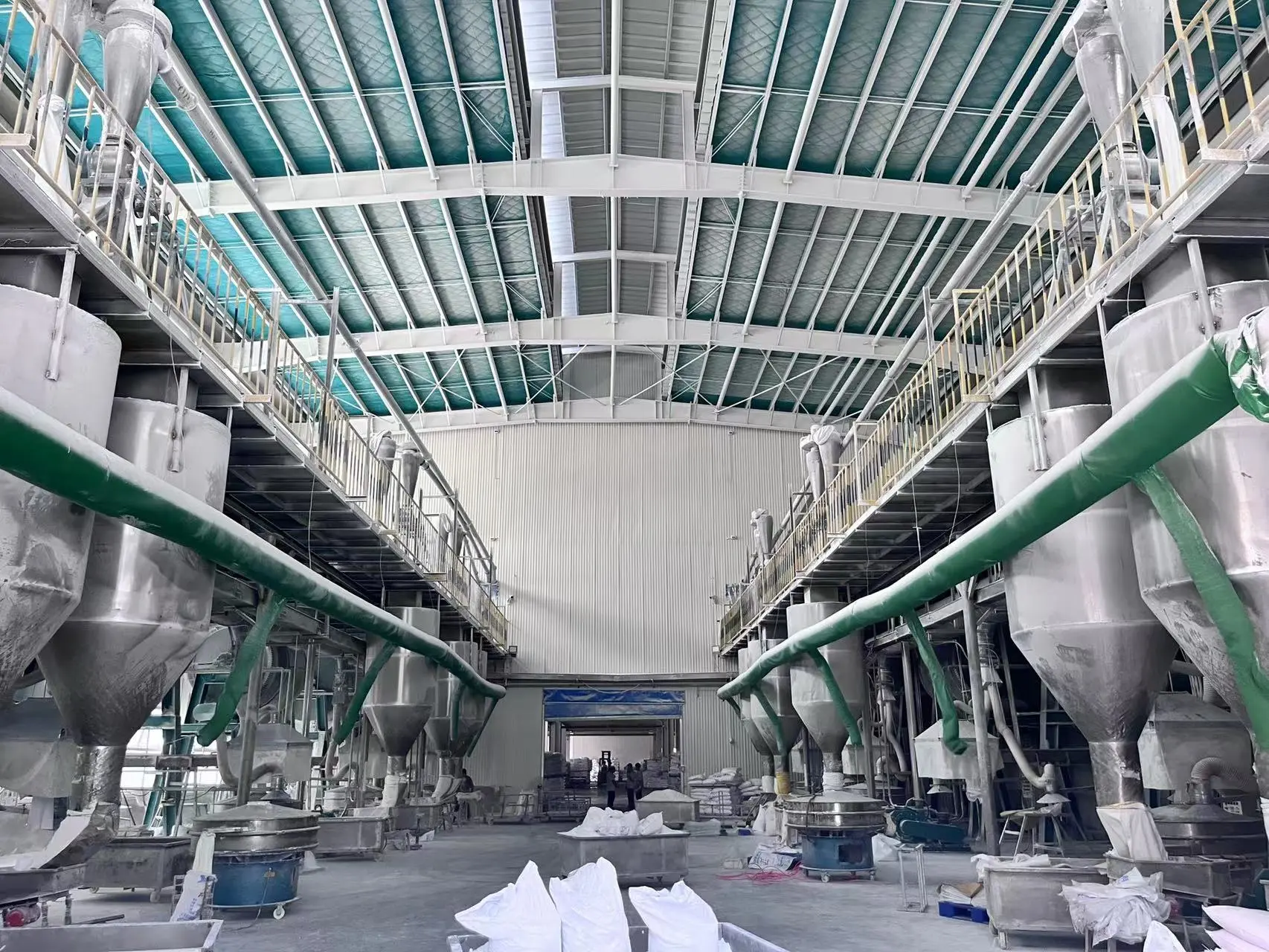
How industries leverage solid polymer chemistry to optimize yield, streamline logistics, and ensure product stability.
Crucial for formulating high-performance Urea-Formaldehyde (UF) resins, Melamine-Formaldehyde (MF) resins, and Phenolic (PF) resins. Using solid paraformaldehyde limits the dilution of resins, resulting in faster curing times, higher adhesive shear strength, and lower VOC emissions in composite wood board manufacturing.
Acts as an essential precursor in synthesis routes for widely used herbicides and fungicides, such as Glyphosate, Acetochlor, and Butachlor. High-purity CAS No. 30525-89-4 guarantees minimal side reactions, securing active ingredient purity and improving field performance.
Used as a formylating agent in organic chemical synthesis, including the production of disinfectants, active pharmaceutical ingredients (APIs), and organic specialty pigments. Strict control over iron, heavy metal, and ash content ensures compliance with clinical and industrial standards.
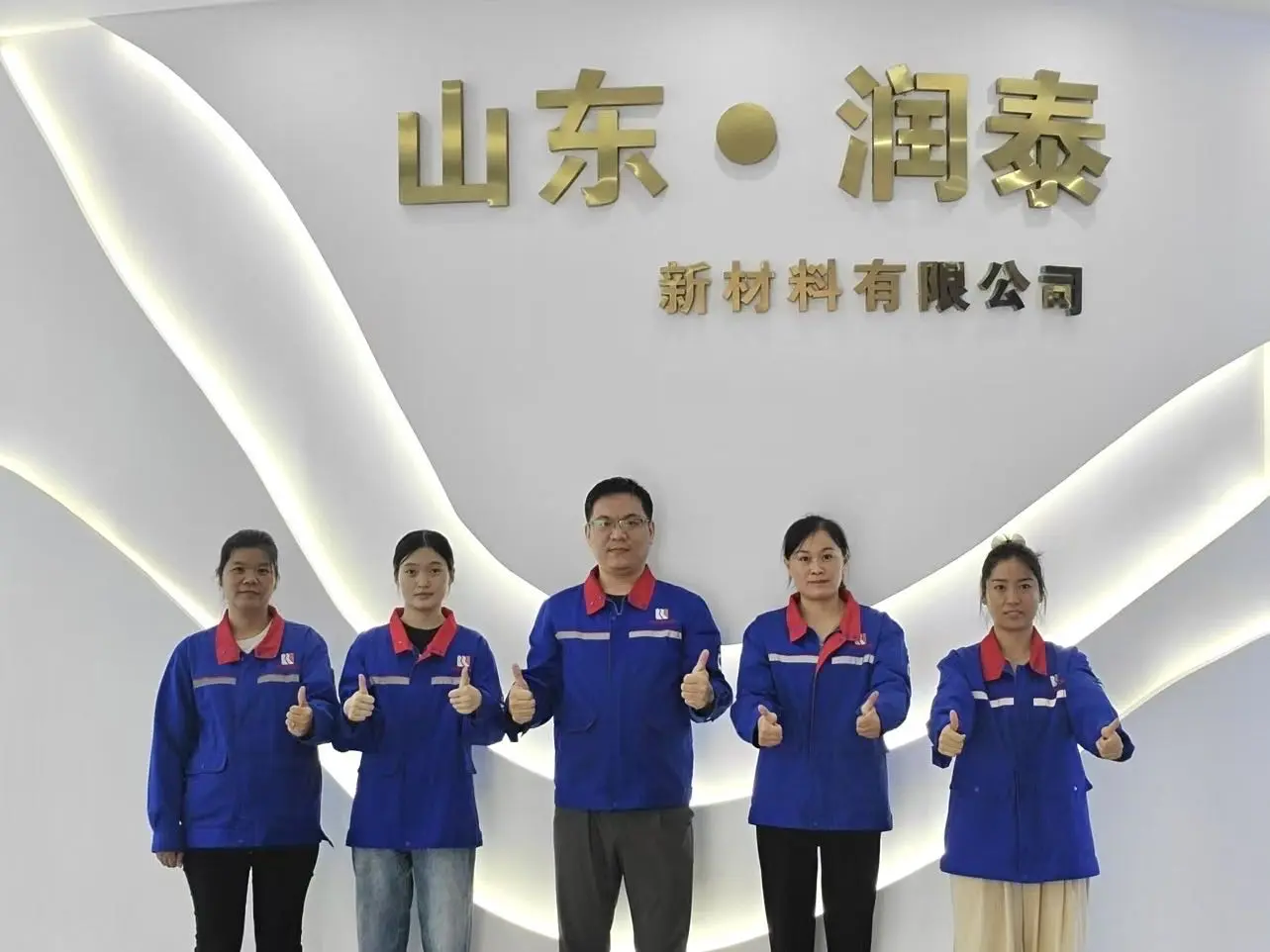
Founded in March 2020, Shandong Runtai New Materials Co., Ltd. is a comprehensive group firm that specializes in fine chemical products. Our primary products include formaldehyde, polyformaldehyde (Paraformaldehyde), urea formaldehyde resin, melamine powder, and melamine glazing powder. The corporation has branches in five different cities throughout the whole country, with its headquarters located in Zaozhuang City, Shandong Province. Runtai New Materials covers an area of 270,000 square meters with a total investment of 2.06 billion yuan.
We have built a reputation for excellence through our closed-loop industrial vertical integration. By manufacturing our own formaldehyde feedstock, we guarantee supply chain resilience and cost stability for downstream products like paraformaldehyde and specialized resins, insulated from market shocks.
Runtai New Materials integrates high-end equipment with academic innovation to deliver performance safety.
Following the completion of our melamine project, Runtai New Materials has emerged as a premier comprehensive enterprise at the forefront of China's chemical material landscape. Our raw formaldehyde and melamine derivatives project a leading market share nationwide.
We apply the principles of "automatic control, safe and reliable, stable operation, energy saving, and resource utilization." Using a state-of-the-art Distributed Control System (DCS), our technicians remotely monitor and configure process parameters in real-time, ensuring uniform molecular weight distribution.
To maximize product consistency, we utilize cutting-edge, proven testing devices sourced internationally. Enhanced automation minimizes human error, improves labor productivity, conserves energy, and keeps production and quality assurance testing costs highly competitive.
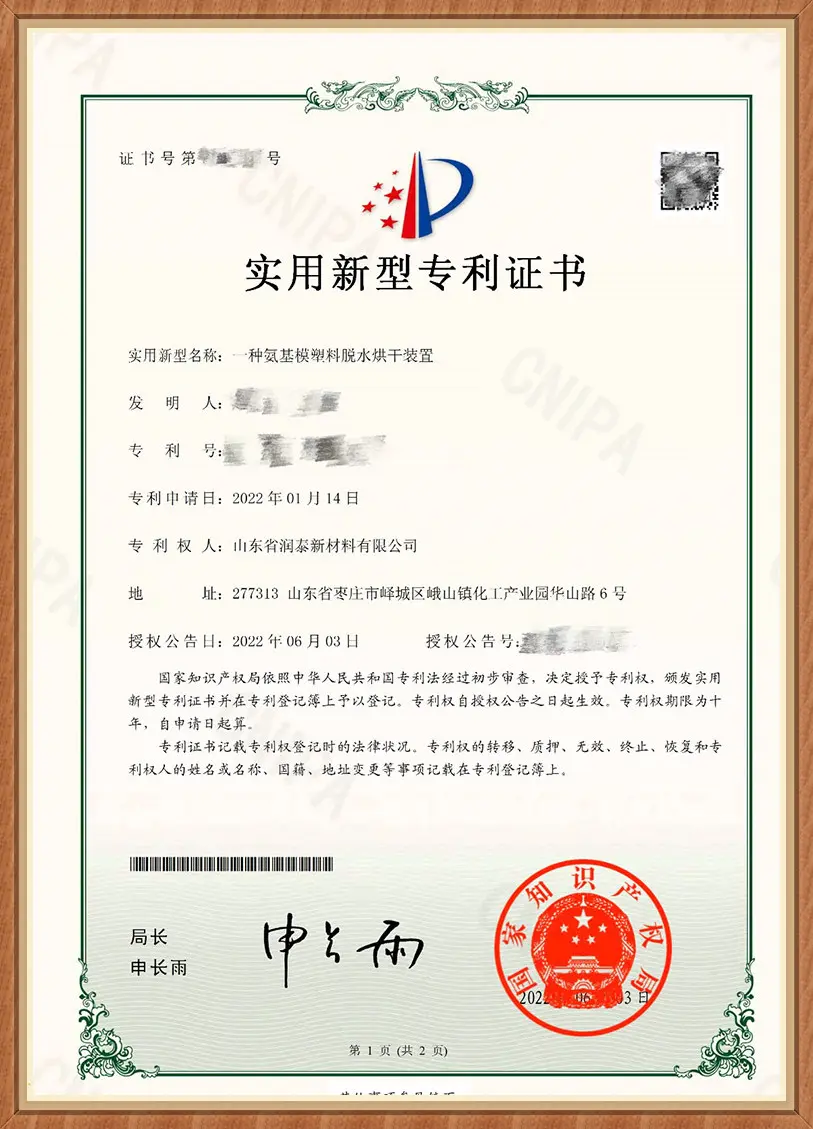
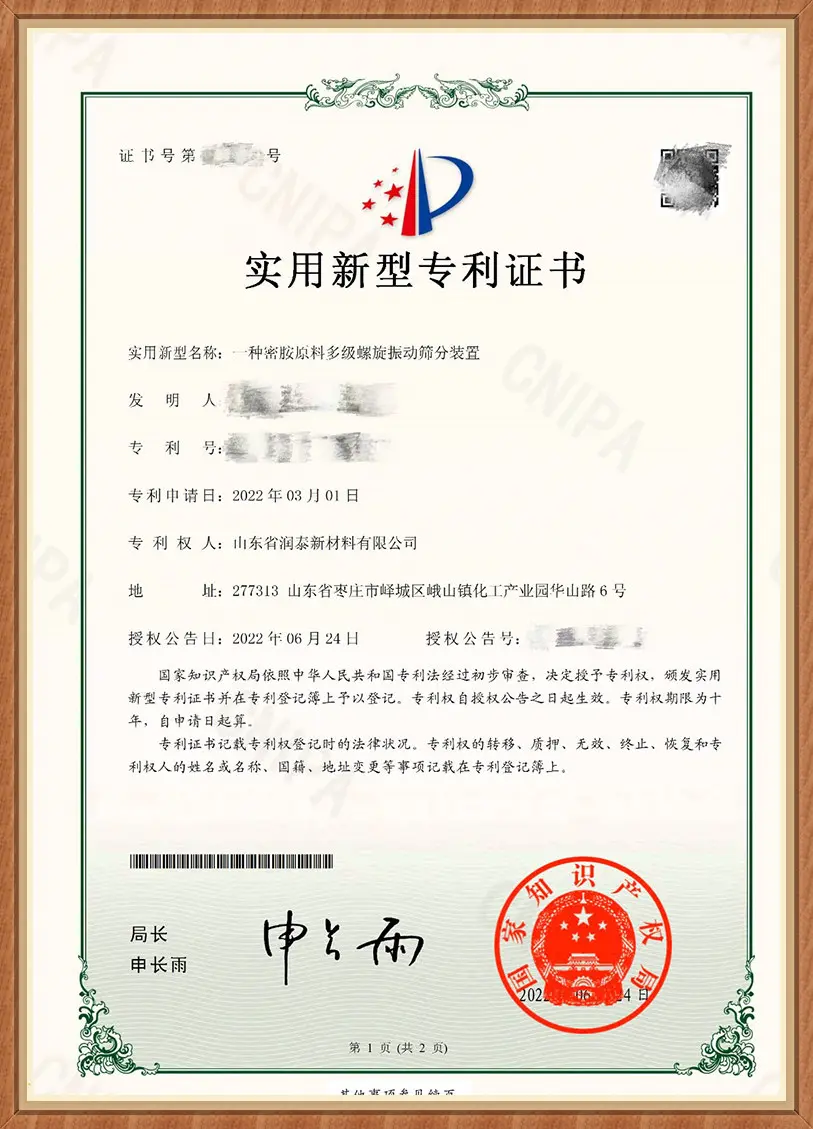
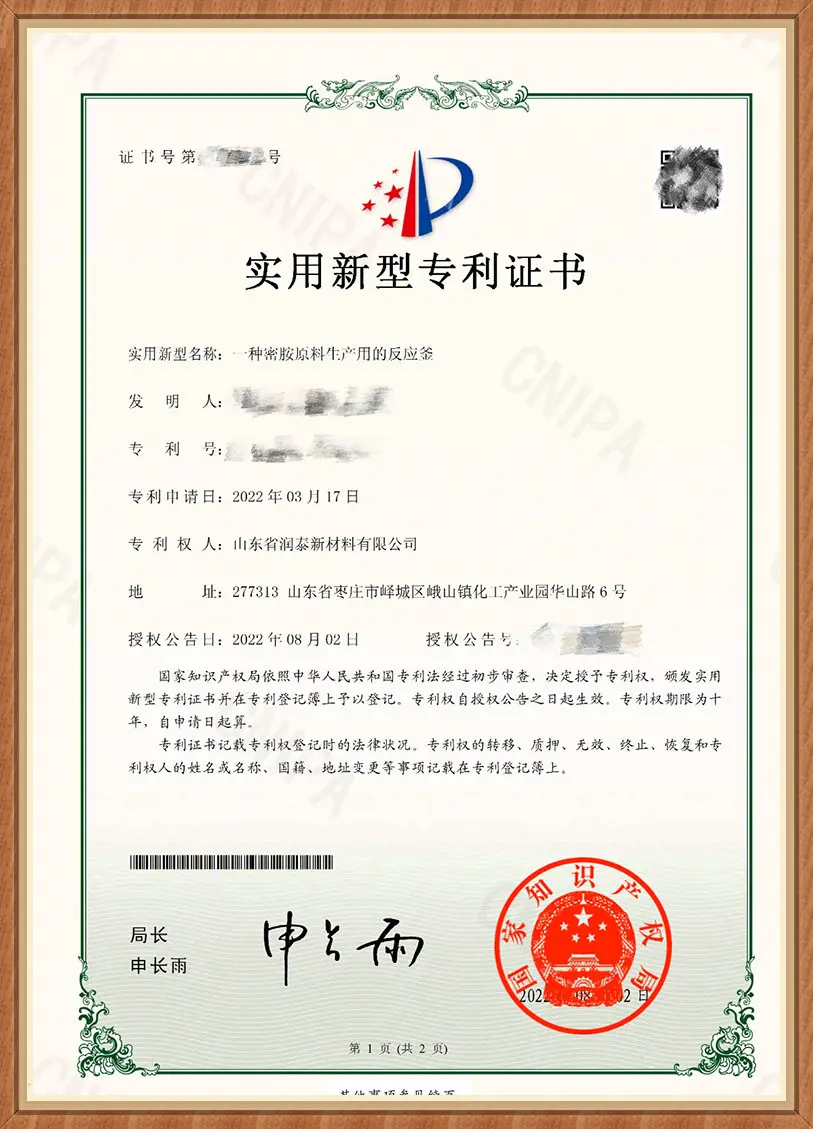
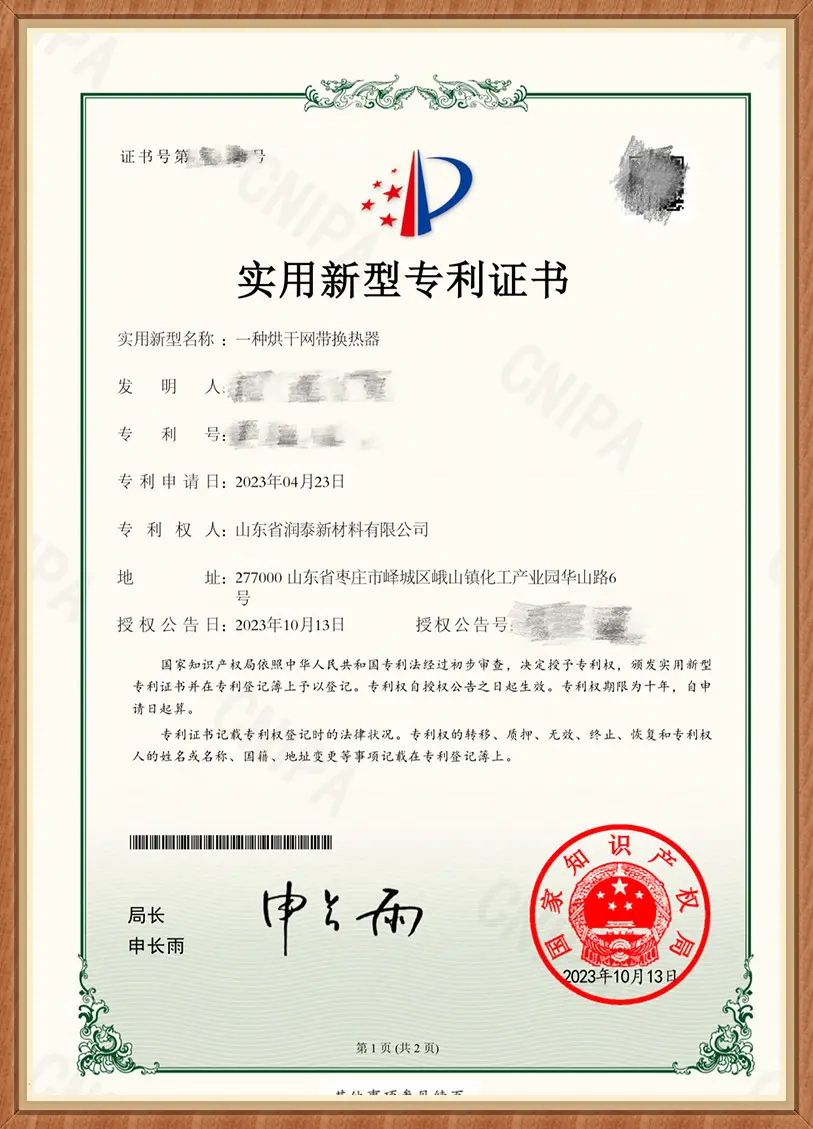
Collaborating with the Changzhou Research Institute of Beijing University of Chemical Technology, we bridge basic scientific research with large-scale industrialization. Supported by a doctoral R&D team, we hold multiple patents in polymer optimization.
Our formaldehyde-derived chemicals offer significant potential for downstream integration. They are widely applied in adhesives, coatings, resins, plastics, dyestuffs, basic medical synthesis, and electrical insulation components.
Operating a dedicated international logistics system, Runtai exports to the United States, Thailand, Kenya, Egypt, and other global regions. Our compliance framework simplifies international chemical customs clearance processes.
As a highly regulated material, Paraformaldehyde (CAS No. 30525-89-4) requires meticulous compliance with global health, safety, and environmental protection guidelines. It is classified under UN 2213, Class 4.1 (Flammable Solid), requiring specialized packaging, maritime transport compliance, and fire-safe warehouse environments.
Shandong Runtai New Materials ensures that every shipment aligns with International Maritime Dangerous Goods (IMDG) protocols. Our products are packaged in double-layered woven bags with integrated PE moisture barriers (typically 25kg or 500kg super sacks) to prevent hydrolysis and maintain purity during maritime transit.
Furthermore, our processes comply with REACH (EU registration requirements), GHS standards, and ISO 9001/ISO 14001 certifications. We provide comprehensive Safety Data Sheets (SDS) in multiple languages to protect our logistics partners and clients' terminal operators.

How Runtai drives research to minimize free formaldehyde emissions and improve safety profiles.
The global regulatory shift toward lower VOC products has guided our research team's development. Our technical roadmap focuses on three areas:
Collaborating with university researchers, Runtai New Materials is developing custom-tailored polymers with specific chain-lengths. These variations allow manufacturers of high-end friction materials, electronics, and coatings to refine reaction pathways with high precision.
Our commitment to internationally recognized manufacturing processes and quality management standards.
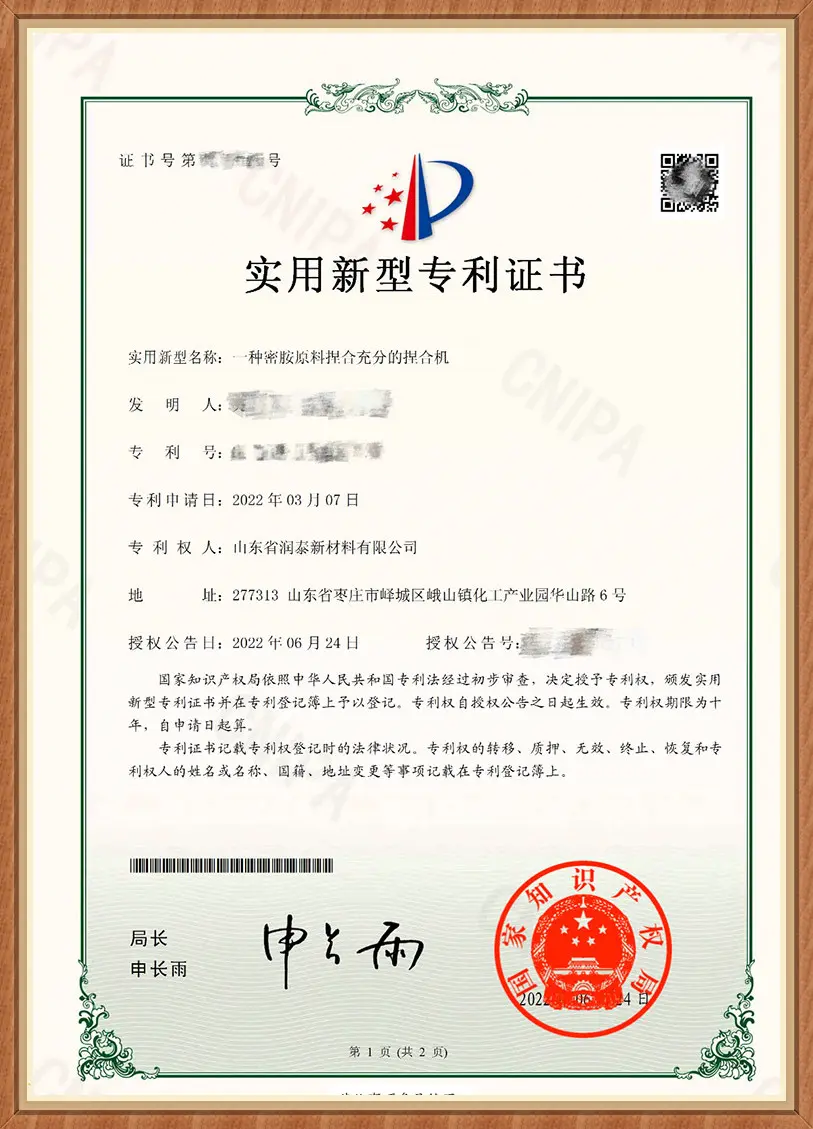
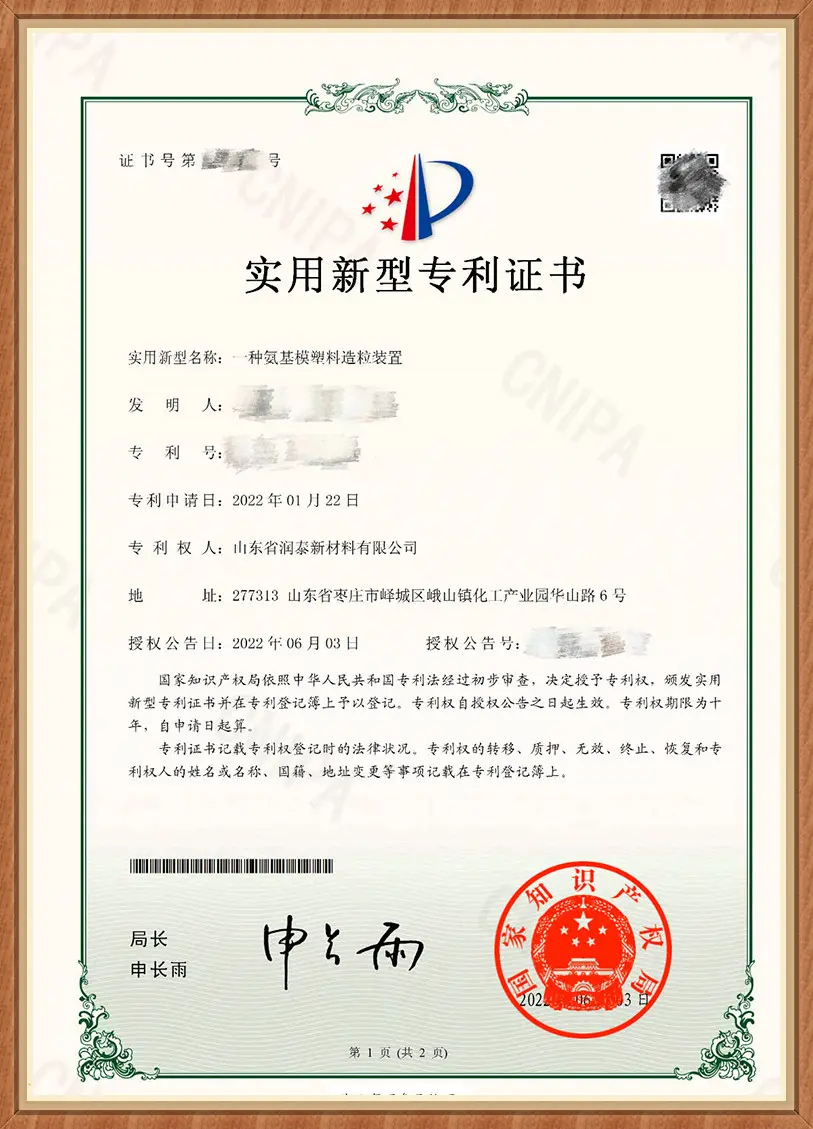
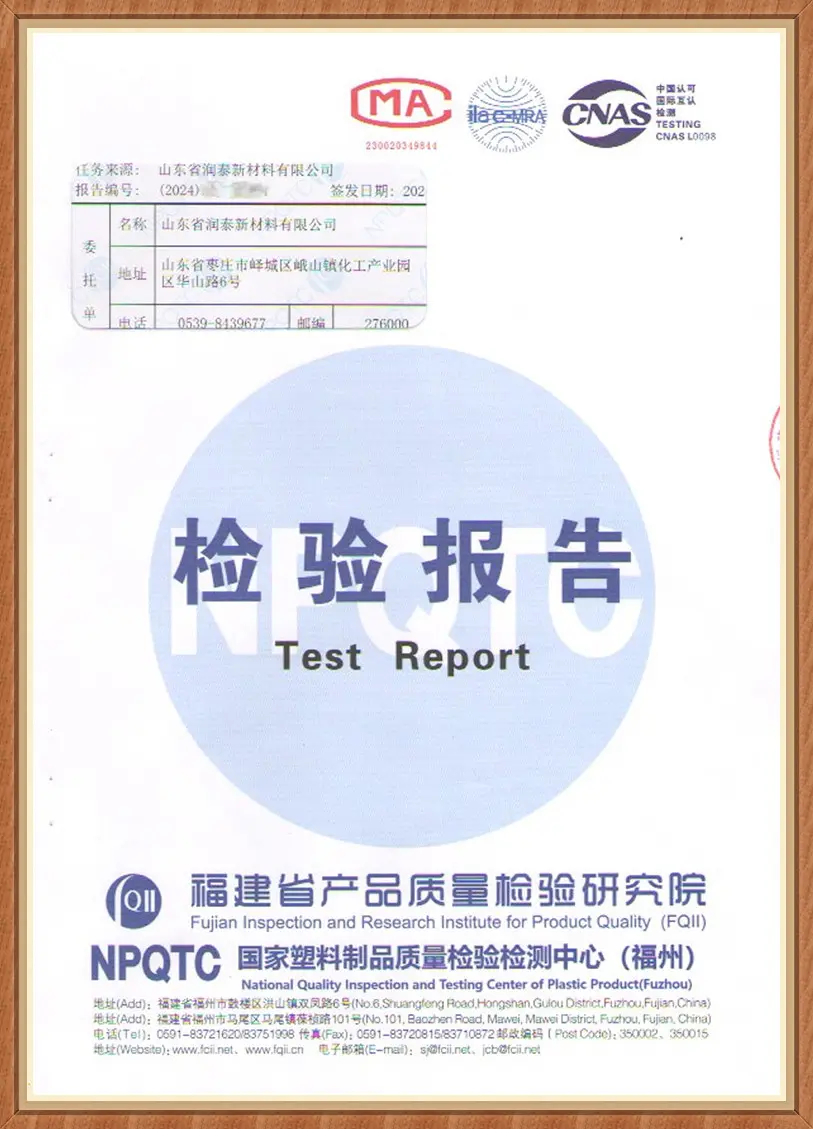
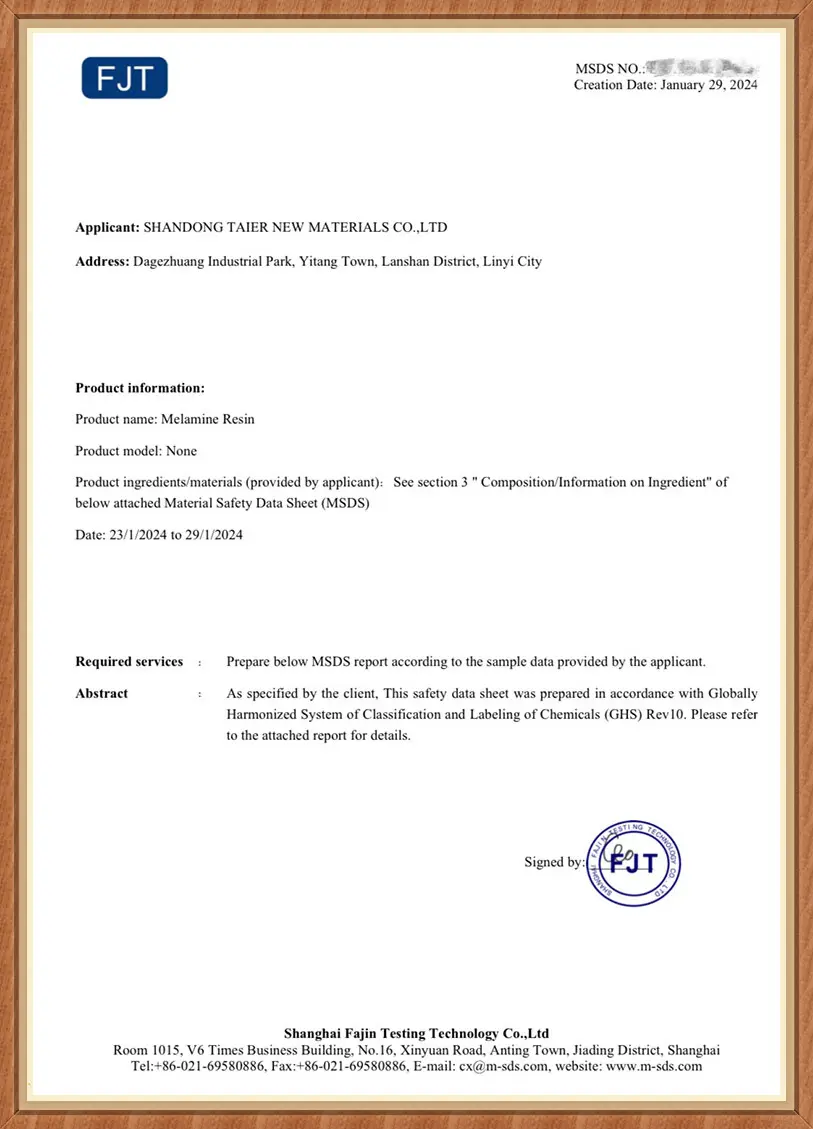
Answers to common technical and logistical questions regarding Paraformaldehyde (CAS No. 30525-89-4).
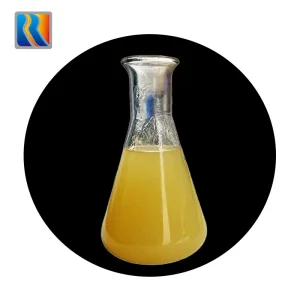
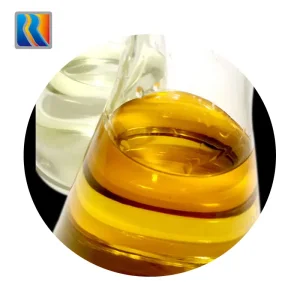
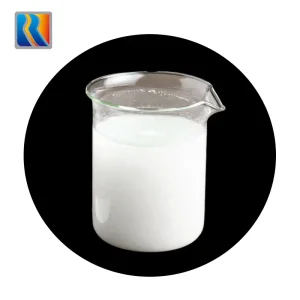
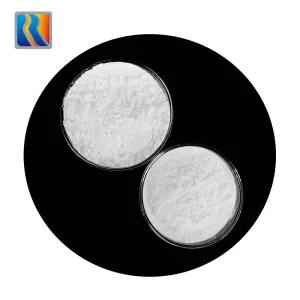
Explore additional high-grade performance chemical formulations, dispersants, and defoamers from our factory production lines.
 Runtai