Reliable global-grade standard solutions engineered for high performance chemical processing.
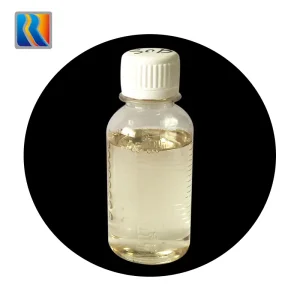
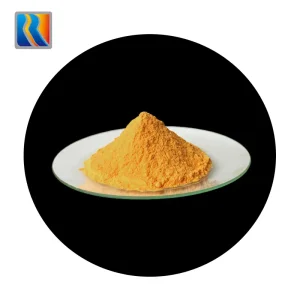
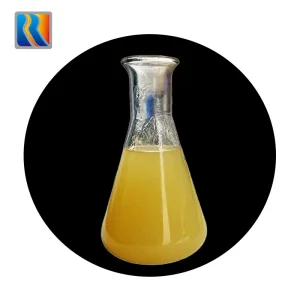
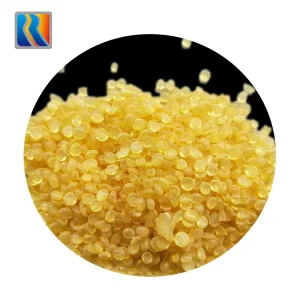
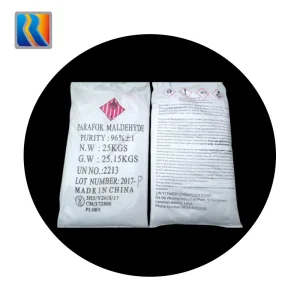
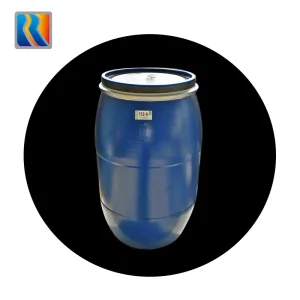
Analyzing Shandong Runtai New Materials Co., Ltd. through rigorous safety benchmarks and market integration.
In the modern industrial chemistry landscape, procurement strategies dictate that Formaldehyde Safe Factory configurations must prioritize stability, compliance, and strict emission management. Shandong Runtai New Materials Co., Ltd., established in March 2020, stands at the absolute forefront of this paradigm shift. Spanning an expansive 270,000 square meters and backed by a comprehensive capitalization structure totaling 2.06 billion yuan, the organization has pioneered safety-engineered chemical processing operations that comply with worldwide ecological mandates.
Headquartered in Zaozhuang City, Shandong Province, the corporation operates five centralized manufacturing, logistics, and research branches strategically located throughout China. Runtai's core operational capabilities encompass a wide product chain including high-purity Formaldehyde, Paraformaldehyde, Urea Formaldehyde Resin, Melamine Powder, and Melamine Glazing Powder. Our infrastructure operates on the threshold of technological zero-waste systems, offering modern downstream processors raw material integrity that addresses strict corporate social responsibility goals and global import limitations.
By maintaining an approximate 80% market share in domestic sectors for specialized derivatives, Runtai acts as a foundational supplier. However, the scope of our business is strictly global. Runtai's custom formulations and volume shipments are widely utilized in the United States, Thailand, Kenya, Egypt, and other regulatory jurisdictions where local import inspectors hold strict controls on free formaldehyde concentrations.
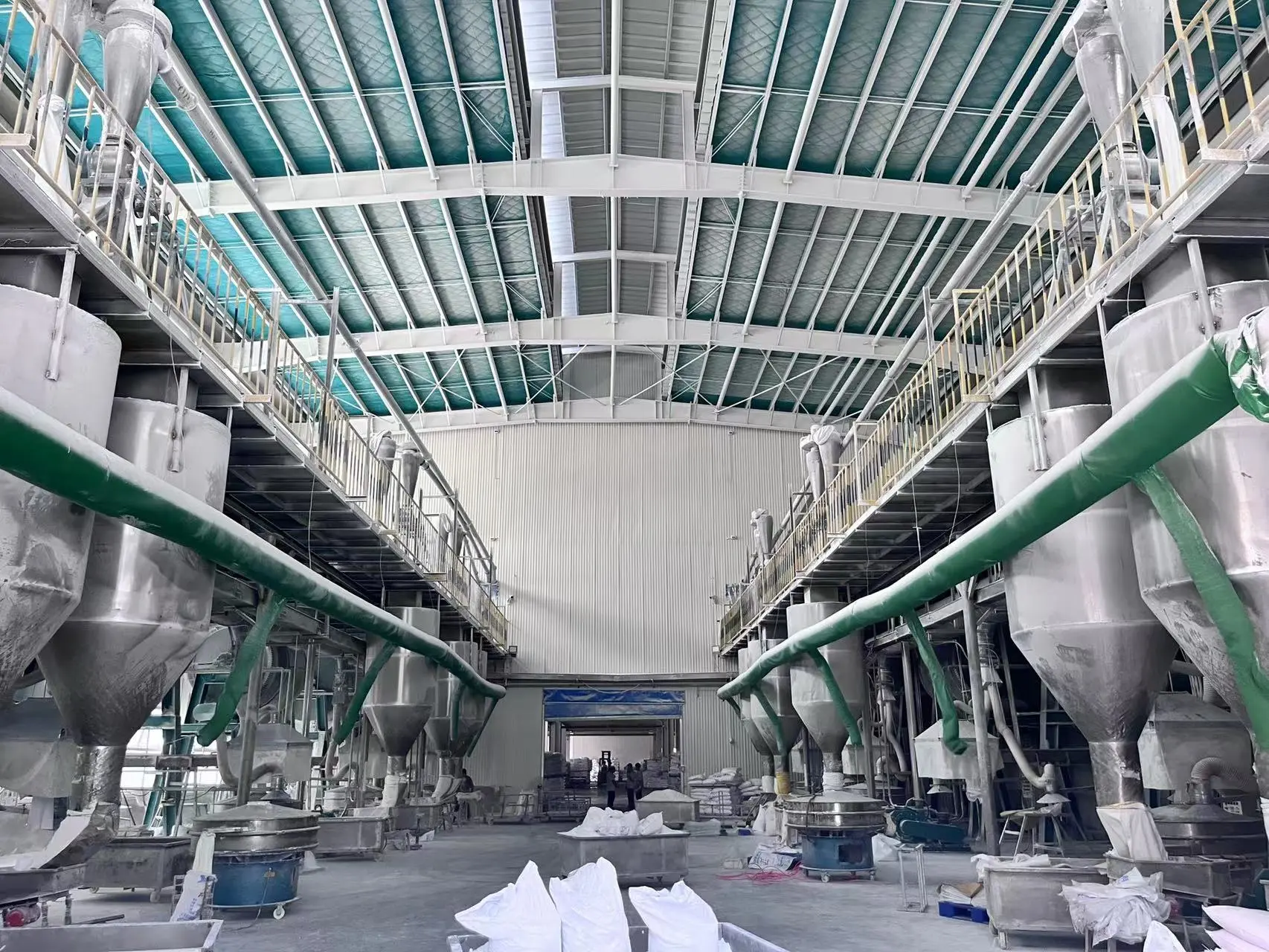
Operating a safe formaldehyde production unit requires strict process parameter stability. Our factories deploy the latest state-of-the-art Distributed Control System (DCS). The DCS continuously monitors critical indicators such as temperature thresholds, oxidation flow rates, catalyst activity levels, and gas-absorption pressures. This guarantees that operations run with minimal material loss, reducing emissions while optimizing production efficiency.
By integrating automation with mechanical instrumentation, we minimize operator exposure and guarantee the stability of our polymer chains. This technical approach allows us to control the synthesis process, preventing raw material waste and guaranteeing that the formaldehyde solutions delivered to global clients remain within the exact technical tolerances required for their respective processes.
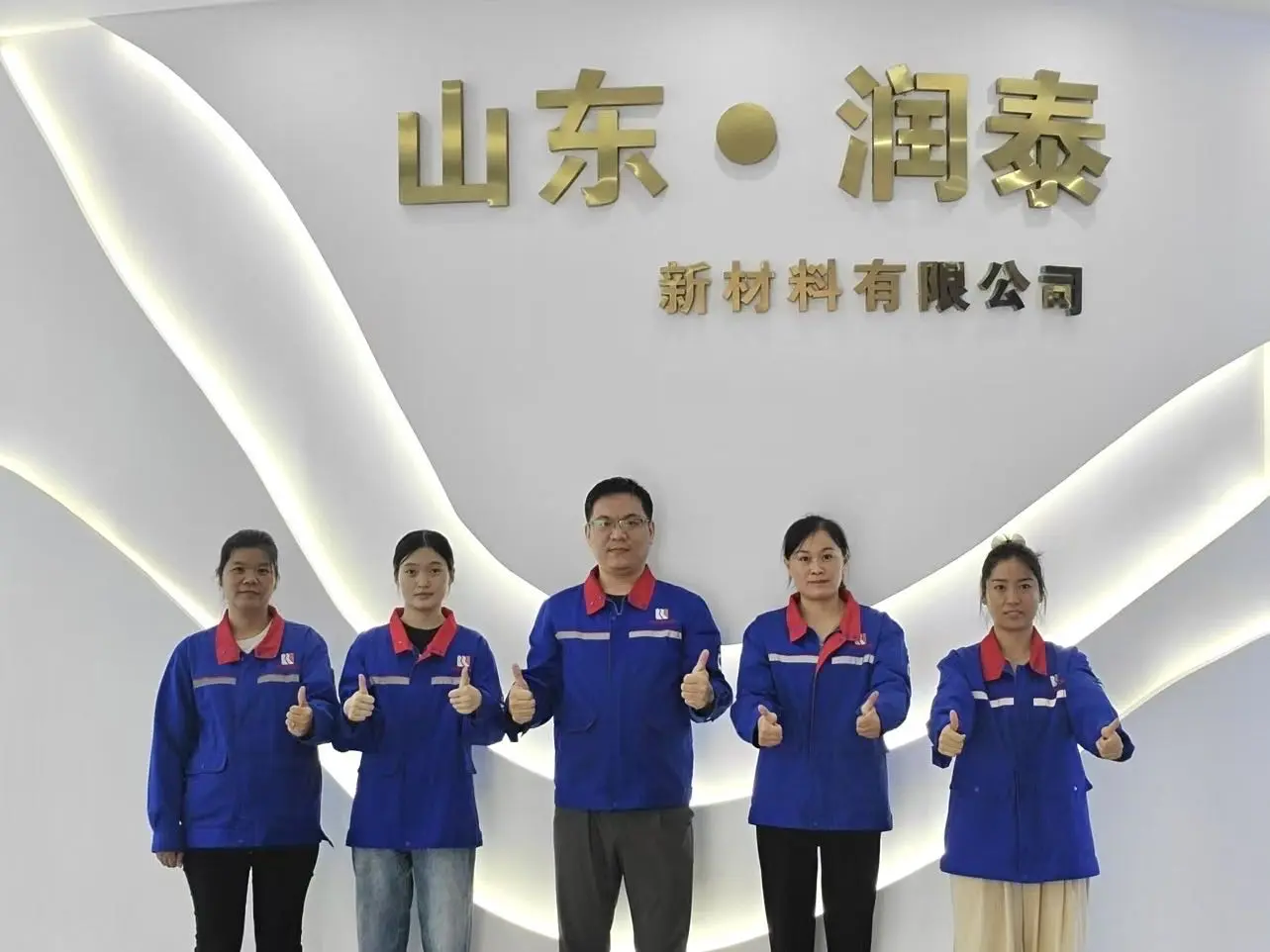
Runtai New Materials goes beyond standard bulk supply by offering customized chemical profiles. Downstream applications have varying performance criteria: adhesive compounding requires specific viscosity limits, while composite wood manufacturing demands low formaldehyde emissions.
Our in-house analytical laboratories adjust variables such as concentration, stabilization additives, polymer chain length, and pH levels to design target formulations. From heavy-duty industrial resins to water-based formulations, our customized solutions are developed to match the regulatory and process demands of our international partners.
Adapting physical properties and environmental thresholds to localized consumer protection laws.
Adhering to a "Formaldehyde Safe" framework requires strict alignment with localized safety and environmental regulations. Downstream manufacturers in the European Union and North America must comply with strict emission limits, such as the European Chemicals Agency (ECHA) REACH regulations, the US Environmental Protection Agency's TSCA Title VI, and California's CARB (California Air Resources Board) Phase 2 requirements. A certified factory must provide the testing documentation and trace monitoring required to verify compliance.
Runtai's manufacturing systems utilize advanced oxidation techniques and specialized scavenger integrations. By utilizing state-of-the-art stabilizers, we supply Paraformaldehyde and Urea Formaldehyde resins with low free-aldehyde release profiles. Our systems ensure that imported raw materials do not cause off-gassing issues during downstream processing.
Full compliance with REACH, TSCA Title VI, and CARB Phase 2. We provide complete analysis reports for every production batch.
Direct rail links, local port proximity, and a robust raw material supply chain ensure consistent shipping schedules.
Collaboration with the Changzhou Research Institute of Beijing University of Chemical Technology allows us to develop customized formulas.
Our localization support extends to chemical stability during transit. Formaldehyde solutions can undergo polymerization if exposed to low temperatures during ocean freight. By adjusting stabilizer ratios to match the thermal profile of specific shipping routes, our engineering teams ensure the product arrives at your facility with its specified concentration and properties intact.
Shandong Runtai New Materials Co., Ltd. operates with a strong commitment to environmental sustainability. By optimizing our thermal reclamation loops, steam generated during formaldehyde synthesis is captured and redirected to power our melamine evaporation facilities. This process configuration lowers our energy consumption per ton produced.
We run comprehensive biological and chemical wastewater treatment facilities on-site to ensure zero direct process discharge. By maintaining compliance with all provincial and national environmental directives, Runtai secures its position as a reliable, long-term chemical manufacturer for global brands auditing their upstream supply chain carbon footprints.

Discover how our technical capabilities and operational scale benefit your production pipeline.
With on-site production of formaldehyde, melamine, and urea resins, we cover the full value chain. This integration insulates partners from price fluctuations in raw materials.
Our processes run on advanced DCS architectures that minimize variation between batches, ensuring reliable performance in automated production environments.
Partnering with the Changzhou Research Institute of Beijing University of Chemical Technology, our doctoral research team continuously develops new low-emission chemical formulations.
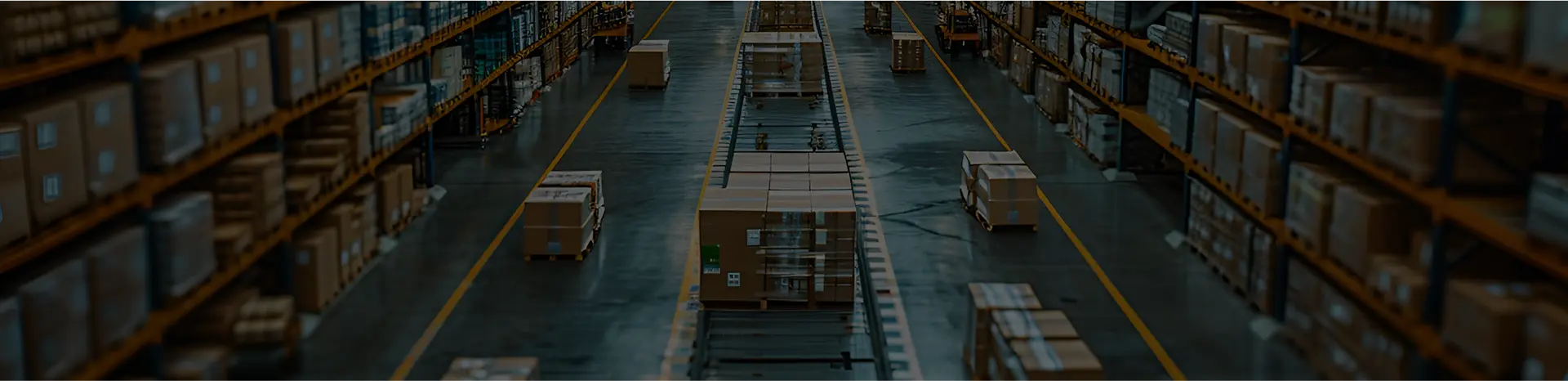
Formaldehyde acts as a basic building block for a wide range of industrial chemistry. By processing raw formaldehyde directly into downstream products, Runtai maintains control over quality and cost.
Our vertical integration includes:
Shandong Runtai New Materials Co., Ltd. was established in March 2020 as a comprehensive group company specializing in high-performance chemicals. Headquartered in Zaozhuang City, Shandong Province, the company covers a total area of 270,000 square meters. Backed by a total investment of 2.06 billion yuan, we have scaled our production to serve demanding global industries.
Our modern plant utilizes automated production equipment and strict quality inspection protocols to ensure all materials comply with international specifications. Runtai partners with global distributors, manufacturing plants, and supply networks to provide reliable chemical solutions that keep pace with changing market dynamics.
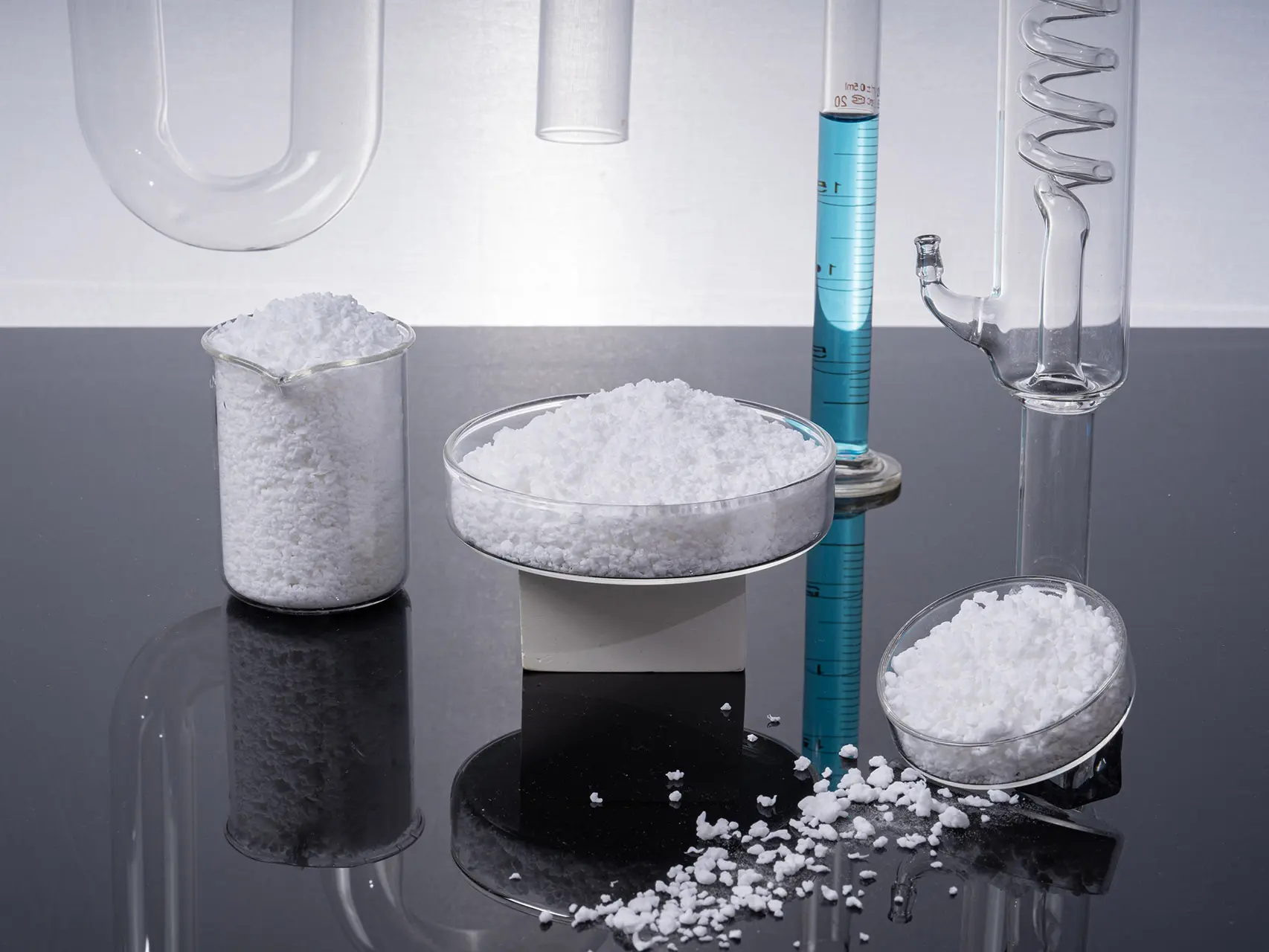
Exploring how low-emission formaldehyde derivatives serve modern industries.
The demand for "Formaldehyde Safe" raw materials spans multiple industries:
To support these changes, Runtai's R&D teams continue to refine polymerization controls. By tracking the distribution of polymer chain lengths, we supply adhesives and resins with lower residual free-monomer concentrations, helping clients achieve superior performance and lower VOC ratings in their finished goods.
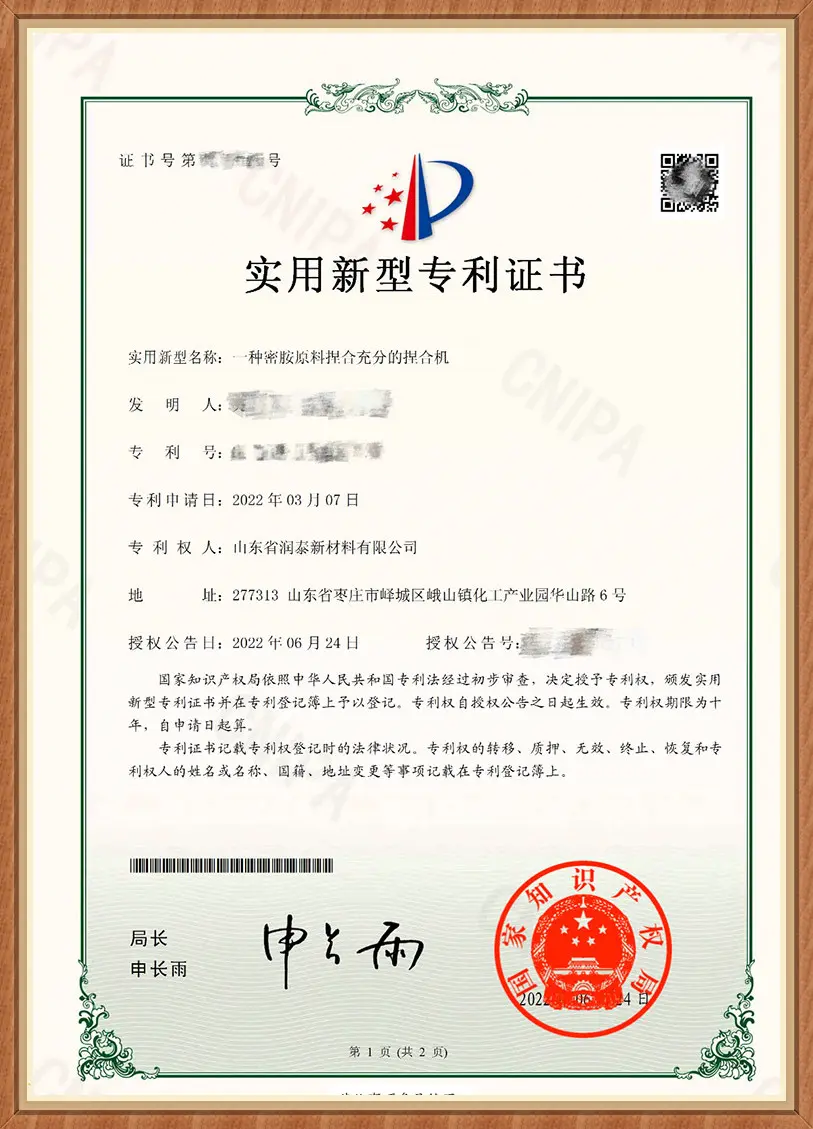
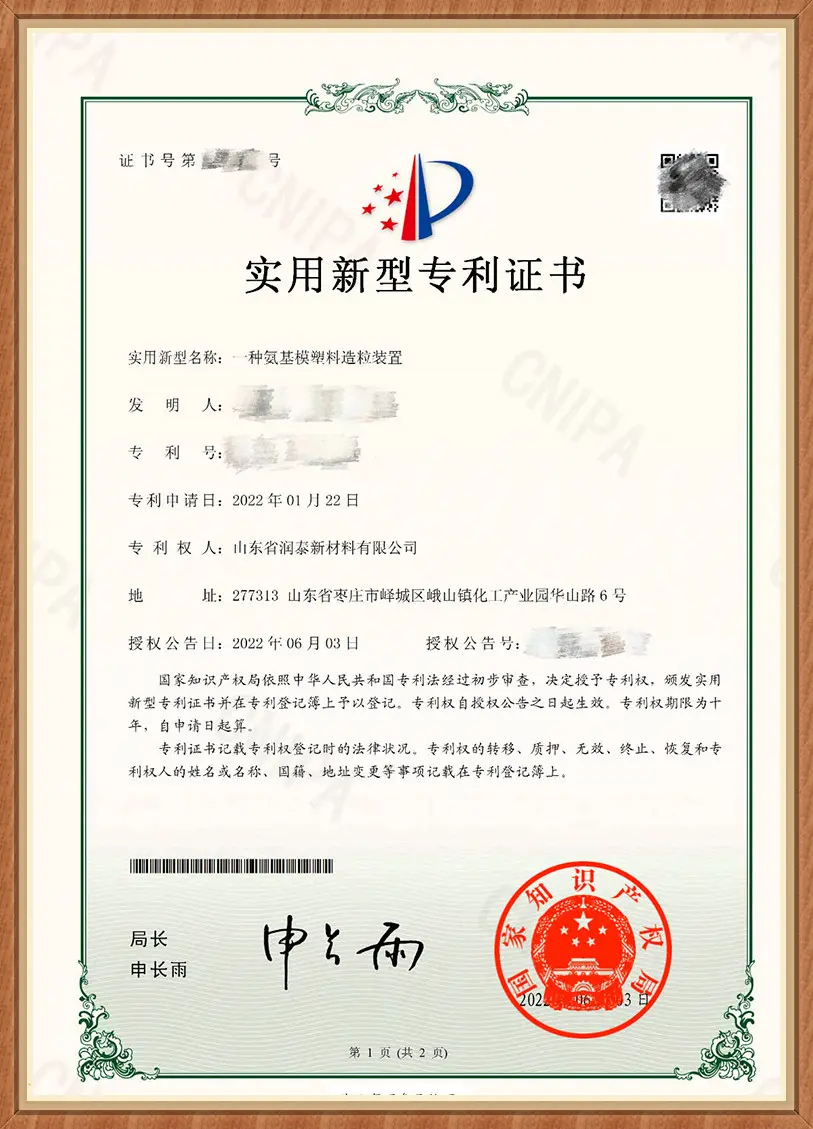
A selection of our quality assurance documents, production patents, and compliance certifications.
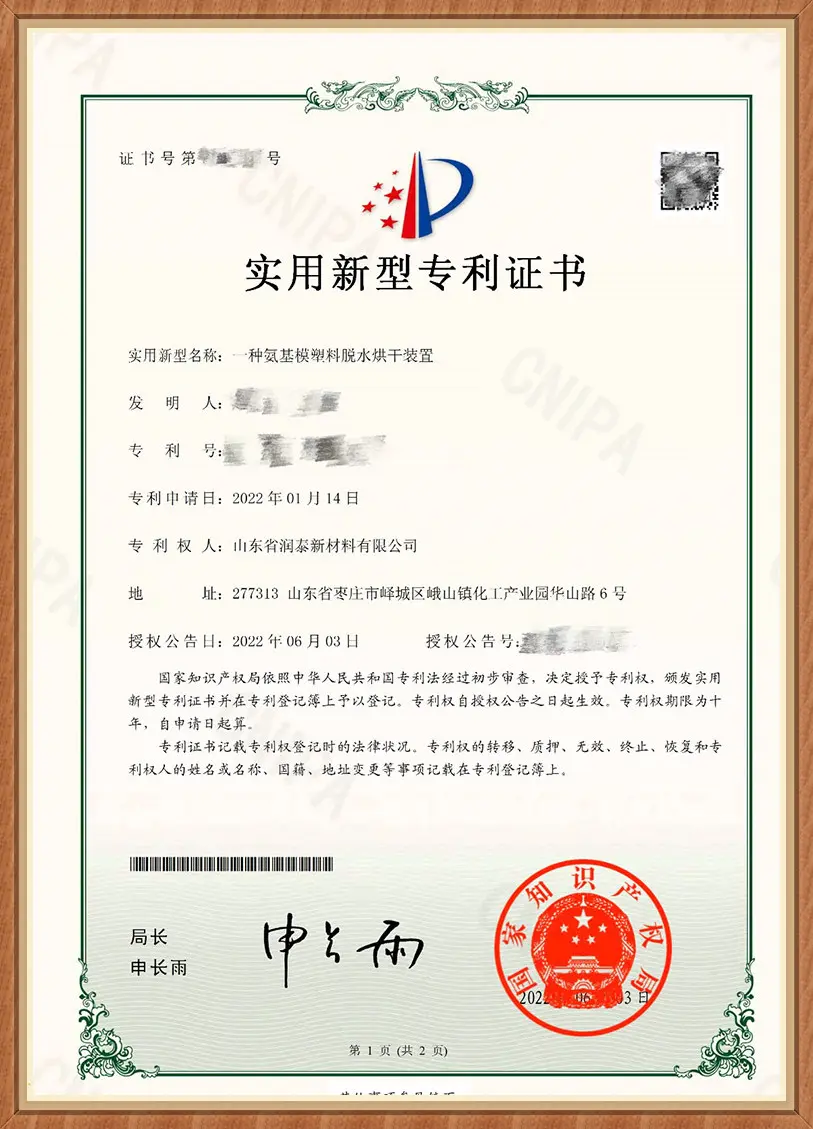
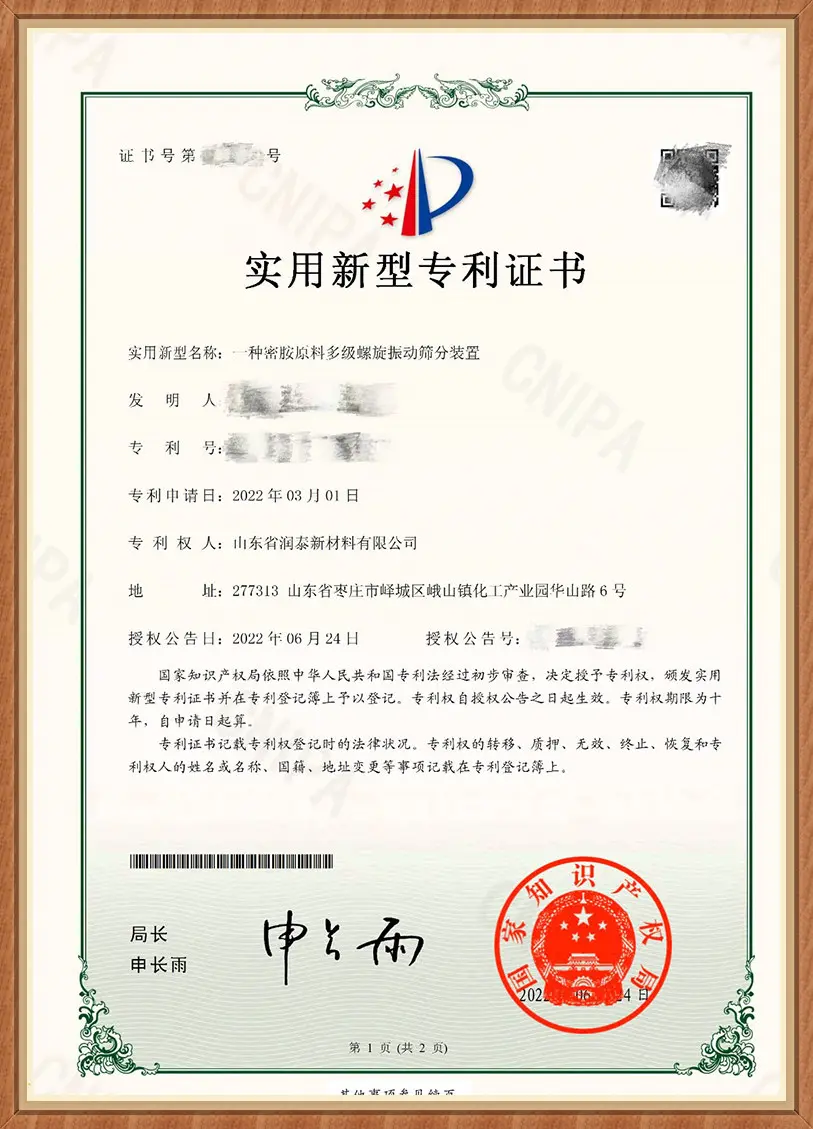
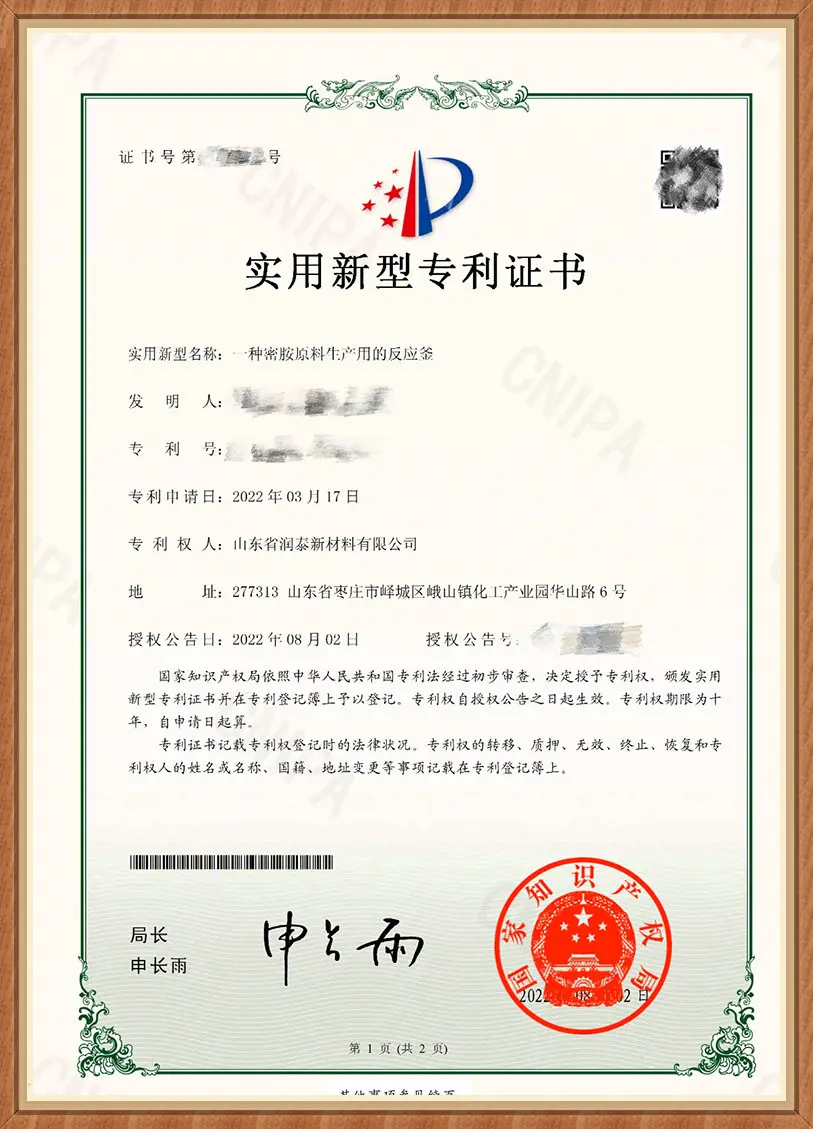
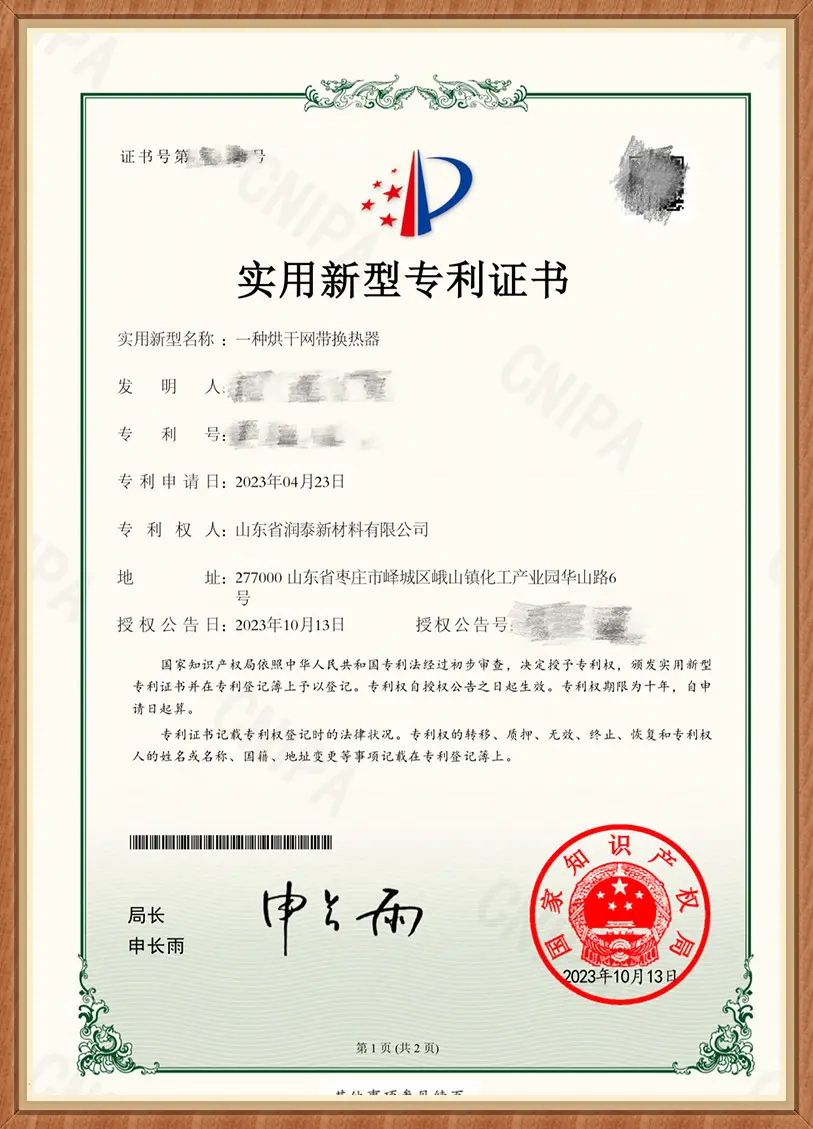
Technical guidance and purchasing answers from our engineering team.
We utilize precise molecular ratio controls and low-ratio formulation systems. We also integrate specialized scavengers that lock free formaldehyde into stable polymer chains, helping wood panel manufacturers achieve emission rates well below CARB Phase 2 and TSCA Title VI limits.
Formaldehyde solutions are sensitive to temperature drops, which can lead to polymerization. To address this, we adjust stabilizer chemistry to match the expected temperature profile of specific transit routes, ensuring your shipment arrives stable and ready for use.
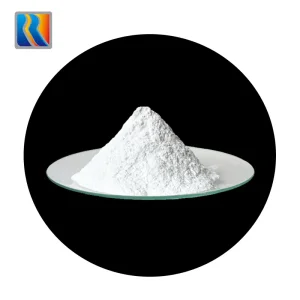
Paraformaldehyde is a solid polymer that offers a high active concentration with less water content, making it ideal for organic synthesis, pharmaceutical manufacturing, and powder coatings. Liquid formaldehyde solutions are more commonly selected for large-scale industrial wood adhesives and chemical processing.
Yes. Supported by our R&D team and our partnership with the Beijing University of Chemical Technology, we can formulate custom resins and additive blends. We provide analytical profiles and pilot-scale samples for pre-shipment testing.
We use advanced catalytic converters and thermal oxidation units to scrub process off-gases. Additionally, our wastewater treatment facility processes all liquid effluent, ensuring compliance with local and international environmental regulations.
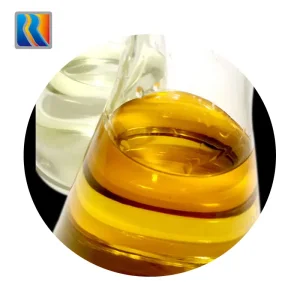
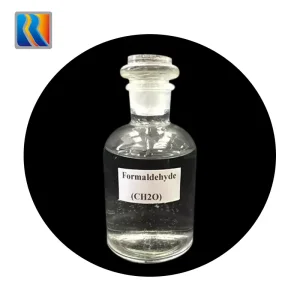
A secondary selection of specialized compounds designed for precise manufacturing applications.
 Runtai