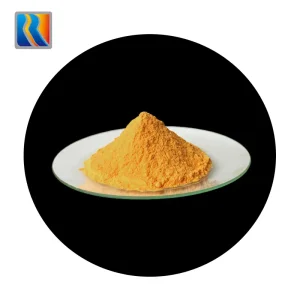
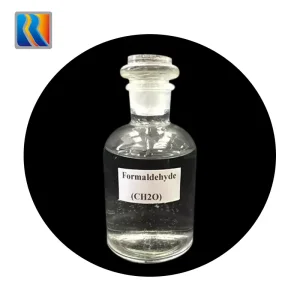
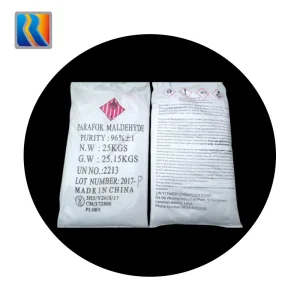
Discover our comprehensive range of high-performance chemical materials, resins, and functional additives manufactured to international standards.
Understanding the central role of Emulsifier 471 (Distilled Monoglycerides - DMG) in global food technology and industrial chemical synthesis.
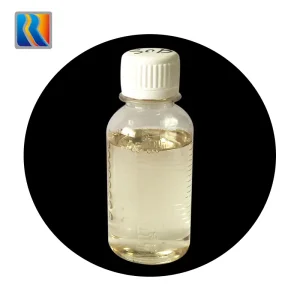
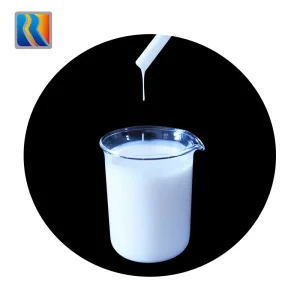
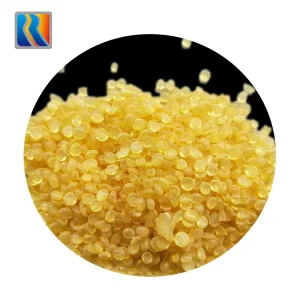
Emulsifier 471 (E471), commonly recognized as Distilled Monoglycerides (DMG), acts as a cornerstone surfactant across a multitude of manufacturing sectors. Composed primarily of monoglycerides and diglycerides of fatty acids, it is an amphiphilic molecule designed to reduce interfacial tension between immiscible phases—such as water and oil. In the global industrial landscape, the efficiency of E471 is dictated by its high monoester content (typically above 90%), which guarantees optimal emulsifying, dispersing, foaming, and stabilizing properties.
From bread volume optimization to polymer lubrication, the choice of the correct emulsifier grade impacts the crystal structure of lipids, retrogradation of starches, and the overall longevity of food products. China's chemical factories, incorporating state-of-the-art molecular distillation technologies, have scaled production to meet this critical demand with unparalleled purity levels and consistent fatty acid profiles.
Analyzing current production trends, value-chain dynamics, and international distribution strategies.
Modern factories in China, including our advanced manufacturing installations, leverage backward integration of key chemical precursors. This secure supply chain guarantees stable raw material sourcing, hedging against global market fluctuations and ensuring price competitiveness.
With operational corridors stretching across the United States, Thailand, Kenya, Egypt, and beyond, products are optimized to sustain long-distance logistics, retaining their chemical activity, shelf stability, and physical consistency under varied storage conditions.
To satisfy the high-scrutiny requirements of international regulators, our supply pipelines conform to crucial certifications (including ISO9001, Halal, Kosher, and FDA guidelines), making certain that all synthesized agents meet food-safety and industrial safety thresholds.
Providing technical solutions tailored for specific regional standards and performance demands.
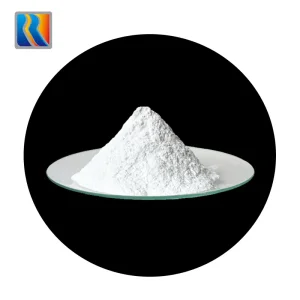
Different application environments demand specific emulsifier behavior. For instance, the melting point, iodine value, and particle size distribution (flakes, powder, or beads) of Emulsifier 471 must be adjusted depending on whether it is used in ice cream stabilization, margarine aeration, or plastic lubrication.
Shandong Runtai New Materials Co., Ltd. provides dedicated technical support that works side-by-side with your product development teams. By applying advanced molecular engineering, we assist in adjusting formulation parameters to optimize the HLB (Hydrophilic-Lipophilic Balance) value, ensuring seamless integration into your existing systems without disrupting your established processing configurations.
Our localized support structure guarantees rapid analysis of regional raw materials (e.g., matching the local fat type or starch type in food applications) to eliminate separation, synaeresis, or phase inversion issues under real-world factory environments.
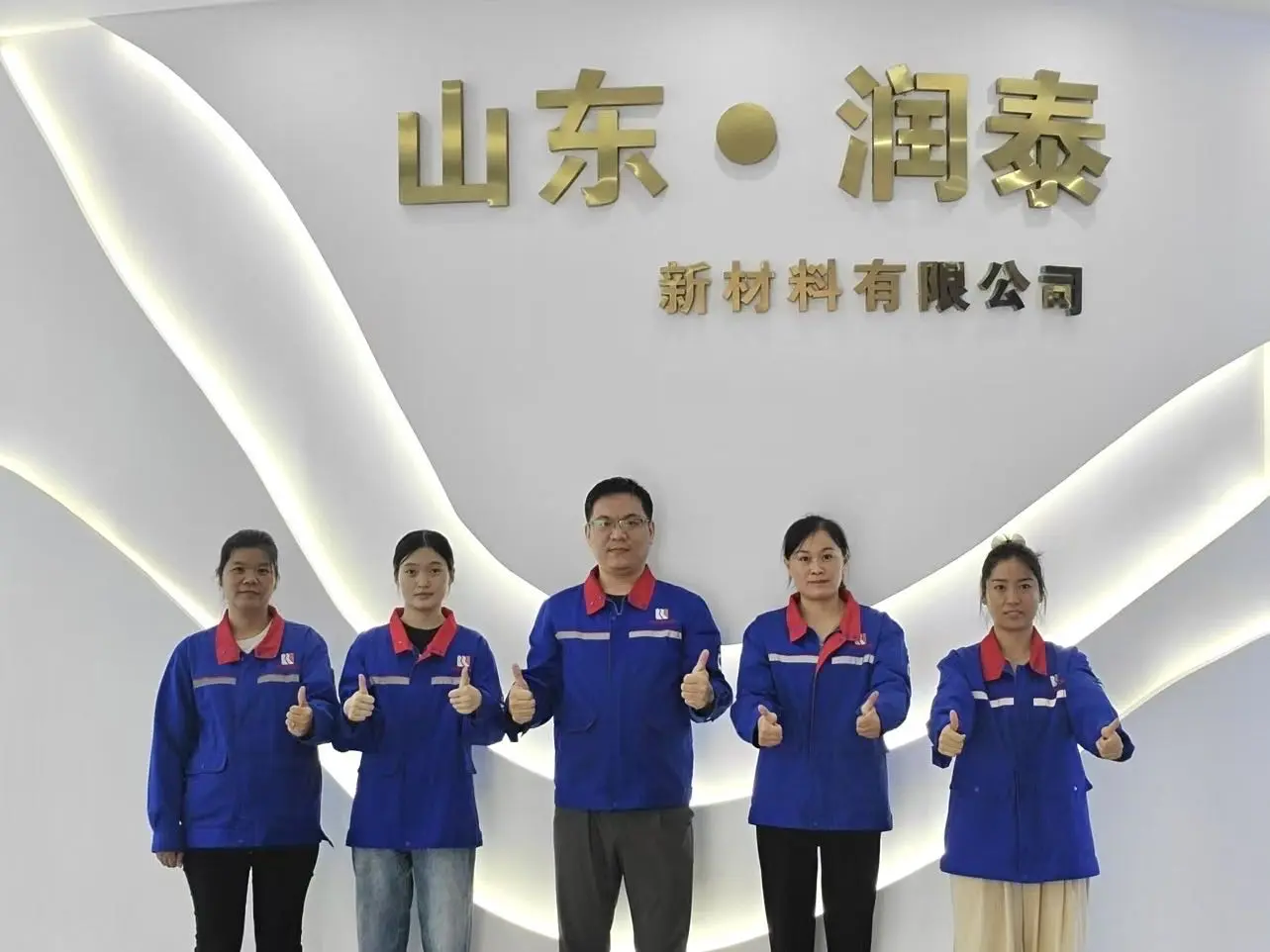
Shandong Runtai New Materials Co., Ltd. - A leader in comprehensive fine chemical production.
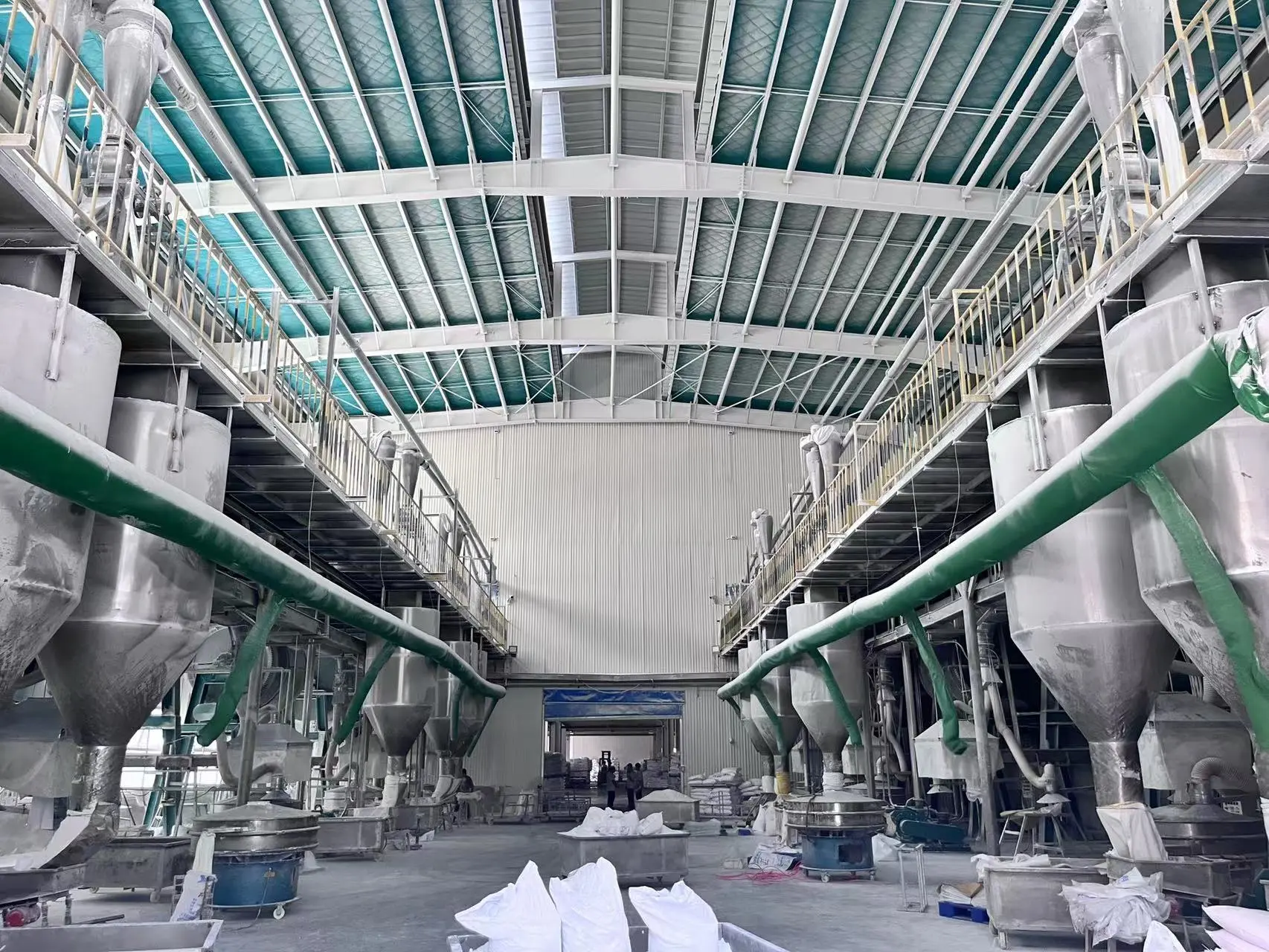
Founded in March 2020, Shandong Runtai New Materials Co., Ltd. is a comprehensive group firm that specializes in fine chemical products. Our primary products include formaldehyde, polyformaldehyde, urea formaldehyde resin, melamine powder and melamine glazing powder. The corporation has branches in five different cities throughout the whole country, with its headquarters located in Zaozhuang City, Shandong Province. Runtai New Materials covers an area of 270,000 square meters with a total investment of 2.06 billion yuan.
Our infrastructure includes advanced production lines managed by state-of-the-art Distributed Control Systems (DCS), ensuring strict control over process parameters across the entire production line. This high level of automation guarantees robust product quality, equipment safety, and reduced raw material consumption, yielding a sustainable operational profile.
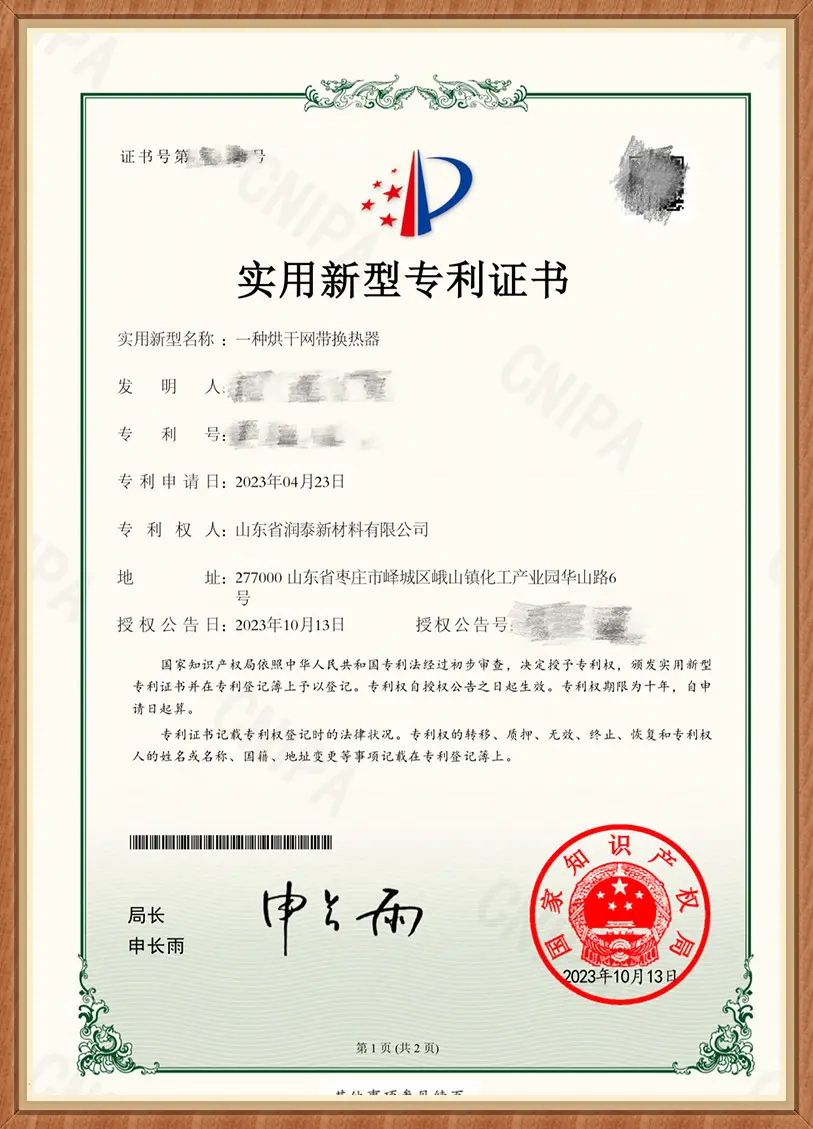
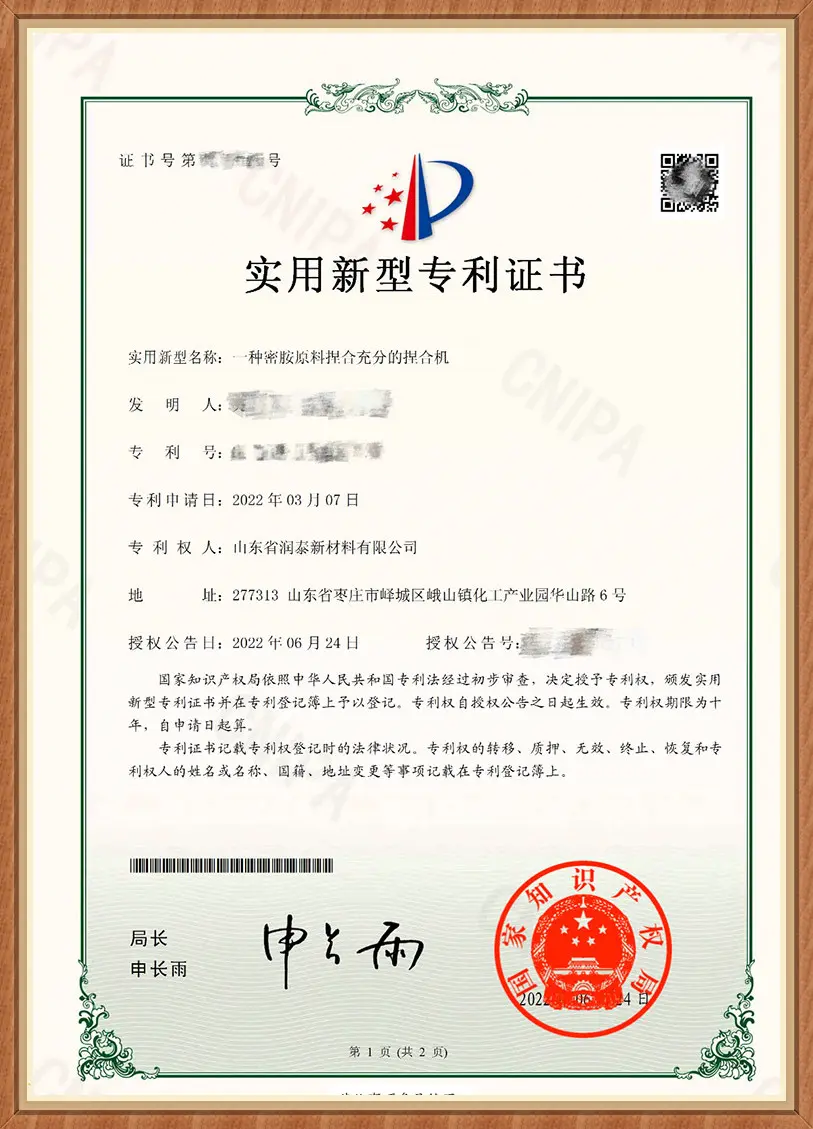
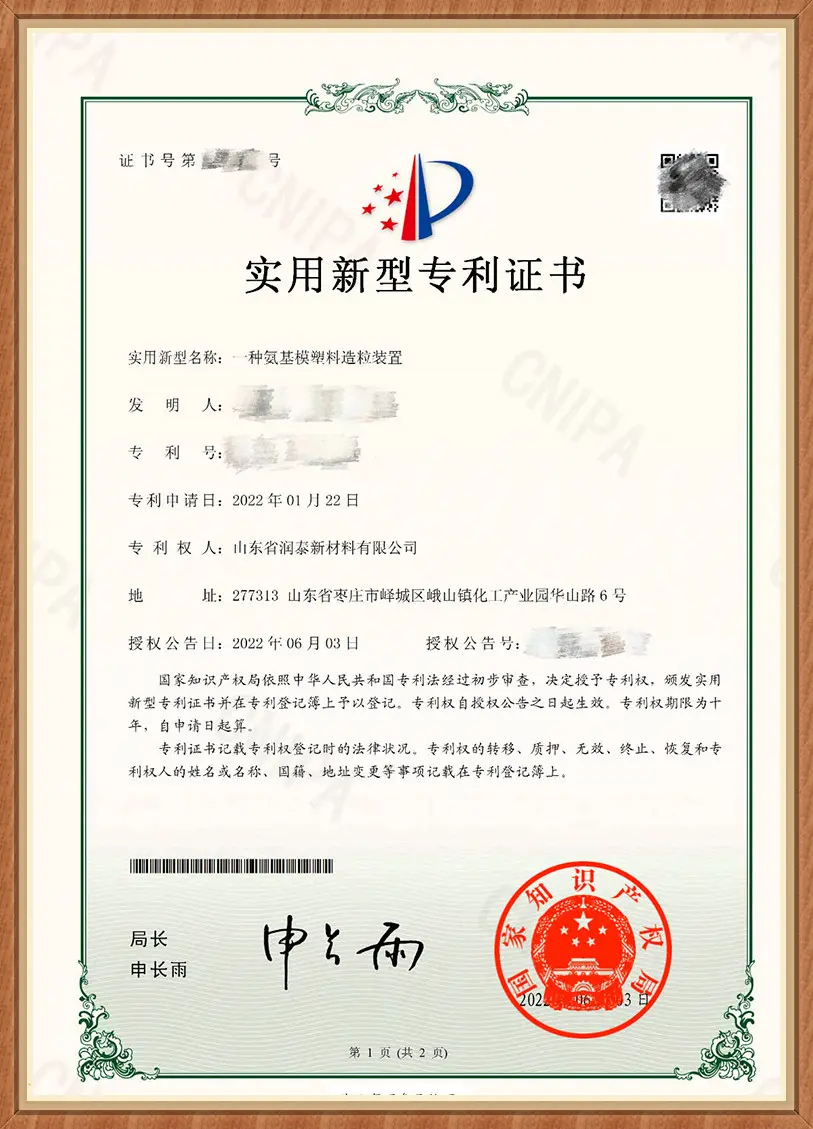
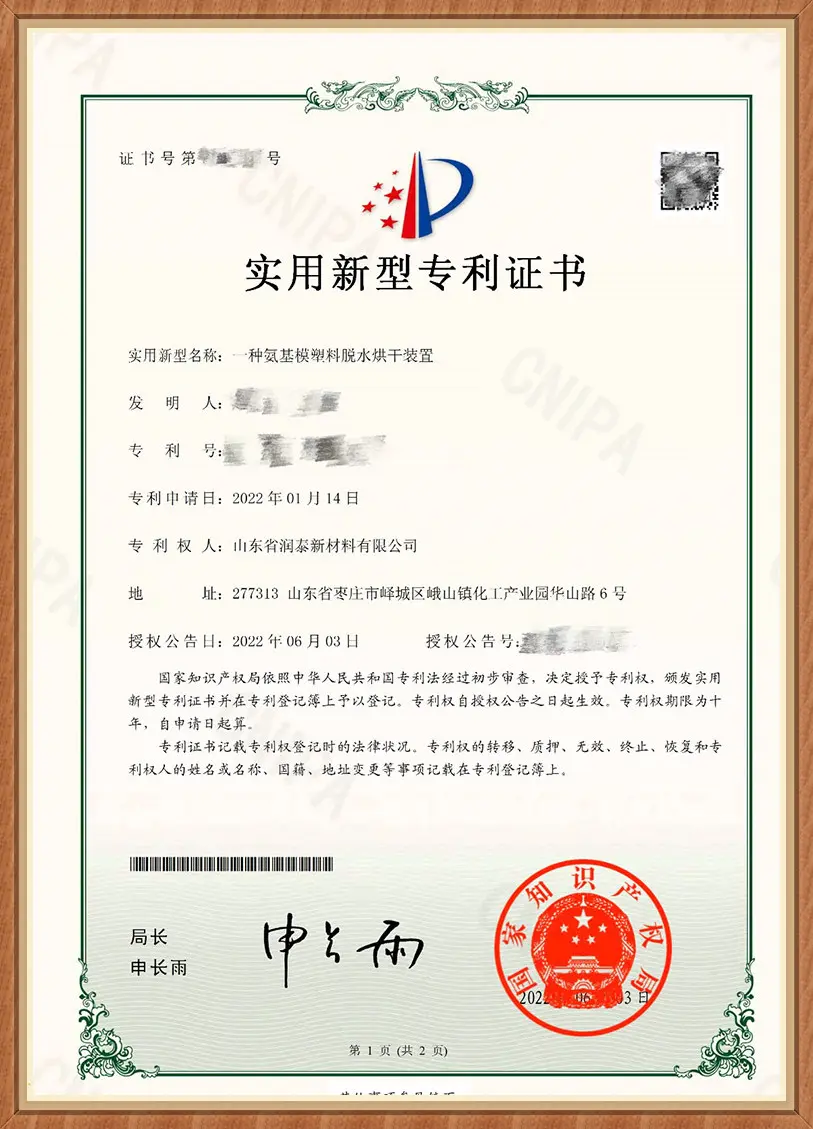
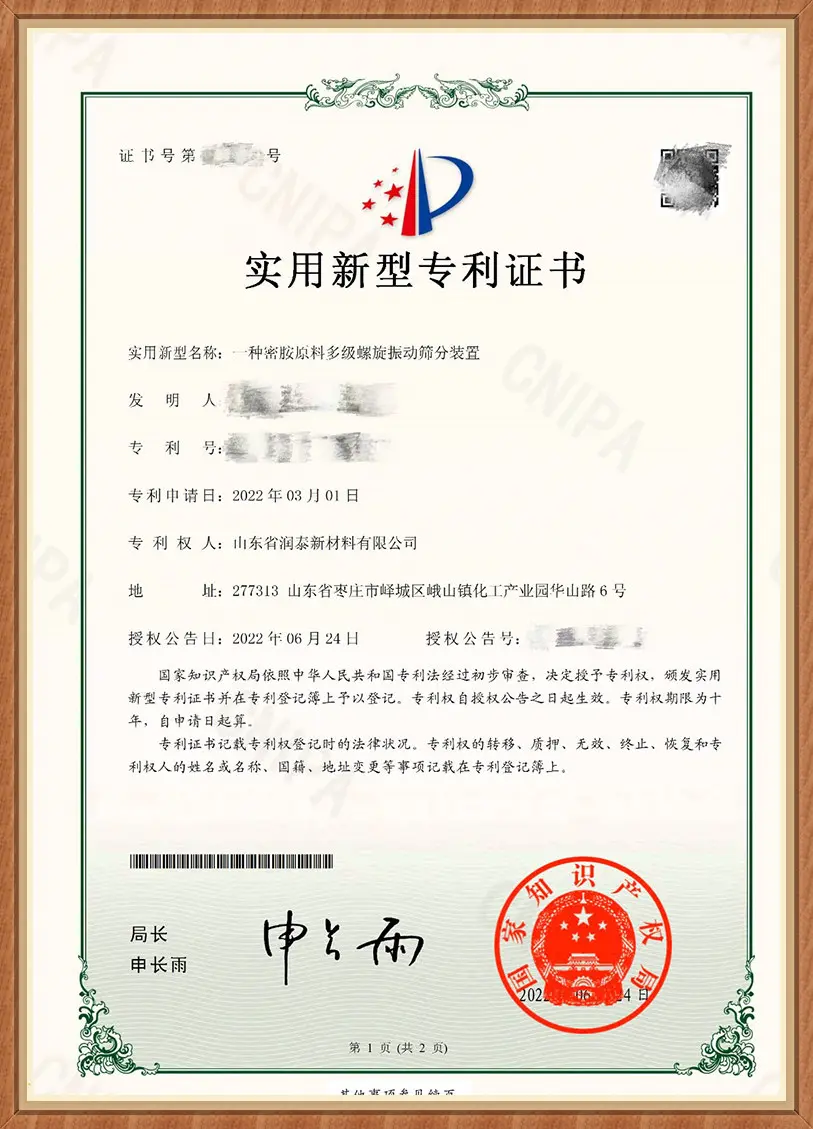
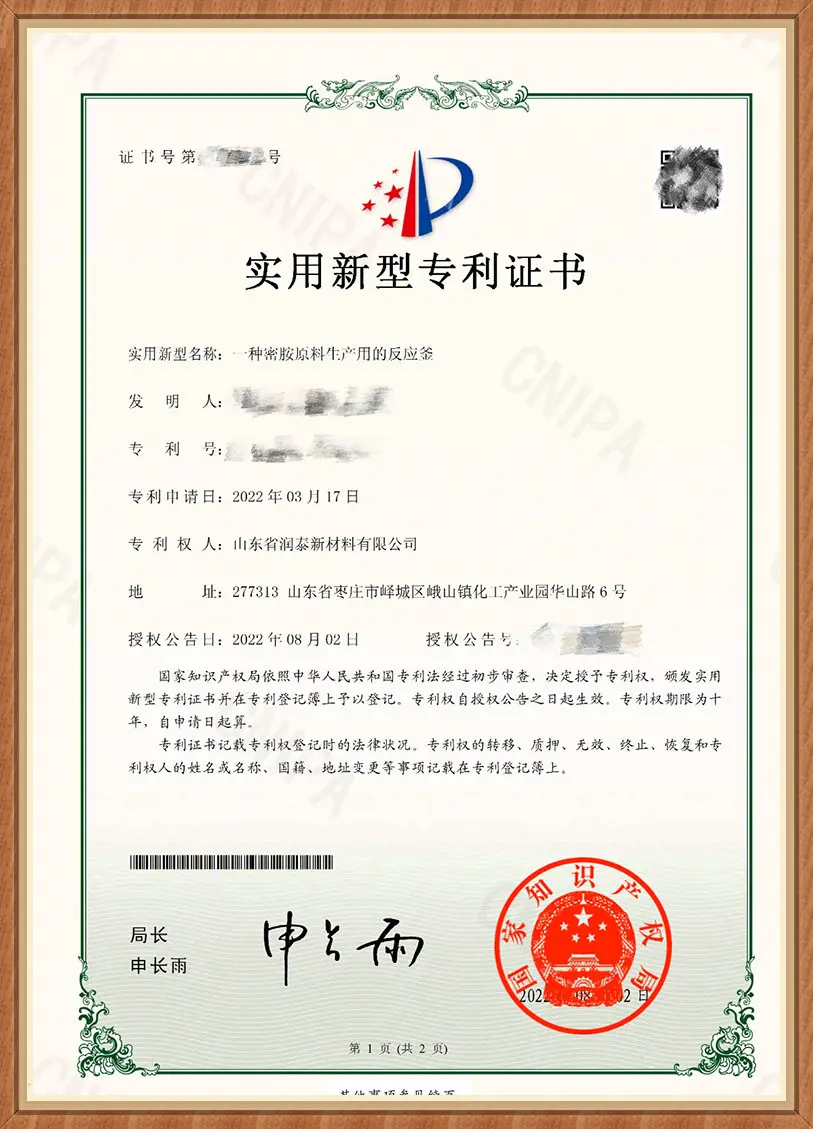
By collaborating with top scientific research institutions, including the Changzhou Research Institute of Beijing University of Chemical Technology, our company supports continuous development in product formulation and polymer science, securing several patented technologies that drive market innovation.

Deploying advanced emulsification across diverse industrial markets.
Optimizing overrun in whipped systems, preventing starch retrogradation in baked goods, and ensuring uniform fat dispersion in dairy products to improve mouthfeel and shelf life.
Serving as an internal lubricant, anti-static agent, and anti-fogging additive in polyolefin (PE/PP) film production, enhancing surface finish and processing efficiency.
Providing stable oil-in-water (O/W) emulsions for creams, lotions, and ointments, facilitating consistent dermal absorption and tactile refinement.
Aligning with green chemistry, sustainability, and next-generation chemical technologies.

The global fine chemical industry is transitioning rapidly toward carbon-neutral paradigms. As a forward-thinking enterprise, Shandong Runtai New Materials Co., Ltd. actively researches the synthesis of bio-based surfactants and emulsifiers. By incorporating renewable fatty acid feedstocks derived from certified sustainable plant oils, our development roadmap aims to lower the product carbon footprint (PCF) of our surfactants.
Simultaneously, we are upgrading our emission-control and heat-recovery installations, leveraging the thermal energy generated during formalization and synthesis processes to power our purification columns. Through these actions, we combine energy-saving policies with advanced process control (DCS) to produce chemical solutions that not only excel in performance but also meet strict international environmental protection regulations.
Expert technical answers regarding Emulsifier 471 synthesis, quality standards, and application optimization.
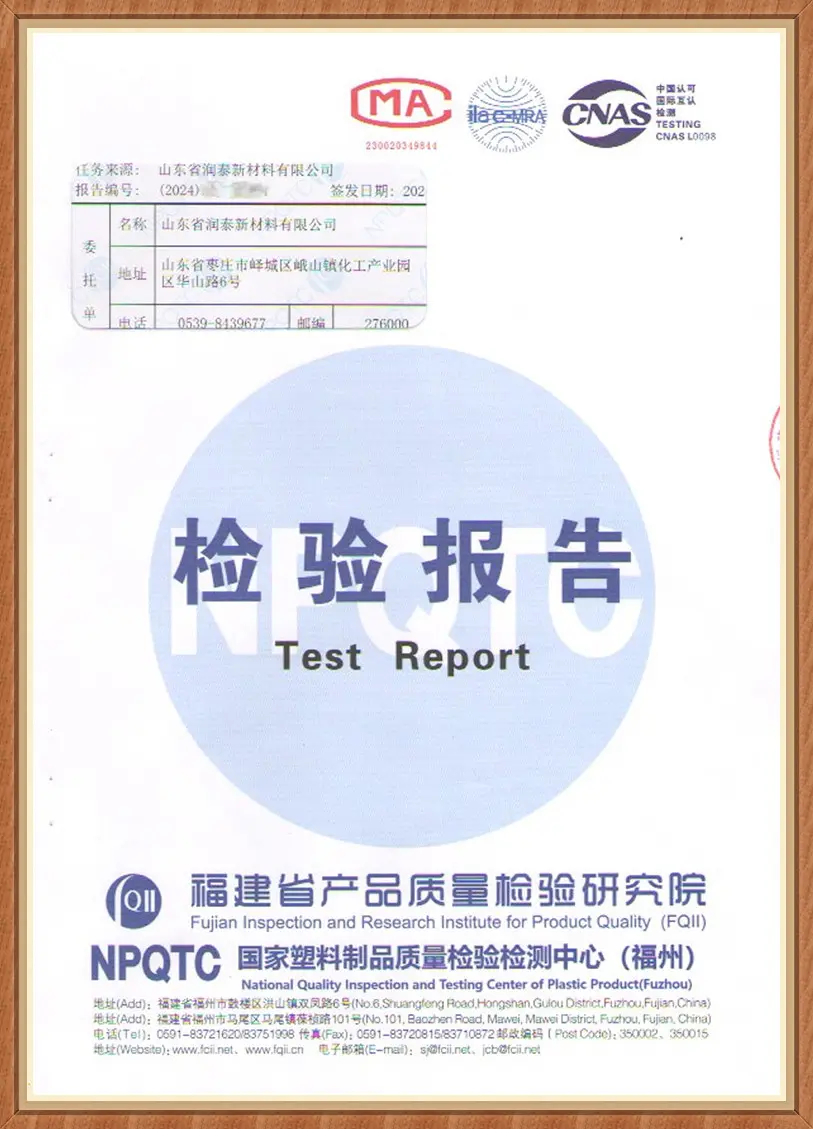
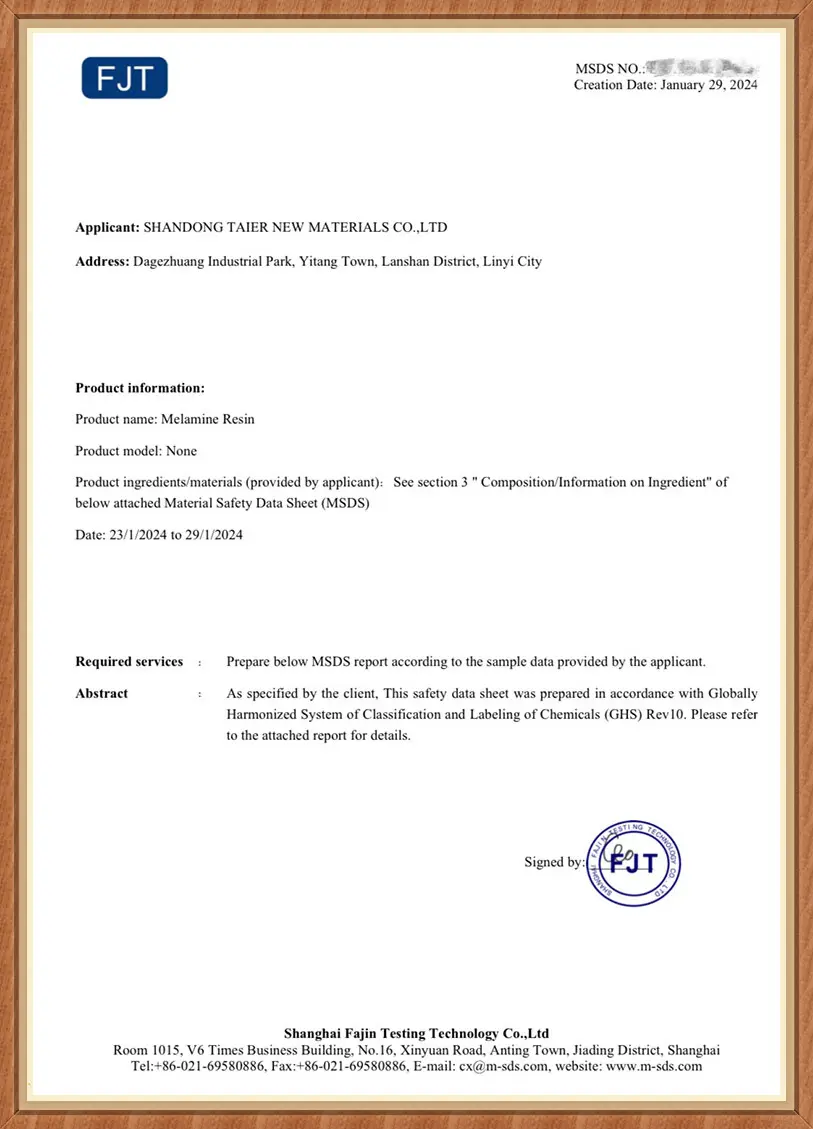
Documented proof of our adherence to international quality management and technical innovation.
Explore our industrial-grade thermosetting resins, dispersants, and coating formulations designed for heavy-duty applications.
 Runtai