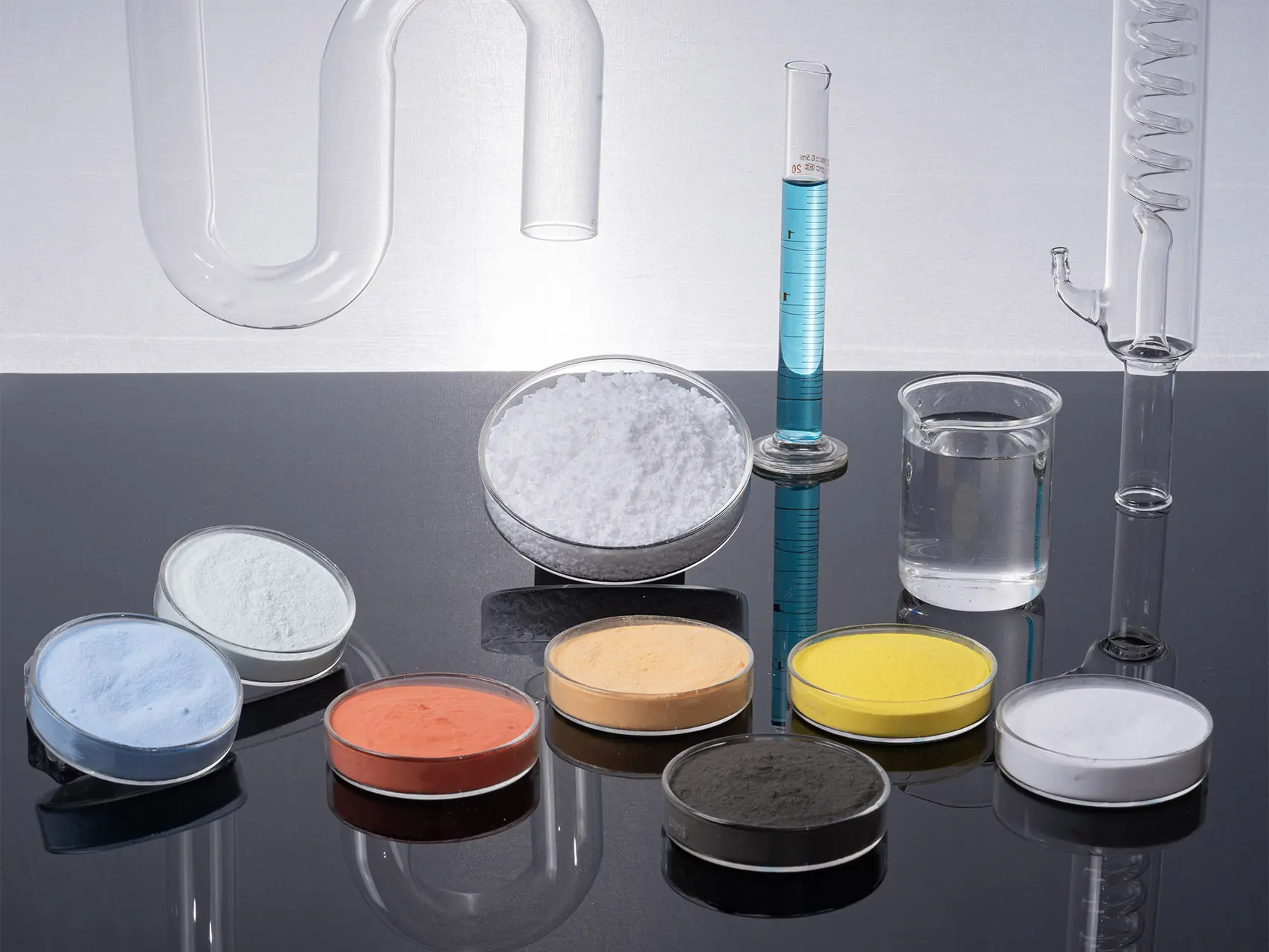
Explore our core production portfolio designed for high performance across diverse chemical formulations and compounding applications.
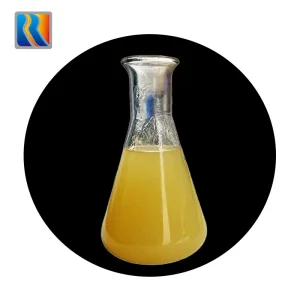
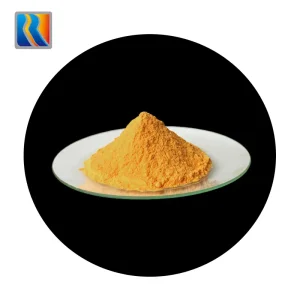
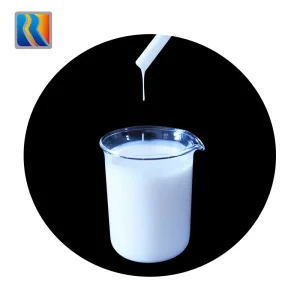
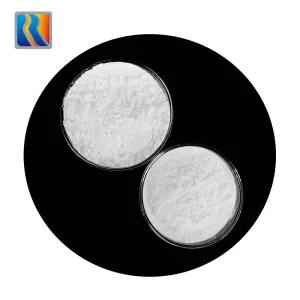
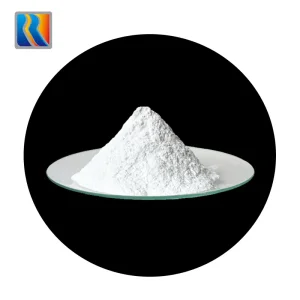
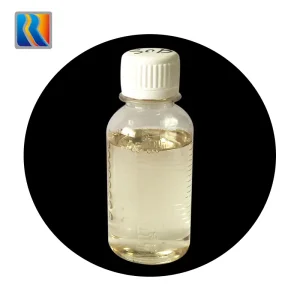
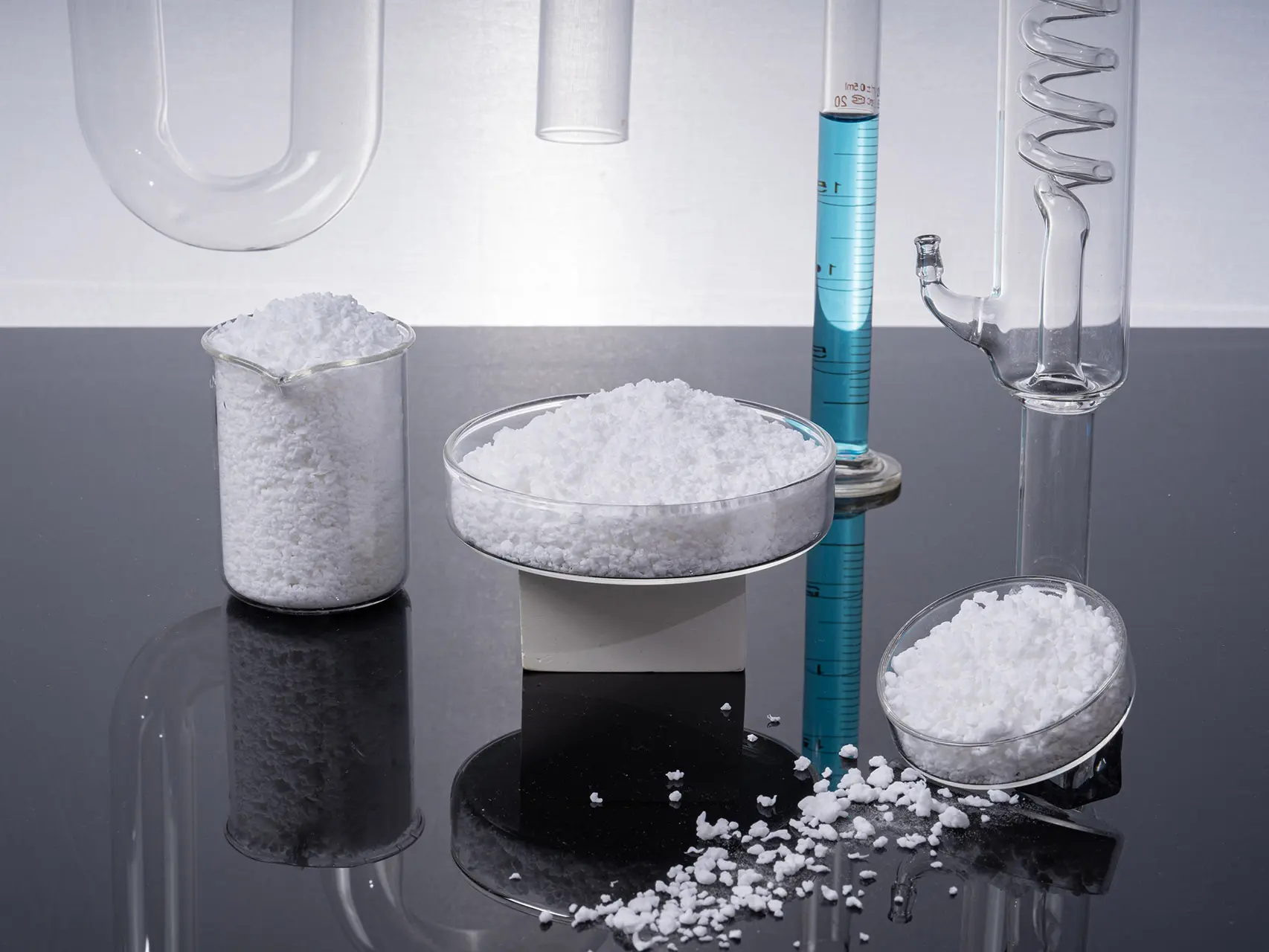
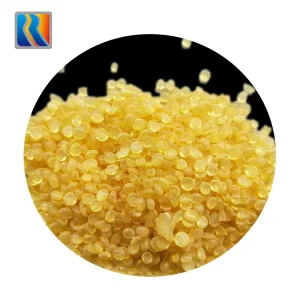
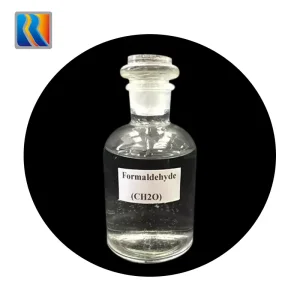
Paraformaldehyde (PFA) is a short-chain polymer of polyoxymethylene glycol, synthesized by the polymerization of formaldehyde solution. Represented chemically as HO(CH₂O)nH, where n signifies the degree of polymerization. The average molecular weight of paraformaldehyde is directly determined by the value of n, typically ranging from 8 to 100 units. Controlling this polymerization index is critical because it dictates the raw physical properties, melting range, dissolution kinetics, and industrial reactivity of the final product.
As a leading Chinese manufacturer, Runtai New Materials provides tailor-made paraformaldehyde molecular weights designed specifically to align with localized industrial processes. By controlling the polymerization chain length, we optimize the solubility rate in water, organic alcohols, and acidic/alkaline media. The molecular weight typically falls between 240 g/mol and 3,000 g/mol. This customization directly helps clients minimize cycle times and prevent unreacted residue in polymer matrices.
"Lower molecular weight polymers dissolve rapidly in mild reaction temperatures, serving agricultural syntheses. Higher molecular weight options exhibit superior thermal stability, making them the preferred raw material for advanced thermosetting resins."
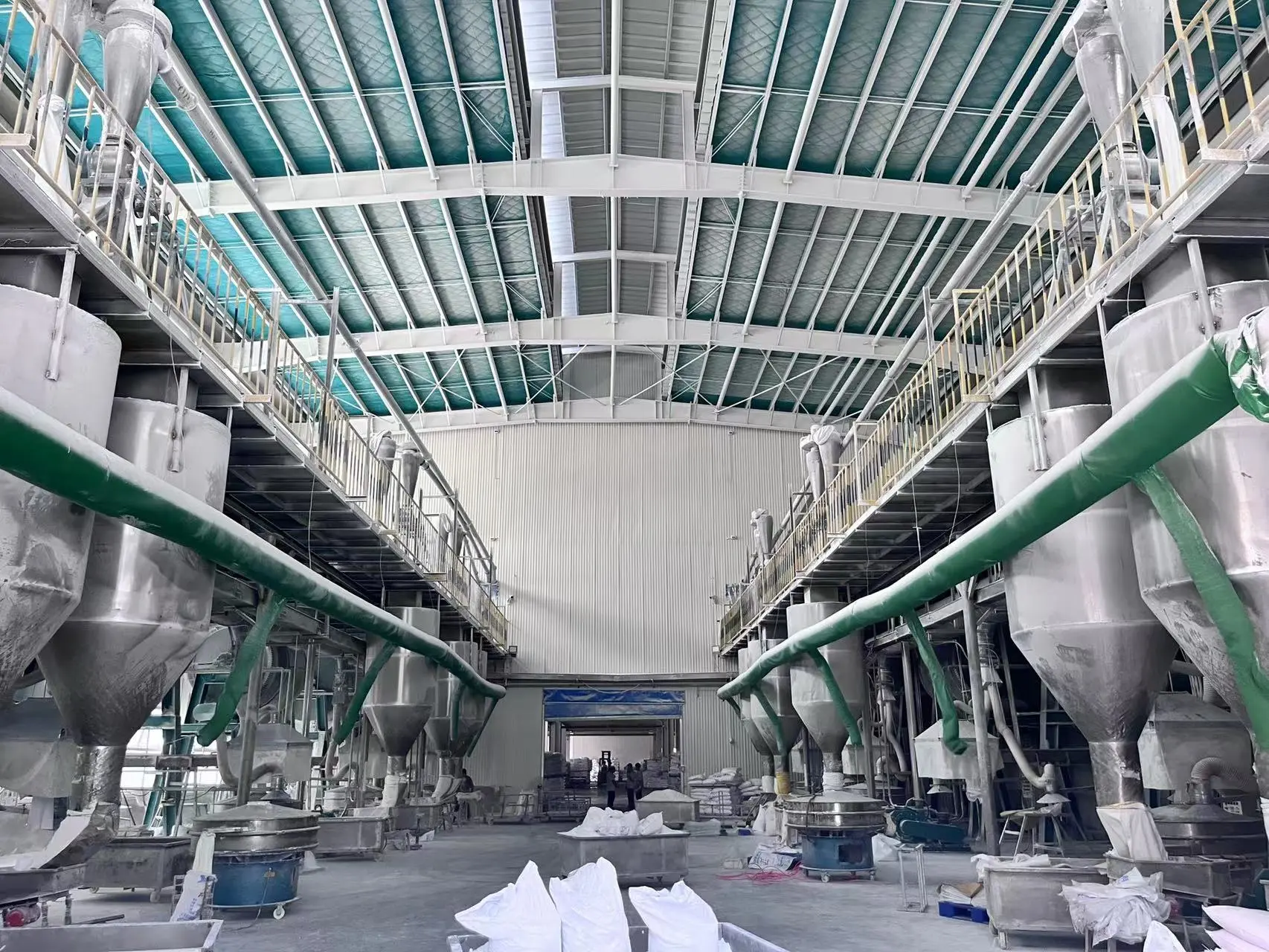
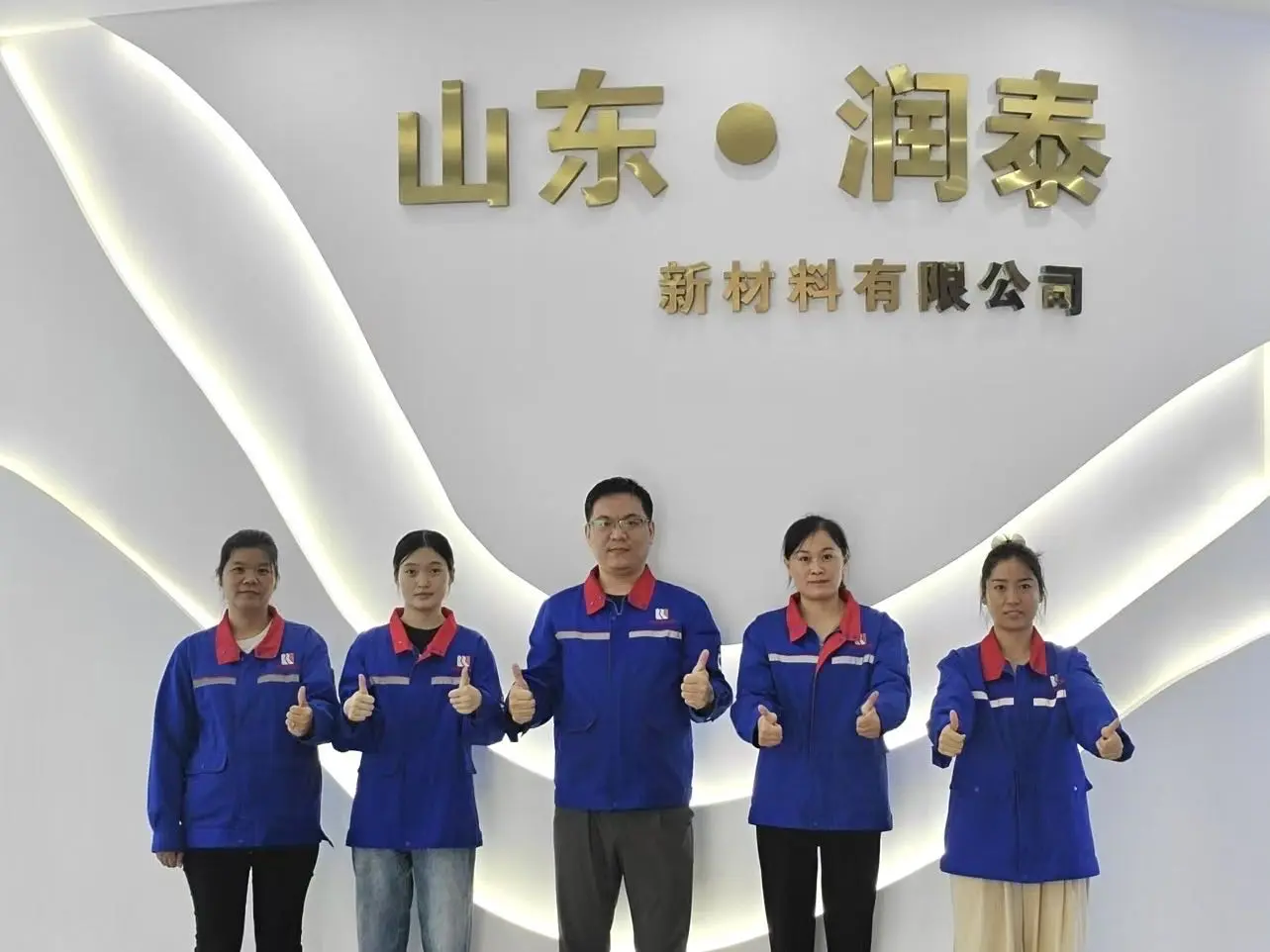
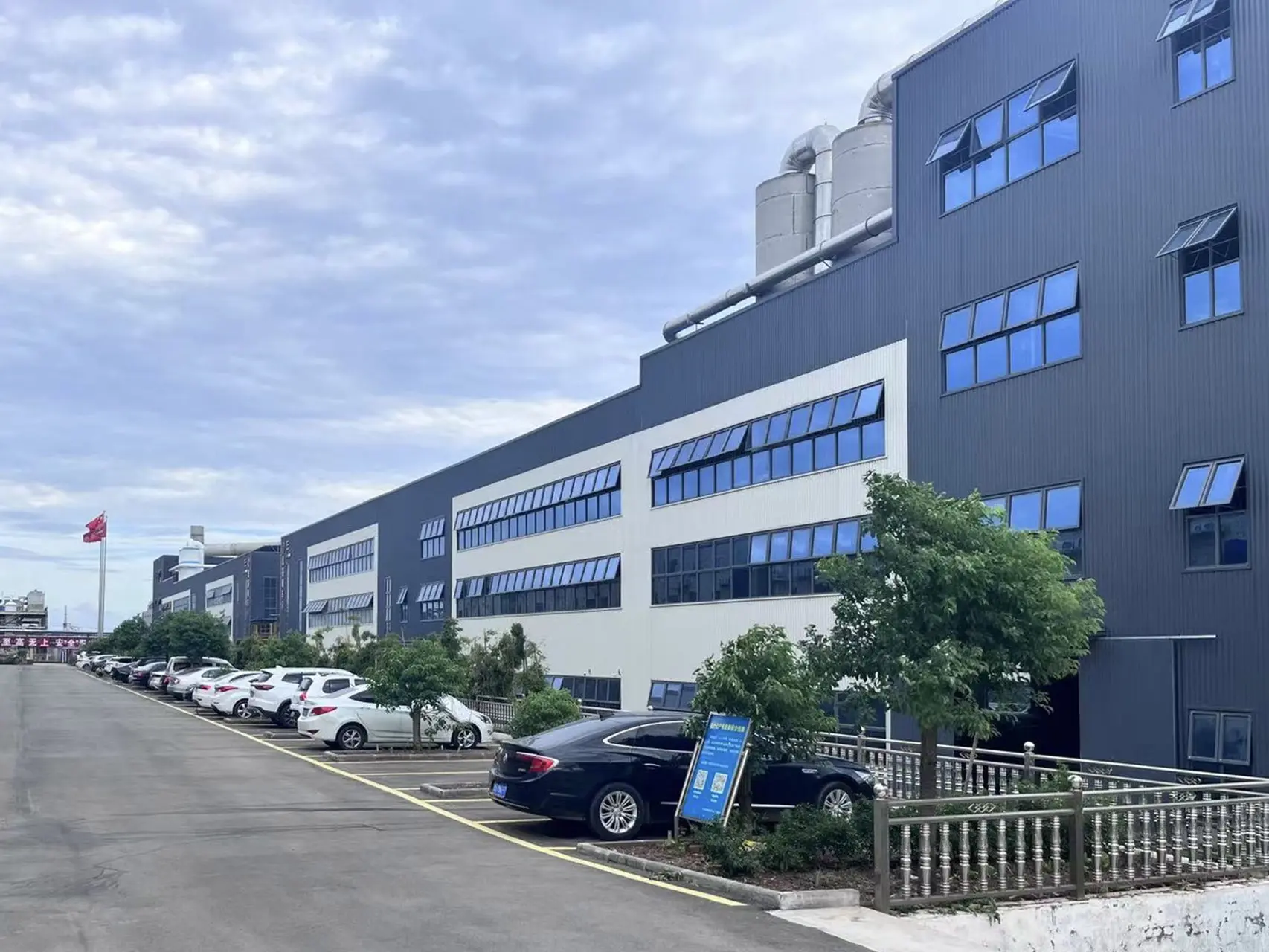
Founded in March 2020, Shandong Runtai New Materials Co., Ltd. is a comprehensive, scale-driven industrial group specializing in fine chemicals. The corporation spans five major operations and distribution branches throughout China, with its operational headquarters situated in Zaozhuang City, Shandong Province. Runtai occupies a massive industrial footprint covering 270,000 square meters, backed by a total infrastructure investment of 2.06 billion yuan.
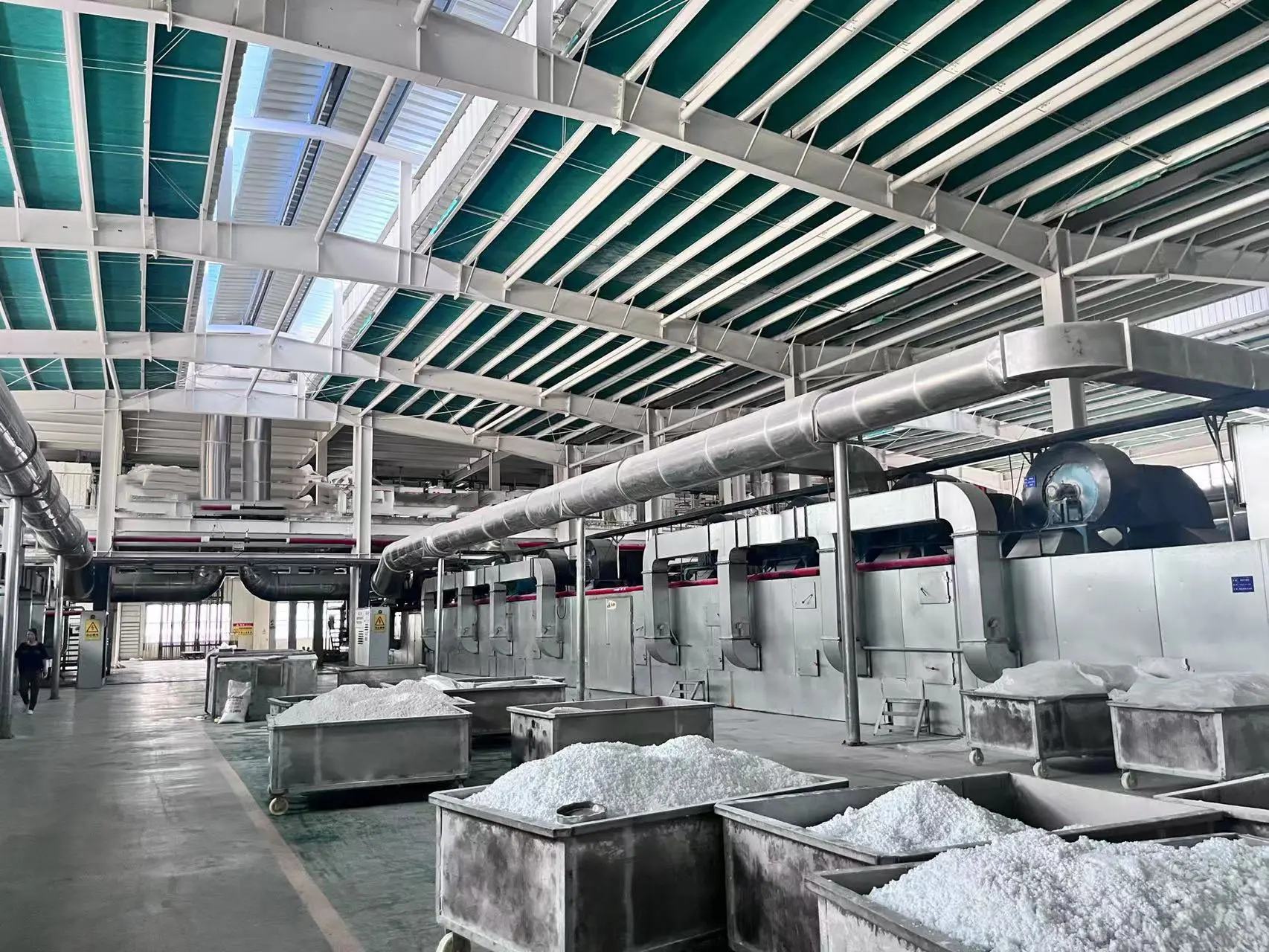
Our operational capabilities are underpinned by advanced technology, safety-first automation, and strategic integration. By utilizing local resources and executing vertical upstream control over raw material inputs, we guarantee consistent price stability and long-term volume supply to key industrial accounts worldwide.
Why sourcing paraformaldehyde from Runtai's vertically integrated chemical facility yields unparalleled cost efficiency without compromising technical quality.
By producing our own raw formaldehyde upstream (380,000 tons/yr capacity), we reduce the intermediate handling, packaging, and logistical costs that inflate the price of third-party paraformaldehyde plants.
Our chemical reactors leverage advanced Distributed Control Systems (DCS) to monitor critical polymerization metrics in real time. This lowers energy footprints and minimizes raw material losses.
Situated in Zaozhuang City, Shandong, we sit inside China's leading chemical industrial corridor, enabling low-cost freight options directly to Qingdao port and fast international container routing.
Enterprise procurement departments searching for cheap paraformaldehyde face a difficult challenge: balancing unit costs with strict batch consistency. Variations in average molecular weight between batches can lead to incomplete reactions in downstream synthetic processes, creating unwanted hazardous formaldehyde gas releases or compromising physical properties.
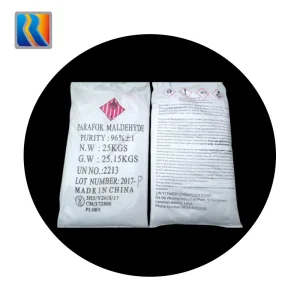
To address this, Runtai ensures strict quality control through automated polymerization control. We optimize our packaging solutions for long-distance transport, sealing our high-purity PFA (92% and 96% grades) in moisture-resistant composite bags to prevent natural hydration and subsequent chain-length shifts. Global buyers from the US, Thailand, Kenya, and Egypt trust our technical specification consistency to prevent line blockages and production downtime.

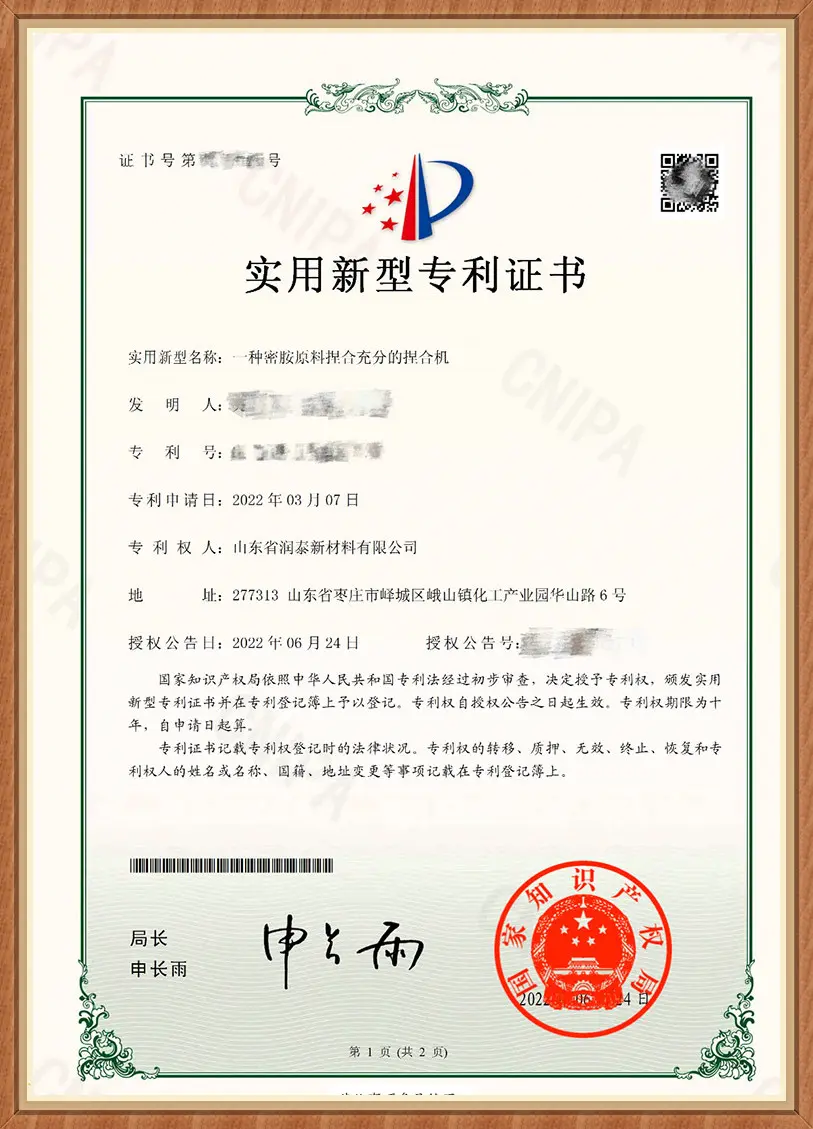
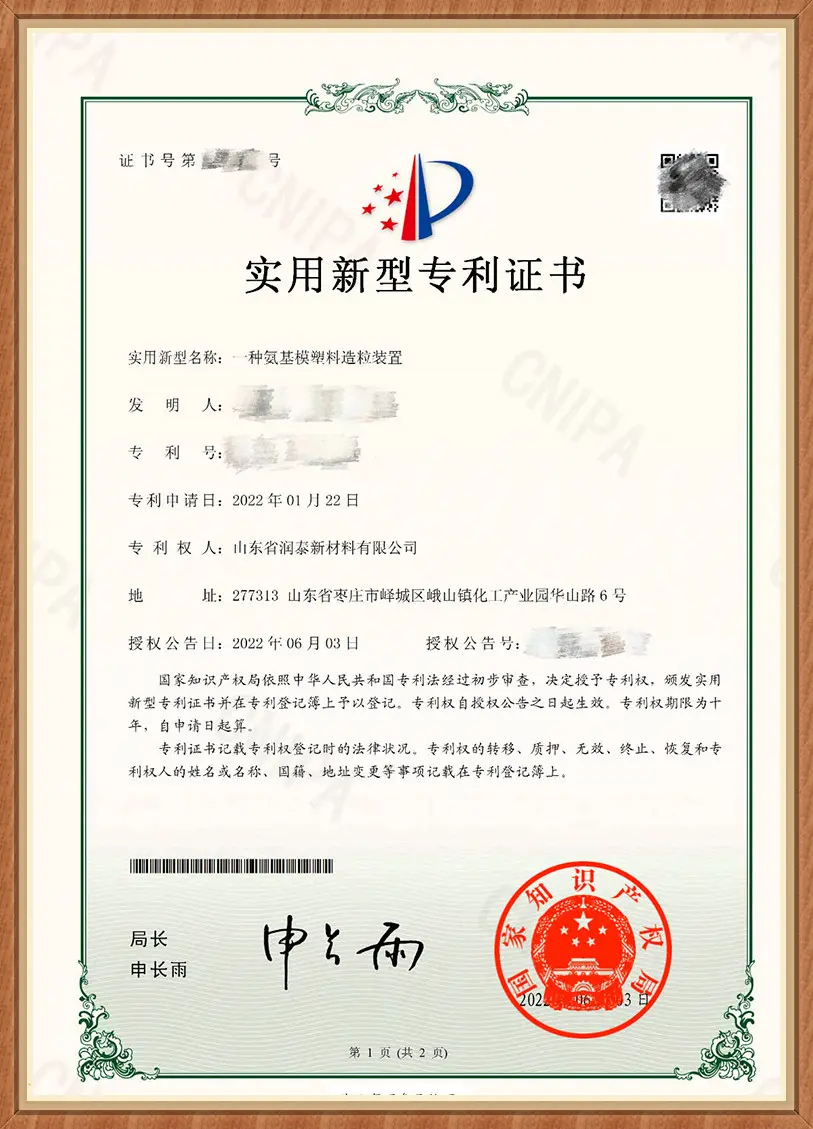
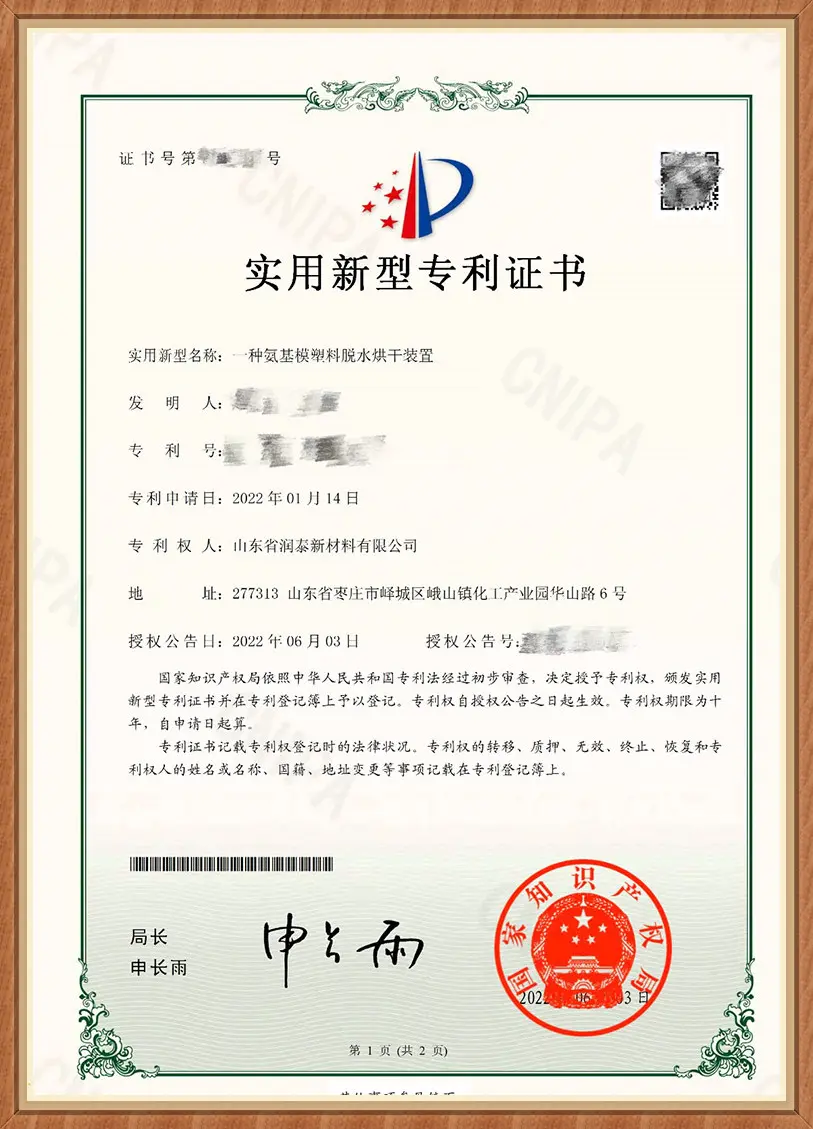
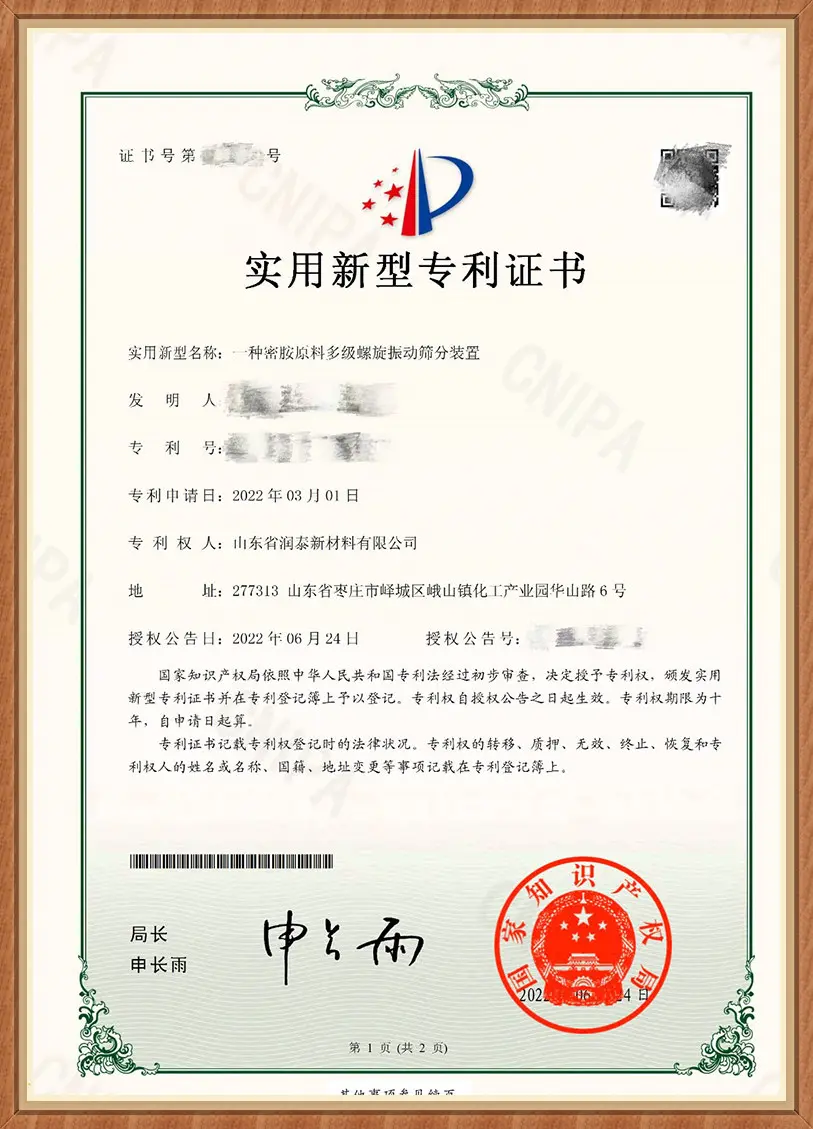
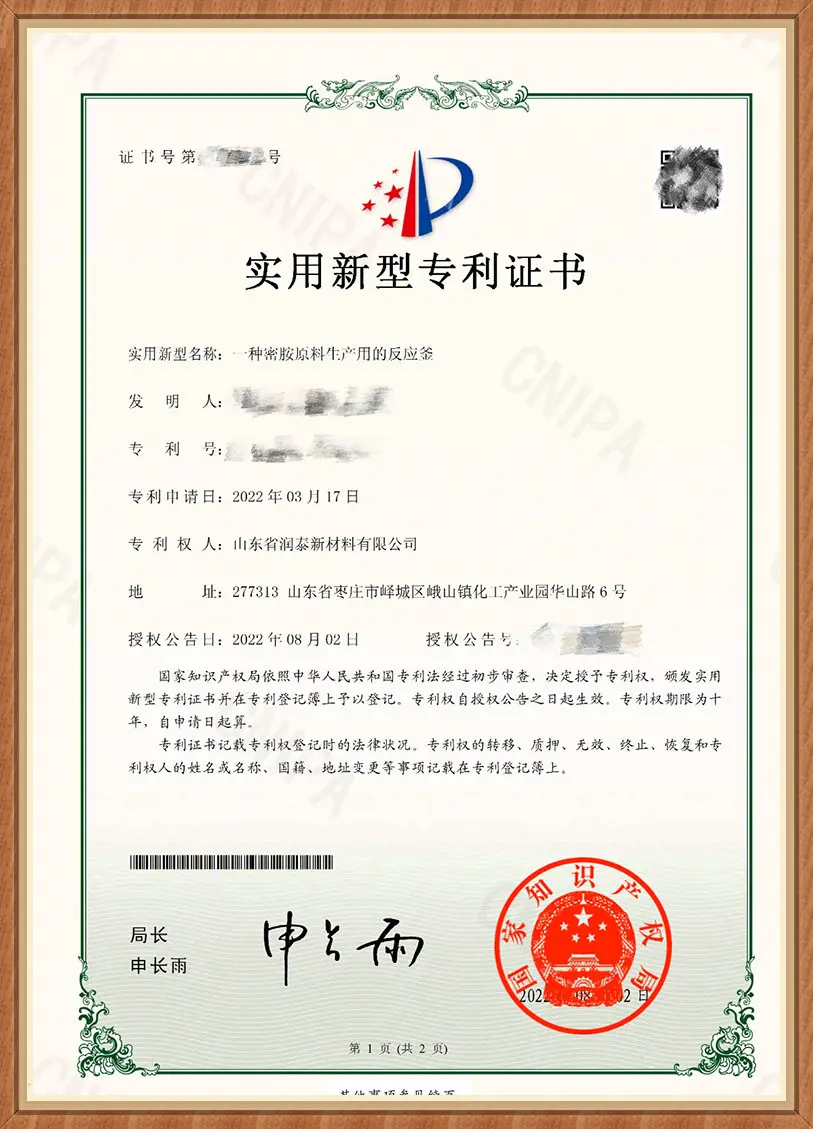
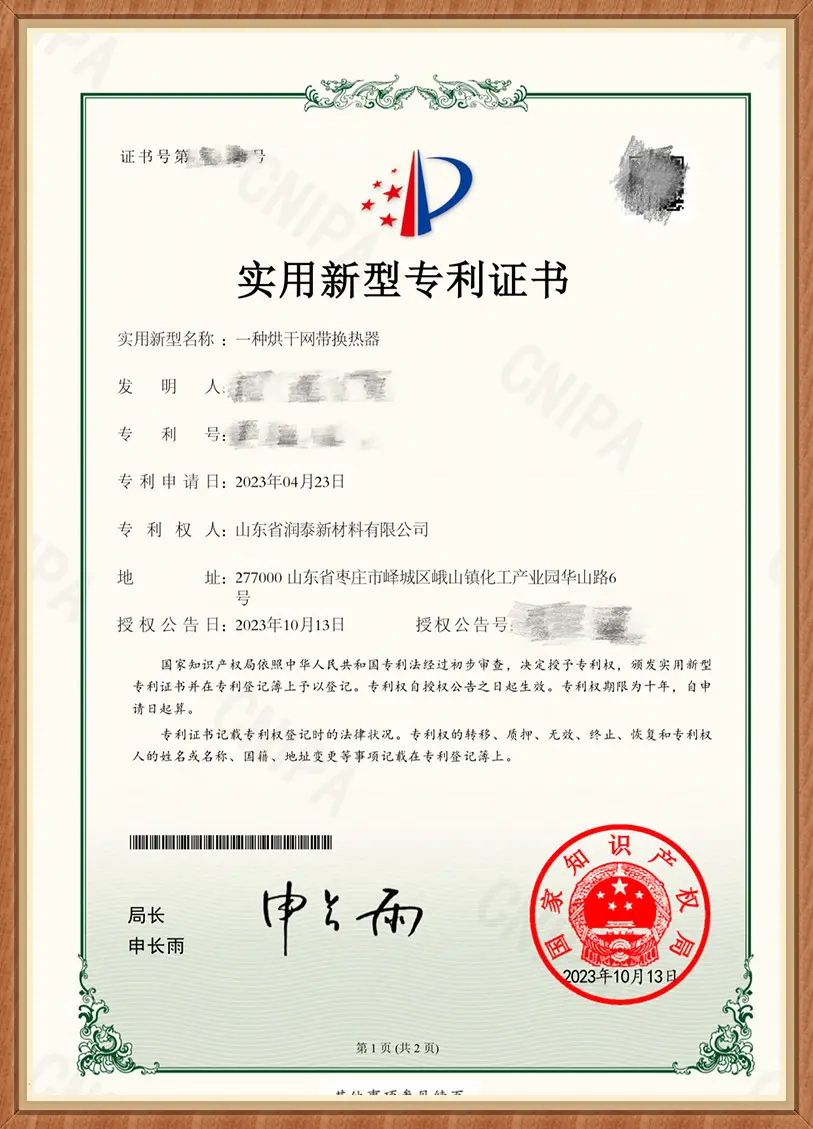
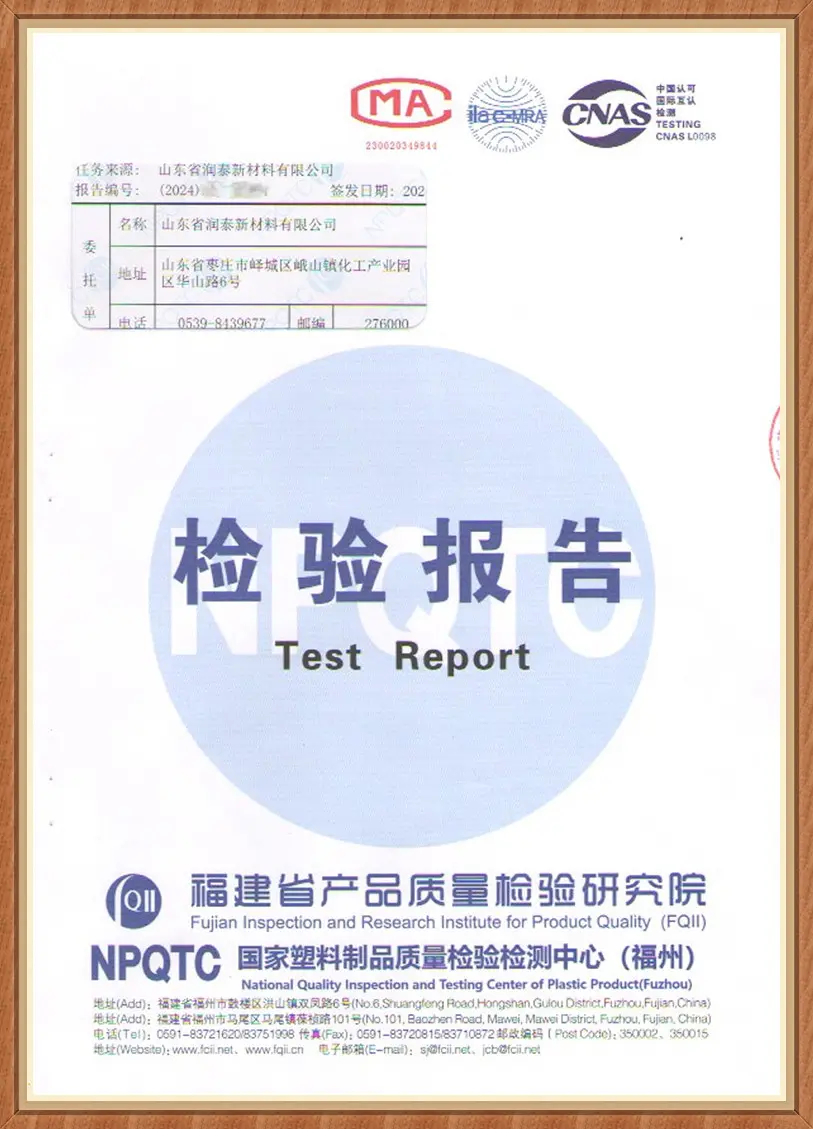
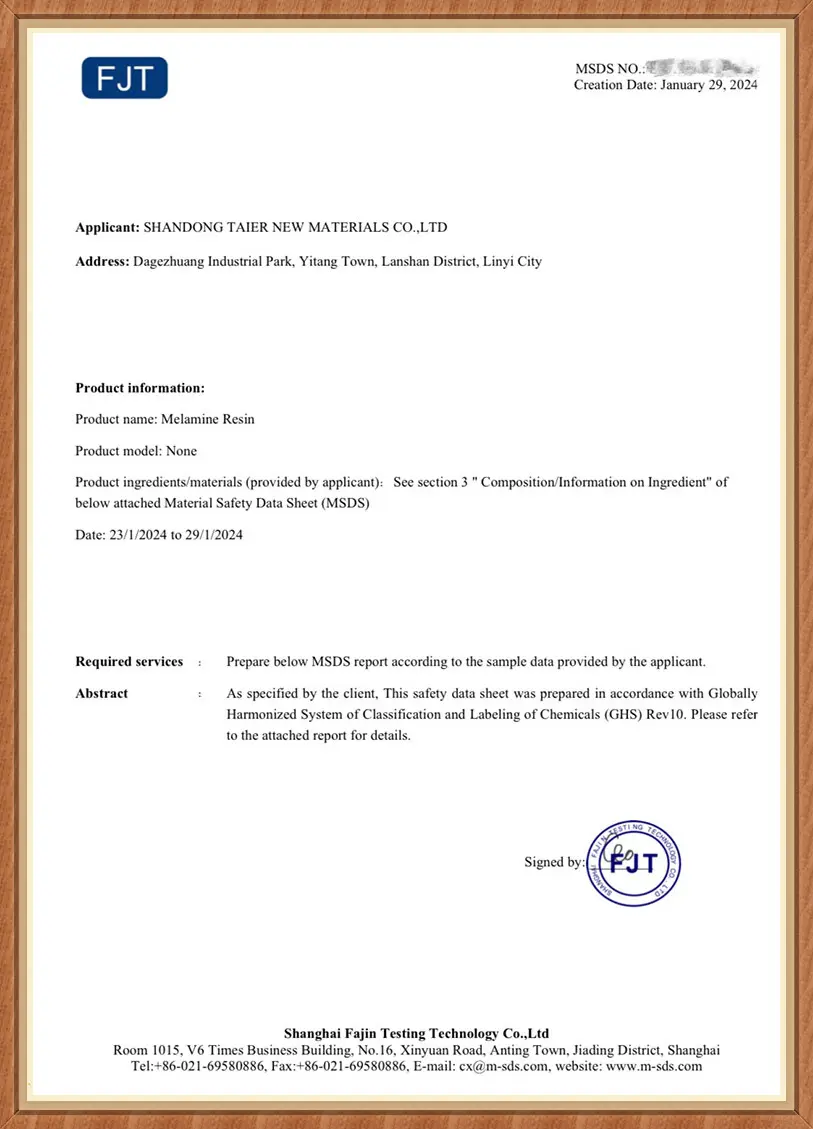
Backed by expert academic R&D partnerships, we drive industry-leading polymer chemistry, holding key patents and quality management certifications.
Innovation is the core driver of Runtai’s success. We have established long-term research collaborations with the Changzhou Research Institute of Beijing University of Chemical Technology. Our technical research is directed by a doctoral level R&D team focusing on precision chemical engineering. Through this partnership, we develop new polymerization processes that allow us to customize molecular weight distributions to match specific buyer applications.
Environmental preservation and social responsibility form the foundation of our manufacturing processes. Runtai is committed to green chemical practices, reducing energy consumption and minimizing solid waste. We maintain complete ISO-9001 and ISO-14001 compliance, providing transparent chemical SDS documentation and global safety compliance certificates.
How our clients leverage tailored paraformaldehyde polymer chains to optimize performance in downstream chemical formulations.
Paraformaldehyde serves as a critical cross-linking agent in the formulation of high-performance urea-formaldehyde (UF), melamine-formaldehyde (MF), and phenolic resins. Standardizing the molecular weights prevents localized defects, resulting in resilient compression-molding compounds (MMC/UMC).
Agrochemical synthesis requires highly reactive raw materials. Medium-to-low molecular weight paraformaldehyde dissolves quickly in acidic media, accelerating the production of herbicides (like glyphosate), insecticides, and crop protection chemicals.
In coatings, adhesives, and paint formulating processes, controlled molecular weight paraformaldehyde reacts smoothly with hydroxyl and amino groups. This yields clean finishes, stable packaging film adhesives, and paint thickeners.
Technical advice and supply information to help procurement managers optimize their paraformaldehyde purchasing decisions.
Explore our expanded selection of high-quality resins, thickeners, and specialty additives engineered for demanding industrial environments.
 Runtai