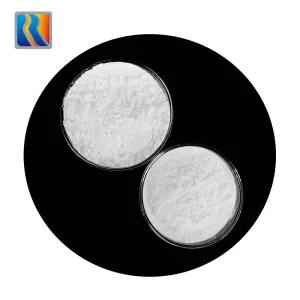
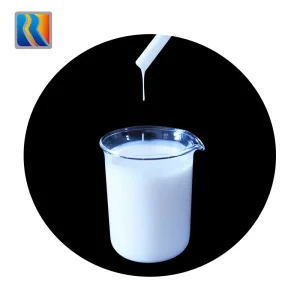
Browse our verified high-purity chemical compounds manufactured under rigorous ISO standards.
Analyzing economic efficiency, technical parameters, and molecular performance of high-purity solid fixatives in industrial manufacturing.
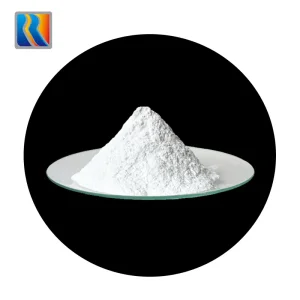
Paraformaldehyde (PFA) acts as the polymerized form of formaldehyde, structured as a polyoxymethylene glycol chain with a typical degree of polymerization ranging between 8 and 100 units. Unlike liquid formalin solutions which contain large volumes of water and require methanol stabilizers to prevent precipitation, solid paraformaldehyde provides a highly concentrated formaldehyde equivalent (typically 91% to 96% purity). This solid formulation reduces shipping volumes, stabilizes chemical integrity, and diminishes raw material storage hazards.
For chemical compounders, synthetic resin manufacturers, and histological processing plants, sourcing cost-effective (cheap) paraformaldehyde requires evaluating more than just raw material pricing per metric ton. It necessitates a deep assessment of depolymerization speed, ash content, iron contamination thresholds, and supply stability. Shandong Runtai New Materials Co., Ltd. addresses these dimensions through state-of-the-art processing infrastructure and vertically integrated chemical synthesis lines.
Understanding the kinetics of depolymerization is key for chemical operators. PFA depolymerizes via end-group unzipping when exposed to heat or changes in pH. In acidic or basic aqueous solutions, PFA breaks down back into active hydrated formaldehyde monomers ($\text{HO(CH}_2\text{O)}_n\text{H} \rightleftharpoons n\text{HCHO} + \text{H}_2\text{O}$). In polymer applications such as urea-formaldehyde or phenolic resin compounding, this reaction must be tightly controlled to optimize crosslinking density and minimize free-formaldehyde emissions in final products.
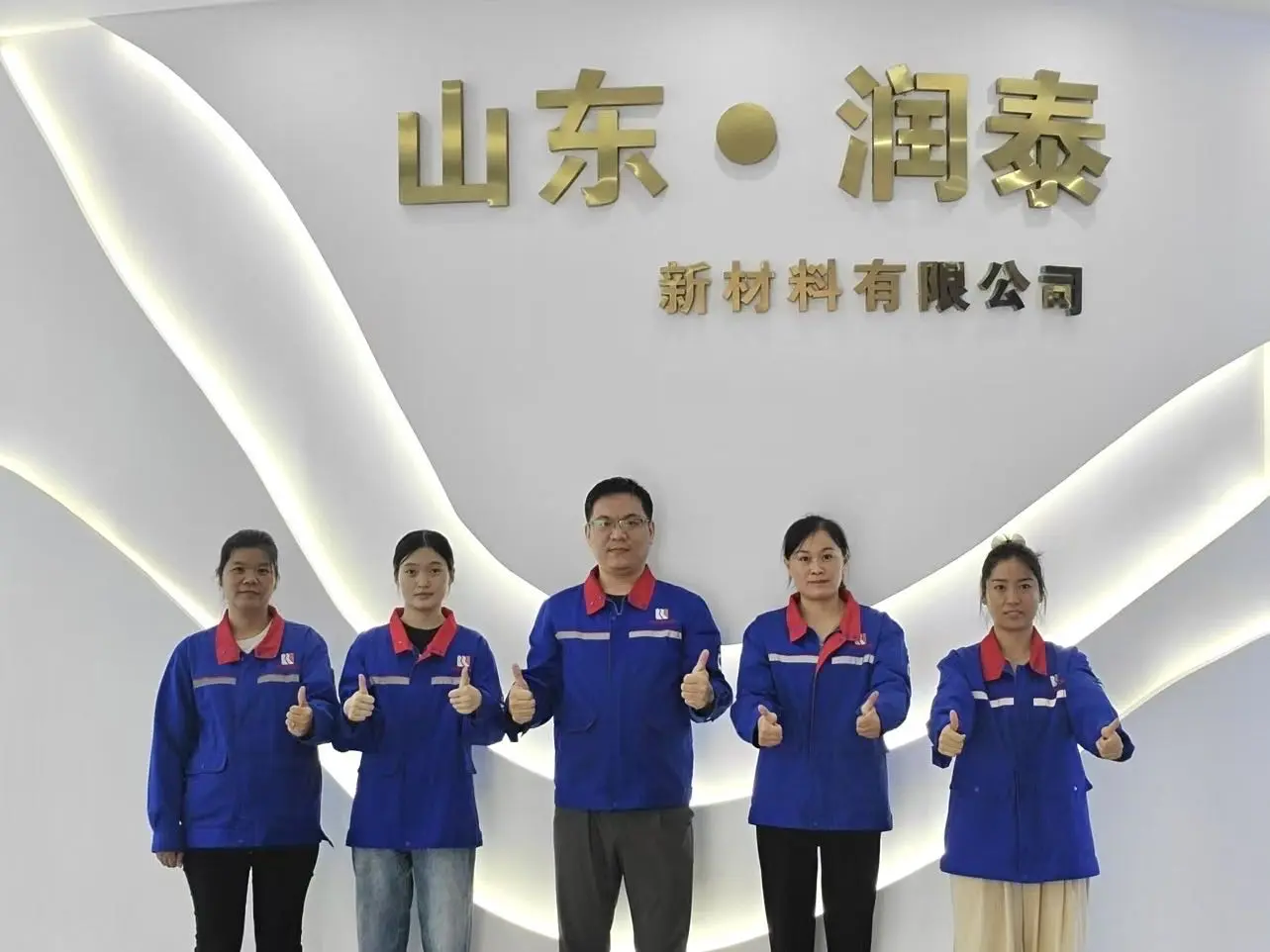
Shandong Runtai New Materials Co., Ltd. (founded in March 2020) stands as a prominent industrial chemical supplier. Based in Zaozhuang City, Shandong Province, the corporation spans 270,000 square meters with an investment of 2.06 billion yuan. Runtai has built a fully integrated supply network stretching across five regional offices in China, guaranteeing localized customer service and resilient logistical pipelines.
By leveraging advanced DCS (Distributed Control Systems), we manage chemical process safety and maintain consistency in mass-production output. Our integration of downstream and upstream processing lines ensures that our production costs remain highly competitive on a global scale.
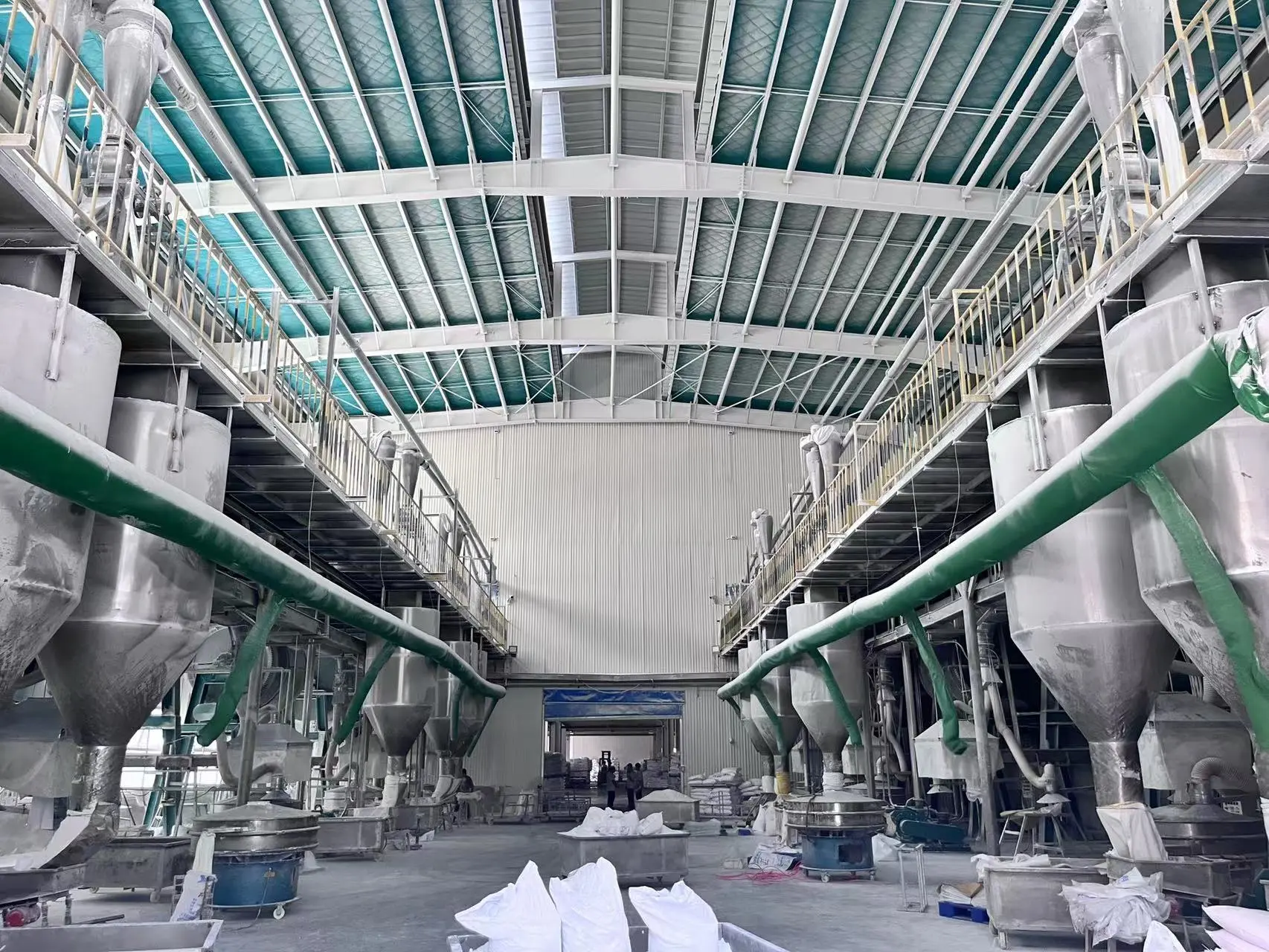
Runtai New Materials has grown into a major producer of formaldehyde derivatives in Northern China. Our advanced synthesis plants allow us to scale production efficiently, ensuring supply reliability even during seasonal shifts in global chemical markets. Our current annual production capacities include:
380,000 Tons Annually: Acting as the foundational monomer feed, our vast output secures raw material independence and price stability for our solid derivatives.
300,000 Tons Annually: High-performance wood adhesives and molding polymers manufactured for modern construction and fabrication industries.
60,000 Tons Annually: High-purity melamine crystals used in laminates, surface coatings, and compression molding powders.
We deploy high-end distributed control systems (DCS) to manage every step of polymerization. From initial catalytic methanol oxidation to product dehydration, prilling, and packaging, process variables are monitored in real-time. This high level of automation reduces energy consumption, limits waste generation, and maintains a consistent particle size distribution for our solid paraformaldehyde.
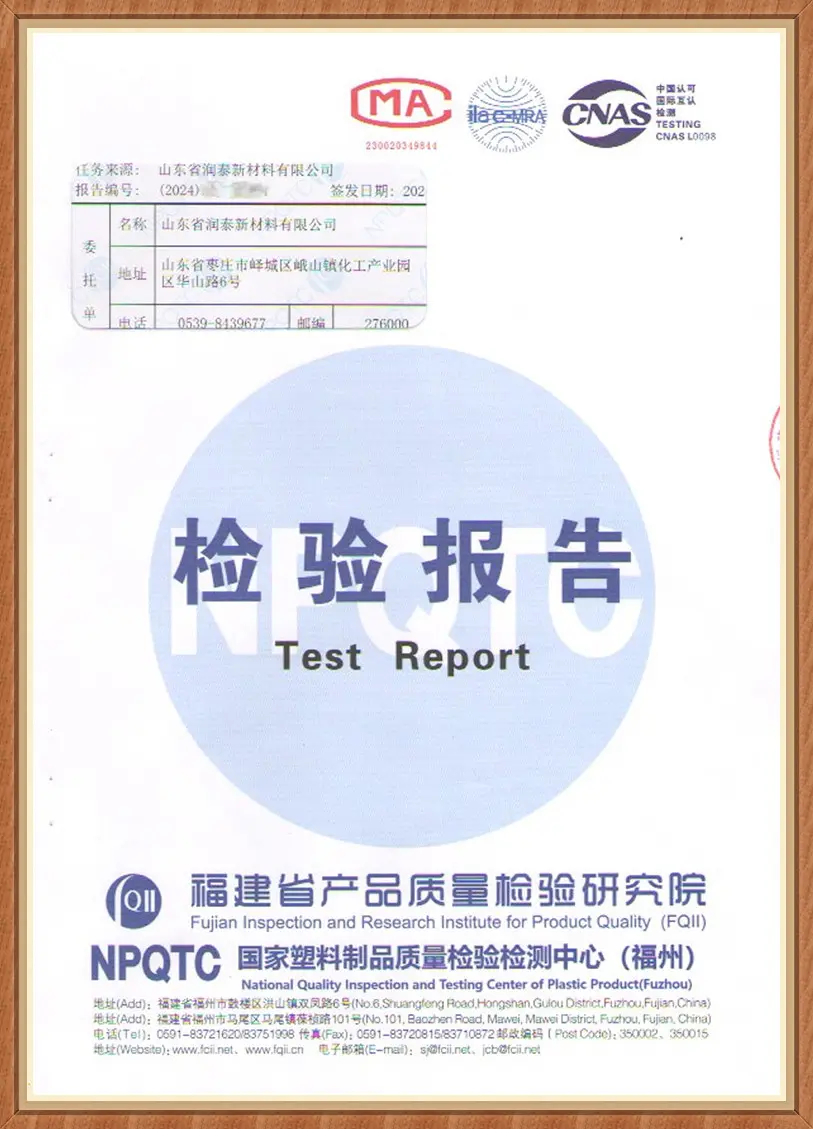
Additionally, our analytical laboratories are equipped with Gas Chromatography (GC), High-Performance Liquid Chromatography (HPLC), and Karl Fischer moisture titrators. This ensures that every batch shipped to our international partners conforms to strict chemical standards, keeping ash levels low and purity high.
Runtai New Materials continues to invest in chemical process improvements to reduce carbon footprints and optimize product safety. Our R&D roadmap focuses on:
Providing high-volume reliability, process innovation, and global supply guarantees.
Our raw material formaldehyde is piped directly to our downstream paraformaldehyde and melamine resin compounding units, shielding buyers from external market fluctuations.
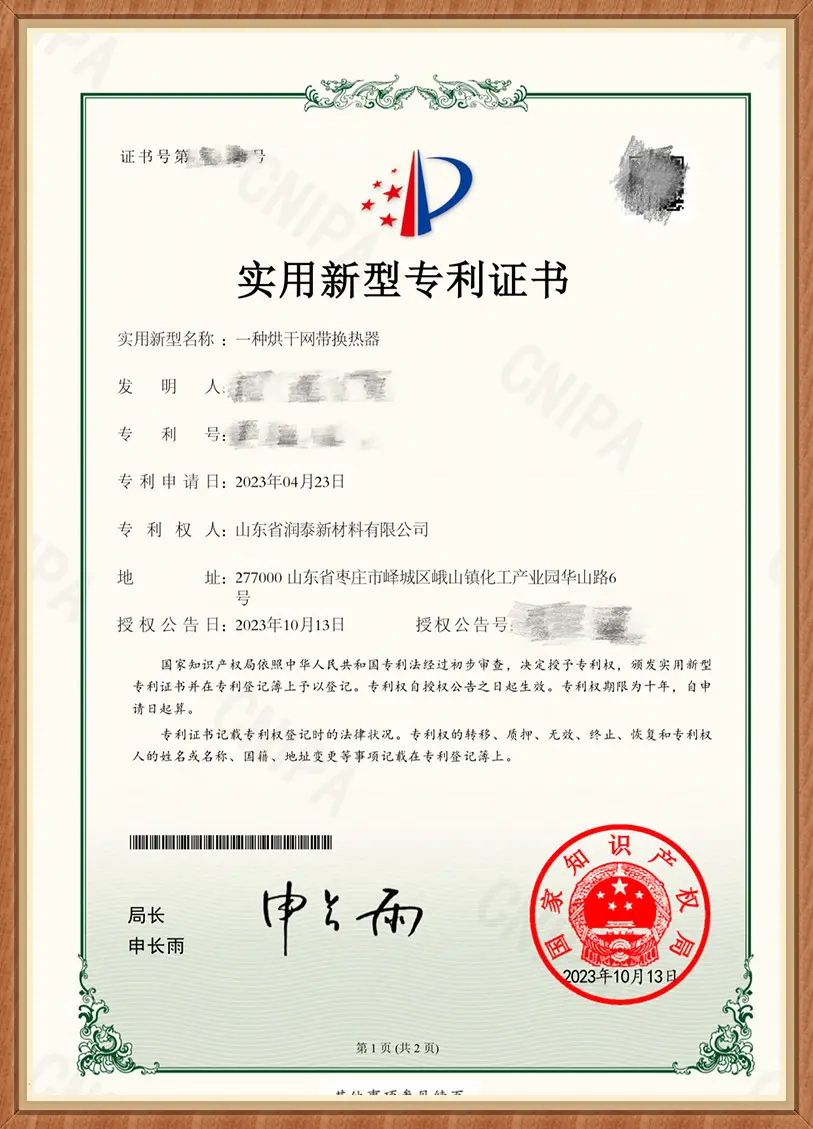
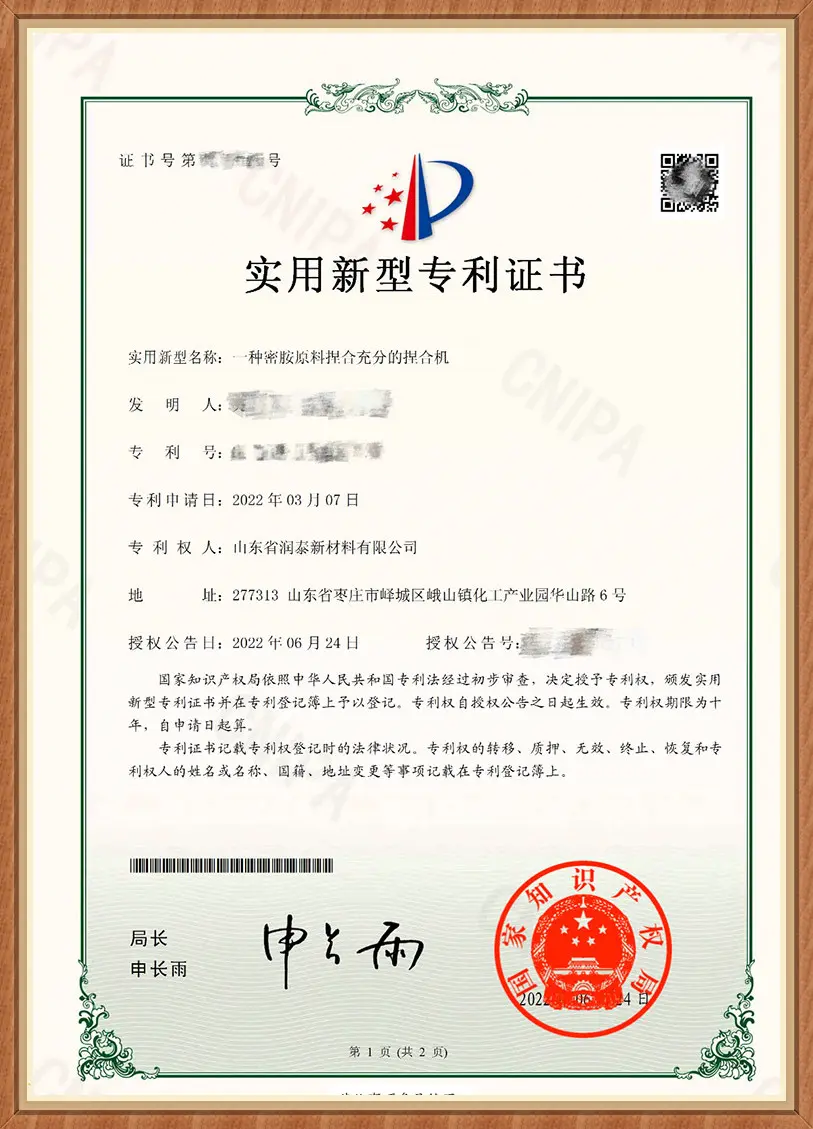
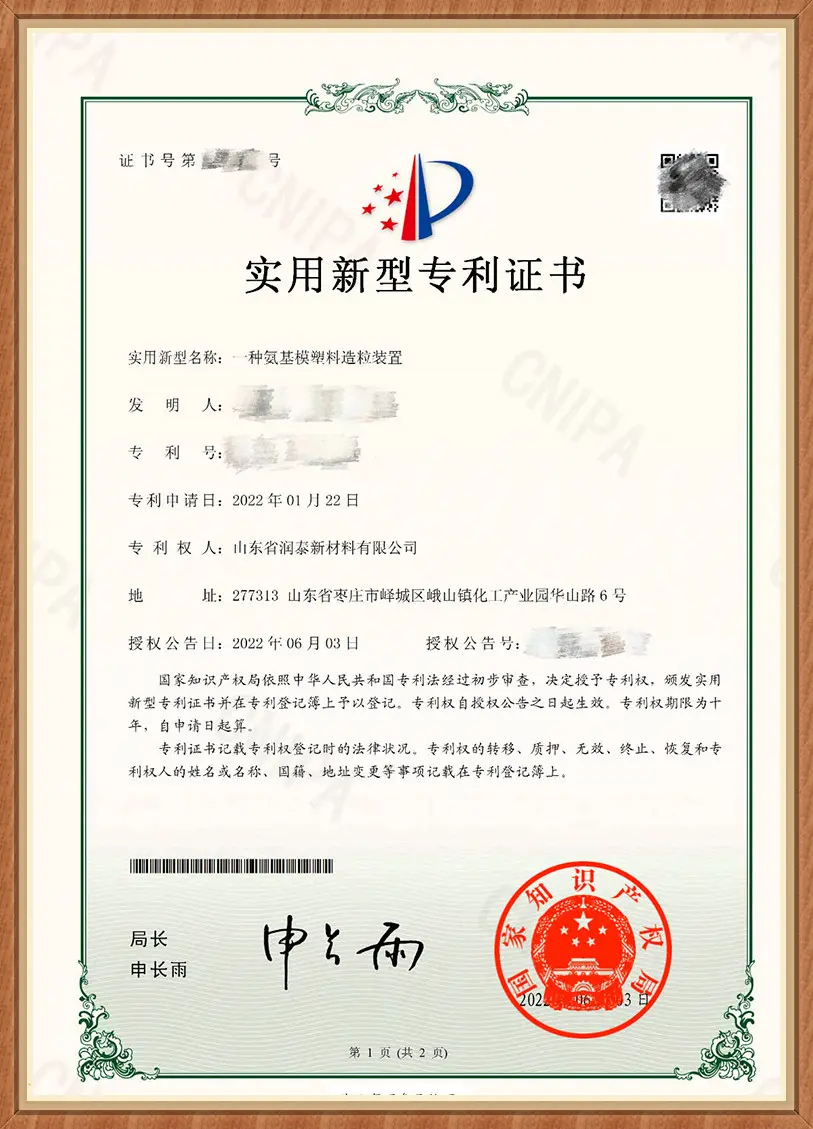
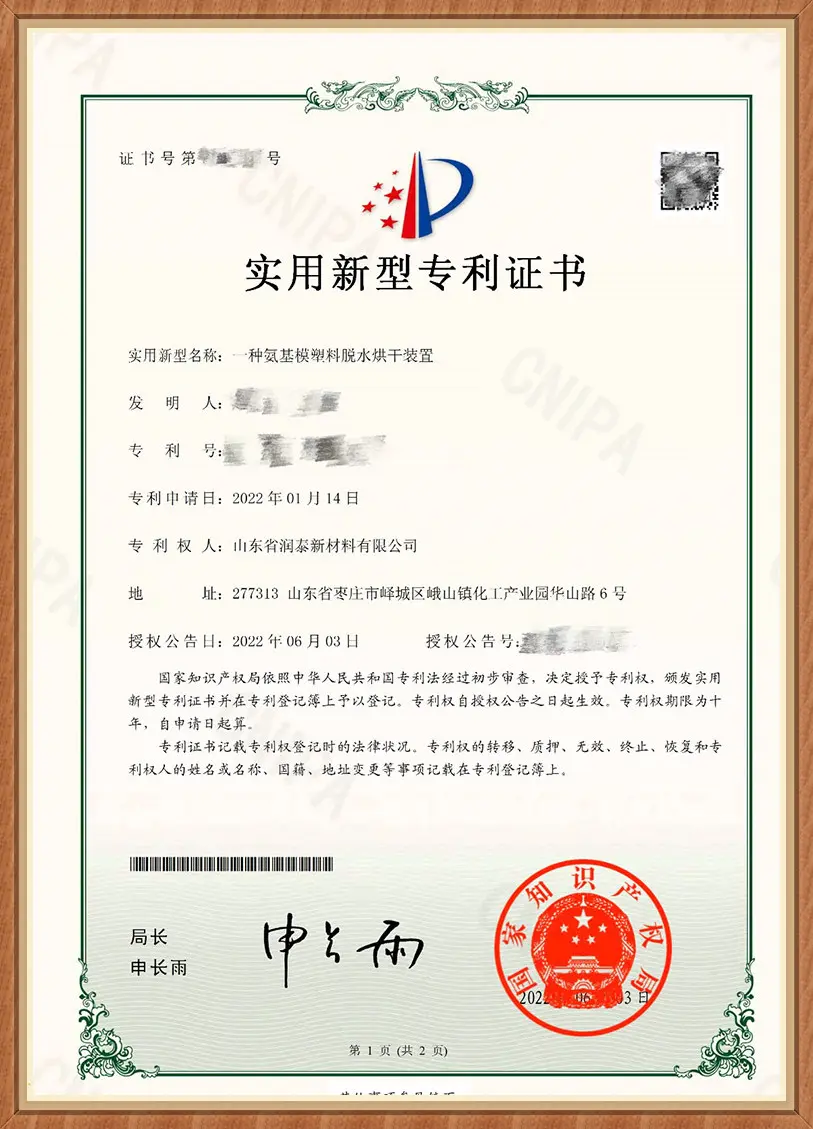
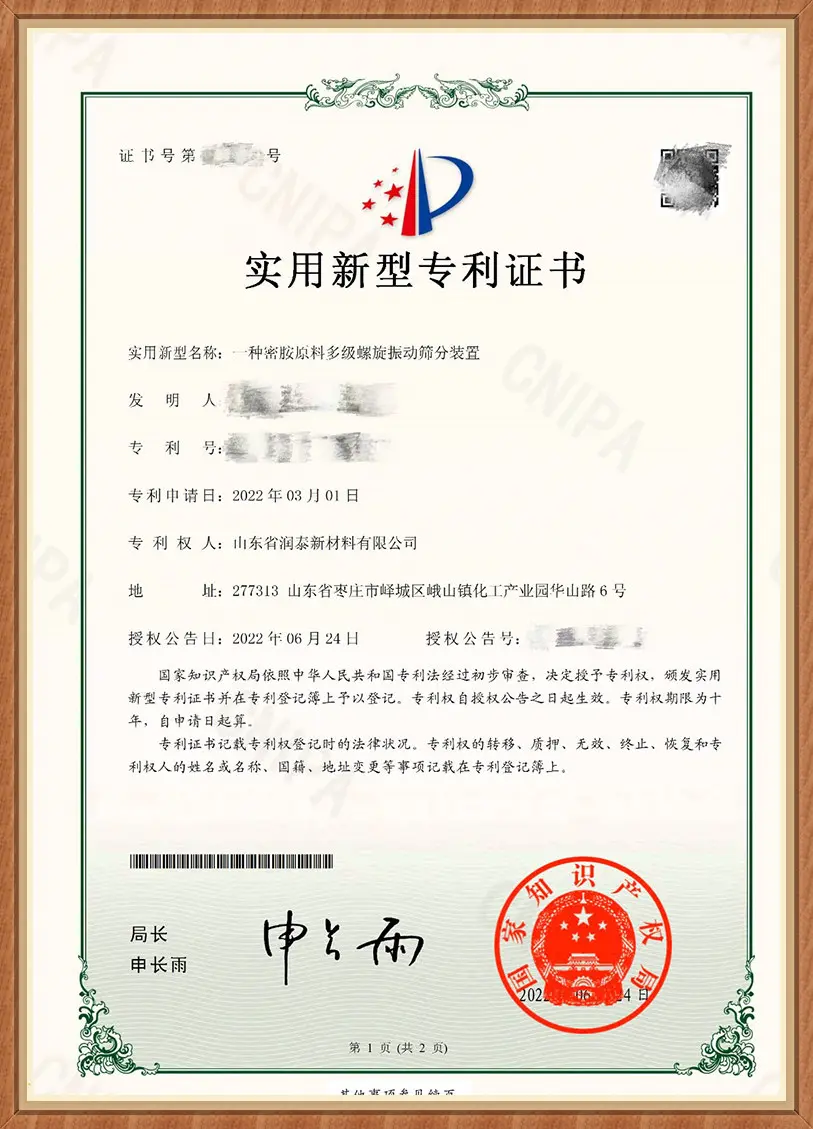
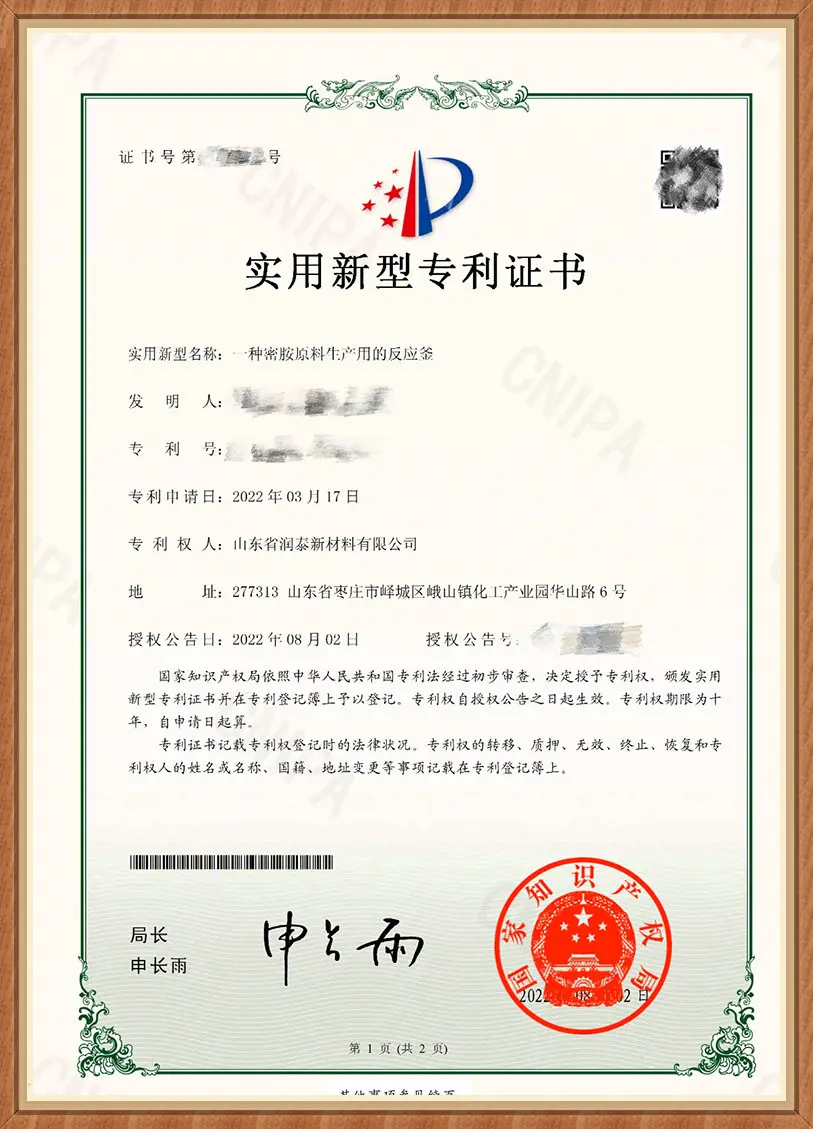
Partnering with the Changzhou Research Institute of Beijing University of Chemical Technology, our doctoral R&D teams hold several patents for resin optimization.
Our export offices handle international compliance documentation, safety packaging regulations, and local environmental standards for seamless customs clearance.

As a chemical manufacturer, Runtai prioritizes environmental protection and sustainable operations. We invest in carbon-offset initiatives, closed-loop water systems, and thermal energy recovery systems to lower our environmental impact.
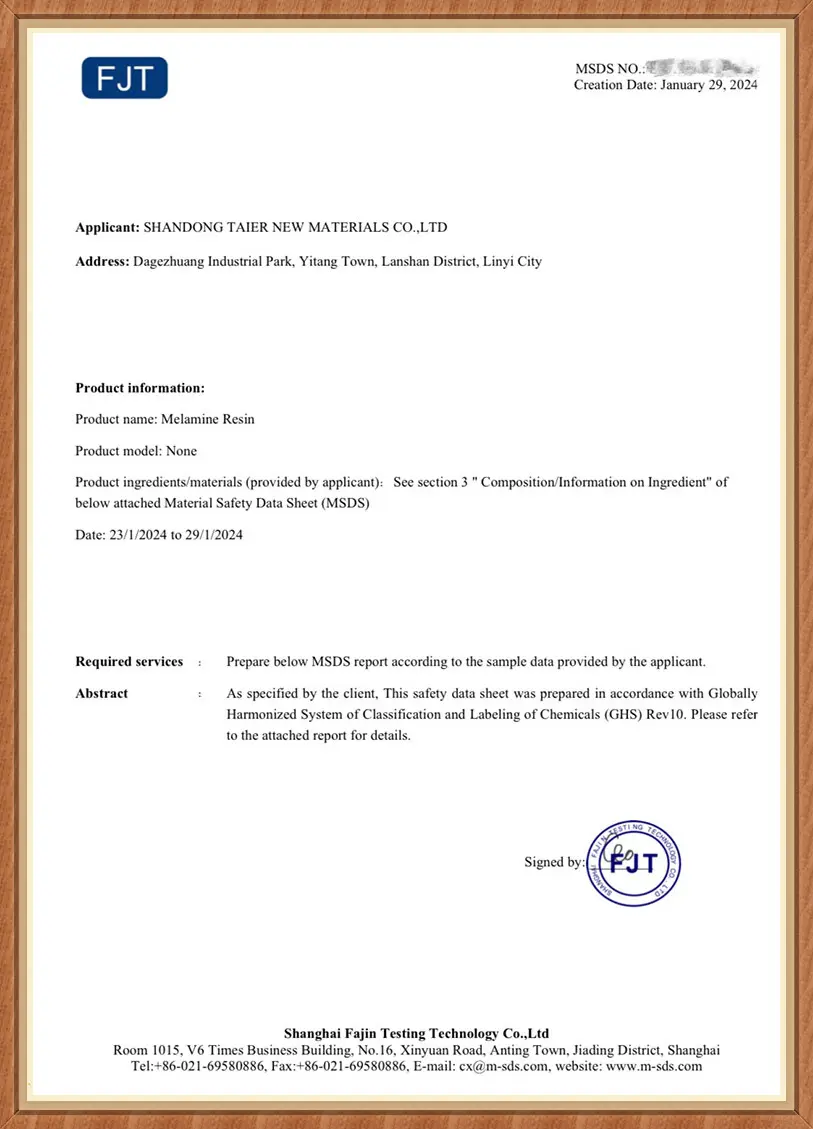
We work to reduce emission metrics and ensure our chemical compounds are formulated to meet safety standards globally. Guided by a "quality first, customer first" approach, we collaborate with partners worldwide to develop safer chemical solutions.
Verified systems ensuring structural stability, tracing and quality management.
Answers to common questions regarding storage, dissolution, pricing, and safety for industrial buyers.
High-performance polymers, resins, and defoamers for industrial applications.
 Runtai