High-purity chemical compounds manufactured under rigorous international quality systems for global industrial applications.
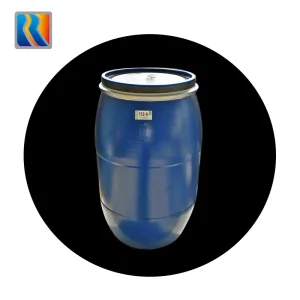
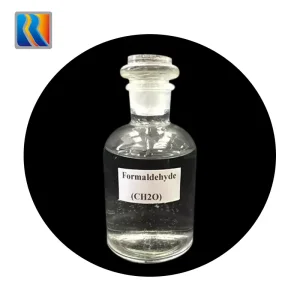
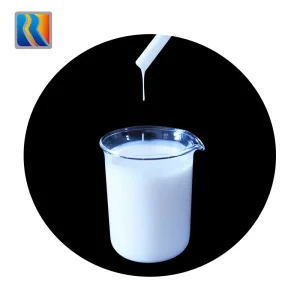
In global chemical manufacturing, sourcing Merck-grade (analytical standard) formaldehyde has historically been associated with premium costs due to highly refined purification cycles, specialized packaging, and strict control measures. However, as international industrial users seek to scale up production while minimizing inputs, the demand for "cheap" yet uncompromised Merck-equivalent formaldehyde formulations has surged. Balancing safety, purity, and cost represents the core challenge of modern chemical procurement.
Founded in March 2020, Shandong Runtai New Materials Co., Ltd. stands as a preeminent, comprehensive chemical group specializing in fine chemicals and new polymeric intermediates. Headquartered in Zaozhuang City, Shandong Province, our infrastructure is built on a massive investment of 2.06 billion yuan, covering a sprawling footprint of 270,000 square meters.
Runtai has integrated five nationwide branches to streamline chemical manufacturing, regulatory storage, and hazardous chemical logistics. By deploying fully automated catalytic reaction systems, we offer high-volume direct manufacturing that replicates Merck-level purity benchmarks at highly competitive wholesale rates.
Why can Shandong Runtai deliver Merck-level purity at direct factory prices? The answer lies in the structural dynamics of China's advanced chemical supply chain:
Global procurement teams looking for Merck-equivalent chemical standards must evaluate the following parameters when selecting a bulk supplier:
Our solutions feature <0.03% free acidity (as HCOOH), heavy metal contaminants under 5ppm, and low iron residues, conforming to analytical reagent benchmarks.
Precise additions of 5% to 15% methanol stabilizer inhibit the precipitation of paraformaldehyde during long-distance transoceanic shipping.
We supply diverse formats: 37% standard formalin, 44% high-concentration solutions for resin manufacturing, and customized solid-state paraformaldehyde.
Navigating global regulatory frameworks requires deep compliance knowledge. Shandong Runtai New Materials has built-in structures to support global operations across the United States, Europe, Kenya, Egypt, and Southeast Asia (Thailand):
Our compliance framework includes GHS-aligned safety documentation (SDS/MSDS), adherence to EU REACH protocols, and compatibility with US EPA TSCA Title VI standards on low-emission chemical products. Utilizing ISO tank containers and UN-certified intermediate bulk containers (IBC), we assure zero leakages and consistent temperature control during cross-border maritime shipping.
Runtai maintains a joint research partnership with the Changzhou Research Institute of Beijing University of Chemical Technology. Led by a specialized doctoral R&D team, we continuously explore green chemical synthesis, aiming to reduce the carbon index in formaldehyde production while maintaining the highest purity indexes. These patents and technological upgrades guarantee our leadership in new materials development.
At Runtai New Materials, sustainable development is not a checkbox—it is our core manufacturing standard. Our facility employs catalytic oxidation technology which virtually eliminates greenhouse gas output. By transitioning traditional coal-derived power loops into clean steam cycles, we run a low-carbon operation.
The "quality first, customer first" philosophy guides our global service teams. We coordinate with port logistics, customs clearing networks, and industrial buyers to offer a seamless supply path from Zaozhuang directly to your manufacturing floor.
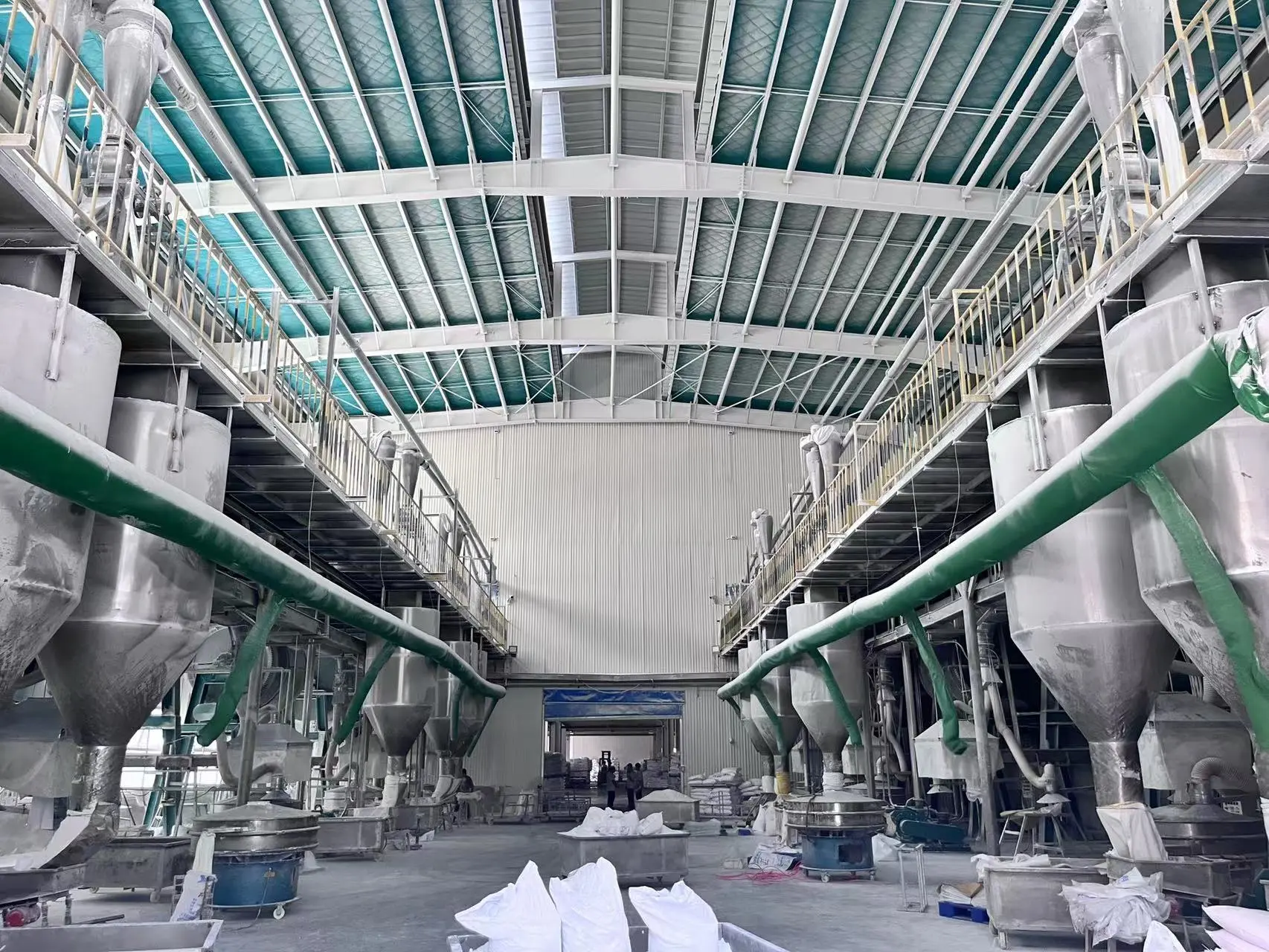
Inside Runtai's digital manufacturing center: where chemical synthesis matches robotic precision.
Formaldehyde is a fundamental block in chemical synthesis. Runtai's highly pure compounds serve specific localized manufacturing ecosystems:
In construction sectors across North America and East Asia, formaldehyde is primary in manufacturing Urea-Formaldehyde (UF) resins, Phenol-Formaldehyde (PF) resins, and Melamine-Urea-Formaldehyde (MUF) adhesives. Runtai's low-acid formaldehyde ensures accurate cross-linking speeds, assisting board producers to satisfy CARB Phase II and F★★★★ emissions regulations.
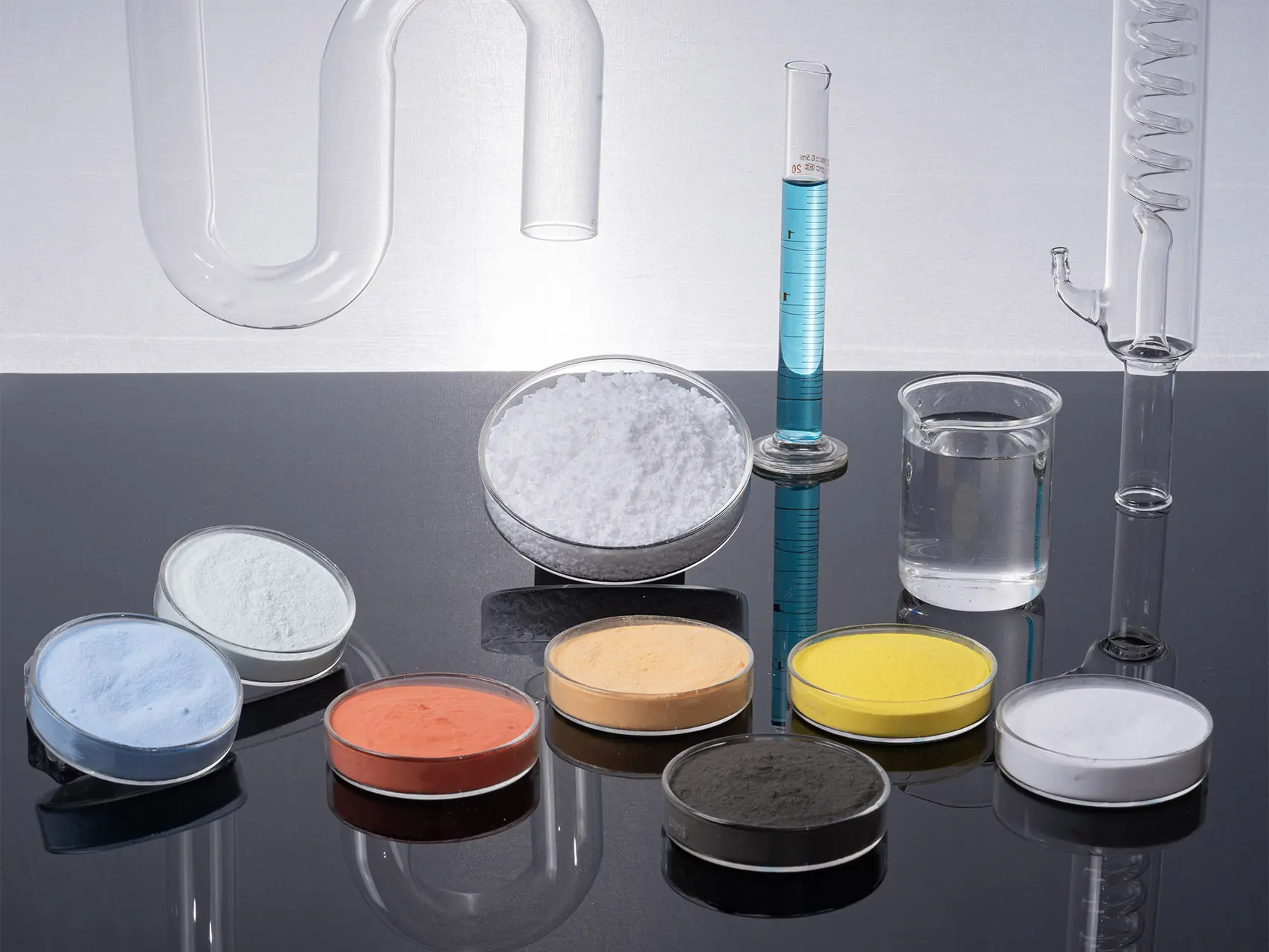
In Southeast Asian production networks (e.g., Thailand), our formaldehyde is synthetically linked with melamine powder to form Melamine Moulding Compounds (MMC) and glazing resins. The elimination of heavy metal catalysts guarantees food-contact safety profiles.
For chemical complexes in Europe and the Americas, our high-concentration formaldehyde acts as a key reactant in synthesized polyols like pentaerythritol, MDI (methylene diphenyl diisocyanate) for polyurethanes, and various pharmaceutical intermediates.
Technical and logistical insights from our chemical engineering and compliance departments.
Runtai produces bulk industrial formaldehyde that aligns with analytical standards in key parameters: we achieve free acidity below 0.03% (as formic acid) and control heavy metals within 5ppm. This allows users to substitute high-cost reagent grades with our direct-factory pricing formulations in large-scale synthesis.
Aqueous formaldehyde is susceptible to polymerization into paraformaldehyde when exposed to temperatures below 15°C. To prevent this, we formulate with customized methanol stabilizer concentrations (ranging from 5% to 15% based on customer shipping duration) and utilize insulated ISO tanks with auxiliary heating channels.
We maintain ISO 9001 (Quality Management System), ISO 14001 (Environmental Management System), and ISO 45001 (Occupational Health and Safety). Our products comply with European REACH regulations and the US TSCA Title VI requirements for emission controls.
Our current facility handles 380,000 tons of formaldehyde, 300,000 tons of urea formaldehyde resin, 60,000 tons of melamine, and 20,000 tons of melamine glazing powder per year. This allows us to hold a top position in production capacity within China.
Yes, we provide concentrations starting from standard 37% aqueous solutions up to 44% and 50% high-concentration variants for resin production, alongside solid-state paraformaldehyde (92% - 96% purity).
From polymer resins to specialized water-based additives, browse our global supply solutions.
 Runtai