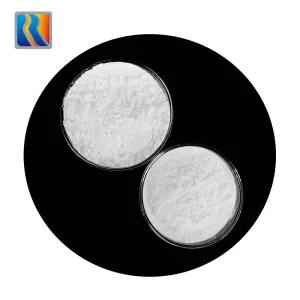
Browse our core catalogue of performance additives, resins, and defoamers engineered to meet precise operational tolerances in modern compounding and synthesis plants.
Industrial capacity and integrated technology infrastructure backing global pharmaceutical and chemical requirements.
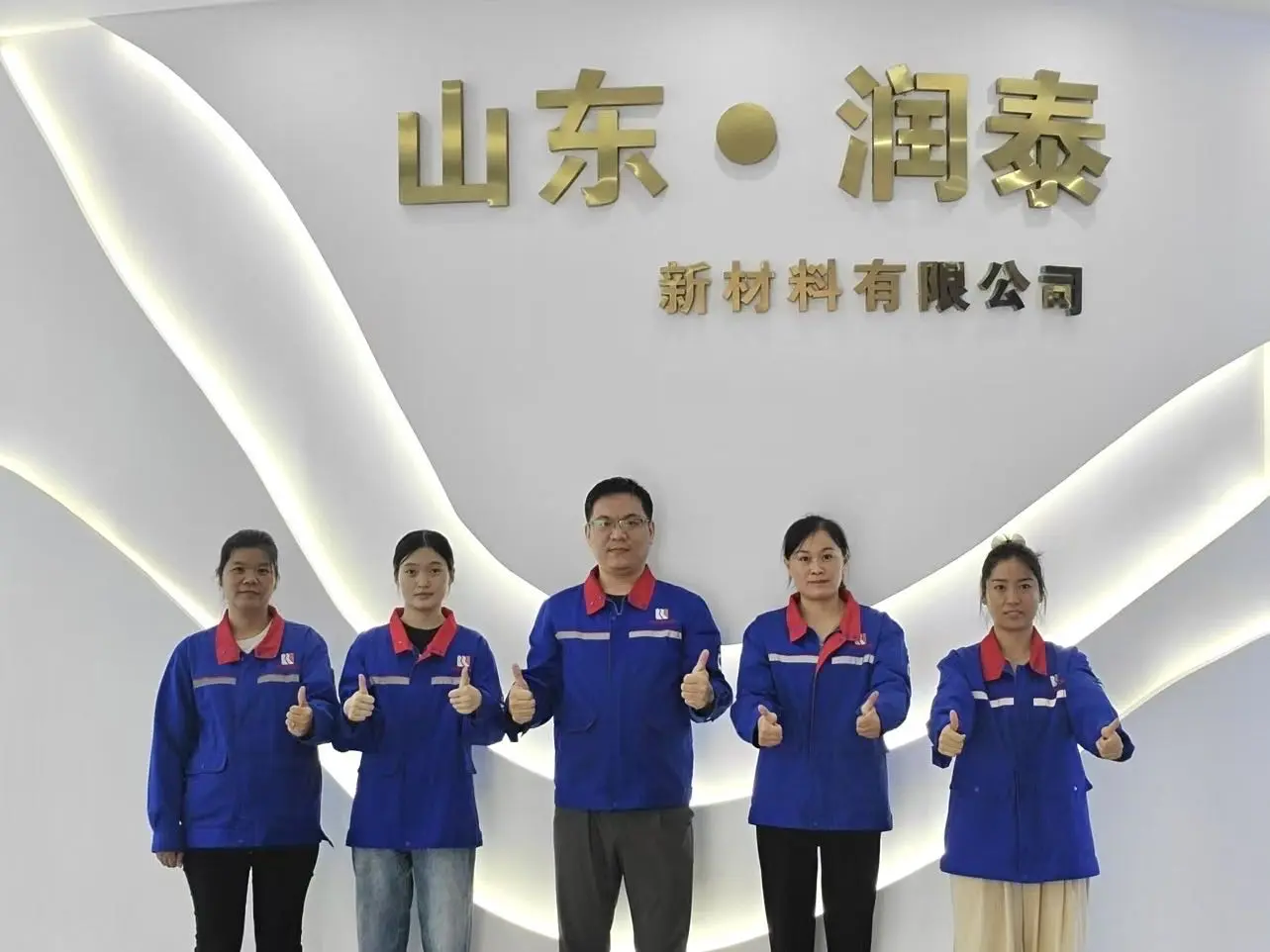
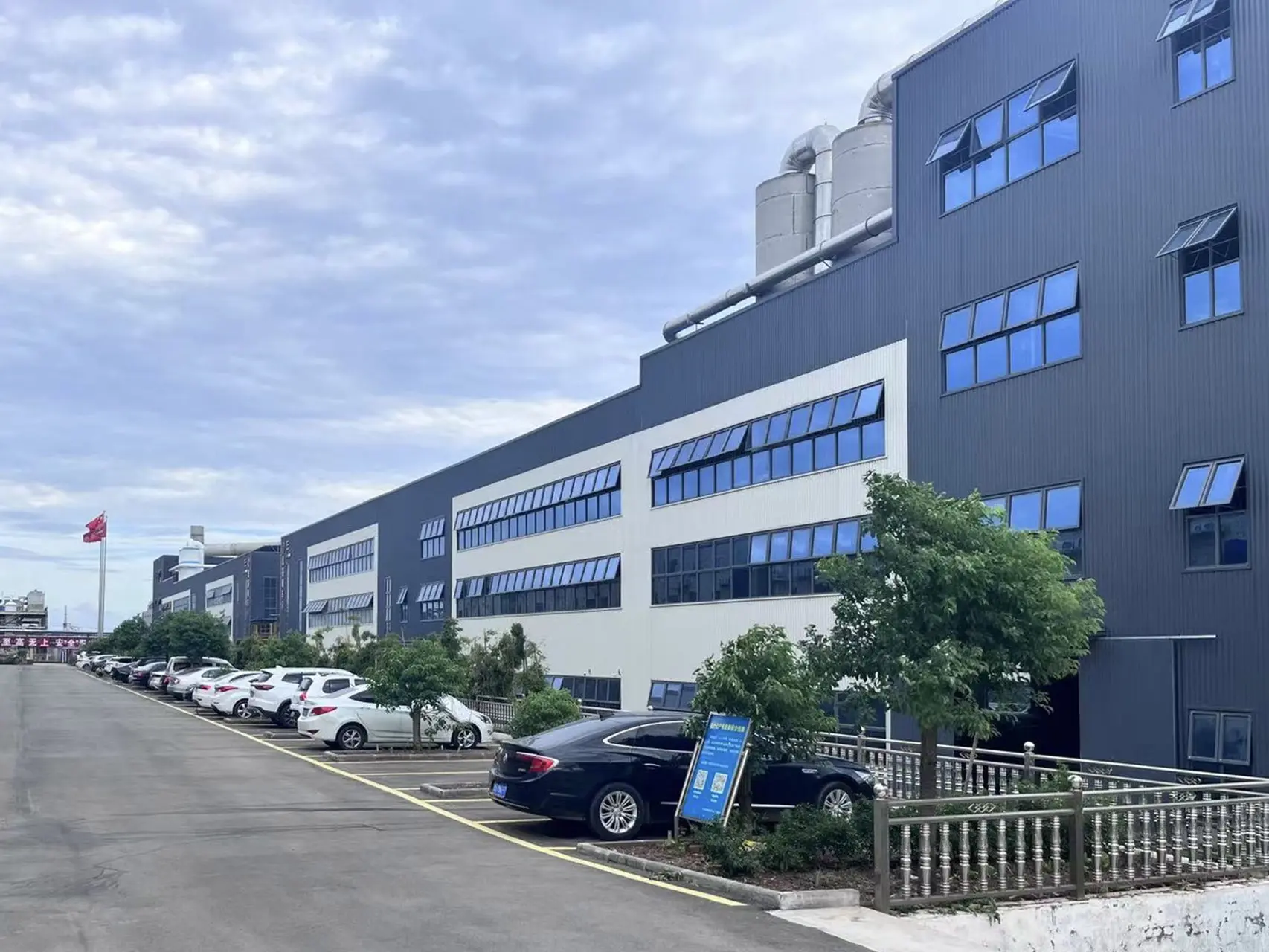
Founded in March 2020, Shandong Runtai New Materials Co., Ltd. operates as a comprehensive group firm specializing in fine chemical solutions. With our headquarters in Zaozhuang City, Shandong Province, we span five regional branches throughout China. Our footprint covers an area of 270,000 square meters, supported by an aggregate capital investment of 2.06 billion yuan.
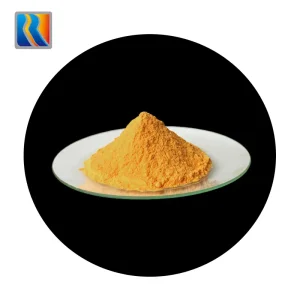
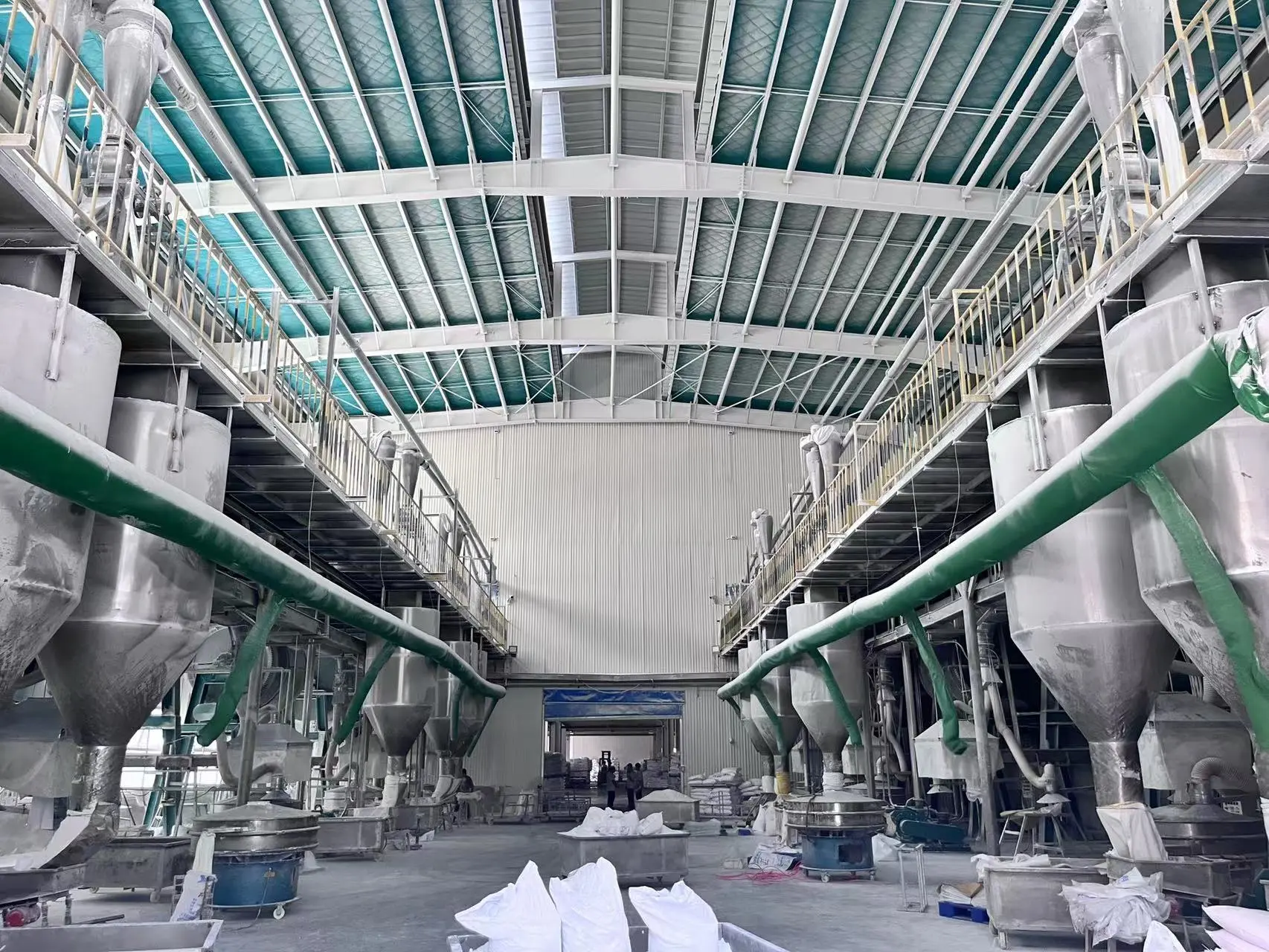
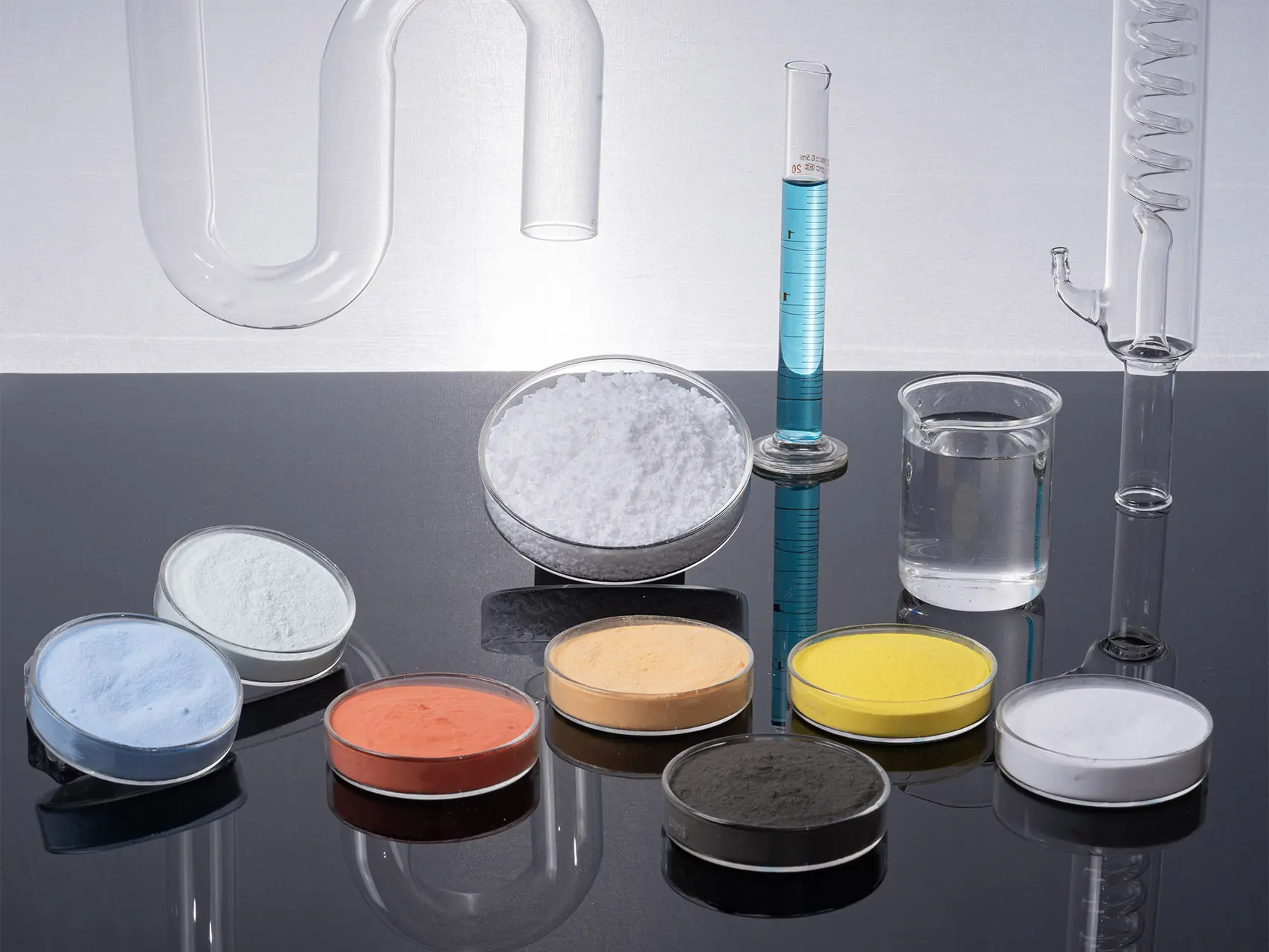
Runtai New Materials has established itself as one of China's top-tier manufacturers of formaldehyde and downstream derivatives. Backed by automated lines, we process 380,000 tons of formaldehyde, 300,000 tons of urea formaldehyde resin, 60,000 tons of melamine, and 20,000 tons of melamine glazing powder annually. This scale delivers up to 80% market share domestically.
Through robust logistics channels, our high-purity chemical streams are shipped worldwide to the United States, Thailand, Kenya, Egypt, and beyond. We combine customized formulation capabilities with reliable shipping protocols to support overseas pharmaceutical and manufacturing networks.
Technical brief on the molecular utility, synthesis applications, purification processes, and stringent pharmaceutical parameters governing modern healthcare manufacturing.
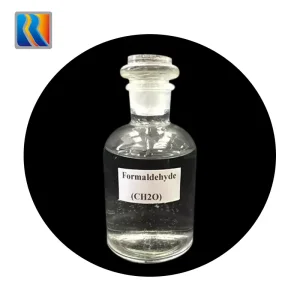
Formaldehyde ($CH_2O$), despite its simplicity as the smallest aldehyde, serves as a crucial building block in advanced chemical synthesis and medical processes. In pharmaceutical manufacturing, it acts as a C1-synthon (a source of single carbon units) in a broad range of reactions, including Mannich reactions, Eschweiler-Clarke methylations, and condensation reactions. Without high-purity formaldehyde intermediates, the production of essential medications—ranging from anti-diabetic agents like Metformin to urinary tract antiseptics like Methenamine (Hexamine)—would face supply chain bottlenecks.
Furthermore, in biological formulations, formaldehyde plays a critical role in vaccine production. It functions as an inactivating agent, neutralizing viral and bacterial toxins (to create toxoids) and destroying infectivity in pathogens without denaturing the immunogenic proteins required for vaccine efficacy. This precise application is key in manufacturing inactivated polio vaccines (IPV), pertussis vaccines, influenza vaccines, and veterinary biologics. The inactivation mechanism relies on cross-linking amine groups in proteins and nucleic acids, halting replication while leaving the structural integrity of the antigen intact for immune recognition.
The term "cheap" in pharmaceutical purchasing refers to cost-performance ratios achieved through integrated raw material chains, automated production, and economies of scale. Runtai New Materials achieves this competitive pricing without compromising quality. Our production strategy leverages direct integration with local chemical zones in Shandong, ensuring a reliable supply of methanol (the primary precursor) and minimizing freight costs.
Compliance with global pharmacopoeias (USP, EP, JP) is crucial when evaluating Chinese manufacturers of medical-grade formaldehyde. Runtai New Materials ensures compliance through:
The chemical industry is transitioning toward cleaner production methods and reduced carbon emissions. Formaldehyde manufacturing plants are adopting catalyst systems that reduce energy consumption and chemical waste. At Runtai New Materials, we use silver catalyst and metal-oxide processes designed for high conversion efficiency and heat recovery. The thermal energy generated during methanol oxidation is recovered to produce high-pressure steam, which powers downstream production processes.
Our commitment to sustainable production aligns with ESG (Environmental, Social, and Governance) targets. We invest in emissions control systems that neutralize tail gases and waste streams, ensuring compliance with environmental regulations. This approach enables us to support global buyers looking for suppliers that meet both technical specifications and sustainable sourcing standards.
Integrating production scale, automation, and academic collaboration to deliver high-specification materials.
Following the completion of our melamine project, Runtai New Materials has become a key Chinese enterprise in the research, production, sales, and application of chemical materials using formaldehyde as a raw material. Our materials maintain a leading market share nationwide.
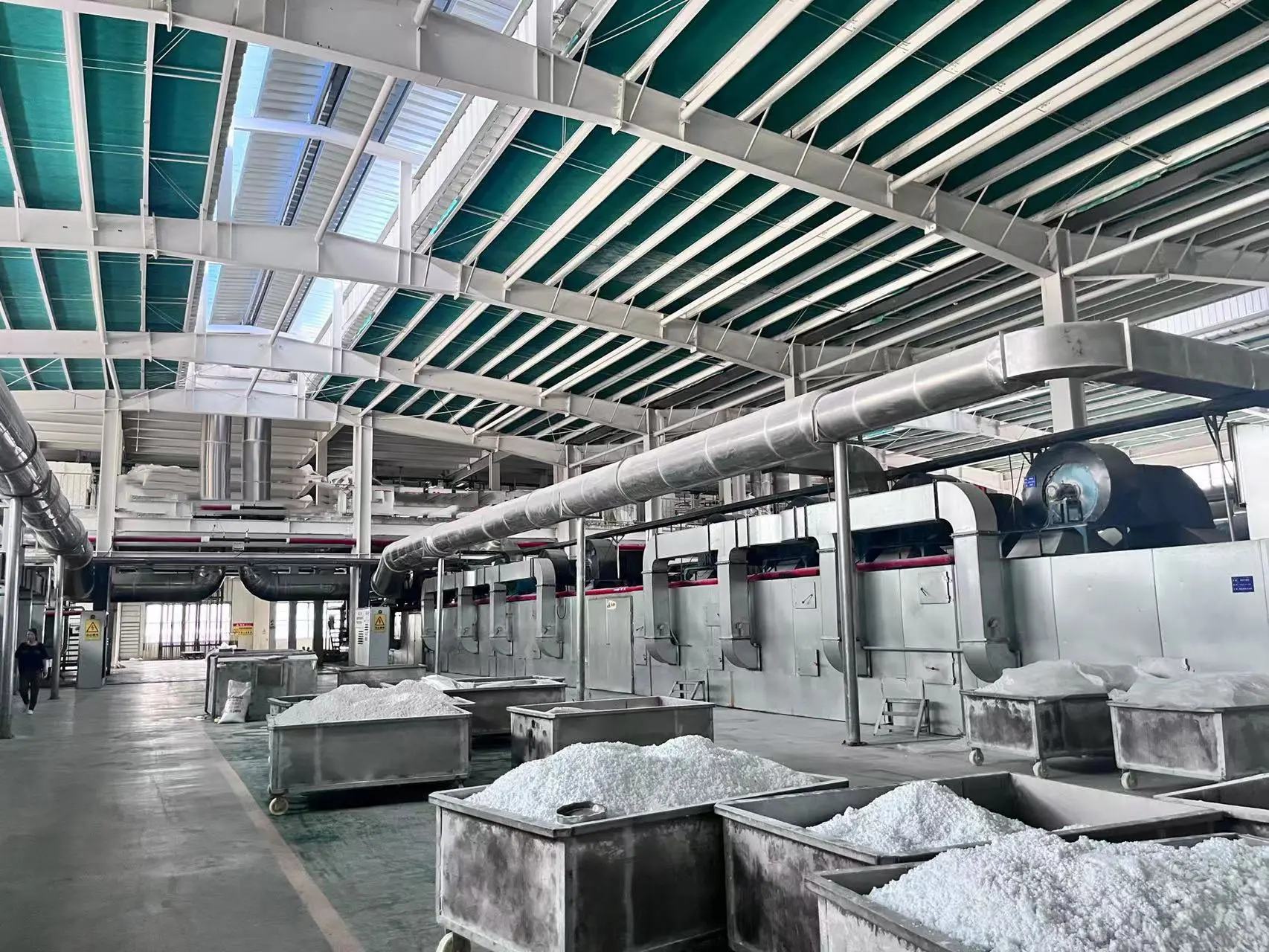
We apply the principles of "automatic control, safe and reliable, stable operation, energy saving, and comprehensive utilization of resources." Utilizing advanced Distributed Control Systems (DCS) allows us to control process parameters across the entire production line, maintaining product consistency while lowering raw material consumption.
To meet product specifications, we employ modern manufacturing and testing devices. We focus on increasing automation in the production process to reduce labor intensity, boost productivity, conserve energy, and lower overall production costs.
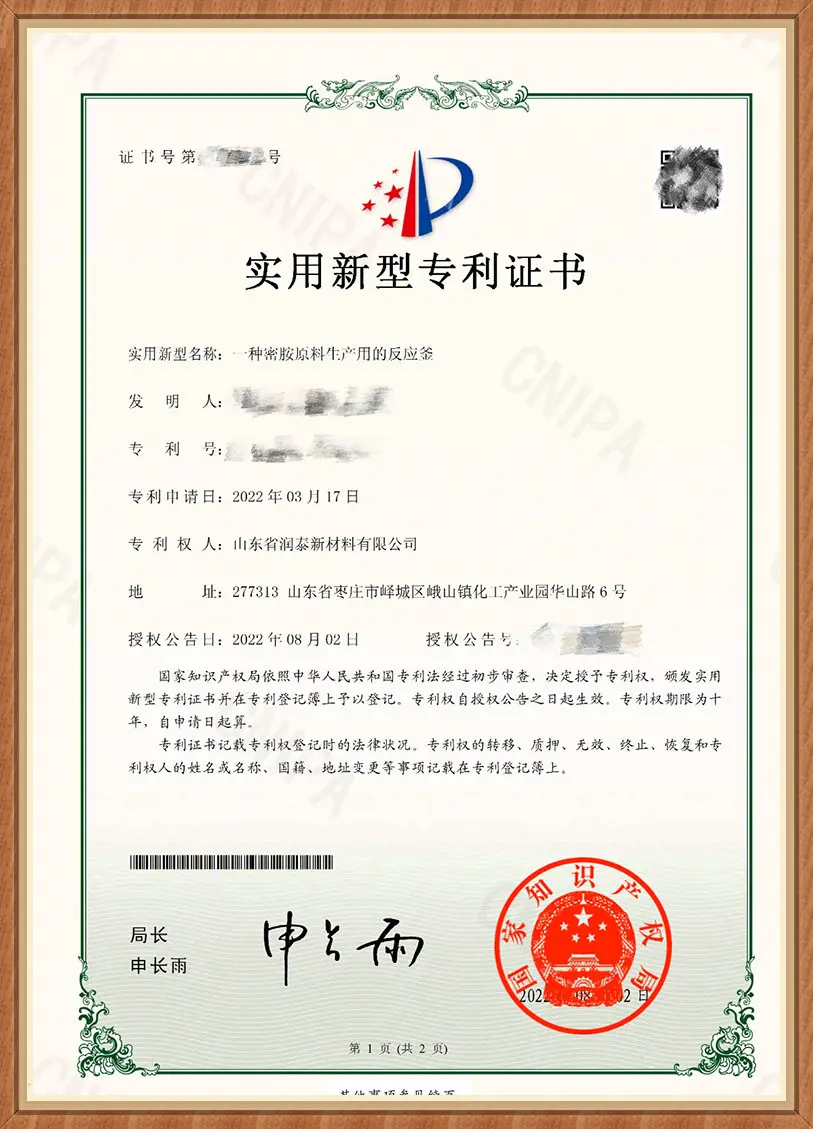
Through our long-term collaboration with the Changzhou Research Institute of Beijing University of Chemical Technology and other scientific research institutions, we support integration across production, education, and research. Our development is backed by a doctoral R&D team and multiple patented technologies.
Our chemical operations have room for downstream expansion. We manufacture a range of derivative products utilized in adhesives, coatings, resins, plastics, dyes, medical raw materials, and electronics, as well as daily utensil material replacements.
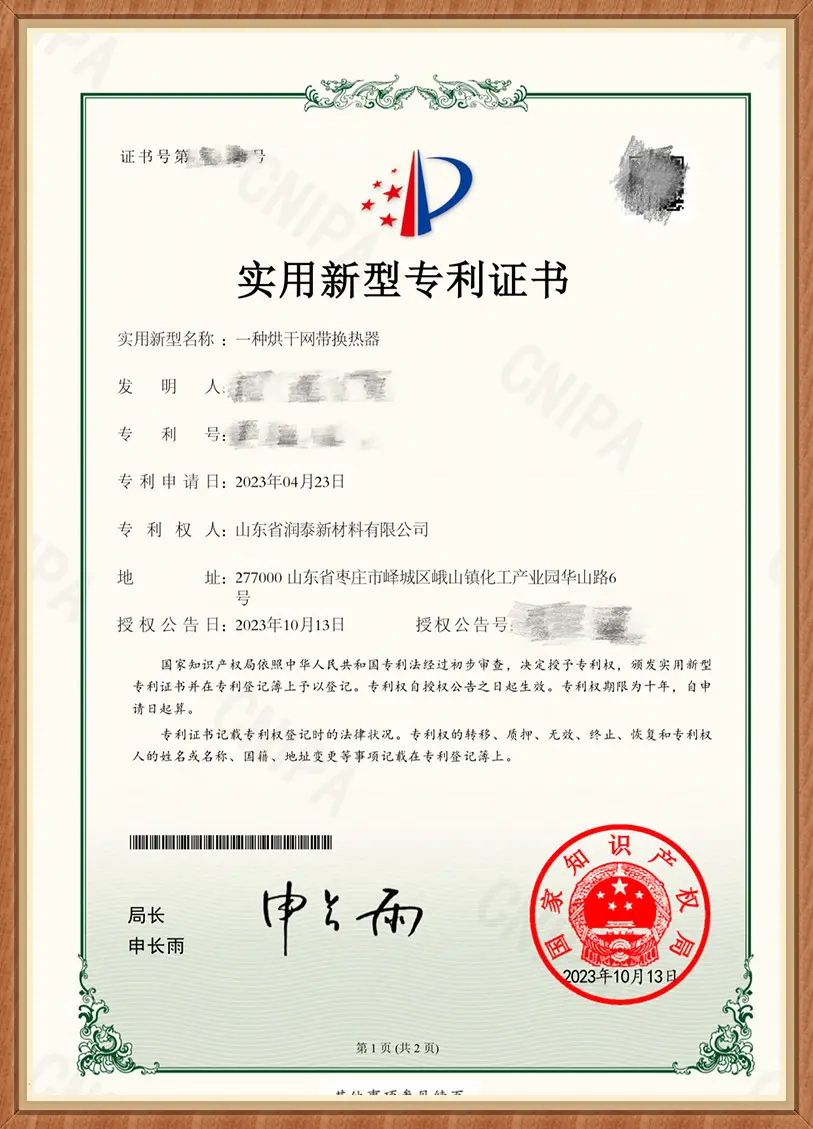
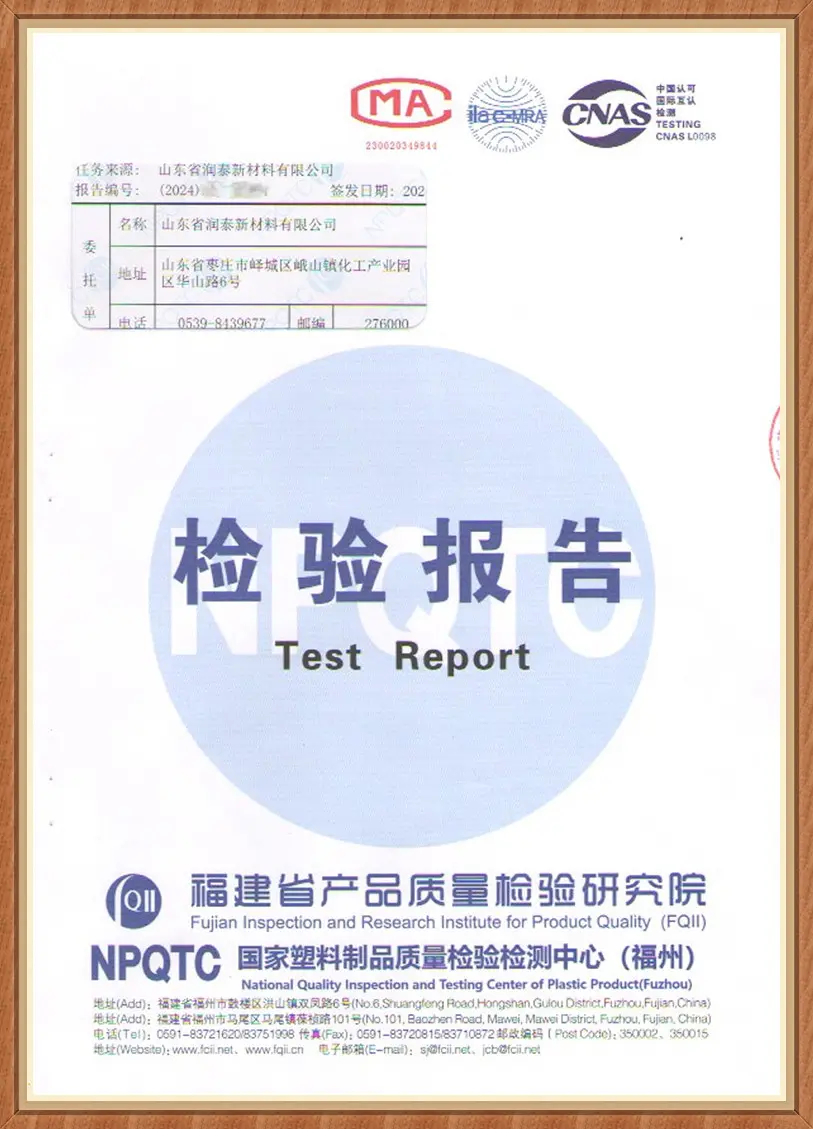
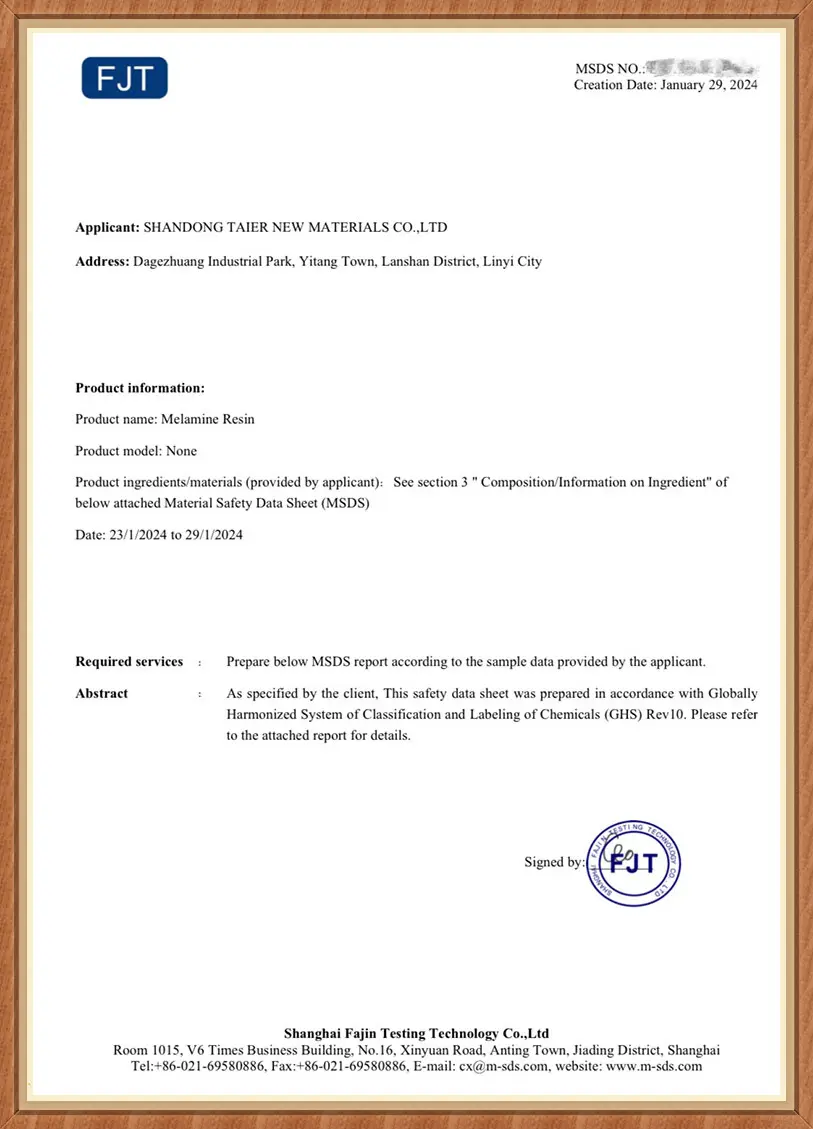
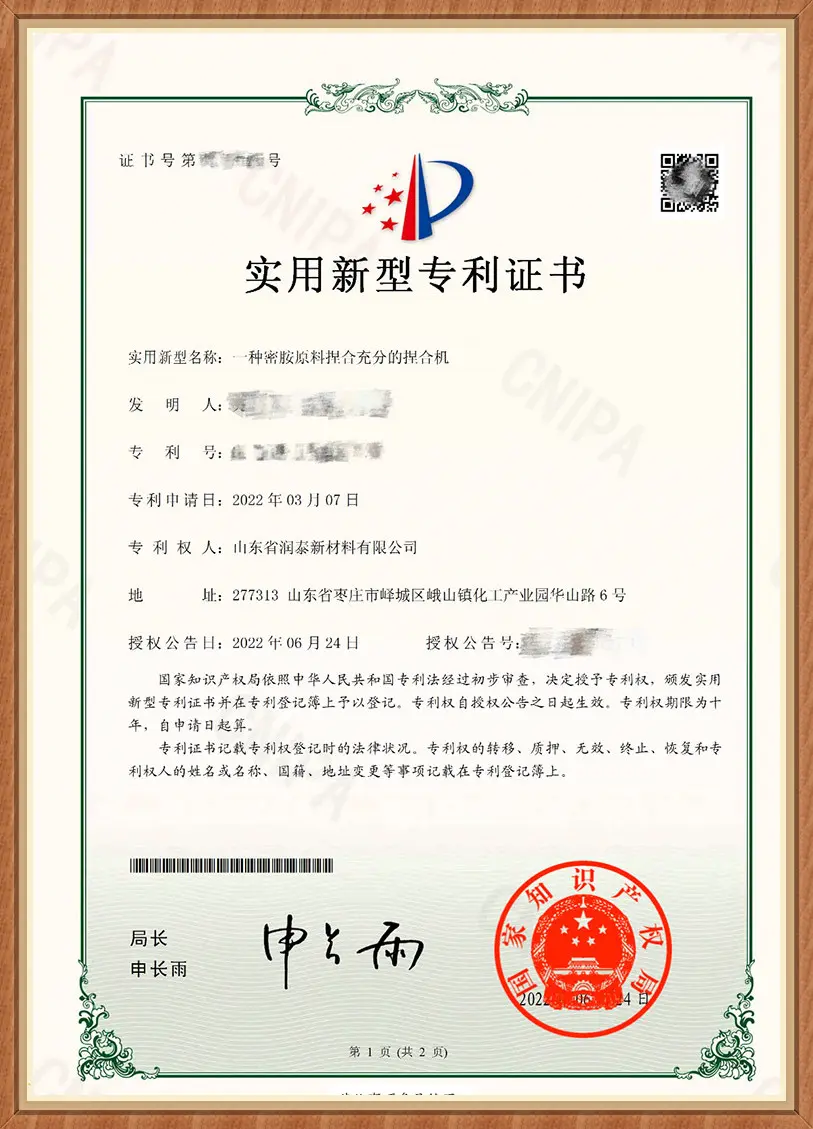
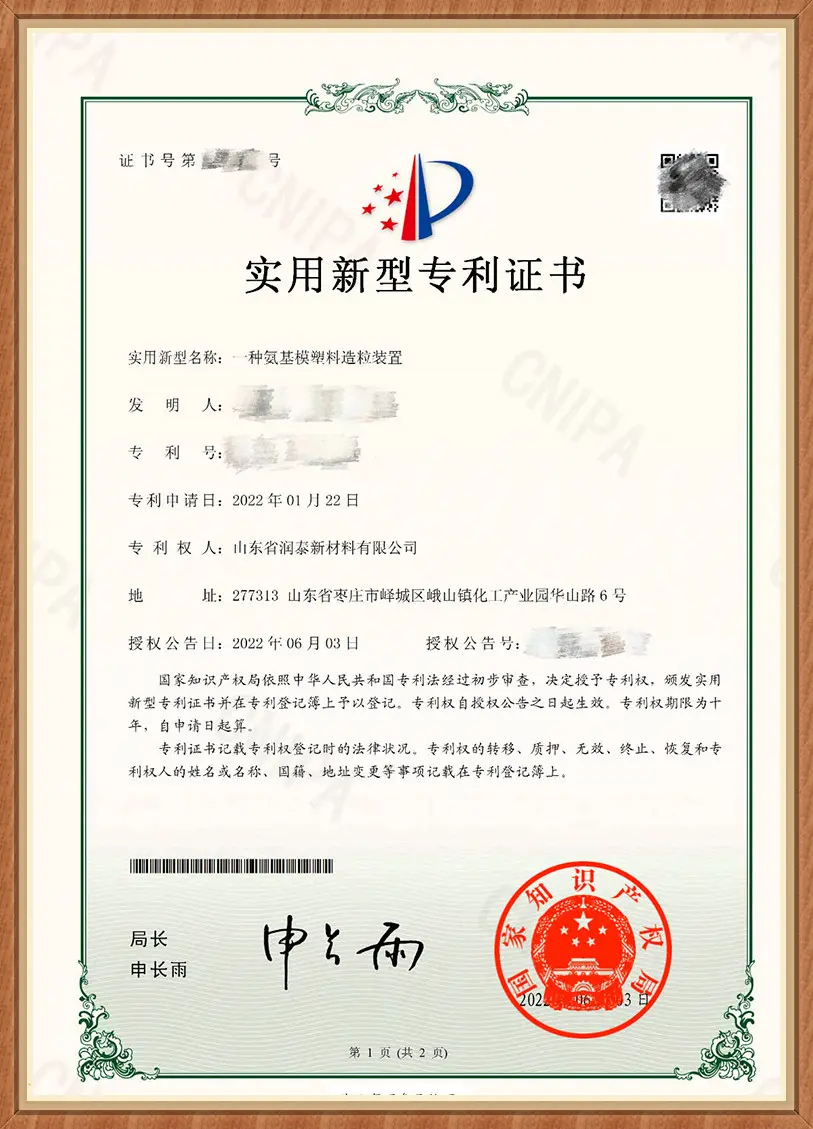
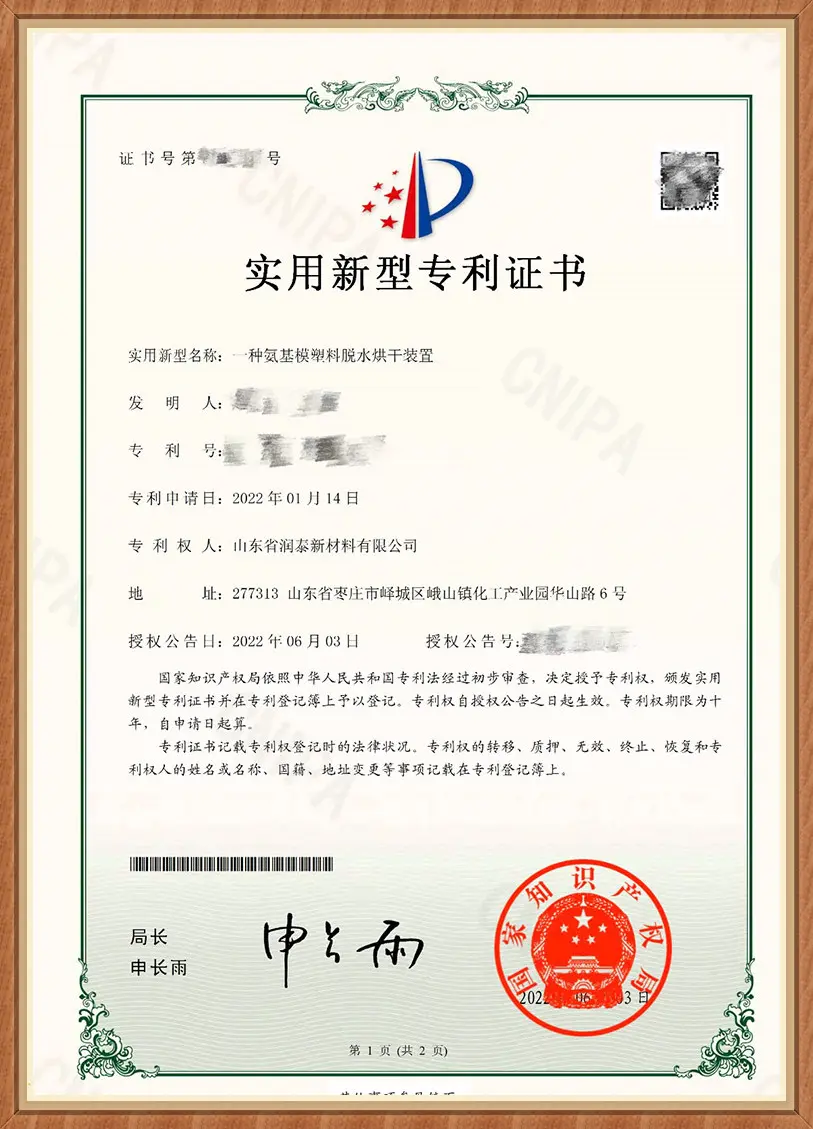
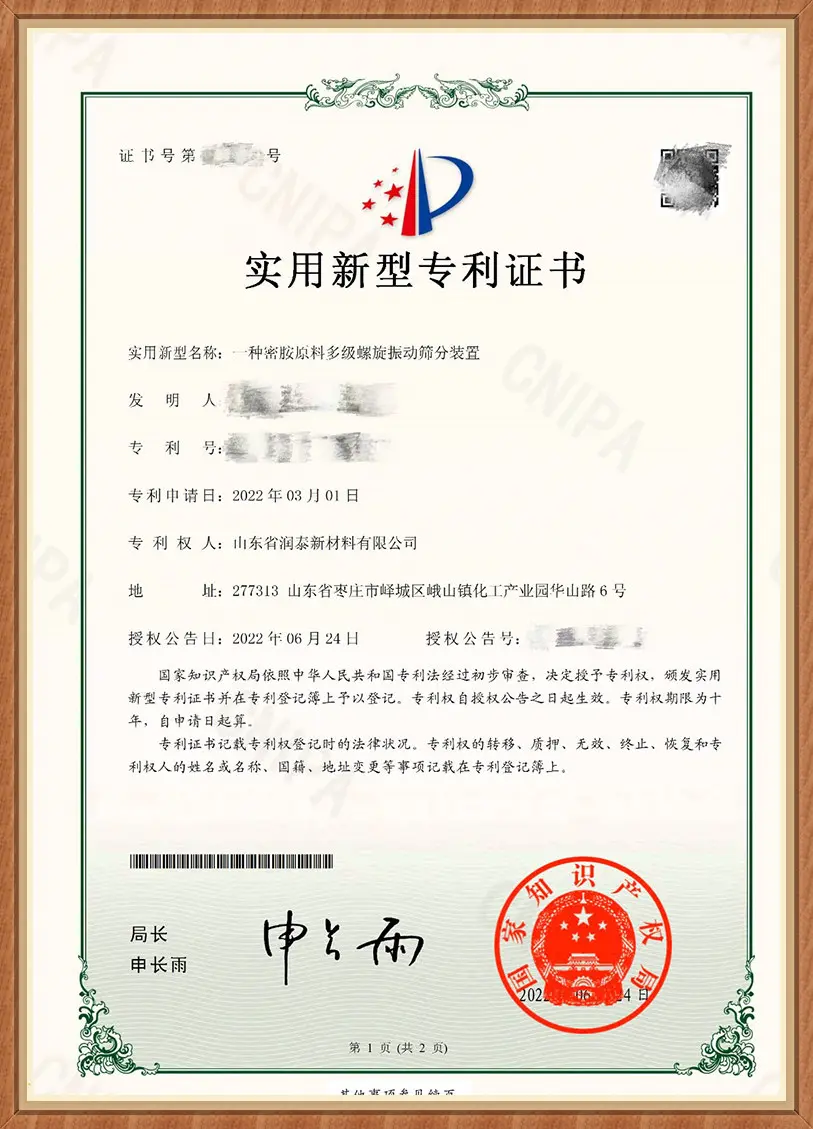
Verifiable compliance documents, manufacturing facility views, and quality system registrations.


Addressing transportation safety, concentration stability, and technical requirements across global corridors.
Exporting aqueous formaldehyde solutions poses two main chemical challenges: paraformaldehyde precipitation at low temperatures and formic acid build-up from oxidation. Runtai New Materials addresses these challenges through temperature-controlled shipping configurations and high-purity methanol stabilization (typically 7% to 15% inhibitor levels depending on requirements).
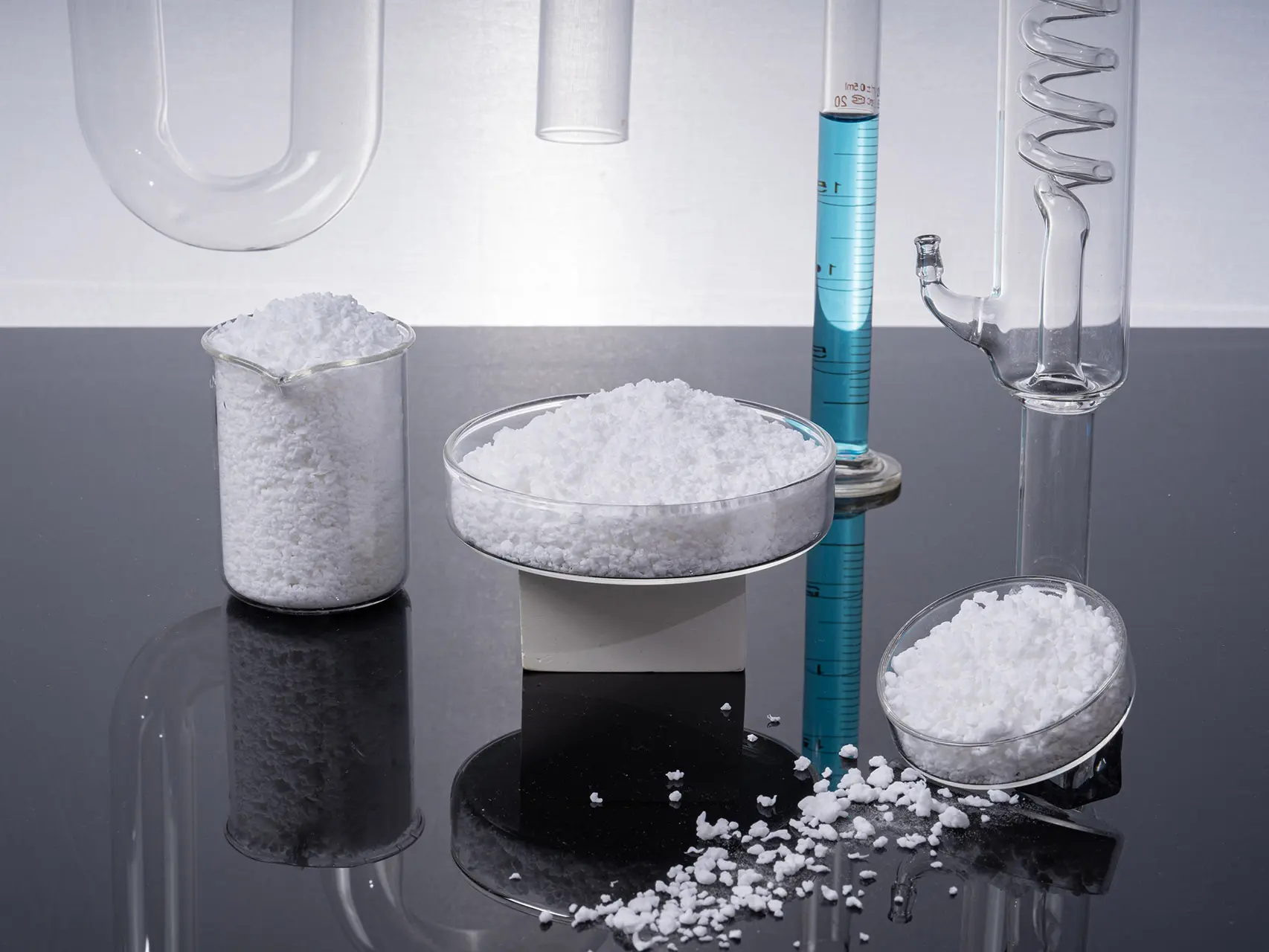
For operations requiring methanol-free pathways, we supply high-purity paraformaldehyde (solid prills at 92-96% concentrations). These can be depolymerized on-site, providing a source of formaldehyde without introducing alcohol-based stabilizers.
Pharmaceutical processes require strict batch-to-batch consistency. Our laboratory works with buyers to establish limits on iron levels, chloride ions, and organic impurities, ensuring our products integrate into synthesis loops without poisoning sensitive metal catalysts.
Every shipment is accompanied by detailed analytical documentation, including gas chromatography profiles and trace-metal analyses, ensuring compliance with importing regulatory standards.
Answers to common questions regarding regulatory compliance, shipping logistics, and storage specifications.
Additional resins, glazing agents, and thickeners engineered for international distribution and industrial manufacturing.
 Runtai