Direct procurement access to Shandong Runtai New Materials' premium catalog. Tap into bulk savings and optimized formulation solutions.
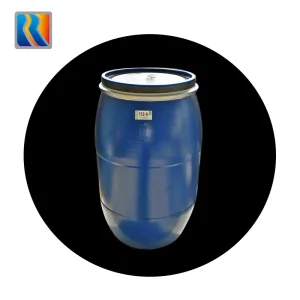
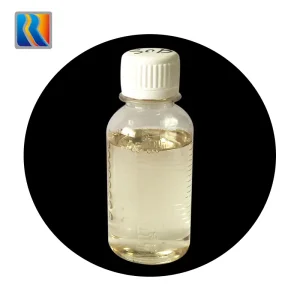
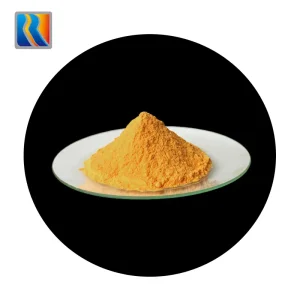
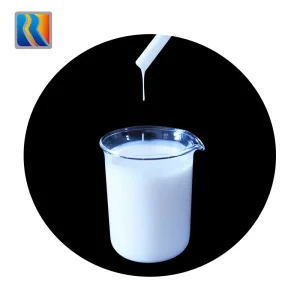
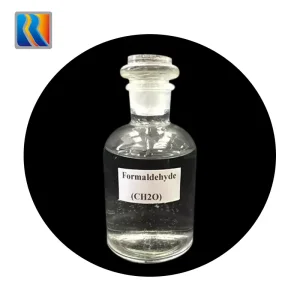
Founded in March 2020, Shandong Runtai New Materials Co., Ltd. is a comprehensive group firm that specializes in fine chemical products. Our primary products include formaldehyde, polyformaldehyde (paraformaldehyde), urea formaldehyde resin, melamine powder, and melamine glazing powder. The corporation has branches in five different cities throughout the whole country, with its headquarters located in Zaozhuang City, Shandong Province. Runtai New Materials covers an area of 270,000 square meters with a total investment of 2.06 billion yuan.
Our operation represents the structural synergy of large-scale chemical infrastructure combined with localized supply agility. Leveraging Zaozhuang’s regional transport nodes, we have structured a supply matrix capable of delivering liquid formaldehyde intermediates and solid state polymerization materials reliably across key domestic and global hubs. By minimizing transaction friction and running highly optimized synthesis loops, we offer the global market competitive rates that redefine "cheap" as structural efficiency rather than compromised quality.
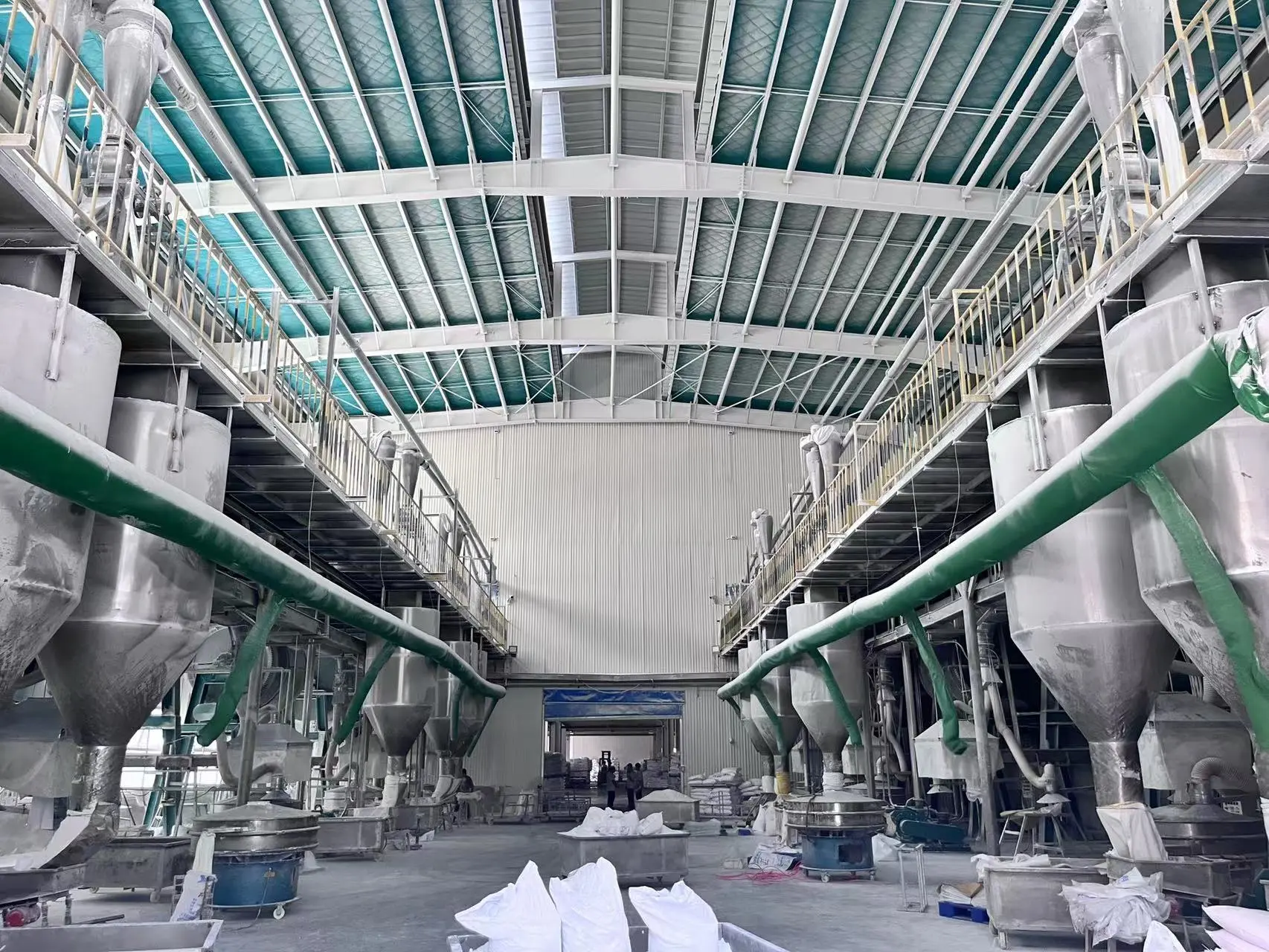
Runtai New Materials has grown to be one of China's top producers of melamine and formaldehyde due to our recent improvements in production lines growth. As of currently, the company produces 380,000 tons of formaldehyde annually, 60,000 tons of melamine annually, 20,000 tons of melamine glazing powder annually, 11,000 tons of resin annually, 300,000 tons of urea formaldehyde resin annually, and so forth. We have reached about 80% market share in China. At the same time, we are actively developing overseas business, our products have been exported to the United States, Thailand, Kenya, Egypt, and other countries and have been widely praised by overseas customers.
Runtai New Materials is a professional chemical supplier dedicated to satisfying customer requirements with superior chemical products and solutions. Our professional staff and cutting-edge production machinery are committed to the production of chemical goods that satisfy global standards. In order to satisfy the needs of various industries, we simultaneously offer standardized products as well as tailored solutions based on the unique requirements of our customers.
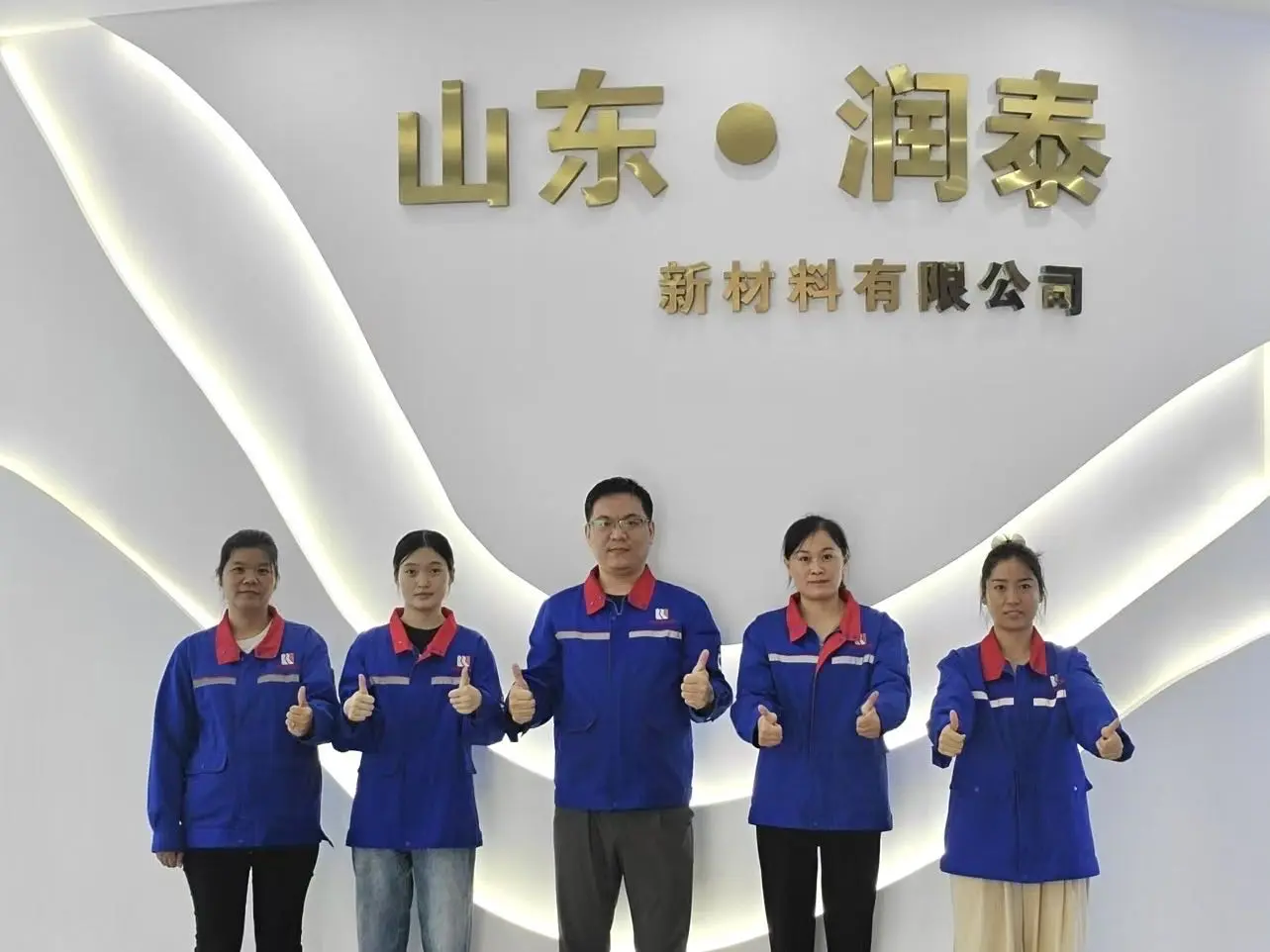
In the modern chemical manufacturing sector, cost leadership is no longer determined by raw labor savings. Instead, it is governed by technological integration, automated stability, and upstream integration. At Runtai, our production matrix applies the guiding principles of "automatic control, safe and reliable, stable operation, energy saving and consumption reduction, comprehensive utilization of resources" when choosing production technology solutions. This systematic automation drives down margins of error, limits thermal waste, and optimizes chemical conversion rates.
"Our integration of Factory 4.0 paradigms translates into predictable chemical kinetics, batch-to-batch consistency, and stable pricing models that insulate global distributors from regional energy spikes."
After the completion of the melamine project, Runtai New material Co., LTD has become a comprehensive enterprise in the forefront of China's research, production, sales and application of new chemical materials with formaldehyde as raw materials. Melamine materials are projected to have a leading market share nationwide.
Select the more advanced distributed control system (DCS) available currently, which allows us to control the process parameters across the entire production line, ensuring high levels of product quality and equipment safety while lowering raw material consumption.
To maximize the requirements of product quality, we employ the current cutting-edge, dependable, and established equipment both domestically and internationally when choosing production and testing devices. Simultaneously, we increase automation, decrease labor intensity, and lower costs.
With the Changzhou Research Institute of Beijing University of Chemical Technology and other scientific research institutions, Runtai New material Co., LTD has long engaged in the integration of production, learning, and research, backed by a doctoral R&D team.

Meanwhile, Runtai New Materials, as an ethical company, prioritizes sustainable development and environmental preservation. Our commitment lies in developing and producing eco-friendly products that minimize their negative effects on the environment while adhering to pertinent laws, regulations, and standards.
The "quality first, customer first" attitude has always guided our business, and we embrace customer service with honesty and professionalism. Friends from both domestic and foreign locations are warmly invited to visit Runtai New Materials. We look forward to collaborating with you to build a better future together!
The catalytic oxidation of methanol to synthesize formaldehyde has historically been optimized through two major chemical routes: the silver catalyst process and the metal oxide (Formox) process. Runtai New Materials continues to refine these process kinetics, focusing on gas-phase contact oxidation efficiency. By controlling reaction temperatures within narrow thermal envelopes (typically between 600°C and 650°C for silver-based beds), we achieve higher conversion selectivity, minimizing secondary reactions that generate formic acid and carbon monoxide. This engineering precision ensures our aqueous formaldehyde solutions remain ultra-pure with low acidity levels.
Looking to the next decade, our collaboration with the Changzhou Research Institute of Beijing University of Chemical Technology targets low-emission condensation polymers. The integration of advanced polymer chemistry aims to produce a new generation of Urea-Formaldehyde (UF) and Melamine-Formaldehyde (MF) resins that exhibit high cross-linking densities while meeting or exceeding European E0 and California Air Resources Board (CARB) Phase II emission limits. Additionally, we are researching bio-based methanol alternatives to create a green pathway for renewable chemical synthesis, aligning with global carbon-neutrality initiatives.
Optimized for lower methanol-to-formaldehyde excess, saving distillation energy.
Exothermic energy is channeled to steam generation, powering downstream resin plants.
Advancements in polymerization ensure free-formaldehyde levels are kept below 0.1%.
Formaldehyde is a fundamental precursor in industrial chemistry. The derivative chain extends widely into adhesives, coatings, resin plastics, dyes, medical raw materials, and high-performance engineering plastics. Runtai's structural advantage lies in our Long Industrial Chain. Instead of operating as an isolated chemical factory, we synthesize our own formaldehyde feedstock, which is immediately piped to our adjacent polymer synthesis units. This eliminated transfer cost allows us to supply cheap, high-purity downstream compounds to the following global industries:
Urea-Formaldehyde Resins (UF) and Phenolic Resins tailored for high bonding strength, water resistance, and rapid curing cycles in MDF, plywood, and particleboard manufacture.
High-grade Urea Moulding Compounds (UMC) and Melamine Moulding Compounds (MMC) engineered for electrical appliances, tableware, and industrial components requiring high thermal stability and flame retardancy.
Acrylic-acid-based thickeners, defoamers, and dispersants designed to modify rheology and interface dynamics in commercial paint systems and architectural emulsions.
Exporting chemical compounds globally requires rigid adherence to international standards. At Runtai, we maintain comprehensive compliance frameworks to assure our global buyers of product integrity. Our logistics team handles hazardous materials transport (for liquid formaldehyde solutions) under tight international regulations, ensuring proper stabilization and concentration control during maritime shipping.
From the United States to Egypt, Kenya, and Thailand, our products arrive with standardized Safety Data Sheets (SDS), certificates of analysis (CoA), and regional regulatory filings (including REACH pre-registrations where applicable). This compliance structure minimizes customs delays, ensuring that the cost-benefits gained at our factory gate are not offset by demurrage charges at ports of entry.
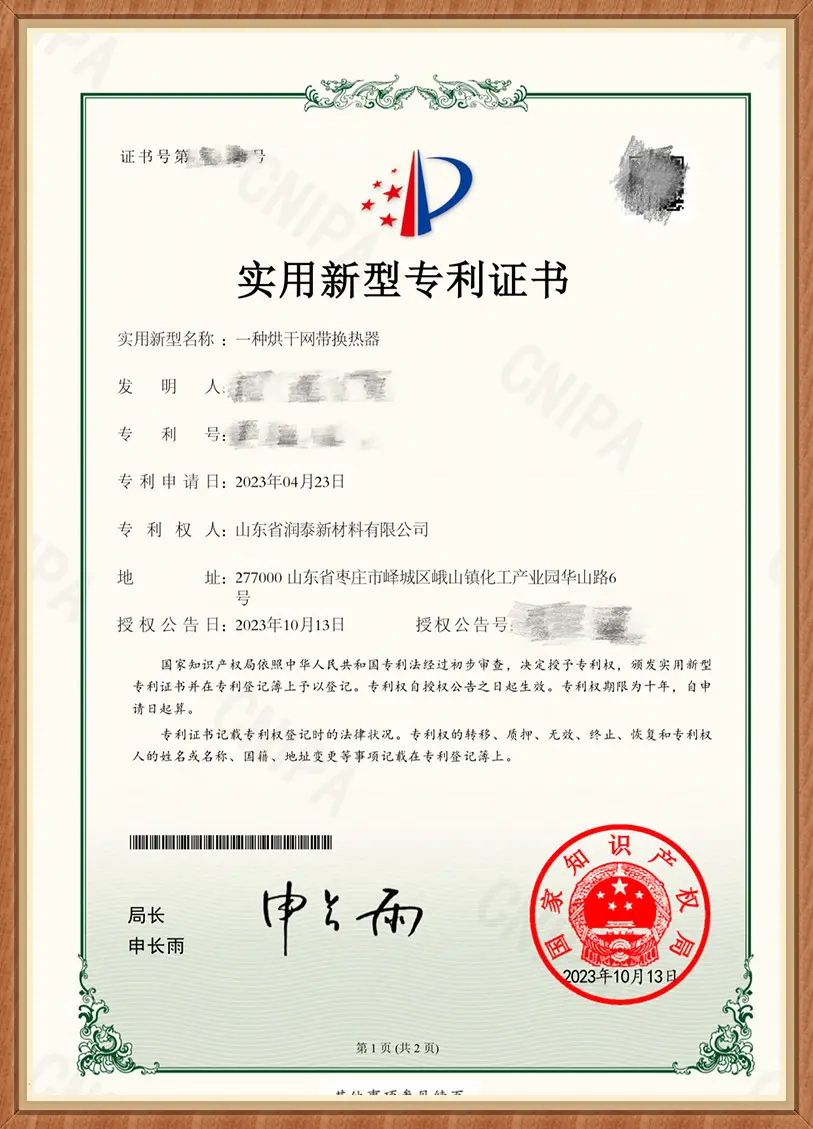
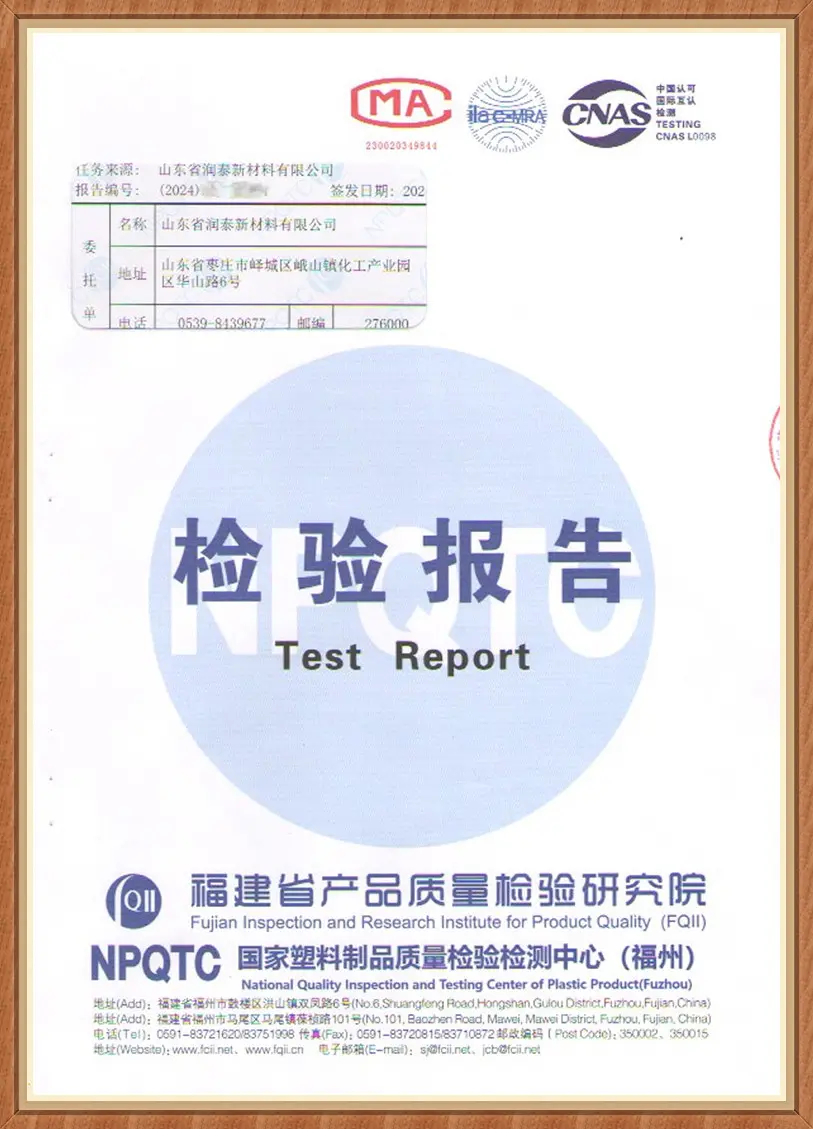
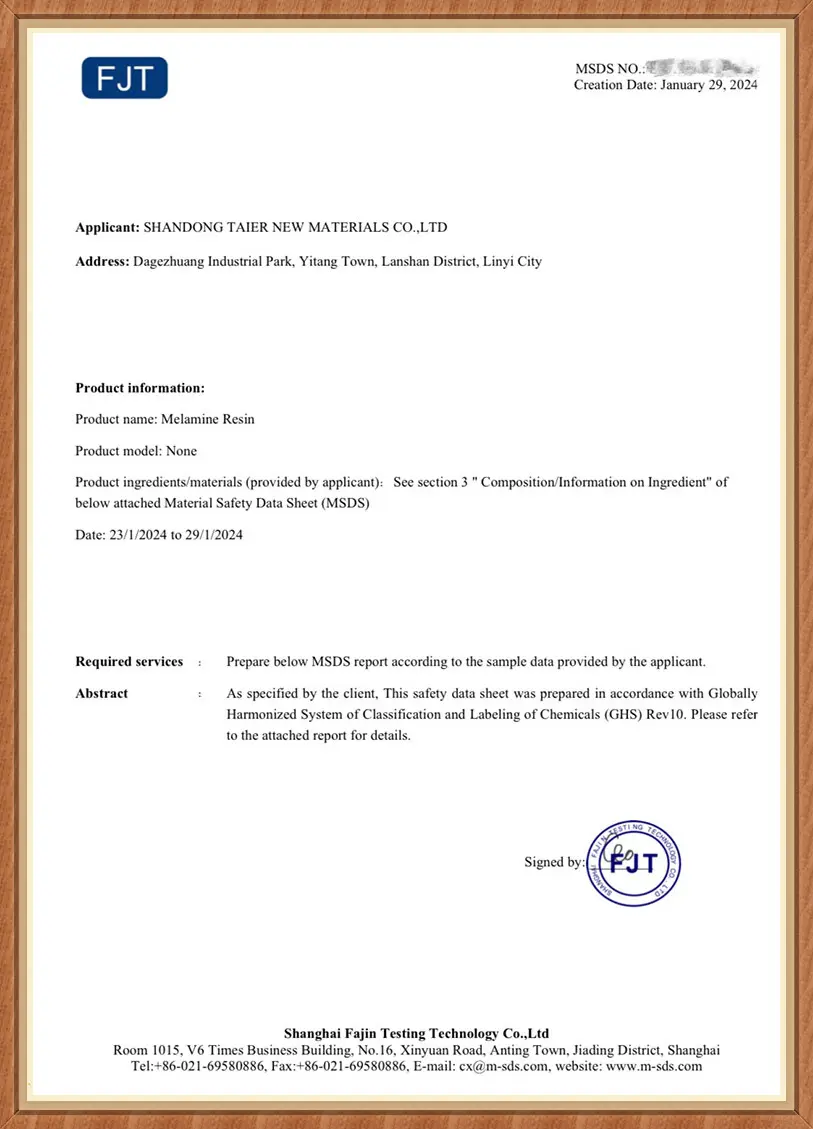
A: Concentrated liquid formaldehyde solutions are chemically unstable and prone to polymerization into solid paraformaldehyde, especially at lower temperatures. To prevent this, Runtai utilizes precise thermal control during transit and incorporates specific amounts of methanol stabilizer (typically 0.5% to 15% depending on customer requirements and ambient transport routes). For long-distance export, we also supply solid Paraformaldehyde (92% - 96% purity) as a highly stable, depolymerizable alternative that reduces liquid transportation risks and shipping volume.
A: We run a dedicated molecular modifications program in partnership with university researchers. For downstream resins like Urea Formaldehyde Resin, we adjust the urea-to-formaldehyde molar ratio during the condensation reaction. By using multiple-stage urea addition and introducing specific scavenger additives, we chemically lock free formaldehyde molecules inside the cured polymer grid. This allows our customers' boards to meet strict emissions targets (E0, E1, CARB Phase II).
A: Yes. We customize resin viscosity, solid content, gel time, and polymerization degree to match our customers' press operating parameters. By adjusting reaction temperatures, pH steps, and raw material purity via our automated DCS system, we manufacture customized resins that meet varying requirements for wood processing machinery.
A: Our cost advantages are structural. Our factory features integrated manufacturing blocks, which means our primary inputs (formaldehyde and melamine monomers) are generated on-site. This eliminates middleman markup, long-distance domestic shipping costs, and packaging overhead. Additionally, the steam generated by the exothermic oxidation reactions is fed directly into downstream resin reaction tanks, lowering the plant's overall energy footprint.
Browse more products from our manufacturing center. Select your required chemical line for volume-based pricing structures.
 Runtai