Direct supply from state-of-the-art chemical manufacturing facilities. High purity, certified chemical compounds engineered for absolute performance.
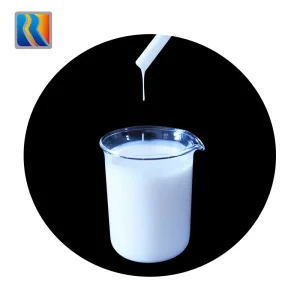
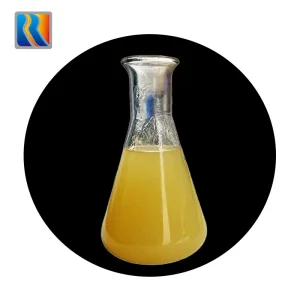
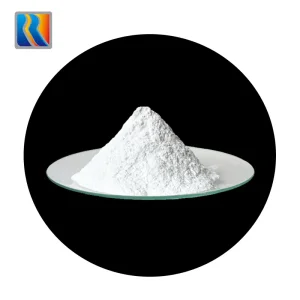
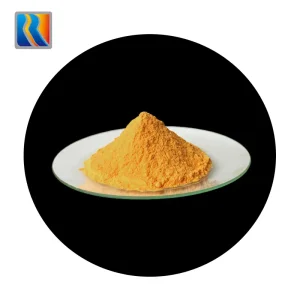
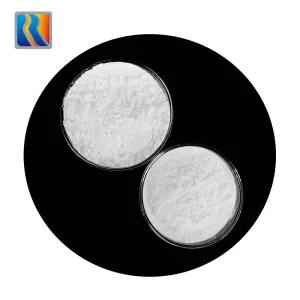
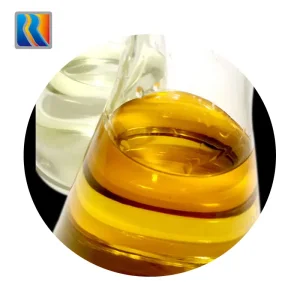
Phenolic resins, or phenol-formaldehyde resins, represent the oldest and most widely used synthetic polymers in heavy industrial manufacturing. Known for their exceptional mechanical strength, heat resistance, chemical stability, and flame retardancy, these thermosetting polymers are vital components in friction materials, refractories, electrical components, structural laminates, and advanced coatings. As search intent metrics for the best solid phenolic resin supplier & manufacturers rise globally, procurement departments and chemical engineers are seeking vendors capable of providing not just standardized resins, but optimized, high-fidelity formulations designed for harsh performance parameters.
Founded in March 2020, Shandong Runtai New Materials Co., Ltd. has established itself as an industry leader in fine chemical products and advanced polymeric systems. Runtai New Materials occupies a sprawling, modern facility spanning 270,000 square meters in Zaozhuang City, Shandong Province, backed by a total investment of 2.06 billion yuan. As a comprehensive group enterprise, we integrate core raw material synthesis with high-end downstream manufacturing, guaranteeing product consistency, cost advantages, and continuous structural innovation.
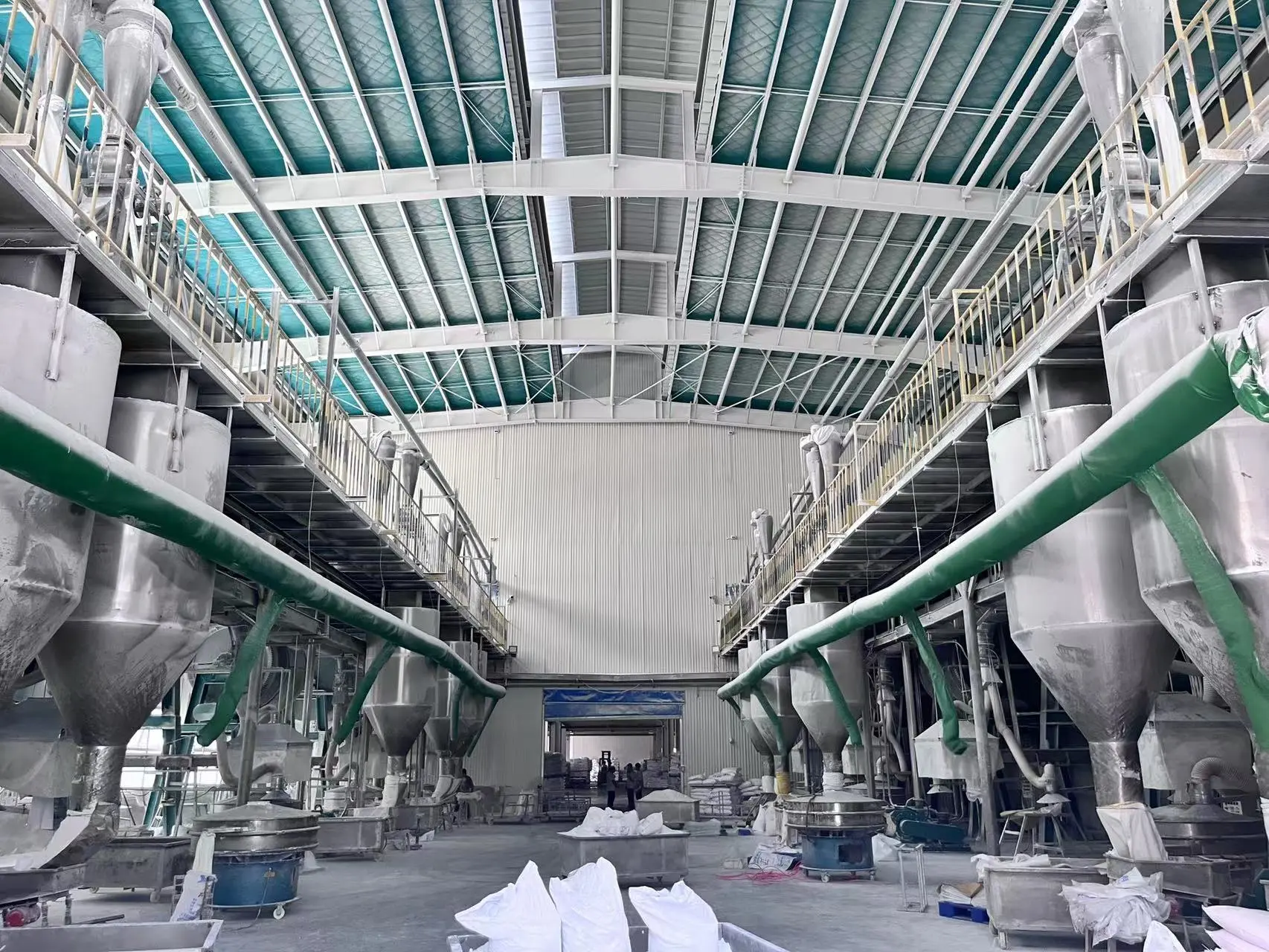
Operating high-throughput automated chemical processing lines to supply domestic and international industrial bases with consistent, high-yield material supplies.
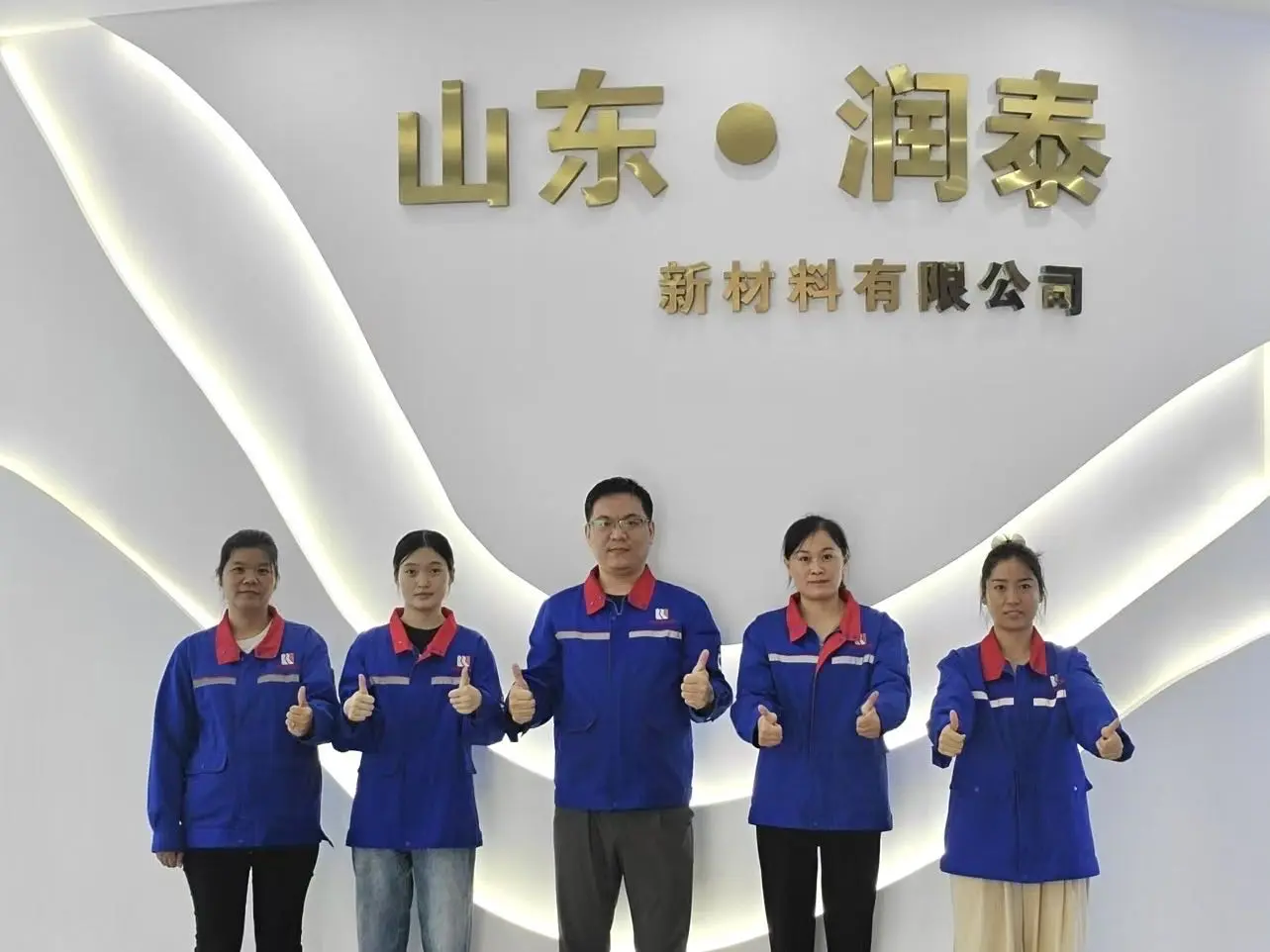
Runtai New Materials has grown rapidly to occupy a dominant position in the fine chemical industry. With a domestic market share in China reaching approximately 80% for our core chemical materials, we have leveraged our massive capacity to support international clients. Our products are exported to highly regulated global markets, including the United States, Thailand, Kenya, Egypt, and numerous European nations, winning wide acclaim for compliance and performance reliability.
Through systematic upgrades of our production systems, we now support the following annual capacities:
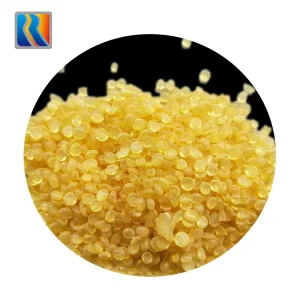
Solid phenolic resins are categorized based on their reaction kinetics, catalytic pathways, and final chemical structure. Understanding these distinct differences is critical for selecting the optimal material supplier for specific industrial formulations:
Synthesized with a formaldehyde-to-phenol molar ratio of less than 1 under acidic conditions. Novolacs are thermoplastic and require a curing agent, typically hexamethylenetetramine (HMTA or "Hexa"), to cross-link. They exhibit superior shelf stability and are widely used in grinding wheels, brake pads, and molding powders.
Synthesized with a formaldehyde-to-phenol molar ratio of greater than 1 under alkaline conditions. Resoles are self-curing (thermosetting) structures that contain reactive methylol groups. When heated, they cross-link without the addition of hardeners. Ideal for high-temperature bonding and refractory composites.
Chemically modified with elastomers (such as NBR), cardanol, epoxy, or silicone to enhance specific properties like flexibility, impact strength, water resistance, and high-frequency electrical characteristics. Ideal for specialized friction lining compounds.
For key technical buyers, the physical form, free monomer levels, molecular weight distribution, and flow characteristics determine the manufacturing output. Runtai's R&D laboratories utilize gel permeation chromatography (GPC) and high-performance liquid chromatography (HPLC) to monitor prepolymer dispersion, ensuring narrow molecular weight ranges that optimize curing times and minimize volatile emissions during hot molding.
How we leverage scientific research, automation, and industrial value chains to outpace competitors.
We implement state-of-the-art Distributed Control Systems (DCS) across our entire production setup. By monitoring and regulating pressure, temperature, feeding speeds, and condensation rates in real time, we guarantee uniform resin characteristics and high process safety, minimizing variance batch-to-batch.
Through strategic partnerships with elite engineering institutions, including the Changzhou Research Institute of Beijing University of Chemical Technology, Runtai has built a doctoral R&D infrastructure capable of developing bespoke resins, refining cross-linking densities, and creating next-generation alternatives.
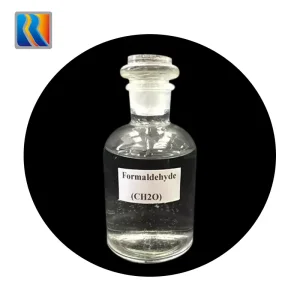
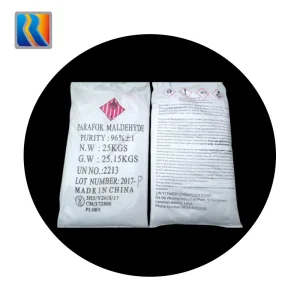
Our raw material feedstock begins with basic formaldehyde synthesis. By managing the supply chain upstream (with 380,000 tons of formaldehyde produced annually), we shelter our clients from market price shocks, ensure consistent raw material purity, and avoid shipping delays of vital chemical components.

Modern procurement specialists looking for a solid phenolic resin manufacturer face complex compliance and supply challenges. Key developments transforming the global market include:
Runtai meets these demands by using state-of-the-art gas chromatography to verify clean chemical structures and low monomer residues. Our robust supply capabilities ensure consistent, high-volume shipping container dispatches from Zaozhuang City to major international shipping ports.

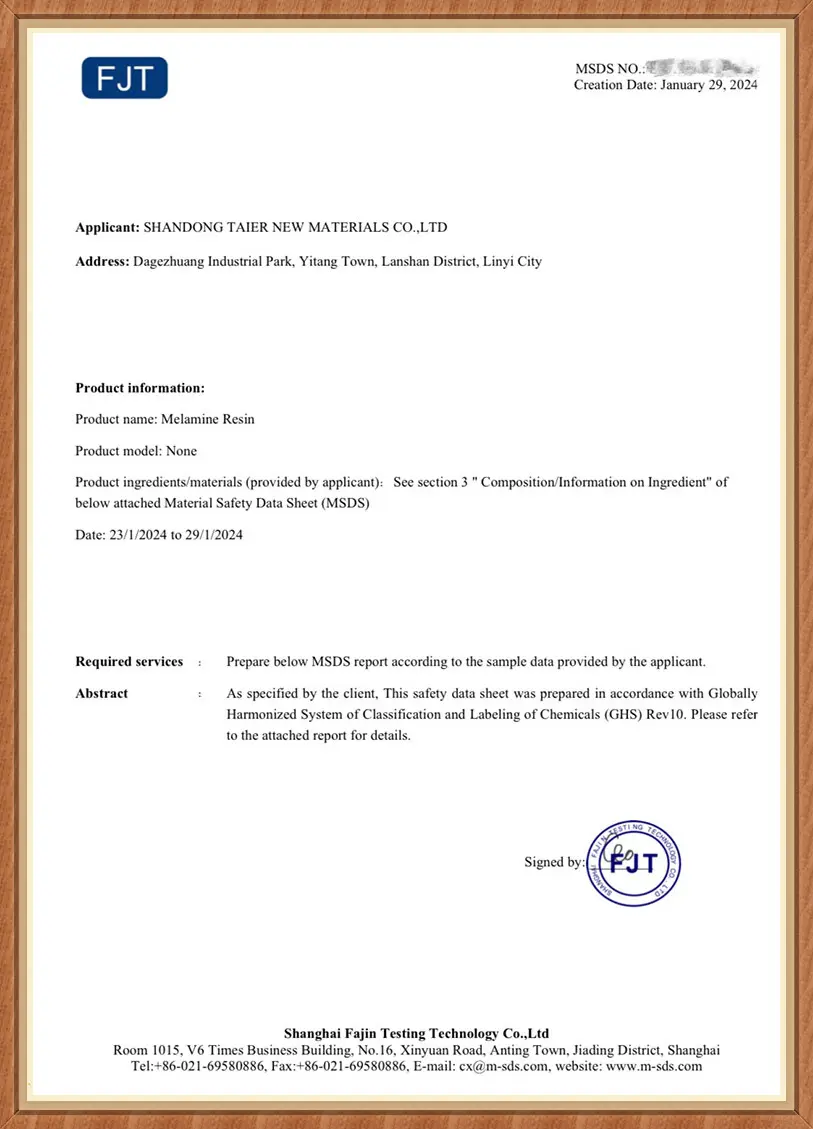
Compliance is our foundation. We maintain strict quality management systems and patent portfolios to protect your production stability and product performance.
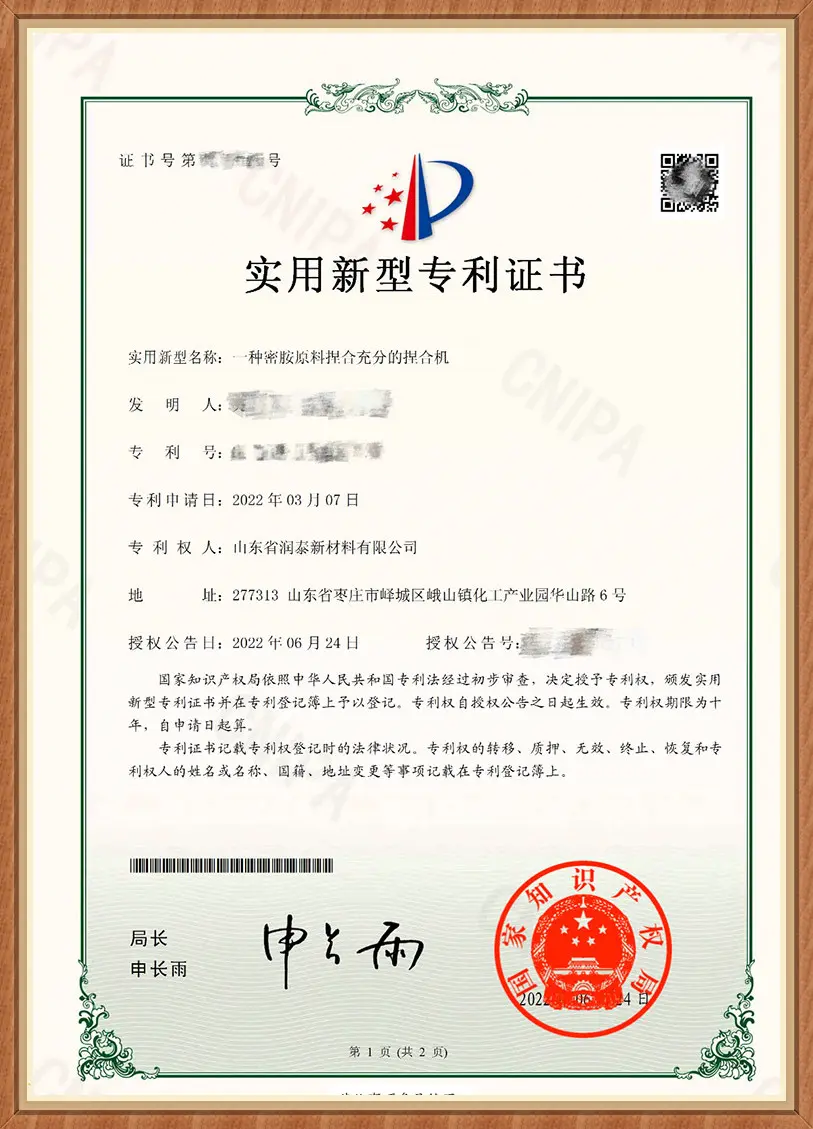
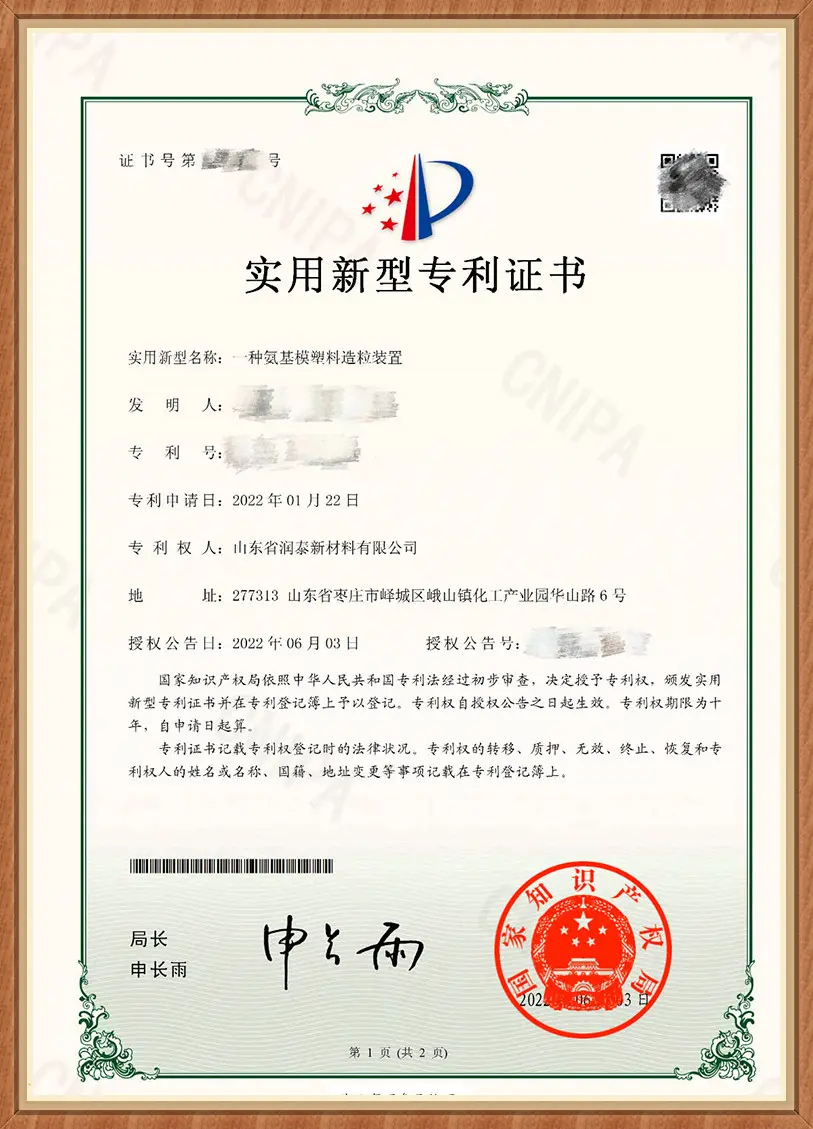
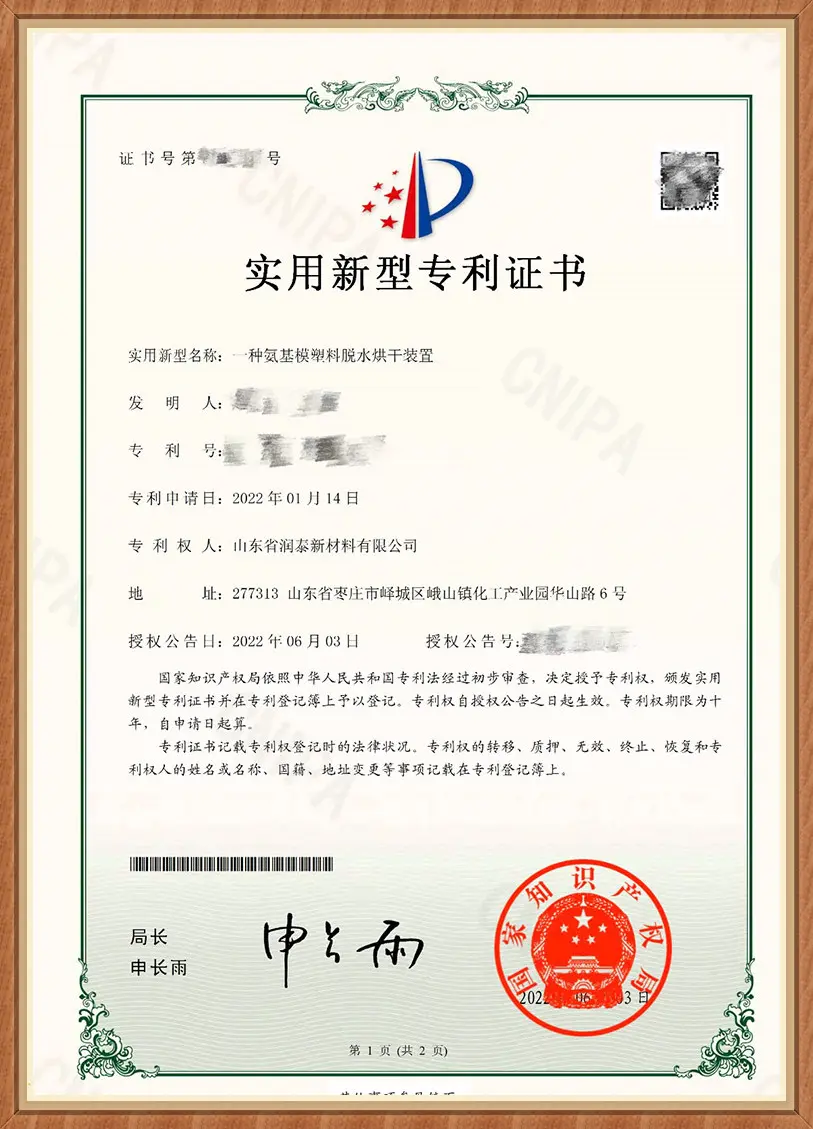
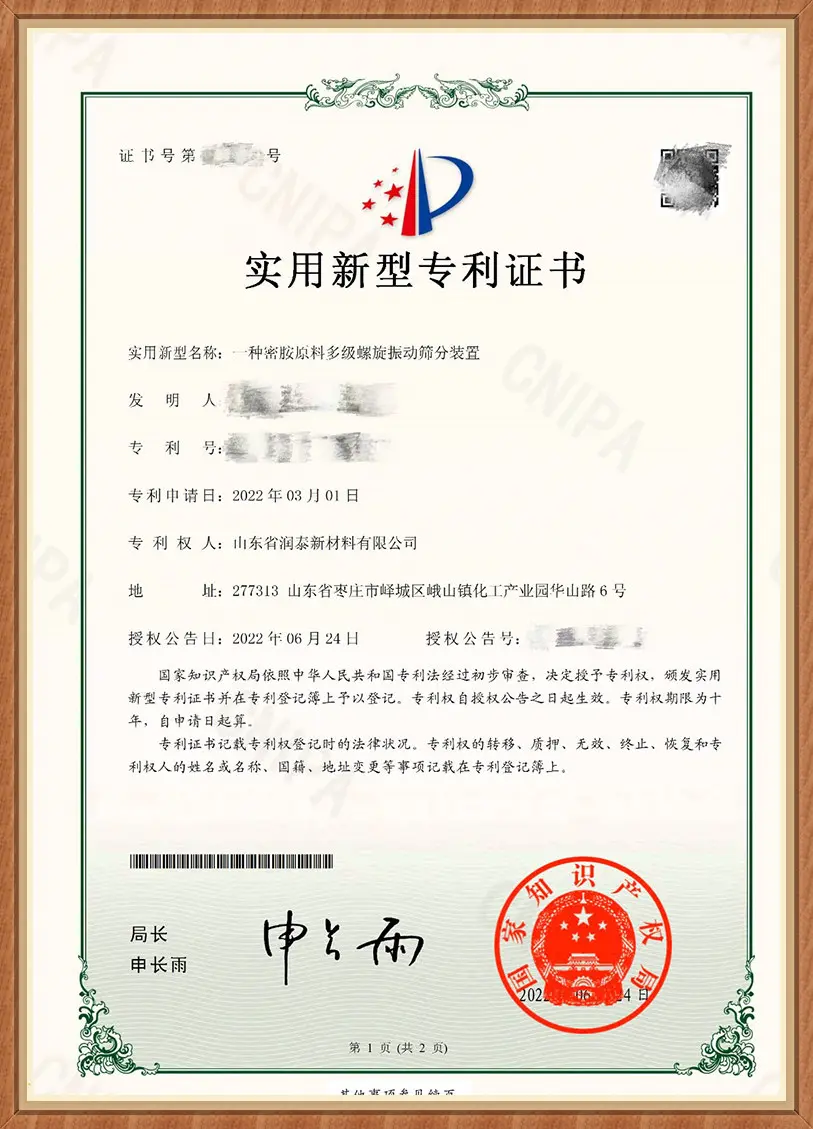
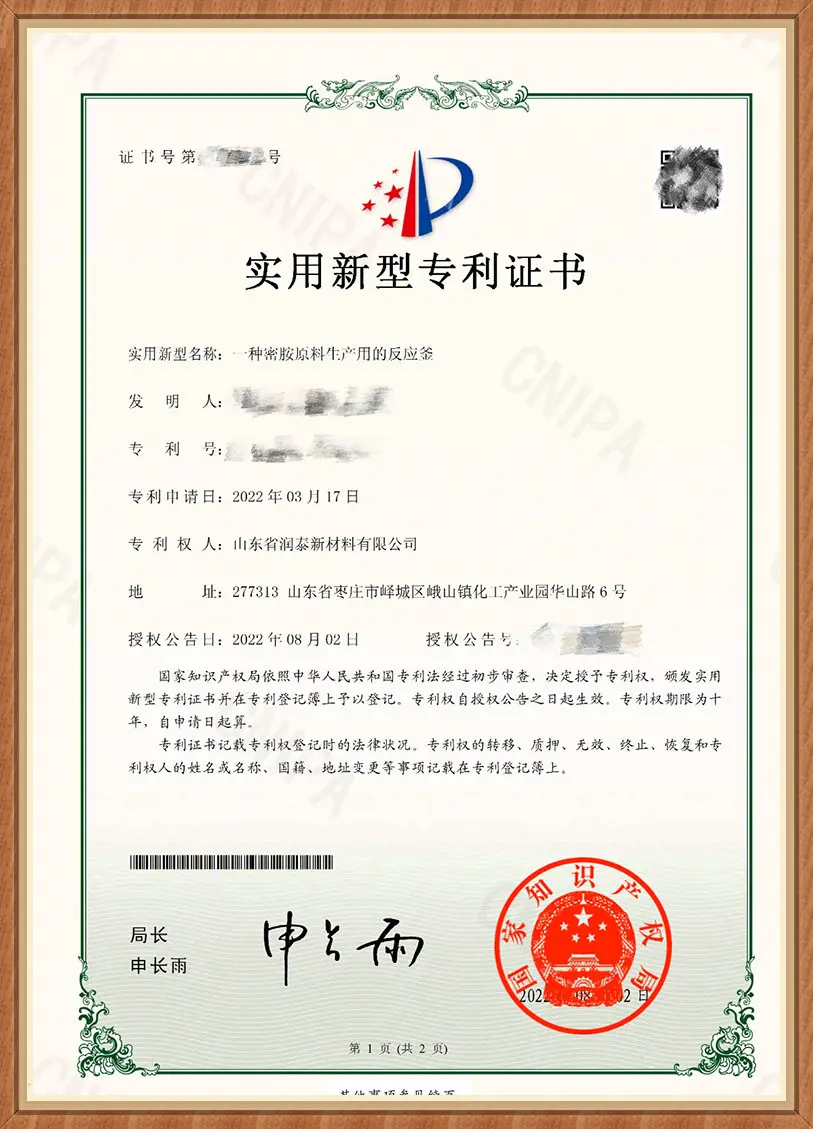
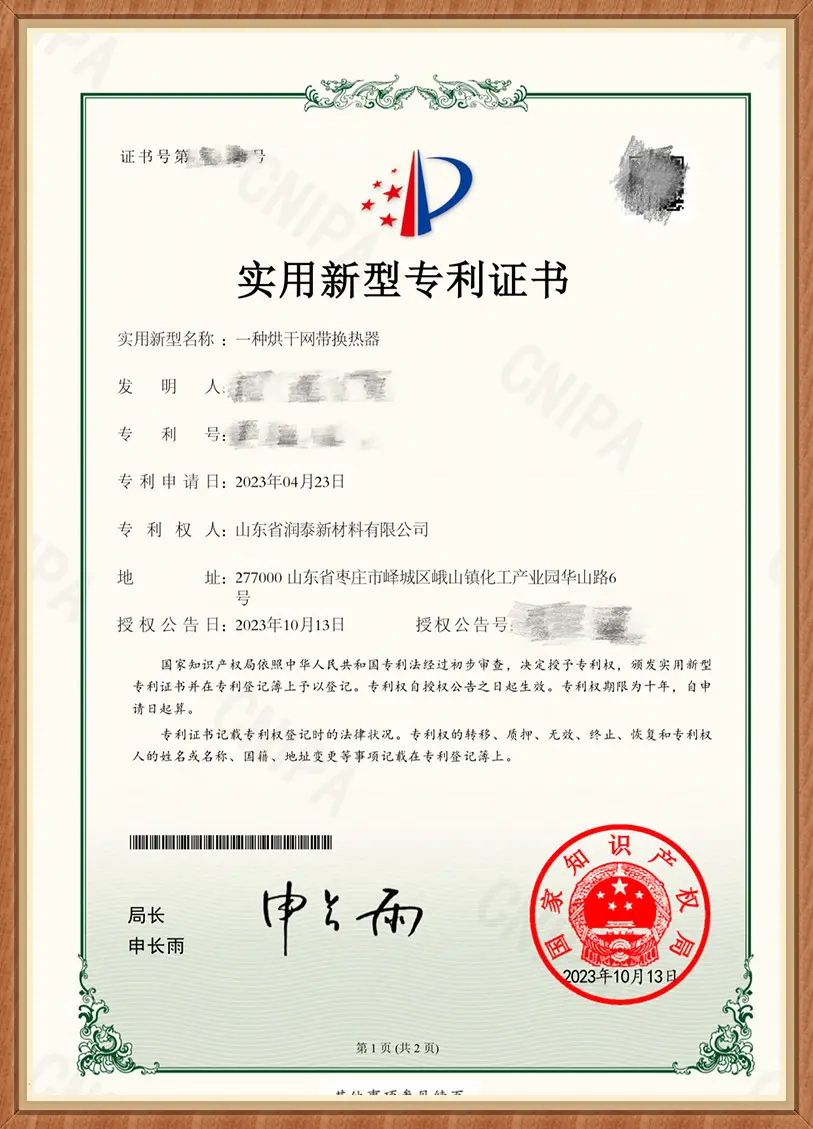
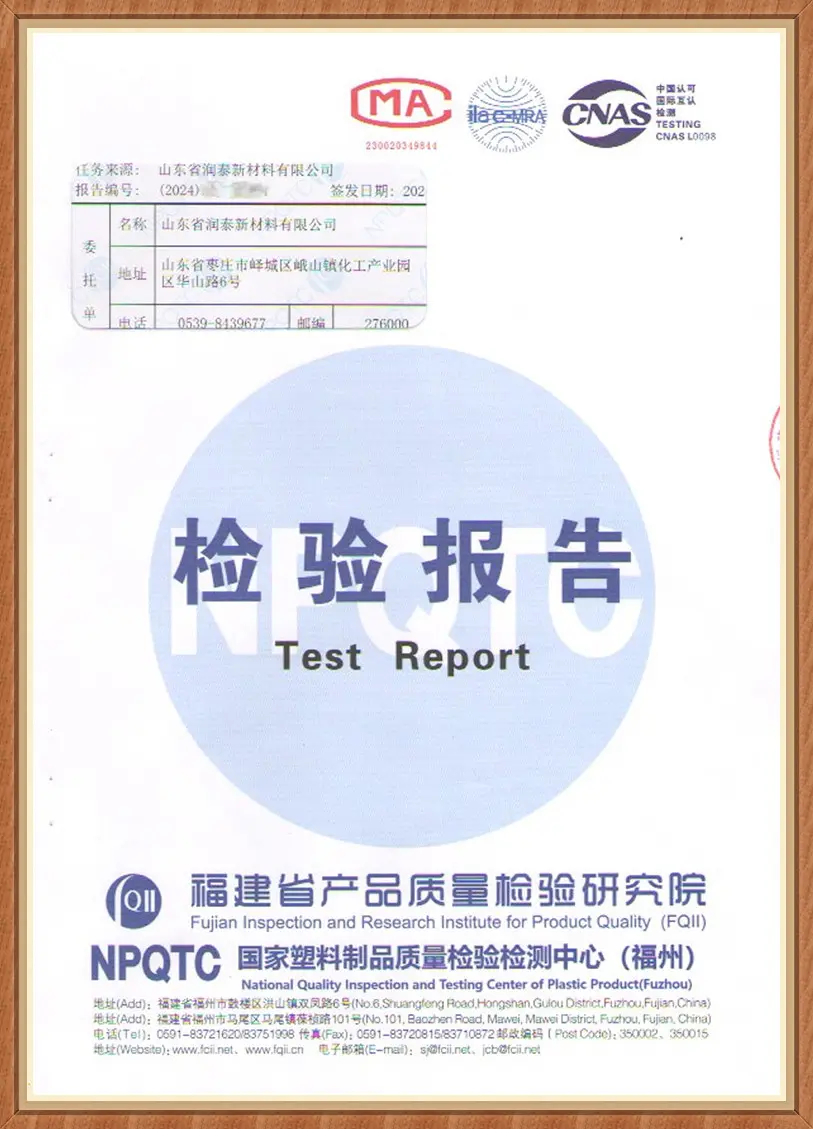
Looking ahead, Runtai New Materials focuses on high-precision polymer engineering to meet the changing requirements of industrial manufacturers. Our development roadmap targets key innovation goals:
We are actively reducing free phenol concentrations to below 0.5% in our solid resin line, offering safer handling conditions for workers during hot pressing and curing stages. We also strive to reduce formaldehyde emissions in compliance with international green building and automotive standards.
Solid phenolic resins are inherently brittle due to their dense cross-linked networks. Runtai is introducing elastomeric modifiers and nanoscale inorganic particles directly into the reactor. These hybrid structures improve fracture toughness, shock absorption, and wear resistance, which are crucial for heavy-duty friction materials and automotive brake pads.
Beyond standard material supply, we offer end-to-end technical support. Runtai's engineering teams assist clients in optimizing curing curves, adjusting mold temperatures, and tuning processing parameters to integrate our resins seamlessly into their existing manufacturing lines.
Common questions answered by our engineering and chemical logistics team.
Explore our wider range of fine chemical additives, adhesives, and polymer precursors.
 Runtai