Explore our elite range of high-performance chemicals, engineered to exceed international emission standards and optimize manufacturing efficiency.
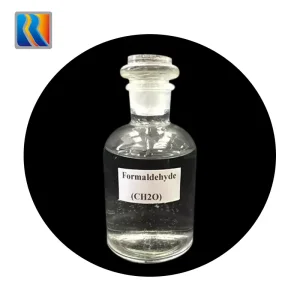
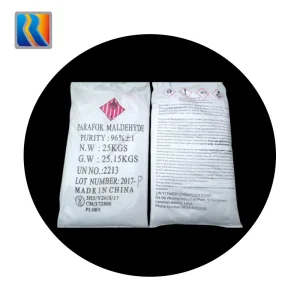
Founded in March 2020, Shandong Runtai New Materials Co., Ltd. is a comprehensive group firm that specializes in high-quality fine chemical products. Operating from our state-of-the-art industrial park in Zaozhuang City, Shandong Province, we represent the vanguard of sustainable chemical manufacturing, targeting the global challenge of formaldehyde-based compound optimization and clean air safety.
With a massive footprint covering 270,000 square meters and an initial capital investment of 2.06 billion yuan, Runtai has established five strategic provincial branches nationwide. This robust structural network ensures uninterrupted regional logistics and superior technical service. Our mission centers on refining chemical synthesis, eliminating hazardous emissions, and delivering solutions that respect environmental air standards without sacrificing structural adhesion or durability.
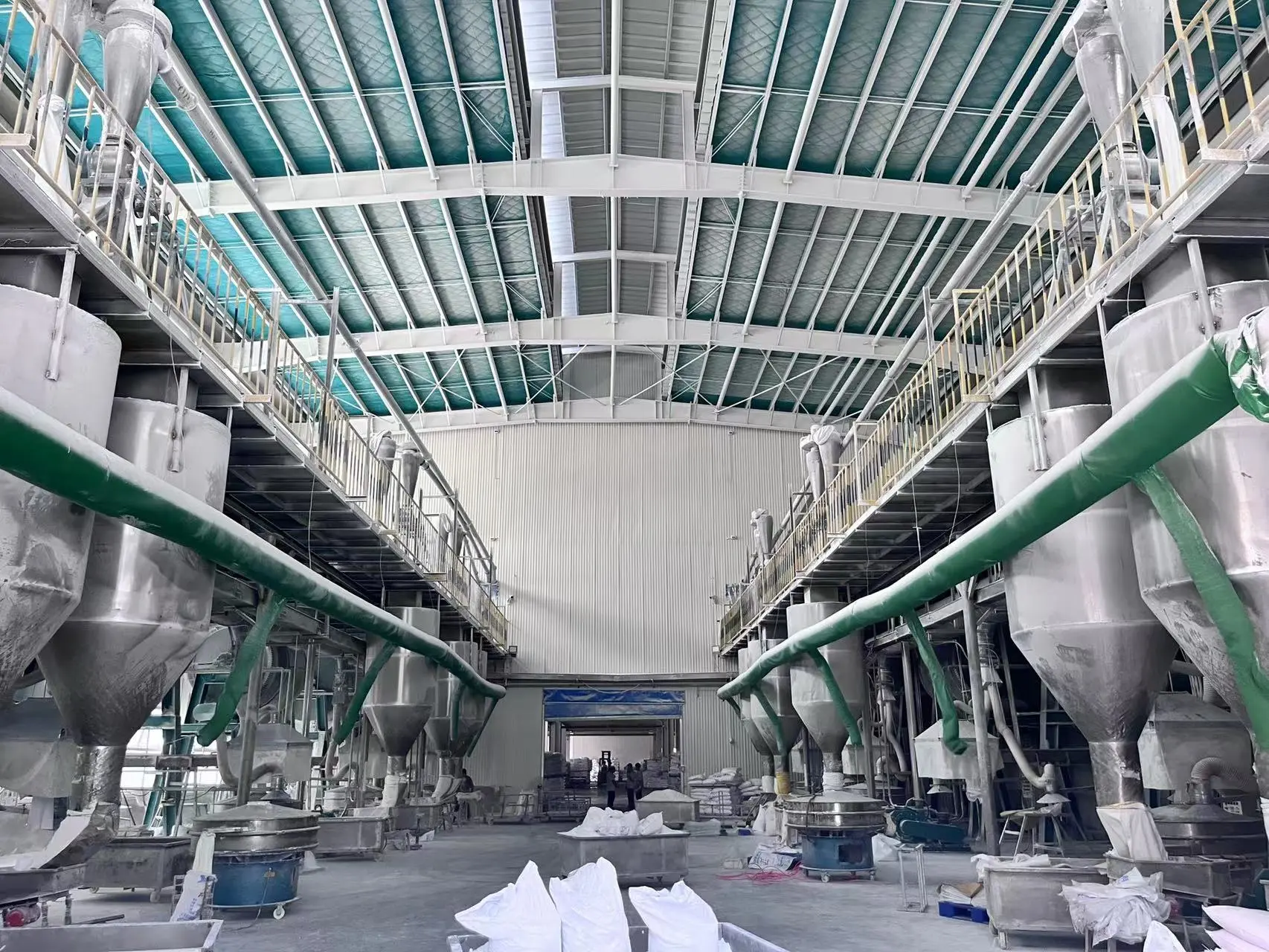
A statistical breakdown of Runtai's market dominance and annual production metrics supporting global trade lanes.
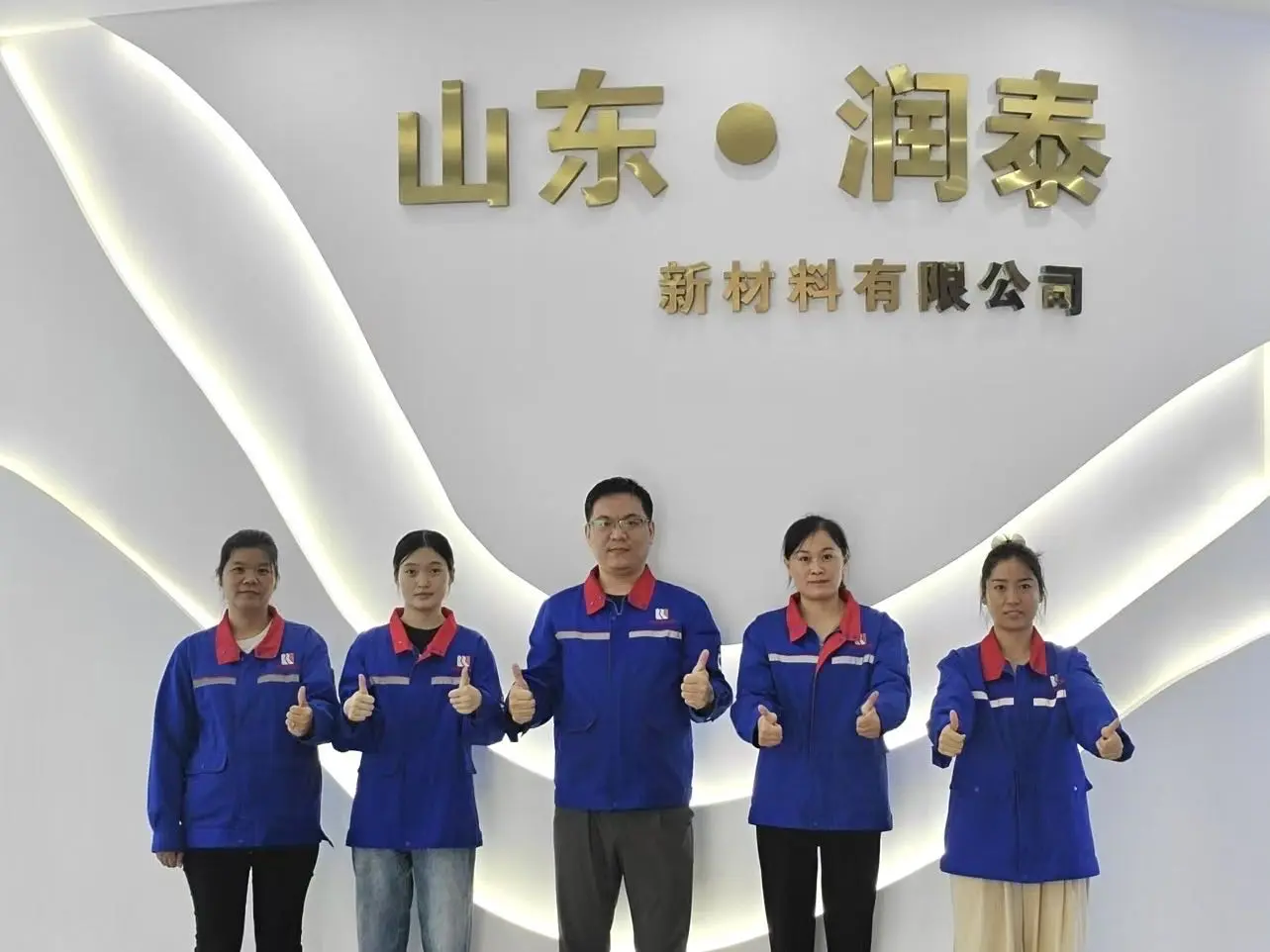
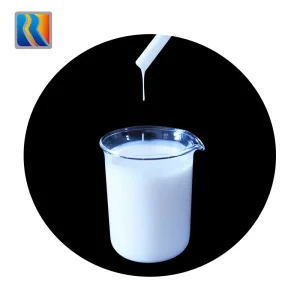
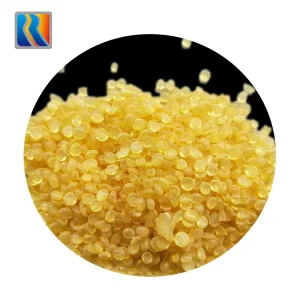
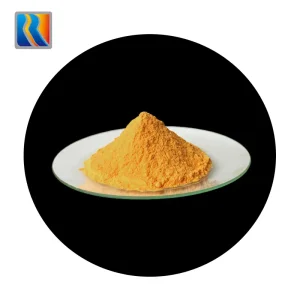
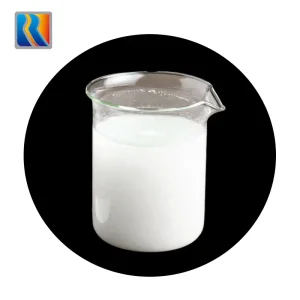
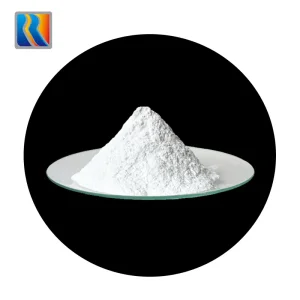
By combining our massive production lines with logistics safety mechanisms, we fulfill critical raw material demands across multiple continents. Currently, the company produces 380,000 tons of formaldehyde annually, 60,000 tons of melamine annually, 20,000 tons of melamine glazing powder annually, 11,000 tons of resin annually, and 300,000 tons of urea formaldehyde resin annually.
Having reached about 80% market share in mainland China, we are actively expanding our overseas footprint. Today, Runtai products are exported to the United States, Thailand, Kenya, Egypt, and other countries. Industrial buyers rely on our materials for high-efficiency polymerizations, molding applications, and structural bonding, enjoying stable pricing, low shipping risks, and consistent batch quality.
Balancing high-performance chemical curing with indoor air quality regulations and green initiatives.
"Formaldehyde Air" issues stem from off-gassing in finished products like MDF, plywood, and adhesives. Modern regulations require reduction of free formaldehyde content down to trace levels. Runtai addresses this by utilizing precise molar ratio controls and advanced condensation processes during synthesis, preventing unreacted gas from venting into the ambient air.
Global trade hinges on complying with stringent environmental laws. Our low-emission Urea Formaldehyde Resins and melamine powders conform to EPA TSCA Title VI and CARB Phase 2 regulations. This allows international buyers to manufacture consumer goods that pass strict indoor emission testing in North America and Western Europe.
In our production facilities, process tail gas is captured and fed back into our thermal systems. Rather than venting chemical fumes into the sky, our closed-loop DCS automation extracts energy from process off-gases, demonstrating how macro-scale industrial manufacturing can operate with minimal localized air emissions.
Why Fortune 500 chemical companies choose Shandong Runtai as their long-term supply partner.
We apply the guiding principles of "automatic control, safe and reliable, stable operation, energy saving and consumption reduction, comprehensive utilization of resources" when choosing production technology solutions. Selecting the advanced Distributed Control System (DCS) allows us to control the process parameters across the entire production line, ensuring high levels of product quality and equipment safety while lowering raw material consumption.
To maximize the requirements of product quality, we employ the current cutting-edge, dependable, and established equipment both domestically and internationally when choosing production and testing devices. Simultaneously, we aim to increase the level of automation in the production process, decrease labor intensity, boost labor productivity, conserve energy, and lower testing and production costs.
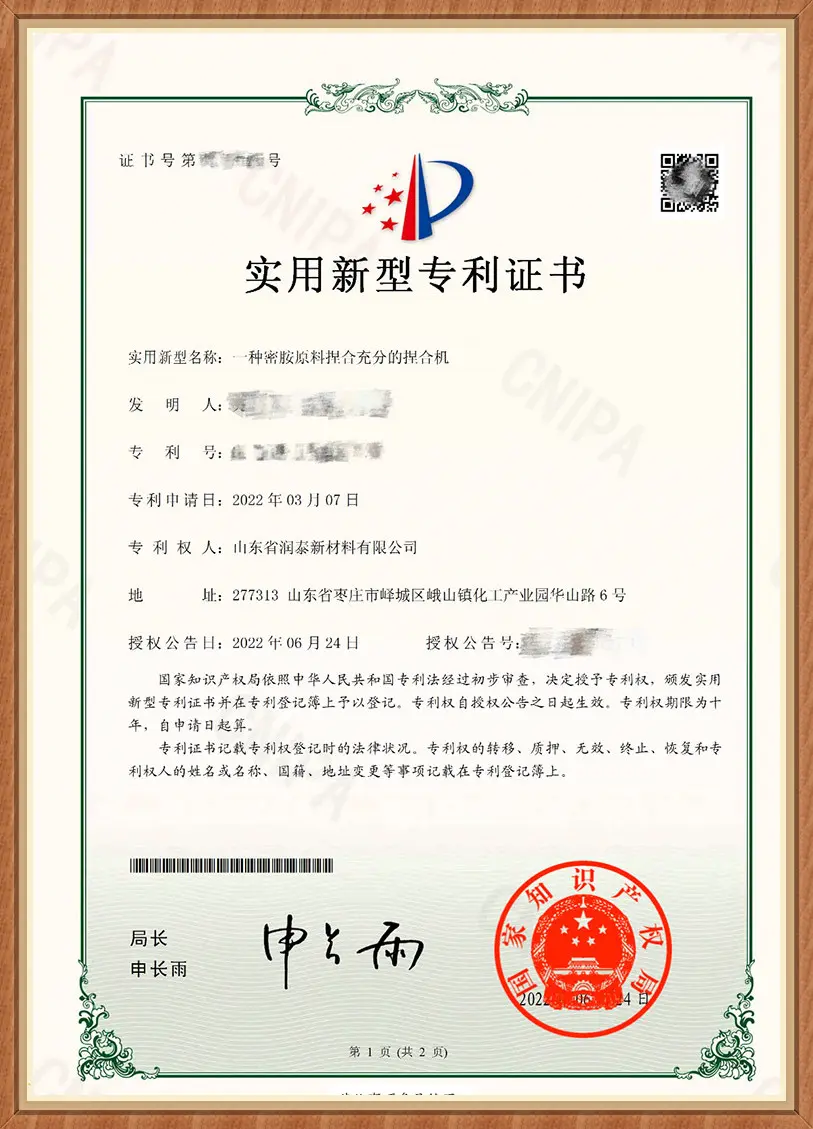
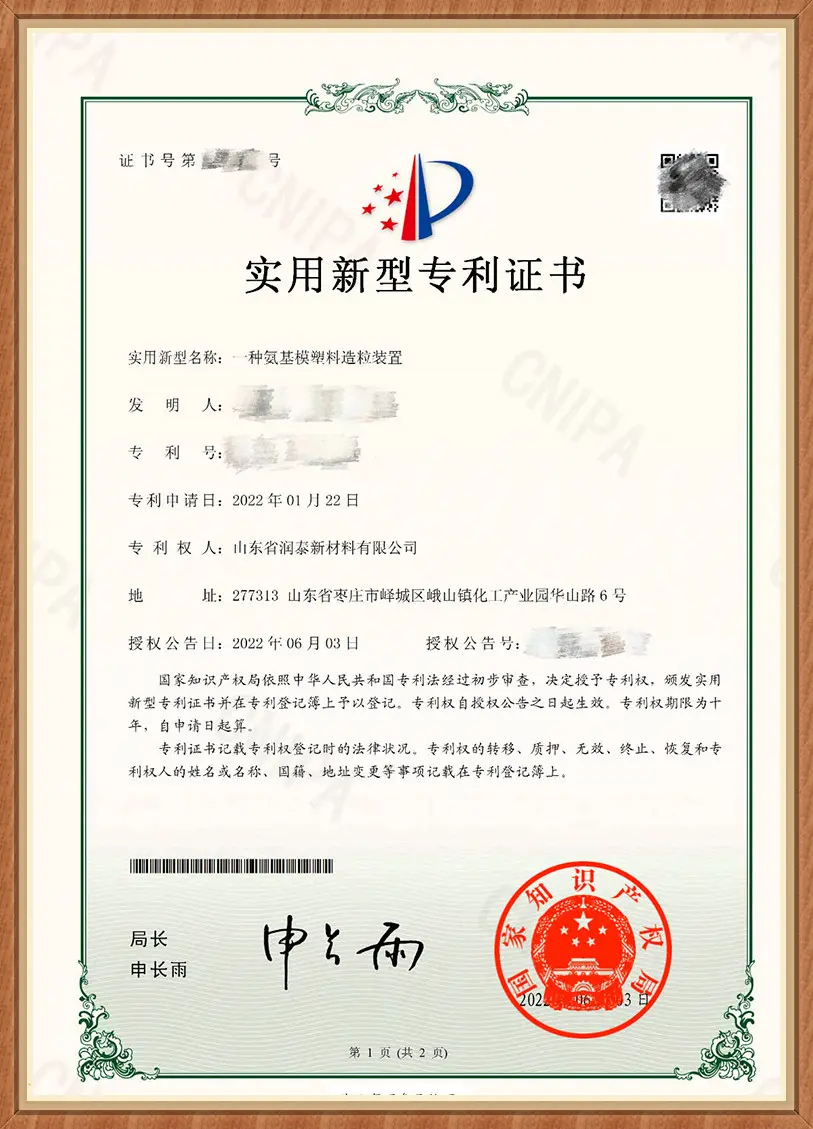
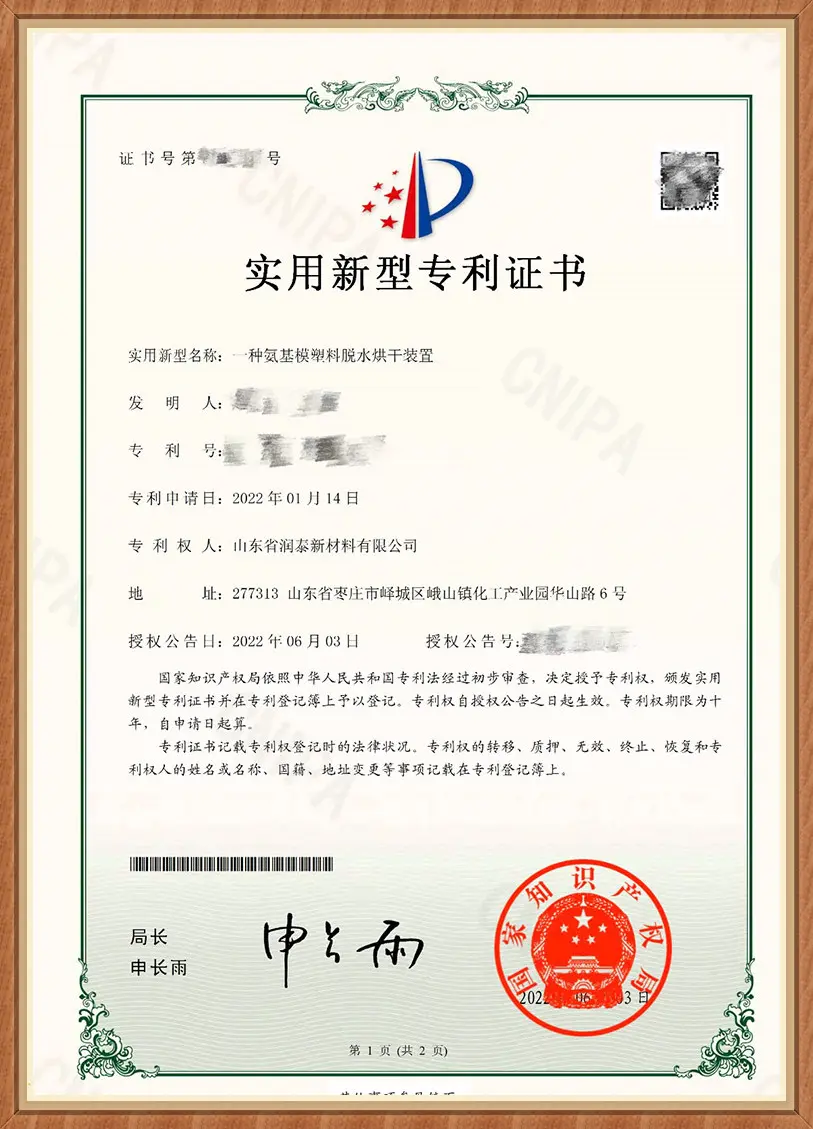
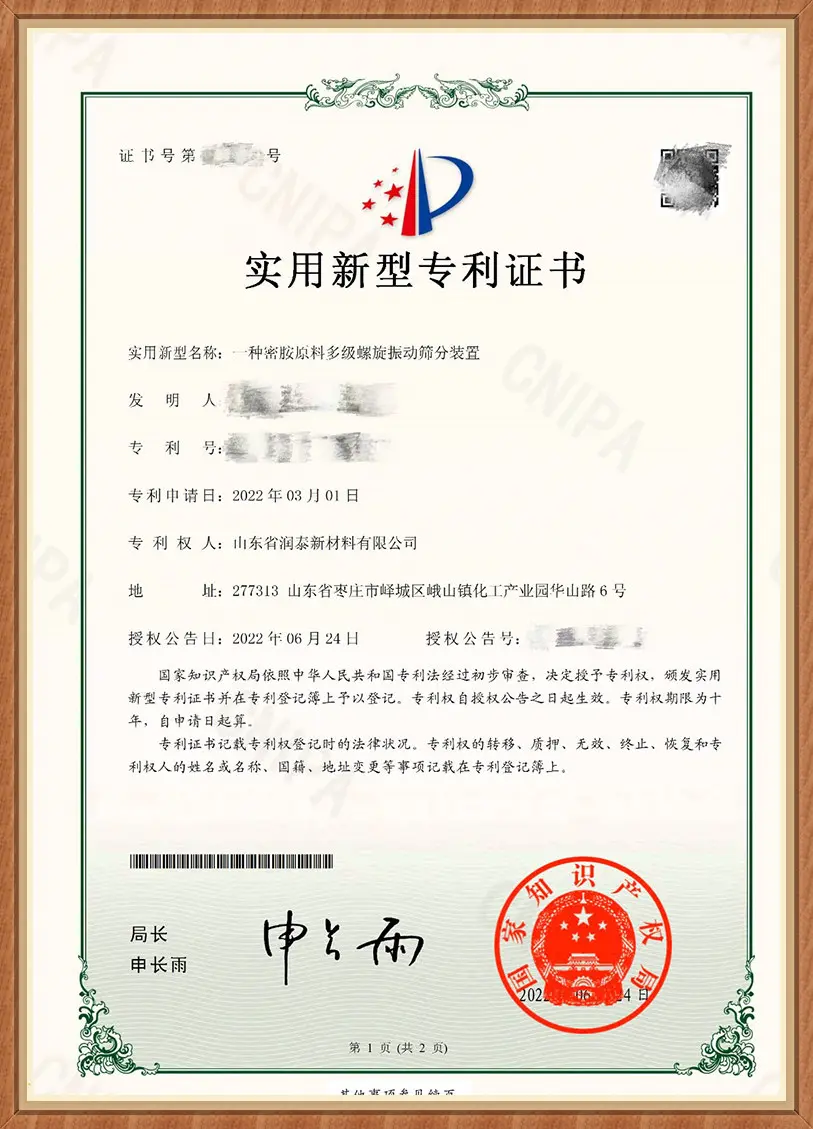
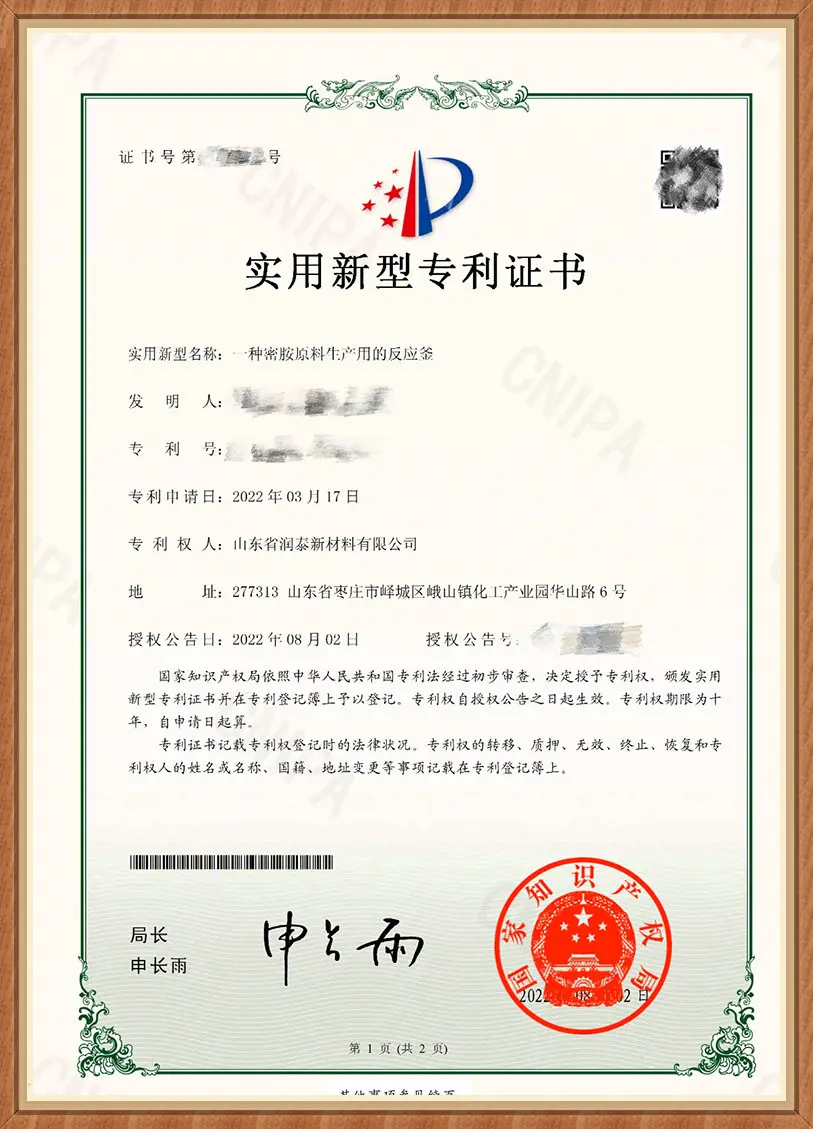
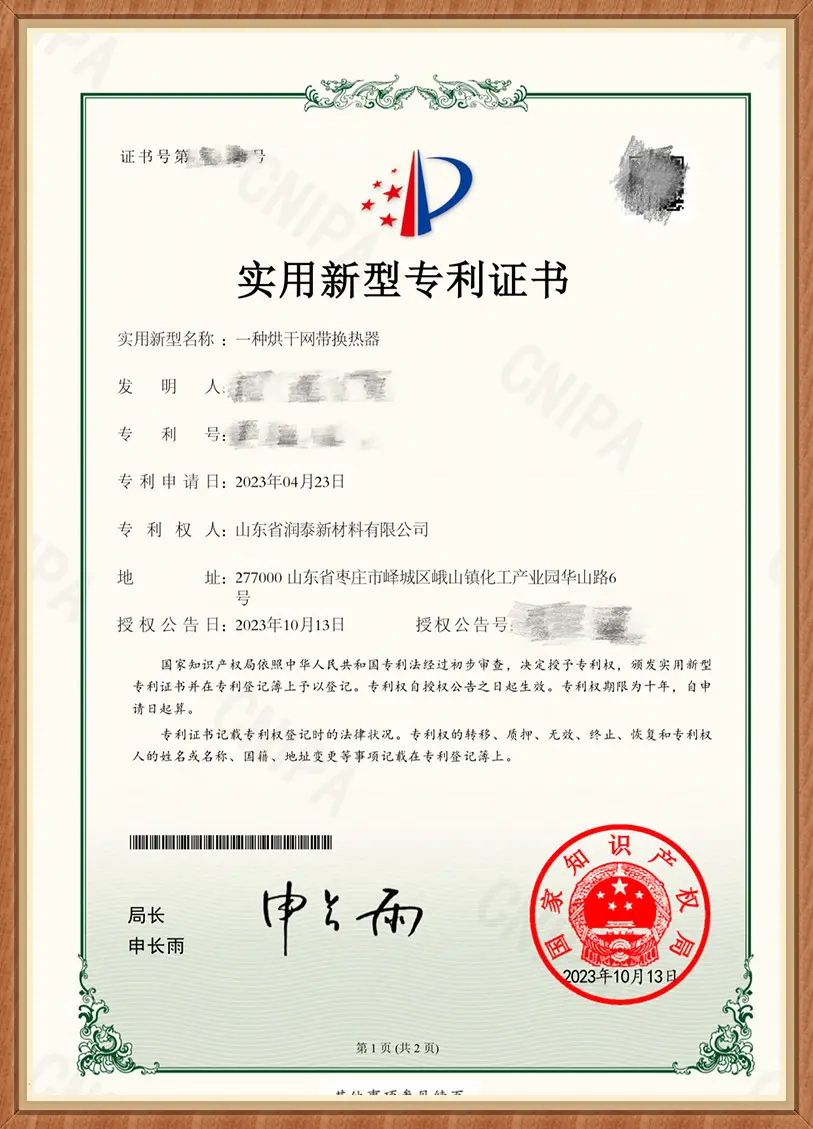
With the Changzhou Research Institute of Beijing University of Chemical Technology (BUCT) and other scientific research institutions, Runtai New Materials has long engaged in the integration of production, learning, and research. The company also has a cutting-edge doctoral research and development team in the industry and a number of patented technologies that keep our formulations at the global forefront.
The chemical materials industry with formaldehyde as raw materials has great potential for extension, and there are many types of derivative products, which can be widely used in adhesives, coatings, resin plastics, dyes, medical basic raw materials, and electronic, electrical, machinery, and daily utensils materials replacement and upgrading fields.
We provide holistic chemical programs designed for cross-industrial manufacturing plants seeking low-emission profiles. From heavy structural woodworking to microchip casings and modern packaging materials, Runtai's customized chemical blends maximize output metrics while maintaining rigorous environmental compliance.

Developing next-generation organic synthesis platforms with low carbon footprint and low VOC emission profiles.
Developing molecular binders with high crosslinking density to reduce free formaldehyde content below 0.05% in raw resins, meeting the strictest global air safety standards.
Integrating bio-methanol resources to synthesize sustainable formaldehyde, reducing the carbon footprint of traditional raw chemical production by 30%.
Upgrading exhaust scrubbers with regenerative catalytic oxidizers (RCO) to fully capture trace airborne compounds, achieving near-zero VOC emissions across all production plants.
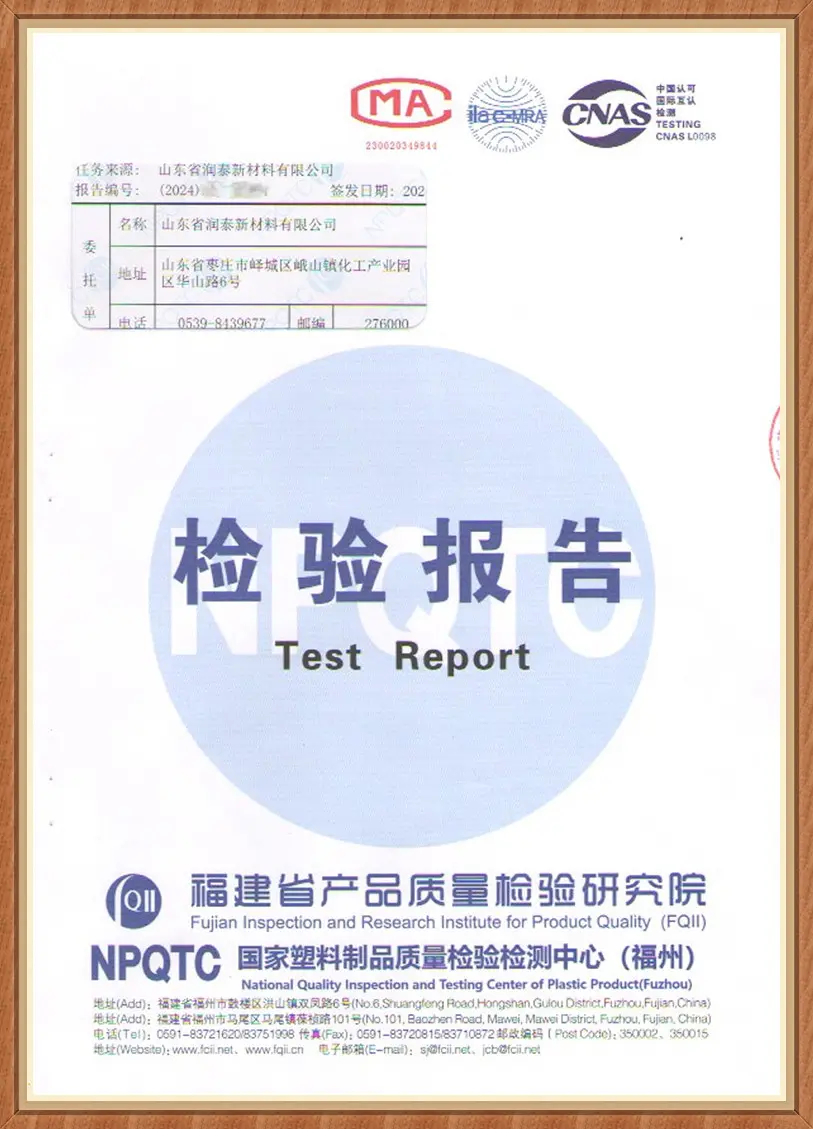
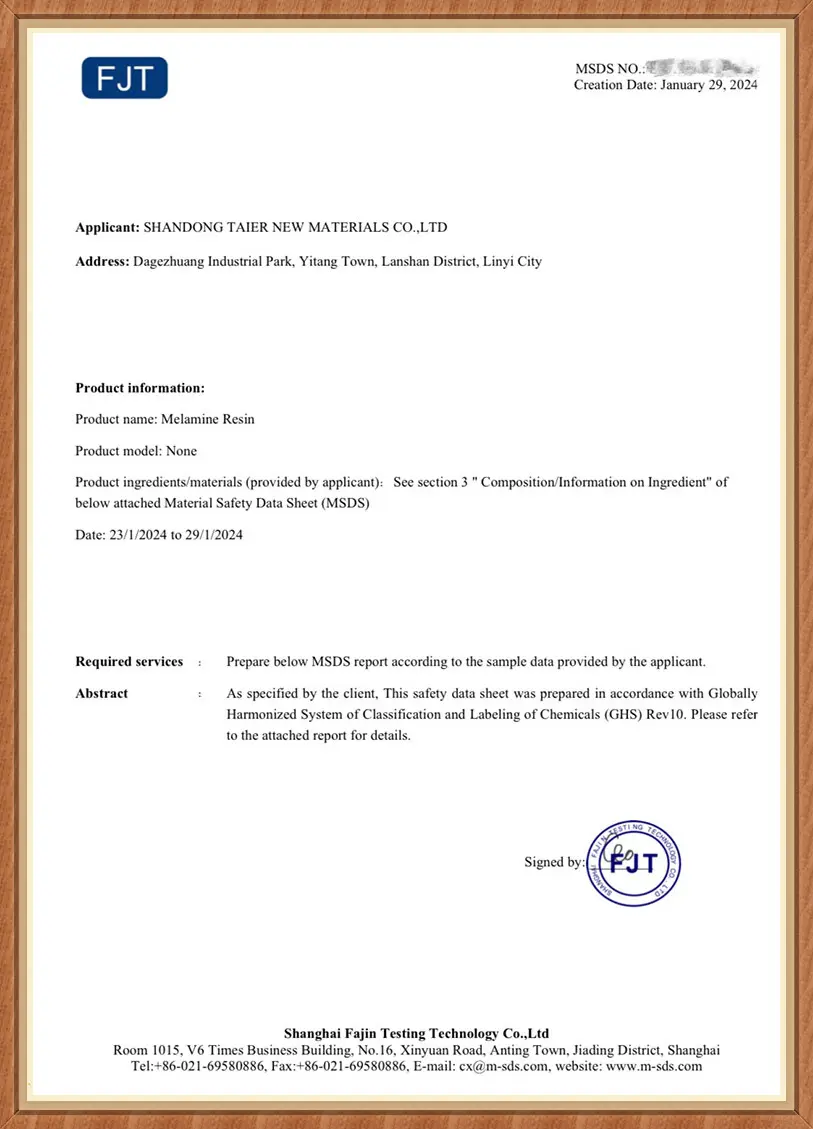
Verified adherence to international safety, quality management, and environmental compliance standards.
Technical guidance regarding storage, logistics, customization, and safety compliance.
Our research team utilizes advanced catalytic systems and modern multi-stage polymerization methods. By controlling the reaction parameters using a Distributed Control System (DCS), we minimize unreacted free formaldehyde monomers. This allows our urea formaldehyde and phenolic resins to meet the CARB Phase 2 and EPA TSCA Title VI emission standards for wood panels.
Paraformaldehyde is a solid polymer of formaldehyde with a concentration between 92% and 96%. Sourcing solid paraformaldehyde reduces freight volumes, lowers shipping risks, and avoids winter crystallization issues common with liquid chemical solutions. It is easily depolymerized under heating or chemical catalysts at the destination plant, reducing logistics complexity.
To maintain high molding performance, MMC should be stored in a cool, dry, well-ventilated warehouse. Keep the packaging sealed to prevent moisture absorption, which can cause clumping and affect processing behavior. We recommend keeping storage temperatures below 30°C and away from direct sunlight.
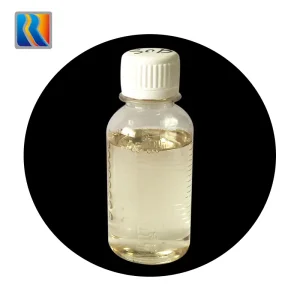
Yes, we offer tailored solutions to meet specific industry requirements. Our R&D team can adjust molecular weights and solid concentrations for acrylic acid-based swelling thickeners and mineral oil defoamers, optimizing them for your water-based coatings, adhesives, or textile chemical formulations.
We work with certified international maritime carriers and logistics companies. All containers are packed, labeled, and secured in compliance with IMDG regulations. For dry materials like Paraformaldehyde and UMC, we use heavy-duty moisture-proof bags, while liquid products are shipped in specialized UN-certified IBC tanks or drums to prevent leakage.
Complete your supply line with our highly reliable raw materials and additives.
 Runtai