Browse our core synthetic chemicals, rheology modifiers, and high-performance industrial additives
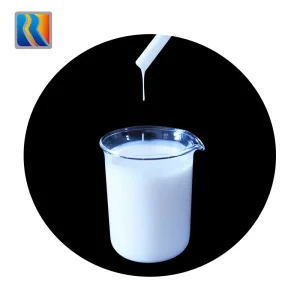
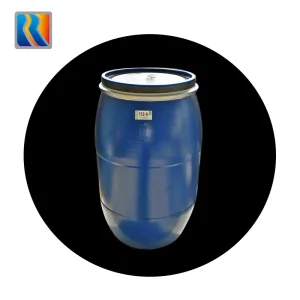
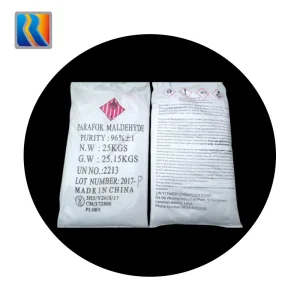
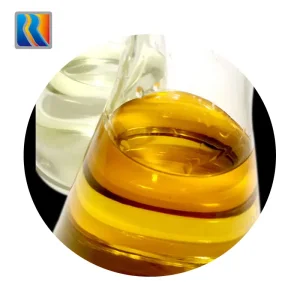
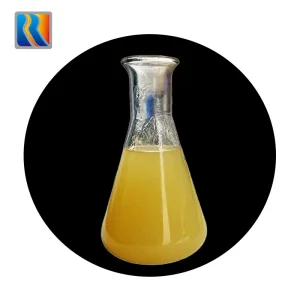
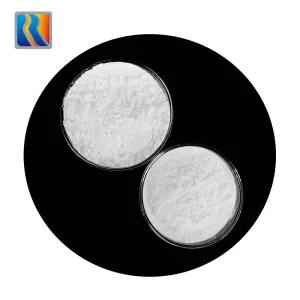
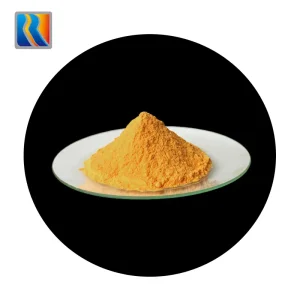
Paraformaldehyde (CAS No. 30525-89-4), represented as a solid polymer of formaldehyde $(CH_2O)_n$, functions as a highly concentrated, dry form of formaldehyde. In contrast to liquid formalin solution—which traditionally consists of 37% active ingredient and 63% water/methanol stabilizer—paraformaldehyde provides a concentration index exceeding 92% to 96%. This high concentration yields profound thermodynamic advantages in modern industrial chemistry, particularly within water-sensitive reaction profiles.
By opting for solid-state paraformaldehyde instead of formalin, processing facilities can reduce or eliminate aqueous byproduct streams. This is critical for minimizing ecological impact and lowering wastewater distillation costs. Consequently, PFA has emerged as the chemical agent of choice in the synthesis of agrochemicals (such as glyphosate and acetochlor), thermosetting resins (melamine-formaldehyde and phenol-formaldehyde resins), pharmaceuticals, and complex coatings.
Within the global market, sourcing dynamics are concentrated around chemical clusters capable of supporting a vertically integrated supply chain. Our strategic infrastructure enables us to control precursors, ensuring cost efficiencies and stable supplies. This allows us to serve critical industrial markets in the Americas, Southeast Asia, East Africa, and the Mediterranean.
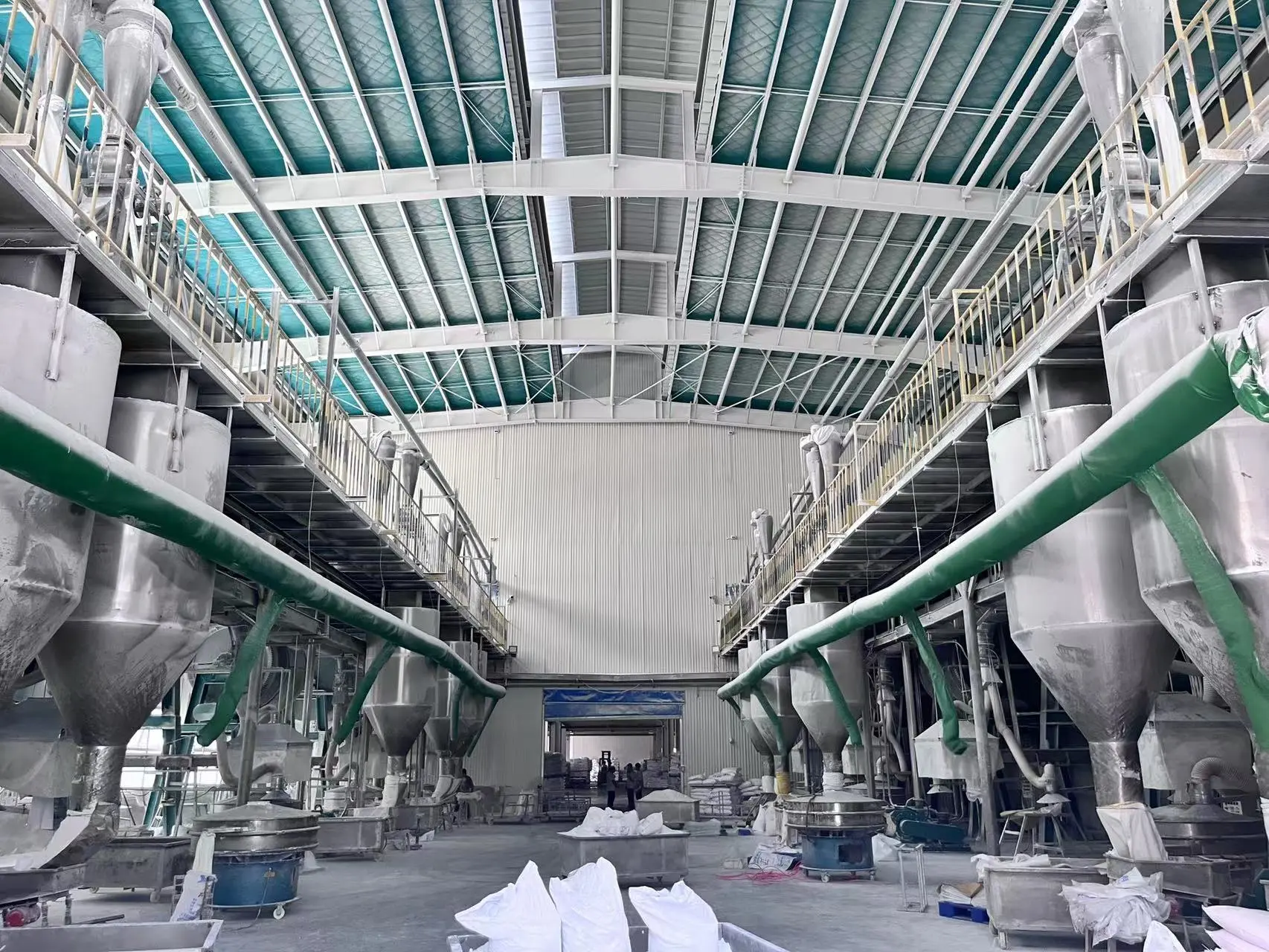
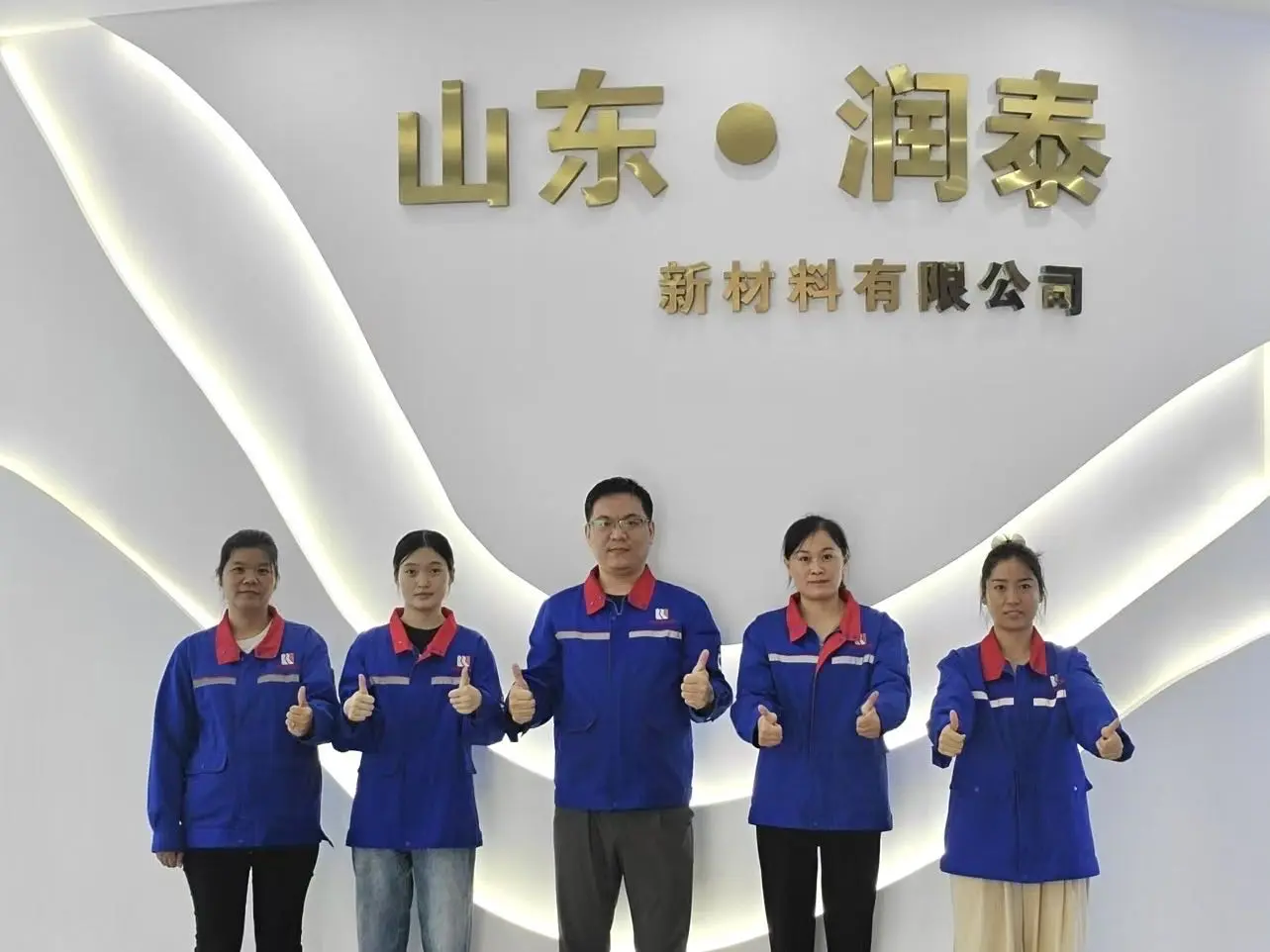
Founded in March 2020, Shandong Runtai New Materials Co., Ltd. has established itself as an authoritative leader in fine chemicals and polymer matrices. Strategically situated in Zaozhuang City, Shandong Province, the company covers 270,000 square meters of production space. Utilizing advanced raw material streams, Runtai operates branches across five strategic logistics centers in China, ensuring seamless delivery pipelines to domestic and international ports.
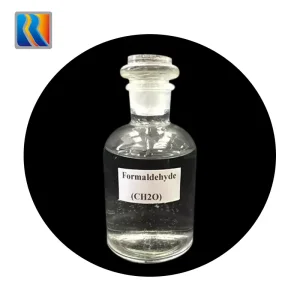
Our core catalog includes premium formaldehyde, paraformaldehyde, urea-formaldehyde resins, melamine moulding compound (MMC), urea moulding compound (UMC), and melamine glazing powders. Leveraging a capital baseline of 2.06 billion Yuan, our plant operates with DCS automated feedback loops to guarantee chemical consistency.
Internationally, Runtai New Materials exports key products to industrial clients in the United States, Thailand, Kenya, Egypt, and beyond. We supply customized chemical solutions that address specific local requirements, such as adjusting solubility rates for agricultural chemical formulation or adjusting molecular weight distribution for paint crosslinking.
How we utilize advanced chemical engineering to deliver high-performance paraformaldehyde
At Runtai New Materials, paraformaldehyde is synthesized via the catalytic concentration of high-purity aqueous formaldehyde under vacuum conditions, followed by controlled polymerization. The chain length ($n$-value ranges from 8 to 100 monomers) is maintained within tight thresholds. This precise control ensures optimal solubility and depolymerization rates during downstream synthesis, preventing the formation of unreactive, high-molecular-weight polymers.
We deploy high-tier Distributed Control Systems (DCS) to monitor reaction metrics, ensuring batch-to-batch consistency and minimizing raw material waste.
Collaborating with the Changzhou Research Institute of Beijing University of Chemical Technology, our doctoral R&D team continuously refines production efficiency.
By producing our own raw formaldehyde, we buffer our manufacturing processes against external feedstock volatility and pricing fluctuations.
Because paraformaldehyde is classified as a hazardous chemical (Class 4.1 Flammable Solid, UN 2213), international transport and handling demand strict compliance with international standards. Runtai operates in accordance with GHS labeling, IMDG shipping codes, and local regulations.
Our export divisions coordinate with major maritime carriers to provide specialized container packing and thermal control options, mitigating temperature-induced degradation. We supply complete dossiers including safety data sheets (SDS), certificate of analysis (COA) records, and compliance documentation for target regions including EU REACH, USA TSCA, and EPA regulations.
Packaged in composite plastic-woven bags (typically 25kg or 500kg bulk bags) with moisture-proof linings to prevent premature hydrolysis.
Segregated from oxidizing agents, acids, and food-grade cargo, and transported in dry, well-ventilated containers.

Our commitment to green chemistry, energy efficiency, and low-emission chemical processes
Upgrading tail-gas incinerators to recover thermal energy and feed it back into our distillation loop, reducing primary fuel requirements.
Developing ultra-low free-formaldehyde matrices that satisfy strict emission limits (such as CARB Phase 2 and EU E0 standards).
Evaluating raw bio-methanol feedstocks to manufacture green formaldehyde products, supporting international decarbonization goals.
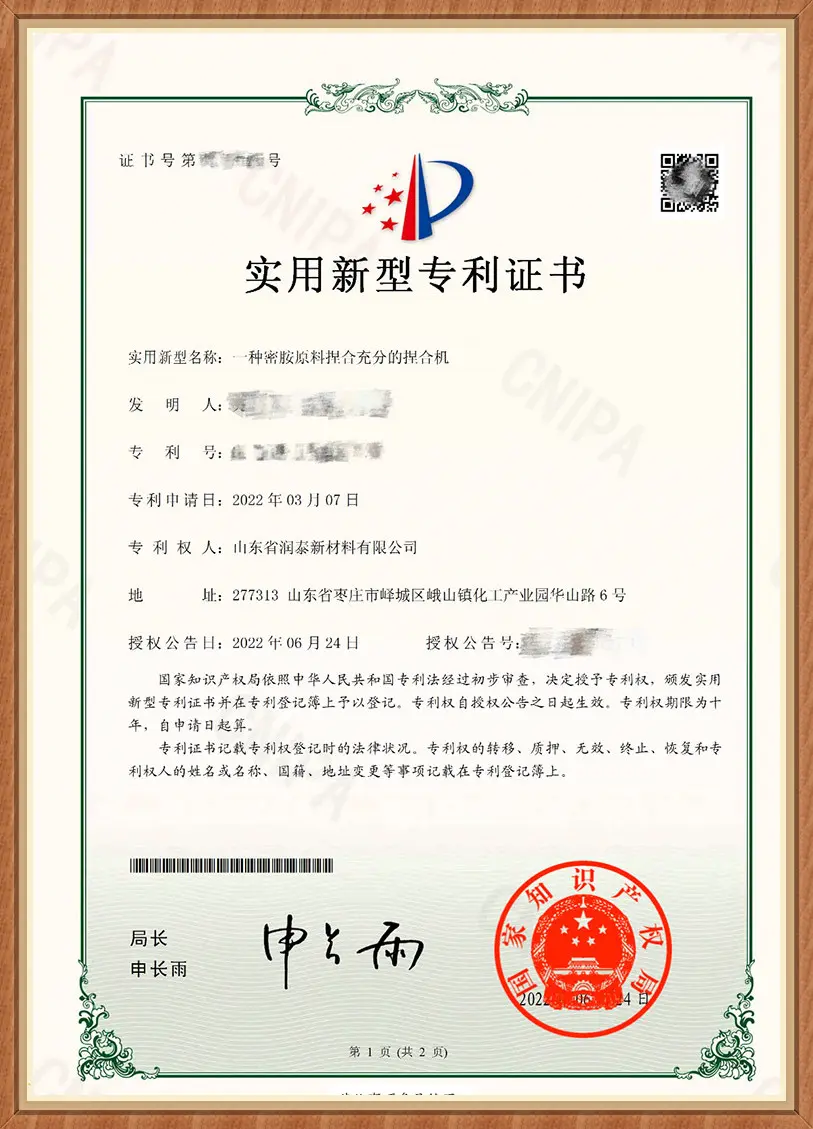
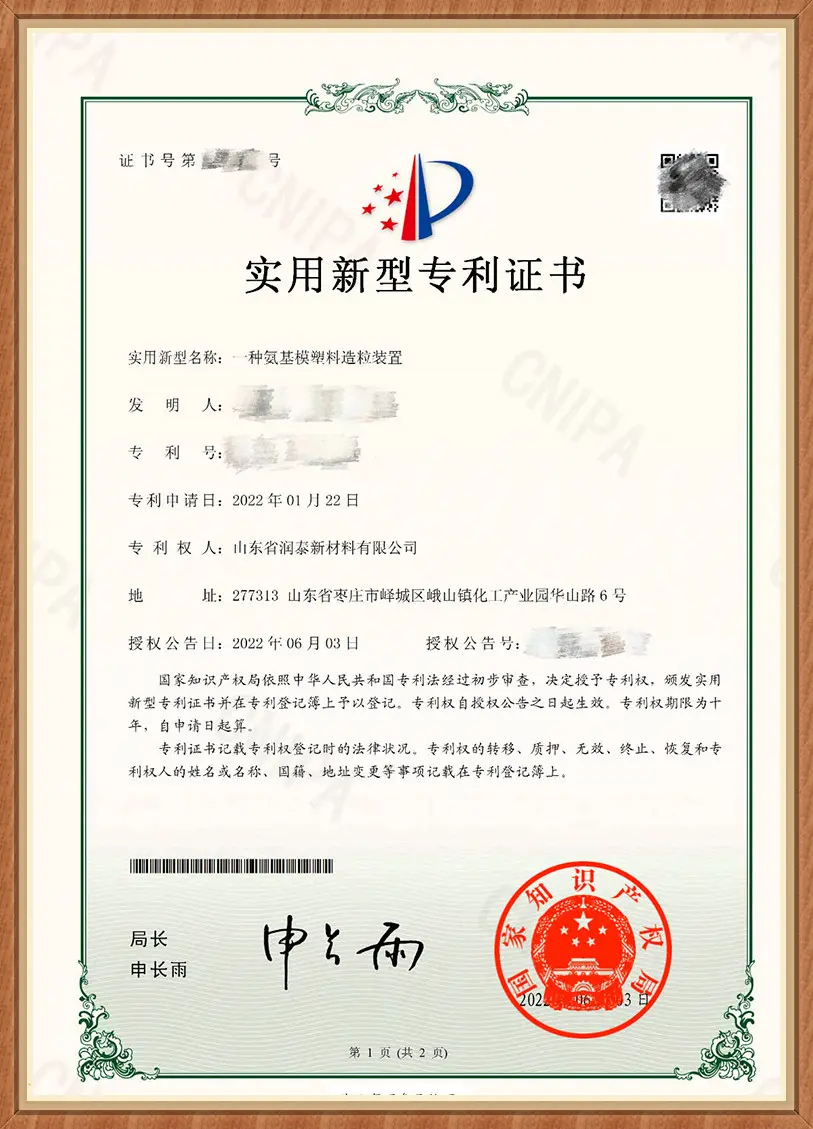
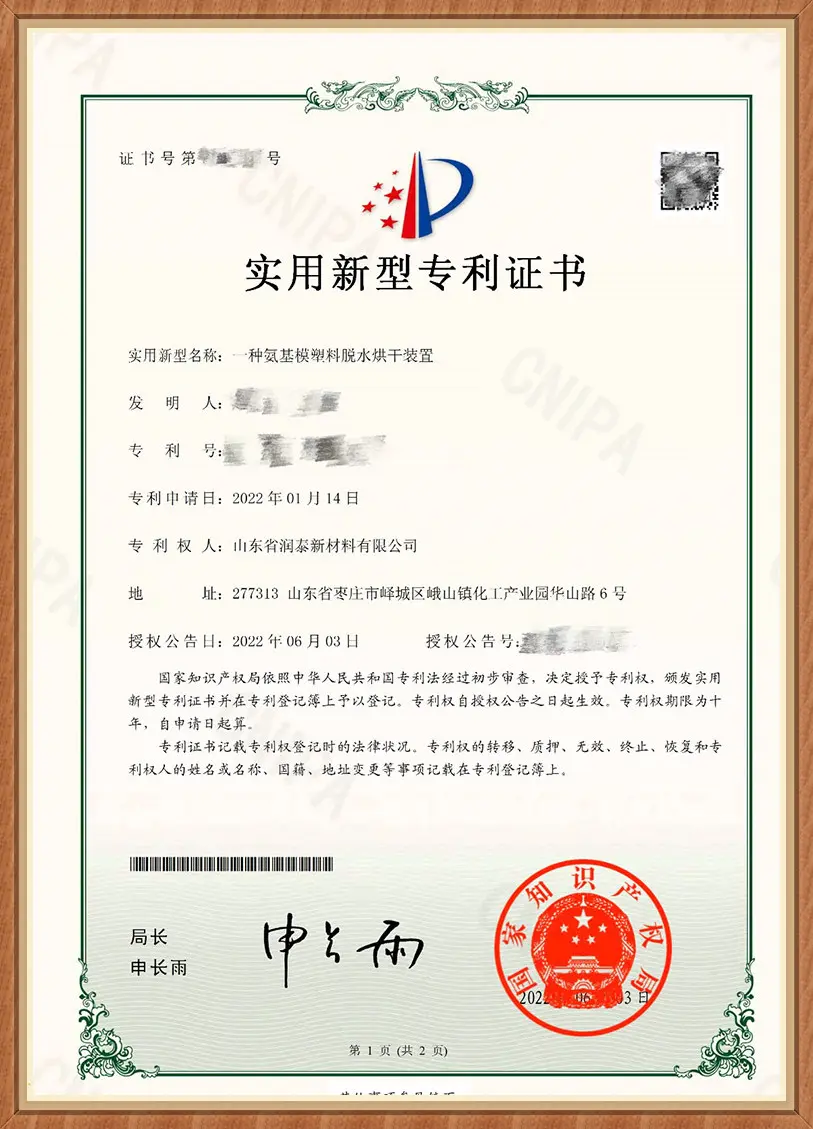
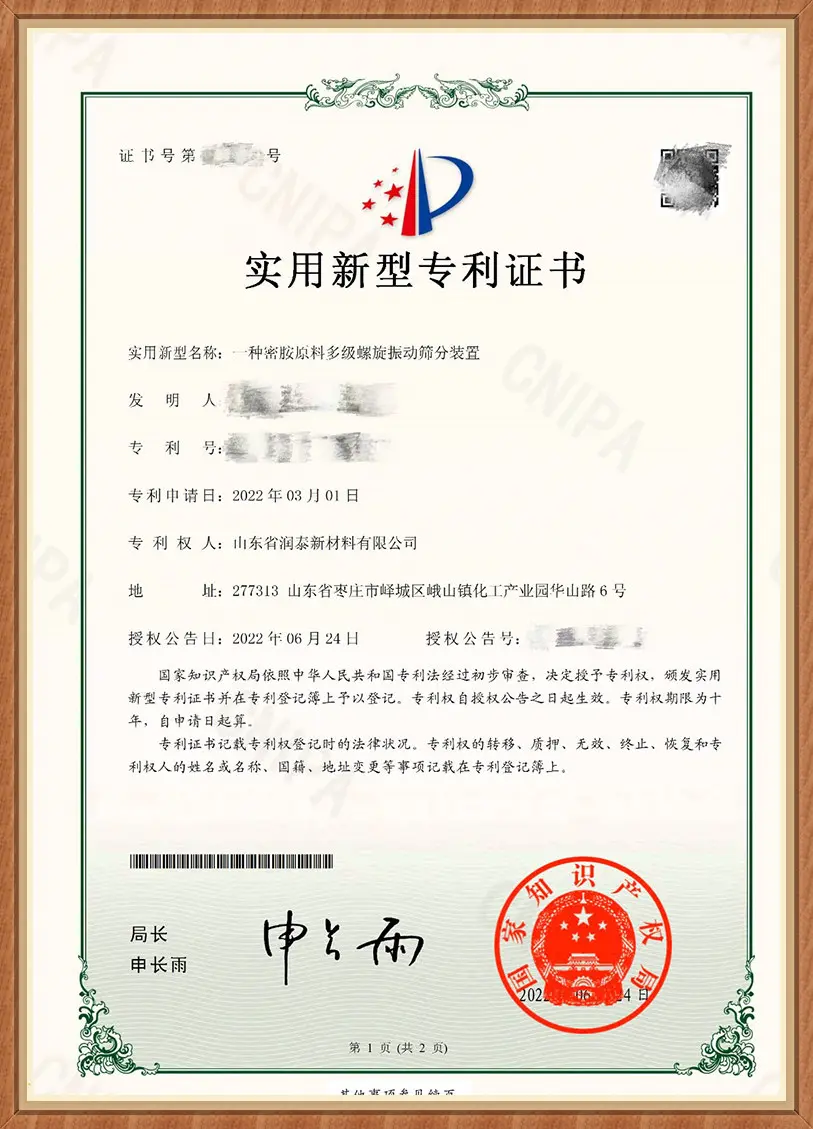
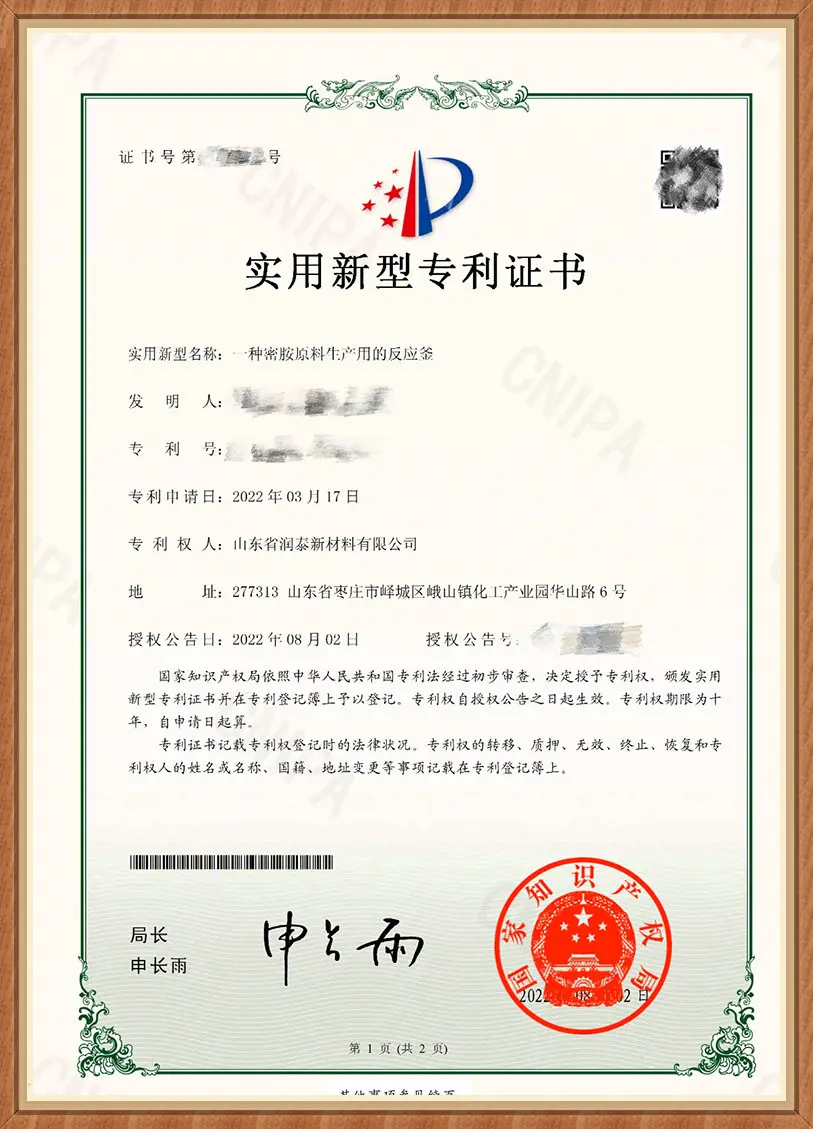
Verified testing, quality control benchmarks, and compliance certifications
Key information regarding PFA grades, reactivity, storage, and procurement
The percentage denotes the active formaldehyde content, with the remaining fraction consisting primarily of free water and trace alcohols. The 96% PFA grade is optimized for water-sensitive chemical syntheses where minimizing aqueous waste is critical. The 92% PFA grade offers faster depolymerization rates in aqueous reactions, making it suitable for certain adhesive formulations.
We control the manufacturing process using our Integrated DCS control program. This system monitors temperature curves, pressure variances, and catalyst dosing in real time, ensuring a consistent molecular weight distribution across all production batches.
Paraformaldehyde should be stored in a cool, dry, and well-ventilated warehouse, isolated from open flames, heat sources, and strong oxidizers. The storage temperature should generally not exceed 30°C to minimize depolymerization and release of formaldehyde gas.
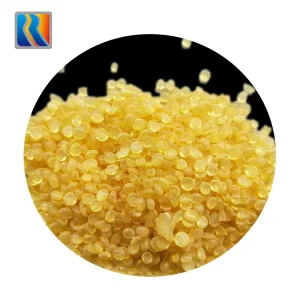
Yes. We can tailor the average chain length and particle size (prill vs. powder form) to match your manufacturing requirements. This allows buyers to optimize dissolution times for their specific reaction vessels.
Because PFA is highly concentrated, it contains minimal water compared to liquid formalin. This reduces the volume of process water added to chemical reactors, thereby decreasing the generation of contaminated wastewater during distillation or recovery phases.
Complete your supply chain with our selection of industrial resins, glazing powders, and performance enhancers
 Runtai