How to Use Powder Glaze Pottery for Perfect Finishes?

Time:2026-08-31 Author:Sienna
0%

Powder Glaze Pottery has gained popularity in recent years due to its versatility and aesthetic appeal. According to industry reports, the global ceramics market is projected to grow at a CAGR of 5.1% from 2021 to 2026. This growth highlights the increasing interest in pottery techniques, such as powder glazing, which offers unique finishes unattainable by traditional glazes.

Many artists appreciate how Powder Glaze Pottery allows for customized effects. It can create stunning textures and vibrant colors. However, achieving the perfect finish requires practice and understanding. Not every piece turns out flawlessly. Artists often face challenges with consistency and application methods. This reality encourages a reflective approach to improvement.

The journey of mastering Powder Glaze Pottery involves both triumphs and setbacks. Learning from each experience contributes to skill development. Statistics indicate that pottery craft participation has surged by 25% globally, signifying a growing community of makers eager to refine their techniques. Embracing both successes and imperfection makes the process rewarding.
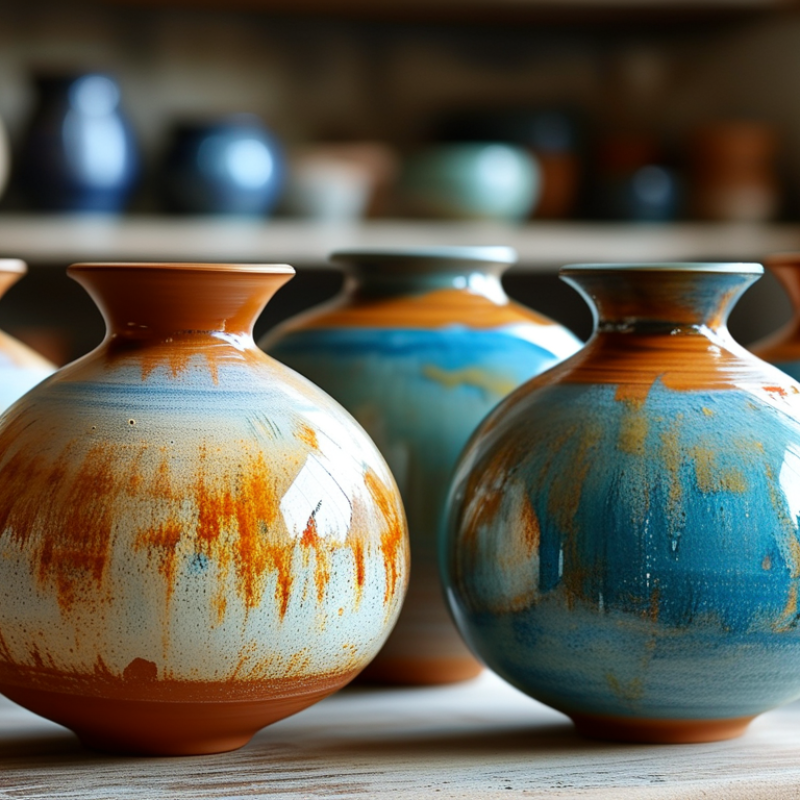
How to Use Powder Glaze Pottery for Perfect Finishes?

Understanding Powder Glaze: An Overview and Benefits

Powder glaze is becoming increasingly popular among pottery enthusiasts. This method provides a smooth, vibrant finish that enhances your creations. It involves a fine powder that requires careful application. Understanding its benefits is crucial for achieving stunning results.

One key advantage of using powder glaze is its versatility. It can achieve various effects, from glossy to matte. The adherence to surfaces is excellent, ensuring long-lasting quality. However, achieving the perfect finish can be tricky. Improper mixing or uneven application often leads to unsatisfactory results. Practicing different techniques can help overcome these challenges.

Another aspect to consider is the firing process. Proper kiln settings are vital for optimal results. If the temperature is too high, the glaze may run or blister. Too low, and it won't adhere properly. Observing these elements allows for informed decisions and better outcomes in your pottery projects. Experimentation is encouraged but requires patience to refine skills.

Selecting the Right Powder Glaze for Your Pottery Project

Choosing the right powder glaze for your pottery project is crucial. The aesthetic of your finished piece relies heavily on this selection. Different glazes provide various textures and colors. Understanding these differences helps in making an informed choice. You might prefer a glossy finish or a matte appearance. Each option brings something unique to the final product.

When considering glazes, think about the firing temperature. Some are formulated for low fire, while others perform well at high temperatures. Read product specifications carefully. It’s also essential to do a test on a small piece first. This allows you to see how the glaze interacts with your clay body. It’s easy to overlook this step, but it can save you time and disappointment.

Experimentation is a part of the process. Sometimes the glaze may not behave as expected. This could lead to unintended colors or textures. Embrace these imperfections; they can inspire new creative directions. Reflecting on these outcomes enhances your skills. Ultimately, the best glaze is one that meets your artistic vision while offering reliable results.

Preparation Steps: Equipment and Materials for Powder Glazing

When preparing for powder glazing, having the right equipment and materials is crucial. First, ensure a clean workspace. A dedicated area helps to avoid contamination of your powders. Commonly used tools include a scale for measuring, a sieve for smooth application, and spray guns for even coverage. According to a survey by the Craft and Hobby Association, 75% of potters reported improved results with proper equipment.

Gather essential materials like the powders themselves. High-quality powders come in a variety of formulations. Research indicates that specific types exhibit better adhesion and color retention. For instance, matte glazes often require a different application technique than glossy ones. Aiming for consistency leads to more predictable results.

However, even with the right setup, challenges arise. Adjusting powder consistency takes time. Some beginners may overlook humidity’s impact on glaze performance, leading to unexpected results. Always test small batches before full application. Continuous learning and adaptation in your approach will ultimately enhance your pottery finish. Keep experimenting to discover what works best for your unique style.

How to Use Powder Glaze Pottery for Perfect Finishes

This bar chart showcases the popularity of different types of powder glazing techniques used in pottery. The data illustrates how ceramic artists choose various finishes to achieve their desired aesthetic results.

Application Techniques: How to Achieve Even Coats of Powder Glaze

Achieving a perfect finish with powder glaze pottery requires attention to application techniques. One effective method is to use a spray gun. This tool allows for an even distribution of the powder glaze. Make sure to adjust the nozzle for a fine mist, which helps avoid clumps. However, practice is essential. Even experienced potters can struggle with consistency. Always test on scrap pieces before applying to your final project.

Brushing is another option, but it can lead to streaks if not done carefully. Use a soft brush and apply in thin layers. Patience is key; build up the glaze gradually. If you notice uneven areas, do not hesitate to sand lightly and reapply. This step takes time but often yields a more polished look. Keep in mind that imperfections can add character but strive for a balance between uniqueness and uniformity. Reflect on previous attempts to learn what works best for your style.

Firing Process: Best Practices for Perfect Finishes with Powder Glaze

The firing process is crucial for achieving perfect finishes with powder glaze. It is not just about the temperature but also about timing and atmosphere in the kiln. Each glaze reacts differently during firing. Some may require a slow ramp-up to prevent cracks. Others may need a reduction atmosphere to enhance color vibrancy. Knowing your glaze's specifics can make all the difference.

Monitoring the kiln is vital. You should not only rely on temperature readings but also observe the color changes in the glaze. Watching for signs of blistering or uneven surfaces can help you adjust your firing approach in real-time. Fine-tuning your process based on what you see can lead to more consistent and beautiful finishes.

However, it’s important to remember that mistakes can happen. Glazes can run or produce unintended textures. Sometimes, the results may not meet expectations. This is part of the learning curve. Analyzing these imperfections leads to better techniques. Keep notes on your experiences to refine your approach in future firings. Each session is an opportunity for growth, even when things don’t go as planned.

FAQS

: How do I choose the right powder glaze for my pottery project?

: Consider textures and colors. Different glazes offer unique finishes like glossy or matte. Test on a small piece first.

Why is testing important before I glaze my final piece?

Testing helps you see how the glaze interacts with your clay. This step prevents time and disappointment later.

What if my glaze doesn't behave as expected during application?

Embrace imperfections. They can lead to creative directions. Reflecting on outcomes will improve your skills over time.

What’s the best method for applying powder glaze?

A spray gun can distribute glaze evenly. Adjust the nozzle for a fine mist to avoid clumps. Practice is necessary.

Can I brush on powder glaze successfully?

Yes, but it requires care. Use a soft brush and thin layers. Sanding and reapplying can help achieve a polished look.

How important is the firing process in achieving the finish?

Very important. Timing and kiln atmosphere affect glaze reactions. Monitoring color changes helps in making real-time adjustments.

What if I notice issues like blistering during firing?

Observe closely and adjust your firing approach. Document these experiences to learn and improve in future sessions.

Can mistakes during firing teach me something?

Absolutely. Analyze imperfections to refine your techniques. Each experience is a chance to grow, even with unintended results.

How can I balance uniqueness with uniformity in my pottery?

Aim for consistency while allowing for some imperfections. Reflect on past works to find your desired balance.

Is patience really that important in the glazing process?

Yes, building up layers gradually can lead to better results. Rushing can create uneven areas; take your time.

Conclusion

Powder glaze pottery is a popular technique among ceramic artists for achieving stunning finishes. This article provides an in-depth overview of powder glaze, highlighting its benefits such as versatility and ease of use. Selecting the right powder glaze for specific pottery projects is crucial, as it can significantly impact the final appearance.

Preparation is key; having the right equipment and materials can make the glazing process smoother. Application techniques are essential to ensure even coats of powder glaze, which contribute to a polished outcome. Finally, understanding the firing process and adhering to best practices can help in achieving perfect finishes, allowing artists to make the most of their powder glaze pottery creations.


Sienna

Sienna

Sienna is a skilled marketing professional with a deep expertise in our company’s core products and services. With a passion for innovation and detail, she plays a pivotal role in crafting insightful blog posts that not only highlight the unique features of our offerings but also provide valuable......