2026 Best Melamine Glazing Powder Types?

Time:2026-10-23 Author:Sophia
0%

Choosing the 2026 best Melamine Glazing Powder requires more than comparing whiteness or price. The right grade should match the product design, molding process, curing temperature, and required surface finish. In practical production, glazing powder can influence gloss, hardness, stain resistance, color clarity, and the final hand feel of tableware. A bright powder may create a clean porcelain-like appearance, while a matte grade can offer a softer and more modern look. Small differences matter.

This guide examines common types, including high-gloss, matte, fast-curing, high-whiteness, and application-focused grades. It also considers particle size, flowability, moisture control, storage stability, and compatibility with melamine molding compounds. Experienced manufacturers usually review the supplier’s technical data, certificate of analysis, safety data sheet, and batch consistency before approving material. Testing should include molded samples, surface inspection, thermal performance, and applicable food-contact evaluations. Laboratory results can look excellent. Factory results may differ.

There is no universal “best” powder.

A reliable choice depends on the complete production system. For example, a high-gloss grade may reveal scratches more clearly on dark dinnerware. A fast-curing type may improve output, yet provide less processing tolerance when conditions fluctuate. These trade-offs deserve attention. This overview combines technical selection principles with practical manufacturing observations, while recognizing that supplier claims should be verified through independent testing. Some recommendations may need revision as equipment, formulations, and regional requirements change. That uncertainty is important. It encourages careful sampling instead of rushed purchasing decisions.
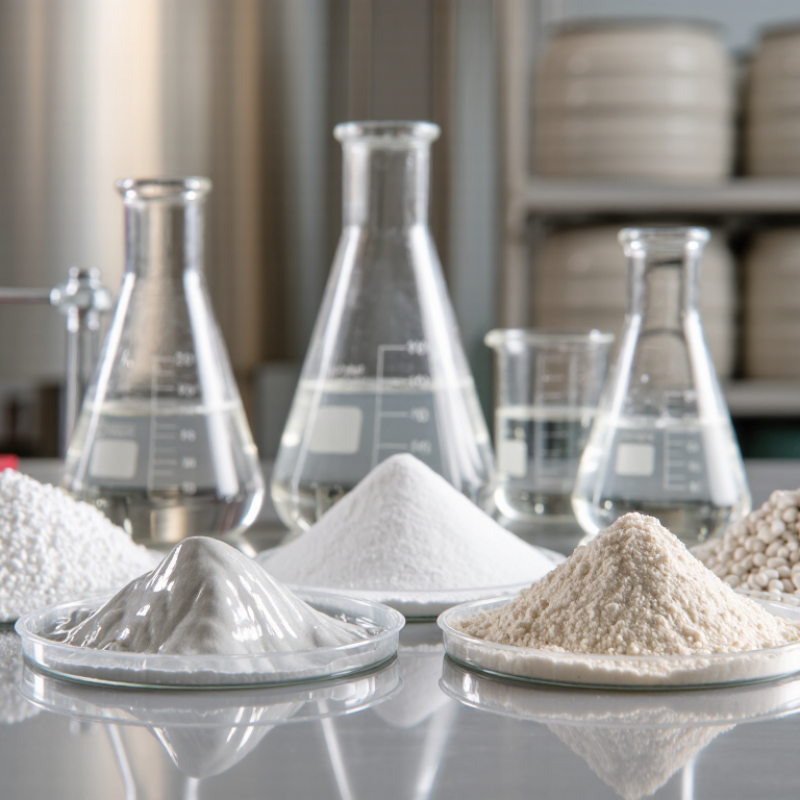
2026 Best Melamine Glazing Powder Types?

What Is Melamine Glazing Powder? MF Resin, 100% Solids, and Surface Role

2026 Best Melamine Glazing Powder Types?

Melamine glazing powder is a fine thermosetting material used on molded tableware and decorative surfaces. It commonly contains melamine-formaldehyde resin, often called MF resin. During curing, heat transforms the powder into a hard, smooth layer. This layer improves gloss, surface feel, stain resistance, and resistance to repeated washing.

The main options include high-gloss, standard-gloss, matte, and functional grades. High-gloss powder creates a bright, glass-like appearance on clean surfaces. Matte grades reduce reflections and can provide a softer visual effect. Particle size matters. A poorly matched powder may leave pinholes, uneven coverage, or a cloudy finish. It is not only about appearance.

100% solids means the formulation contains no added liquid solvent that evaporates during processing. This can support consistent coating weight and reduce solvent-related concerns. However, “100% solids” does not mean every formula performs identically. Resin quality, curing temperature, pressing time, pigment level, and storage conditions still affect the final surface. Small changes matter.

Surface preparation deserves careful attention. Dust, moisture, or incomplete molding can remain visible under the glaze. Production teams should check gloss, adhesion, color, and surface defects under controlled lighting. A brighter finish is not always better. In some applications, excessive gloss highlights scratches and handling marks. This is where practical judgment becomes important, and specifications may need revision after real production trials.

Main Types by Resin and Finish: Standard, High-Gloss, and Matte Grades

Melamine glazing powder is selected by resin chemistry and surface finish, not appearance alone. Pure melamine-formaldehyde resin usually provides strong heat resistance, hardness, and a clean white surface. Standard grades offer balanced flow and moderate gloss. They suit everyday molded products where processing stability matters more than a mirror-like finish.

High-gloss grades contain carefully adjusted resin and curing systems. They flow smoothly across the surface, producing sharper reflections and clearer decorative details. However, excessive curing temperature may reduce flow and create stress marks. Matte grades use a controlled surface structure to scatter light. They hide minor fingerprints and small visual defects, but their texture can require stricter cleaning and mold control. In practical trials, matte surfaces often look more refined under soft lighting. Under direct light, the result can feel uneven. That detail deserves attention.

Tips: Check the powder’s resin content, curing window, flow distance, and recommended molding pressure. Test standard, high-gloss, and matte samples on the actual substrate. Inspect them after heat, washing, and repeated handling. A higher gloss number does not always mean better quality. Ask for technical data and batch consistency records before changing production settings.

Technical Benchmarks: 150°C Cure, 3–5 Minutes, and 60° Gloss Testing

2026 Best Melamine Glazing Powder Types?

For a 150°C cure, select fast-reacting melamine glazing powder with stable flow. The target is three to five minutes after the surface reaches temperature. That detail matters. Oven display temperature is not product temperature. Use a calibrated probe inside the molded part. A 2024 industry processing review identifies cure uniformity as a major quality variable in thermoset applications. Thin edges may cure early, while recessed areas remain soft.

Gloss needs a controlled measurement method. ASTM D523 specifies 60° geometry for many mid-gloss surfaces. ISO 2813 also defines 60° gloss testing and reporting in gloss units. Test at least three locations per piece. Record the average and the range. A glossy surface can hide uneven resin distribution. It happens.

In practical screening, compare standard-cure, high-reactivity, and high-gloss formulations. Keep powder loading, mold pressure, and cooling time unchanged. A useful benchmark is consistent 60° gloss after five minutes at 150°C. Check yellowing, pinholes, edge coverage, and release behavior. One assumption often fails: faster cure does not always mean better appearance. Excessive reactivity can trap air or create surface waviness. Production data should guide the final choice, not a single attractive sample. Temperature mapping should be repeated after maintenance, because heater performance changes over time.

2026 Best Melamine Glazing Powder Types? - Technical Benchmarks: 150°C Cure, 3–5 Minutes, and 60° Gloss Testing

Comparative technical reference for melamine-based glazing powders used on molded melamine tableware and related thermoset surfaces.

Powder Type Typical Resin Basis Primary Application Recommended Cure Benchmark Typical Gel Time at 150°C Typical 60° Gloss Recommended Film or Deposit Key Performance Profile
Pure Melamine Glazing Powder Melamine-formaldehyde thermoset resin with high melamine content High-gloss top glazing for molded melamine tableware 150°C for 3–5 minutes after the part reaches the target temperature 45–90 seconds 85–95 GU 0.10–0.25 mm equivalent cured layer Highest surface hardness, strong stain resistance, bright appearance, and good chemical resistance
Modified Melamine Glazing Powder Melamine resin modified with controlled co-resin or flexibilizing components General-purpose decorative and protective glazing 150°C for 3–5 minutes 40–85 seconds 75–90 GU 0.10–0.25 mm equivalent cured layer Improved impact tolerance and processing latitude with slightly lower maximum hardness or gloss
Low-Formaldehyde Melamine Powder Melamine-formaldehyde resin designed for reduced residual and emitted formaldehyde Food-contact-oriented molded articles where emission control is prioritized 150°C for 3–5 minutes, subject to validated emission testing 50–100 seconds 80–92 GU 0.10–0.25 mm equivalent cured layer Balanced gloss and hardness; requires careful control of cure completeness and volatile release
Fast-Cure Melamine Glazing Powder Catalyzed melamine-formaldehyde resin optimized for shorter molding cycles High-throughput production and short-cycle compression molding 150°C for approximately 3 minutes after temperature equalization 25–60 seconds 78–90 GU 0.08–0.20 mm equivalent cured layer Short demolding time and good productivity; sensitive to mold temperature and powder distribution
High-Gloss Finishing Powder Fine-particle melamine resin with optimized flow and surface leveling Premium visual finish, logos, patterns, and smooth decorative surfaces 150°C for 3–5 minutes 45–85 seconds 90–98 GU 0.08–0.20 mm equivalent cured layer Superior leveling and visual brightness; requires clean molds and controlled powder loading
Matte or Satin Melamine Powder Melamine resin formulated with controlled surface texture or matting components Low-reflection tableware and tactile decorative finishes 150°C for 3–5 minutes 45–95 seconds 20–60 GU 0.10–0.25 mm equivalent cured layer Reduced glare and decorative texture; gloss uniformity depends strongly on mold surface and application consistency
Testing and interpretation notes:
  • Gloss values are typical reference ranges measured at a 60° geometry using a calibrated gloss meter in accordance with ASTM D523 or ISO 2813 principles. They are not guaranteed product specifications.
  • The 150°C cure benchmark assumes that the molded article and glazing layer have reached the target temperature. Actual press time depends on part thickness, mold temperature, powder loading, and equipment design.
  • Gel time should be determined with a controlled hot-plate or gel-time instrument at 150°C using a consistent sample mass and endpoint definition.
  • For food-contact applications, migration, extractables, residual formaldehyde, odor, and applicable regional regulatory requirements must be verified separately.

Application Fit: Tableware, Decorative Laminates, and Printed Surfaces

2026 Best Melamine Glazing Powder Types?

Application fit matters more than a single “best” powder. For tableware, high-gloss melamine glazing powder remains practical because it supports smooth surfaces, stain resistance, and bright decoration. Fine particle grades help cover tiny print edges on plates and bowls. Fast-curing grades can reduce press time, but they may create pinholes when moisture control is poor. That trade-off is often overlooked.

Mordor Intelligence estimated the decorative laminates market at about USD 7.3 billion in 2024, with continued growth through 2029. This supports stronger demand for durable, decorative powder systems. Laminates usually need excellent abrasion resistance and stable color under heat. A medium-gloss or matte grade can hide fingerprints better than a mirror finish. However, excessive gloss may reveal scratches quickly. Experience on production floors still matters more than a catalog label.

Printed surfaces need different priorities. Clear, low-yellowing glazing powder protects printed patterns without weakening color contrast. A finer grade can produce cleaner edges around woodgrain, stone, or textile visuals. Smithers’ decorative surfaces research identifies digital decoration and design variation as important market drivers. Powder selection should therefore match ink type, curing temperature, and press cycle. Food-contact use also requires documented local compliance testing. No shortcut works here. The evidence is not perfect, and small trials should measure gloss, adhesion, abrasion, odor, and color change before scale-up.

Choosing the Best 2026 Grade: Emissions, Adhesion, and Compliance

2026 Best Melamine Glazing Powder Types?

Choosing a 2026 melamine glazing powder requires more than gloss and whiteness. Emissions, adhesion, and documented compliance should guide the grade. The European Union’s Regulation (EU) 2023/1464 limits formaldehyde emissions from furniture and wood-based articles to 0.062 mg/m³ from August 2026. However, this limit does not automatically apply to every coating system.

Ask suppliers for chamber-test data, resin composition, curing conditions, and batch traceability. Test the finished panel, not only the powder. The U.S. EPA TSCA Title VI program also emphasizes formaldehyde emission testing for regulated composite wood products. A compliant powder may still fail after excessive curing, poor storage, or an unsuitable substrate.

Adhesion deserves equal attention. Use ISO 2409 cross-cut testing or ASTM D3359, then add heat, humidity, and water-resistance checks. In production trials, a smooth surface can hide weak bonding around edges and drilled holes. It looks perfect.

Select a grade that cures within your press or oven window. Excessive curing can increase brittleness and reduce impact resistance. Lower curing temperatures may leave residual chemicals or weak spots. I would not approve a grade from one test panel alone. Repeat testing across colors, board densities, and realistic production speeds. That evidence is slower, but more reliable.

Sources: European Commission Regulation (EU) 2023/1464; U.S. EPA TSCA Title VI; ISO 2409; ASTM D3359.

FAQS

How do standard, high-gloss, and matte grades differ?

Standard grades balance flow, hardness, and moderate gloss. High-gloss grades create sharper reflections and clearer decorative details. Matte grades scatter light and hide fingerprints. The choice depends on the surface and application.

Which grade suits everyday molded products?

Standard grades often suit everyday molded products. They provide stable processing without requiring a mirror-like finish. This can reduce unnecessary production adjustments. Still, actual trials matter.

When is a high-gloss grade useful?

High-gloss grades work well for tableware and bright decorative surfaces. They support smooth finishes, stain resistance, and clearer printed details. Excessive curing heat may cause stress marks or reduced flow.

What are the limitations of matte finishes?

Matte surfaces can hide fingerprints and small visual defects. Their texture may require stricter cleaning and mold control. Under direct light, the appearance may seem uneven. Soft lighting can look better.

What curing conditions should be tested?

Test curing near 150°C for three to five minutes after the surface reaches temperature. The oven display may not show the actual part temperature. Use a calibrated probe inside the molded piece.

How should gloss be measured?

Use a controlled 60-degree gloss measurement. Test at least three locations on each piece. Record both the average and the range. A glossy surface may still hide uneven resin distribution.

Which powder characteristics should be checked before production changes?

Check resin content, curing window, flow distance, molding pressure, and batch consistency. Also inspect yellowing, pinholes, edge coverage, and release behavior. Catalog descriptions are not enough.

How should powders be selected for printed surfaces?

Choose a clear, low-yellowing grade that protects printed patterns. Fine particles can create cleaner edges around woodgrain, stone, or textile visuals. Match the powder with the ink, temperature, and press cycle.

Does faster curing always produce better results?

No. Faster curing may shorten press time, but it can trap air or create waviness. Moisture control is important. A fast sample can still disappoint during production.

What testing should happen before scale-up?

Test the actual substrate with unchanged powder loading, pressure, and cooling time. Inspect samples after heat, washing, and repeated handling. Measure gloss, adhesion, abrasion, odor, and color change. Small trials may reveal inconvenient problems.

Conclusion

Melamine Glazing Powder is a 100% solids finishing material made from melamine-formaldehyde resin and designed to create a durable, attractive surface layer. Its main role is to improve gloss, smoothness, hardness, stain resistance, and overall appearance on products such as tableware, decorative laminates, and printed surfaces. Common grades include standard finishes for balanced performance, high-gloss grades for a bright reflective appearance, and matte grades for a softer, low-reflection effect.

When selecting the best 2026 grade, manufacturers should evaluate both technical performance and end-use requirements. Typical curing conditions are around 150°C for 3–5 minutes, while 60° gloss testing can help compare surface appearance consistently. Other key considerations include adhesion to the substrate, emission control, finish uniformity, processing stability, and compliance with applicable safety and environmental requirements. The most suitable Melamine Glazing Powder should provide reliable curing, strong surface bonding, and the desired visual effect without compromising product quality or regulatory expectations.


Sophia

Sophia

Sophia is a dedicated marketing professional with an exceptional depth of knowledge about her company's products and services. With a keen understanding of market trends and customer needs, she crafts insightful blog posts that not only inform but also engage readers, enriching the company’s online......