In the ever-evolving landscape of chemical solutions, "Formaldehyde Liquid" stands out as a versatile component. As global buyers seek quality and reliability, identifying the best products becomes essential. Formaldehyde Liquid is widely used in various industries, from textiles to construction. Its effectiveness and affordability make it a popular choice.
However, not all Formaldehyde Liquid solutions are created equal. Buyers must navigate options that vary in purity and application. It is crucial to choose suppliers with a proven track record. Potential risks arise from low-quality sources. The implications can affect product safety and operational efficiency.
Moreover, compliance with international standards is non-negotiable. Buyers must be aware of regulations surrounding Formaldehyde Liquid use. This ensures products meet necessary safety specifications. In this guide, we’ll explore leading Formaldehyde Liquid solutions for global markets. We aim to provide clarity and insight, helping buyers make informed decisions. The focus remains on quality and trust.
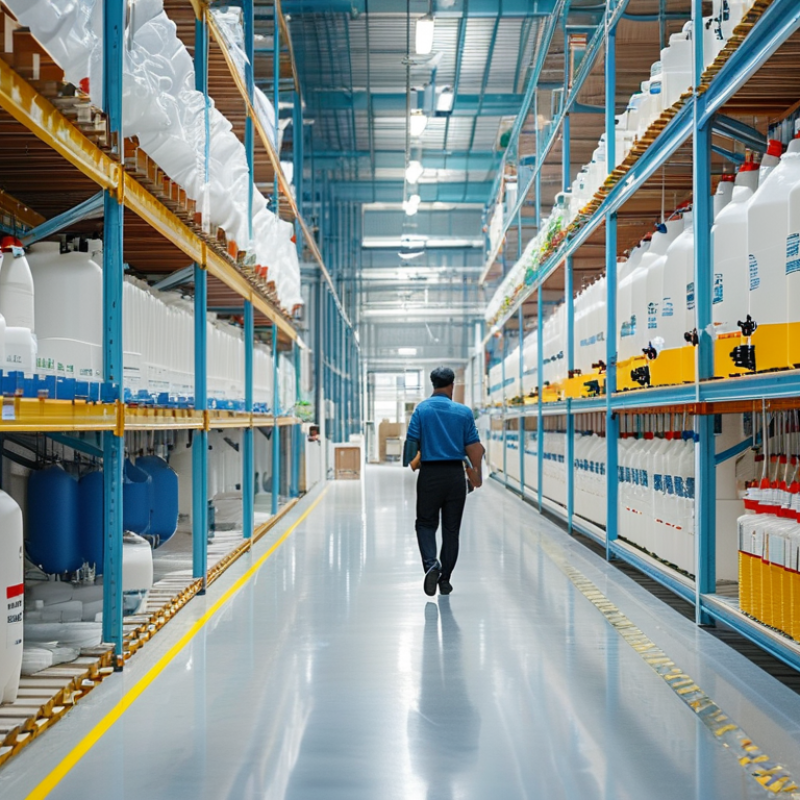
The global market for formaldehyde liquid solutions is projected to grow significantly over the coming years. According to recent industry reports, the demand for these solutions is expected to increase by over 5% annually, driven by various sectors, including construction and automotive. Formaldehyde serves as a key ingredient in resins and adhesives. It is crucial for manufacturing wood products that meet stringent performance standards.
Despite its utility, the market faces challenges related to safety and environmental regulations. Research shows that formaldehyde exposure can pose health risks, leading to new regulations and consumer concerns. Companies are investing in advanced technologies to create safer alternatives. This innovation is essential in addressing compliance requirements while maintaining product effectiveness.
Additionally, it's important to reflect on the sustainability issue. The production process often has significant environmental impacts. Companies must focus on minimizing waste and emissions. The demand for eco-friendly solutions is growing. Stakeholders are encouraged to evaluate not just the benefits but also the overall footprint of their formaldehyde solutions. This reflection may lead to better practices and greater acceptance in the market.
Formaldehyde solutions are critical in various industries, including healthcare and manufacturing. Effective formaldehyde solutions typically contain 37-40% formaldehyde and are often mixed with methanol. This combination enhances shelf life and minimizes polymerization. According to a recent market research report, the global formaldehyde market is projected to reach 55 million tons by 2026. Industry reports emphasize the importance of purity levels, which should exceed 95% for optimal effectiveness.
Safety and stability are paramount when selecting formaldehyde liquid solutions. Regulations in many regions require detailed safety data sheets. These documents provide crucial information on handling and storage. Inadequate compliance can lead to serious safety hazards. A study highlighted that improper handling of formaldehyde could lead to indoor air quality issues. Monitoring exposure levels is essential for workers' health.
Environmental considerations cannot be ignored either. Formulating solutions with lower VOCs can reduce harmful emissions. Sustainability is becoming a key factor for buyers globally. Recent surveys show a growing demand for eco-friendly alternatives in the formaldehyde sector. This shift encourages manufacturers to reflect on their practices and find innovative solutions. The quest for effective, safe, and sustainable formaldehyde solutions is ongoing.
In the realm of chemical manufacturing, formaldehyde liquid solutions are essential. These solutions serve multiple industries, offering critical applications in agriculture, textiles, and the production of resins. Leading manufacturers focus on purity and concentration levels to meet global standards. This ensures quality for diverse customer needs.
Expertise in the production process is vital. Manufacturers invest in research to develop innovative solutions. Sustainable practices are gaining traction. Buyers are increasingly seeking environmentally friendly options without compromising effectiveness. The push for transparency in sourcing materials is also rising, reflecting consumer awareness.
Despite advancements, challenges remain. Supply chain issues can impact availability. Manufacturers must adapt quickly to changing regulations. Backup sources of raw materials are necessary for maintaining consistency. This dynamic landscape calls for ongoing assessment and improvement. Companies must stay ahead of industry trends while ensuring reliability in their offerings.
When selecting the best formaldehyde liquid solutions, buyers should focus on key criteria. One critical factor is the purity level of the solution. A purity of 37% is generally considered optimal for many industrial applications. Lower purity can lead to inconsistencies in performance. According to an industry report by Market Research Future, fluctuations in solution quality can affect the stability of end products, which can be costly for manufacturers.
Additionally, buyers need to consider the toxicity of formaldehyde. Reports indicate that exposure to high concentrations can pose health risks. It is essential to evaluate the safety data sheets (SDS) provided by suppliers. This information can help in assessing potential hazards and necessary safety measures. Formulations with lower volatility are gaining traction, as they can minimize air contamination risks during use.
Another aspect worthy of reflection is the supplier's reliability. Establishing a long-term relationship with suppliers who have a proven track record can mitigate risks. Research shows that suppliers who invest in quality control and certifications tend to provide more consistent solutions. However, some buyers may overlook this critical aspect in the rush for cost-effective options, which can affect overall production quality.
| Solution Type | Formaldehyde Concentration (%) | Viscosity (cP) | pH Level | Application |
|---|---|---|---|---|
| Aqueous Formaldehyde Solution | 37% | 1.2 | 7.0 | Preservative, Disinfectant |
| Formaldehyde-Based Resin | 20% | 50 | 8.5 | Wood Adhesives, Coatings |
| Formaldehyde Detectors | N/A | N/A | N/A | Safety Monitoring |
| Formaldehyde Neutralizers | 10% | 1.0 | 6.0 | Odor Control, Treatment |
| High-Purity Formaldehyde | 37%+ | 0.9 | 7.5 | Laboratory Reagent |
The formaldehyde liquid solutions market is poised for significant changes in the coming years. With increased environmental awareness, buyers are increasingly looking for sustainable options. Innovations in formulation can improve safety while maintaining effectiveness. New applications in textiles and construction are also emerging.
Market research indicates a growing preference for bio-based alternatives. These solutions may not only minimize health risks but also challenge traditional chemical formulas. However, adoption may take time due to cost and supply chain constraints. It's crucial for companies to balance innovation with practical considerations.
As regulations tighten, compliance becomes paramount. Authorities are focusing on safety standards and environmental impacts. Companies must stay updated on legislative changes to avoid potential setbacks. The pathway to growth in this market will require agility, technical knowledge, and a commitment to ethical practices.
: Effective formaldehyde solutions usually contain 37-40% formaldehyde, often mixed with methanol.
Purity levels should exceed 95% for optimal effectiveness in various applications.
Detailed safety data sheets are required to inform about handling and storage to prevent hazards.
Improper handling can lead to indoor air quality issues, posing health risks to workers.
There is a rising demand for eco-friendly alternatives that minimize harmful emissions.
Supply chain issues and changing regulations can impact availability and consistency of products.
Manufacturers are focusing more on sustainable practices and transparency in sourcing materials.
New applications are emerging in textiles and construction, highlighting market evolution.
Innovations can enhance safety and effectiveness, but may face cost and supply chain challenges.
Tightening regulations on safety and environmental impacts require companies to stay updated to avoid setbacks.
The article titled "2026 Best Formaldehyde Liquid Solutions for Global Buyers?" provides a comprehensive overview of the formaldehyde liquid market, highlighting key characteristics that define effective solutions. It delves into the essential properties that buyers should consider when selecting formaldehyde liquids, emphasizing factors such as purity, stability, and compatibility with various applications.
Additionally, the discussion encompasses prominent manufacturers in the formaldehyde liquid solutions sector, underscoring the competitive landscape. Criteria for making informed purchasing decisions are detailed, guiding buyers in their search for high-quality solutions. Finally, the article forecasts future trends in the market, indicating potential advancements and innovations that could shape the industry. Overall, it serves as a valuable resource for global buyers seeking optimal formaldehyde liquid solutions.
Runtai